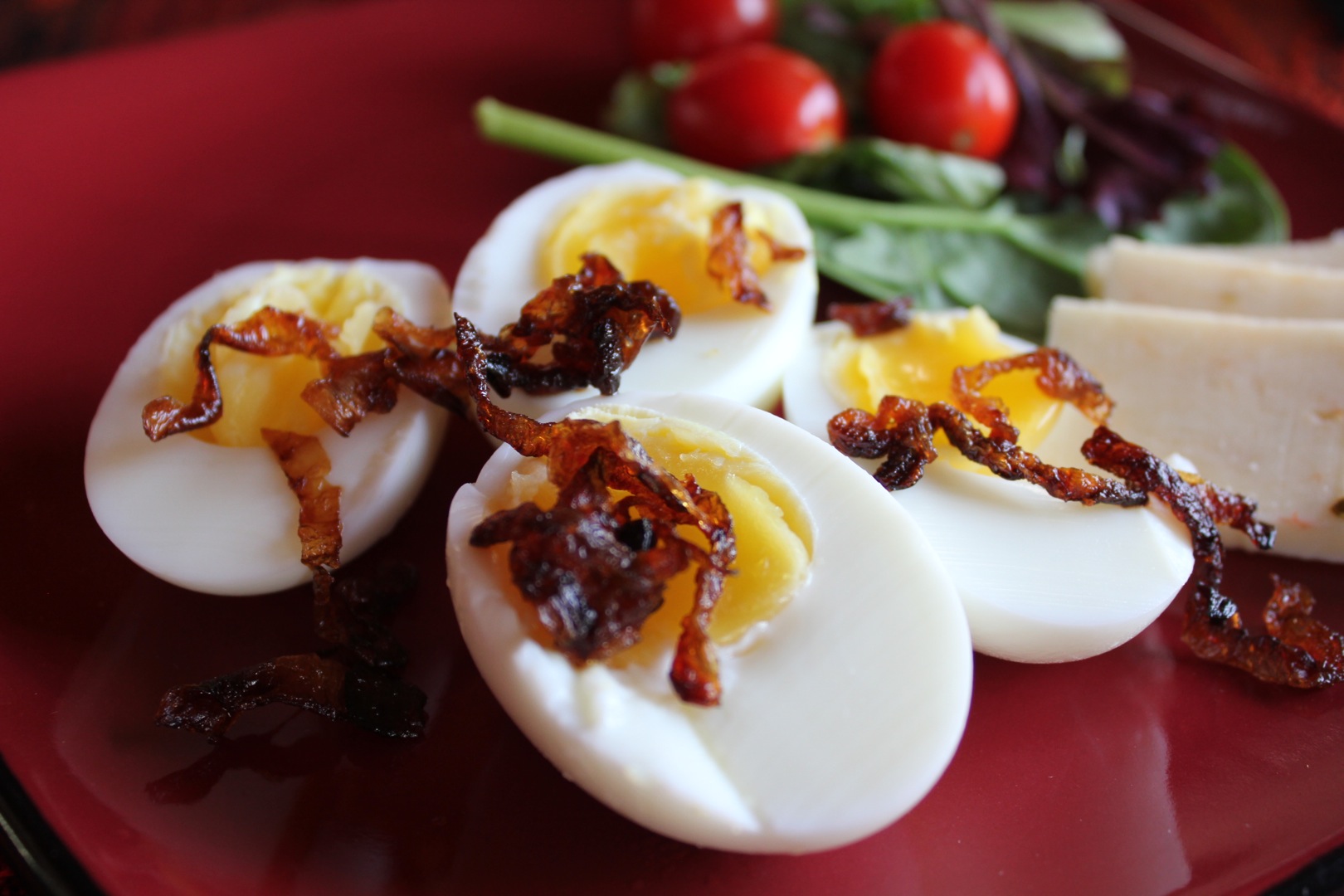
add some sweetness to your savory dishes with caramelized onions

Tags

, , ,

caramelized onion

Caramelized onions are so easy to make and they only require three ingredients: onions, a bit of olive oil and time.

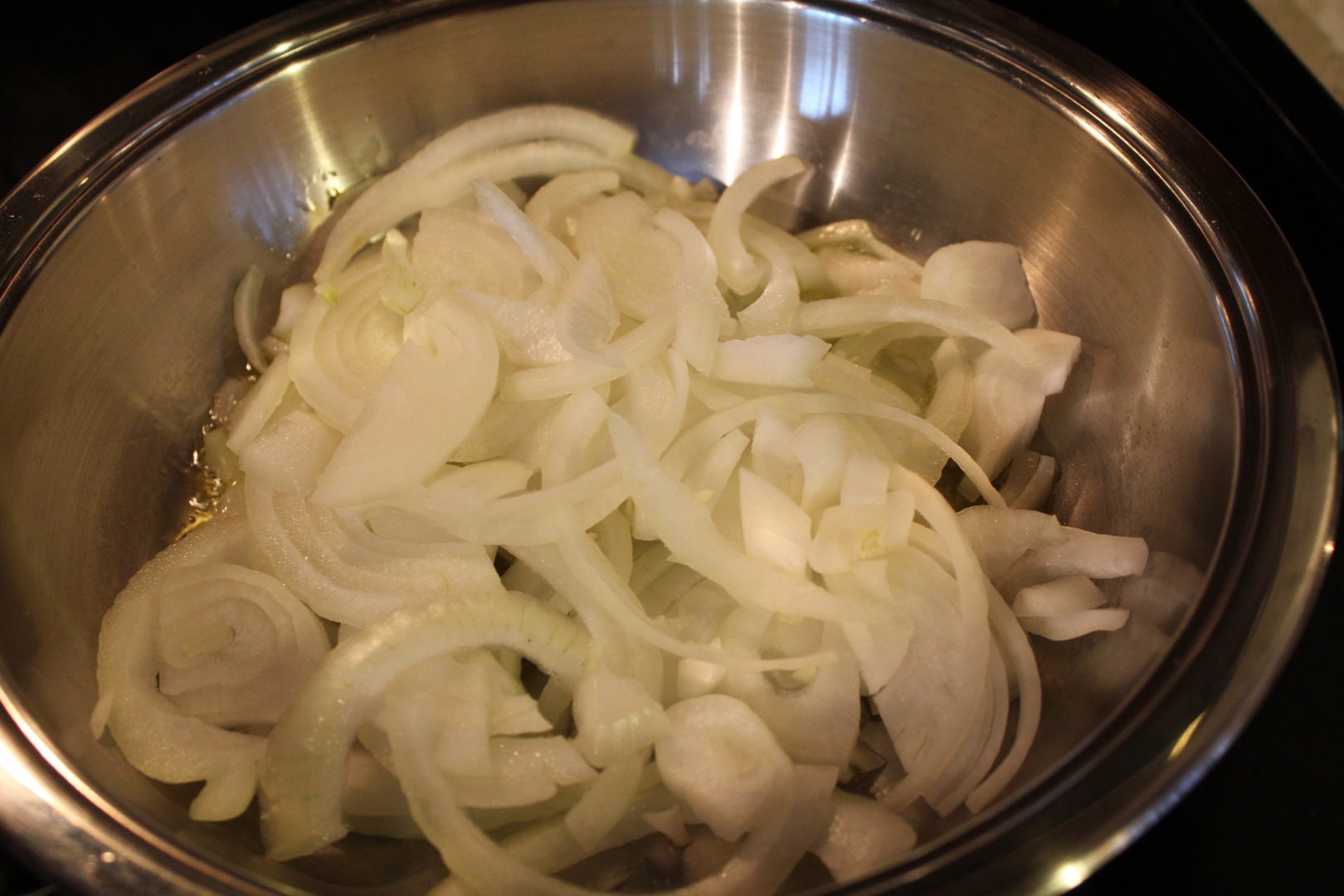
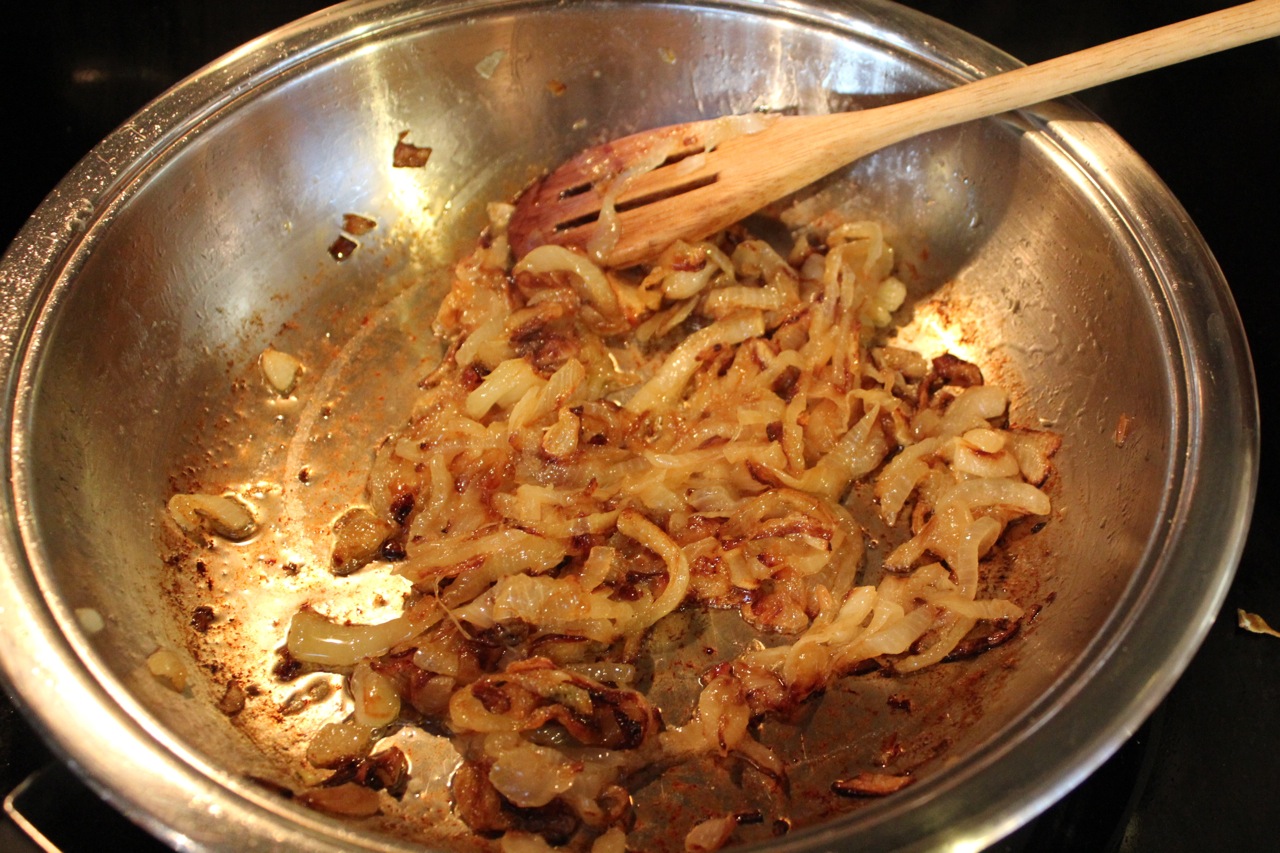
caramelized onion Start by thinly slicing your onions- use a red or a yellow onion. I like to make a larger batch with about four onions, which fit into my pan nicely.

caramelized onion

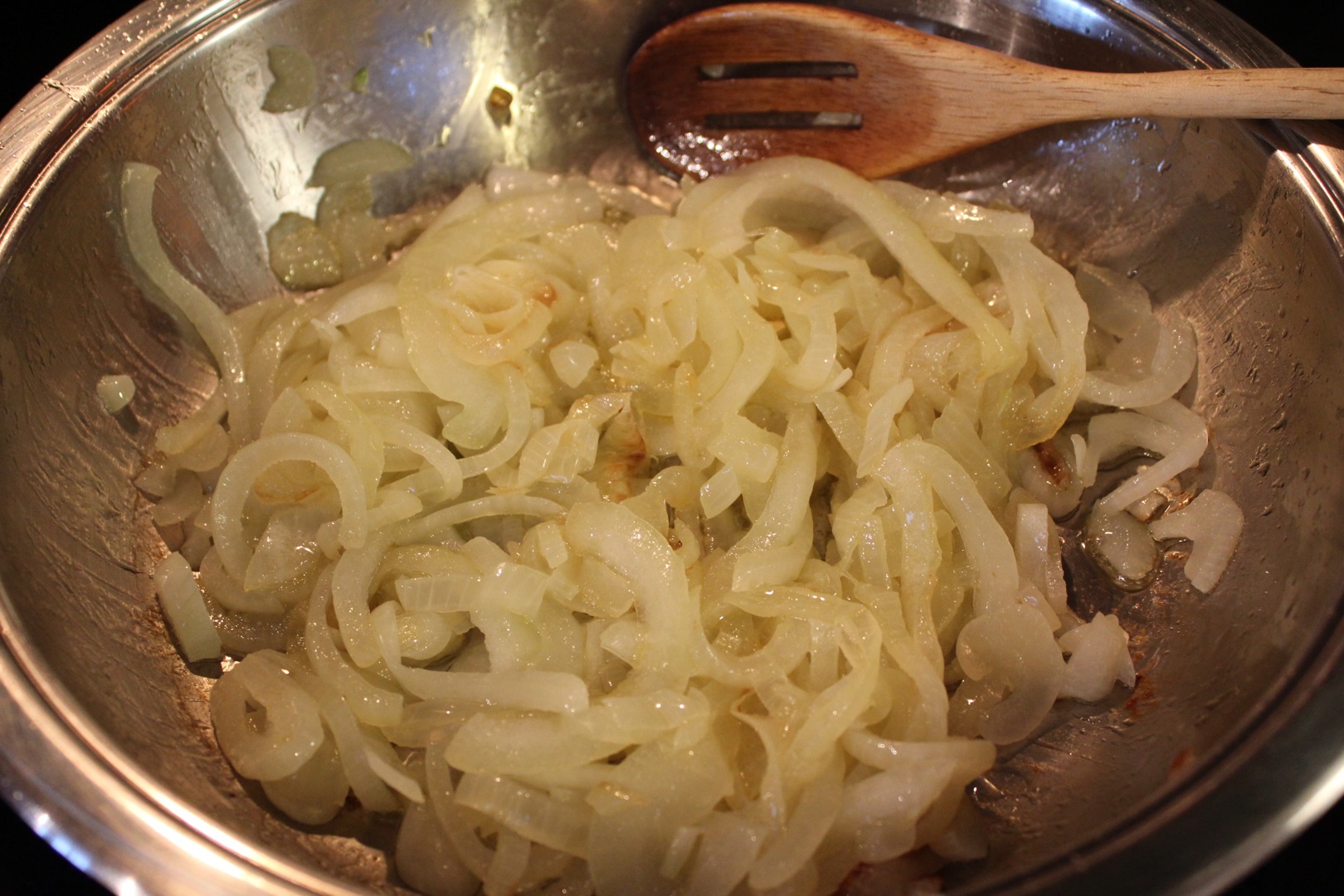
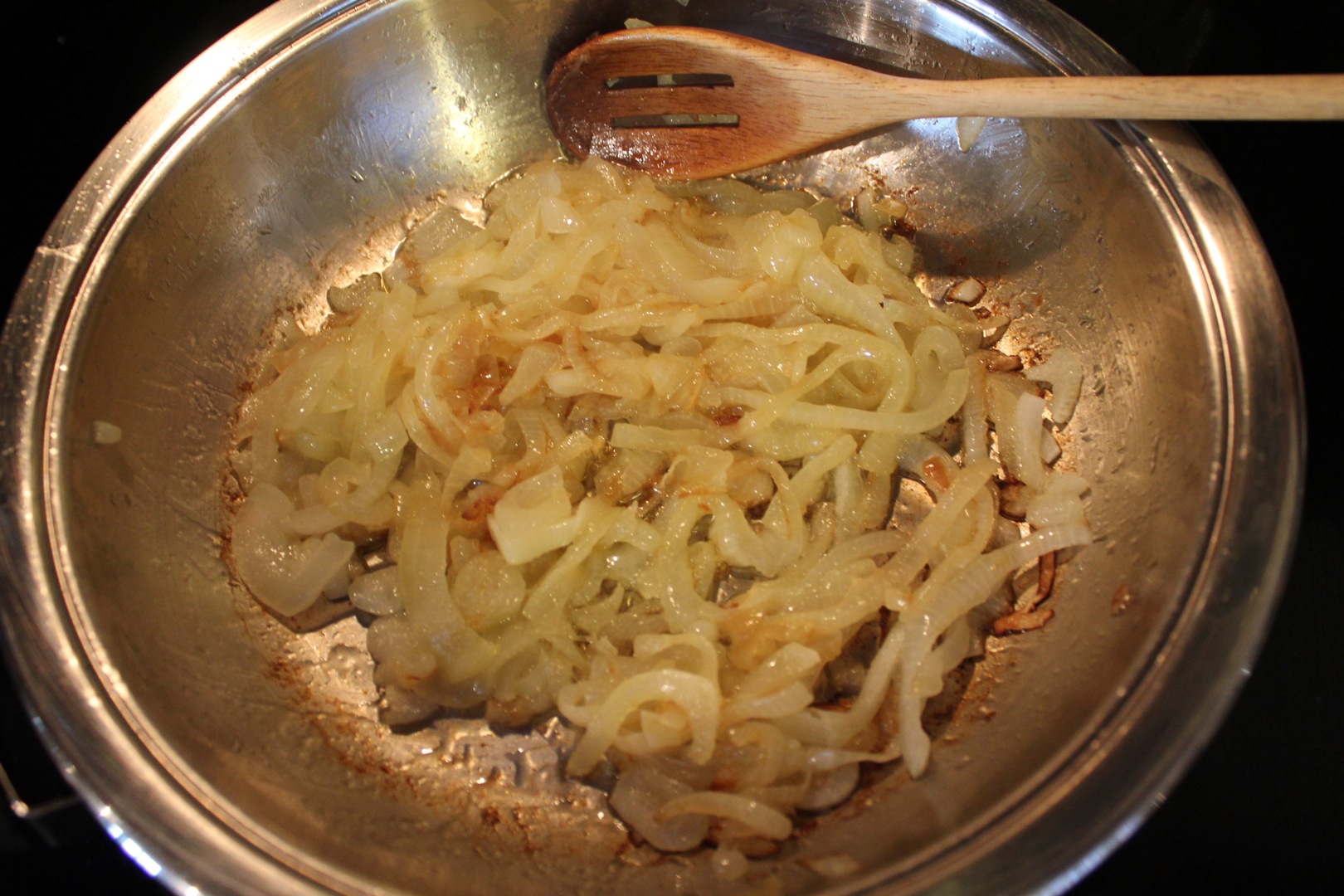
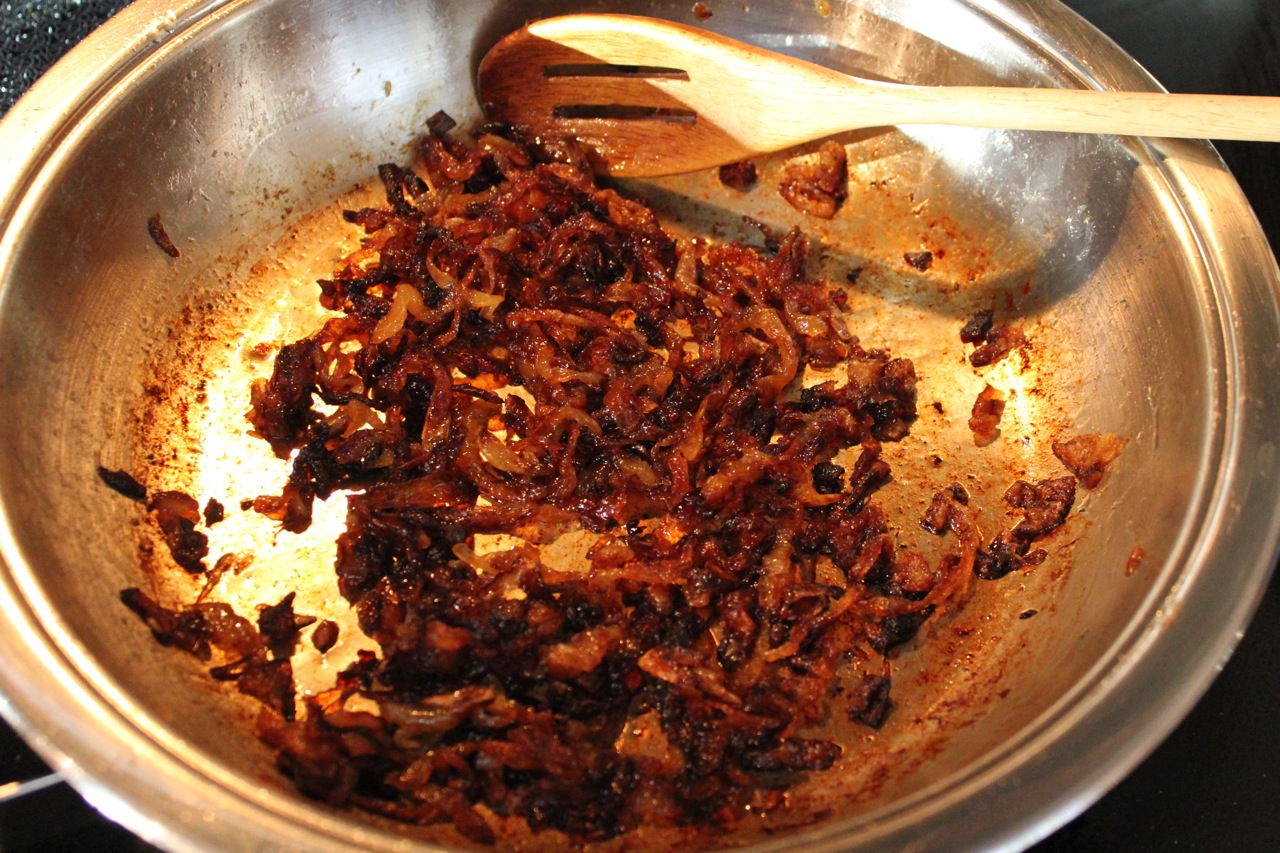
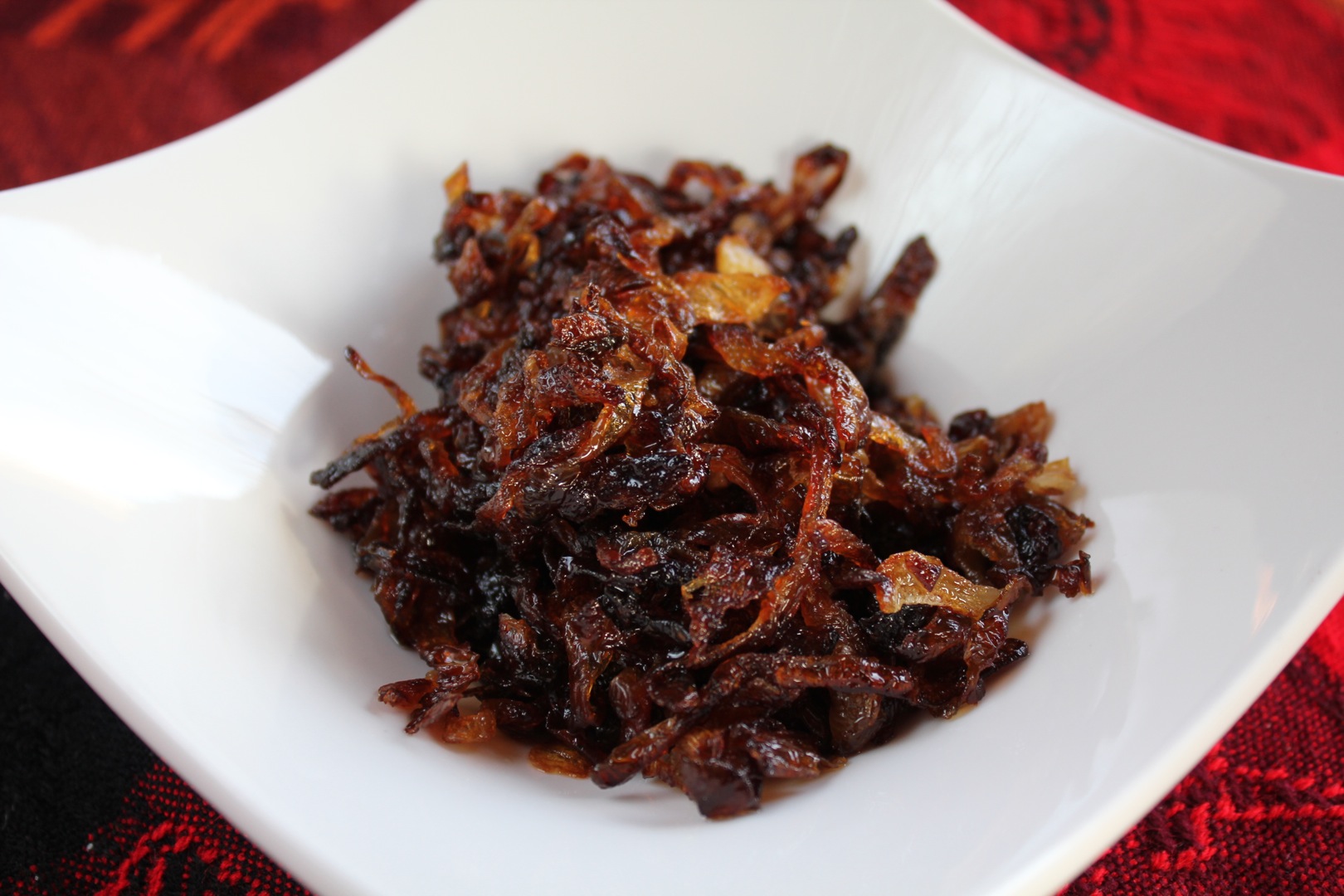
Heat two tablespoons of the olive oil (for four onions) in a pan on medium heat. Add the onions and cook uncovered, stiring frequently until the onions are translucent. At this point turn the heat down to medium low and continue to slowly cook, stirring frequently. At this point the natural sugars in the onion will begin to caramelize, turning the onions a deep brown color. Watch the onions carefully so that they do not burn. As they onions darken I turn down the heat even more and allow them to cook until they are dark brown and ‘dry’ looking. Overall this takes about 45 minutes to an hour. I like to caramelize onions when I know that I’ll be in the kitchen doing something else for a while. That way I am in no rush.  Caramelized onions are a great example of ‘slow food’ and they are well worth the time.

caramelized onion

caramelized onion

caramelized onion

Serve over poached eggs, with pasta, roast vegetables, on any meat dish, over pizza, or with any mushroom dish.

caramelized onion

Store the caramelized onions in a sealed container in the fridge. Enjoy!

poppy seed dressing

Tags

, , , ,

poppyseed dressing

I discovered this dressing at Maxine’s restaurant in St. Albert, Alberta about 14 years ago. They served this dressing warm over their house tossed salad and I immediately fell in love with it. They sold it by the bottle and I bought a few until I figured out how to make it myself. The restaurant has since closed but I now have the recipe for a great dressing that livens up any salad!

Poppyseed Dressing

1-1/2 cup sugar (I use raw can sugar)

1 teaspoon fine sea salt

3 tablespoons finely minced onion

3 tablespoons poppy seeds

2 teaspoons dry mustard

2/3 cup white vinegar (or white wine vinegar)

2 cups vegetable oil

Combine sugar, mustard, salt, vinegar and onion in a blender or food processor. Add the oil slowly, processing constantly until thick. Stir in the poppy seeds.

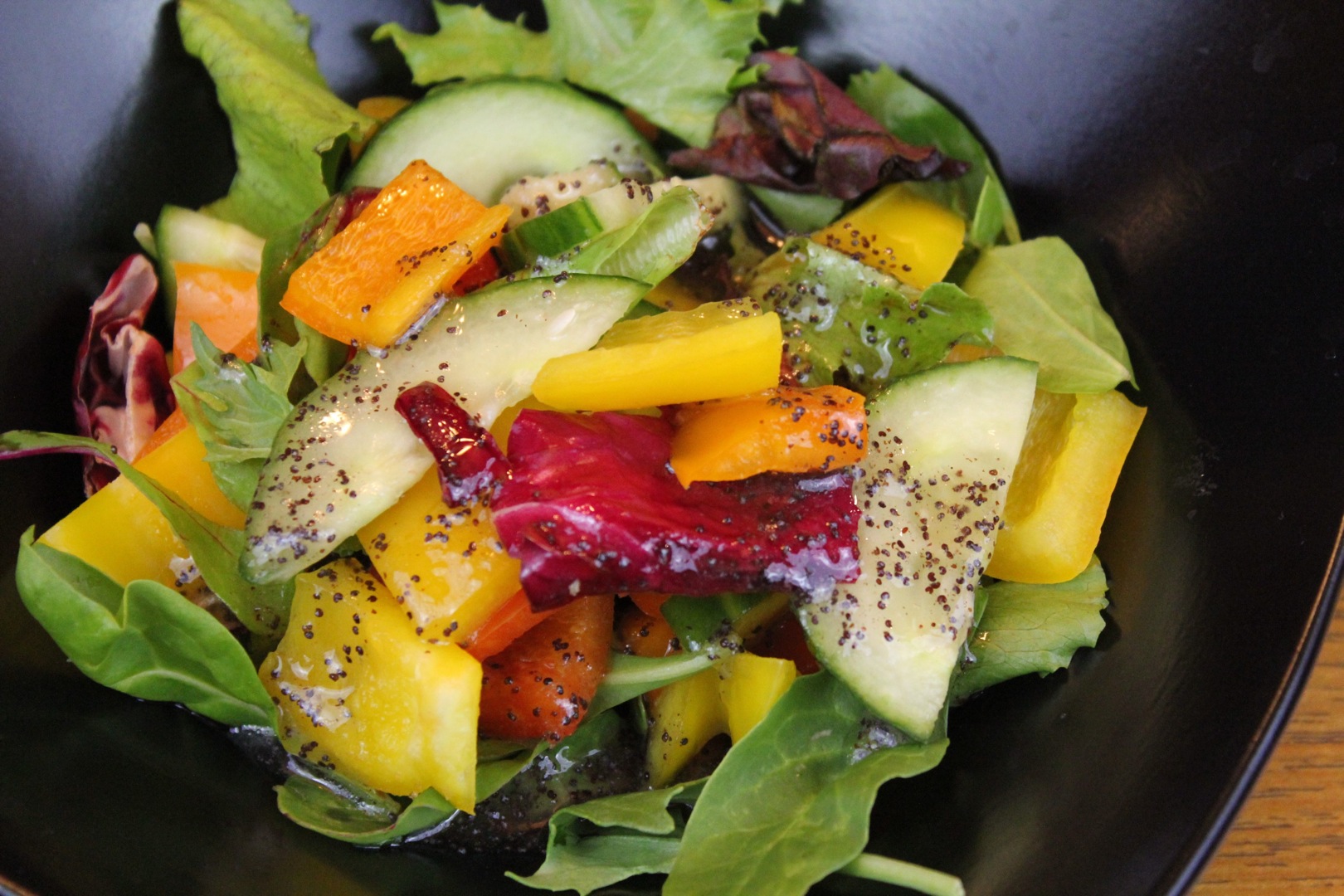
Serve warm over fruit salad or any green salad. Enjoy!

may your days be merry and bright…belated holiday wishes!

Tags

, , ,

Chayton

Sending out best wishes and happiest New Year to everyone! May 2014 be your best, brightest and most enjoyable year ever! I have a feeling that with a new baby in our lives that this will be ours! There has certainly been many changes as Chayton has enhanced our lives in many ways. As he grows and gives his mommy just a little more hands-free time I will be able to catch up on these blog posts as there is so much to share! I am looking forward to sharing  our projects and adventures with you all!

Chayton and Delena

Also, I want to thank you for your patience with me these past few months. I have not been able to blog these past two months as I was recovering from a fractured rib after slipping on some ice and falling down my back deck stairs. Yes, I was holding baby and thankfully he didn’t have a scratch on him! Thank goodness we are both doing just fine!

coconut fish curry

Tags

, , , , ,

fish curry


I was browsing through my Clay Pot Cooking cookbook and this recipe caught my eye. This warm spicy dish was perfect on  cold winter’s evening and I will definitely add this recipe to my list of favorites! I used red snapper this time around since that is what I happen to have in my freezer.

Coconut Fish Curry

4 thick fish fillets, such as cod or halibut, cut in half crosswise

2 teaspoons ground turmeric

2 tablespoons vegetable oil or mustard oil

1 tablespoon mustard seeds (optional)

2 onions, halved and sliced lengthwise

about 2 cups coconut milk, heated

2 red chilies, seeded and sliced

salt and freshly ground pepper

sprigs of cilantro to serve


For the ginger chile marinade:

2 tablespoons chile oil

2 tablespoons ginger puree

2 teaspoons crushed fennel seeds


To make the marinade, mix the oil, ginger and crushed fennel seeds in a shallow dish. Rub the fish with the turmeric then place in the chile oil mixture. Set aside to marinate for 2 hours or overnight.

Heat the oil in a skillet and add the mustard seeds (if using). Cook until they begin to pop. Add the onions and cook until they are soft and golden. Add the fish and cook at a high heat for about 2 minutes. Season to taste.

Add the coconut milk, the remaining marinade and the red chiles. Bring to a boil then transfer to a warmed, glazed clay pot (I used a dutch oven). Simmer in a preheated oven at 450*F for 5-10 minutes until the fish is done. Serve with Jasmine rice with sprigs of cilantro. Enjoy!

Resource:

Petersen-Schepelern, P. (1999). From Tandoori to Tagine: Claypot Cooking. Vancouver, BC: Raincoast Books

pork ribs with sauerkraut

Tags

, , , , ,

pork & saurkraut

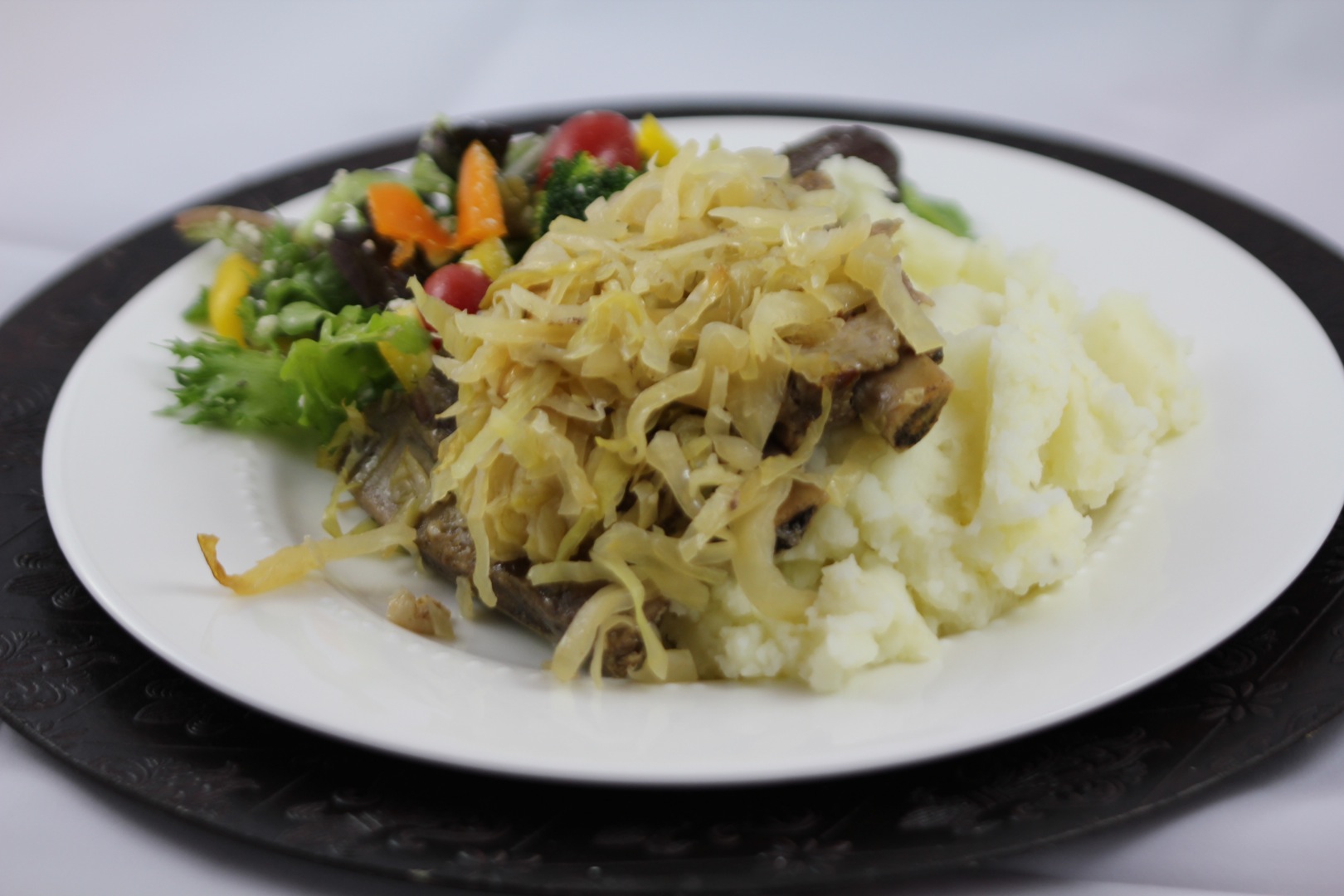
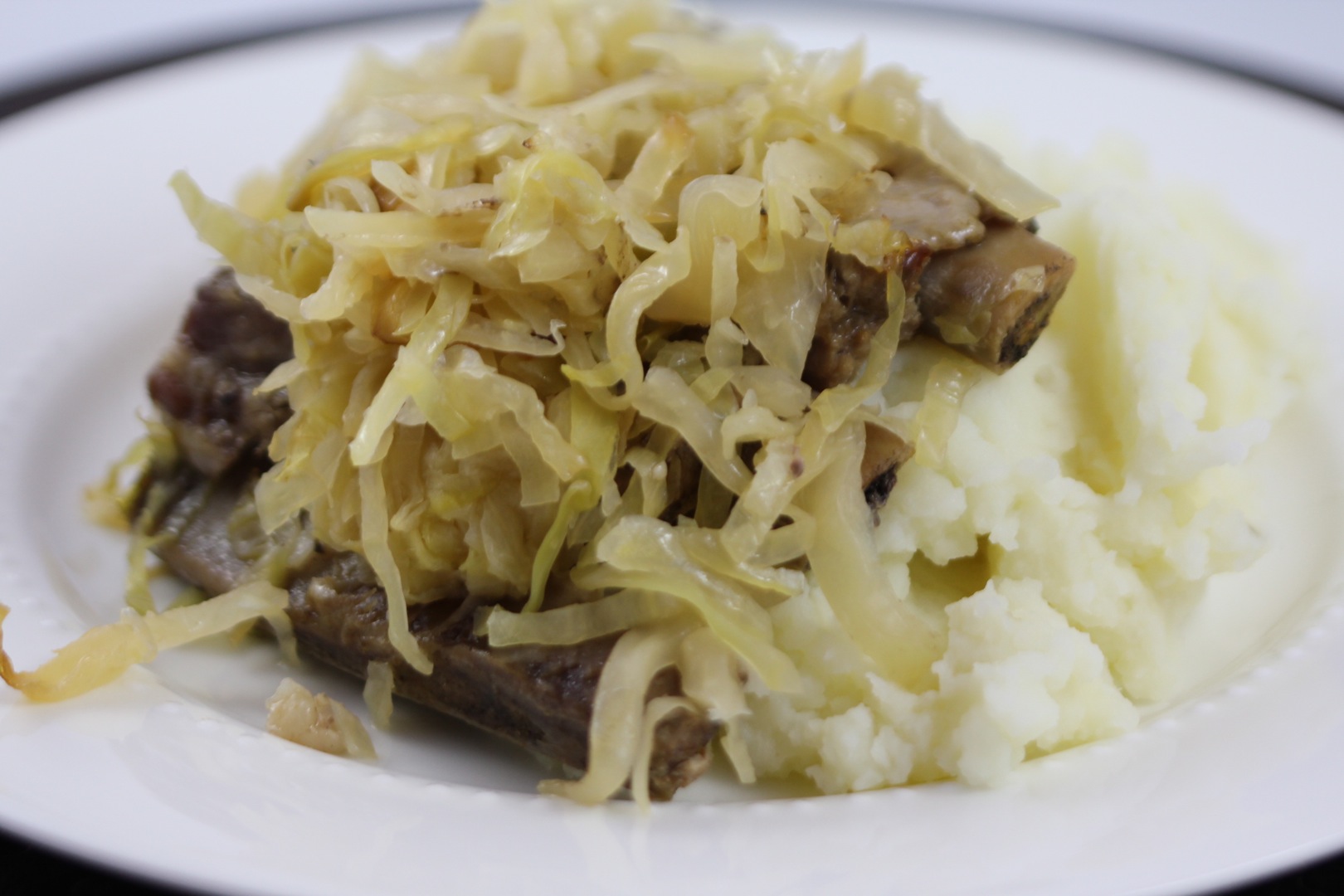
These ribs are incredibly delicious with the meat soaking up the sauerkraut juice and falling off the bone. Nothing beats homemade sauerkraut for this recipe. If you can’t find any, you can try making your own.

Pork Ribs with Sauerkraut

pork ribs

4 cups sauerkraut

black pepper

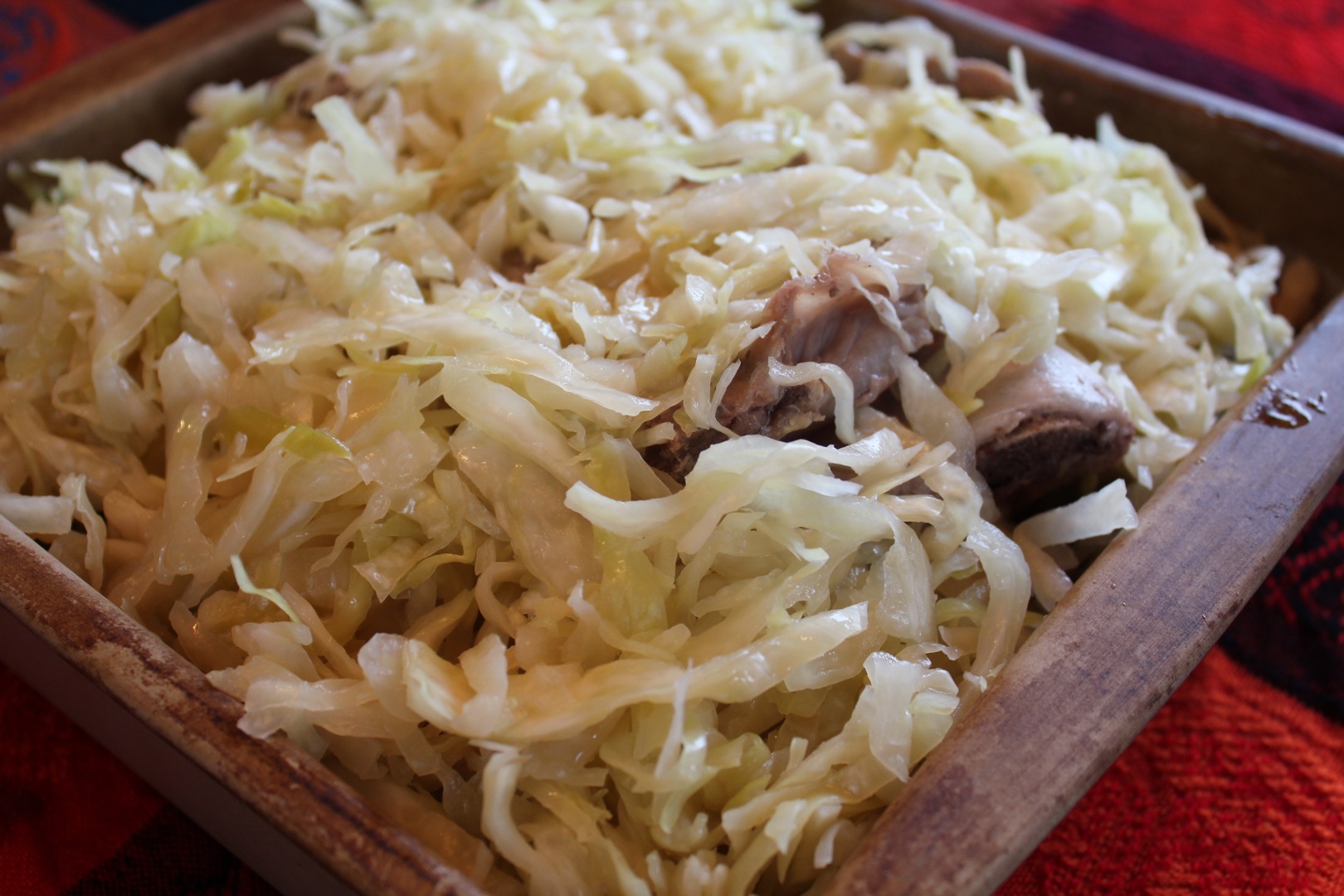
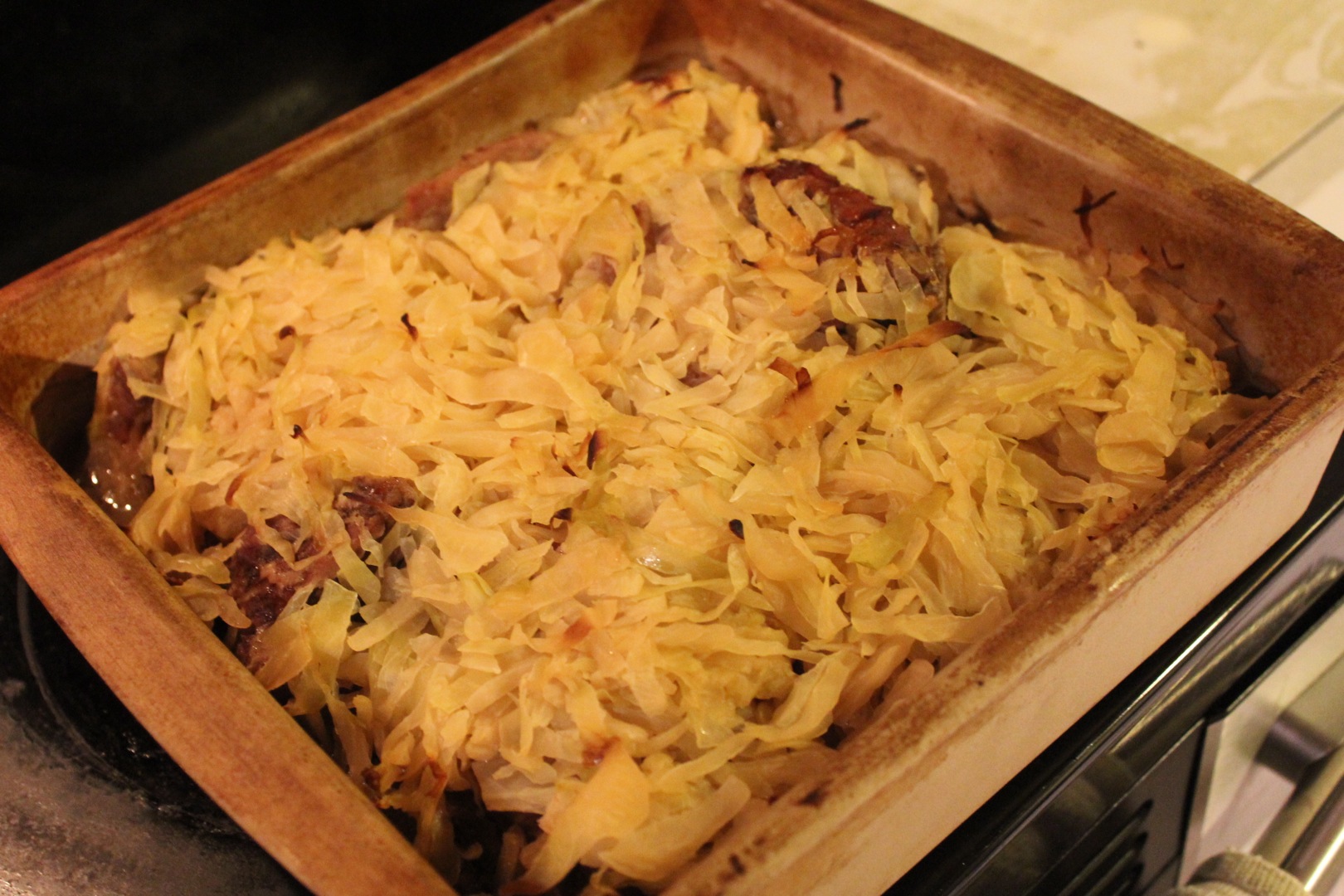
Cut ribs into large pieces. Blanch in boiling water for five minutes. Place ribs in a roast dish and cover with sauerkraut. Season with black pepper and bake in a 300*F oven to two hours. Enjoy!

pork & sauerkraut

pork & sauerkraut

making sauerkraut at home

Tags

, , , ,

pork & sauerkraut

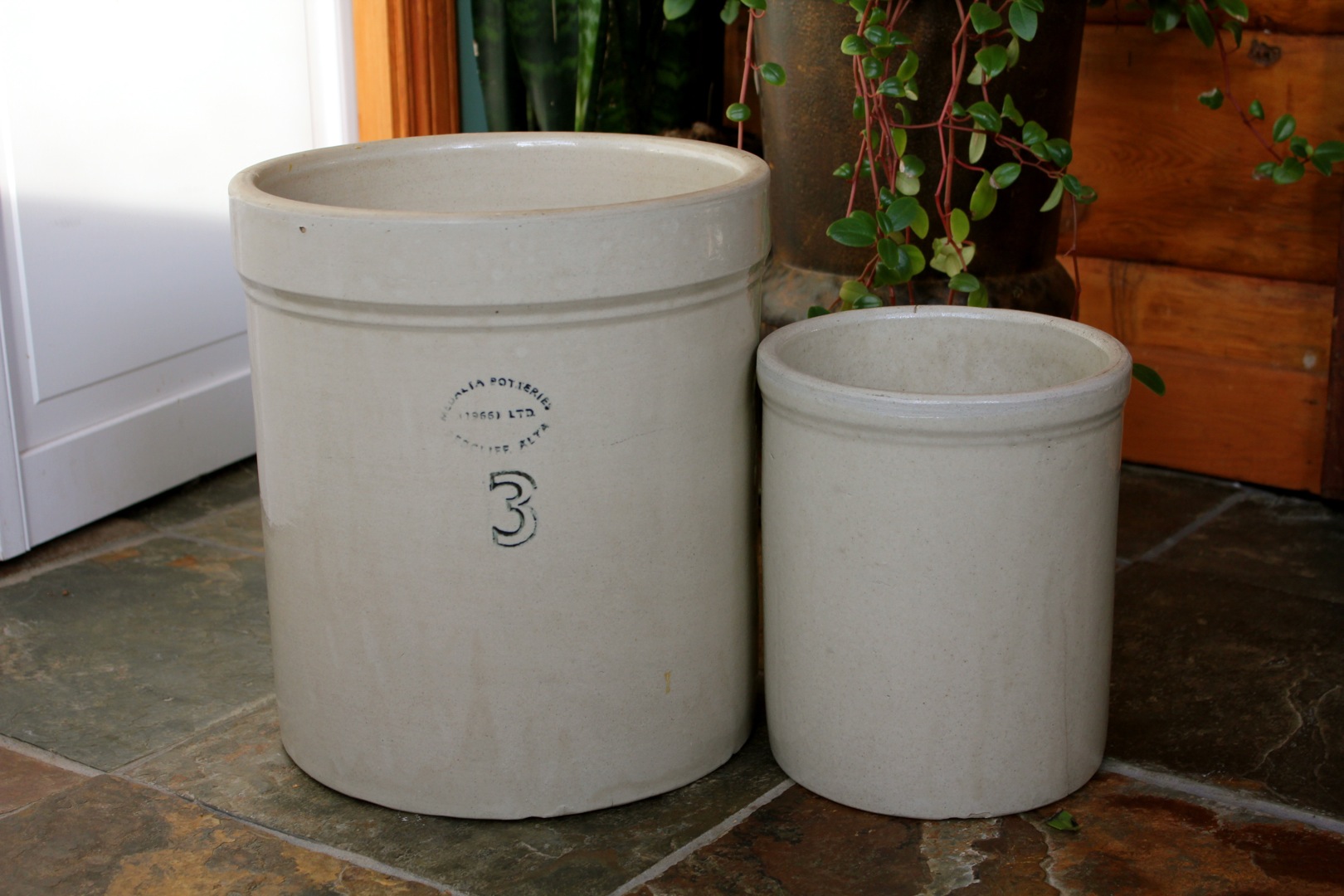
It has been years since I had homemade sauerkraut and I was really missing and craving it! I had been searching thrift stores, garage sales and antique malls for years for a large stone crock so that I could start making my own here at the cabin. I did find a few but they were too pricy at $50-$60 dollars per crock (in antique stores). Finally, just a few months ago, I found these two crocks at a thrift store in Edmonton. I paid $7.99 for the large one and $6.99 for the smaller one. Hooray! I was on my way to some homemade sauerkraut!

stone crocks

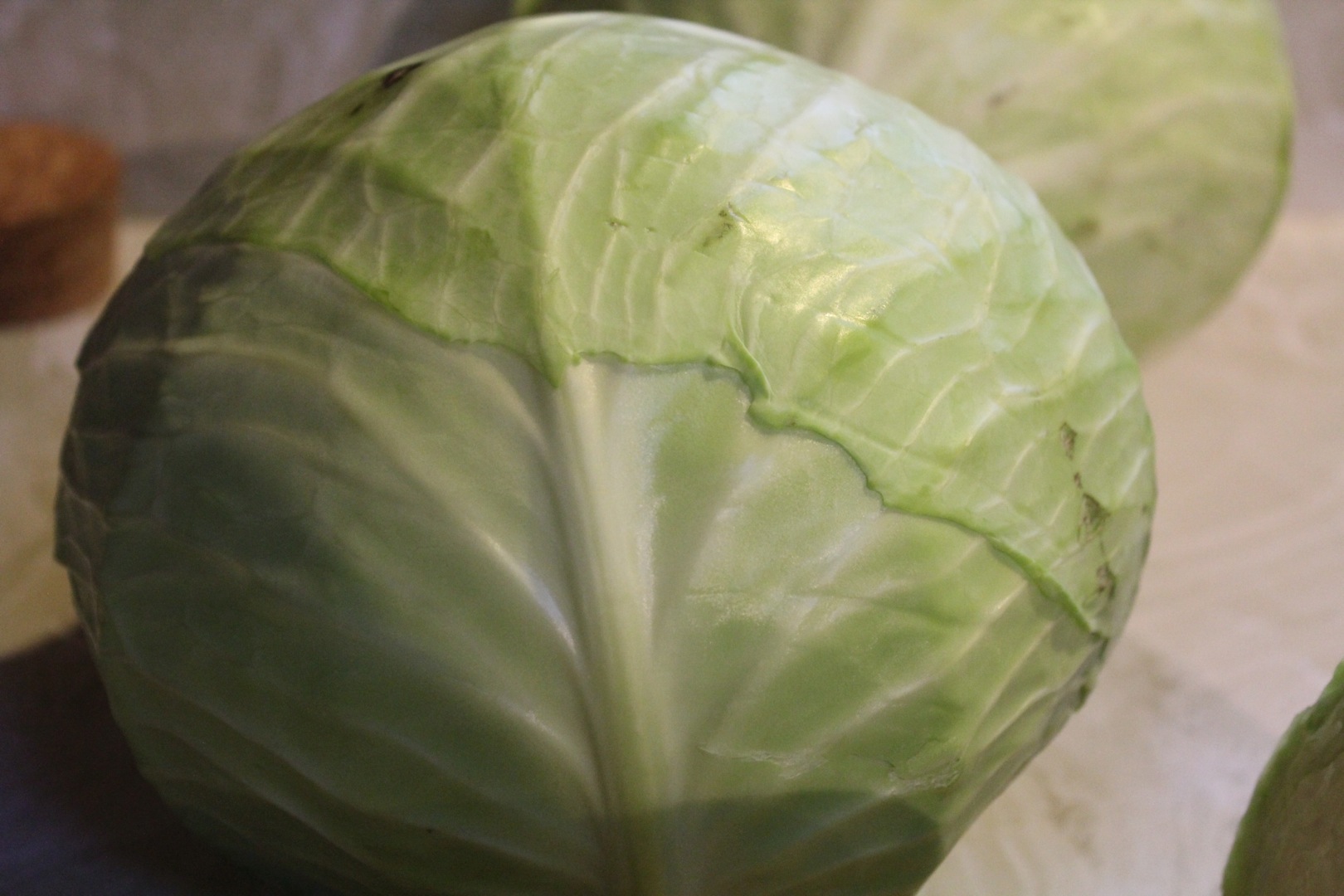
I did not grow cabbage this year so I had to buy the cabbage. For this batch I used green cabbage. Try to buy organic if you can as they are more flavorful. I thought three cabbages would fill the large crock but once they were pressed down they only filled the crock up to a third! Next time, I will use six cabbages per batch of sauerkraut.

Sauerkraut combines the health benefits offered by all cruciferous vegetables (a category which includes cauliflowers and brussel sprouts as well as cabbage) with the probiotic advantages derived from the fermentation process.

Cabbage offers a host of health benefits. It is high in vitamins A and C. Studies have shown the cruciferous vegetables can help lower cholesterol levels. Cabbage also provides a rich source of phytonutrient antioxidants. In addition, it has anti-inflammatory properties, and some studies indicate it may help combat some cancers. However, this already helpful vegetable becomes a superfood when it is pickled.~Natural News

cabbage1Sauerkraut

green cabbage (or the cabbage of your choice)

salt (I used sea salt but some recommend pickling salt)

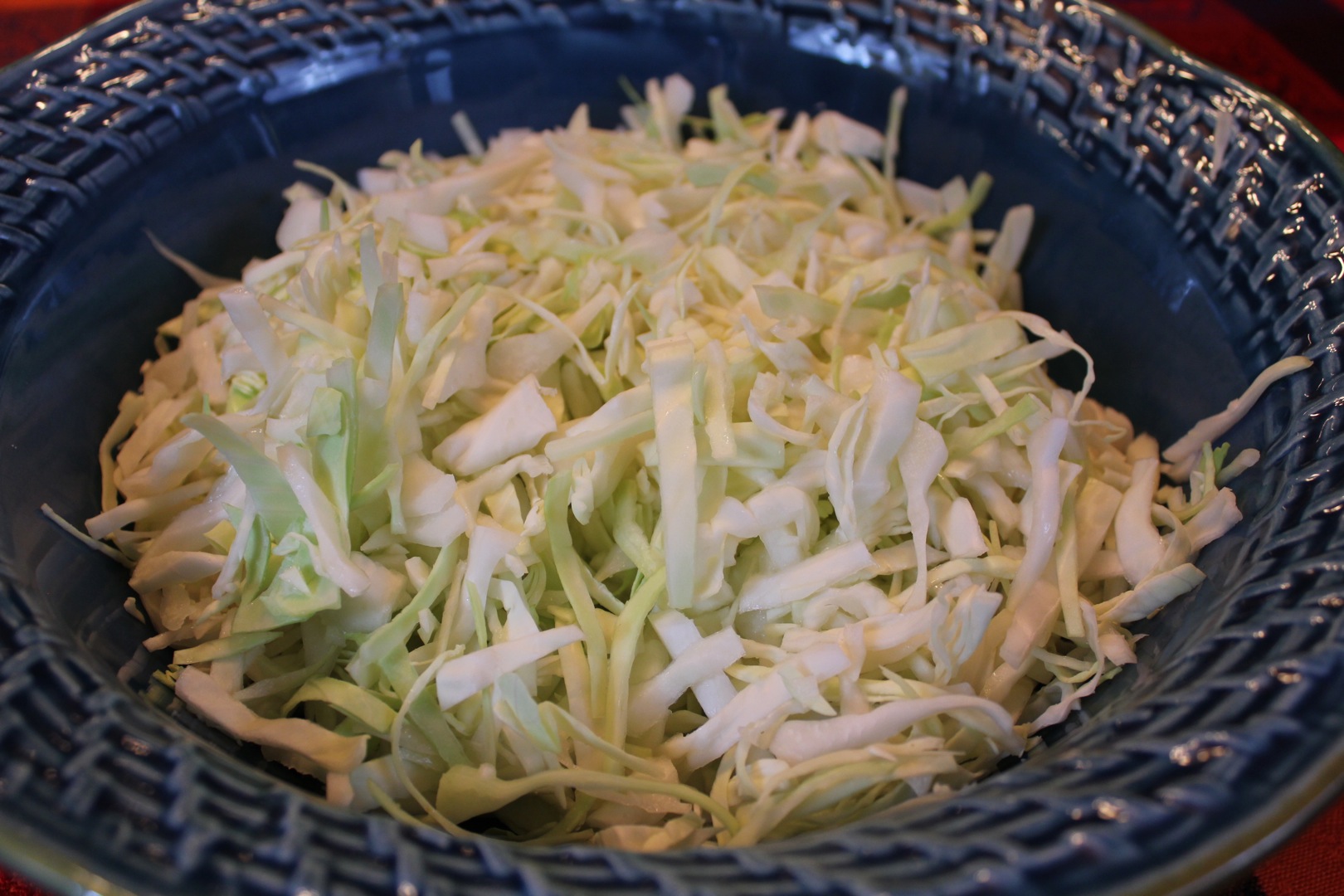
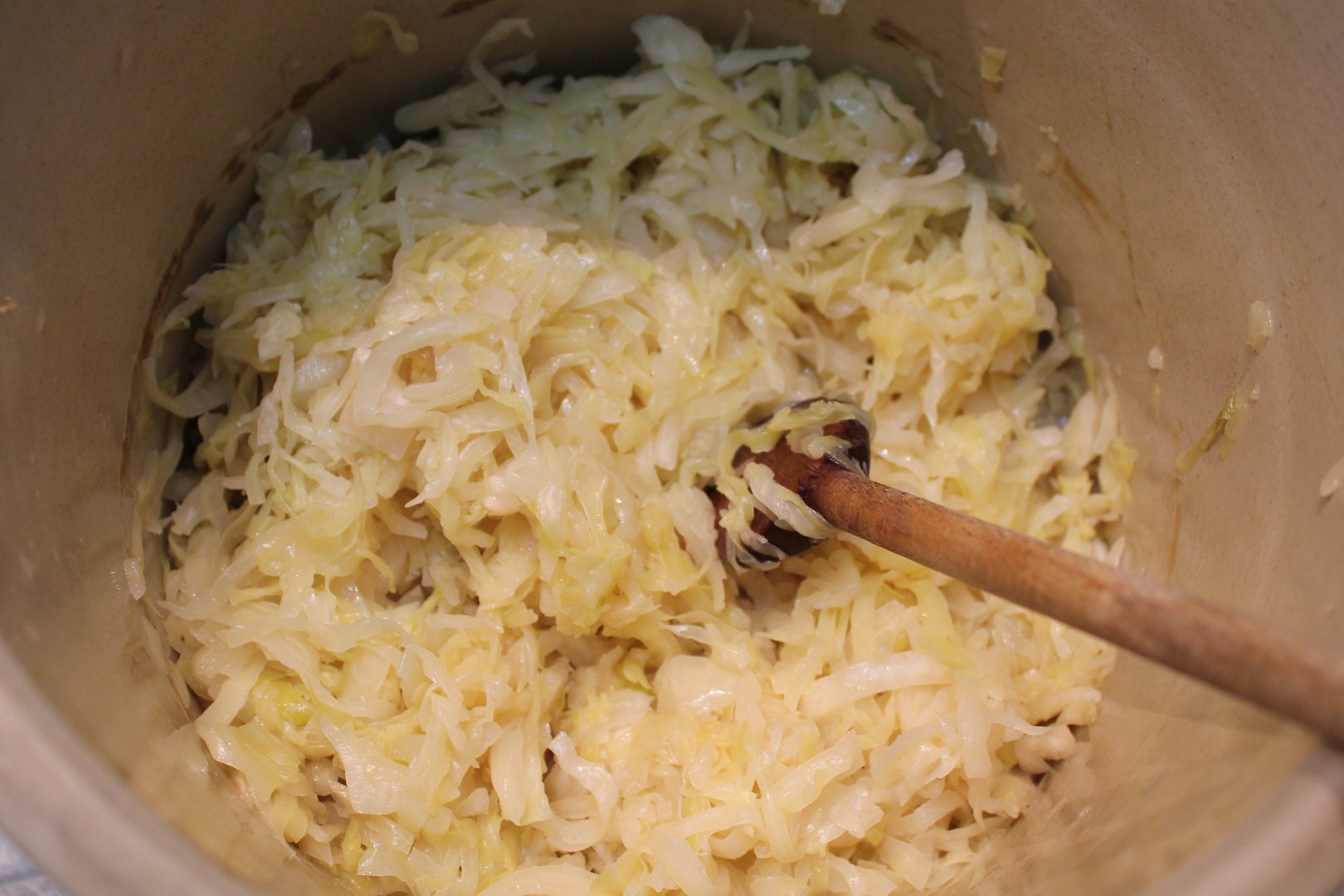
Quarter the cabbages. Remove the tough outer leaves and inner core, then slice the cabbage very thinly with a sharp knife or with a mandolin.

Place the sliced cabbage into your stone crock and add one tablespoon of salt per head of cabbage. Mix thoroughly. If you like, you can leave the cabbage and salt to sit overnight before crushing, or you can crush right away. Crush the cabbage well with a wooden utensil or anything heavy and clean. You should notice a lot of juice being released by the cabbage.

cabbage

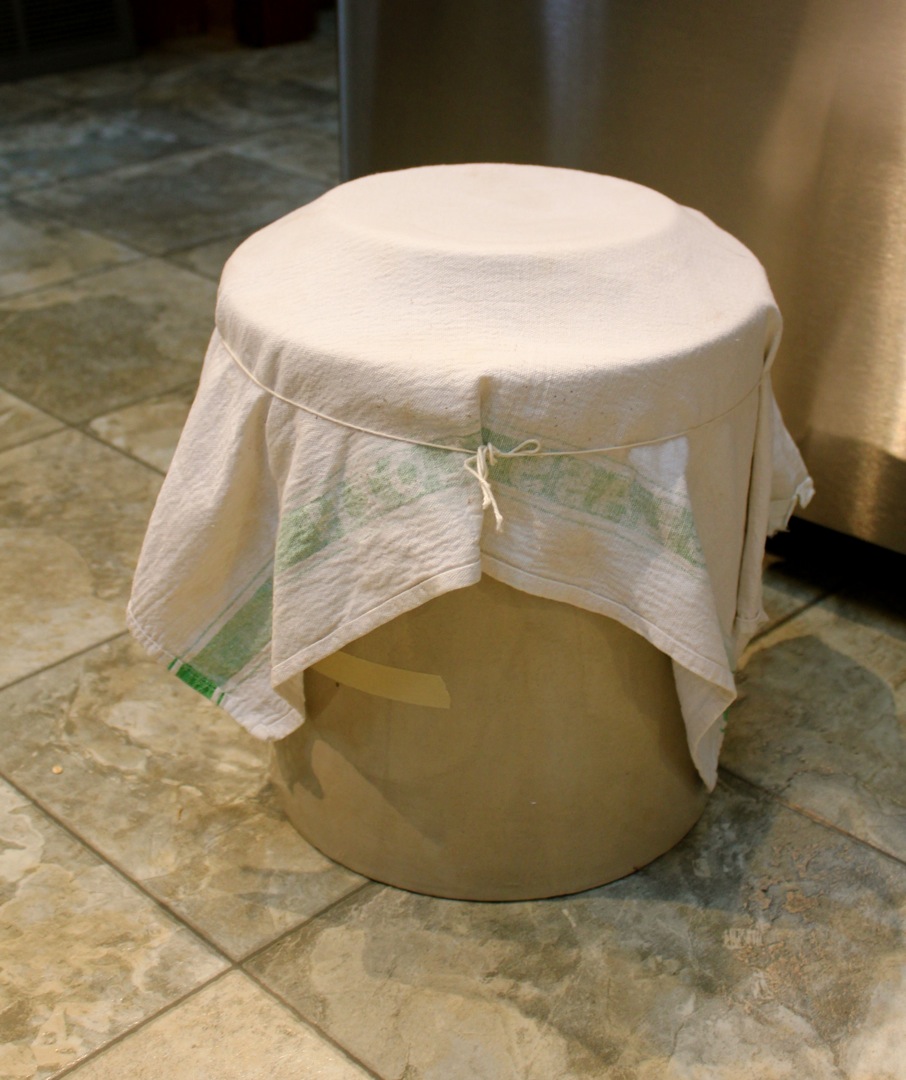
Place a plate over the cabbage making sure that the plate is fully submerged under the juice. Weigh the plate down with something clean and heavy. Cover the crock with a clean, dry cloth to keep insects and dust out. The juice and cabbage will rise a bit as fermentation begins so be sure and leave ‘room to grow’.

sauerkraut

Check the sauerkraut at least once a week and remove any mold that starts to form. (The mold is completely normal so do not be put off by it.) The sauerkraut will be ready by the fourth to sixth week, depending on how strong you prefer it. I harvested mine after four weeks.

Measure the sauerkraut into four-cup measures and freeze.

Three heads of cabbage yielded six four-cup measures.

There are many different recipes for sauerkraut and I look forward to experimenting with this healthy, tasty food!

Enjoy!

sauerkraut

making pumpkin puree

Tags

, , , ,

pumpkin puree

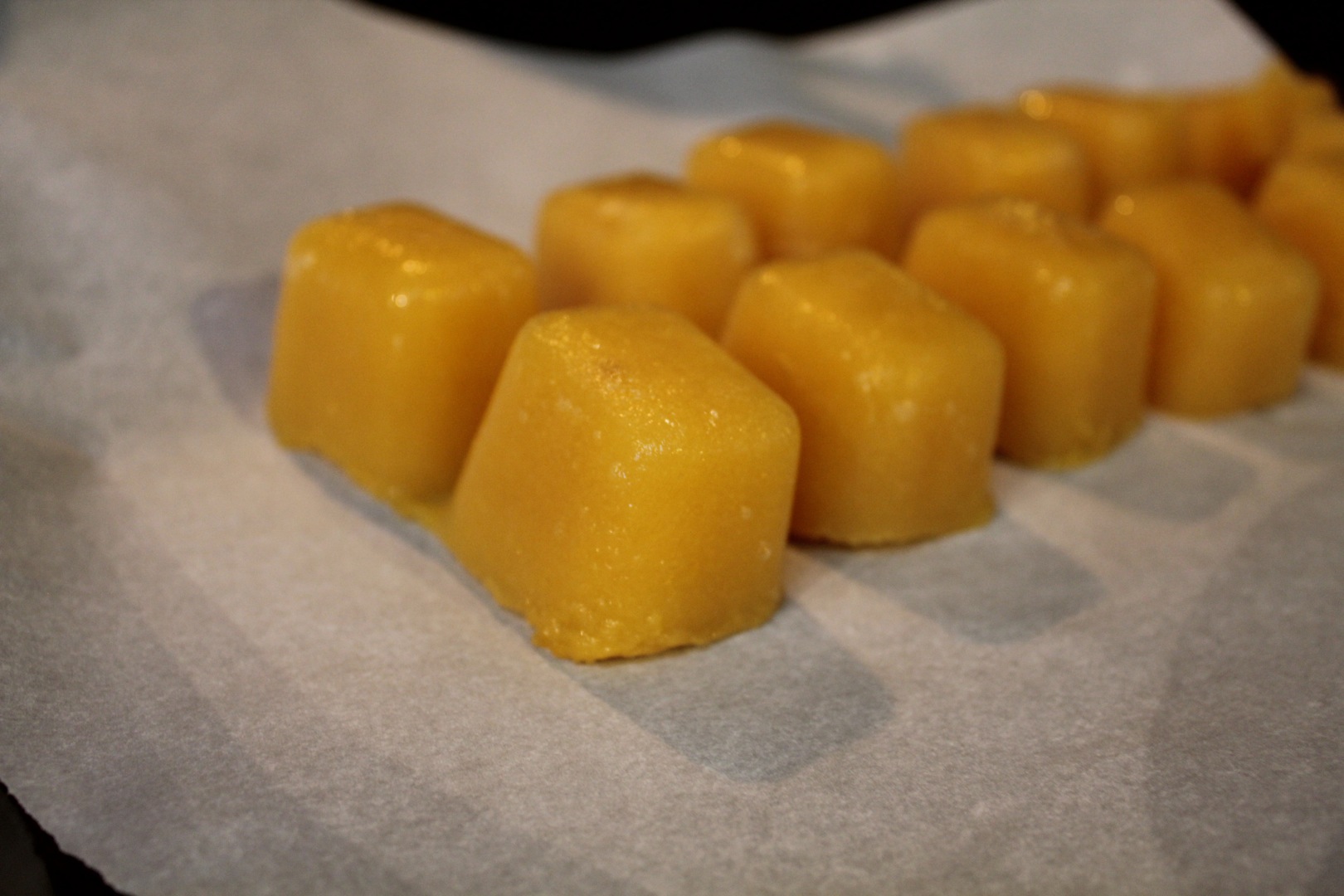
This is my first time making pumpkin puree and I was delighted at how easy it was to make and how much more flavor it added to my pie compared to canned pumpkin puree. I froze most of this batch in 1-cup measures for baking and some in a few ice cube trays for baby food as Chayton will be starting solid foods in just a few months time. I am really looking forward to trying this in my Pumpkin Cheesecake with Frangelico recipe, which I will be making over the holiday season and sharing with you at that time.

pumpkin

Pumpkin Puree

Small-medium pumpkins are best for flavor. Using a sharp knife, cut the pumpkin in half and remove the seeds and stringy flesh with a metal spoon. If the pumpkin is large, cut it into wedges or large manageable pieces and place flesh side down onto a baking dish. Do not season or coat with oil.

Bake in a 350*F oven for 45 minutes to 1 hour, or until the flesh is tender.

Remove from oven and allow the pumpkin to cool.

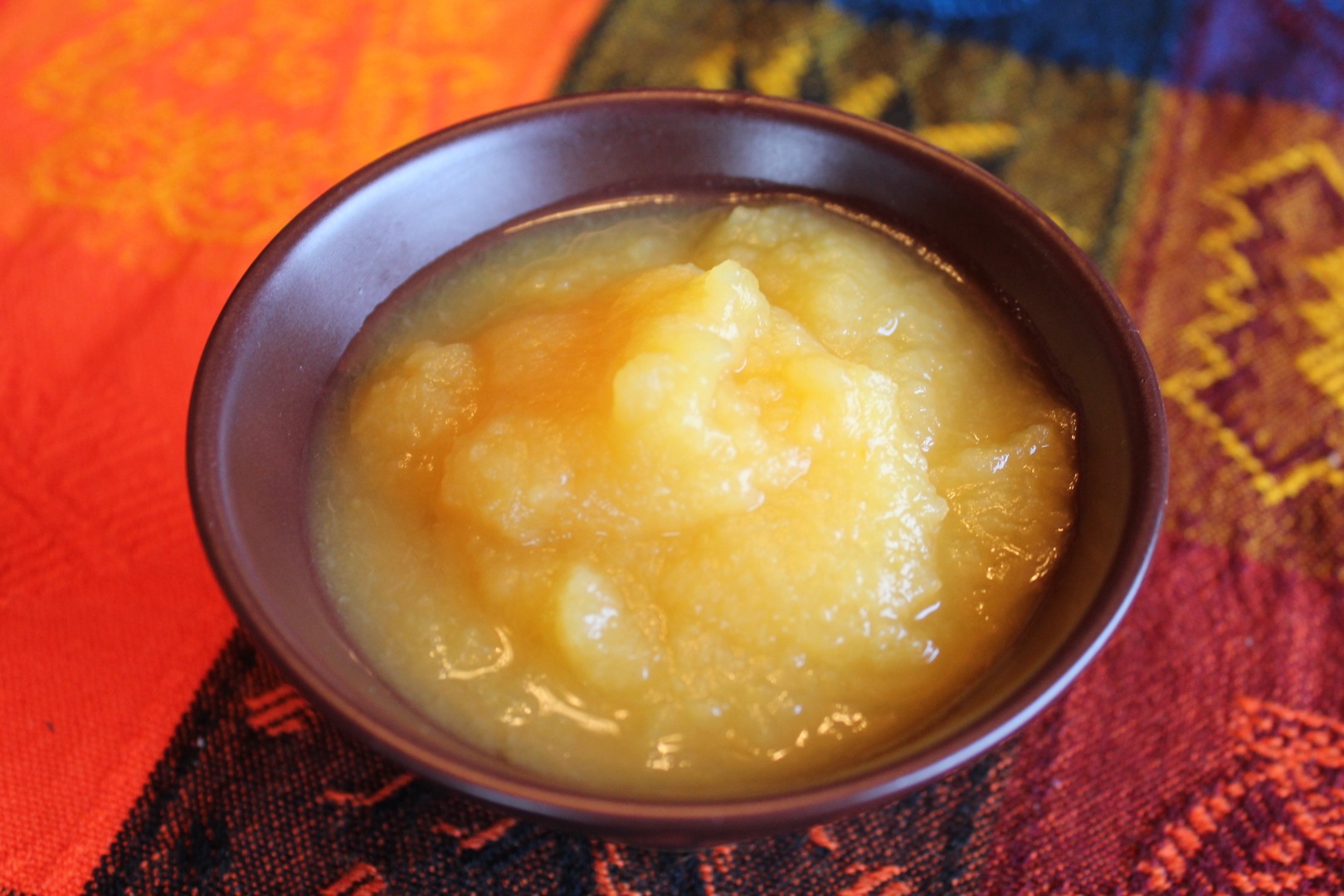
Scrape the flesh off with a spoon. Puree in a food processor in small batches until smooth. Put puree in freezer bags in 1-cup portions and lay the bags flat before freezing so that they stack nicely.

Use puree as baby food, for baking, or added to soups or sauces.

pumpkin puree baby food

pumpkin pie with a pumpkin seed crust

Tags

, , , , ,

pumpkin pie


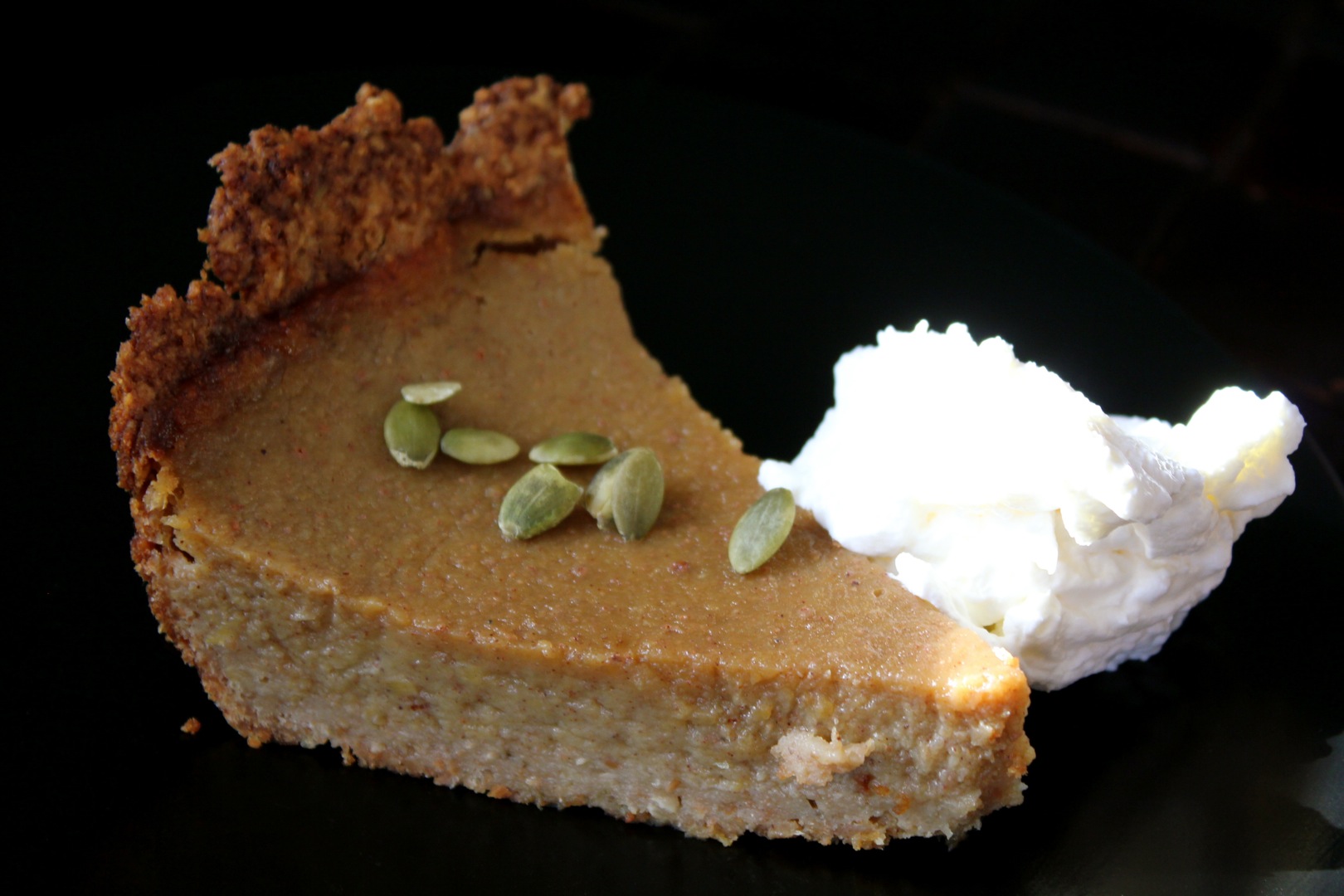
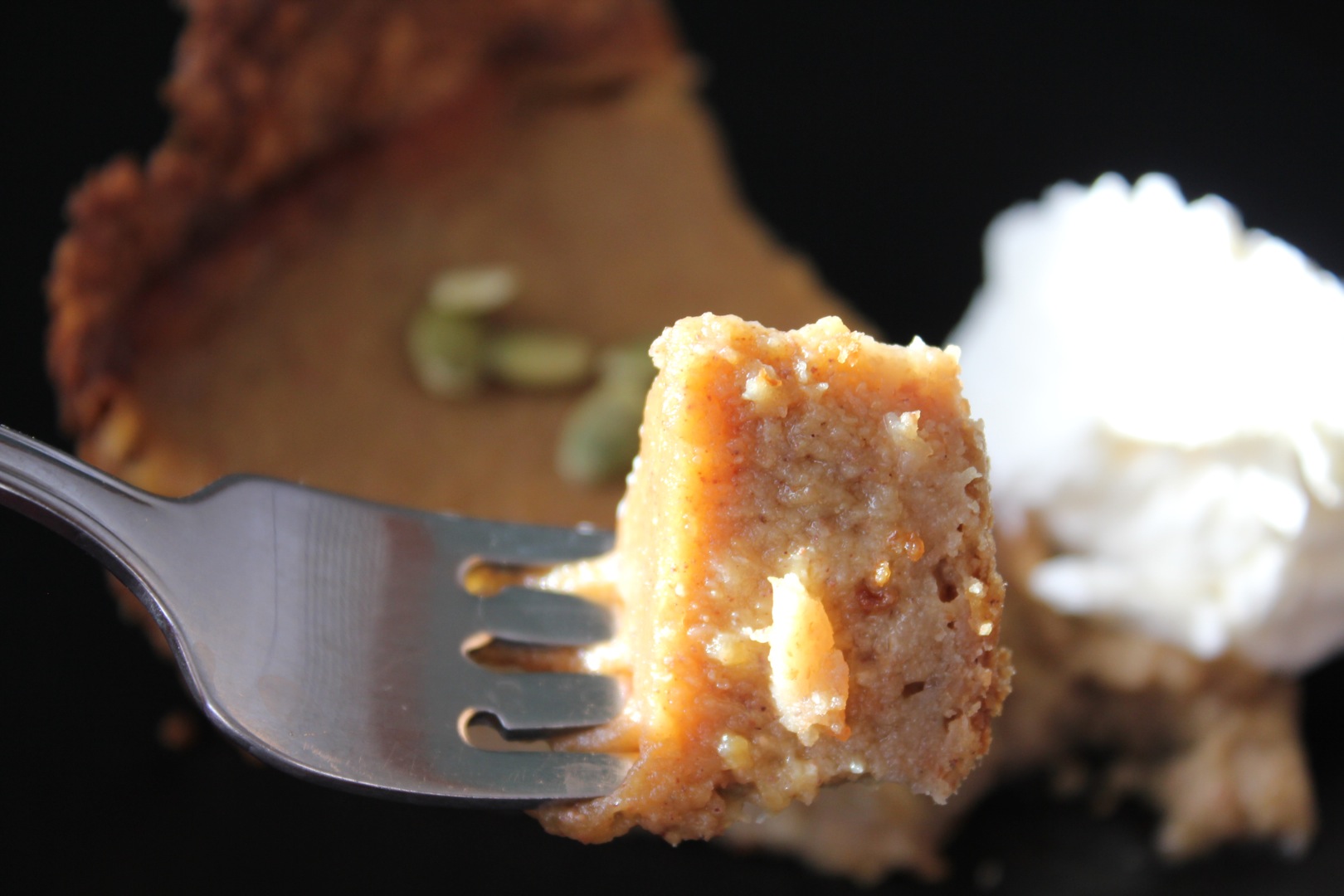
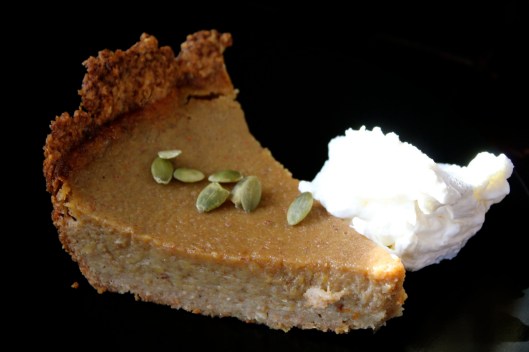
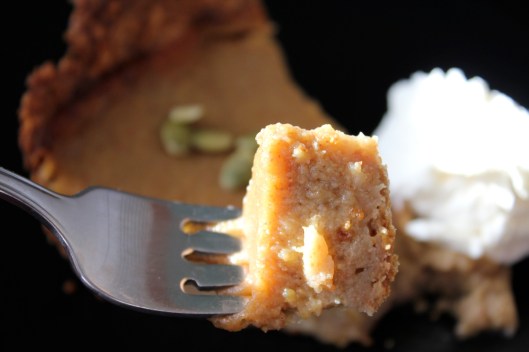
I made pumpkin puree with our jack-o-lanterns and couldn’t help but enjoy the first bit in a delicious pie. This recipe comes from Lorna Sass’ Whole Grains Every Day Every Way cookbook.

Pumpkin pie with a pumpkin seed crust

For the crust:

1 cup spelt flour, plus more for rolling the dough

¼ cup hulled, raw unsalted pumpkin seeds

2 tablespoons (packed) light brown sugar

¼ teaspoon salt

4 tablespoons (1/2 stick) cold, unsalted butter, cut into bits

1 teaspoon apple cider or raspberry vinegar


For the filling:

2 large eggs

2 cups pumpkin puree or 1 can (15-16 ounces) of unsweetened pumpkin puree

1-1/4 cups 2% milk (I used almond milk and less because my puree was quite wet)

¾ cup-1 cup light brown sugar to taste

1-1/2 teaspoons ground cinnamon

1 teaspoon freshly grated nutmeg

½ teaspoon ground allspice

½ teaspoon salt

1 teaspoon vanilla extract

Sweetened whipped cream, for garnish (optional)


To make the crust:

Put the flour, pumpkin seeds, brown sugar and salt into the bowl of a food processor fitted with a metal blade. Process until the pumpkin seeds are finely ground.

Add the butter and pulse until the mixture resembles coarse meal. Add 3 tablespoons of cold water and the vinegar and pulse until the mixture clumps together in a mass. Remove the blade and gather the dough into a ball. Press into a flattened disc. Wrap with plastic wrap and chill until firm, about 30 minutes.

Place on a rack in the center of the oven and preheat the oven to 400*F.

On a lightly floured surface, roll the dough into a circle about 12-inches in diameter. Sprinkle flour on top of the dough, if necessary, to facilitate rolling. Transfer the dough to a 10-inch pie plate and press it into the bottom and almost to the top of the pie plate. Prick with a fork in several places. Press a sheet of foil onto the crust and weigh it down with pie weights or dried beans. Bake for 15 minutes. Pour out the weights. Set the pie plate on a cooling rack and remove the foil. Reduce the oven temperature to 375*F.

To prepare the filling: In a food processor or electric mixer, combine the eggs, pumpkin, milk, brown sugar, cinnamon, nutmeg, allspice, salt and vanilla extract. Process until smooth. Pour the mixture into the prepared crust. Trim off any exposed crust to avoid burning.

Bake until the filling diesn’t jiggle when you gently move the pie from side to side, 35 to 45 minutes.

Set the pie on a cooling rack. Serve at room temperature or chilled with whipped cream, if desired.

Variation: Use hulled, unsalted sunflower seeds or walnuts instead of pumpkin seeds.

Resource:

Sass, L. (2006). Whole Grains: Every Day, Every Way. Crown Publishing, New York:NY
pumpkin pie

roasting pumpkin seeds- a seasonal treat

Tags

, , , , ,

pumpkin seeds

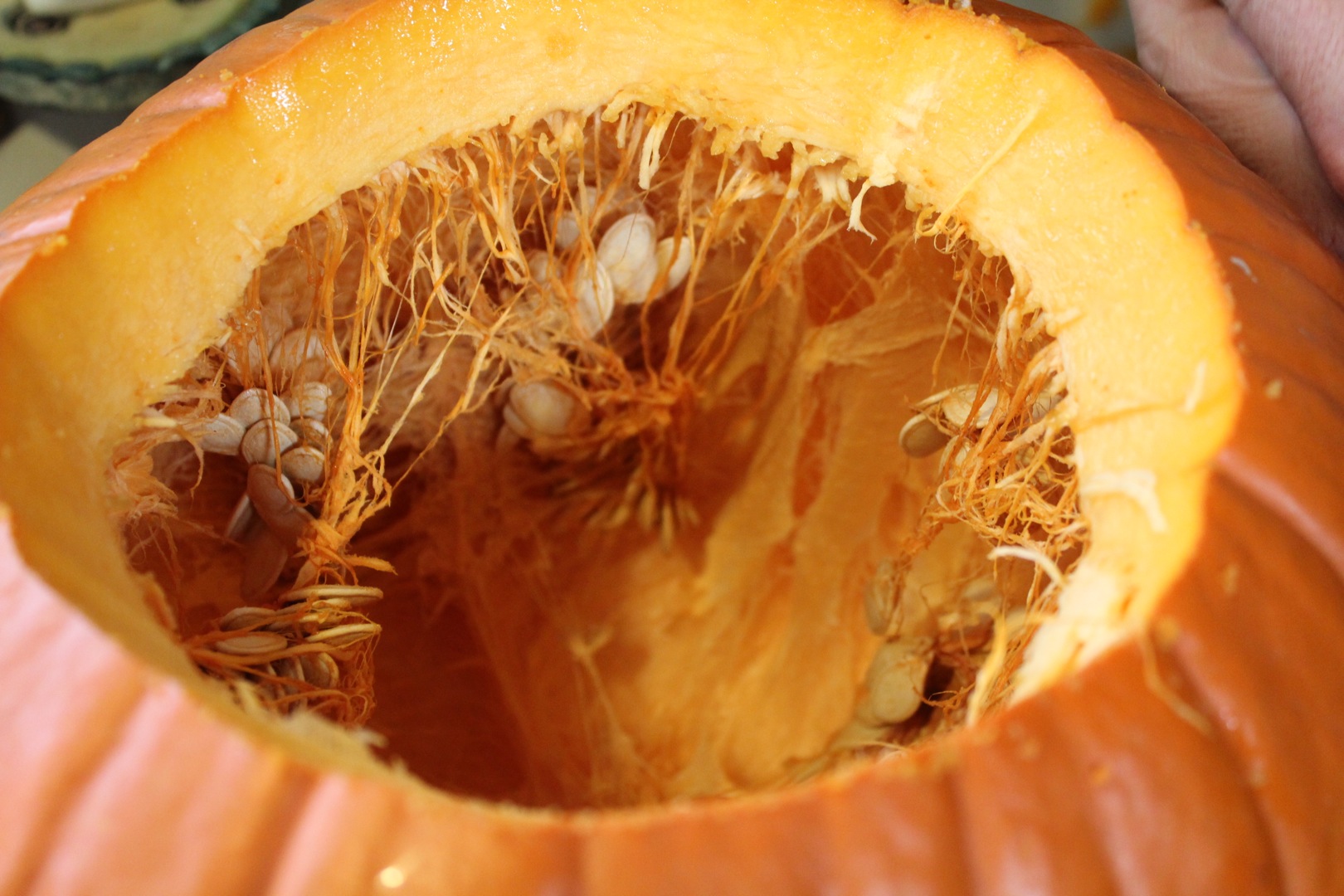
 A few days ago, Brian carved two large pumpkins in preparation for Chayton’s first Halloween. Of course we couldn’t resist roasting the seeds and having a crispy, salty treat afterward to enjoy as a reward for our labors.

jack-o-lantern

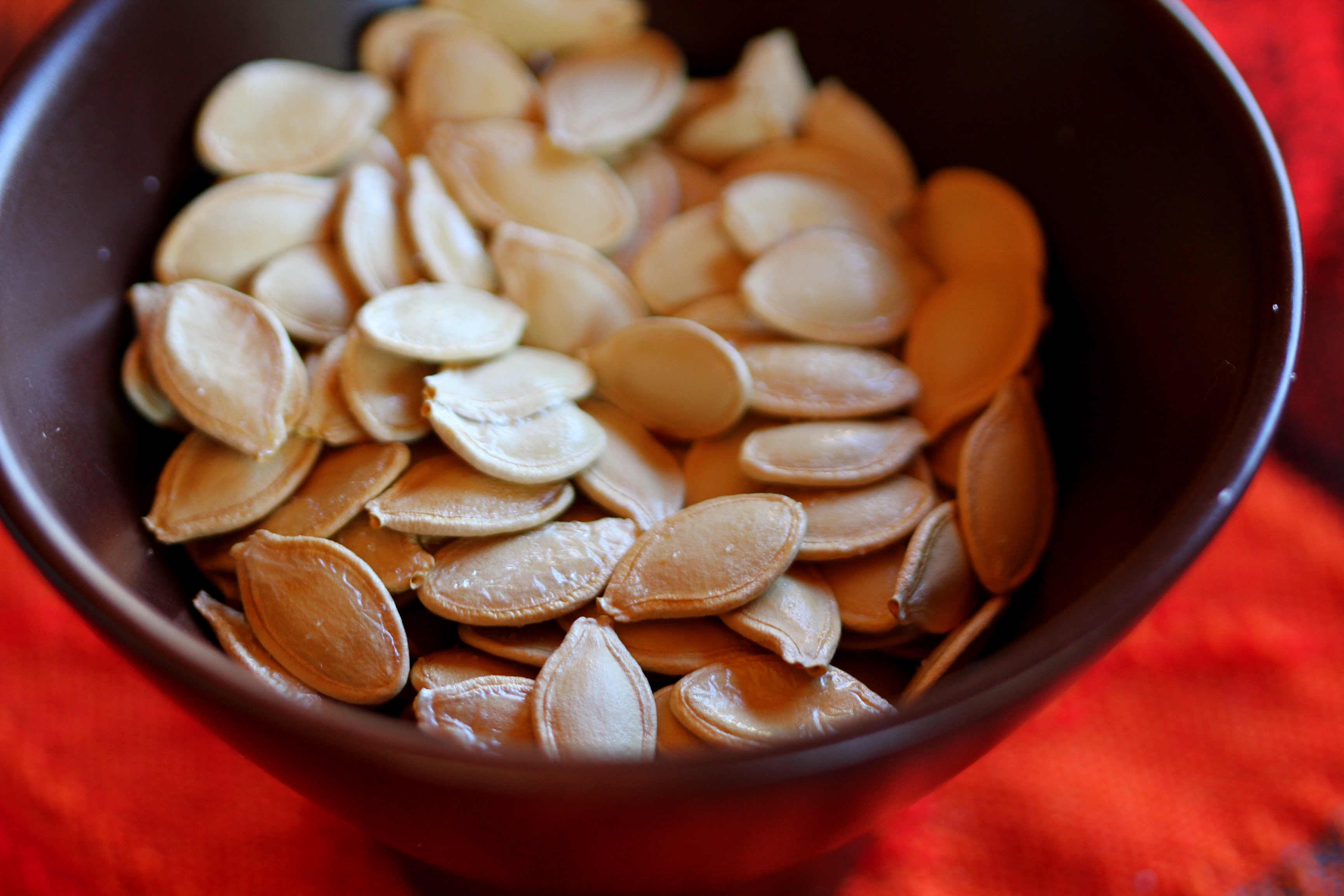
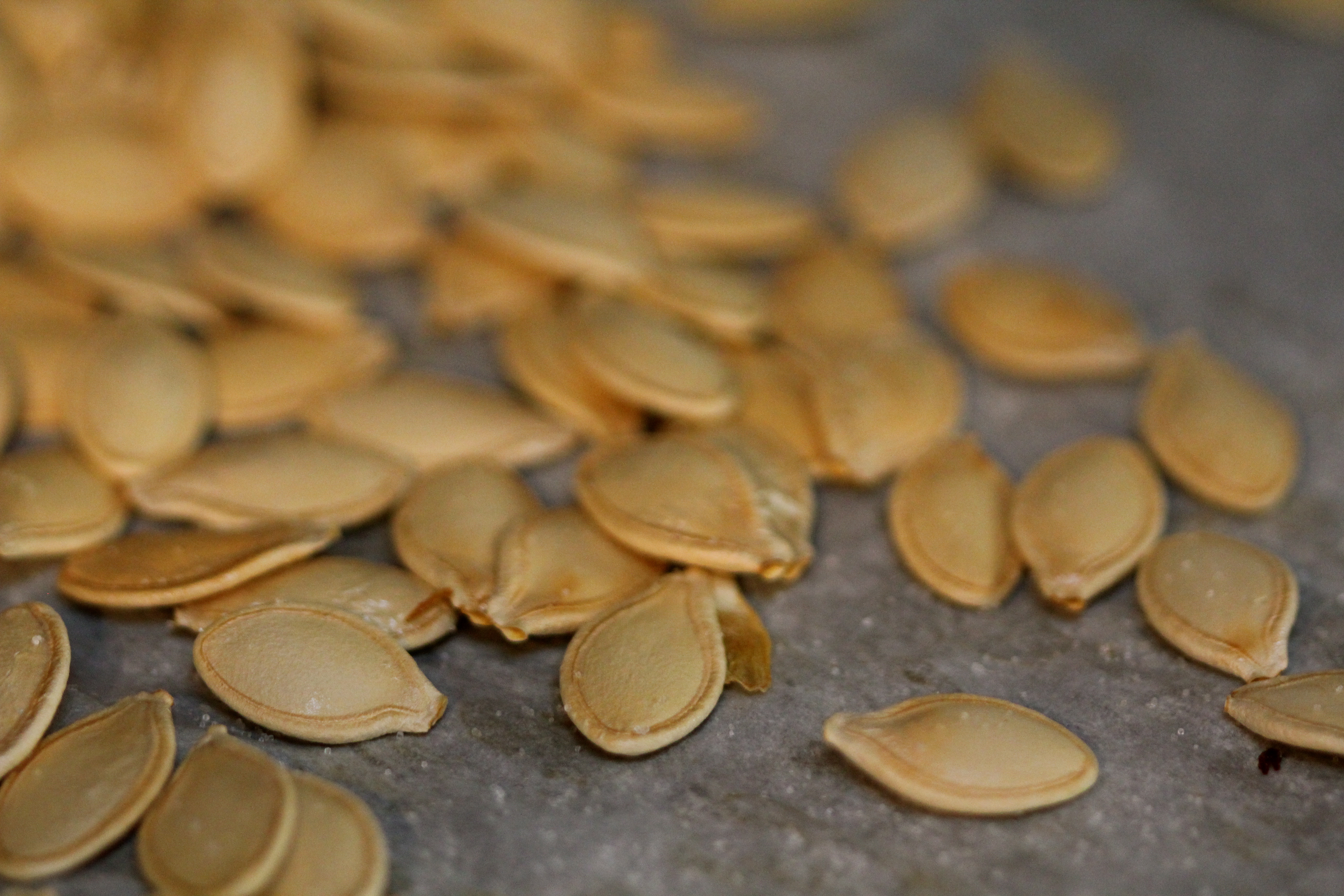
To roast the seeds, first clean the seeds very well, removing all pulp. I put the seeds in a bowl of water and rubbed them together both with my hands and with a clean dish cloth. Then, put the seeds between two clean tea towels and pat to dry. Transfer the clean, dry seeds to a baking sheet (I lined mine with parchment paper) and sprinkle generously with fine sea salt. Roast in a 325*F oven for 10-15 minutes, or until just turning golden. Enjoy immediately! A seasonal treat- crispy, freshly roasted pumpkin seeds fresh out of the oven.

pumpkin seeds

Halloween3

wabi-sabi: appreciating autumn

Tags

, , , , , ,

autumn2013

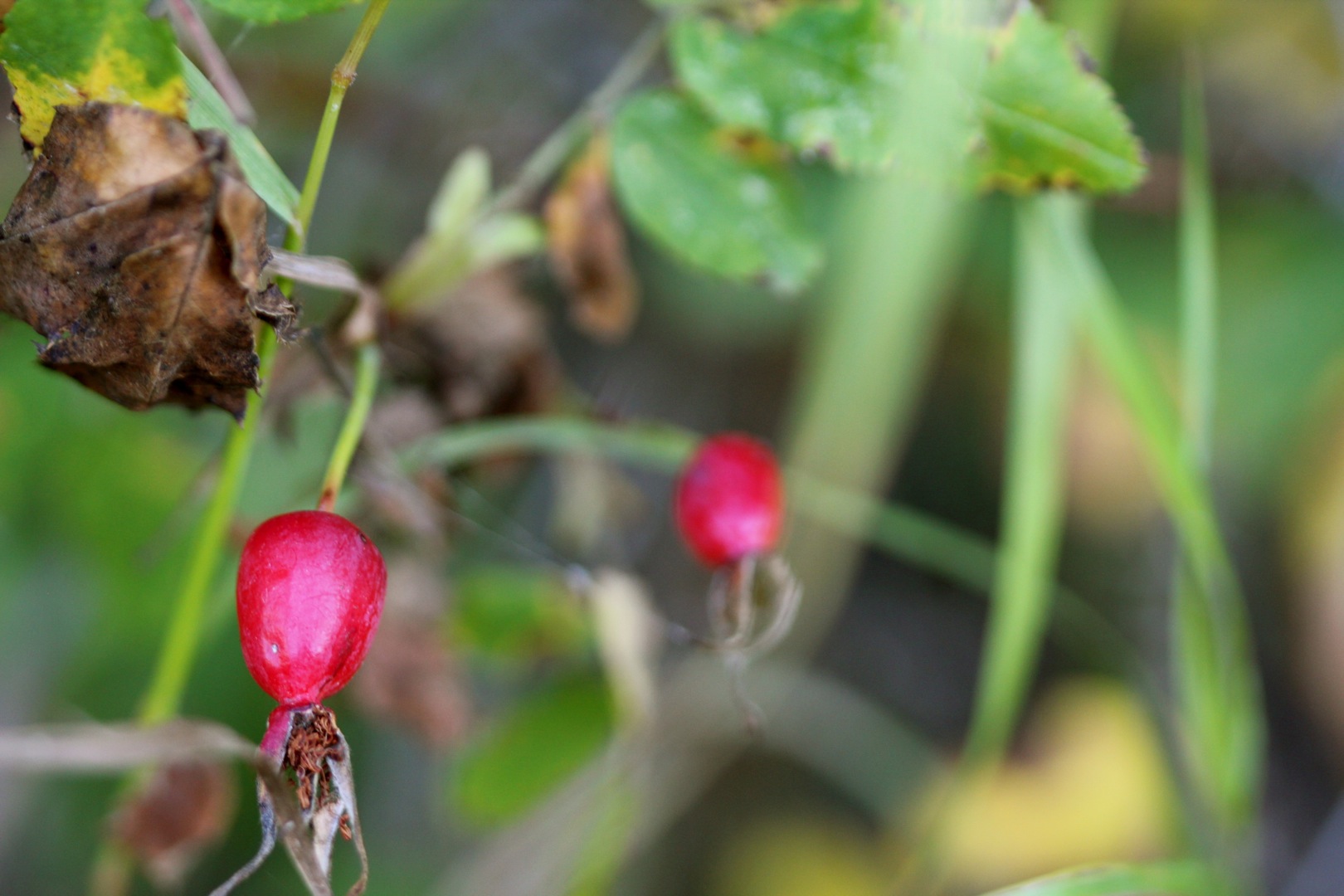
During the autumn when the leaves are changing color and filling the fields and forests with vibrant yellow, orange and reds one cannot help but be overwhelmed with the expansive beauty that surrounds us everywhere we look.


autumn2013

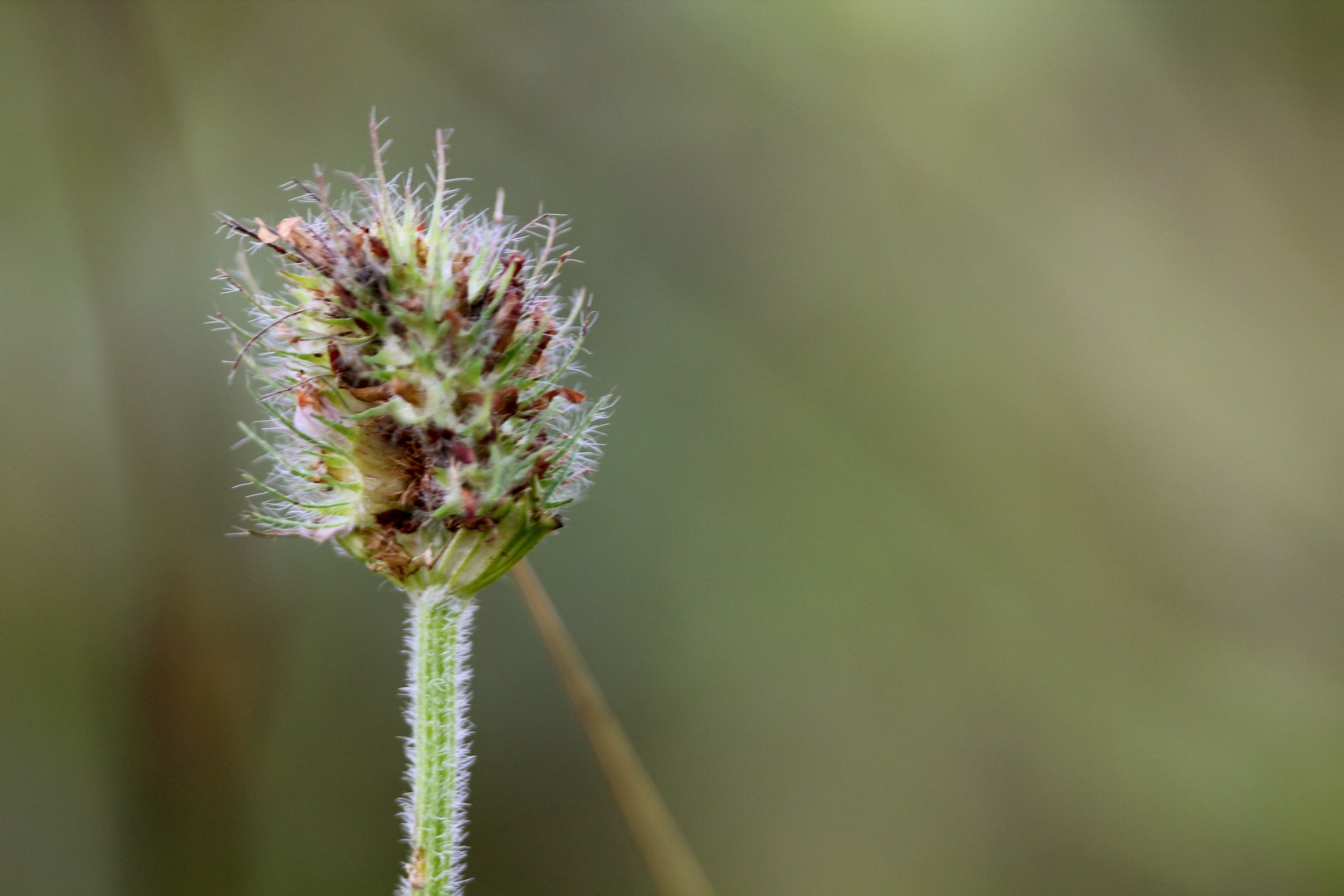
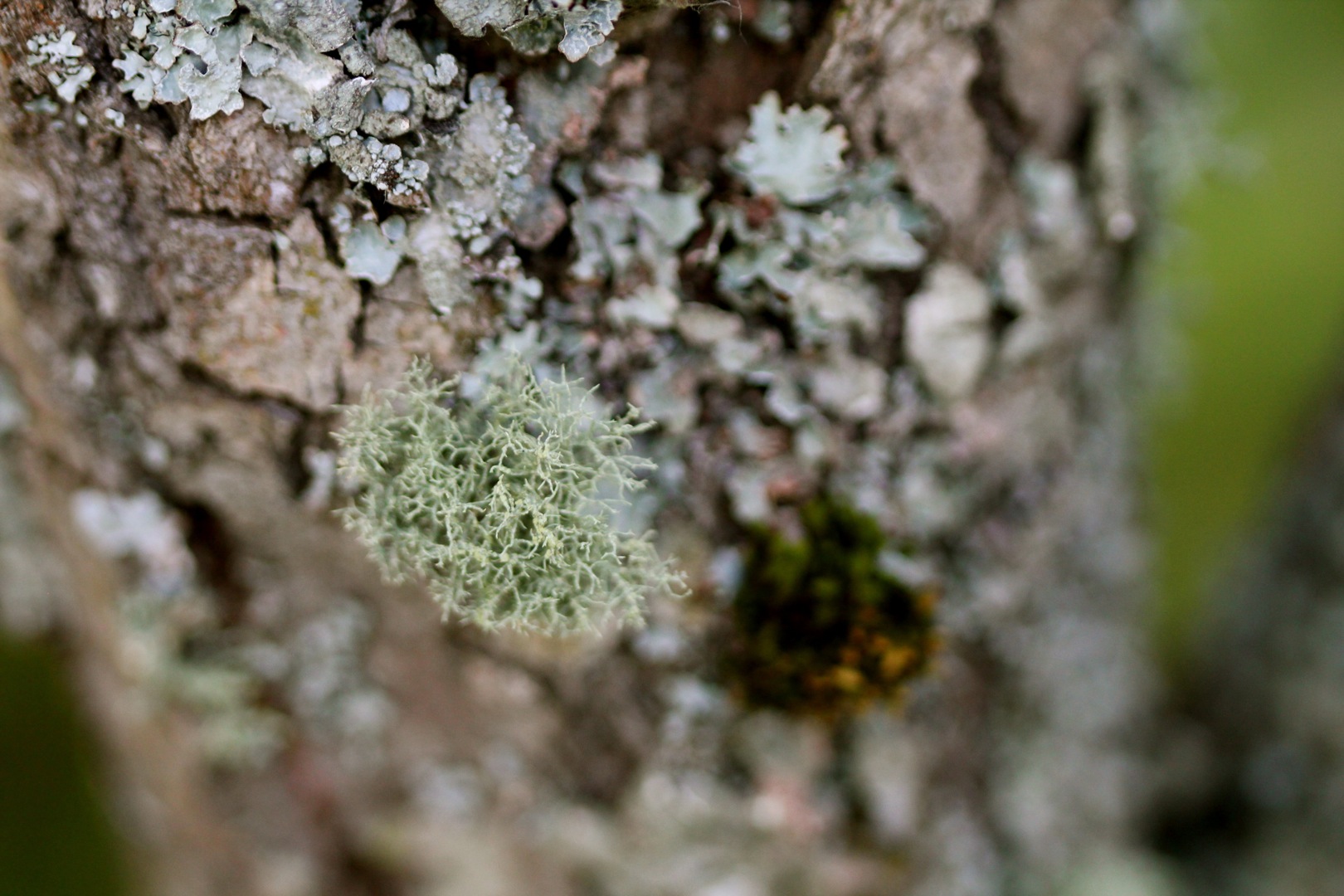
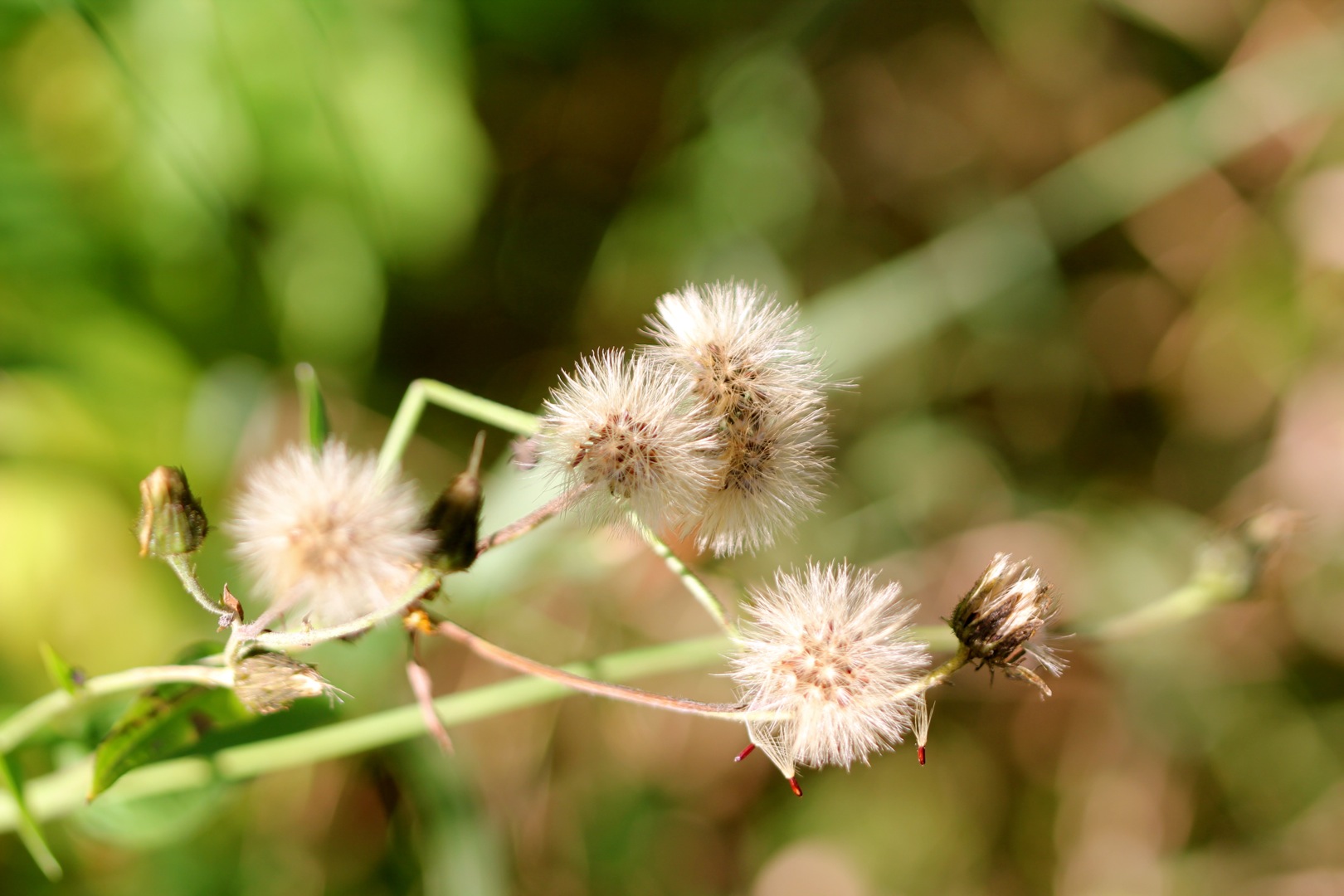
Once the leaves have fallen, there is another kind of beauty that now becomes the center of our attention, and that is the beauty of decay. This is what the Japanese culture might describe as wabi-sabiwabi as transient and stark beauty, and sabi as the beauty of natural patina and aging. To appreciate this beauty one must stop and be still and look very long and closely at what is really there and nothing more than that.

autumn2013

Pared down to its barest essence, wabi-sabi is the Japanese art of finding beauty in imperfection and profundity in nature, of accepting the natural cycle of growth, decay, and death. It’s simple, slow, and uncluttered-and it reveres authenticity above all. ~ Tadao Ando

autumn2013

Wabi-sabi is flea markets, not warehouse stores; aged wood, not Pergo; rice paper, not glass. It celebrates cracks and crevices and all the other marks that time, weather, and loving use leave behind. It reminds us that we are all but transient beings on this planet-that our bodies as well as the material world around us are in the process of returning to the dust from which we came. Through wabi-sabi, we learn to embrace liver spots, rust, and frayed edges, and the march of time they represent. ~ Tadao Ando

autumn2013

autumn2013I find rich beauty in each of the four seasons that we experience here in central Alberta. The turning of the wheel reminds me of the great cyclical processes of transformation that sustain life.  I find myself in awe of each.

autumn2013As always, Lucy teaches me to enjoy each day of each season to the fullest!
autumn2013