waffles for breakfast

Tags

, , , ,

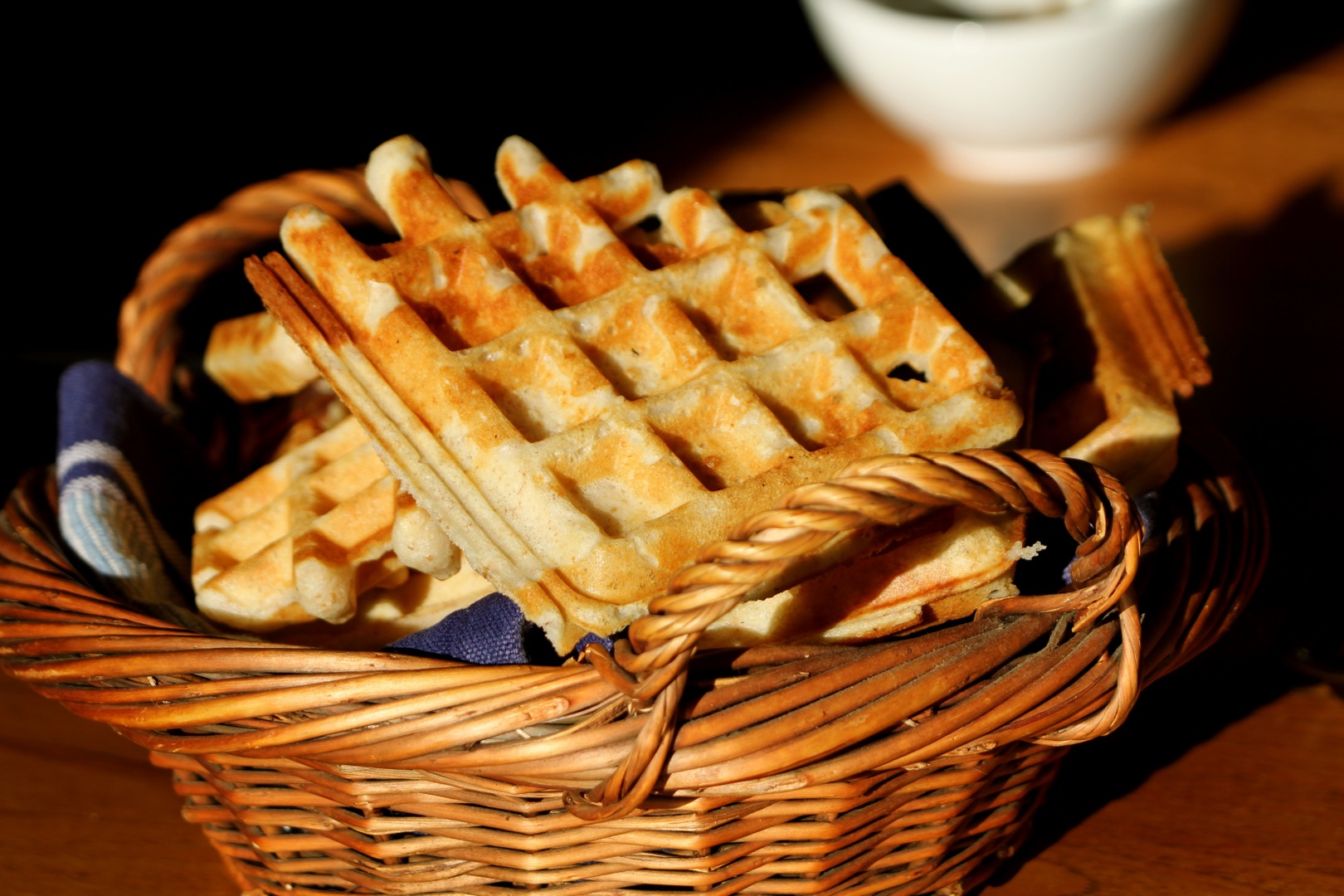
I love fresh waffles, especially when they are a bit crispy and fresh off of the waffle iron. Both waffles and pancakes provide a nice way to enjoy both your garden and wild fruit preserves. I served these with my rosehip jelly and highbush cranberry compote. Make a full batch of the waffles as you can always pop the extras into the toaster for breakfast the next day.

Waffles

2 eggs

1 cup all-purpose flour

1 cup whole wheat flour

1 tablespoon ground flax seed

1/2 cup vegetable oil

1-3/4 cups milk

1 tablespoon brown sugar

4 teaspoons baking powder

1/4 teaspoon salt

Preheat the waffle iron. In a medium bowl, beat the eggs until fluffy. Beat in the remaining ingredients until batter is smooth. Ladle some batter onto waffle iron (the amount depending on the size of your iron) and bake for about 5 minutes. Remove the baked waffles and place them into a warm oven until all waffles are baked. Serve immediately.

avocado toasts with onions and capers

Tags

, , , , , ,

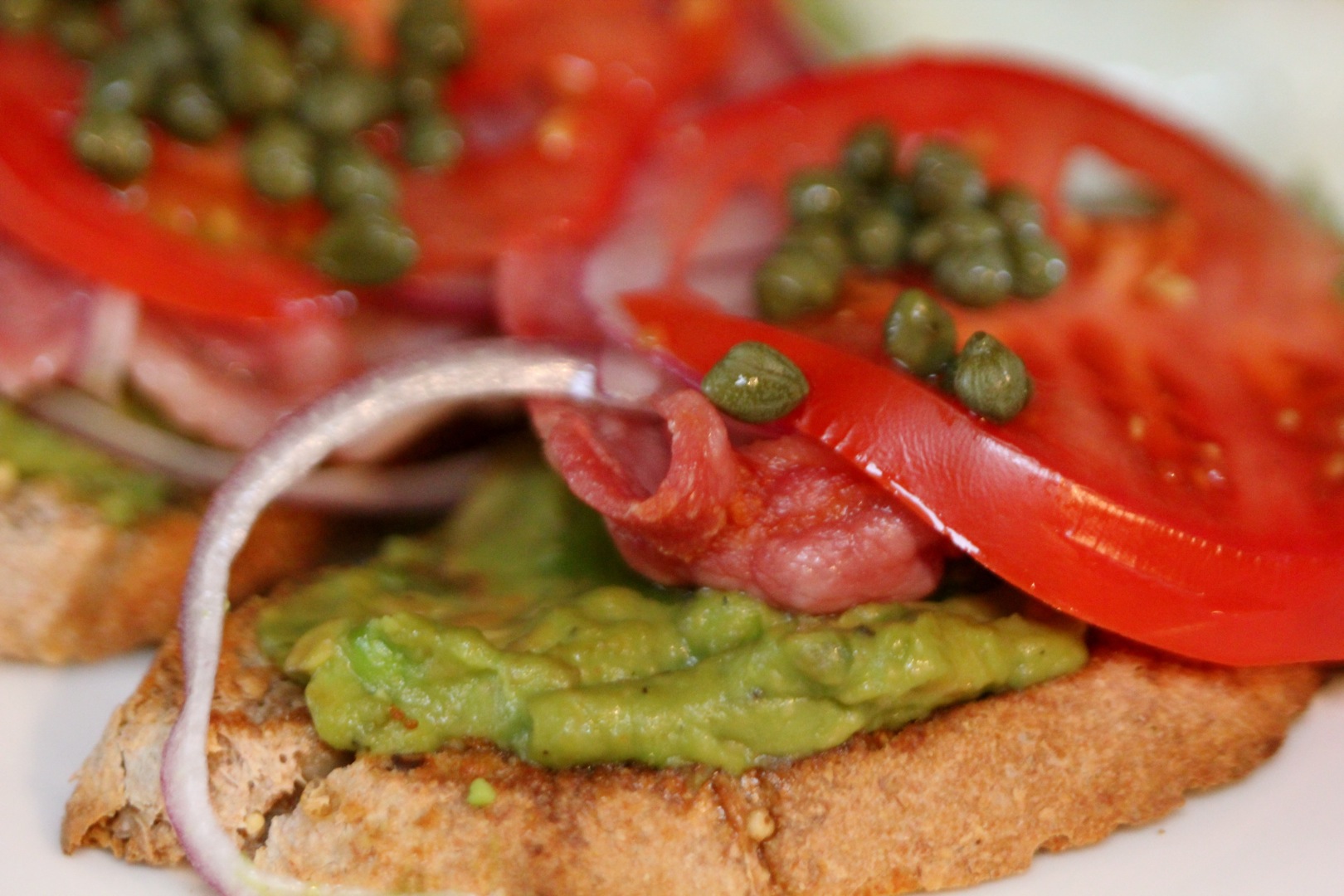
Weekend breakfasts at cabinorganic tend to be both healthy and decadent. We had this for breakfast after skiing yesterday and couldn’t resist ‘seconds’!

Avocado Toasts with Onions and Capers

Half of 1 red onion, finely chopped

2 tablespoons capers

2 tablespoons extra-virgin olive oil

2 teaspoons balsamic vinegar

½ teaspoon salt

black pepper

avocado

Juice of half lemon

1 teaspoon salt

rye or whole wheat bread, sliced

Mix together onions, capers, olive oil, vinegar, salt and black pepper to taste.

Mash together avocado, lemon juice and salt in large mortar and pestle.

Toast the bread, 2 per person. Lightly butter them, then spread 1 tablespoon of avocado mixture over top of each toast.

Cover each toast with 1 tablespoon of the onion mixture.

Serve with poached eggs and/or a fresh salad on the side.

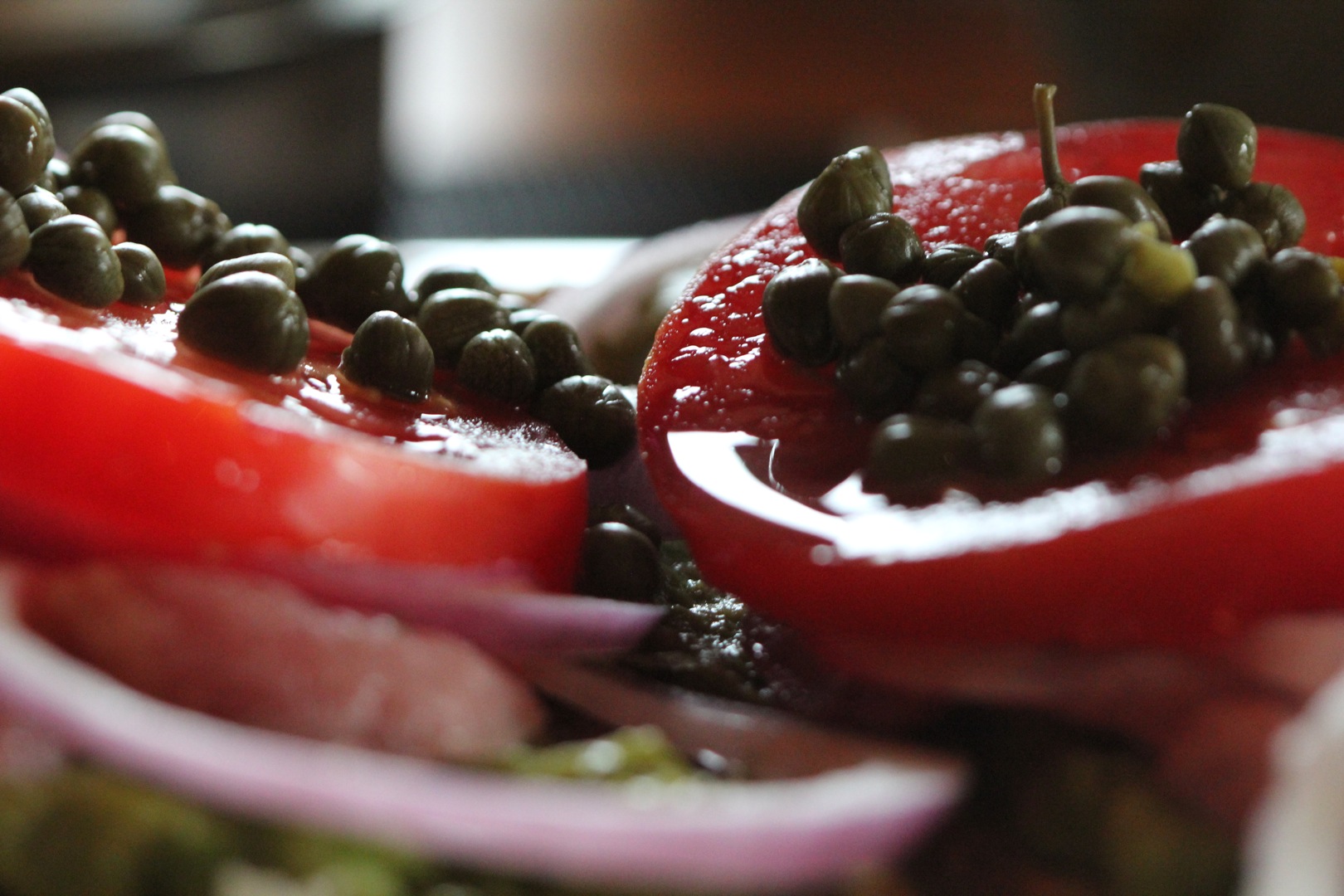
Optional: add a thin layer of sliced tomatoes over the avocado mixture and/or incorporate 2 slices of cooked chopped bacon in the onion mixture.

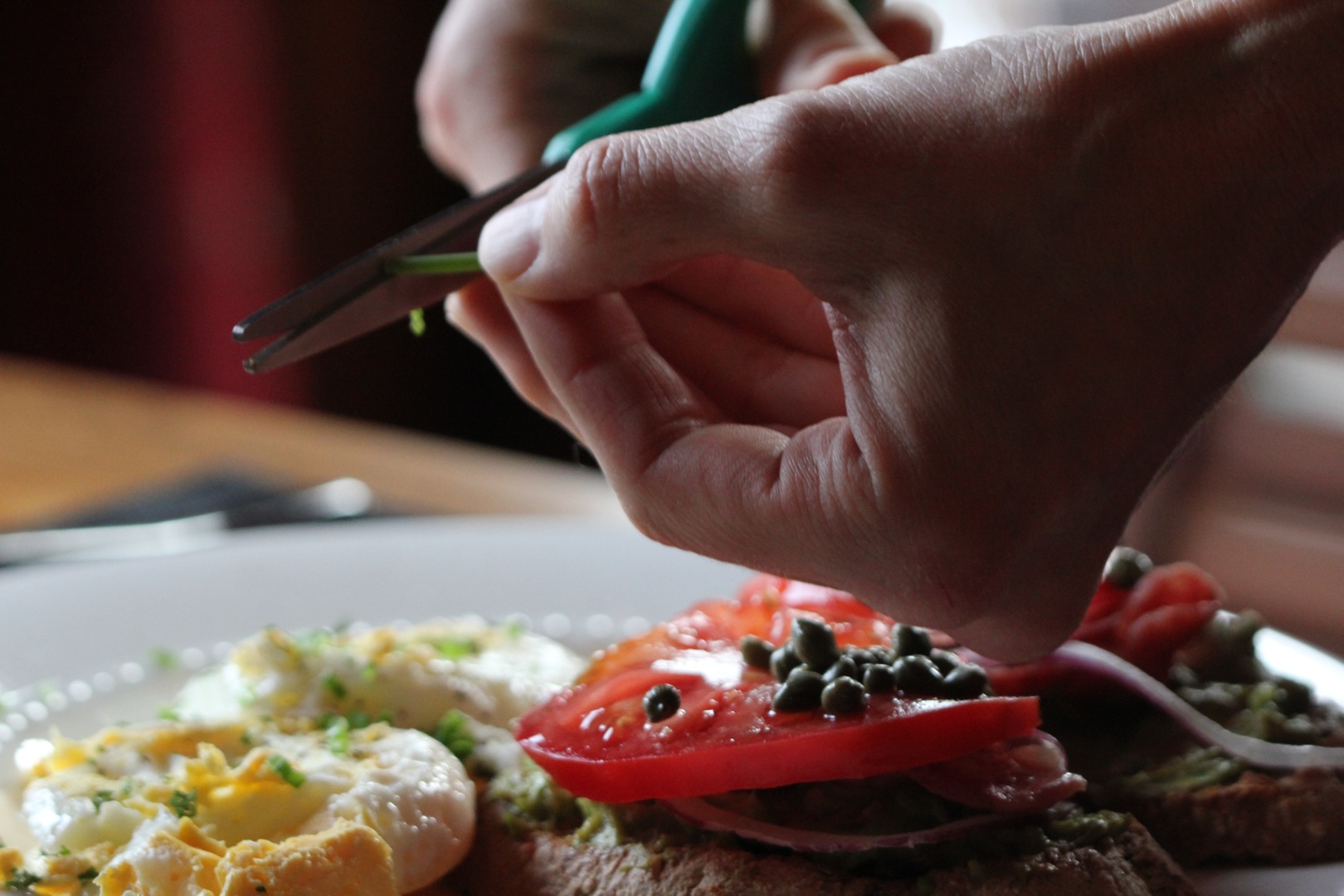
Adding some fresh chives just before eating… (just picked from the window garden)

Enjoy!


eggplant parmesan

Tags

, , , ,

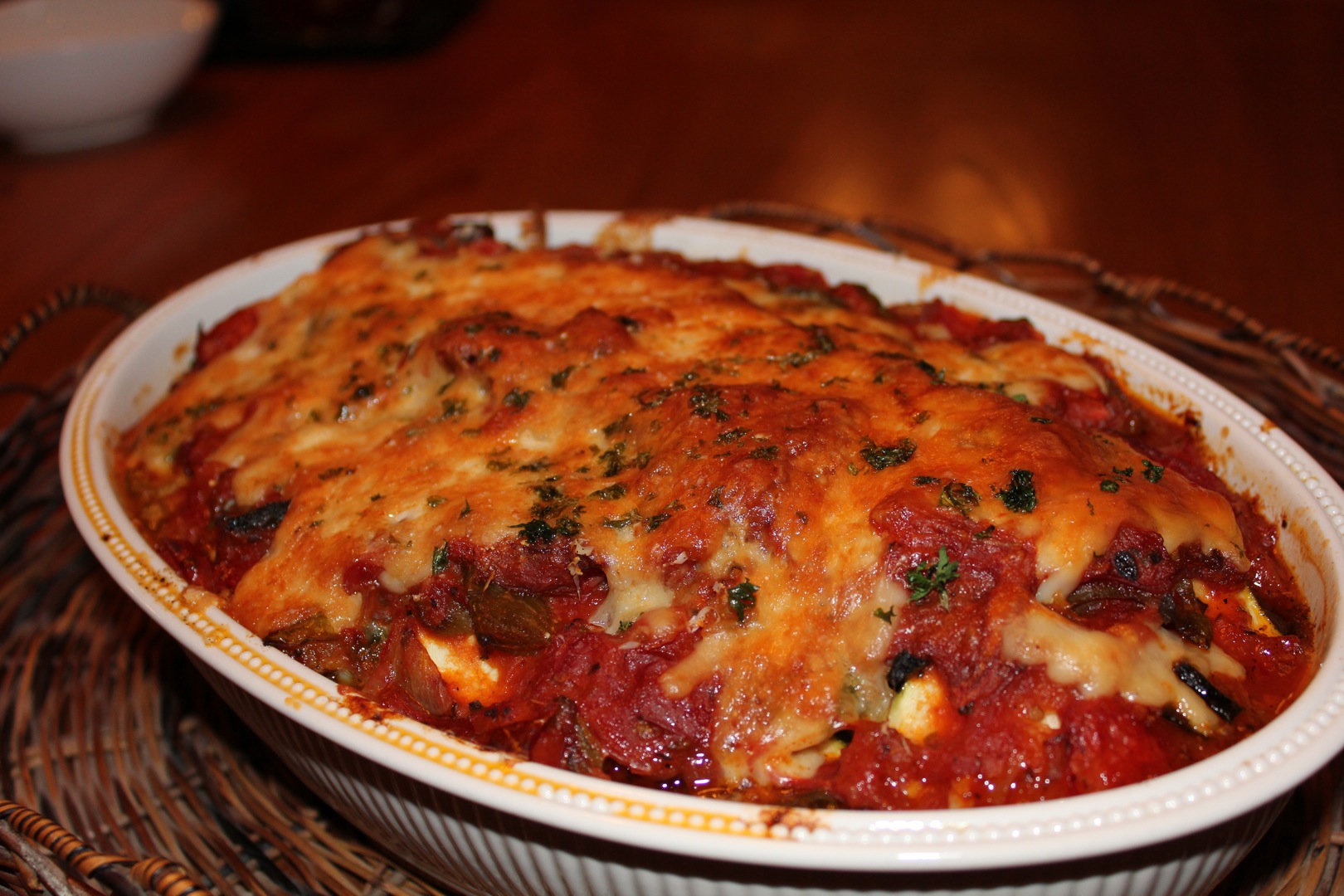
I needed to use up the last of the greenhouse tomatoes that were ripening on the counter. Instead of canned tomatoes, I just added chopped fresh tomatoes. A delicious cheesy dish for a dark, early winter’s evening.

Eggplant Parmesan

2 tablespoons extra virgin olive oil

½ cup chopped onion

1 clove garlic, crushed

1 can diced tomatoes

1 small can tomato paste

2 teaspoons dried oregano leaves

1 teaspoon dried basil leaves

8 ounces mozzarella cheese, sliced

¼ teaspoon black pepper

1 tablespoon brown sugar

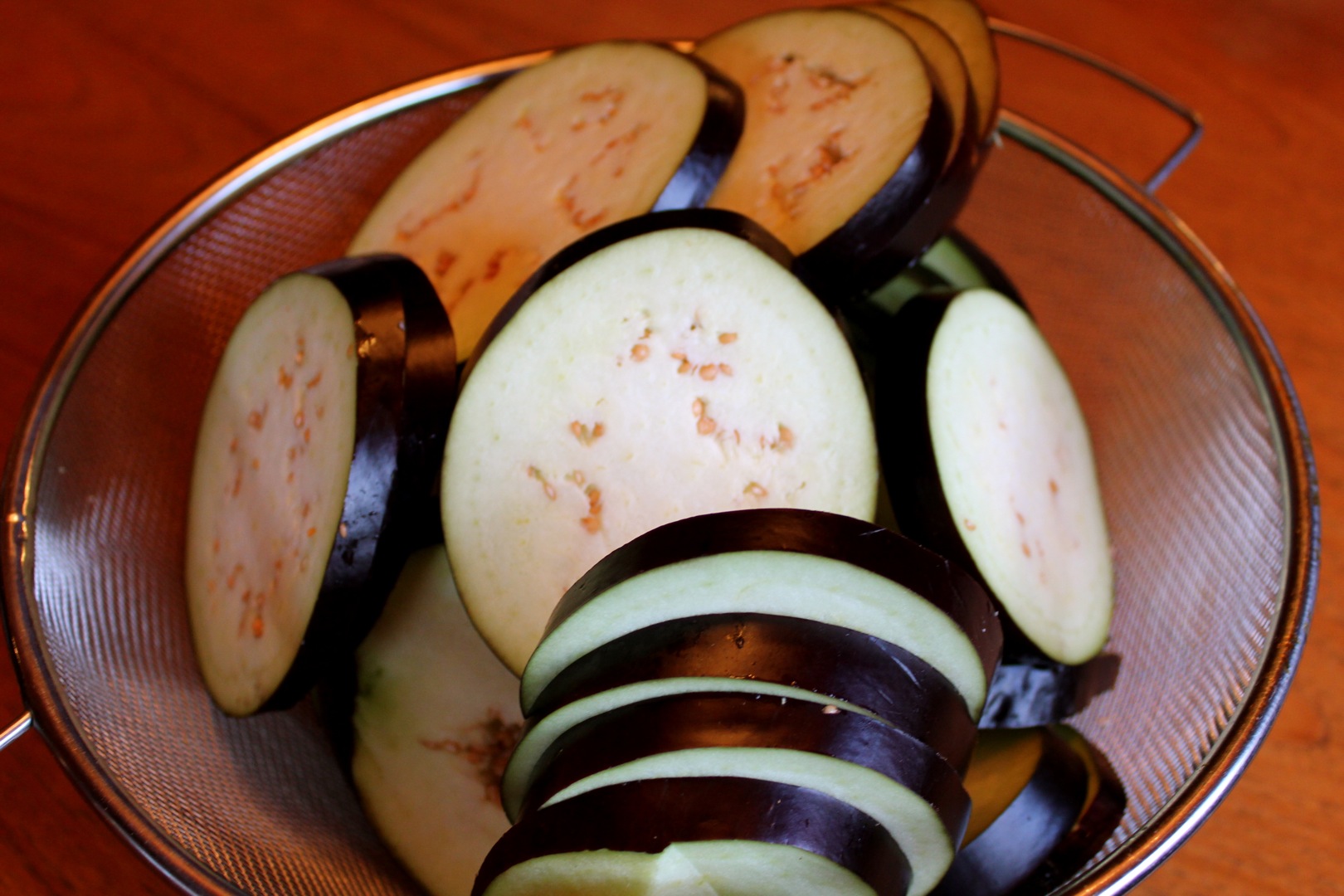
1 large eggplant

2 eggs, slightly beaten

½ cup dry breadcrumbs

¼ cup grated Parmesan cheese

1- ½ teaspoon salt

1/3 cup olive oil

Heat 2 tablespoons of the olive oil in a large skillet. Sauté the onions and garlic, stirring occasionally, for about 5 minutes. Add tomatoes, tomato paste, oregano, basil, salt, pepper and sugar and bring to a boil, stirring with a wooden spoon. Red. Cover and simmer, for about 45 minutes, stirring occasionally.

Meanwhile, preheat oven to 350 degrees (F). Lightly grease a 13x9x2-inch baking dish. Wash the eggplant, do not peel. Cut crosswise into ¼ inch slices. In a shallow dish combine the eggs with 1 tablespoon of water. Mix well with a fork. In another shallow dish, combine breadcrumbs with the Parmesan cheese and mix well. Dip eggplant slices into egg mixture, coating well. Then dip into crumb mixture, coating evenly. In a medium skillet, add 1 tablespoon of the oil and sauté eggplant slices a few at a time, until they are golden brown and crisp on both sides. Add more oil as needed.

Arrange half of the eggplant slices in the bottom of the prepared baking dish. Sprinkle the top half with the remaining Parmesan cheese. Top with half of the mozzarella cheese, then cover with half of the tomato sauce. Arrange the remaining eggplant slices over the tomato sauce. Cover with the half of the tomato sauce and mozzarella slices. Sprinkle the top with the rest of the Parmesan cheese. Bake, uncovered, for 25 minutes or until cheese melts and the top is browned. Serves 8.

You may make this dish ahead and freeze it after baking. To serve, bake the frozen dish at 350 degrees (F), covered, for 45 minutes. Then uncover and bake for 15 minutes longer.

Lucy napping on the deck while I cooked this dish…

carrot health muffins

Tags

, , , ,

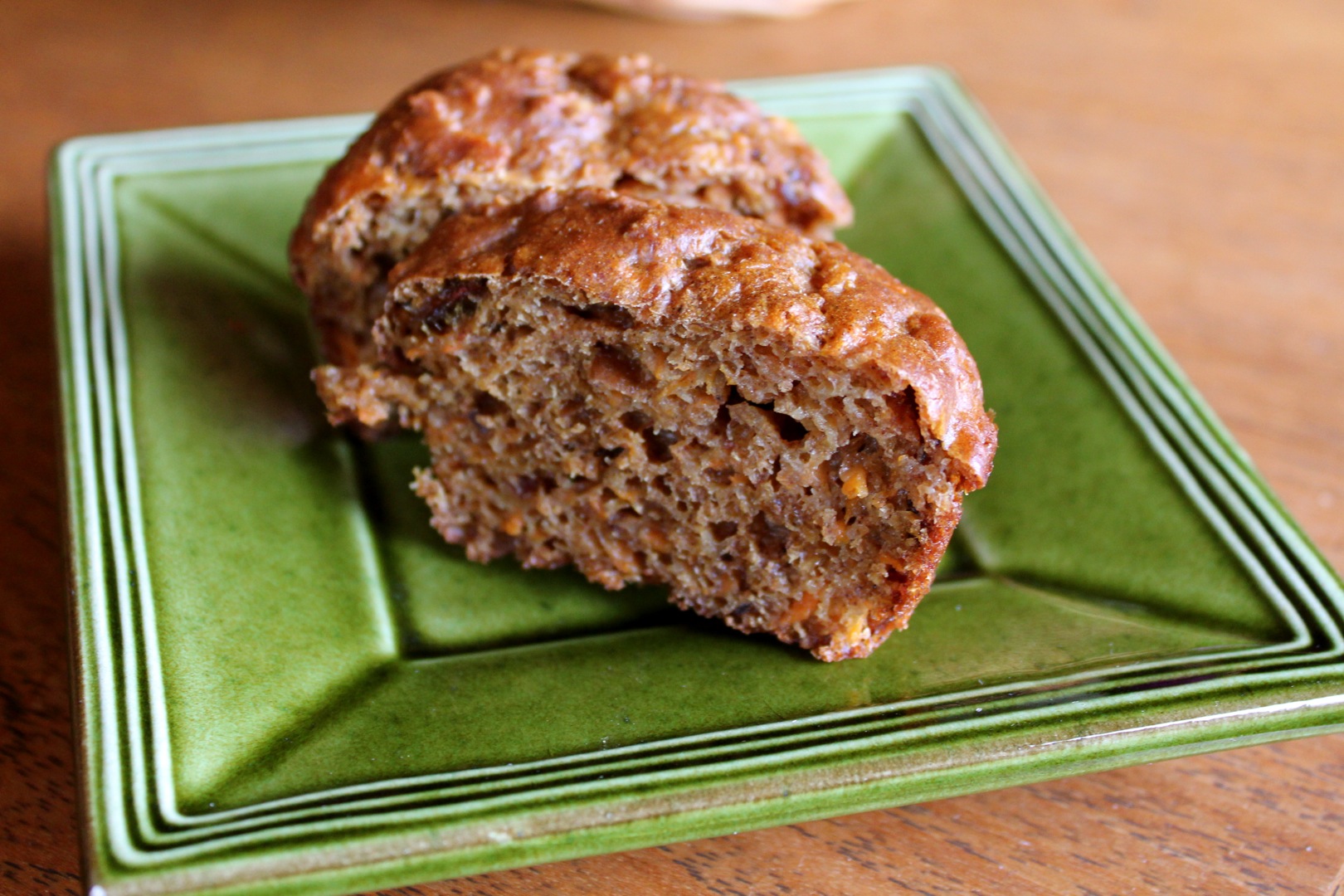
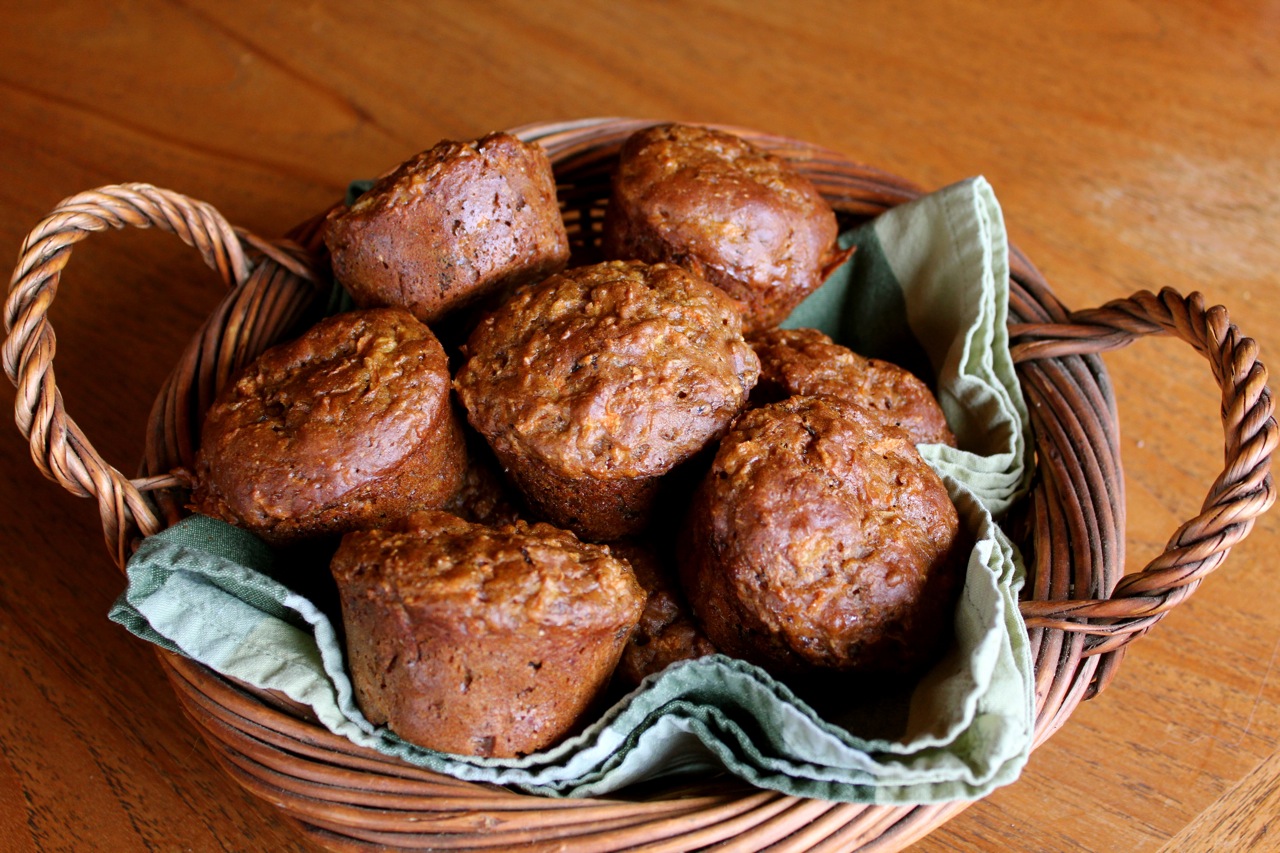
A great recipe for your carrots from the garden. Carrot health muffins are a favorite of mine. The dates, carrots and apple keep the muffins moist and flavorful while the spices make them taste like carrot cake. I made these just before leaving as they are great for breakfast and healthy snacks on the go.

carrot health muffins

 1 cup all-purpose flour

1 cup whole wheat flour

1 cup chopped dates

¾ cup brown sugar

1 tablespoon ground cinnamon

1 teaspoon ground nutmeg

2 teaspoons baking soda

½ teaspoon salt

½ cup chopped nuts

2 eggs

1 egg white

2/3 cup low-fat plain yogurt

2 teaspoons vanilla extract

3 cups grated carrots

1 cup grated apple

Preheat oven to 350 degrees (F).

Combine flours, dates, sugar, cinnamon, nutmeg, baking soda, salt and nuts.

In another bowl, whisk together eggs, egg white, yogurt and vanilla. Stir in grated carrots and apples. Pour over dry ingredients and stir until just mixed.

Spoon into greased or paper-lined muffin cups. Bake  for 40 minutes, until tops are firm. Yield: 18 muffins.

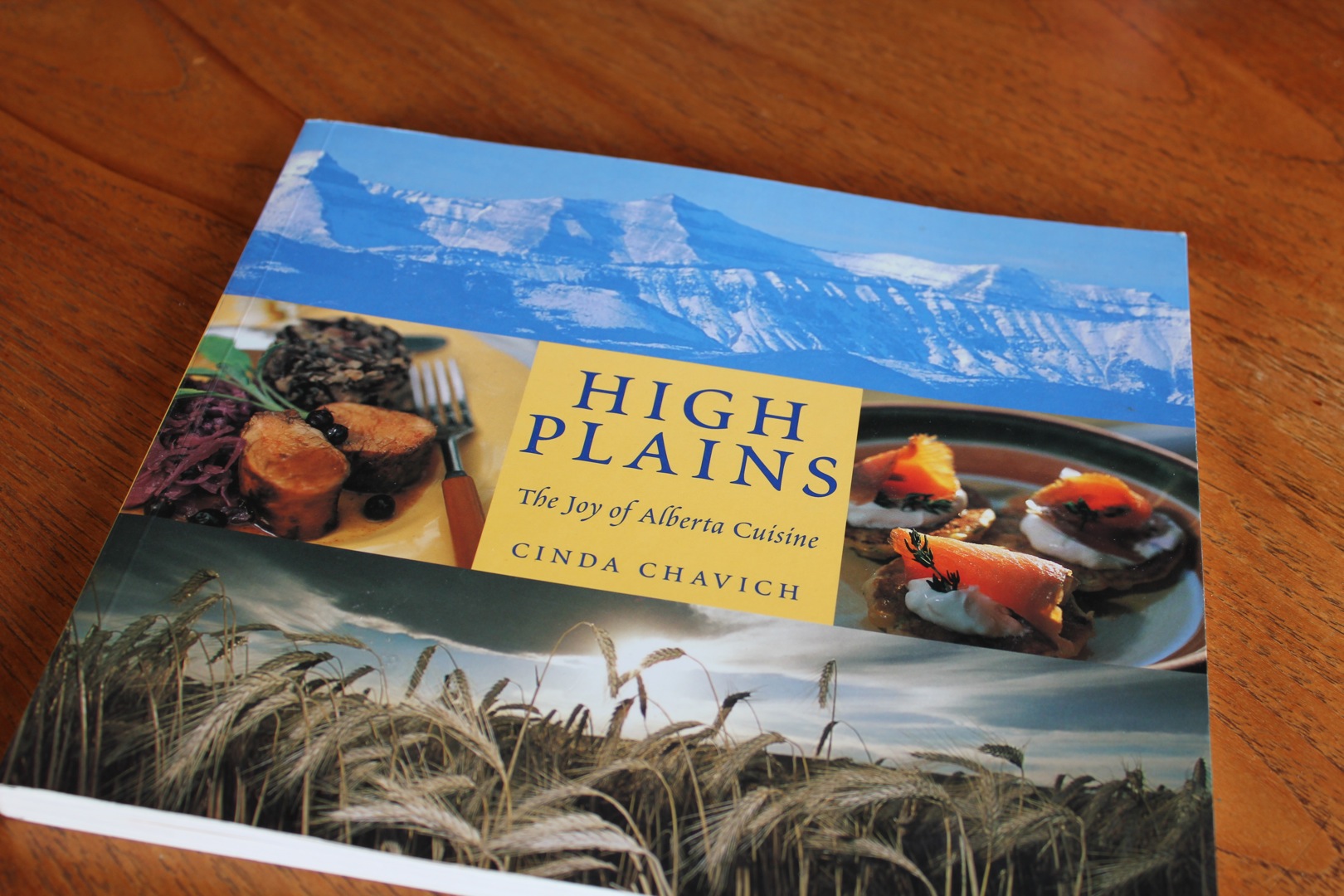
Another great recipe from the High Plains: The Joy of Alberta Cuisine by Cinda Chavich


in loving memory

In loving memory of my mom, Barbara Lucile Nabess (pictured here with grandson, Nathaniel).

I will be away attending her funeral and spending time with family in the Pas, Manitoba and will return on Tuesday, November 22.

Take good care, everyone.

harvesting dillseed (Anethum graveolen) for the kitchen

Tags

, , , , , ,

The scent of a lush stand of dill is one of my great gardening pleasures. I love to breathe in the remarkable aroma, a heady blend if mint, citrus and fennel, with a hint of sea air. ~ Lois Hole
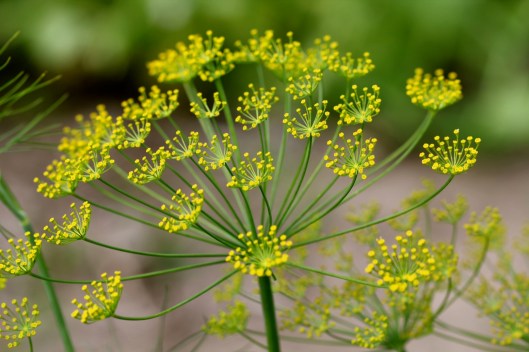
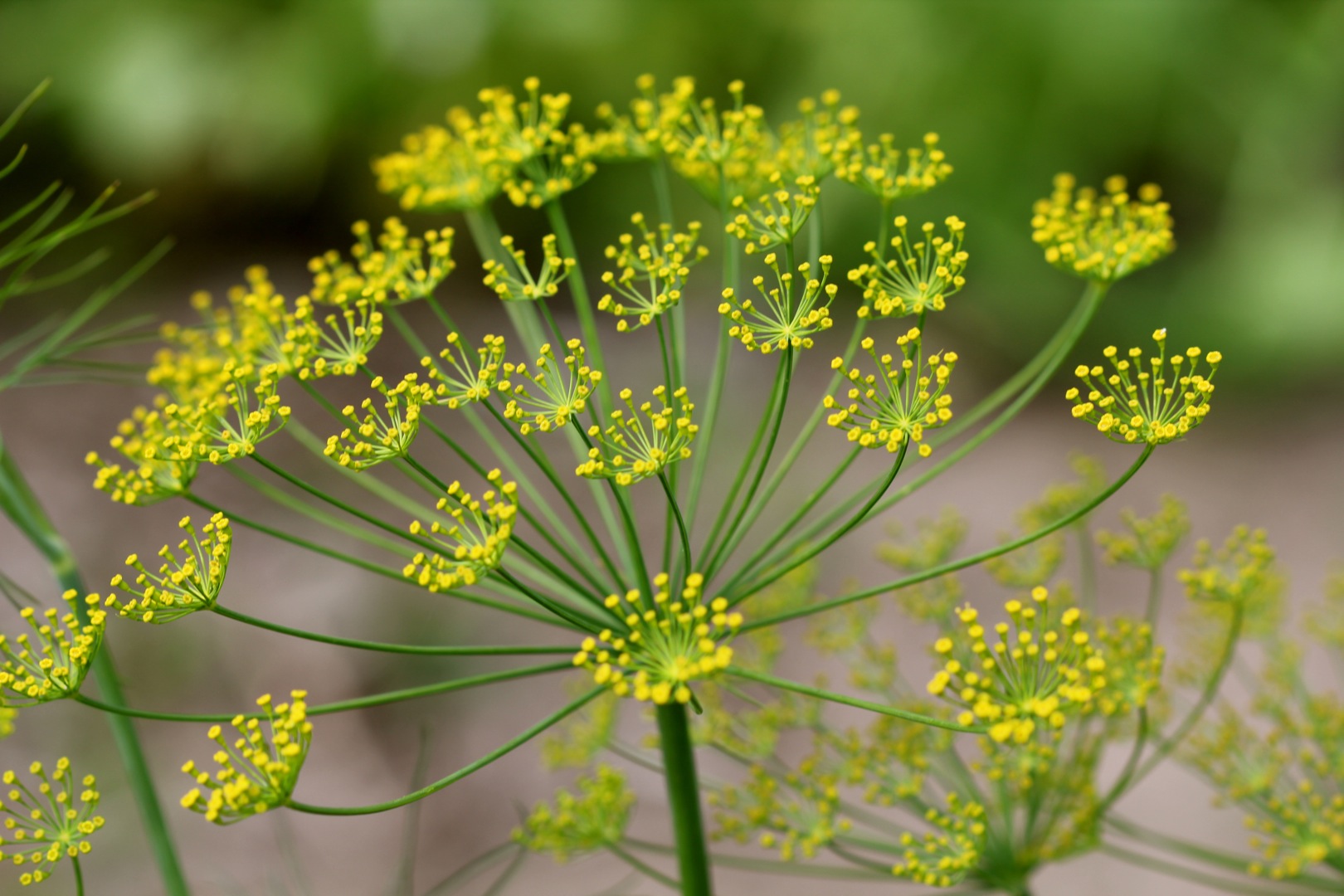
Native to the western Mediterranean basin and western Asia, dill (Anethum graveolen) is easy to recognize when growing in the garden. Closely related to fennel, it is an upright, hardy annual, growing up to 2-3 feet tall, with glaucous, ovate leaves that further divide into thread-like segments. The tiny yellow flowers grow in the shape of an umbrella in summer and develop into flat, oval seeds by late summer-early fall.
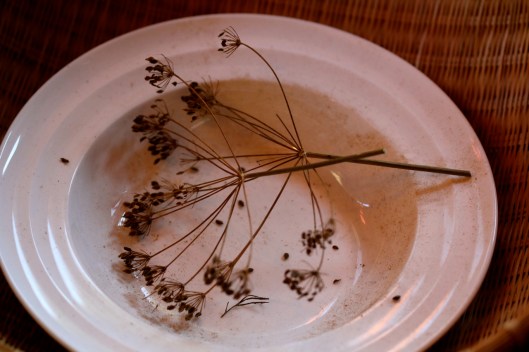
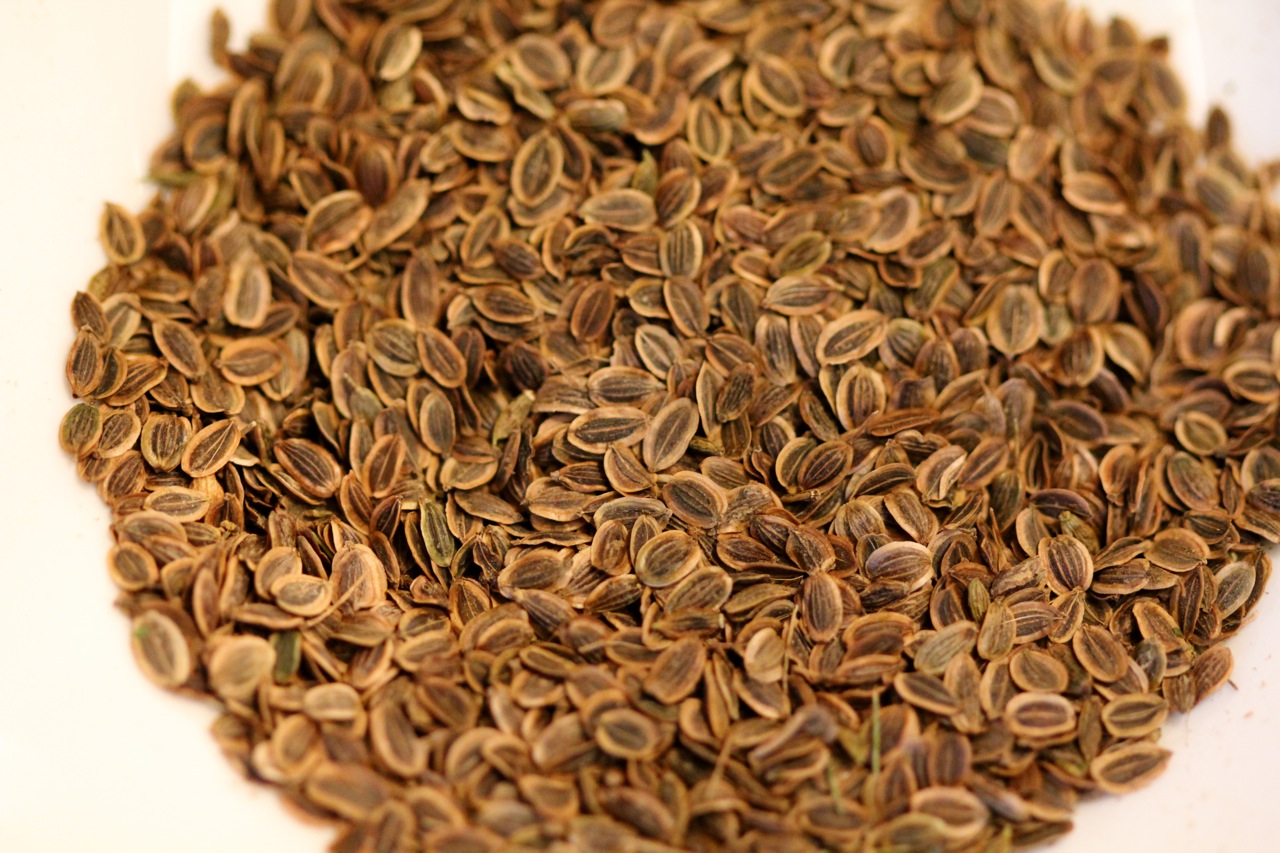
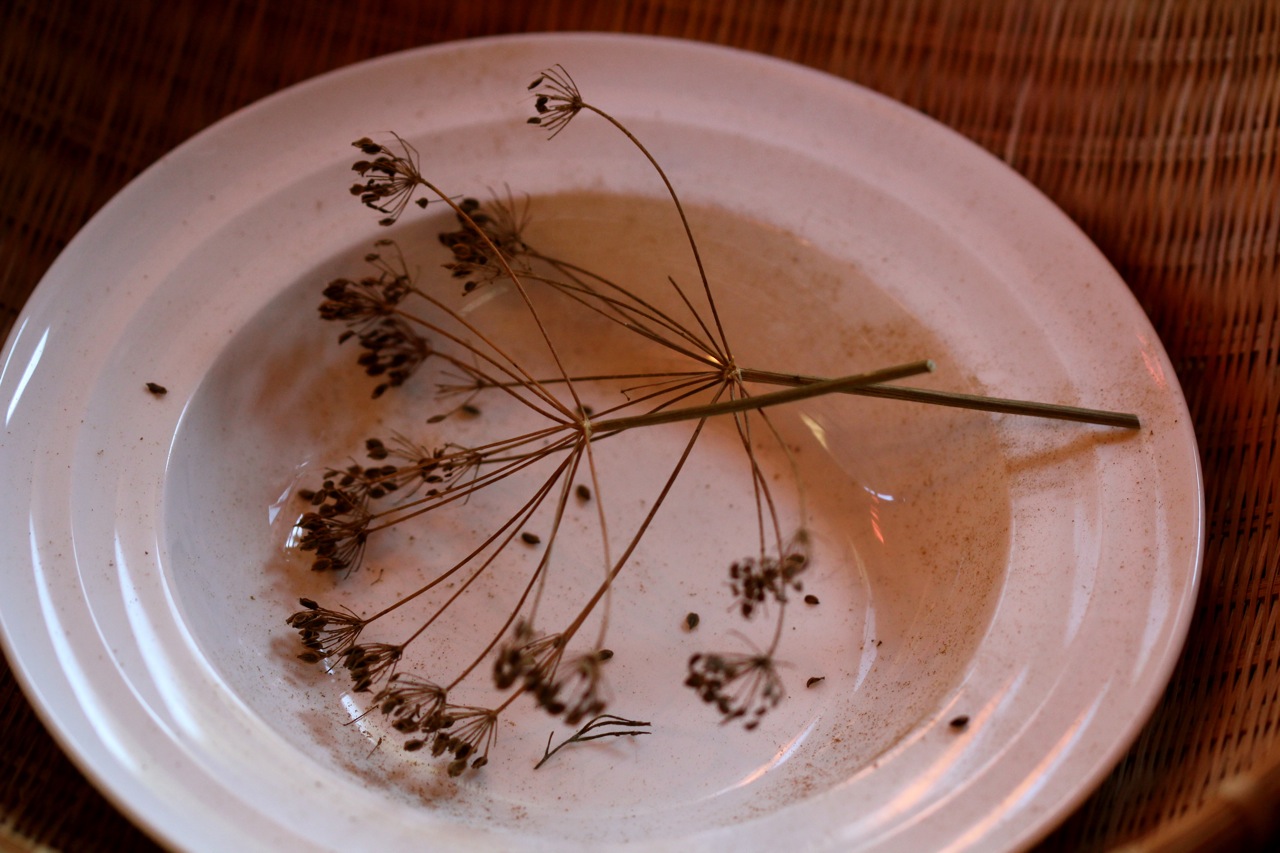
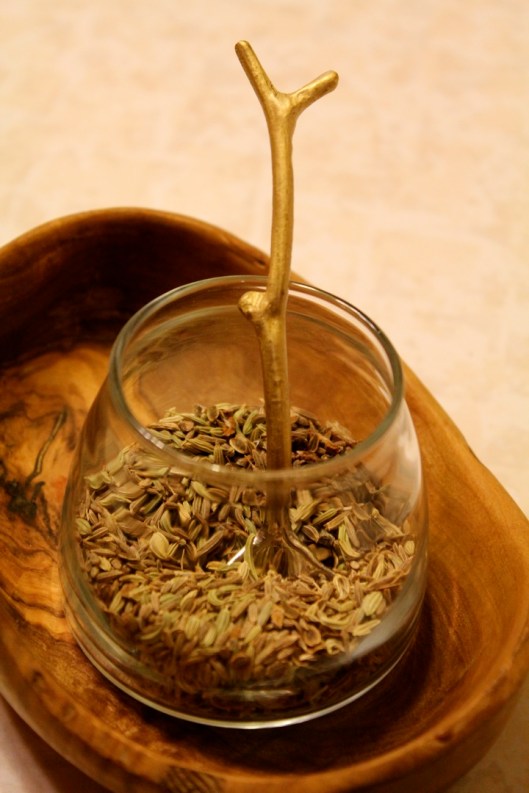
The leaves, stems, flower heads and seeds of this aromatic herb are all edible. Harvest dillseed when the flower heads turn brown. When ripe, the seeds will fall off easily when brushed up against or touched. Store the flower heads in a paper bag to allow them to dry out even further. Then shake the dried flower heads and/or gently rub them to release the seeds. Remove all remaining stems and store in a clean jar with a tight-fitting lid.

Dill is a traditional Middle Eastern herb that has been important since Biblical times. Its leaves and flowers were found on the mummy of Amenophis II (c.1425BC) and both the ancient Egyptians and the Copts used dill medicinally. It is mentioned as being subject to a tithe in the Talmud (ancient Jewish law), and in ancient Rome, Pliny (AD23-79) extolled its numerous uses. Classified as a cooling carminitive, dill has been used in Ayurvedic medicine for thousands of years. ~Denis Brown

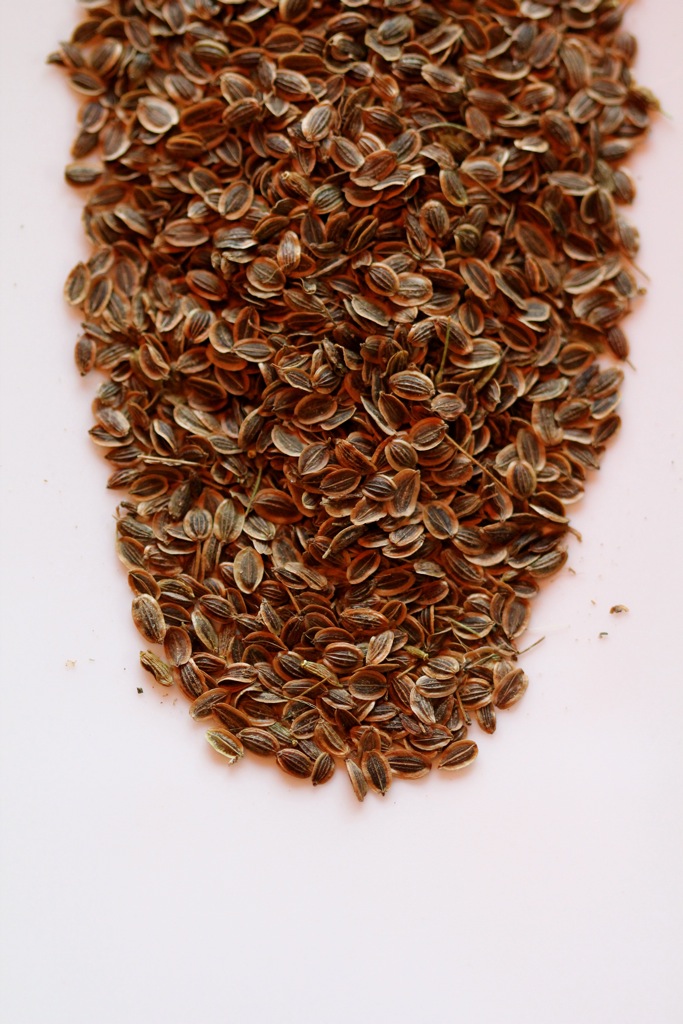
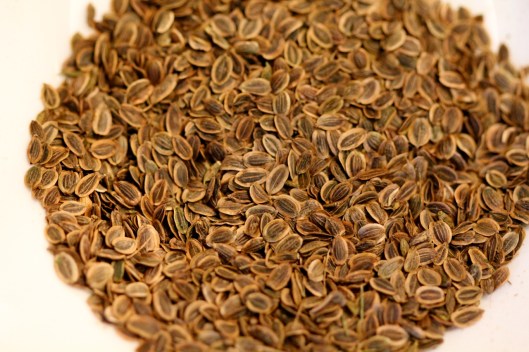
Dillseed are small and flat, with thin wing-like ridges. Their warm, sharp smell has been described as reminiscent of fennel, caraway and mint. When ripe, the seeds are toxic to birds (Fortin, 1996).
The Romans believed that dill was a “fortifying” herb, so it was common practice for gladiators heading into the arena to cover their (possibly) last meals with the herb to bolster their strength. The Romans were probably responsible for carrying dill to many of the regions where it now grows. ~ Lois Hole


Medicinal Uses:

  • Ease indigestion (calming, toning effect on the digestive system)
  • Carminative effects (eases gas)
  • mild diuretic
  • antiseptic
  • antispasmodic
  • colic (notably in the form of gripe water for babies)
  • increase milk production in nursing mothers

In Traditional Chinese Medicine, dillseed is considered a yang tonic food, whose effects include: warming the kidneys, improving appetite, dispersing cold, promoting energy circulation and counteracting fish and meat poisoning (Lu, 1996).

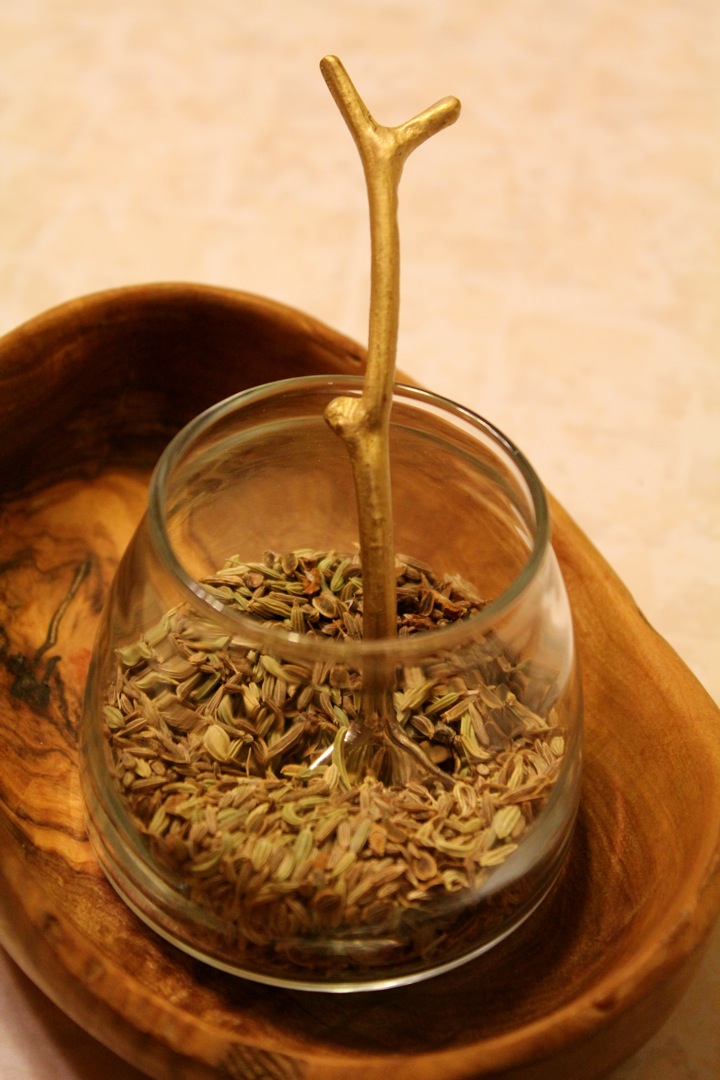
Make a mix of carminative seeds, such as anise, cardamom, cumin, dill and fennel, and chew them at and between meals. These are all very helpful in reducing gas and bloating.
Culinary Uses:

  • soups, salads and stews
  • pickling spice
  • seasoning vinegars and marinades
  • cold sauces
  • flavor breads, potatoes and sometimes pastries
  • in the preparation of salmon and crayfish (particularly in Scandinavia)

According to Fortin, “…dill goes very well with tomatoes, celeriac, beets, cucumbers, cabbage, fresh and sour cream, cream cheese, white sauces, melted butter, salad dressings, eggs, stews and seafood (1996: p. 469).

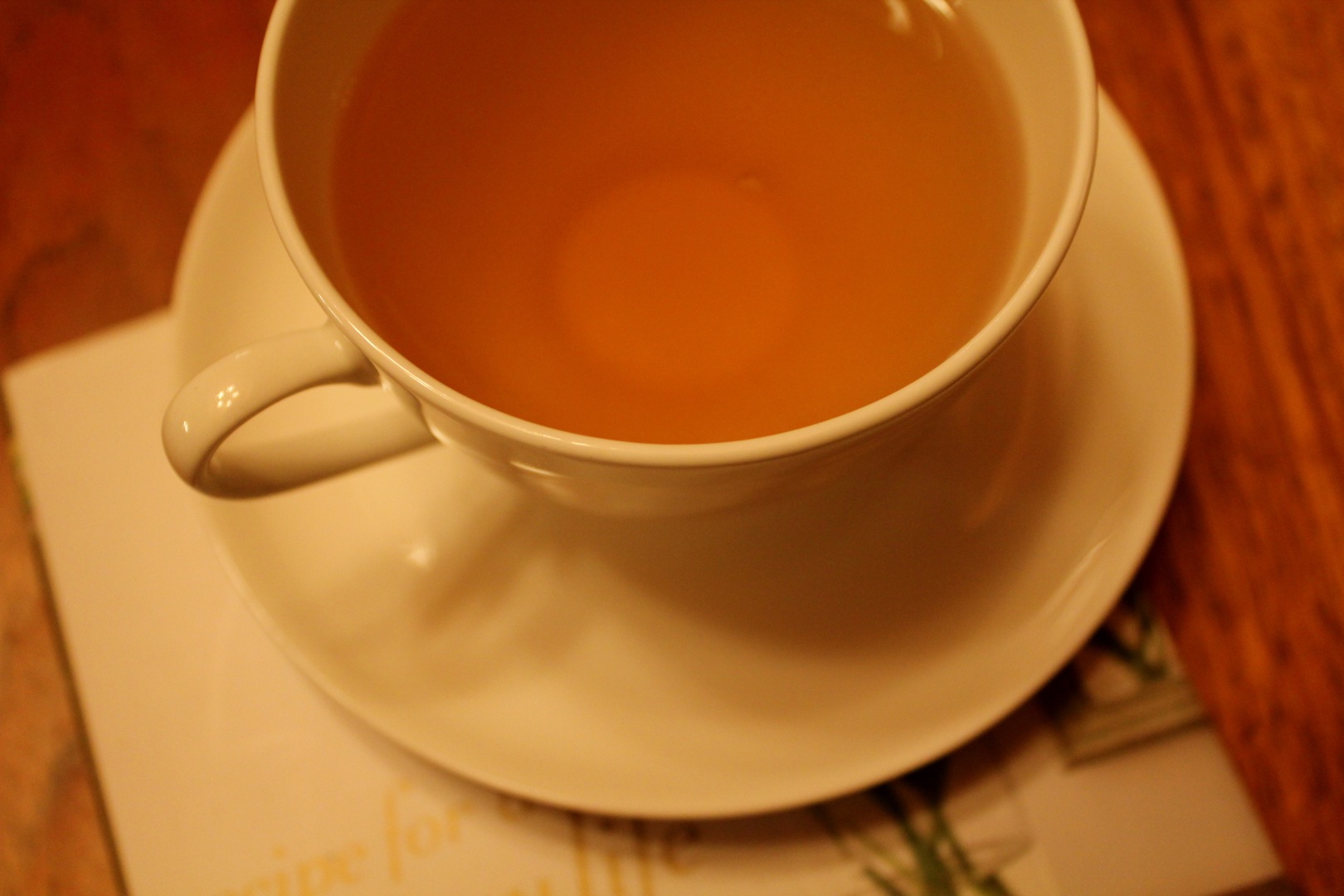
To ease digestion, steep 2 teaspoons of dillseed in 1 cup water for 10-15 minutes. Strain. Take ½ cup 2-3 times daily. ~Mindell
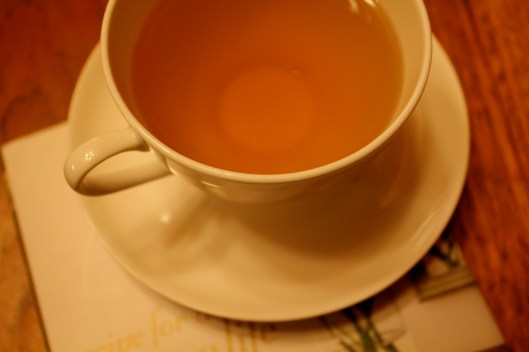
Until today, I have only used dillseed twice, and both in pickling recipes. This evening I have been chewing the seed mixture and sipping the tea and am excited about all of the other ways I can incorporate this delicious and versatile spice into my diet! I’m thinking of starting with the salmon…

Resources:

Brown, D. (2001). Herbal: The essential guide to herbs for living. Pavilion Books Ltd.: London.

Fortin, J. (1996). The Visual Food Encyclopedia. Les Editions Quebec/Amerique: Montreal, Quebec.

Gladstar, R. (2001). Rosemary Gladstar’s Herbal Recipes for Vibrant Health: 175 teas, tonics, oils, salves, tinctures, and other Natural Remedies for the Entire Family. Storey Publishing, North Adams, MA.

Harkins, M.G. (2002). Spices: From the Familiar to the Exotic- Recies from Around the World. Ryland Peters & Small, Inc.: New York.

Hole, L. (2000.) Herbs & Edible Flowers: Gardening for the Kitchen. Holes: St. Albert, Alberta.

Lloyd, C. (1997). Gardener Cook. Willow Creek Press: Minocqua, Wisconsin.

Lu, H. (1996). Sterling Publishing Company Inc.: New York

Mindell, E. (1992). Earl Mindell’s Herb Bible. Simon and Schuster: New York.

Werle, L., & Cox, J. (2000). Ingredients. Konemann: Cologne.
cross country ski season officially begins!

Tags

, , , , , ,

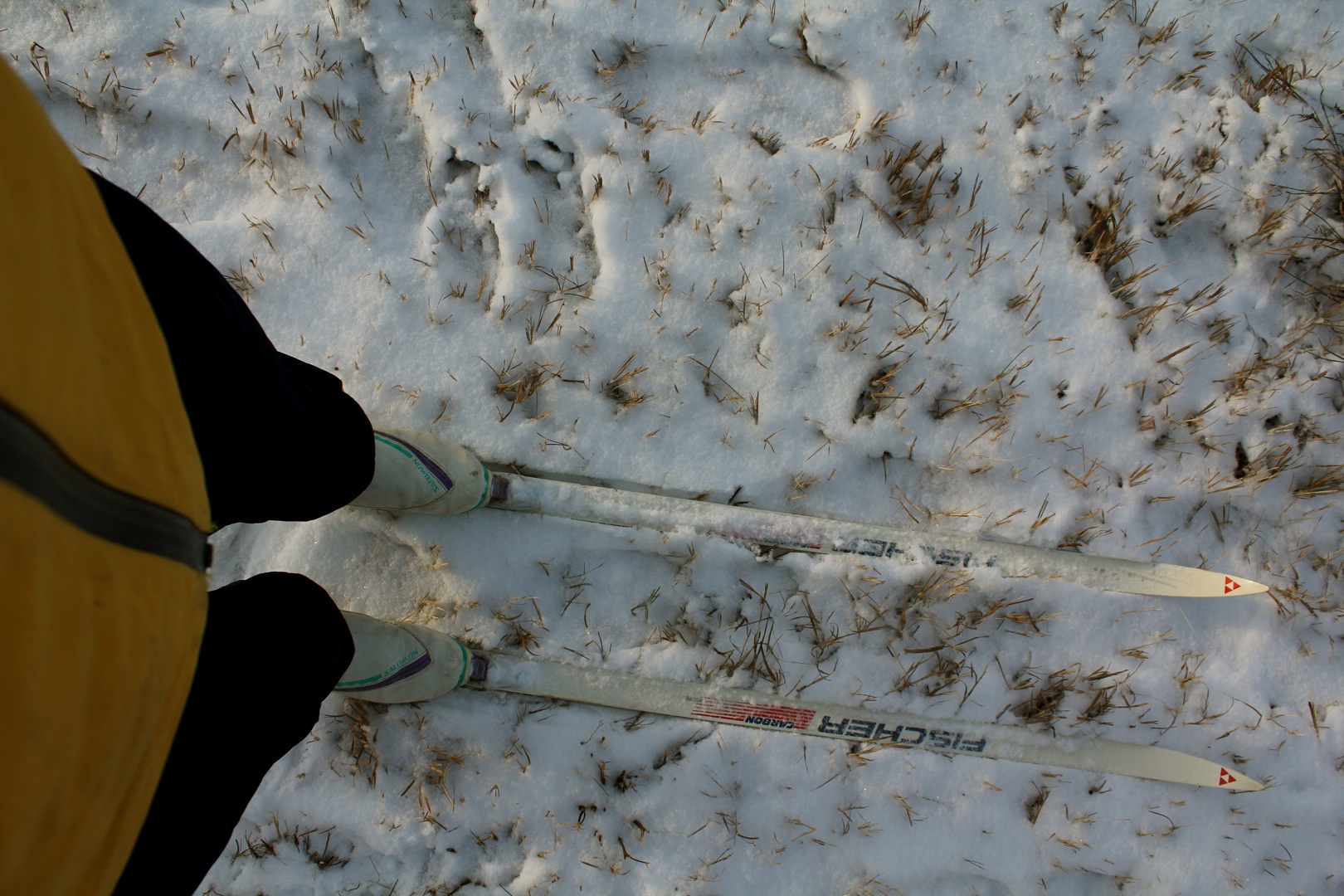
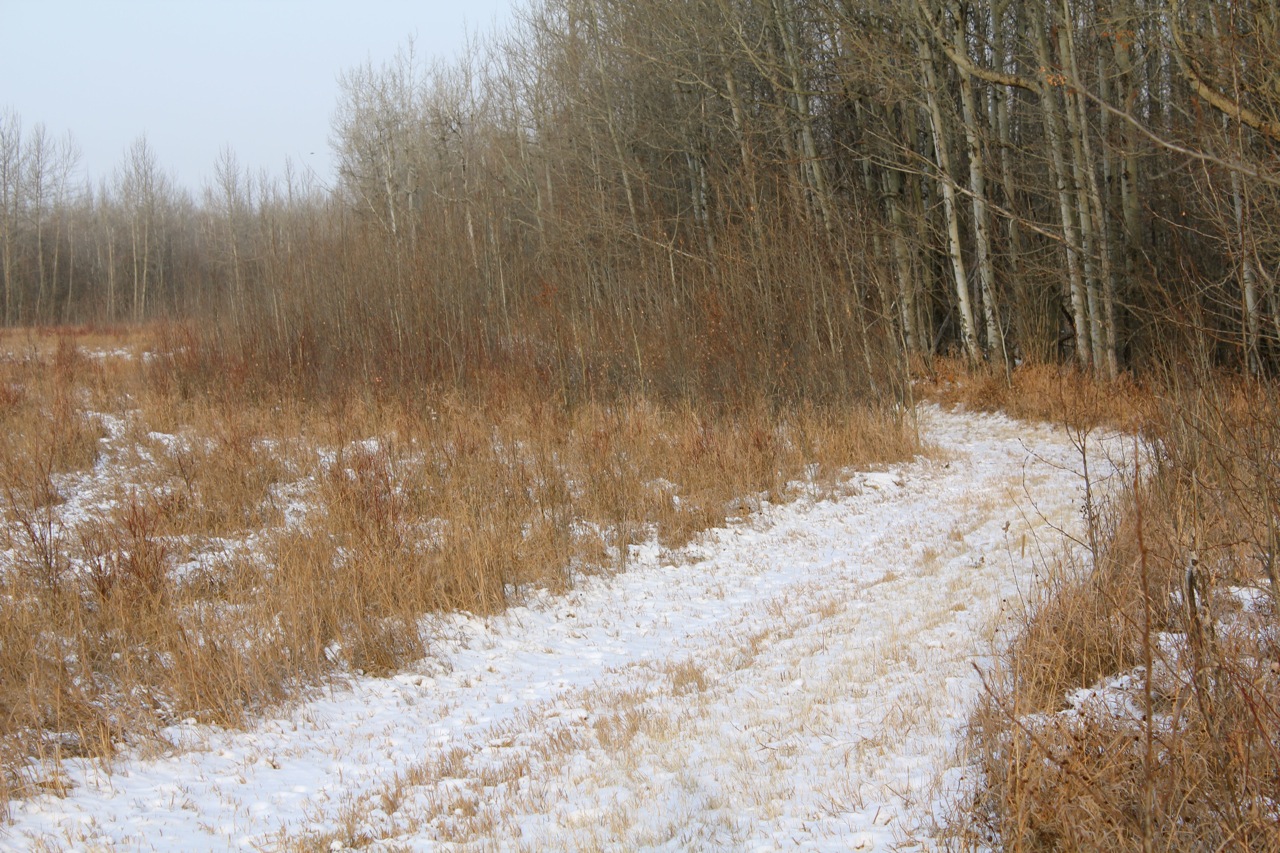
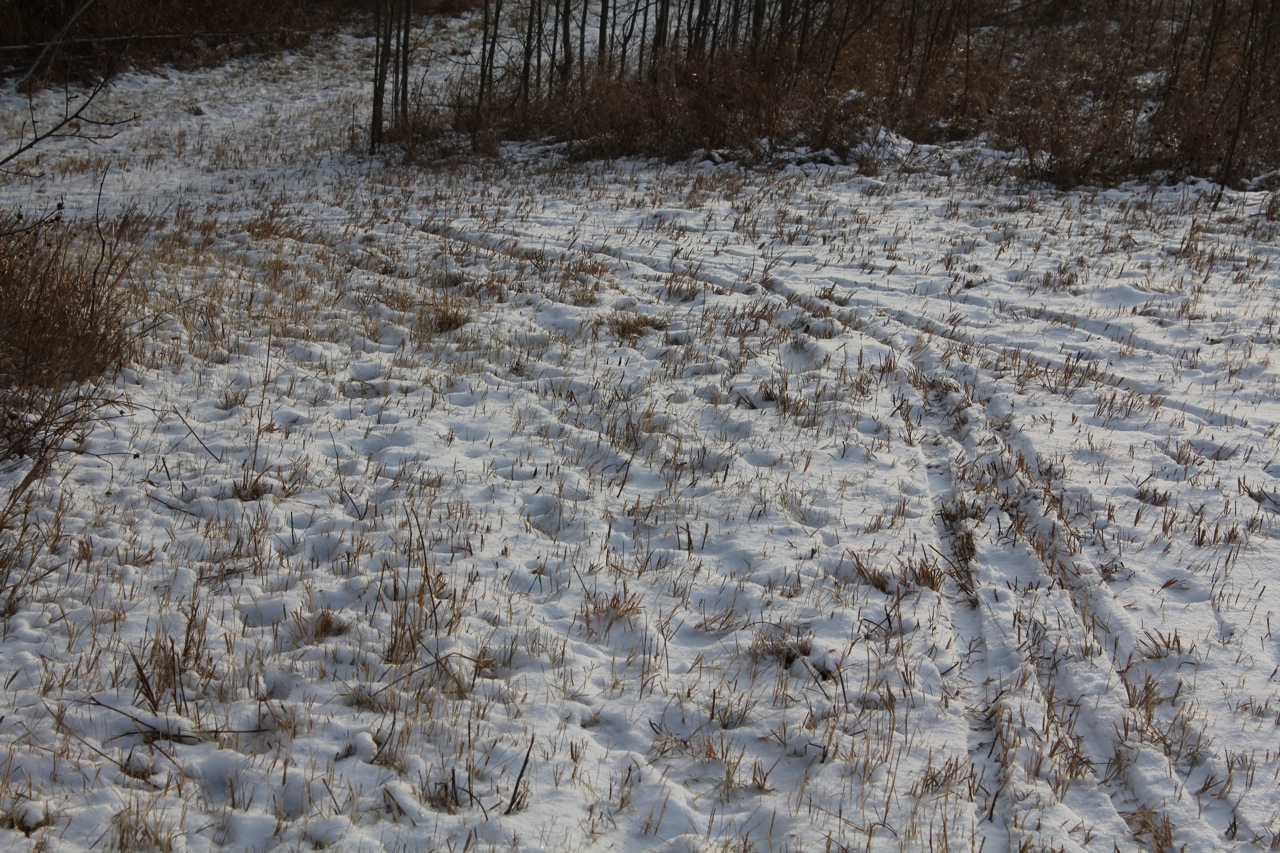
Although the snow may look a little thin on the ground, for cross country skiers who have been waiting for months to snap on the skis, there is plenty of snow for skiing. This morning, breaking trail wasn’t too difficult as there was lots of ‘glide’ and I wasn’t ploughing through knee-deep snow. Also, hiking with poles twice a day this summer has really helped my skiing arms stay reasonably strong. As I skied, I couldn’t help but smile like a child rediscovering a favorite thing. I’ve always loved skiing and this trail is both beautiful and fun- with a few long ‘downhills’ to keep things fun and interesting (crazy on icy days)!

Plenty of snow… trust me! Looking behind…

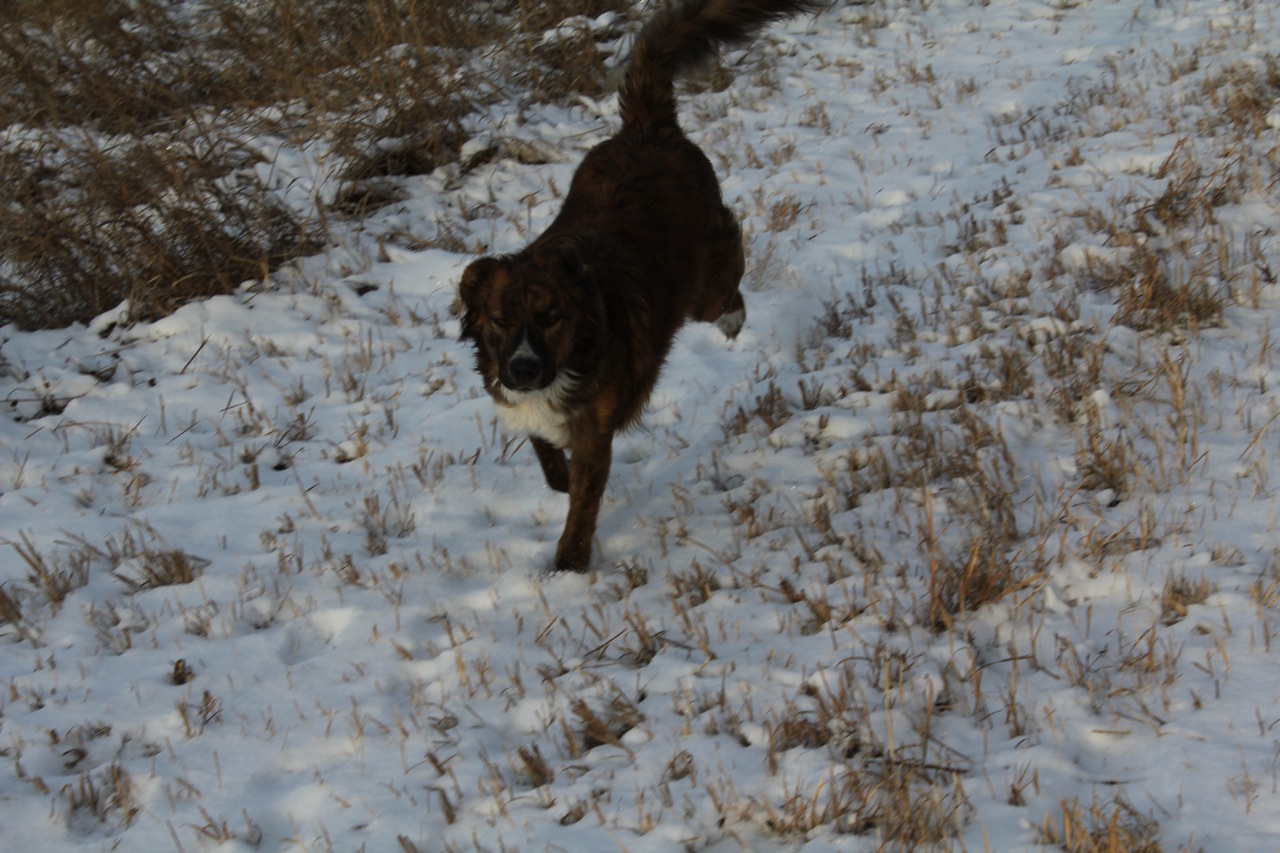
Miss Lucy checking up on me. She is usually a little ways ahead of me and keeps busy hunting. She pauses regularly to look back and make eye contact with me before moving on further. If I stop for more than a few minutes she always comes barreling back to make sure I’m alright and see what is causing the hold-up. Then she’s off and running again…
…and now I’m off and skiing again as it is time for our evening walk/ski. Take care everyone!

a final farewell to Autumn

Tags

, , , , , , , ,

As I write this the wind is blowing fiercely outside my window and there is two inches of fresh snow on the ground. The forecast for this week calls for sub-zero temperatures and more snow tonight. (Yay!) Lucy and I walked the trails today but tomorrow I will start breaking in my ski trail. I am lucky that they groom over 4 kilometers of trails out back for cross country skiers, but that won’t start until we have a good base of snow for the grooming tractor to have something to work with. Until then, I get a little extra exercise!

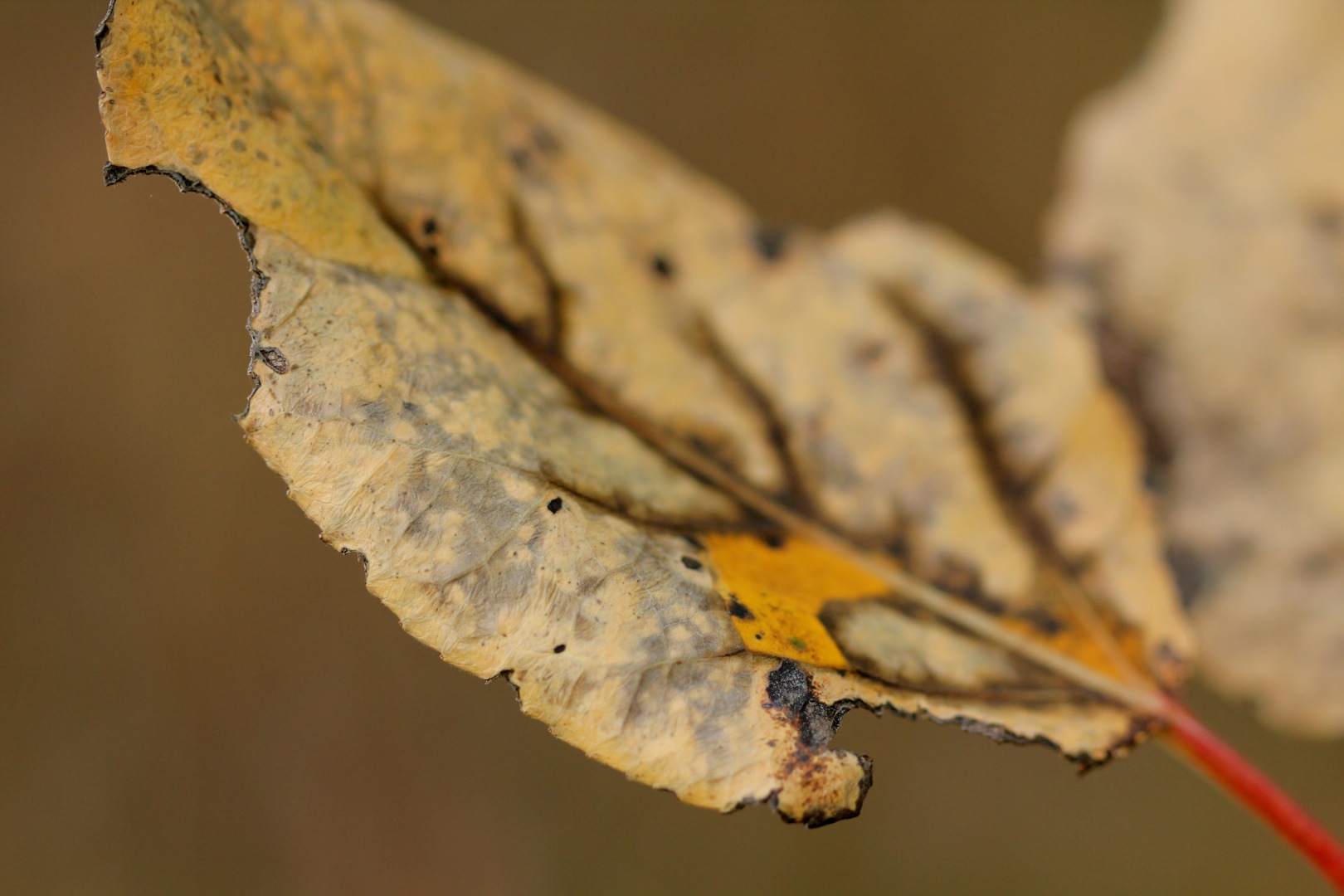
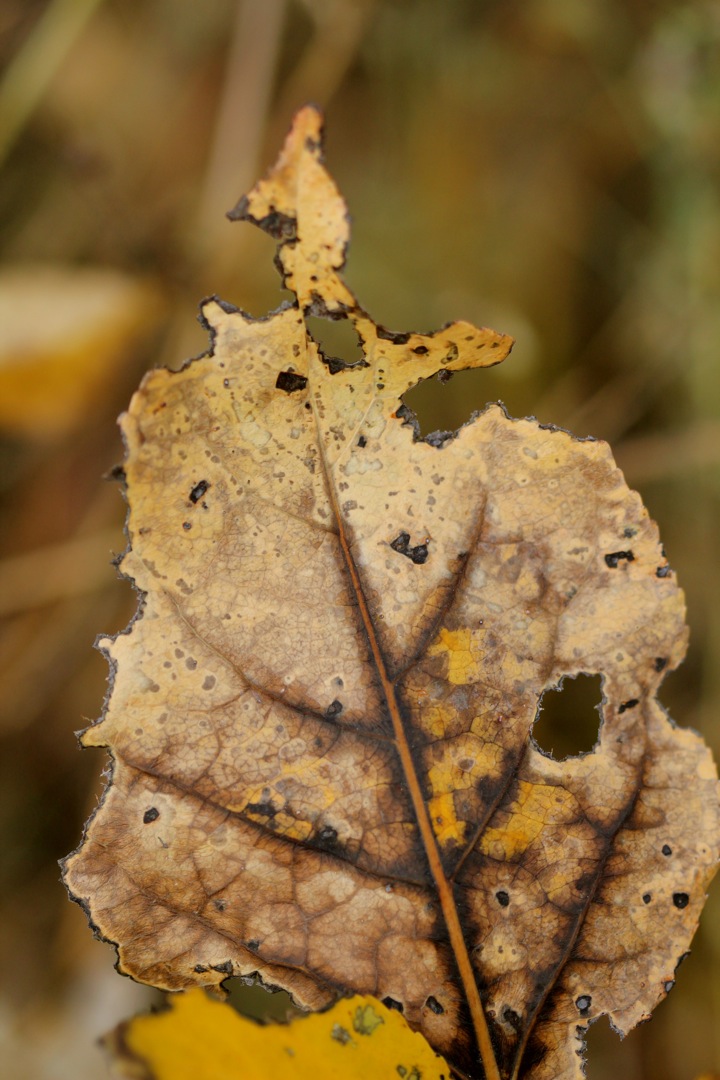
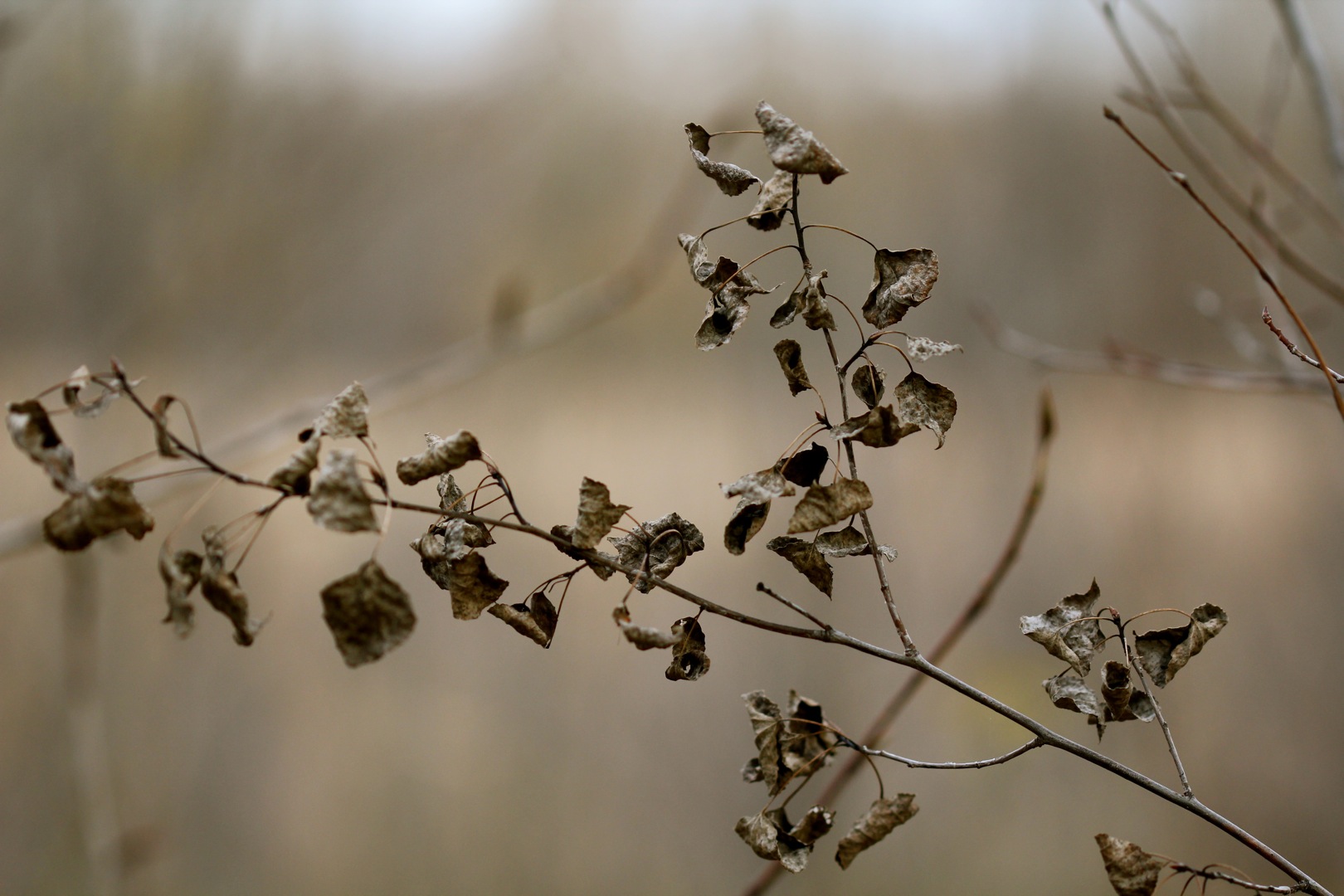
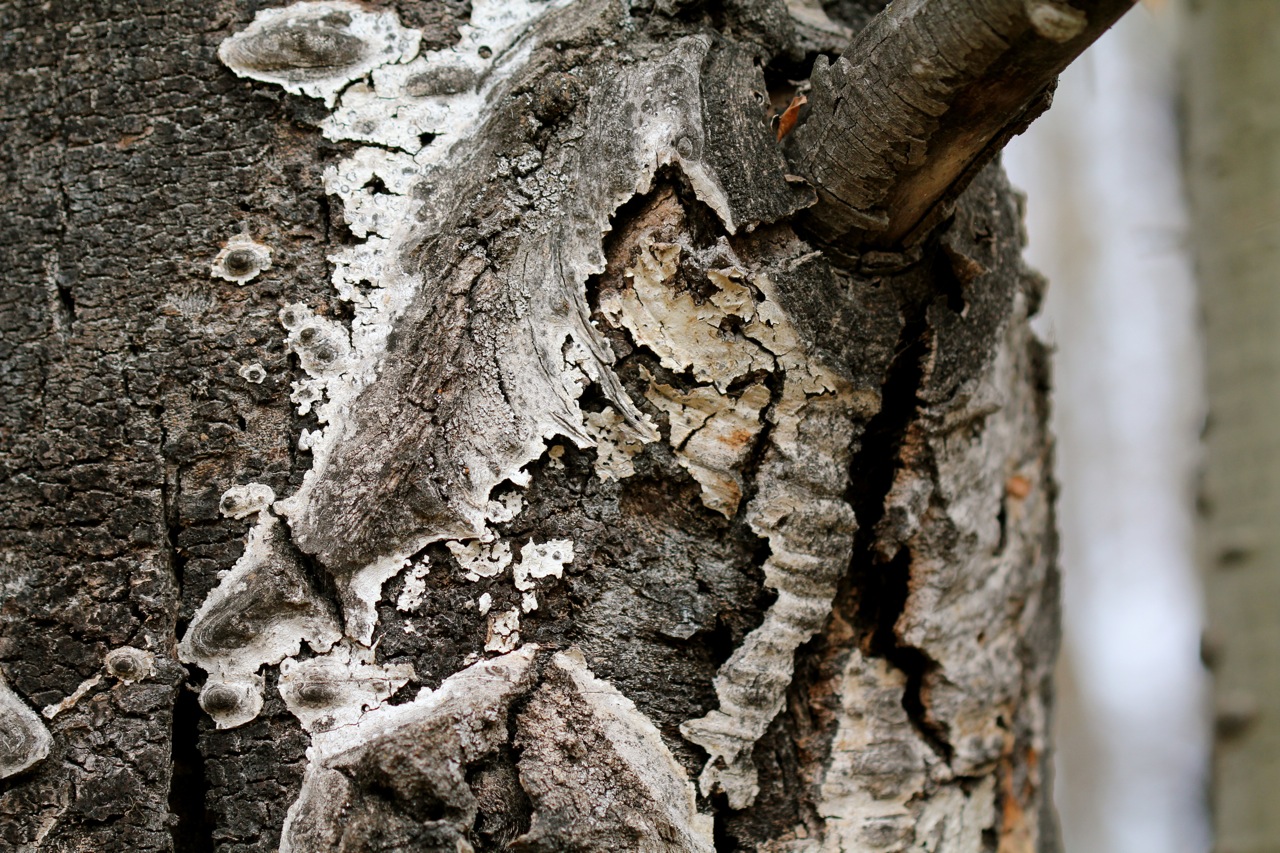
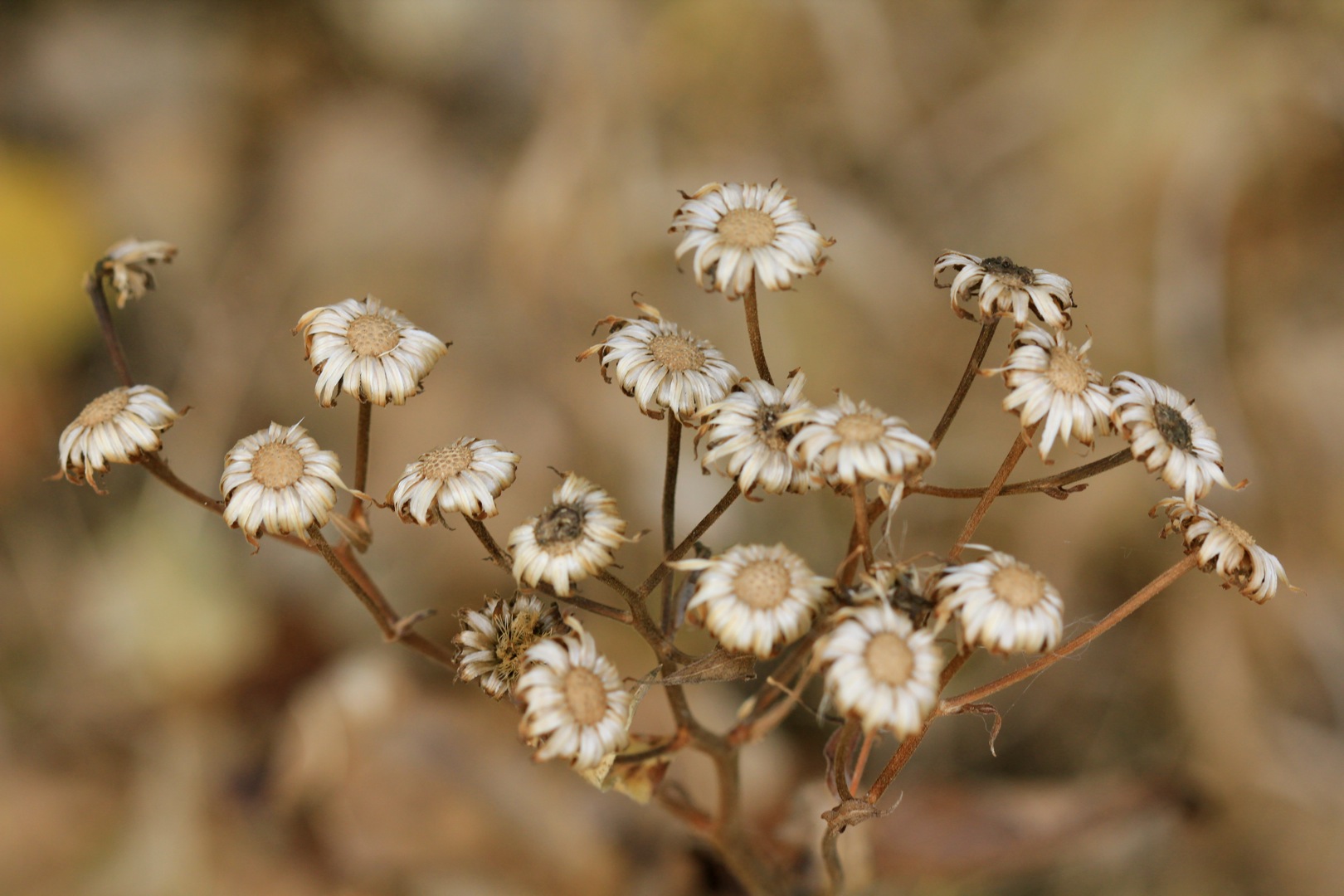
With the ‘white stuff’ finally here, I thought I would dedicate this post to a final farewell to Autumn and share some pictures taken in the last few weeks around here. These are my favorites as they seem to evoke a sense of stillness and peace…

As of late, all I like

  is quiet.

Far from my mind

  the vanity of things.

Stripped of all resources,

  what I have left is the joy

Of hanging around again

  in my forest.

~Wang Wei

Empty mountain,

  not a soul to be seen.

Only echoes of voices

  sounding in the distance.

Ray of of setting sun

  in the deep woods:

On the moss

  a final burst of light: green.

~Wang Wei


high on the rooftop

Tags

, , , , , , ,

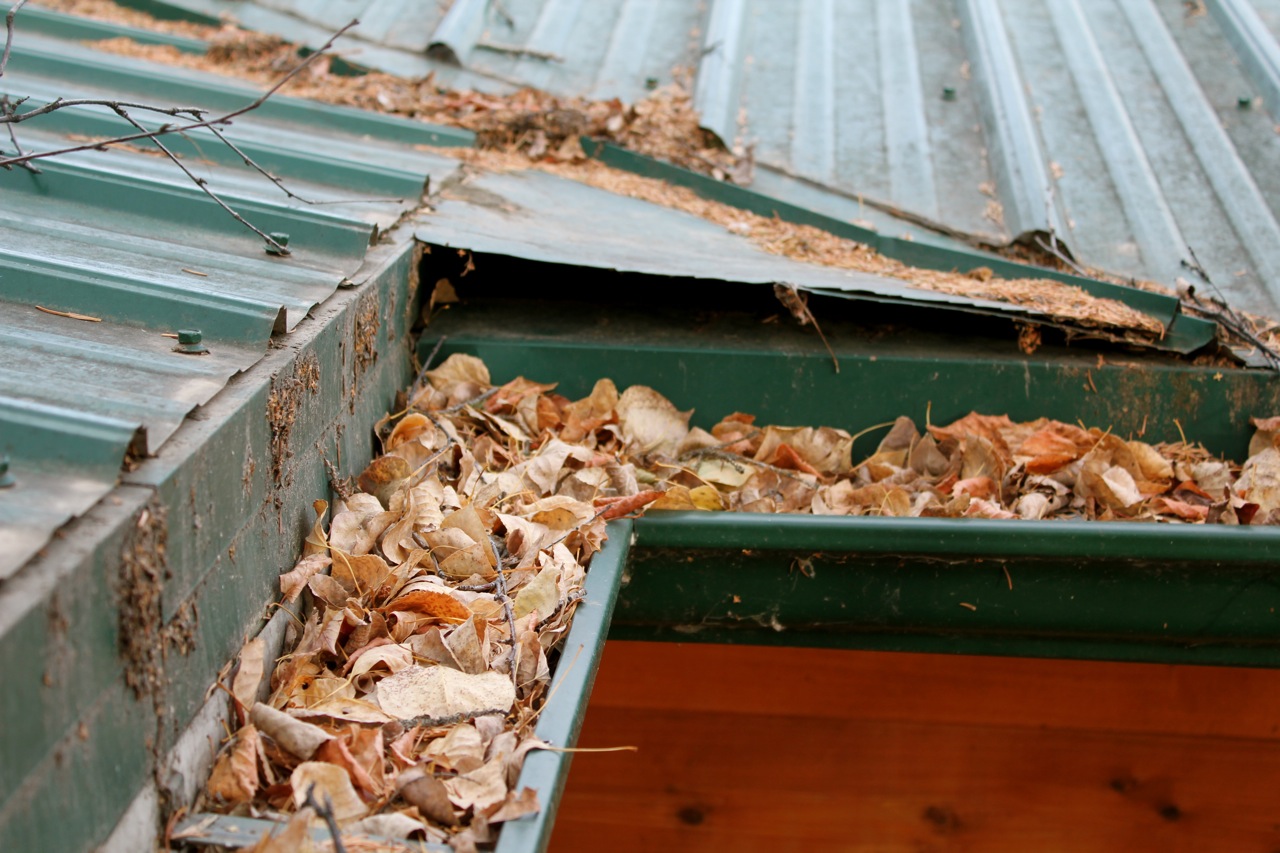
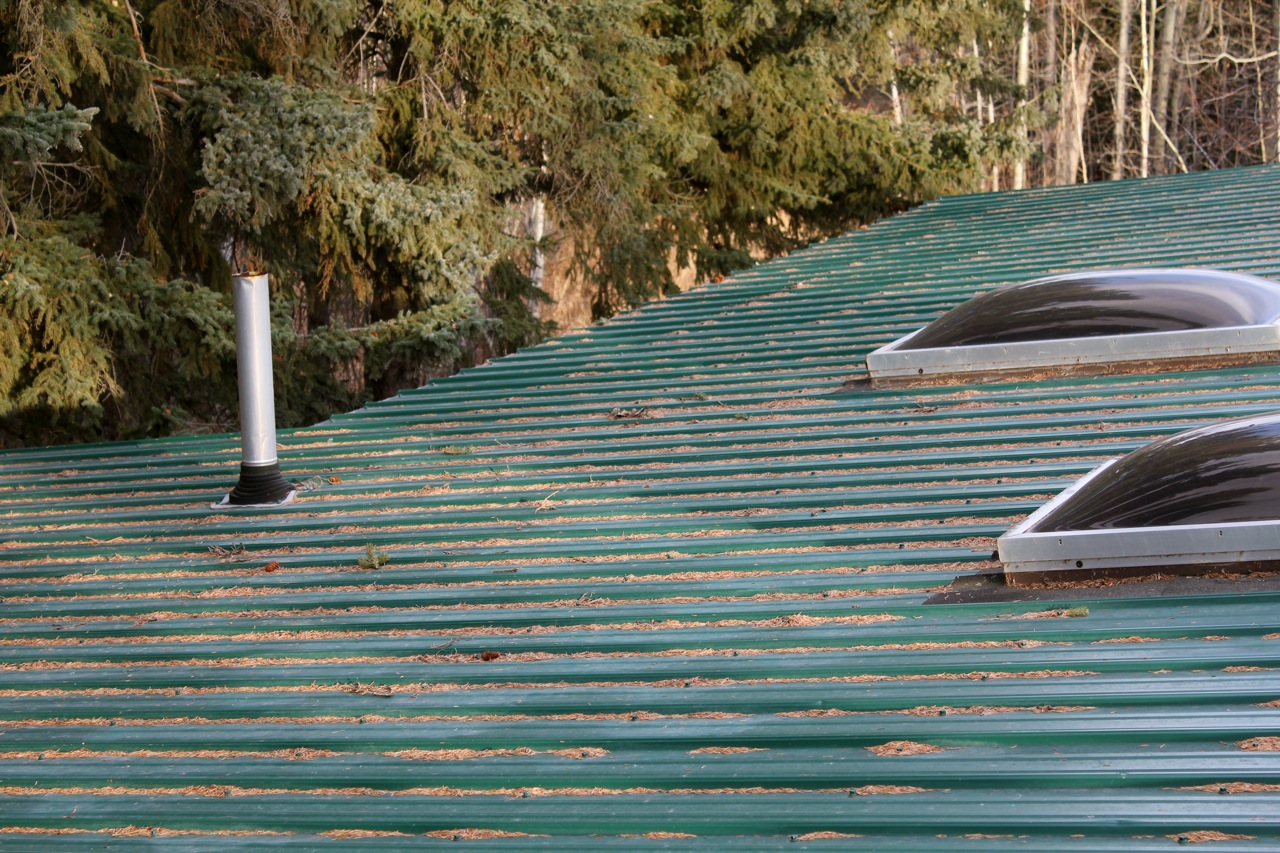
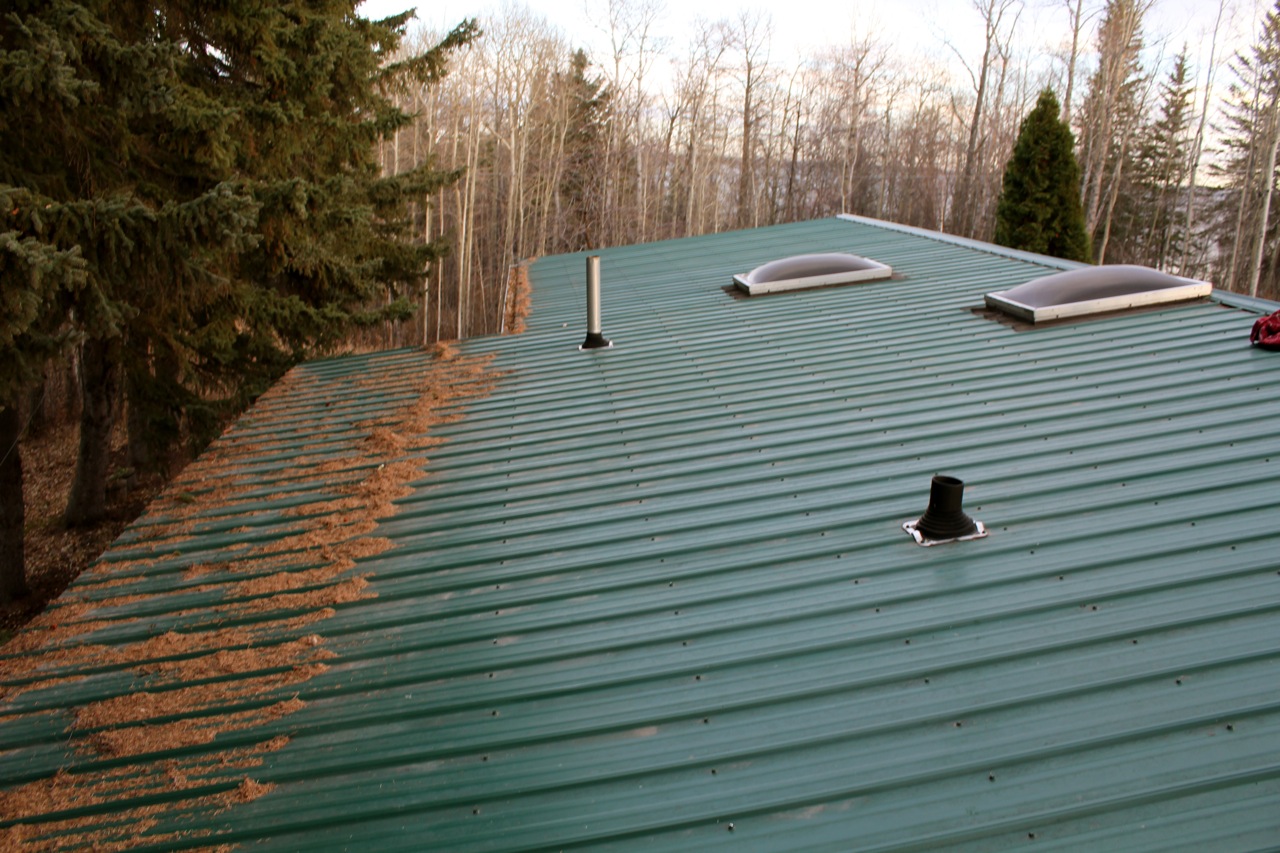
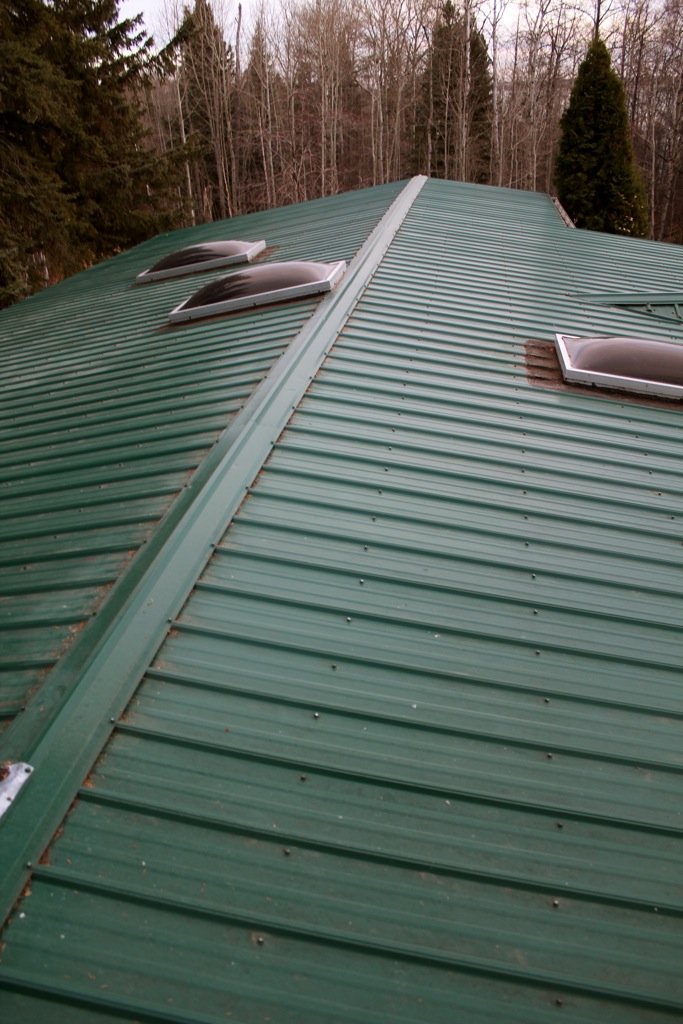
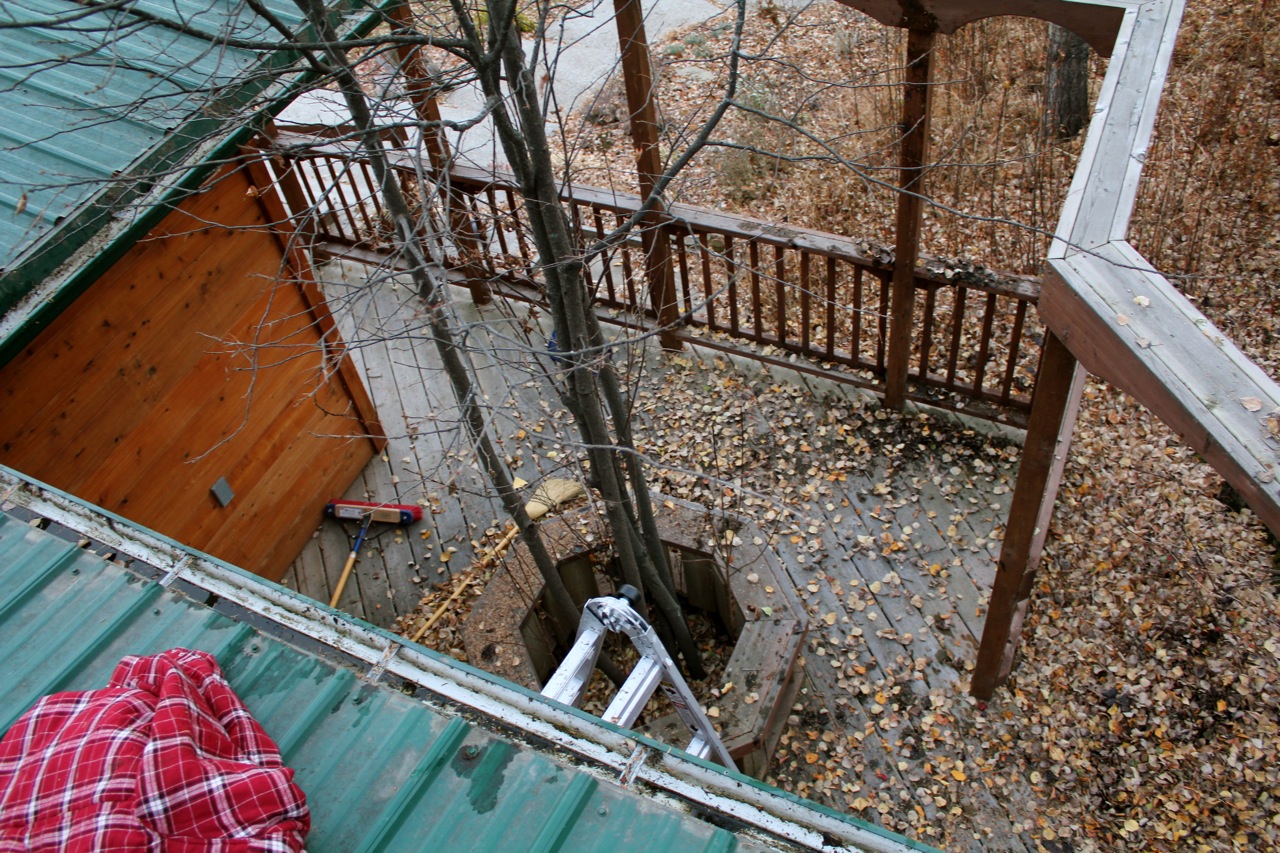
These past two weeks I have been working hard at getting the cabin ready for winter. This involves putting the gardens to bed for winter, blowing out the irrigation, raking leaves, emptying the pond, organizing winter vegetable storage, excavating the fire pit (for winter fires), washing windows and decking, and generally putting things away for the winter. Yesterday, I was finally able to get up on the roof to sweep and clean out the eaves troughs.

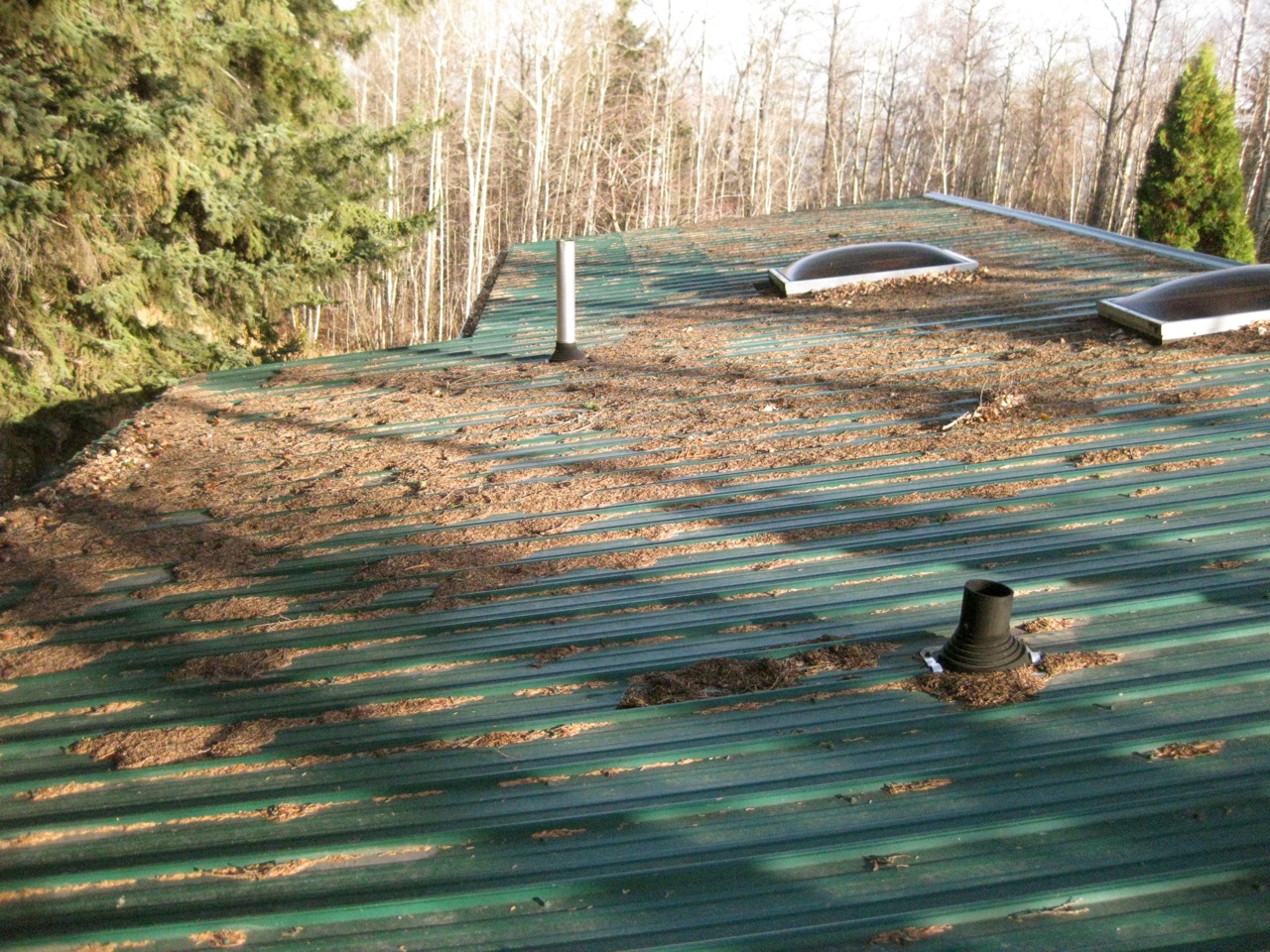
There is a row of huge spruce trees which grow behind the cabin. All year long they drop their acidic needles onto the roof and into the eaves troughs. Strong winds blow many of these off and onto the ground below. In the fall, I like to get up here and do a very thorough job of cleaning off the roof before the snow comes. This year (pictured above) it wasn’t too bad. Take a look (below) at what I had to tackle last year…!!!

Last year, it took me half a day to clean the roof as I was on my hands and knees prying off large mats of needles and debris with my hands, then sweeping it all off the roof with a push broom. Yesterday was a much lighter, easier job!

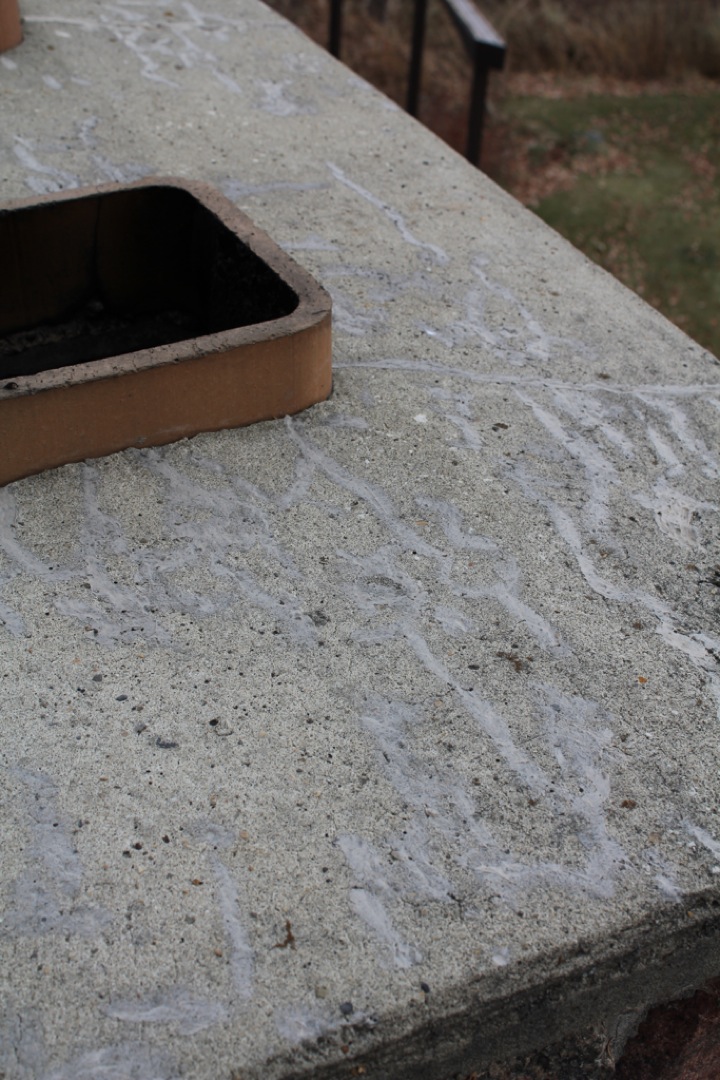
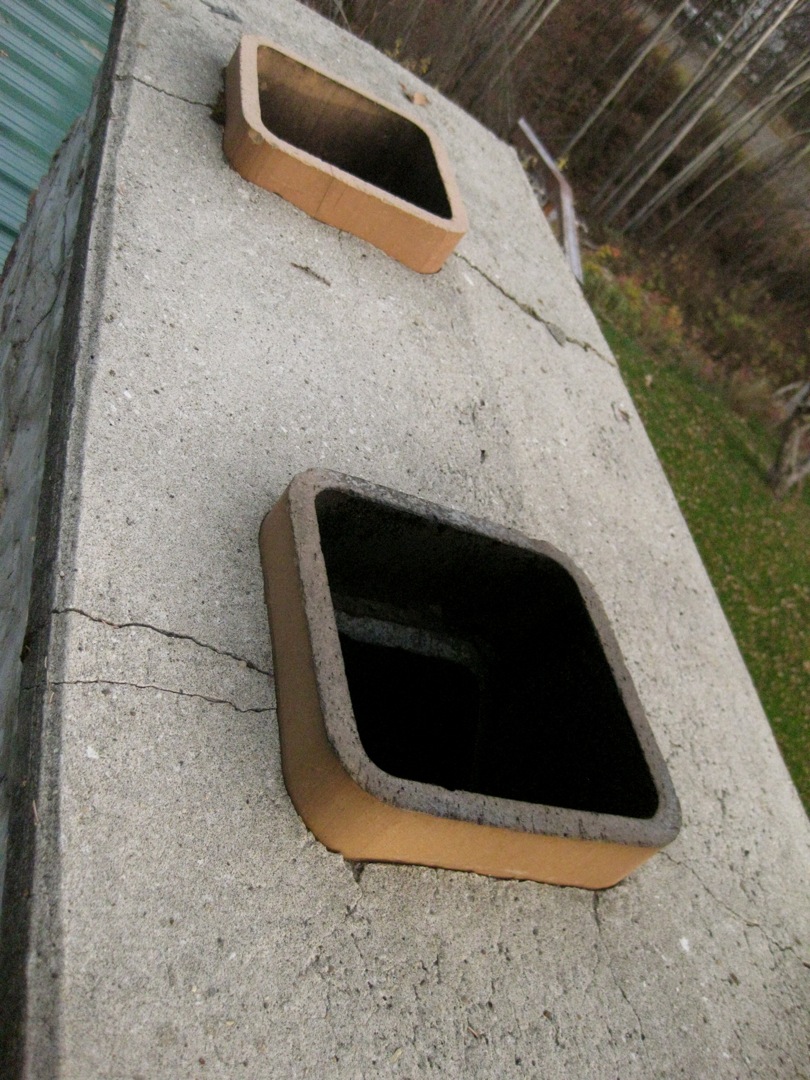
I also inspected the mantle. Last year there were large cracks and many smaller cracks in the stone (see picture below). These needed to be filled with high-temperature caulking to prevent water from freezing and then melting and widening the cracks over time, eventually destroying the mantle. Looks like everything is still fine here.
(Last year below.)

It was quite satisfying looking at my nice clean roof and eaves troughs! I had supper and then spent the next hour sweeping the deck while watching the full moon rise.

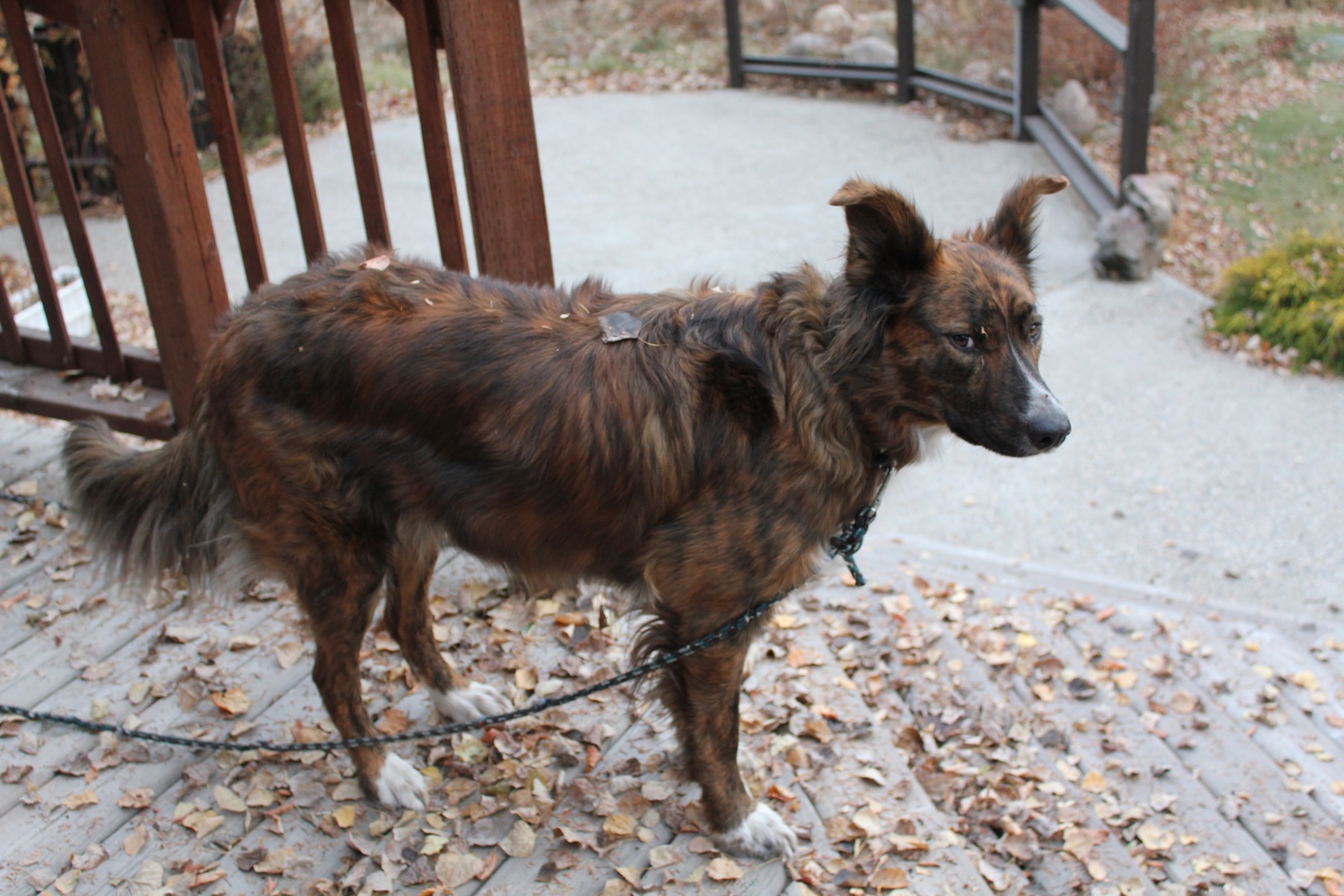
Miss Lucy was not impressed with my sweeping debris off of the roof and onto her sleeping spot. She kept changing positions but I always managed to find her.

A satisfying day taking care of the cabin. Winter can come anytime now… I’m ready.

full moon fire

Tags

, , , , , , , , ,

Living far away from the lights of the big city helps me pay more attention to the phases of the moon, which in turn nurtures my connection to Nature’s rhythms and cycles. Full moons are a good time to finish projects, ‘clean up’ and release anything that is unhelpful in our lives (just as New Moons are a great time to start new projects.)

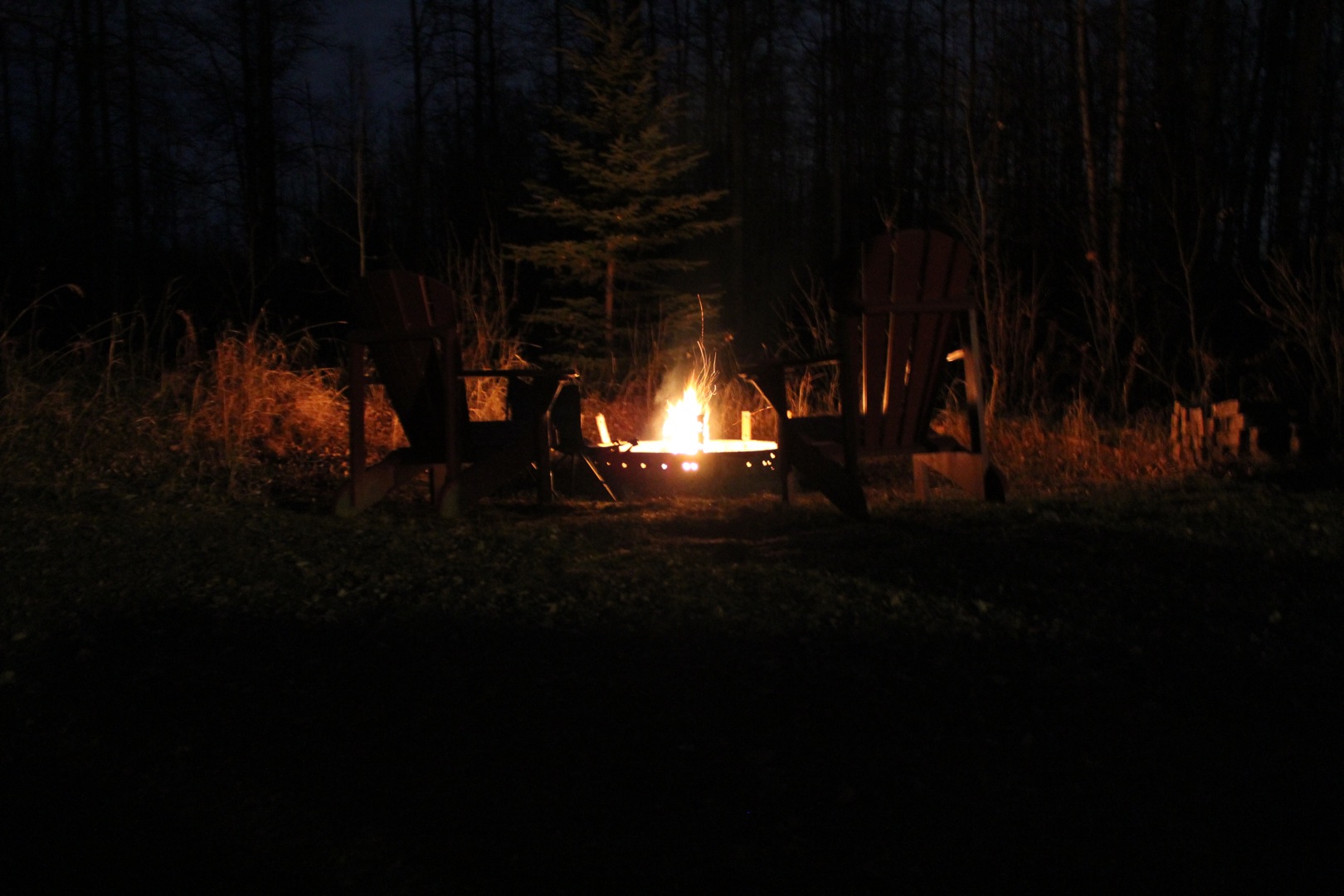
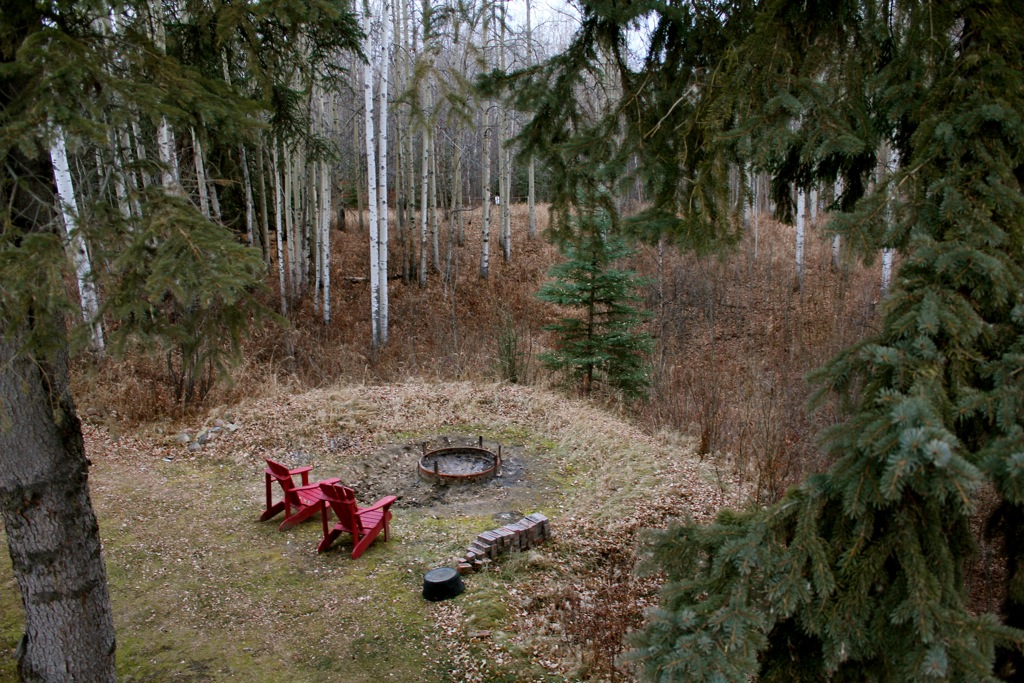
Tonight I made a fire outside and brought my new drum out. Accompanied by coyotes howling in the distance, I took some time for stillness. Then I expressed gratitude and reflected on things I want to release in my own life. Then it was time for some singing and drumming! The acoustics are amazing as the fire pit is actually on a ‘peninsula’ surrounded by a small canyon (see daytime photo below and notice how the land just drops around the edges of the fire pit). Tonight, the sound of my voice and drum carried over the canyon with a bit of an echo… it was fantastic! Lucy stayed near me, keeping busy exploring the bush nearby.

Planning my life in harmony with the rhythms of Nature nourishes my spirit and allows me opportunities for stillness and reflection. Good night, everyone! And don’t forget to put out some moon water…