• about us
  • Books
  • Merchandise

cabinorganic

~ For people who are passionate about respecting the earth, walking in nature, observing wildlife, local diet, making do, repurposing, organic gardening, foraging for wild plants and fungi, natural health, scrumptious healthy cooking, renovations, DIY, crafting, raising children simply and mindfully, taking time for stillness, and living in harmony with the seasons.

cabinorganic

Category Archives: forage

Gem-Studded Puffball (Lycoperdon perlatum)… A Wild Mushroom Taste Test

01 Monday Aug 2011

Posted by Delena Rose in cook, forage, wild mushrooms

≈ 12 Comments

Tags

Common Puffball, Devil’s Snuffbox. wild mushroom, Gem-Studded Puffball, Gemmed Puffball, how to identify a Gem-Studded Puffball, Lycoperdon perlatum, Warted Puffball

I have been eyeing some beautiful little puffballs for over a week now and finally took time to do some research on them. After consulting my reference books, field guides and many websites, my confidence was high and I was ready to give them a try. I thought this would be a good mushroom to start with as they are very easy to identify (and you further confirm their identity by slicing them in half and seeing what they look like on the inside). They are considered to be a very safe mushroom.

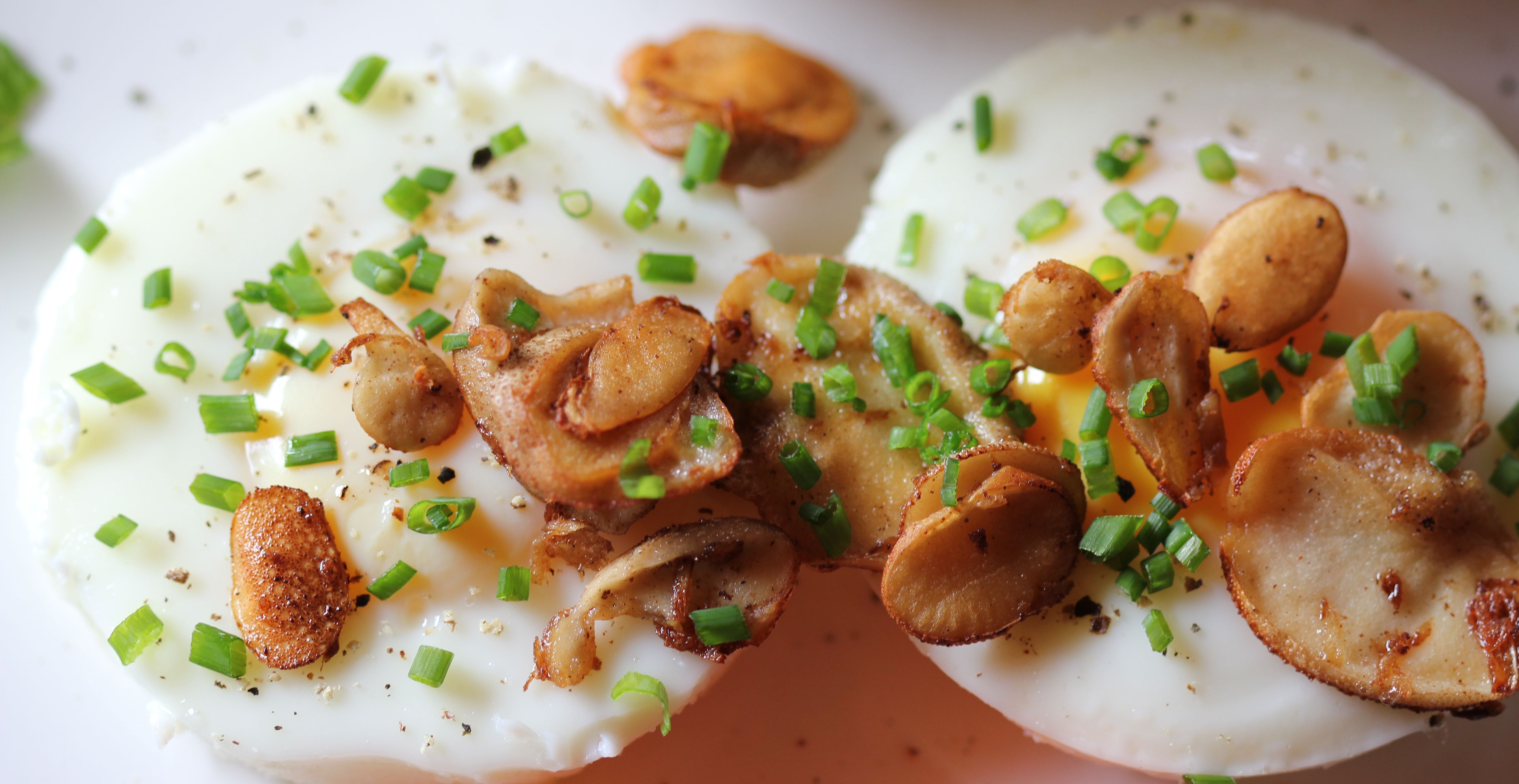
H and I harvested all that we could find on our morning hike, which was only about twelve very small puffballs (just under 1 inch wide). We ended up discarding half of them as they were just turning yellowish, and when sliced in half, were forming stink holes inside and getting a bit soft and pungent. When they are at this softer stage they are actually still edible and even considered a delicacy in Germany, but as this was my first adventure foraging and cooking fresh wild mushrooms, I wasn’t interested! It is probably an acquired taste! The remaining puffballs were nice and firm and had perfect undifferentiated white flesh. Satisfied that I was indeed working with puffballs, I sliced these very thinly, sautéed them in butter and served them over poached eggs at breakfast. They were delicious!!!

This is our wild mushroom breakfast, served with grilled tomatoes and brioche.

Because there was such a small amount of the cooked mushrooms, we ate very slowly, prolonging the experience as much as we could. I don’t think I’ve ever eaten a mushroom this fresh before! Again… delicious!!!

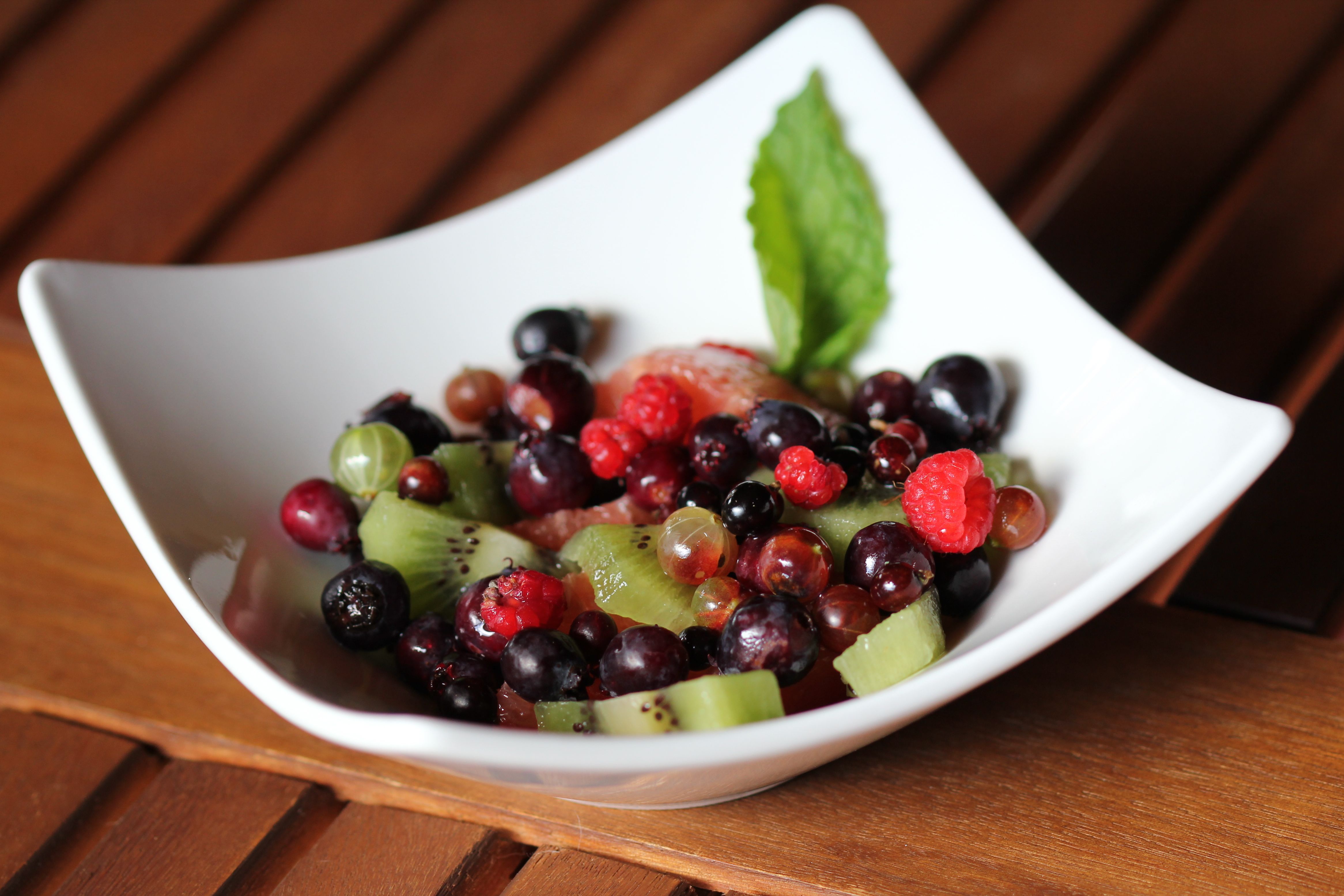
We also had a Wild Berry Fruit Salad on the side:
If you are interested in learning more about Lycoperdon perlatum, here is some of my research and a few helpful resources:

Gem-Studded Puffball (Lycoperdon perlatum)

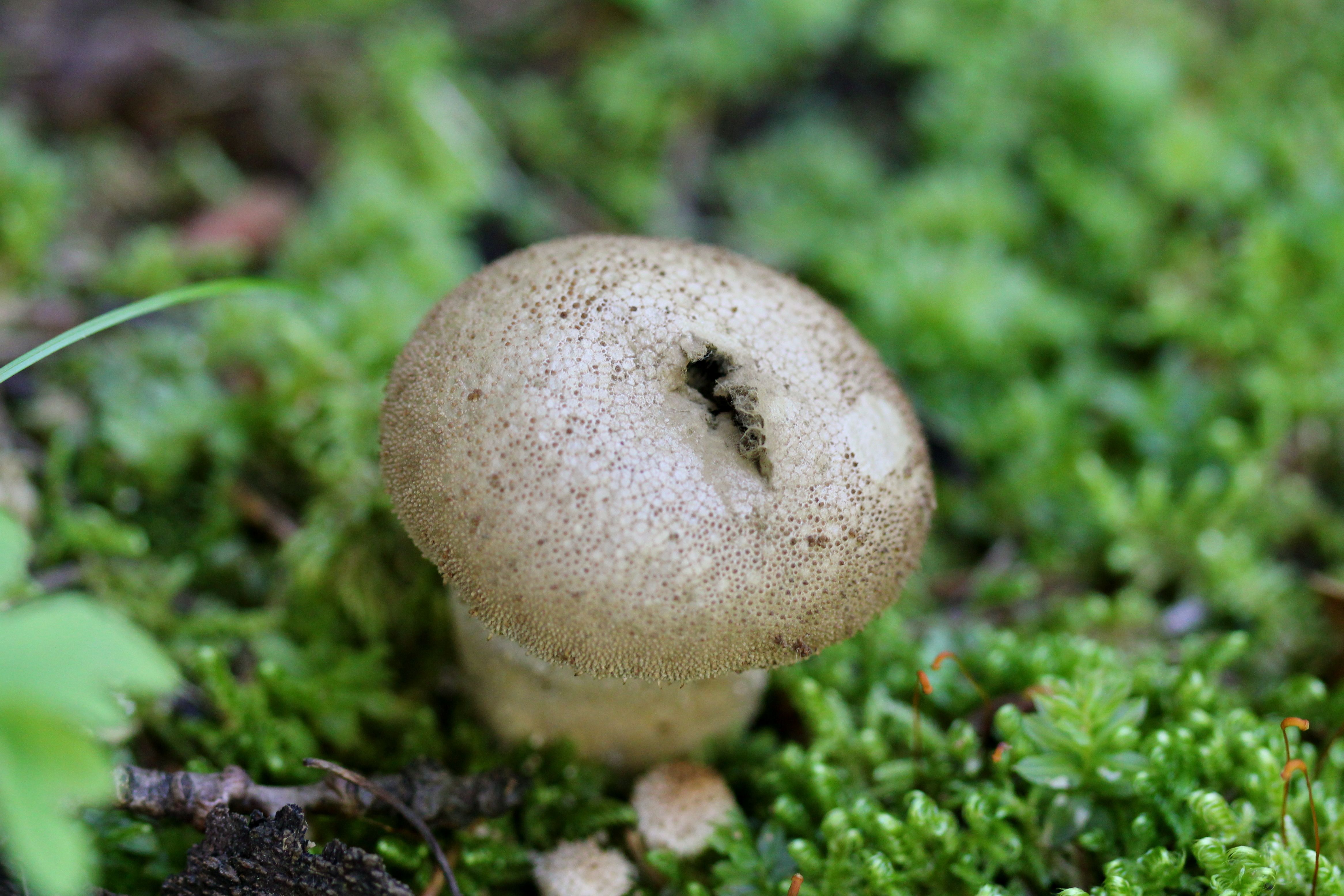
According to Schalkwyk (1987), true puffballs are the safest possible mushrooms to identify and eat. They are also known as Common Puffball, Gemmed Puffball, Warted Puffball or Devil’s Snuffbox.

One of the most common puffballs in North America, Lycoperdon perlatum is usually round or pear-shaped and grows both, on its own or in a group. You can find this mushroom from July to October growing on the ground, both in the woods as well as in open areas.

Lycoperdon perlatum is edible and choice when young. They can grow up to 3.5 inches across and 4 inches high. Due to their distinct shape and texture, they are easy to identify and gather for cooking. While young, the flesh is firm, white in color and undifferentiated. As it ages, the flesh turns yellowish and eventually brown and its firmness is replaced with a powdery texture. The surface is covered with white, gray or brown spines, which fall off as the mushroom matures.

Be sure to pick onesthat are white and firm to the touch. Once you get home, confirm your mushroom’s identity by slicing them in half. If the flesh is white and undifferentiated, it is a puffball and safe to eat. If, instead of undifferentiated white flesh you see the shape of an embryonic mushroom, it may be an amanita (in the button stage) and poisonous. Discard!

As puffballs mature, a ‘stink hole’ forms. It is called this because it smells like carrion, which inspired the name ‘Devil’s Snuffbox’. The stink hole leads to a single pore at the top of the mushroom where the spores are released.
There are around 18 different types of puffballs (according to my research so far); most notable is the Giant Puffball, which can be up to five feet across and weighing 50 pounds! Robert Rogers lists many medicinal uses for puffballs in his book, The Fungal Pharmacy: Medicinal Mushrooms of Western Canada. (Note: We had the privilege of attending Alberta’s First Annual Herb Gathering just a few weeks ago, which was organized by Robert (and Abrah Arneson). His workshop on Medicinal Mushrooms was inspiring and I was in awe of his encyclopedic knowledge of mushrooms and fungi! He is the Vice President of The Alberta Mycological Society and teaches at the University of Alberta as well for the Earth Spirit Medicine Program at the Northern Star College. I highly recommend his book.)

How to Prepare Puffballs for Eating:

Brush or peel the mushroom.

Sauté in butter and add to salads, casseroles, soups, pasta dishes, etc.

*NEVER eat anything that you are not absolutely sure of the identity of. If, like me, you are just starting out, consider joining your local Mycological Society (i.e. Alberta Mycological Society) and participating in some forays in your local area.

Resources:

Rogers, R. (2006). The Fungal Pharmacy: Medicinal Mushrooms of Western        

      Canada. Prairie Deva Press: Edmonton Alberta.

Schalkwyk, H. (1987). Some Edible and Poisonous Mushrooms in and Around

     Edmonton. Self Published. Edmonton, Alberta.

Sept, J.D. (2006). Common Mushrooms of the Northwest. Calypso Publishing: Sechelt,

B.C.
Share this:

  • Click to share on X (Opens in new window) X
  • Click to share on Facebook (Opens in new window) Facebook
  • Click to share on Pinterest (Opens in new window) Pinterest
  • Click to print (Opens in new window) Print
  • Click to email a link to a friend (Opens in new window) Email
Like Loading...

Potted Saffron Brioche and Wild Berry Salad

30 Saturday Jul 2011

Posted by Delena Rose in breads, cook, forage, repurpose, salads, wild berries

≈ 7 Comments

Tags

baking, brioche, Canada Gooseberries, Northern Black Currants, Potted Saffron Brioche, repurpose, saffron brioche, salad recipe, Swam Red Currants, Swamp Currant Jelly, terra cotta, terra cotta flowerpots, Wild Berry Salad, wild raspberries, wild strawberries

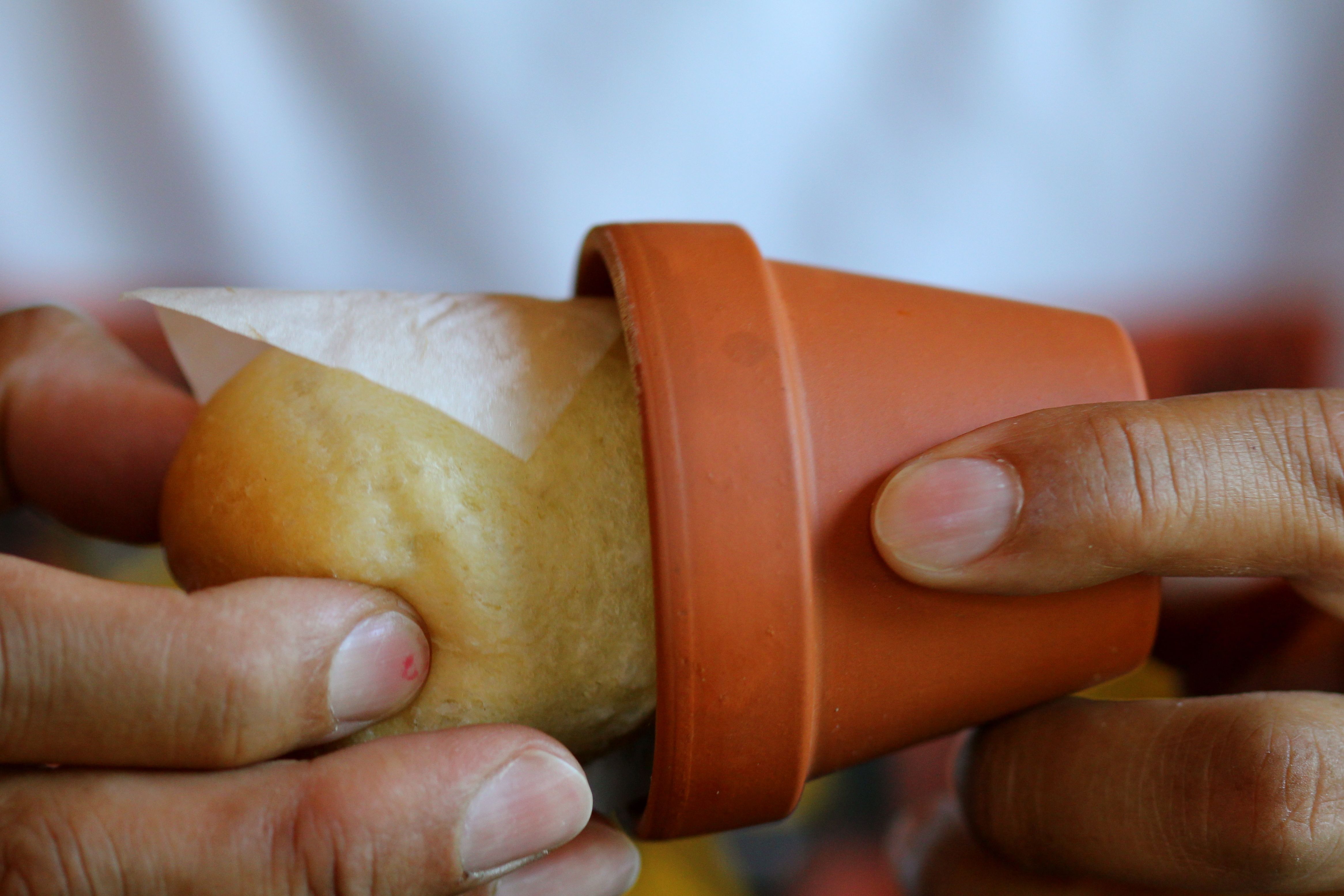
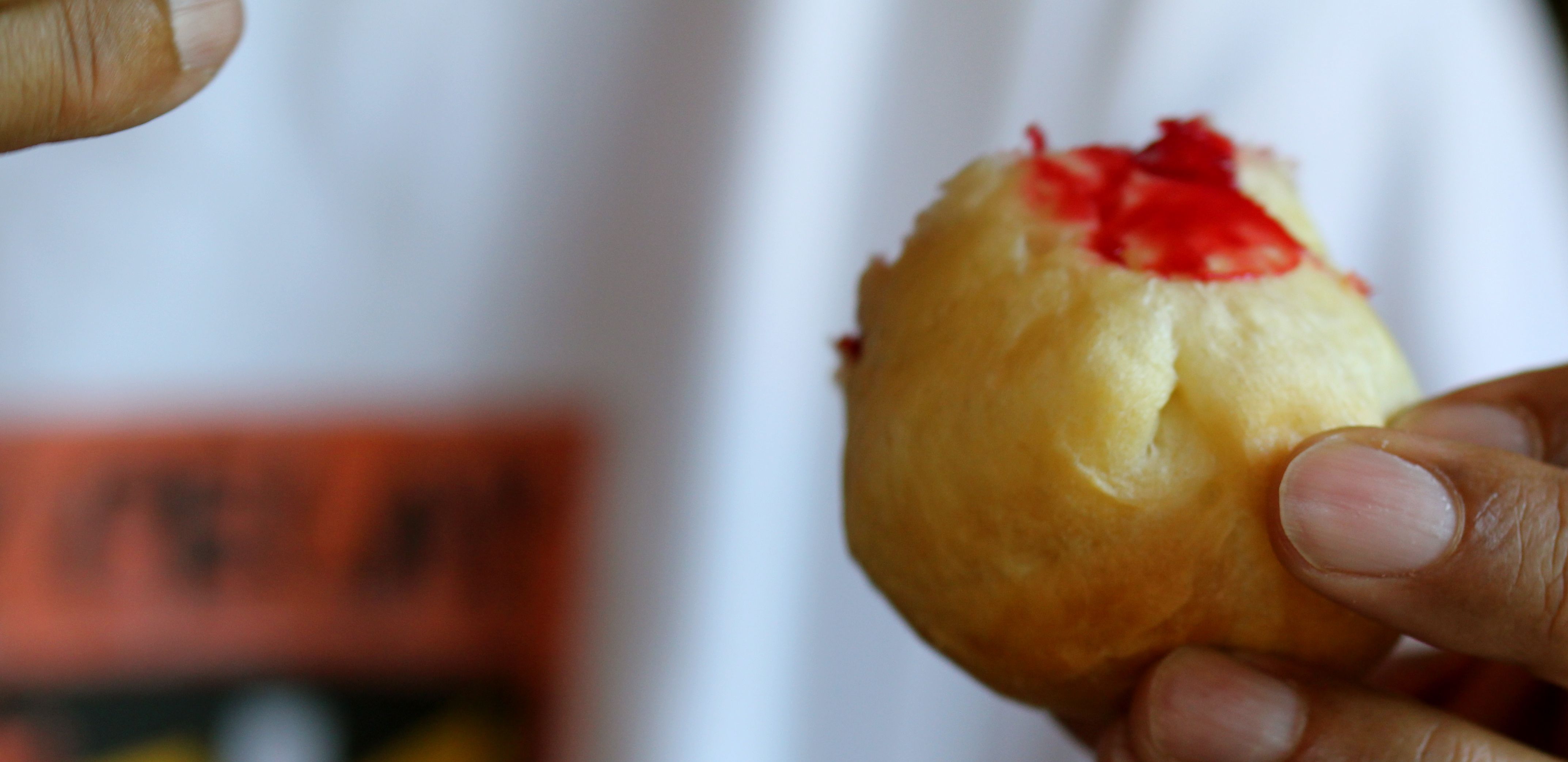
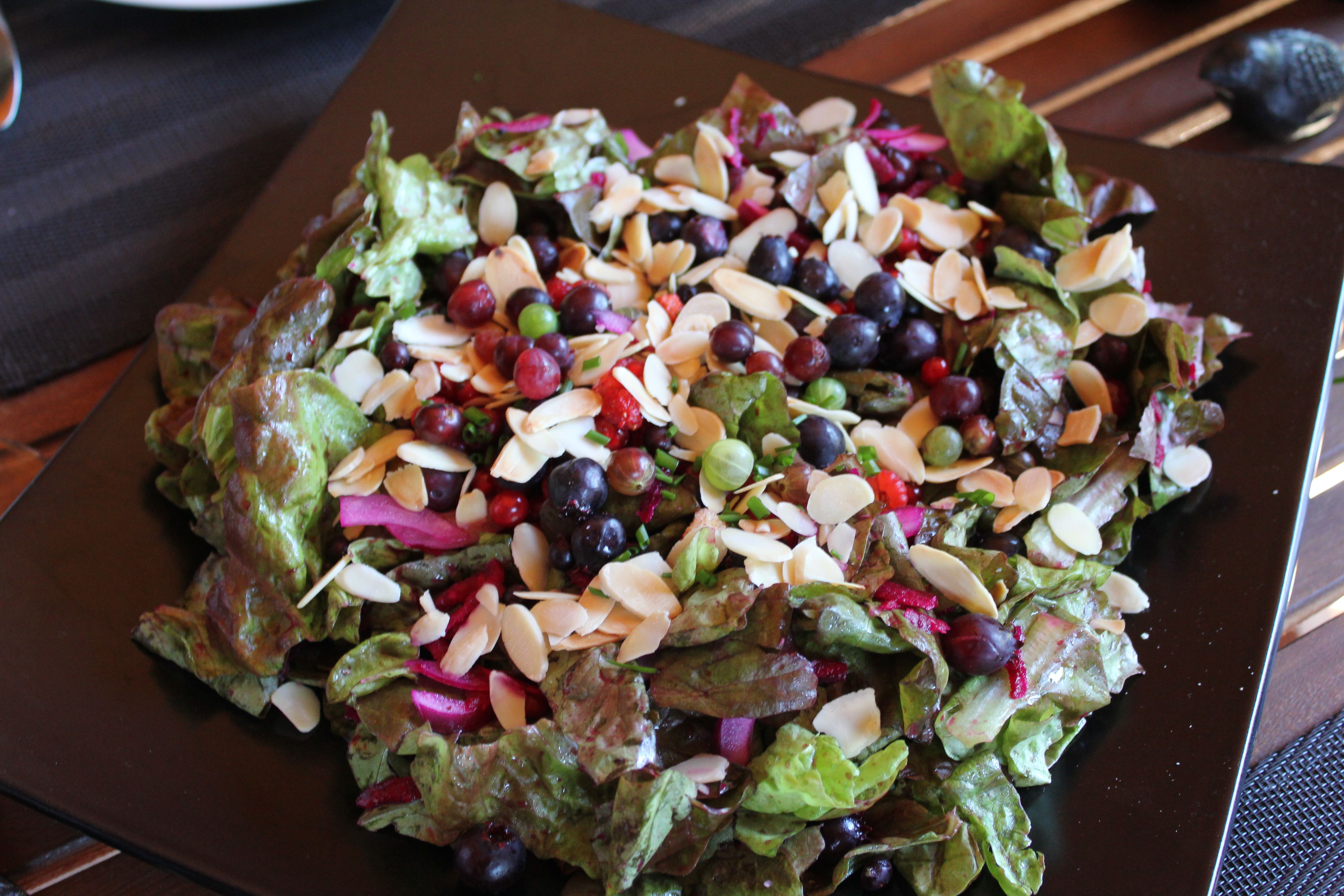
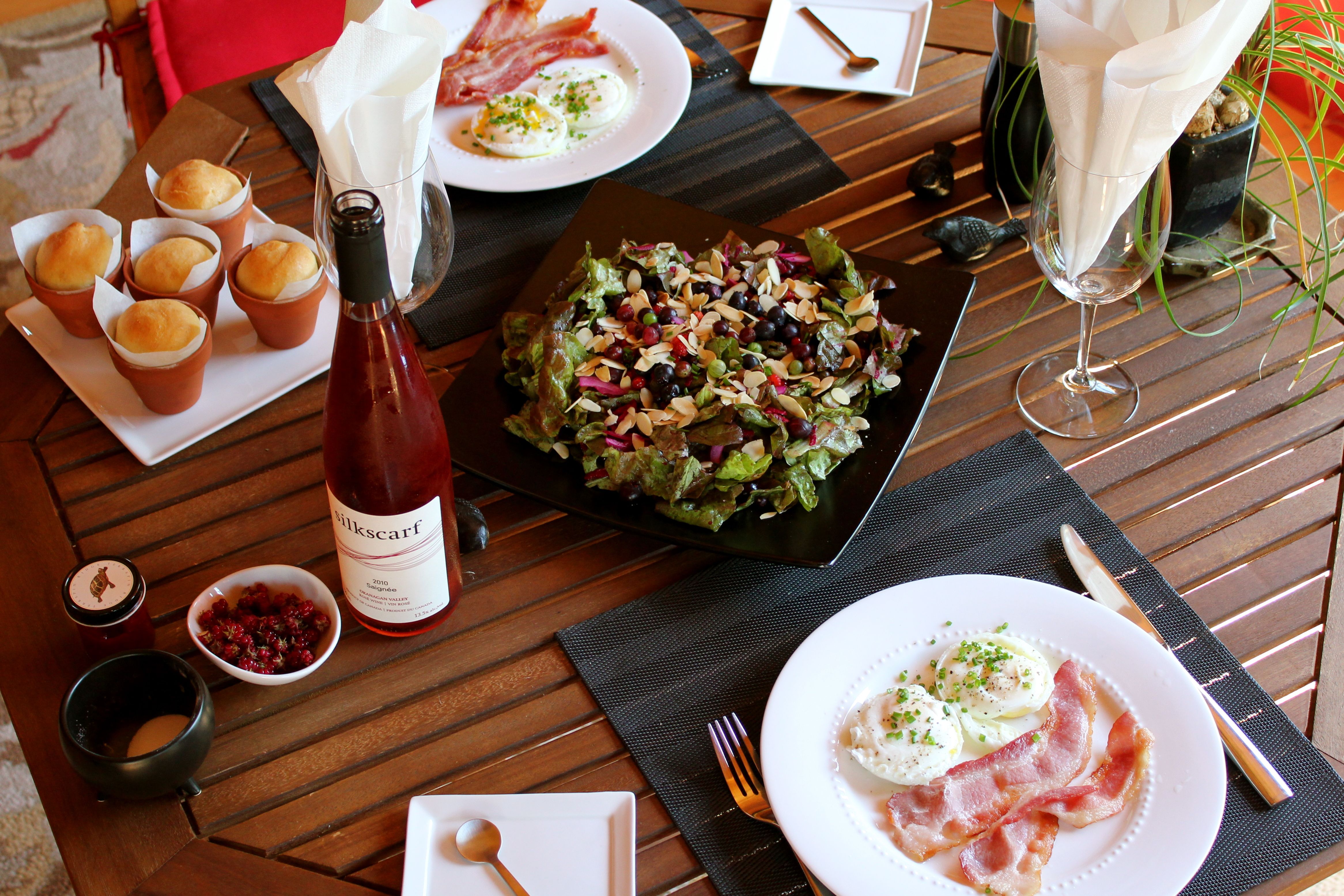
Breakfasts on the weekends are often the best meal of the day here at cabinorganic. If it’s just me, I’ll enjoy a whole grain hot cereal with some dried fruit thrown in. When a friend is here, I put a little more time and effort into the weekend meals. It is also nice to have someone to try out my new recipes on! This morning we had poached local organic free-range eggs (from Dreamin’ Green Farm) and some locally-raised bacon, along with a Wild Berry Salad made with all wild ingredients or produce from our garden (not including the toasted almonds). The Potted Saffron Brioche on the side (with Swamp Red Currant Jelly) gave the meal a creative and decadent twist. The wild berries in the salad were so fresh that we couldn’t resist cracking open a bottle of Saignee, a fruity Canadian rose wine that we picked up at the Silk Scarf Winery (highly recommended!) on our recent trip to Summerland, BC. (…where we stayed in a B&B at a working vineyard. But that’s another story…).

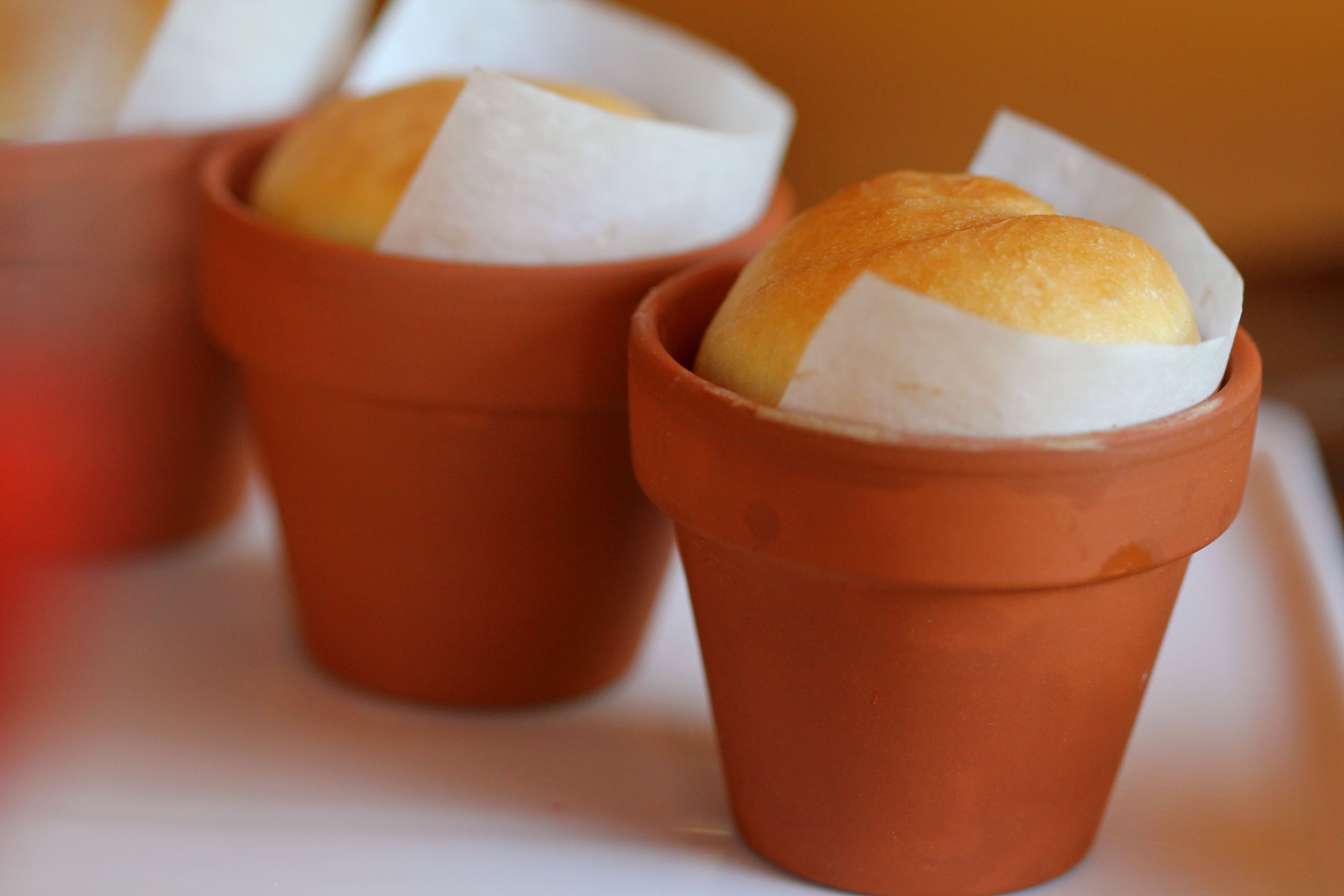
Rich and buttery, brioche is the perfect sweet bread for breakfast. The use of tiny flowerpots makes a nice presentation but be sure to prepare them before baking.

Potted Saffron Brioche

Preparing the Pots

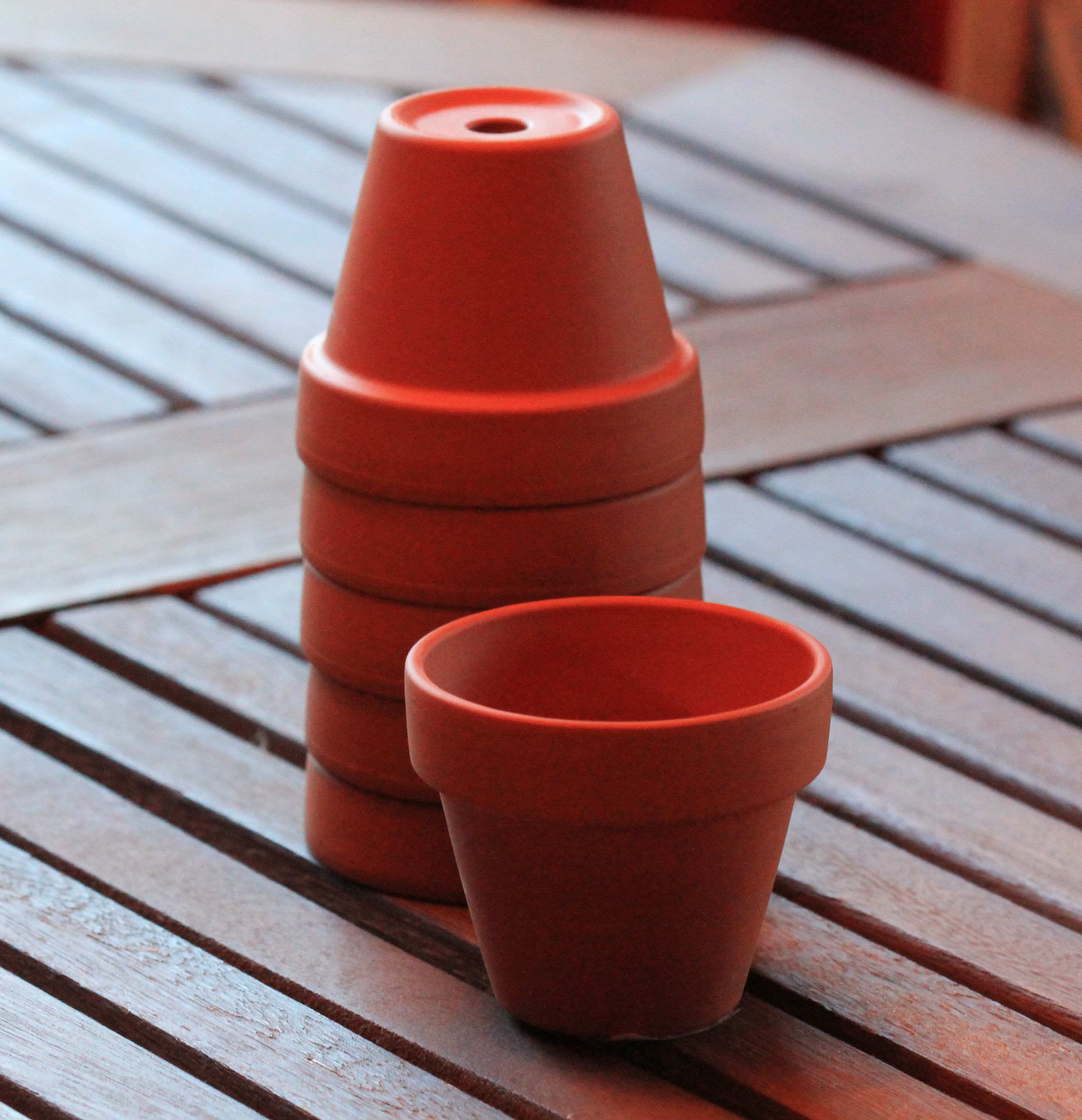
I had some tiny little terra cotta pots left over from a preschool craft (back when I was teaching) just waiting for a special project. In my newest purchased cookbook, World Breads: From Pain to Paratha by Paul Gayler, I finally found the perfect use for them and a perfect repurposing idea! You can find these tiny pots at your local craft store.

To prepare the flowerpots for baking, wipe them thoroughly with a damp cloth. Oil them generously inside and out and put them in a 275 degree (F) oven for 30 minutes to season. Remove and cool. Then repeat this process twice more. This will prevent the molds from cracking while baking.

The Saffron Brioche

1/3 cup milk

pinch of saffron

1-1/2 teaspoon active dry yeast (or 1/2 oz fresh)

3 eggs

3/4 cup butter, softened

2 teaspoons superfine sugar

3 cups unbleached organic white bread flour

1/2 teaspoon fine sea salt

1 egg yolk mixed with 1 tablespoon of milk, to glaze

  • Heat the milk with the saffron for 2 minutes, cool to lukewarm, then add the yeast, salt, and eggs. Add 2 of the 3 cups of flour, mixing well with a wooden spoon.
  • In a large mixer, cream the butter and sugar until smooth and fluffy. Incorporate this into the flour mixture, adding the final 1 cup of flour.
  • Transfer dough to electric mixer bowl and beat with dough hook for 3-4 minutes, until smooth and pliable.
  • Cover the bowl with a damp cloth and let rise in a warm place (or in your oven at the proof setting) for 1-1/2 hour or until the dough has doubled in size.
  • Punch down the dough, cover with oiled plastic wrap and place in the refrigerator overnight. (The dough will stiffen overnight.)
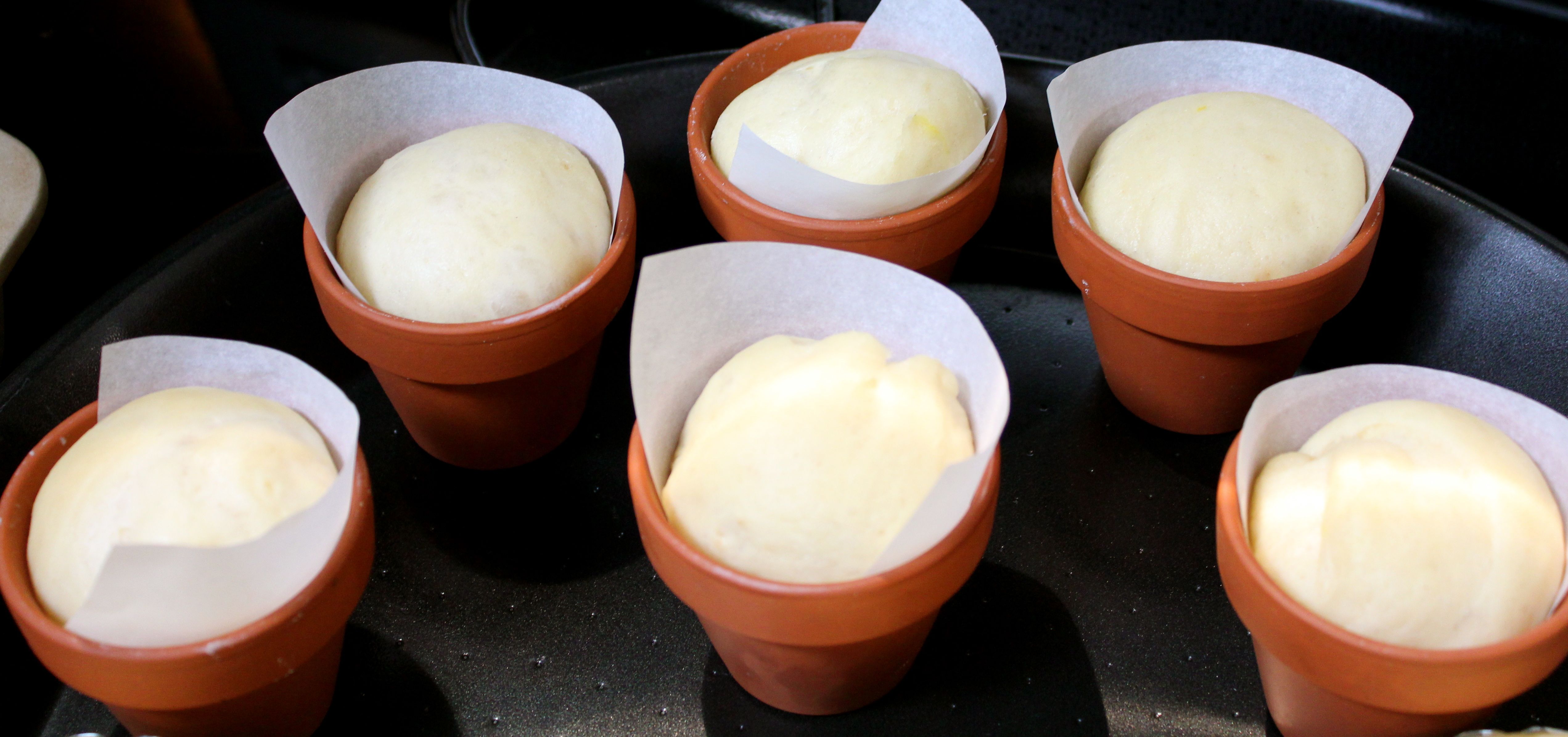
  • Turn the dough onto a lightly floured surface and divide evenly into 16 small balls. Place each of the balls into a lightly greased, prepared flowerpot lined with parchment paper (or in your brioche cups or muffin stoneware). Place the molds on a large baking sheet, cover and  leave in a warm place to rise for about 1 hour.
  • Preheat oven to 400 degrees (F).  Brush the glaze over the top of the brioches. Bake for 10-12 minutes or until golden brown. Place on a cooling rack. Yield: 16 brioche.
Note: this dough can be baked in a loaf pan or shaped into small rolls.
Wild Berry Salad
Use your freshest ingredients from the garden. The sweet grated beet balances the tartness from the berries and the lemon juice. The almonds add a pleasant, toasty crunch.
1 head red lettuce
half of a medium red onion, thinly slinced
1 medium beet, peeled and grated
3 tablespoons extra virgin olive oil
2 tablespoons raspberry vinegarette
juice of half lemon
salt and pepper (to taste)
1/4 cup sliced almonds, toasted
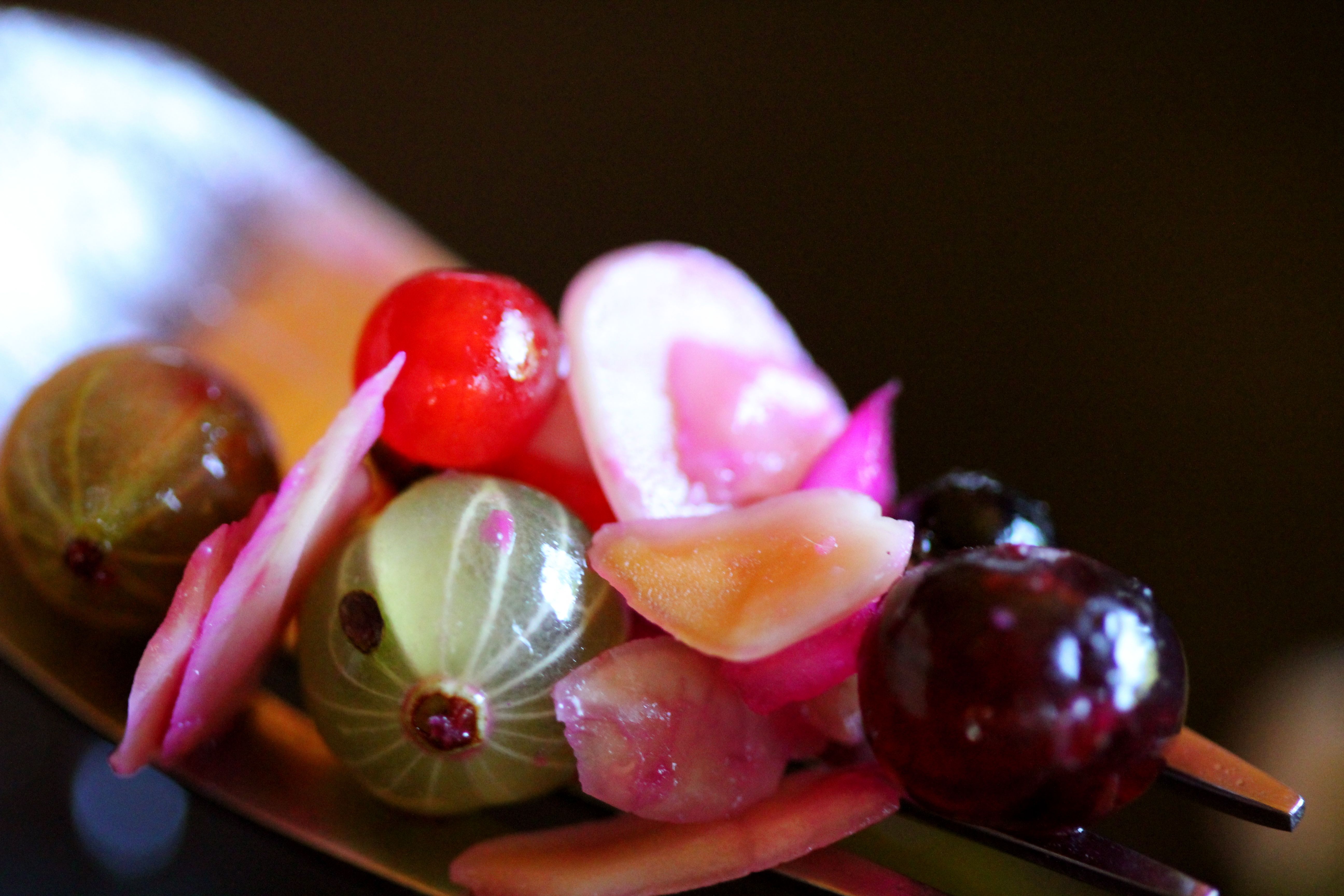
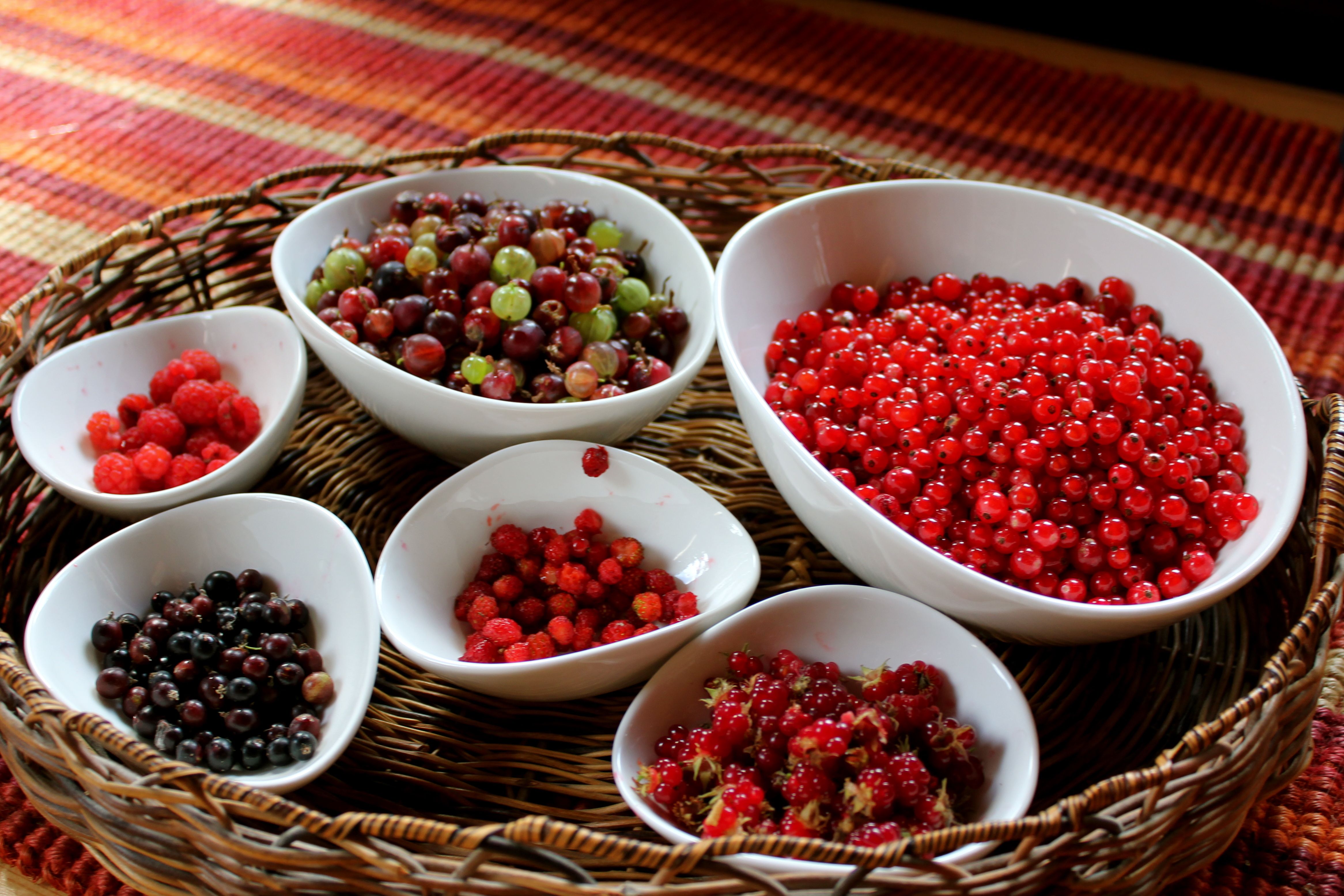
1 cup wild berries (I used a mixture of Swamp Red Currants, Northern Black Currants, Canada Gooseberries, Saskatoons berries, wild strawberries and raspberries.
  • Wash the lettuce and tear into small pieces.
  • Add lettuce, onion, beet and 3/4 of the berries to the bowl.
  • In a separate bowl, mix the olive oil, vinegar, lemon juice, salt and pepper. Add this to the lettuce mixture and toss.
  • Top the salad with the toasted almonds and the remaining /4 cup berries.
Enjoy and happy, mindful eating!

Share this:

  • Click to share on X (Opens in new window) X
  • Click to share on Facebook (Opens in new window) Facebook
  • Click to share on Pinterest (Opens in new window) Pinterest
  • Click to print (Opens in new window) Print
  • Click to email a link to a friend (Opens in new window) Email
Like Loading...

Swamp Red Currant Jelly

29 Friday Jul 2011

Posted by Delena Rose in cook, forage, preserve, wild berries

≈ 3 Comments

Tags

brioche, jelly, Potted Saffron Brioche, preserve, red currant, Swamp Red Currant, wild berries, wild berry

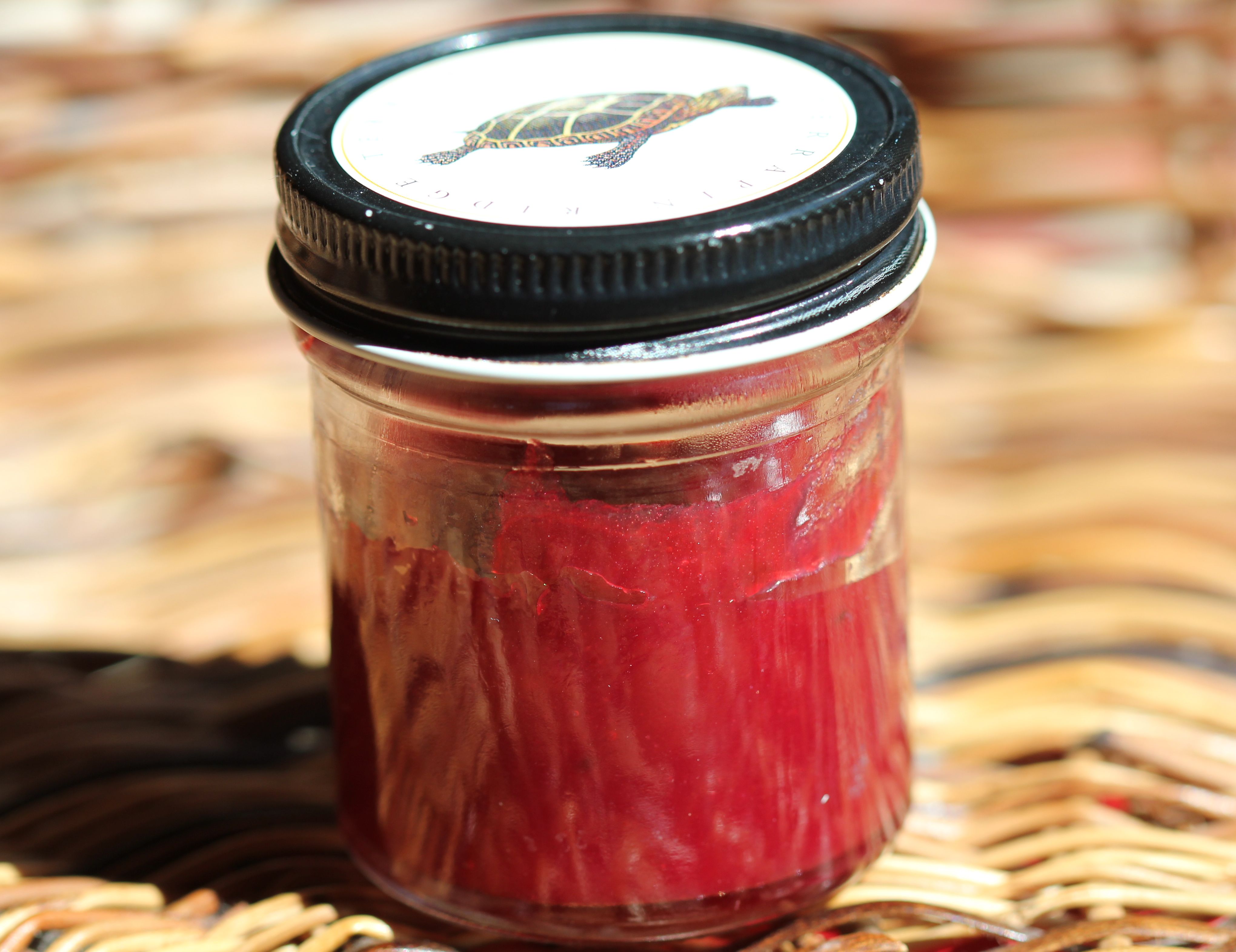
I decided to use the strained juice to make a teeny tiny batch of jelly. I was thinking of the Potted Saffron Brioche I plan on making for breakfast tomorrow morning and thought how wonderful it would be to have a tart little dollop of wild red currant jelly to go with it. My 2 cups of fresh Swamp Red Currants only yielded 1/4 cup of strained juice. As you can see, it wasn’t quite enough jelly to fill this little jar, but it will be just enough to spread on a few brioche tomorrow morning!

Swamp Red Currant Jelly

8 cups wild red currants

2 cups water

4 cups of the prepared juice (after straining)

3-1/2 cups organic sugar (or whatever sweetener you prefer to use) Note: I only use half the amount of sweetener as we don’t like things to be too sweet.

Juice of 1 lemon

Combine the currants and the water in a pot. Gently crush or mash the currents to a pulp. Bring to a boil over medium heat and allow the mixture to boil for 15 minutes while stirring gently. Drain in a jelly bag for 3-4 hours or overnight.

Place the drained juice in a pot. Bring to a boil on medium heat and boil rapidly for 5 minutes.

Stir in your sweetener and the lemon juice. Boil hard for 10 minutes, stirring a few times. Test for the jelly stage. Pour into hot sterilized jars to within 1/4 inch to the top. Seal. Yield: 3 half pints.

Share this:

  • Click to share on X (Opens in new window) X
  • Click to share on Facebook (Opens in new window) Facebook
  • Click to share on Pinterest (Opens in new window) Pinterest
  • Click to print (Opens in new window) Print
  • Click to email a link to a friend (Opens in new window) Email
Like Loading...

Swamp Red Currant, Northern Black Currant and the Canada Gooseberry

28 Thursday Jul 2011

Posted by Delena Rose in forage, wild berries

≈ 4 Comments

Tags

black currant, Canada Gooseberry, forage, gooseberry, Northern Black Currant, Northern Red Currant, raspberries, red currant, Ribes hudsonianum, Ribes oxyacanthoides, Ribes triste, Saskatoon Berries, Swamp Red Currant, wild berries

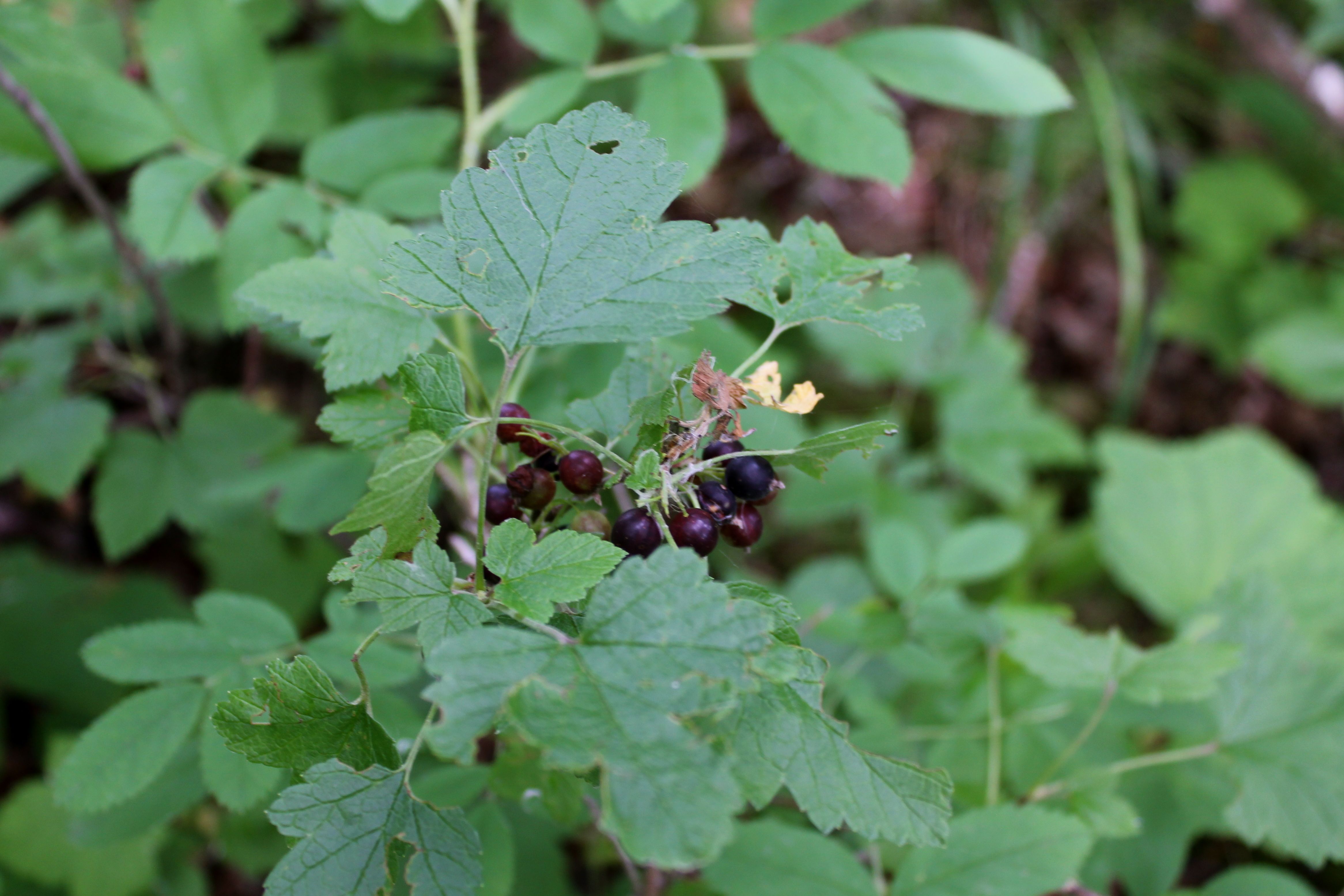
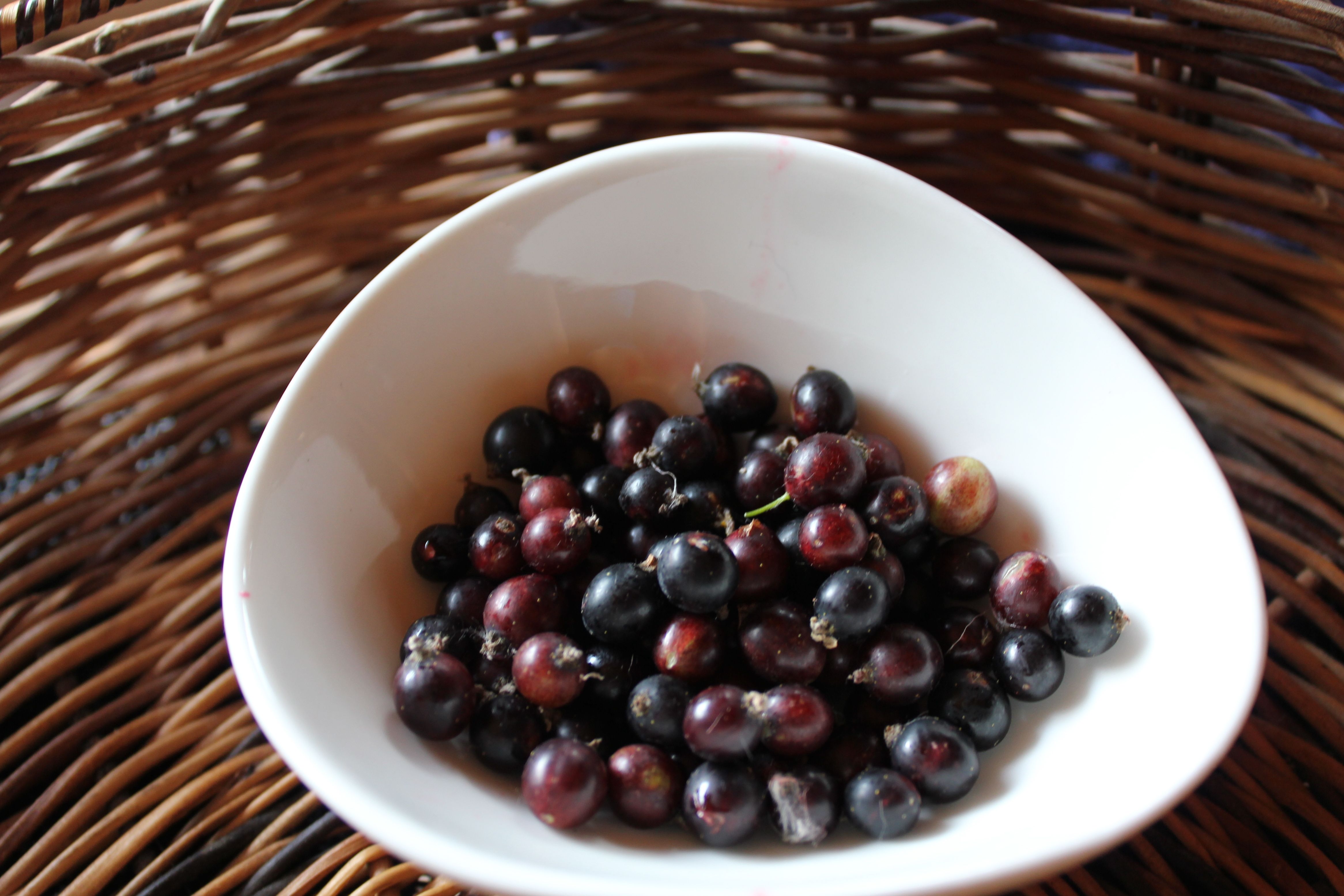
This morning, our daily hike turned out to be another excellent forage! I was on the look out for more red currants and was not disappointed. I found a thick patch of red currant shrubs growing along a stream on the trail that were full of berries. Nearby, I noticed some black currant shrubs as well, whose berries were just starting to ripen! I love the smell of black currants. As if that wasn’t enough excitement for one day, I later discovered some early Saskatoon berries and raspberries just in front of the cabin while checking the mail. Berry heaven!

When I got home, I did some interesting research on the genus Ribes (which includes currants), and in particular the three wild varieties that I am currently harvesting. In case you are interested, I will briefly share what I am learning in this post. By the way, as I write this, I have already sorted the berries and have gently cooked the red currants. At this very moment, they are straining (overnight) in a jelly bag. Come back tomorrow to see what I have decided to do with the juice…

Swamp Red Currant (Ribes triste)

There are about 15 different species of wild red currants growing in Canada and the northern United States.  Also known as Northern Red Currant or Wild Red Currant, this shrub can be found in Boreal North America growing in moist, open woods, often on the banks of streams and preferring gravel or sandy soil.

Ribes triste is a small woody shrub, up to three feet tall, with three-lobed leaves. Unlike its relative, the gooseberry, this shrub does not have thorns. Small red berries grow in clusters and are very tart, making them excellent for jams and jellies. Berries are ready for harvest July through August.

Uses:

  • Eat raw, on their own or in sprinkled in salads
  • Add to puddings, cakes and pies (Note: they blend with well with pears, plums, pineapple and raspberries)
  • Compotes, jelly, jam, syrup, and wine
  • An excellent substitute for vinegar in vinaigrettes
  • Redcurrant juice makes a natural pop beverage (blend 7 cups of berries with 1 cup of water, strain, freeze the juice in ice cubes, then add to soda water)

Northern Black Currant (Ribes hudsonianum)

Black currants are very similar to red currant shrubs having the same three-lobed leaves and berries also forming in clusters. Black currant plants have a characteristically strong scent. The skin of the berry is thin and translucent, similar to that of grapes. The pulp is fragrant, tart, juicy, and contains tiny seeds.

Uses:

  • Liquors (famous as the main ingredient in the French liquor crème de cassis), wines, jellies, syrup and coulis
  • Pie fillings, puddings, fool, and ice cream

Canada Gooseberry (Ribes oxyacanthoides)

The gooseberry shrub differs from red and black currant shrubs in that it is usually larger and very thorny, which makes it difficult to harvest. The leaves are distinctly five-lobed and the berries grow singly instead of in clusters. There are about a dozen species of wild gooseberries that grow in Canada and the northern United States.

Gooseberries vary in color and may be yellowish, green, whitish, or reddish in color, with a downy or smooth skin. The flesh of the gooseberry contains many small edible seeds and is tart, sometimes with a bitter aftertaste. As a rule, the smaller the fruit, the higher the acidity. Before eating or cooking, be sure to remove the stems and tails.

Uses:

  • Eat fresh with sugar or add to fruit salads
  • Jellies, sorbets, syrup and chutneys
  • Puddings, fools, tarts
  • An excellent accompaniment for meat and fish dishes


Nutrition Information for red currants, black currant and gooseberries:

Calcium, (high in) fiber, iron, manganese, phosphorous, potassium, vitamins A, B1 (thiamine), B3 (niacin), B5, C.


Medicinal Use of Berries and Leaves:

According to Beverley Grey (whom I had the privilege of meeting a few weeks ago at the Alberta’s First Herb Gathering), Swamp Red Currant, Northern Black Currant and Canada Gooseberry have these medicinal qualities:

anti-inflammatory, antioxidant, antiseptic, astringent, digestive, diuretic, laxative

  • Eat the berries raw or drink the diluted juice to help treat yeast infections
  • Drink red currant juice or tea to reduce fever and induce sweating
  • Harvest the leaves in the spring and summer before the plant goes into berry. Use the leaves fresh or dried in teas to ease the symptoms of gout and rheumatism
  • Gargle the tea for mouth infections
  • Use leaves as a compress or poultice for slow-healing wounds

Please see Beverley’s excellent brand new book, The Boreal Herbal: Wild Food and Medicine Plants of the North for more information on these and other wild plants.


Note: Wikipedia adds that Blackfoot Indians used black currant root for the treatment of kidney diseases and menstrual and menopausal problems. Cree Indians used the fruit as a fertility enhancer to assist women in becoming pregnant. Currant root and seeds are high in gamma-Linolenic acid (GLA), which has been clinically verified as an effective treatment for pre-menstrual syndrome. Here’s the link if you want to check out the sources: http://en.wikipedia.org/wiki/Ribes

Resources:

Bennet, J. (1991). Berries.  Camden House: Camden East, Ontario.

Cox, J., & Werles, L. (2000). Ingredients. Rushcutters Bay, NSW, Australia: JB Fairfax       Press Pty Lmt.

Fortin, J. (1996). The Visual Food Encyclopedia. Montreal, Quebec:                 Les Edition Quebec/Amerique.

Grey, B. (2011). The Boreal Herbal: Wild Food and Medicine Plants of the North.     Whitehorse, Yukon, Canada: Aroma Borealis Press.

Lloyd, C. (1997). Gardening Cook. Minocqua, Wisconsin: Willow Creek Press.

Margen, S. (1992). The Wellness Encyclopedia of Food and Nutrition : How to Buy, Store,   and Prepare Every Variety of Fresh Food. New York: Rebus.

Share this:

  • Click to share on X (Opens in new window) X
  • Click to share on Facebook (Opens in new window) Facebook
  • Click to share on Pinterest (Opens in new window) Pinterest
  • Click to print (Opens in new window) Print
  • Click to email a link to a friend (Opens in new window) Email
Like Loading...

Foraging: A Mixed-Berry Harvest

25 Monday Jul 2011

Posted by Delena Rose in forage, wild berries

≈ 13 Comments

Tags

berries, berry picking, dewberries, forage, Gem-Studded Puffball, goose berries, hike, red currants, strawberries, walk, walking in nature, White Admiral butterfly, wild plants, wildflower

Today as I dressed for our morning walk, I made sure to wear rubber boots, long pants, a wide brimmed hat and a light mosquito-netting jacket. I generously applied natural insect repellant, packed the camera and grabbed my little basket. I was going berry picking.

I was excited to get started as last night on our evening walk I had discovered a little wild gooseberry shrub. I had also found one recently on our land and was now familiar with this plant’s unique foliage. I was so excited to find another gooseberry plant out on the trail as H loves tart foods and likes to eat the gooseberries while they are still young and green. I picked a few of the riper gooseberries for myself, a beautiful plum color with a mildly tart flavor, and promised to return the next morning with my basket.

Fully armed against pesky mosquitoes (did I mention that I also have been eating at least three cloves of raw garlic each day?) I was able to walk at a more leisurely pace while my eyes scanned the forest for any telltale signs of ‘berry readiness’. For my patience, I was rewarded with gifts of little strawberries, bright red dewberries, red currants, and yes… gooseberries. In fact, now that I knew what to look for, I began to find gooseberry shrubs everywhere.

Lucy is the ideal foraging companion. She stays nearby and keeps busy chasing mice and dragonflies and sniffing out recent animal trails. If another person is approaching (a very rare occurrence) she will bark to alert me to this. She will also bark at skunks and porcupines while keeping a safe distance. Once she saw a pheasant in a tree and froze. She just watched it until I finally caught up and clued in to what she was trying to show me. Only then did she bark and the pheasant flew away. She often watches me when I’m picking or photographing something but never barges in. This is especially appreciated when photographing delicate fungi. If I sit down somewhere to be still for a while, she also sits or quietly sniffs around close by, never interrupting or demanding that we move on.

As I hiked home, happily carrying my little basket of treasure, I spotted a few other natural delights, including a White Admiral butterfly…

…a Gem-Studded Puffball (Lycoperdon perlatum) – my first one!

…and a beautiful yellow wildflower, also growing on our land near the garden. If anyone can tell me what this is, please let me know. In the meantime, I’ll keep hunting in my books and online and fill you in later.

 It was a beautiful and enjoyable morning. Each day that I spend time in nature, I am amazed at the abundance all around me. Not too long ago, when I looked around, all I saw was forest, wilderness, and bush; a canvas of green that I found comforting and peaceful. Now, since learning about wild plants and mushrooms, everywhere I look I see individual herbs, flowers, berries, roots, bark, fungi, moss, lichen, individual trees and much, much more. Not to mention the four-leggeds, insects and winged ones that also live here. The more I learn about the many uses of these plants that greet me here each day, the more I feel that the earth is truly a place of great abundance and diversity. Everything we need for living a good life is right here in our backyards… and always has been.

Share this:

  • Click to share on X (Opens in new window) X
  • Click to share on Facebook (Opens in new window) Facebook
  • Click to share on Pinterest (Opens in new window) Pinterest
  • Click to print (Opens in new window) Print
  • Click to email a link to a friend (Opens in new window) Email
Like Loading...
Newer posts →

Shop our Online Store

cabinorganic logo

Visit our Youtube Channels

Visit our other blogs

Delena Rose

Enter your email address to follow this blog and receive notifications of new posts by email.

RSS Links

RSS Feed RSS - Posts

RSS Feed RSS - Comments

categories

  • Alberta Mycological Society (1)
  • appreciate the seasons (48)
    • Autumn (3)
    • Easter (1)
    • Halloween (1)
    • winter fun (1)
  • art (3)
    • book making (1)
    • pottery (1)
  • babe and child (1)
  • barn (1)
  • be mindful (4)
  • bellybabechild (5)
  • birds (3)
  • butterflies (1)
  • buy local (13)
  • cabin living (26)
  • Chayton (4)
  • chickens (7)
  • chocolate-making (1)
  • cook (156)
    • ancient grains (3)
    • breads (4)
    • breakfast (1)
    • cakes and brownies (1)
    • cheese (3)
    • Chinese (1)
    • cookies (2)
    • curry (2)
    • gluten-free (2)
    • Jamaican (1)
    • Mexican (2)
    • muffins (2)
    • oil & vinegar (1)
    • pastry (1)
    • preserve (17)
    • rice (1)
    • salads (1)
    • vegetables (1)
    • wheat-free (2)
    • whole grains (21)
  • Devonian Botanical Garden (2)
  • DIY (1)
  • drum (2)
  • eco-living (6)
  • explore (5)
  • family (2)
  • for the body (2)
    • Wizard Lake Soap & Body (1)
  • forage (25)
  • garden (20)
    • bird butterfly bee (1)
    • greenhouse (1)
    • herb & tea (1)
    • medicine wheel (2)
  • handmade (24)
    • bent wood furniture (1)
    • books (1)
    • labels (1)
  • healing (3)
  • Indian (1)
  • Indigenous teachings (1)
  • juice (3)
  • kids (1)
  • lake living (3)
  • local events (1)
  • Lucy (10)
  • make it (14)
    • knit (3)
  • mindfulness (4)
  • more about us (9)
  • Mother's Day (1)
  • mushrooms & fungi (3)
  • Native flute (1)
  • online store (1)
  • photography (1)
  • Pigeon Lake (16)
  • play (4)
  • raw foods (2)
  • read (6)
  • refinish (4)
  • reflections (3)
  • repurpose (7)
  • restaurants (1)
  • restore (10)
  • reuse (5)
    • thrift store finds (1)
  • seeds and nuts (1)
  • sweets (3)
  • tea (9)
    • Dragonfly Lane Teas (1)
  • thrift store finds (1)
  • Uncategorized (1)
  • wild berries (21)
  • wild flowers (6)
  • wild life (2)
  • wild mushrooms (2)
  • wild plant (2)
  • wild women (5)
  • Winter Solstice (1)
  • Worms (1)
  • write (3)

archives

  • May 2022 (1)
  • March 2022 (1)
  • January 2022 (2)
  • December 2021 (2)
  • June 2018 (1)
  • January 2018 (3)
  • December 2017 (4)
  • April 2015 (1)
  • January 2015 (3)
  • November 2014 (3)
  • July 2014 (1)
  • April 2014 (4)
  • March 2014 (3)
  • February 2014 (2)
  • January 2014 (2)
  • December 2013 (1)
  • November 2013 (5)
  • October 2013 (4)
  • September 2013 (10)
  • August 2013 (4)
  • May 2013 (1)
  • April 2013 (2)
  • March 2013 (5)
  • February 2013 (3)
  • January 2013 (5)
  • December 2012 (5)
  • November 2012 (5)
  • October 2012 (6)
  • September 2012 (8)
  • August 2012 (6)
  • July 2012 (8)
  • June 2012 (9)
  • May 2012 (19)
  • April 2012 (18)
  • March 2012 (15)
  • February 2012 (17)
  • January 2012 (19)
  • December 2011 (20)
  • November 2011 (18)
  • October 2011 (17)
  • September 2011 (22)
  • August 2011 (27)
  • July 2011 (9)

food for thought

“Eat food. Not too much. Mostly plants.” ~Michael Pollan

Blogroll

  • Alberta Lamb Producers
  • Alberta Mycological Society
  • Alberta Plant Watch
  • Arctic Chalet
  • Aroma Borealis
  • Baking Beauties
  • Becoming Minimalist
  • Blue Heron Artists and Artisans
  • blue roof cabin
  • Bulk Herb Store
  • Cedar Spirit Flutes
  • Chris Martenson
  • Daily Health Boost
  • delightfullysimple
  • Devonian Botanical Garden
  • ECOcafe
  • Elm Cafe
  • Etsy
  • Gold Forest Farms
  • Grainworks
  • Happy Wrap
  • Learn WordPress.com
  • Michael Pollan
  • Mindsprings
  • Mother Earth News
  • Mountain Rose Herbs
  • My Repurposed Life
  • Noorish
  • Northern Alberta Society for Animal Protection
  • Pigeon Lake Nordic Ski Club
  • Pigeon Lake Provincial Park
  • Rundle Mission
  • Sage Mountain Herbal Retreat Center
  • TED
  • The Spirit Books
  • The Story of Stuff
  • The Village at Pigeon Lake

ECOcafe

Blog Stats

  • 363,367 hits

  • Subscribe Subscribed
    • cabinorganic
    • Join 158 other subscribers
    • Already have a WordPress.com account? Log in now.
    • cabinorganic
    • Subscribe Subscribed
    • Sign up
    • Log in
    • Report this content
    • View site in Reader
    • Manage subscriptions
    • Collapse this bar
 

Loading Comments...
 

    %d