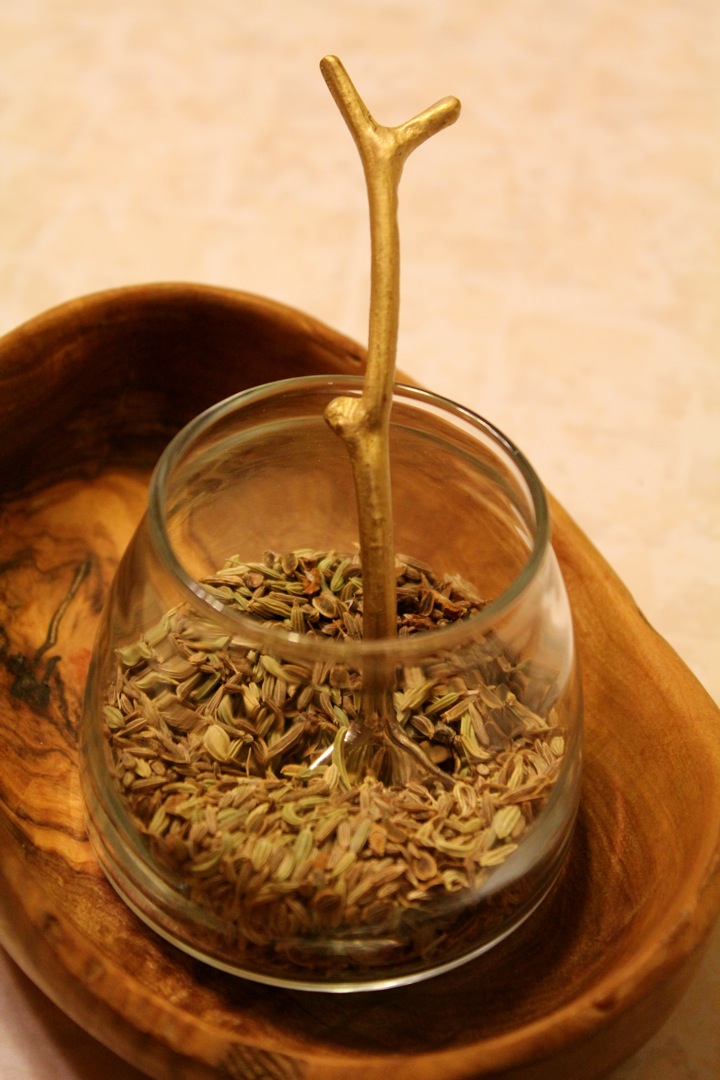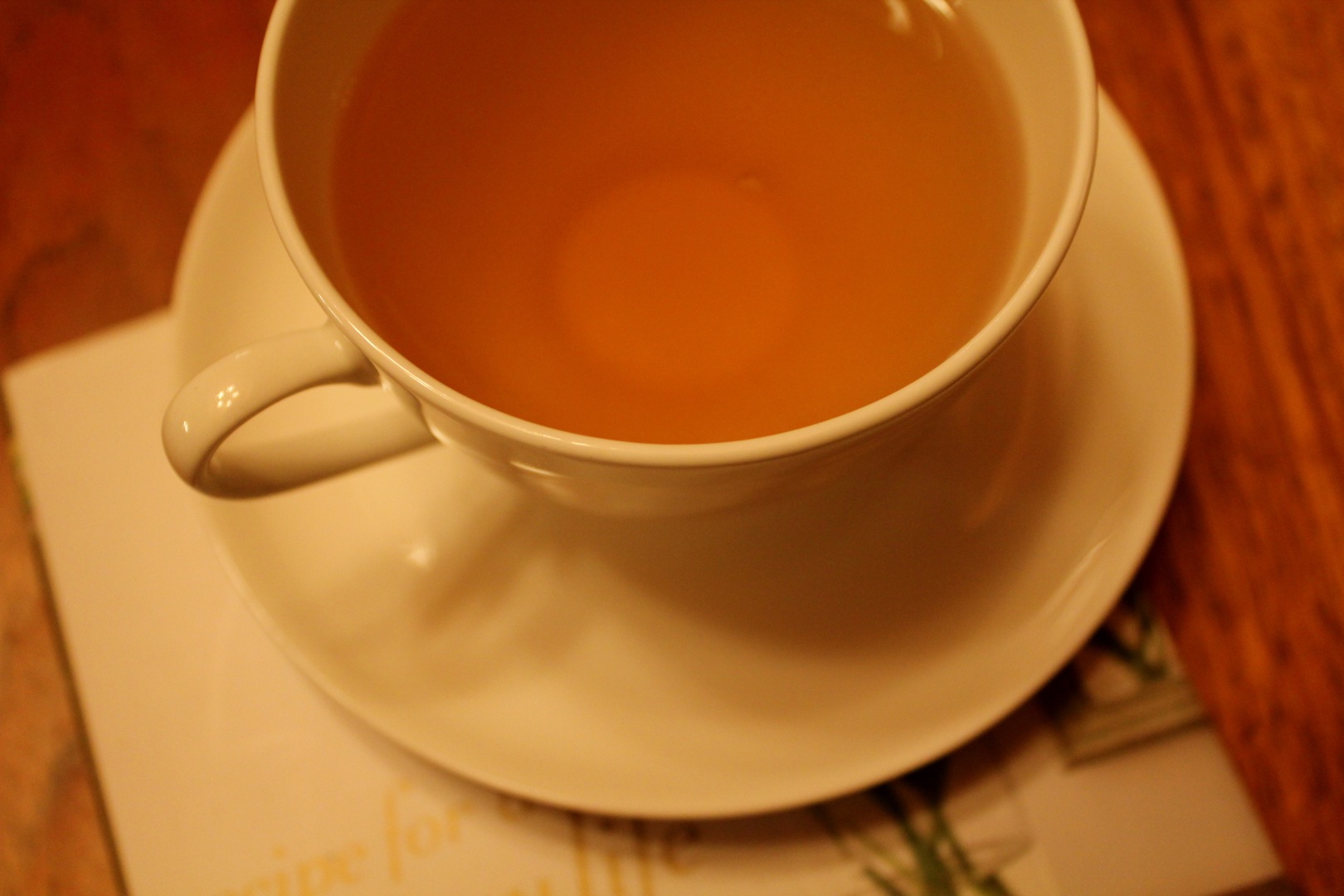
• about us
  • Books
  • Merchandise

cabinorganic

~ For people who are passionate about respecting the earth, walking in nature, observing wildlife, local diet, making do, repurposing, organic gardening, foraging for wild plants and fungi, natural health, scrumptious healthy cooking, renovations, DIY, crafting, raising children simply and mindfully, taking time for stillness, and living in harmony with the seasons.

cabinorganic

Category Archives: cook

avocado toasts with onions and capers

27 Sunday Nov 2011

Posted by Delena Rose in cook

≈ Leave a comment

Tags

avocado, avocado toasts, breakfast, capers, red onion, toast, tomatoes

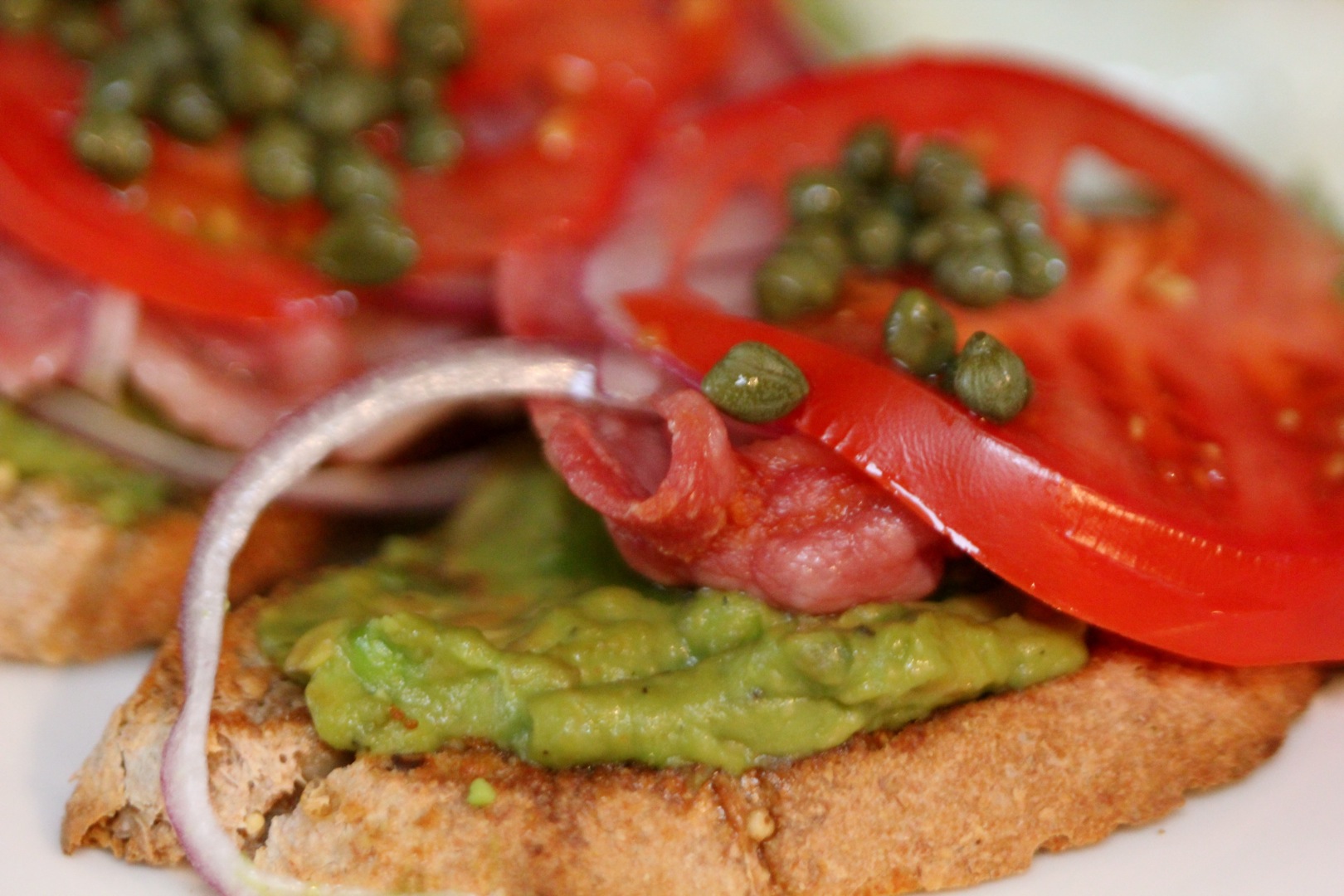
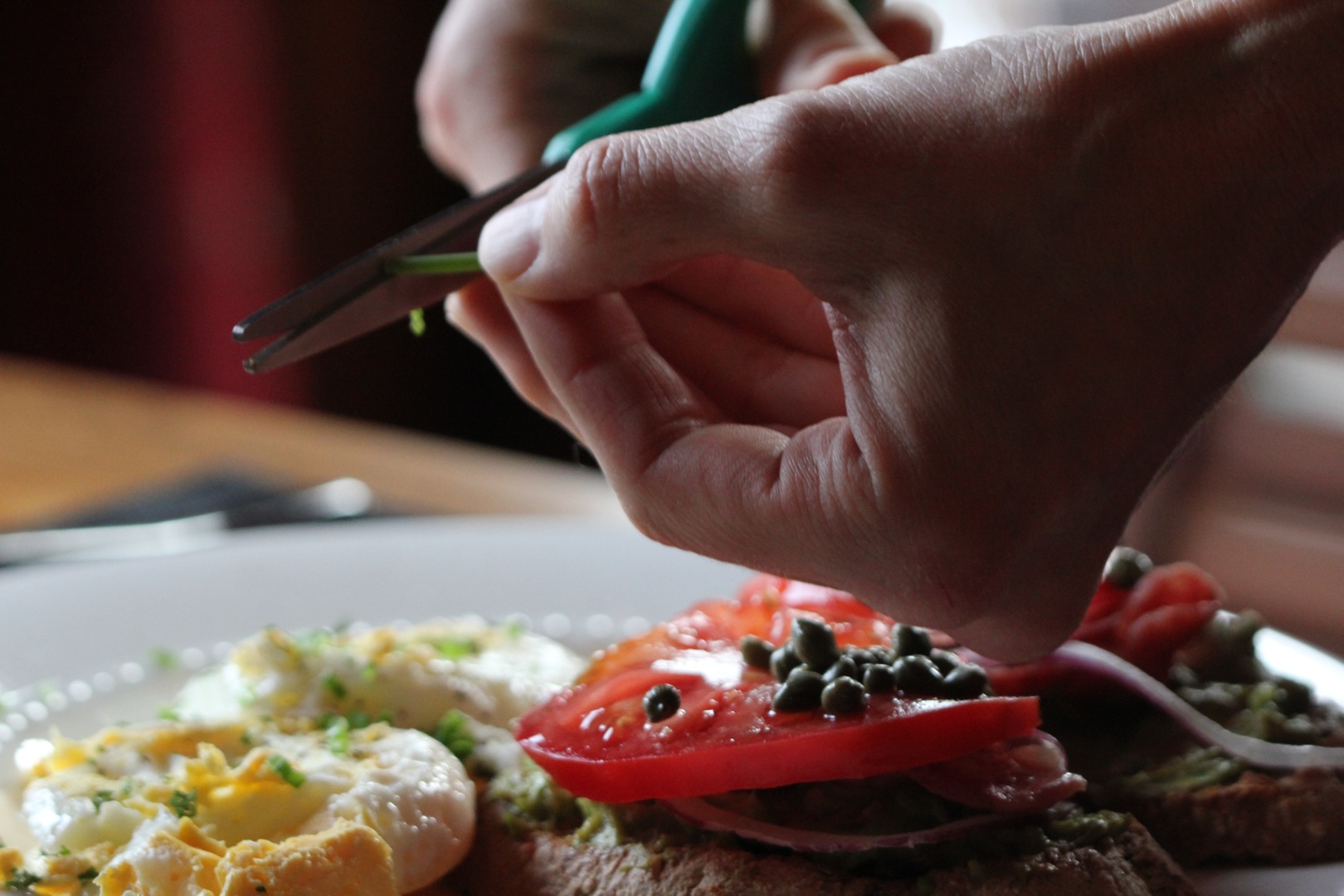
Weekend breakfasts at cabinorganic tend to be both healthy and decadent. We had this for breakfast after skiing yesterday and couldn’t resist ‘seconds’!

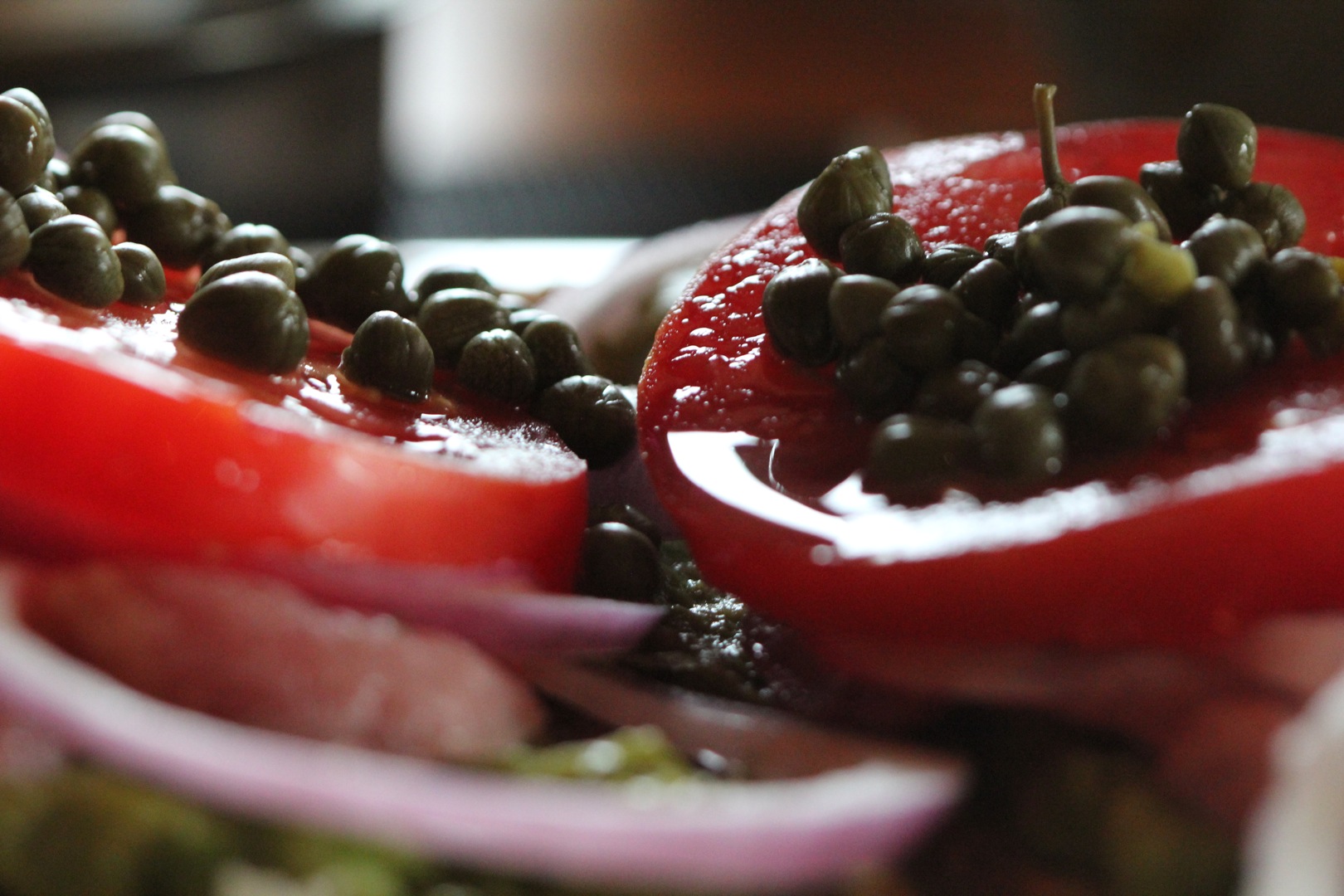
Avocado Toasts with Onions and Capers

Half of 1 red onion, finely chopped

2 tablespoons capers

2 tablespoons extra-virgin olive oil

2 teaspoons balsamic vinegar

½ teaspoon salt

black pepper

avocado

Juice of half lemon

1 teaspoon salt

rye or whole wheat bread, sliced

Mix together onions, capers, olive oil, vinegar, salt and black pepper to taste.

Mash together avocado, lemon juice and salt in large mortar and pestle.

Toast the bread, 2 per person. Lightly butter them, then spread 1 tablespoon of avocado mixture over top of each toast.

Cover each toast with 1 tablespoon of the onion mixture.

Serve with poached eggs and/or a fresh salad on the side.

Optional: add a thin layer of sliced tomatoes over the avocado mixture and/or incorporate 2 slices of cooked chopped bacon in the onion mixture.

Adding some fresh chives just before eating… (just picked from the window garden)

Enjoy!


Share this:

  • Share on X (Opens in new window) X
  • Share on Facebook (Opens in new window) Facebook
  • Share on Pinterest (Opens in new window) Pinterest
  • Print (Opens in new window) Print
  • Email a link to a friend (Opens in new window) Email
Like Loading...

eggplant parmesan

24 Thursday Nov 2011

Posted by Delena Rose in cook

≈ 2 Comments

Tags

eggplant, eggplant parmesan, mozzarella cheese, parmesan, tomato

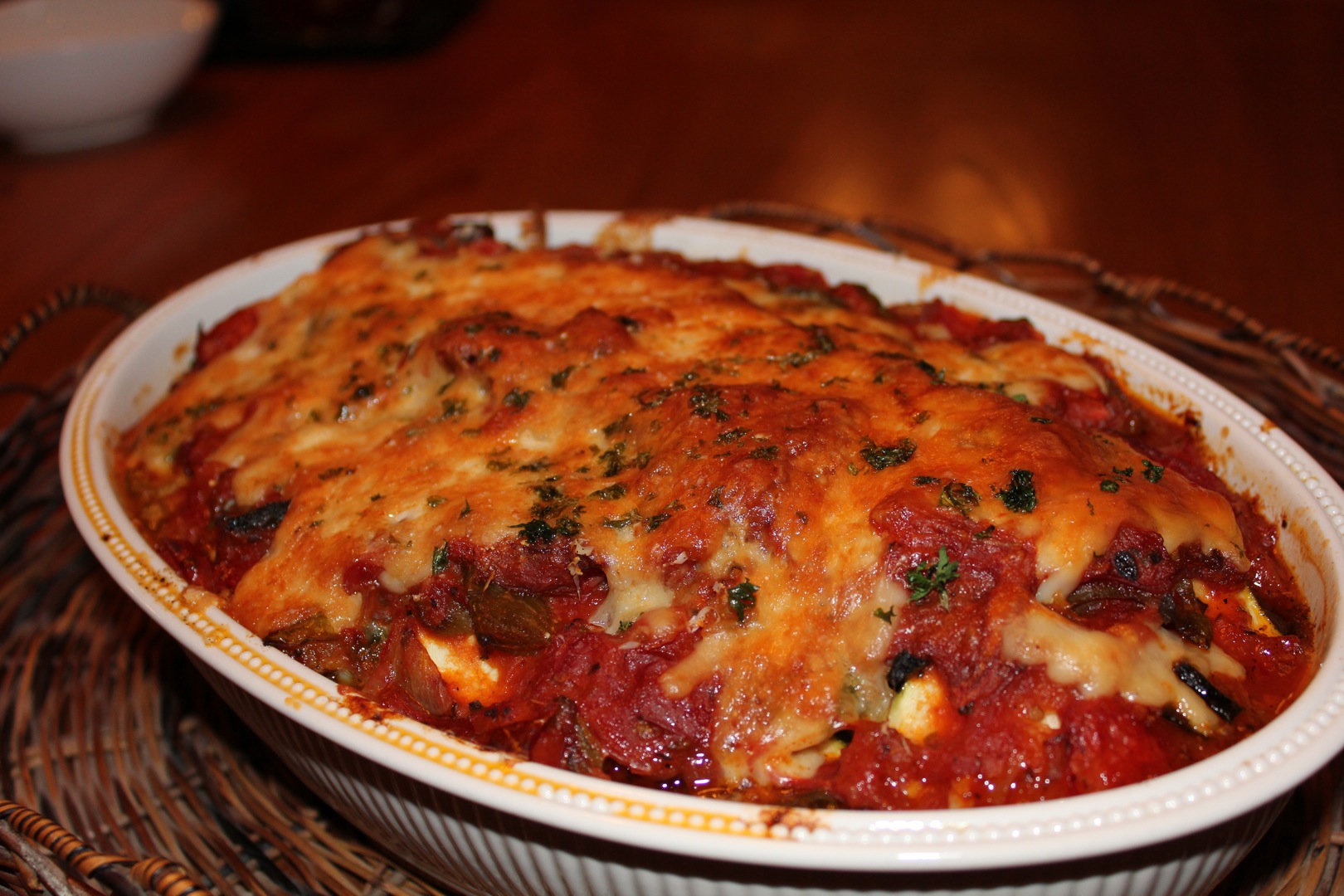
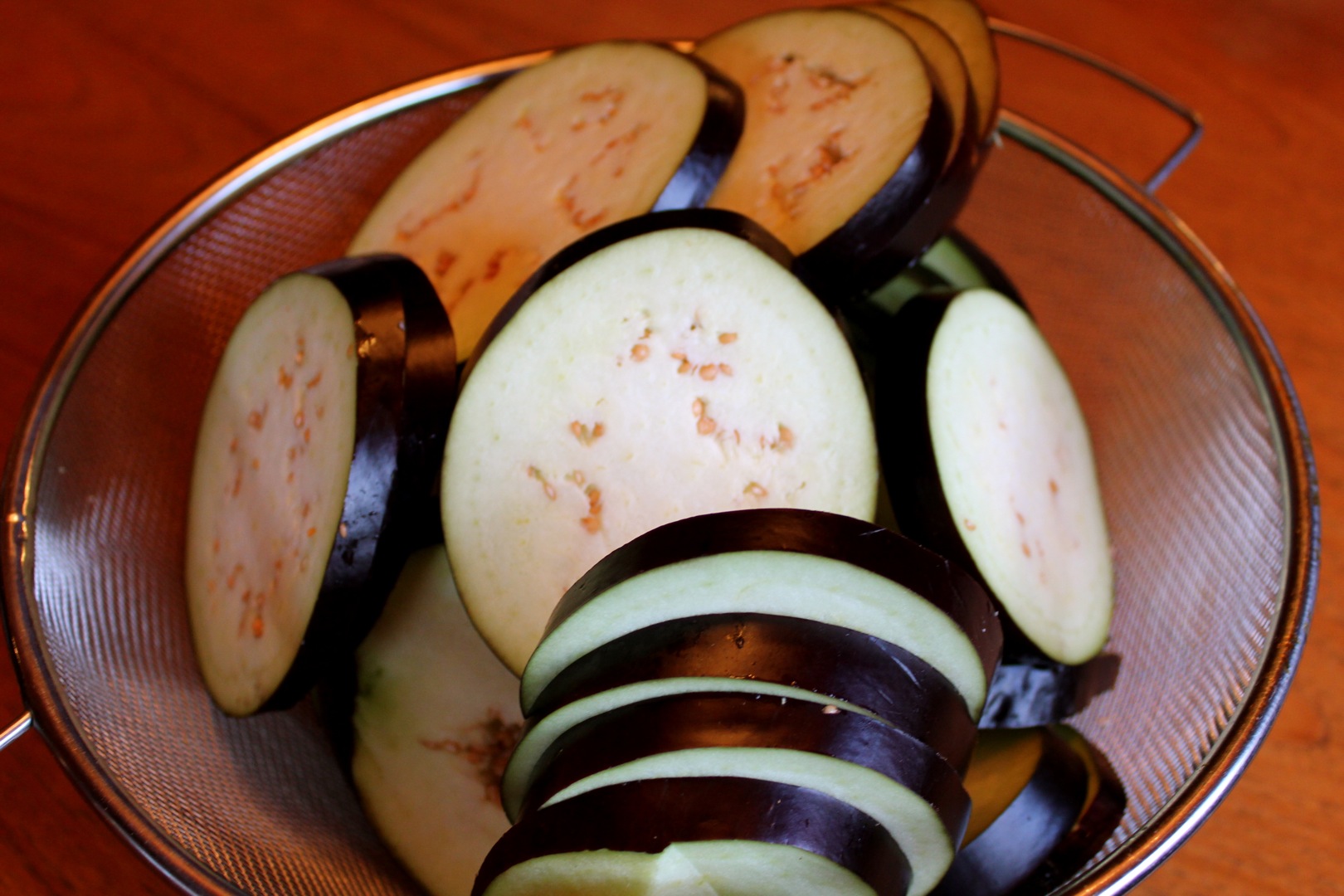
I needed to use up the last of the greenhouse tomatoes that were ripening on the counter. Instead of canned tomatoes, I just added chopped fresh tomatoes. A delicious cheesy dish for a dark, early winter’s evening.

Eggplant Parmesan

2 tablespoons extra virgin olive oil

½ cup chopped onion

1 clove garlic, crushed

1 can diced tomatoes

1 small can tomato paste

2 teaspoons dried oregano leaves

1 teaspoon dried basil leaves

8 ounces mozzarella cheese, sliced

¼ teaspoon black pepper

1 tablespoon brown sugar

1 large eggplant

2 eggs, slightly beaten

½ cup dry breadcrumbs

¼ cup grated Parmesan cheese

1- ½ teaspoon salt

1/3 cup olive oil

Heat 2 tablespoons of the olive oil in a large skillet. Sauté the onions and garlic, stirring occasionally, for about 5 minutes. Add tomatoes, tomato paste, oregano, basil, salt, pepper and sugar and bring to a boil, stirring with a wooden spoon. Red. Cover and simmer, for about 45 minutes, stirring occasionally.

Meanwhile, preheat oven to 350 degrees (F). Lightly grease a 13x9x2-inch baking dish. Wash the eggplant, do not peel. Cut crosswise into ¼ inch slices. In a shallow dish combine the eggs with 1 tablespoon of water. Mix well with a fork. In another shallow dish, combine breadcrumbs with the Parmesan cheese and mix well. Dip eggplant slices into egg mixture, coating well. Then dip into crumb mixture, coating evenly. In a medium skillet, add 1 tablespoon of the oil and sauté eggplant slices a few at a time, until they are golden brown and crisp on both sides. Add more oil as needed.

Arrange half of the eggplant slices in the bottom of the prepared baking dish. Sprinkle the top half with the remaining Parmesan cheese. Top with half of the mozzarella cheese, then cover with half of the tomato sauce. Arrange the remaining eggplant slices over the tomato sauce. Cover with the half of the tomato sauce and mozzarella slices. Sprinkle the top with the rest of the Parmesan cheese. Bake, uncovered, for 25 minutes or until cheese melts and the top is browned. Serves 8.

You may make this dish ahead and freeze it after baking. To serve, bake the frozen dish at 350 degrees (F), covered, for 45 minutes. Then uncover and bake for 15 minutes longer.

Lucy napping on the deck while I cooked this dish…

Share this:

  • Share on X (Opens in new window) X
  • Share on Facebook (Opens in new window) Facebook
  • Share on Pinterest (Opens in new window) Pinterest
  • Print (Opens in new window) Print
  • Email a link to a friend (Opens in new window) Email
Like Loading...

carrot health muffins

23 Wednesday Nov 2011

Posted by Delena Rose in cook

≈ Leave a comment

Tags

baking, carrot, carrot health muffins, healthy muffins, muffins

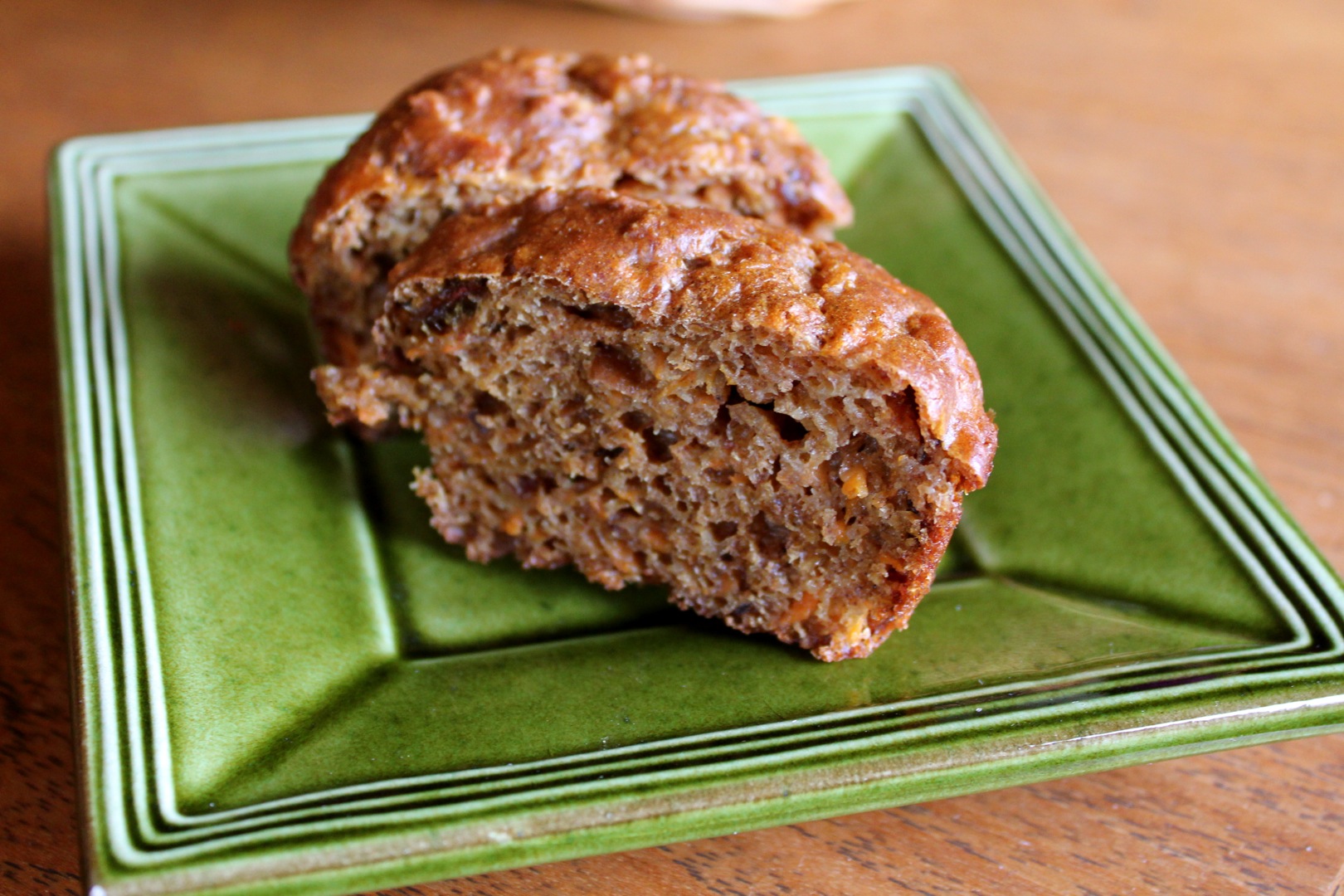
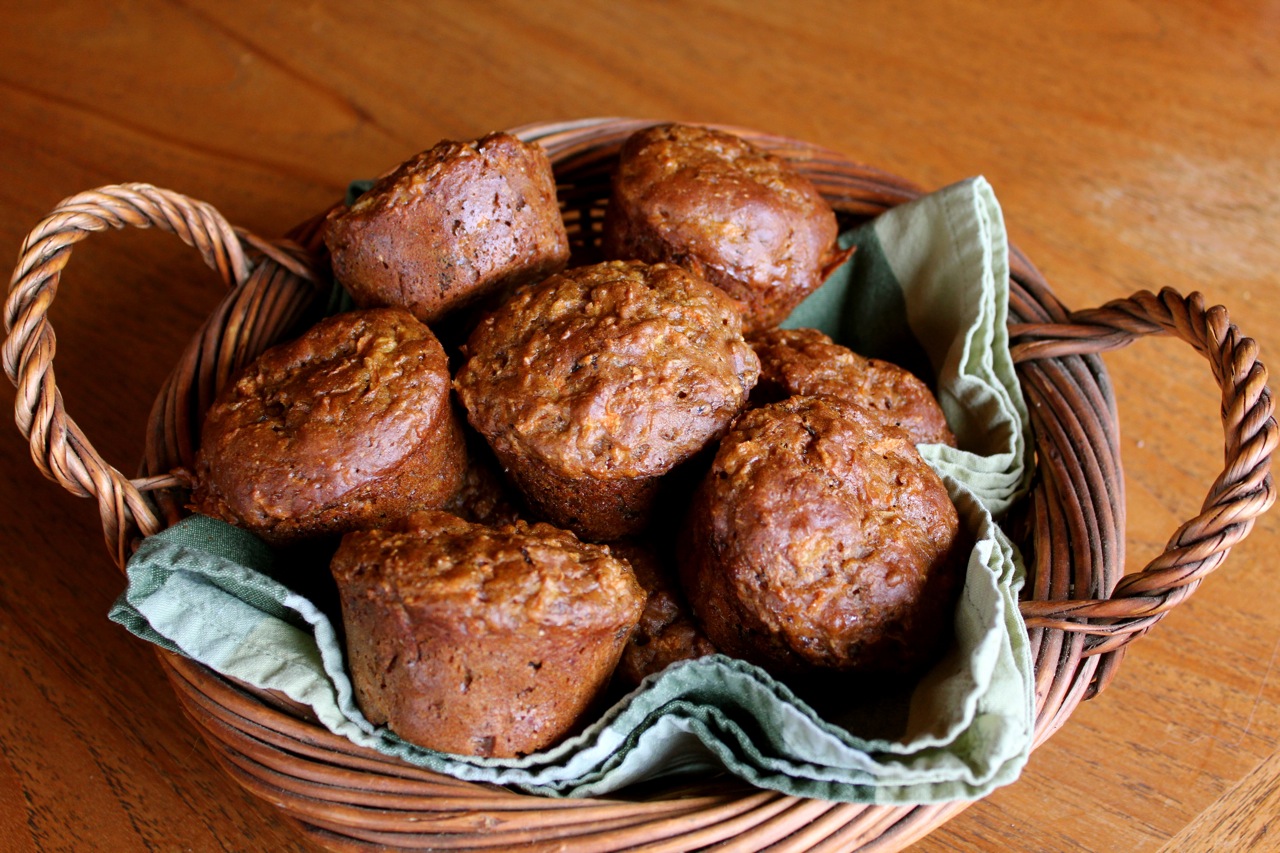
A great recipe for your carrots from the garden. Carrot health muffins are a favorite of mine. The dates, carrots and apple keep the muffins moist and flavorful while the spices make them taste like carrot cake. I made these just before leaving as they are great for breakfast and healthy snacks on the go.

carrot health muffins

 1 cup all-purpose flour

1 cup whole wheat flour

1 cup chopped dates

¾ cup brown sugar

1 tablespoon ground cinnamon

1 teaspoon ground nutmeg

2 teaspoons baking soda

½ teaspoon salt

½ cup chopped nuts

2 eggs

1 egg white

2/3 cup low-fat plain yogurt

2 teaspoons vanilla extract

3 cups grated carrots

1 cup grated apple

Preheat oven to 350 degrees (F).

Combine flours, dates, sugar, cinnamon, nutmeg, baking soda, salt and nuts.

In another bowl, whisk together eggs, egg white, yogurt and vanilla. Stir in grated carrots and apples. Pour over dry ingredients and stir until just mixed.

Spoon into greased or paper-lined muffin cups. Bake  for 40 minutes, until tops are firm. Yield: 18 muffins.

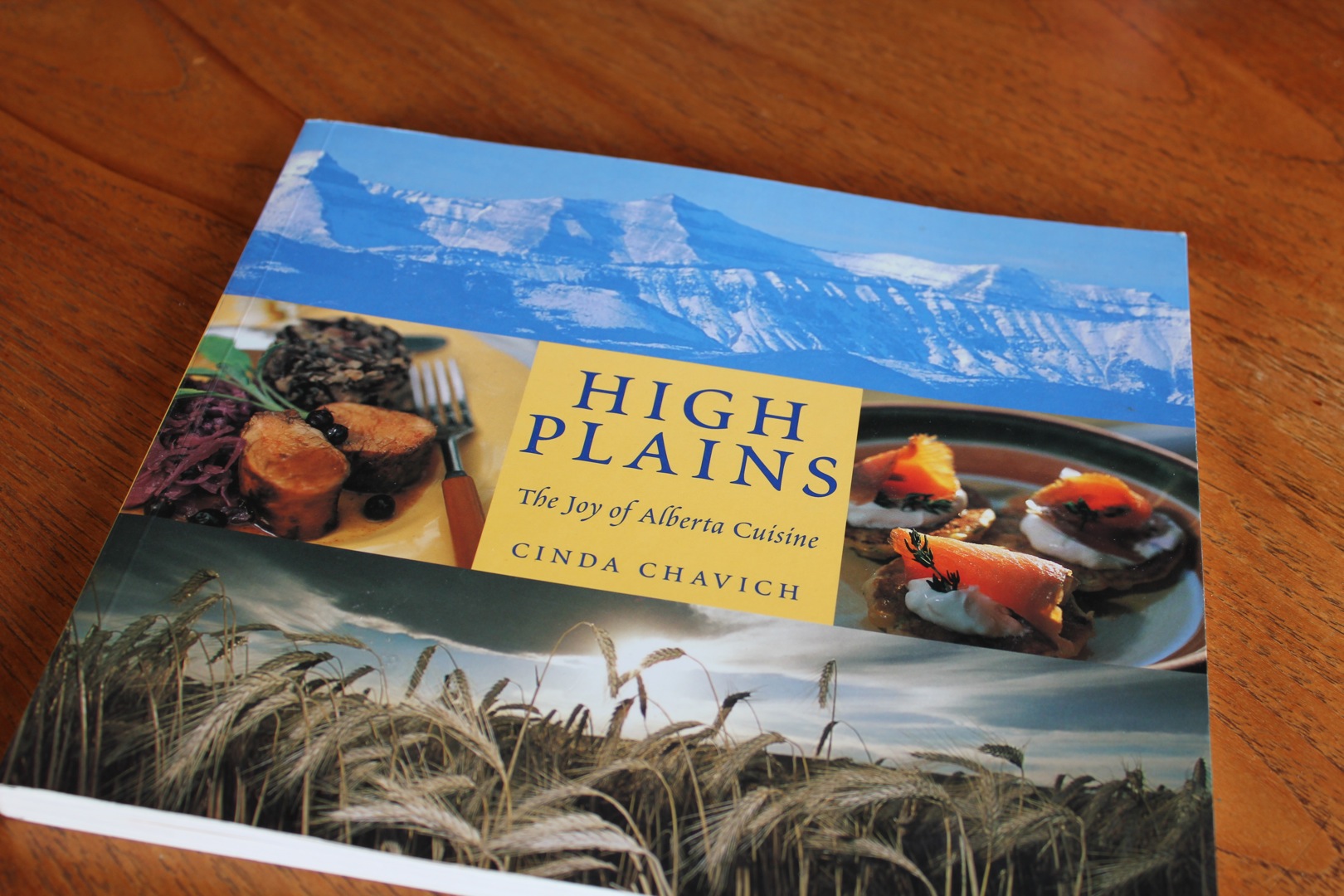
Another great recipe from the High Plains: The Joy of Alberta Cuisine by Cinda Chavich


Share this:

  • Share on X (Opens in new window) X
  • Share on Facebook (Opens in new window) Facebook
  • Share on Pinterest (Opens in new window) Pinterest
  • Print (Opens in new window) Print
  • Email a link to a friend (Opens in new window) Email
Like Loading...

harvesting dillseed (Anethum graveolen) for the kitchen

16 Wednesday Nov 2011

Posted by Delena Rose in cook, garden

≈ 2 Comments

Tags

chew spice, cook with dillseed, dill, dill seed, dill tea, dillseed, spice

The scent of a lush stand of dill is one of my great gardening pleasures. I love to breathe in the remarkable aroma, a heady blend if mint, citrus and fennel, with a hint of sea air. ~ Lois Hole
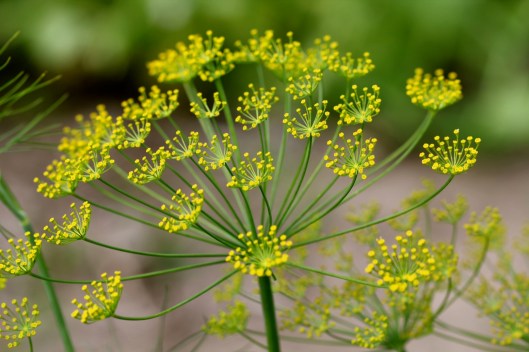
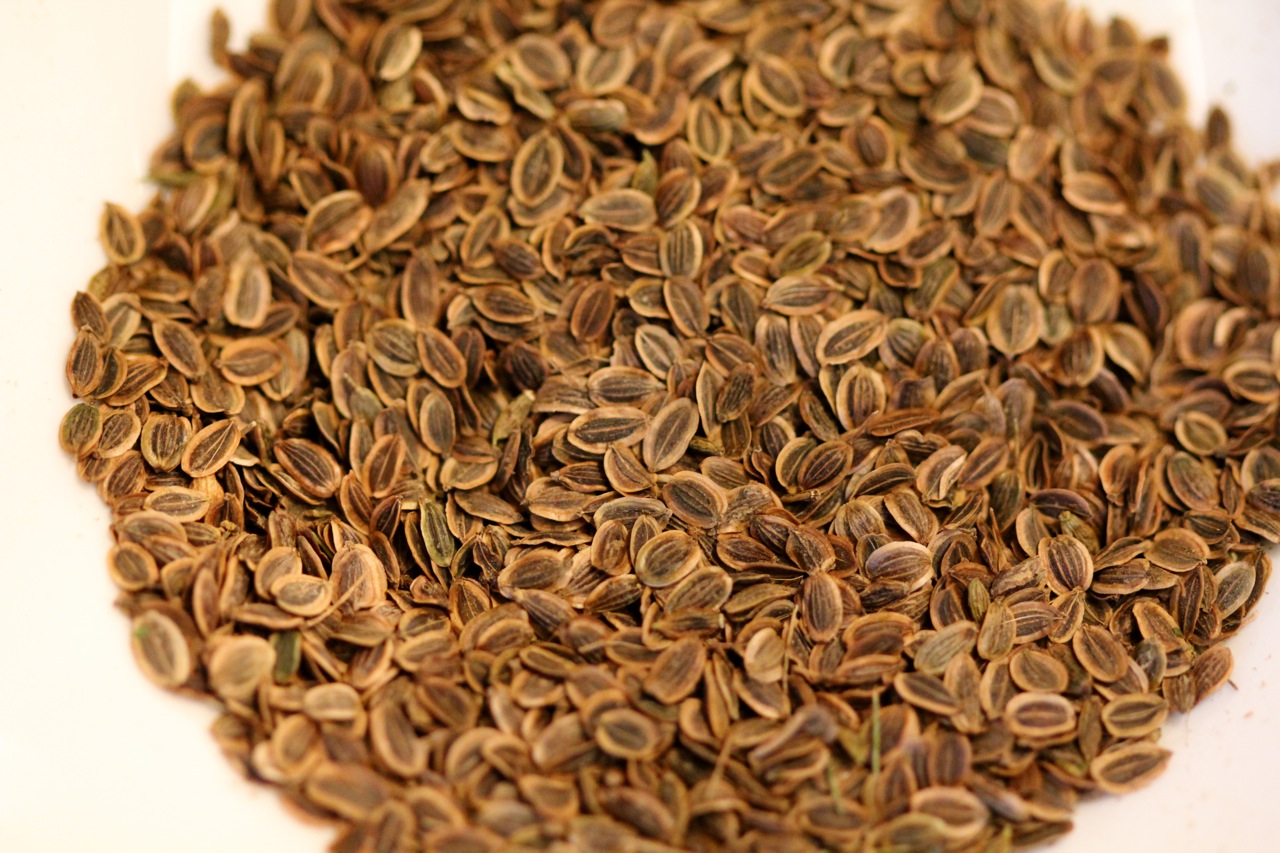
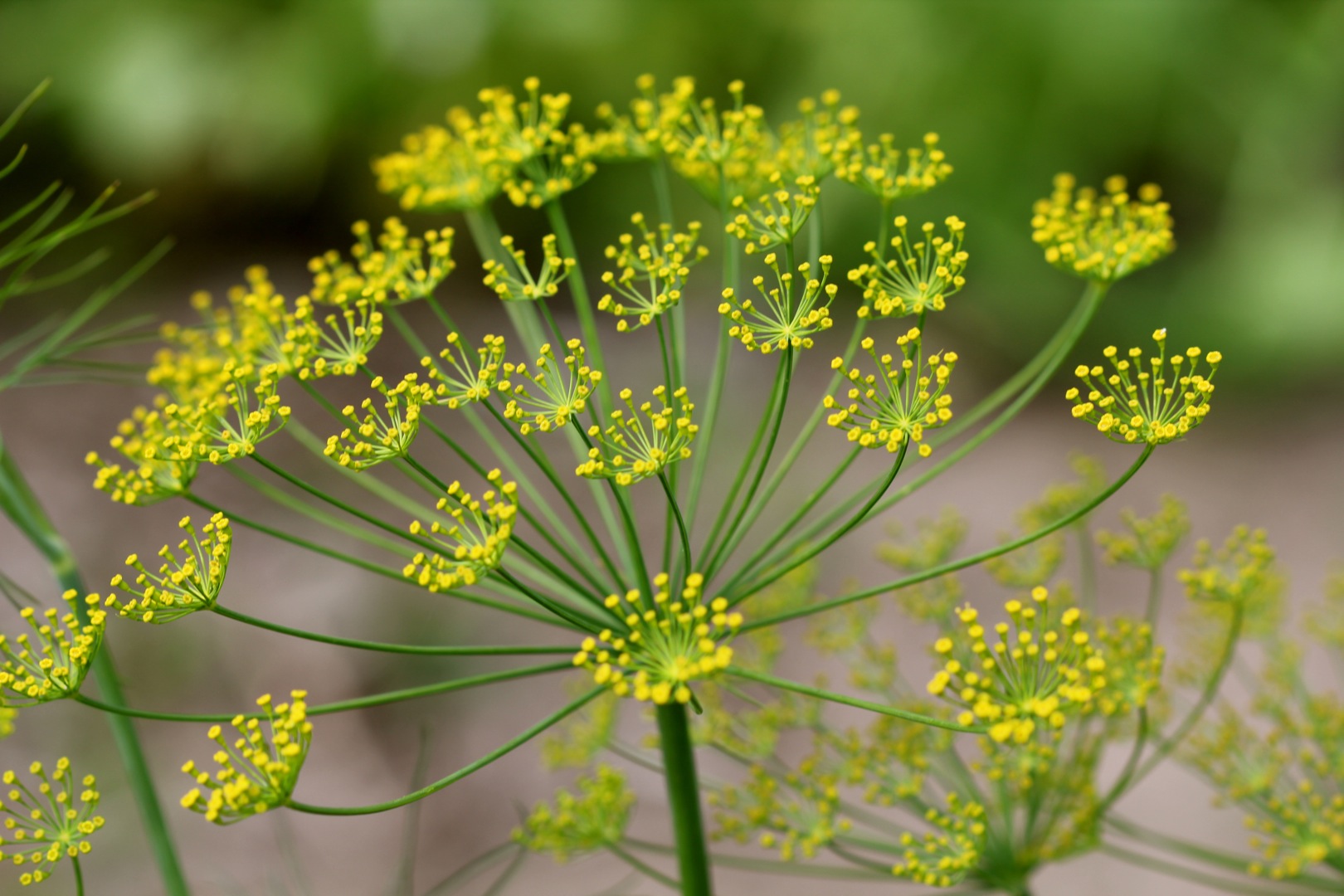
Native to the western Mediterranean basin and western Asia, dill (Anethum graveolen) is easy to recognize when growing in the garden. Closely related to fennel, it is an upright, hardy annual, growing up to 2-3 feet tall, with glaucous, ovate leaves that further divide into thread-like segments. The tiny yellow flowers grow in the shape of an umbrella in summer and develop into flat, oval seeds by late summer-early fall.
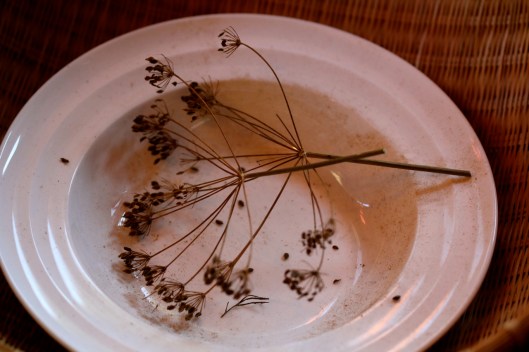
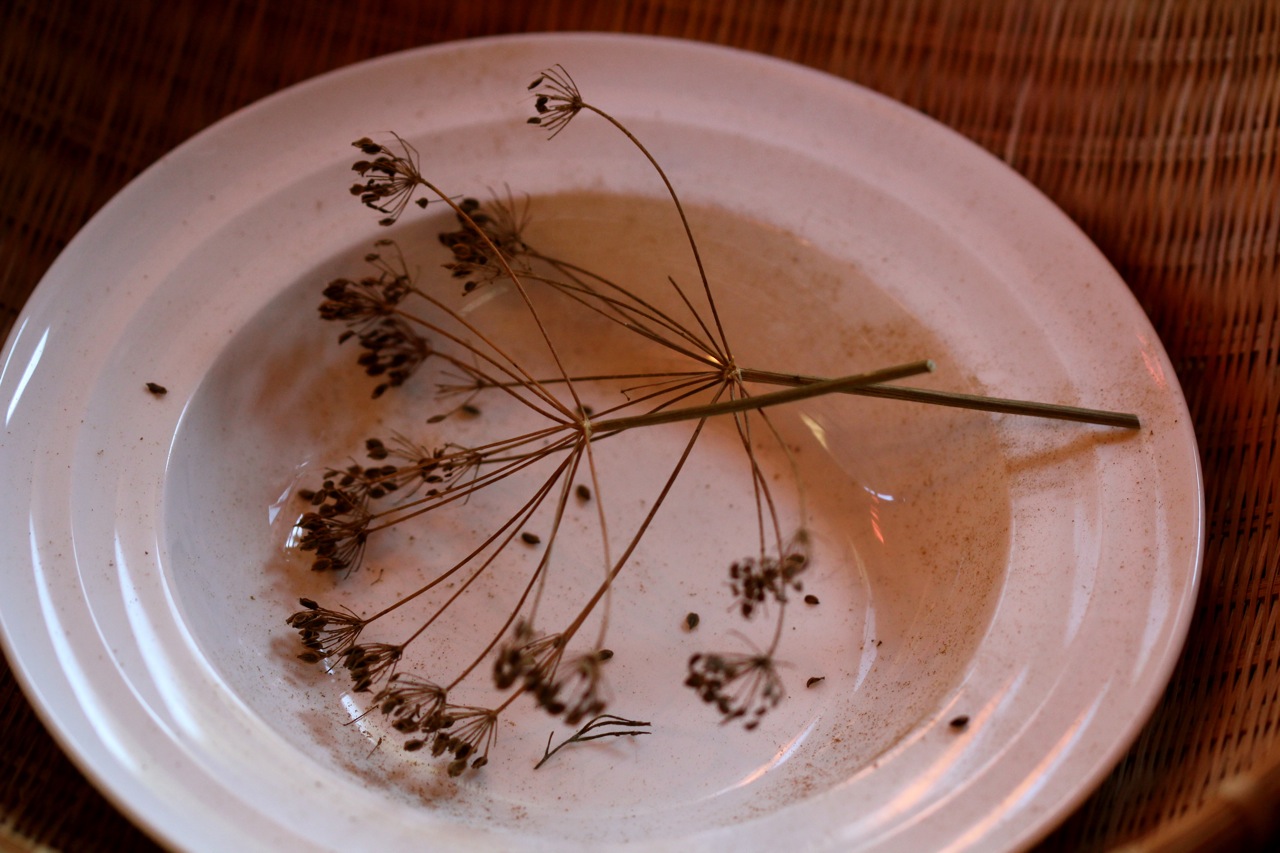
The leaves, stems, flower heads and seeds of this aromatic herb are all edible. Harvest dillseed when the flower heads turn brown. When ripe, the seeds will fall off easily when brushed up against or touched. Store the flower heads in a paper bag to allow them to dry out even further. Then shake the dried flower heads and/or gently rub them to release the seeds. Remove all remaining stems and store in a clean jar with a tight-fitting lid.

Dill is a traditional Middle Eastern herb that has been important since Biblical times. Its leaves and flowers were found on the mummy of Amenophis II (c.1425BC) and both the ancient Egyptians and the Copts used dill medicinally. It is mentioned as being subject to a tithe in the Talmud (ancient Jewish law), and in ancient Rome, Pliny (AD23-79) extolled its numerous uses. Classified as a cooling carminitive, dill has been used in Ayurvedic medicine for thousands of years. ~Denis Brown

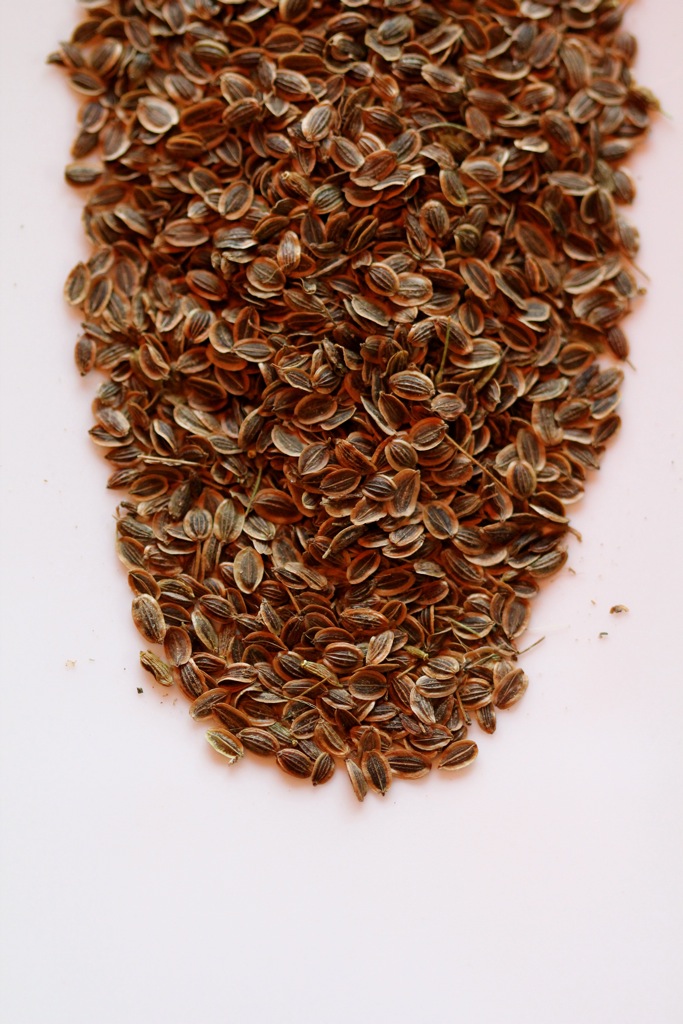
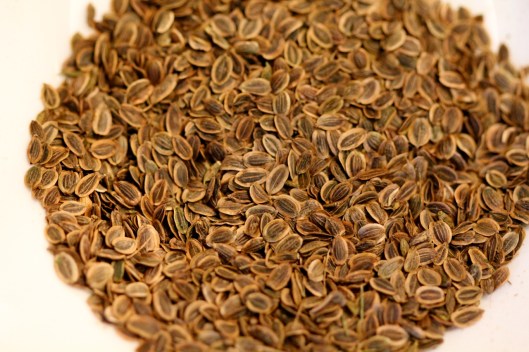
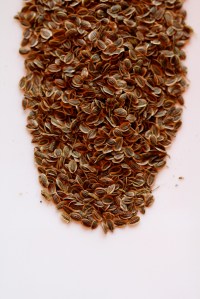
Dillseed are small and flat, with thin wing-like ridges. Their warm, sharp smell has been described as reminiscent of fennel, caraway and mint. When ripe, the seeds are toxic to birds (Fortin, 1996).
The Romans believed that dill was a “fortifying” herb, so it was common practice for gladiators heading into the arena to cover their (possibly) last meals with the herb to bolster their strength. The Romans were probably responsible for carrying dill to many of the regions where it now grows. ~ Lois Hole


Medicinal Uses:

  • Ease indigestion (calming, toning effect on the digestive system)
  • Carminative effects (eases gas)
  • mild diuretic
  • antiseptic
  • antispasmodic
  • colic (notably in the form of gripe water for babies)
  • increase milk production in nursing mothers

In Traditional Chinese Medicine, dillseed is considered a yang tonic food, whose effects include: warming the kidneys, improving appetite, dispersing cold, promoting energy circulation and counteracting fish and meat poisoning (Lu, 1996).

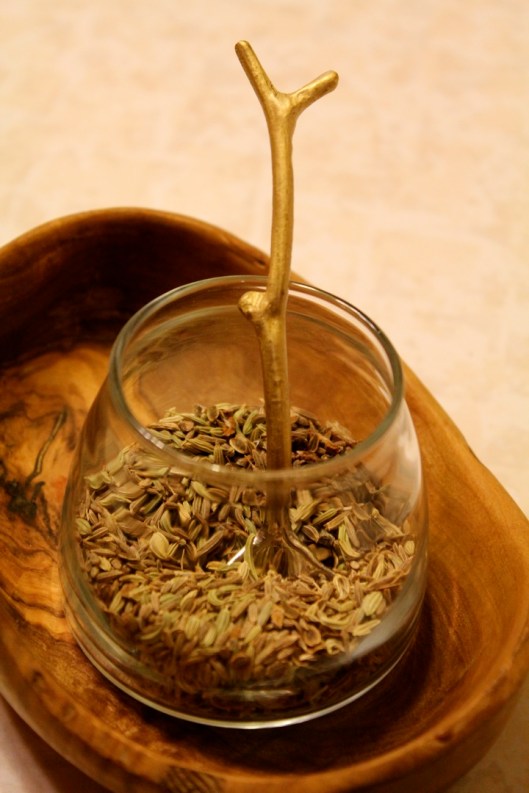
Make a mix of carminative seeds, such as anise, cardamom, cumin, dill and fennel, and chew them at and between meals. These are all very helpful in reducing gas and bloating.
Culinary Uses:

  • soups, salads and stews
  • pickling spice
  • seasoning vinegars and marinades
  • cold sauces
  • flavor breads, potatoes and sometimes pastries
  • in the preparation of salmon and crayfish (particularly in Scandinavia)

According to Fortin, “…dill goes very well with tomatoes, celeriac, beets, cucumbers, cabbage, fresh and sour cream, cream cheese, white sauces, melted butter, salad dressings, eggs, stews and seafood (1996: p. 469).

To ease digestion, steep 2 teaspoons of dillseed in 1 cup water for 10-15 minutes. Strain. Take ½ cup 2-3 times daily. ~Mindell
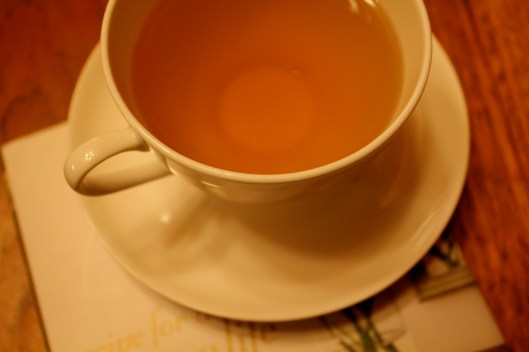
Until today, I have only used dillseed twice, and both in pickling recipes. This evening I have been chewing the seed mixture and sipping the tea and am excited about all of the other ways I can incorporate this delicious and versatile spice into my diet! I’m thinking of starting with the salmon…

Resources:

Brown, D. (2001). Herbal: The essential guide to herbs for living. Pavilion Books Ltd.: London.

Fortin, J. (1996). The Visual Food Encyclopedia. Les Editions Quebec/Amerique: Montreal, Quebec.

Gladstar, R. (2001). Rosemary Gladstar’s Herbal Recipes for Vibrant Health: 175 teas, tonics, oils, salves, tinctures, and other Natural Remedies for the Entire Family. Storey Publishing, North Adams, MA.

Harkins, M.G. (2002). Spices: From the Familiar to the Exotic- Recies from Around the World. Ryland Peters & Small, Inc.: New York.

Hole, L. (2000.) Herbs & Edible Flowers: Gardening for the Kitchen. Holes: St. Albert, Alberta.

Lloyd, C. (1997). Gardener Cook. Willow Creek Press: Minocqua, Wisconsin.

Lu, H. (1996). Sterling Publishing Company Inc.: New York

Mindell, E. (1992). Earl Mindell’s Herb Bible. Simon and Schuster: New York.

Werle, L., & Cox, J. (2000). Ingredients. Konemann: Cologne.
Share this:

  • Share on X (Opens in new window) X
  • Share on Facebook (Opens in new window) Facebook
  • Share on Pinterest (Opens in new window) Pinterest
  • Print (Opens in new window) Print
  • Email a link to a friend (Opens in new window) Email
Like Loading...

harvesting coriander seed for the kitchen

08 Tuesday Nov 2011

Posted by Delena Rose in cook, garden

≈ 3 Comments

Tags

cilantro, coriander, coriander seeds, Coriandrum sativum, dried cilantro, harvest, spice, tea

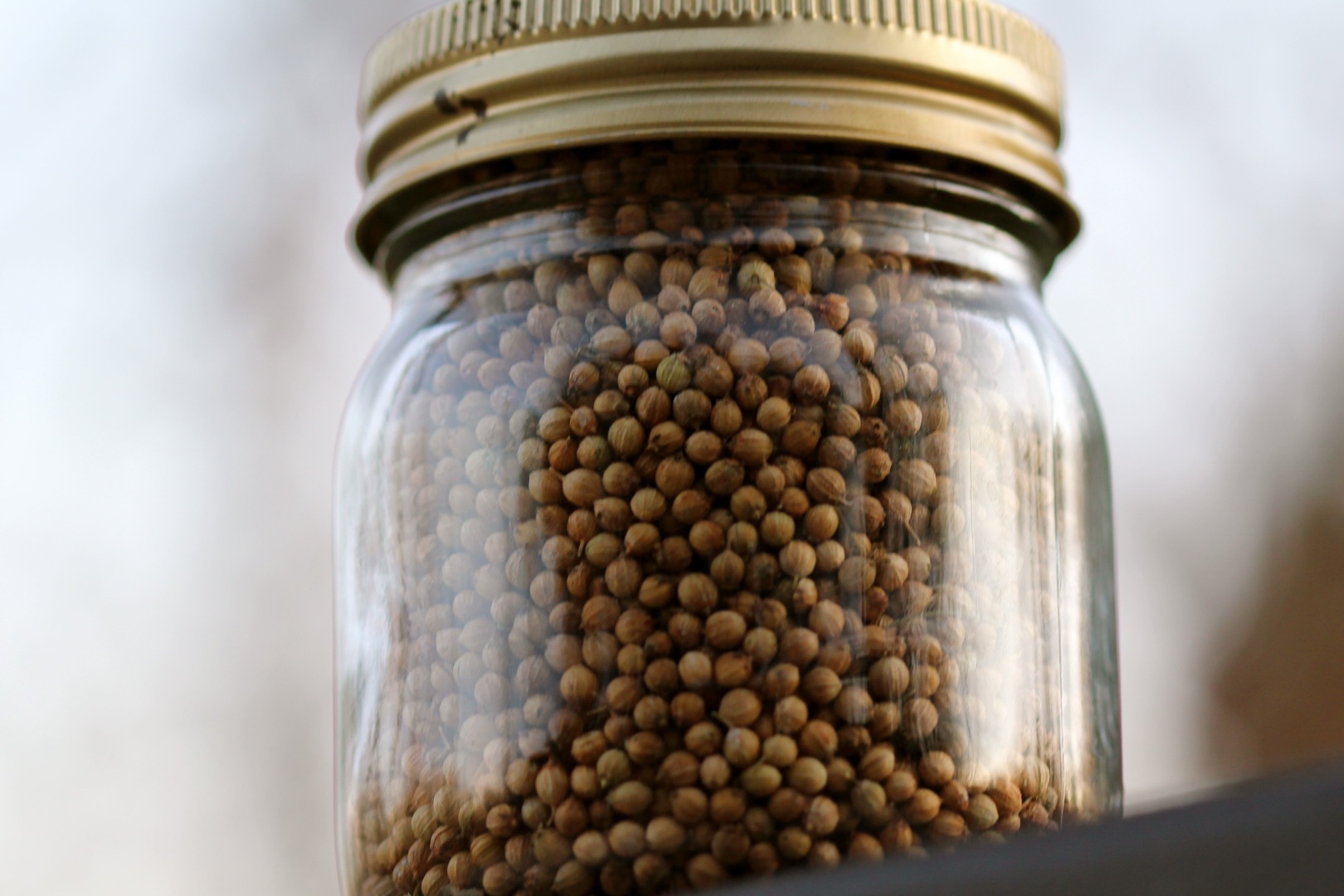
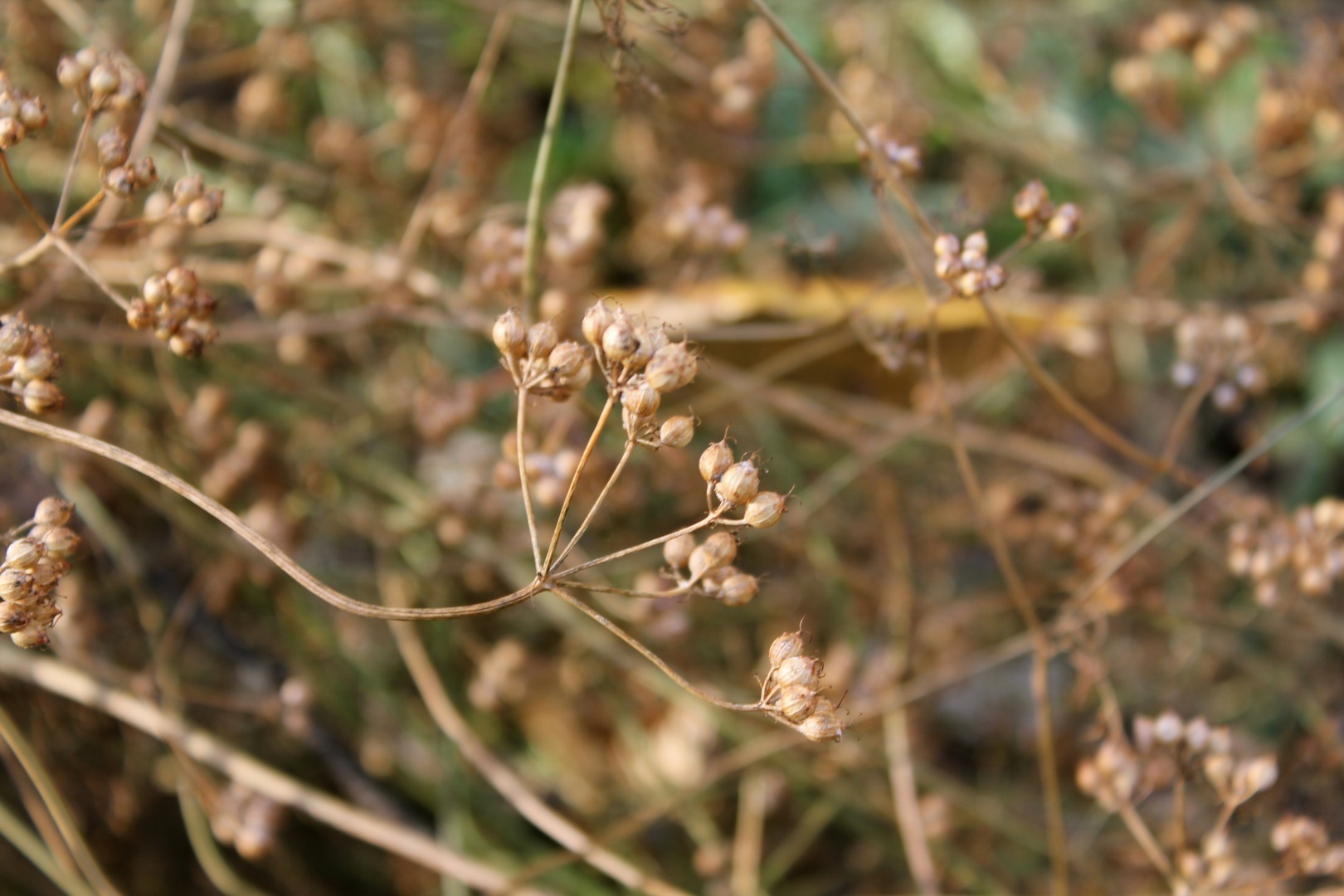
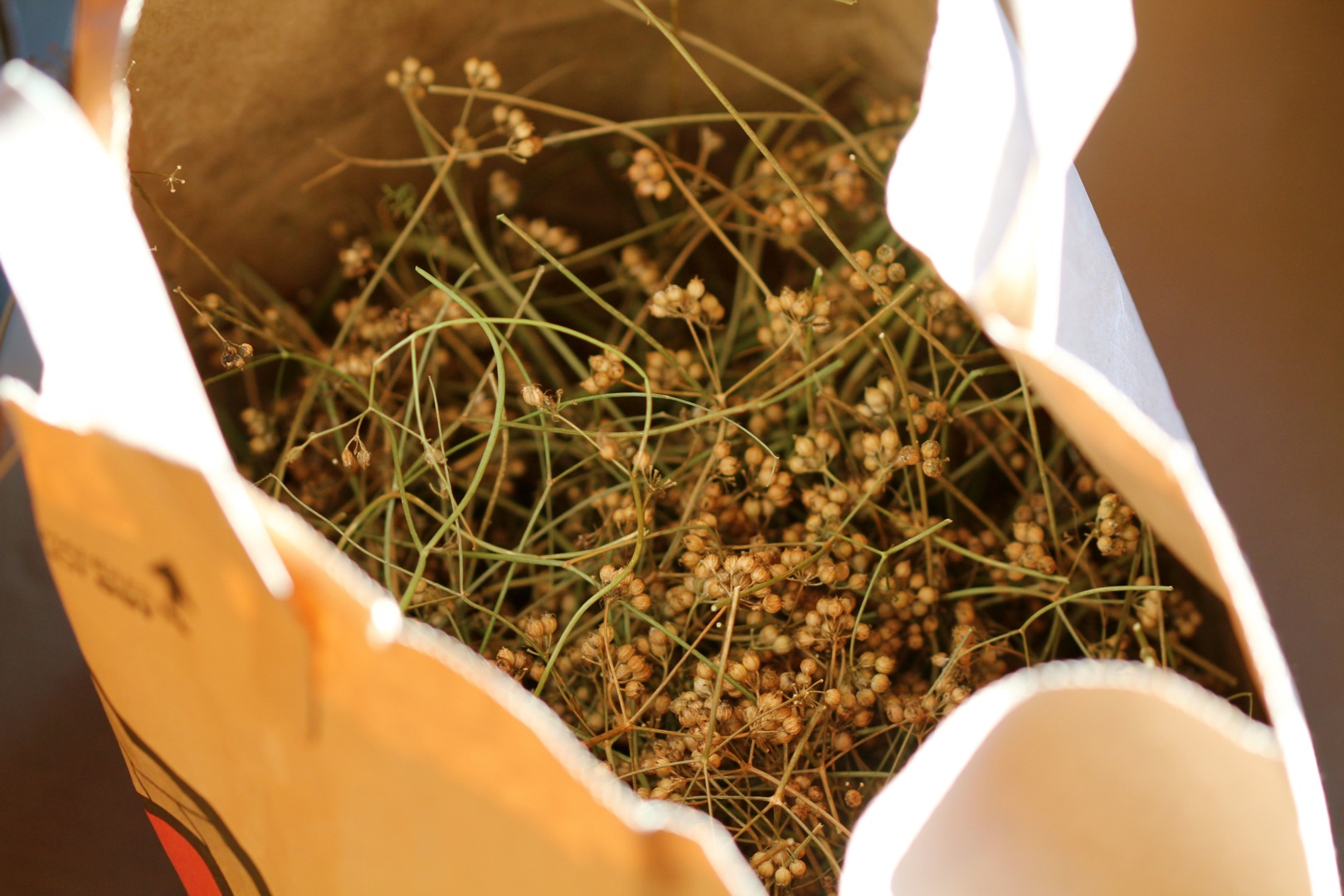
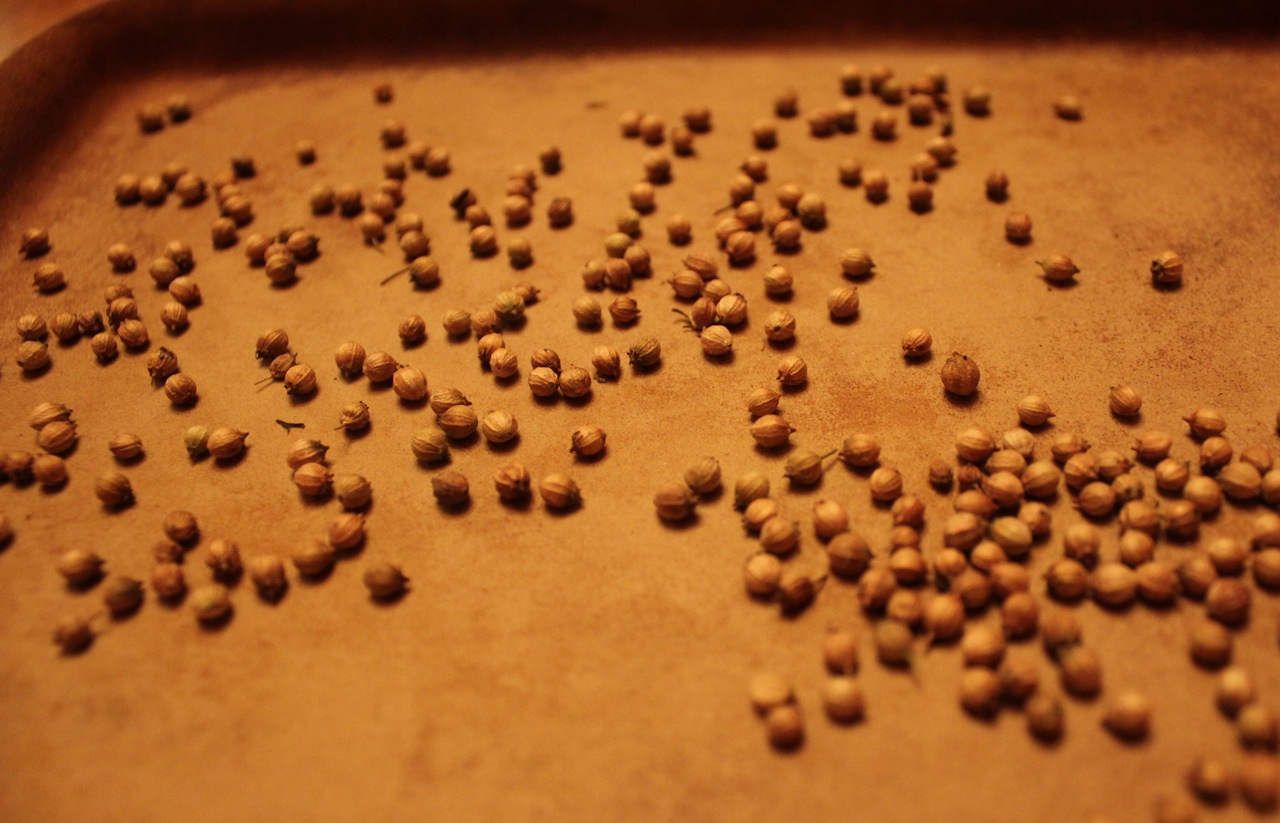
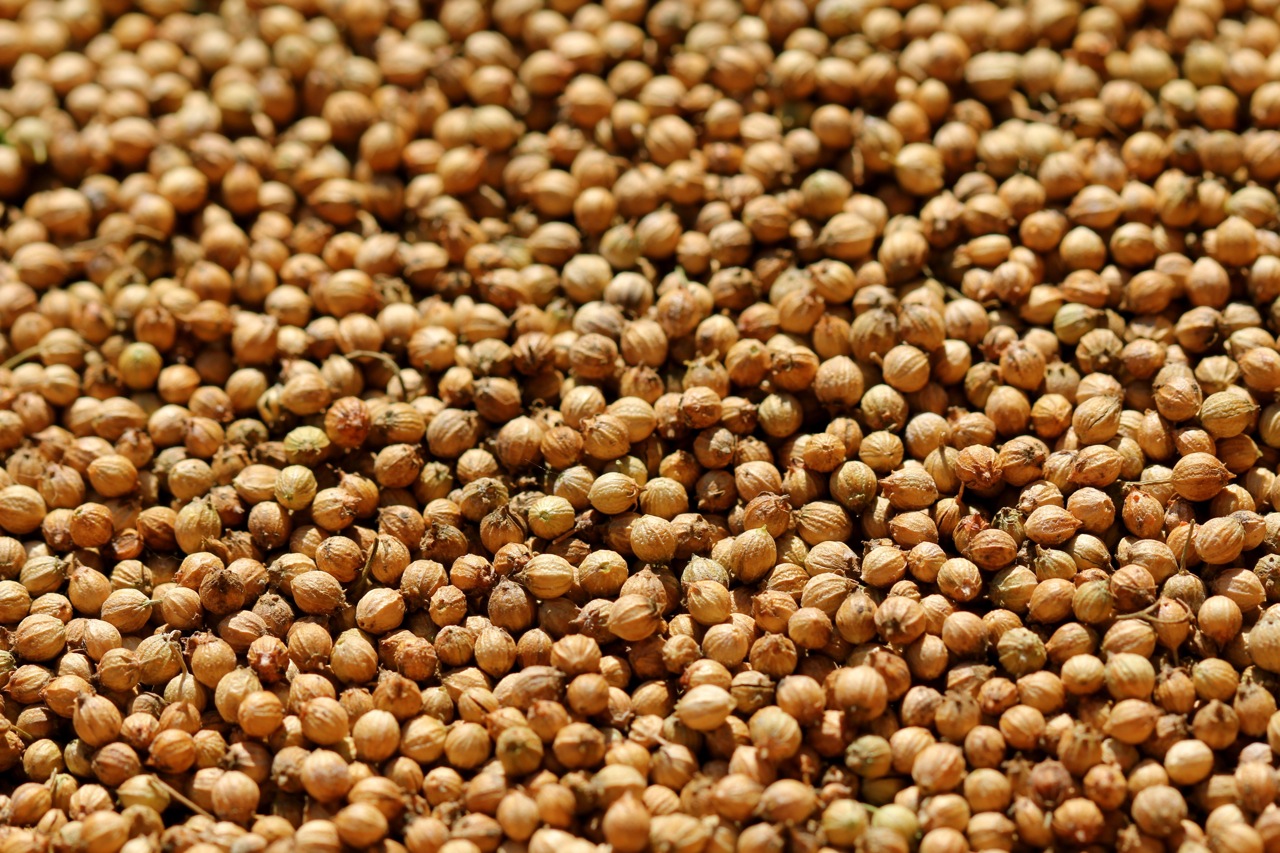
I have always grown cilantro in my garden but have never harvested the seeds until this year. Two weeks ago, I cut all of the seed heads off of the plants in the garden and placed them in a large brown paper bag. Then I hung the bag in a cool, dark place and allowed the seeds to dry out even further. Today, I found a sunny spot on the dining room floor and spent an hour gently rubbing all of the seed heads to release the fragrant brown little seeds into a basket. Finally, I removed the remaining stems and put the seeds in a glass jar. I will use these all year in my Asian and Indian dishes as well as in some medicinal teas to enhance digestion.

Coriander seeds come from cilantro (Coriandrum sativum), a hardy annual native to southern Europe and western Asia. This popular herb has lobed dark green leaves, which tend to become more finely divided as the stems elongate and form flowers. Also known as ‘Chinese parsley’, all parts of this plant can be used. The leaves have a very distinct oily or soapy smell and in my experience people either really love it or strongly dislike it.

Coriander is one of the world’s oldest herbs. Seeds were found in ancient Egyptian tombs and though introduced to China in about AD600, coriander is still known as hu, ‘foreign’. It is also mentioned several times in the Old Testament and is included among bitter Passover herbs. ~Brown

Cilantro’s tiny flowers eventually form spherical brown seeds, called coriander. The seeds smell sweet and almost citrus (lemon-orange) when ripe (and more so when roasted). Coriander is closely related to caraway, fennel, dill and anise. Harvest the seeds as soon as they harden and turn brown in late summer. Store in an airtight container in a cool, dry, dark place. The dried seeds keep for about a year.

Medicinal Uses:

The essential oil extracted from the seeds is used in flavoring, in the making of perfumes and medicinally. Here are some of the medicinal benefits to incorporating coriander in your diet:

• anti-rheumatic and eases joint pains

• promotes digestion and relives indigestion and gas

• reduces abdominal swelling

• reduce fever

• aids colds

• induces perspiration

• seed extracts are added to laxatives

• as an ingredient of gripe water for babies

• chew the seeds to neutralize the smell of garlic

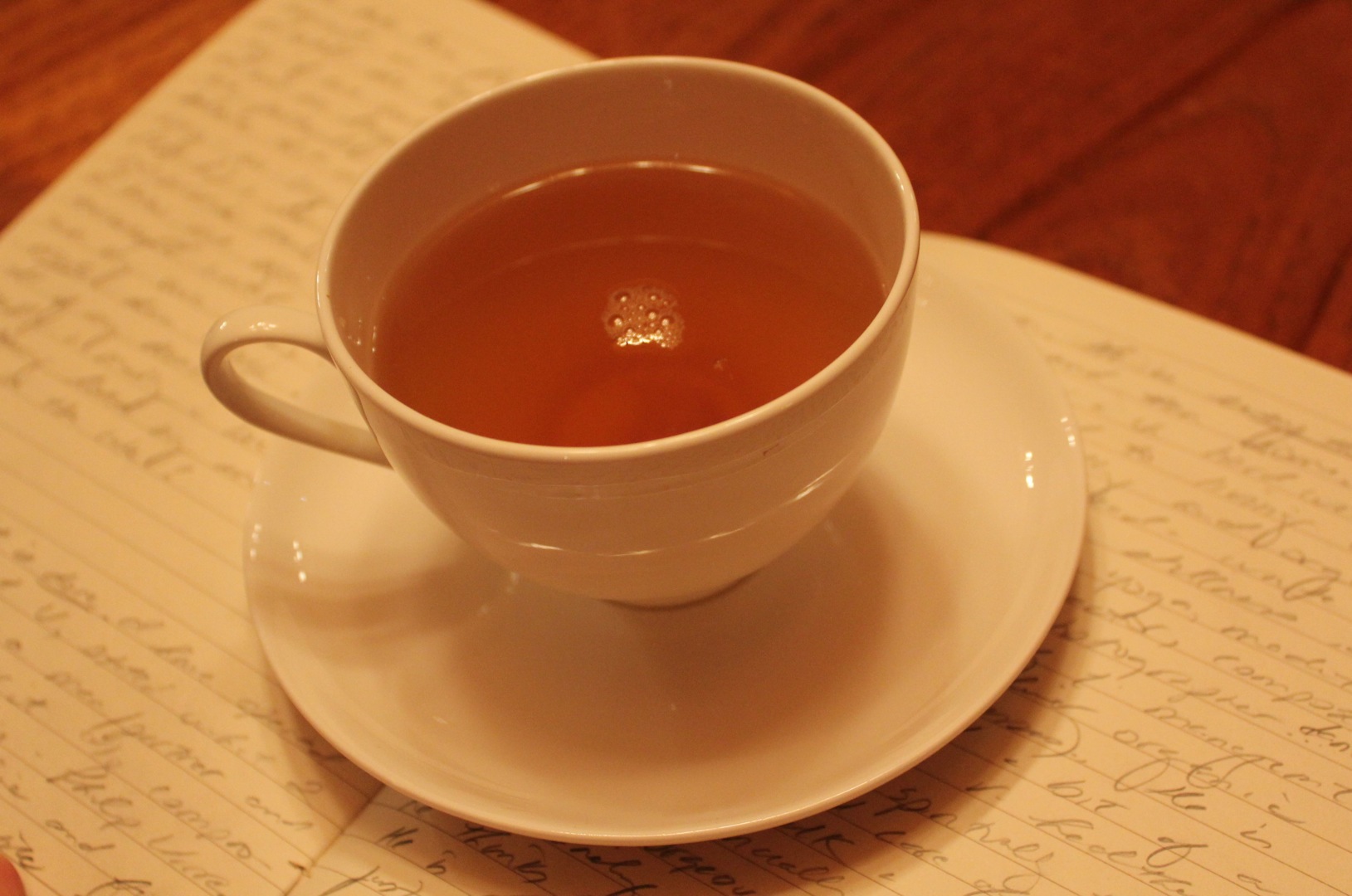
Put 1 tablespoon of just-roasted freshly ground coriander seeds with two pieces of dried orange peel, three slices of fresh ginger and three cups of water into a pot. Boil for five minutes then allow to steep for an additional ten minutes. Strain into teacups. Add honey if you like your tea sweet. This soothing tea is perfect when enjoyed after dinner as it aids digestion.

Culinary Uses:

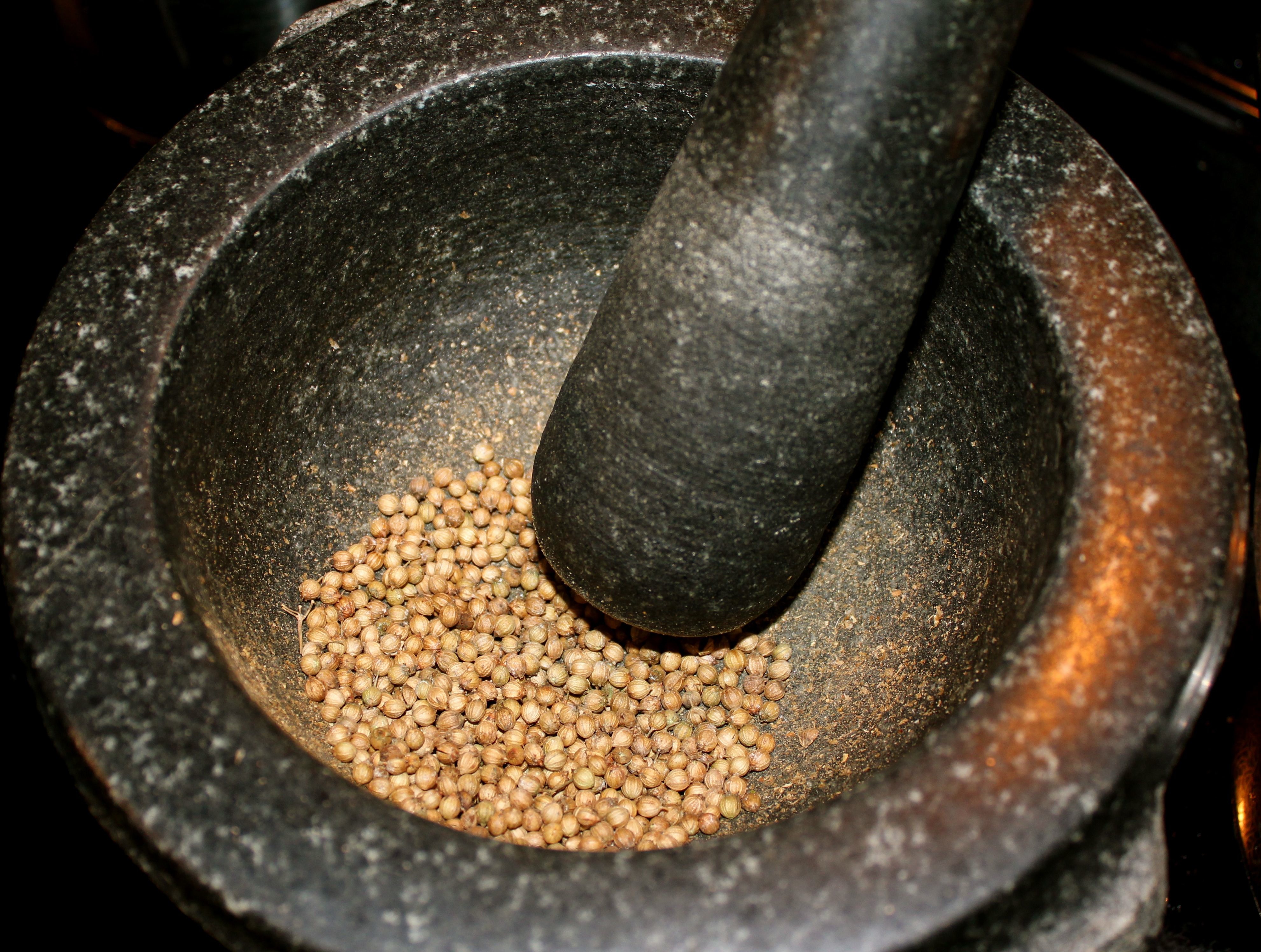
Coriander seeds are more flavorful if you roast them just before grinding in a mortar and pestle or spice grinder. According to Fortin, “Whole or ground coriander add flavor to a wide range of foods, including seafood, fish, rice, meats, omelets, potatoes, cheeses, curries, marinades, chutneys, cookies, cakes and gingerbread. They go well with parsley, lemon and ginger, and are included in curry powder and garam masala (essential spice mixture in Indian cuisine). Coriander is used to make balm water and liquors such as Chartreuse and Izarra, and is an ingredient of inferior-quality cocoa (1996: p. 490).”

Coriander seeds go very well with apples. Try the freshly roasted crushed seeds in the topping for apple crumble to give an age-old dessert new life. ~Brown

For generations, British children have been rewarded with “comfits”. These sugar-coated pink or white candies withstood sucking for a long time. When the sugar coating was gone, what remained in the middle was a coriander seed. Coriander seeds is also found in the middle of jaw breakers. ~Lois Hole

One of my nosy neighbors peeking in to see what I was up to today…

Resources:

Brown, D. (2001). Herbal: The Essential Guide to Herbs for Living. Pavilion Books: London.

Creasy, R. (2000). The Edible Asian Garden. Periplus Enterprises Ltd.: Boston, MA.

Fortin, J. (1996). The Visual Food Encyclopedia. Les Editions: Quebec.

Hole, L. (2000). Herbs & Edible Flowers: Gardening for the Kitchen. Hole’s: St. Alberta, Alberta.

Lu, H. C. (1996). The Chinese System of Using Foods to Stay Young. Sterling Publishing: New York.

Share this:

  • Share on X (Opens in new window) X
  • Share on Facebook (Opens in new window) Facebook
  • Share on Pinterest (Opens in new window) Pinterest
  • Print (Opens in new window) Print
  • Email a link to a friend (Opens in new window) Email
Like Loading...

what to do with all of this parsley…? tabbouleh!

03 Thursday Nov 2011

Posted by Delena Rose in cook

≈ 5 Comments

Tags

garden salad, parsley, salad, tabbouleh

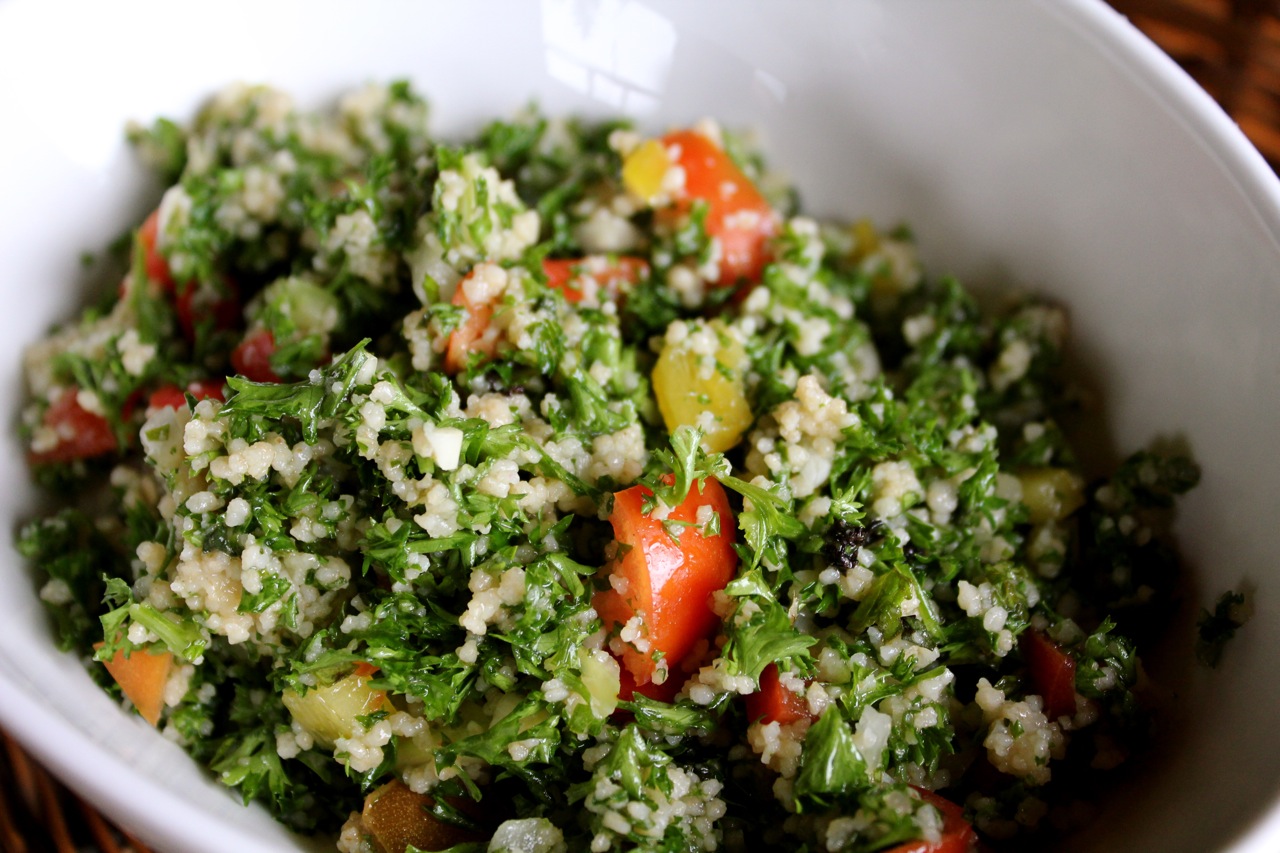
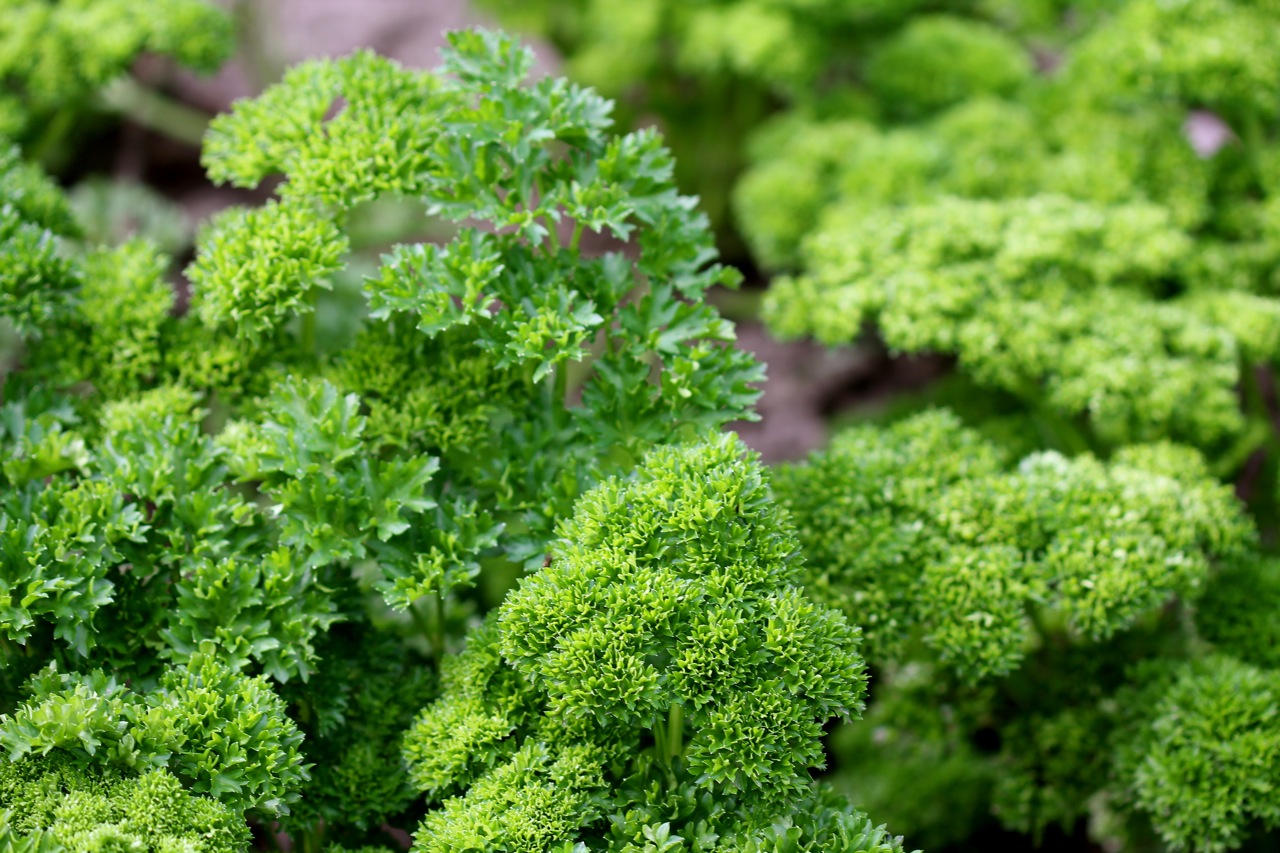
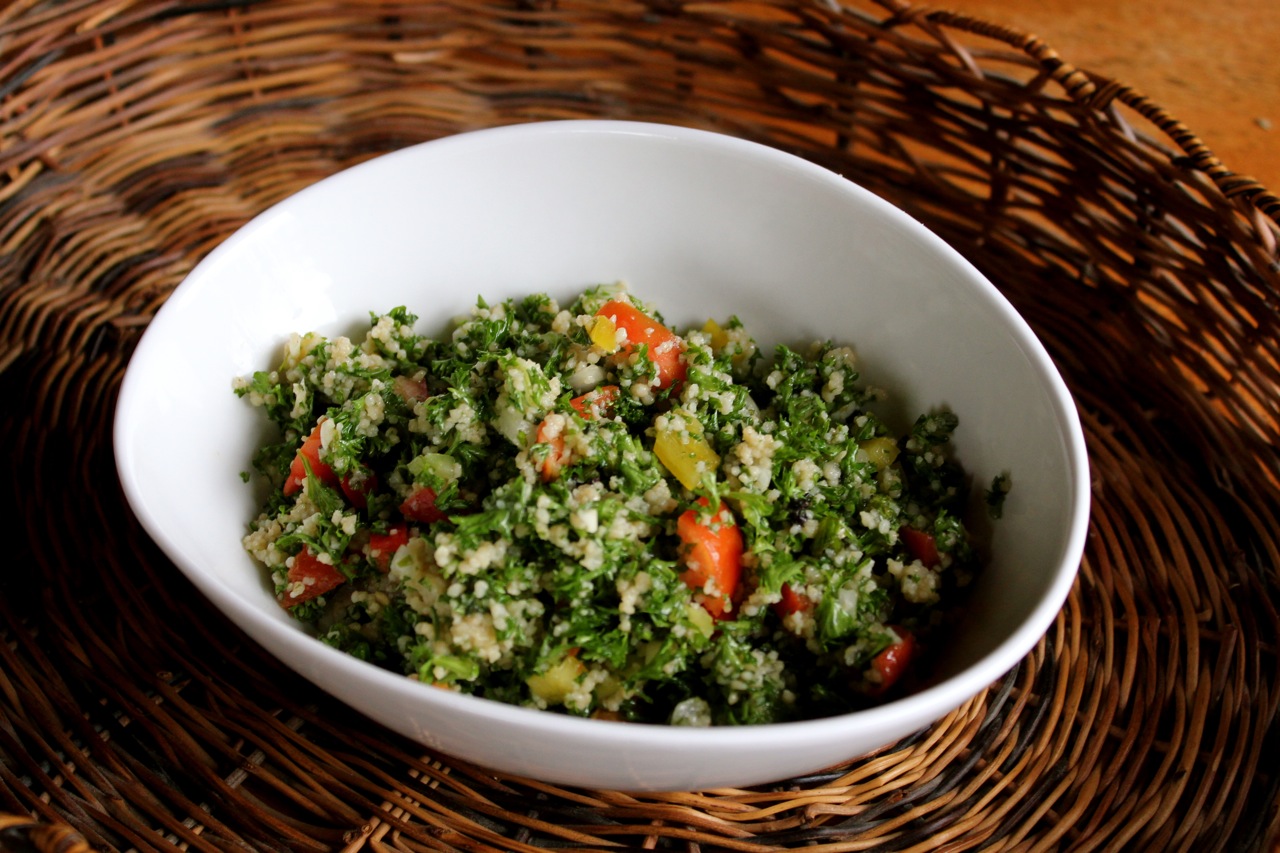
Last week I harvested the last of the parsley from the garden. It was quite a crop this year consisting of eight full-grown and thriving plants (shrubbery!)! I dried most of it, juiced some of it and still had a small mountain of the green stuff left. Wondering what to do with all of this parsley, I suddenly had a thought: tabbouleh! And so I used up half of the remaining parsly to make a double-batch of this delicious salad and will use up the rest this week for another double-batch (juicing the stems). Feel free to customize this recipe to whatever you have on hand. For example, I used whole-wheat couscous instead of bulgur, did not have any fresh cilantro this time around, and added chopped red and yellow peppers for extra color.

Lemon and Fresh Herb Tabbouleh

1/2 cup medium- or fine-grain bulgur
2 tablespoons extra virgin olive oil
2 garlic cloves, minced
2 cups finely chopped fresh flat-leaf parsley (about 3 bunches)
3/4 cup diced red onion
2 medium tomatoes, seeded and diced
1/3 cup finely chopped fresh mint
1/4 cup finely chopped fresh basil
3 tablespoons finely chopped fresh dill
3 tablespoons finely chopped fresh cilantro
1/3 cup fresh lemon juice

Bring a kettle of water to a boil. Stir together the bulgur and 1 tablespoon of the oil in a heatproof bowl. Add boiling water to cover. Cover the bowl tightly with plastic wrap and let stand for 15 minutes. Drain in a sieve, pressing on the bulgur to remove any excess liquid.

Transfer the bulgur to a large bowl and toss with the remaining 1 tablespoon oil and the rest of the ingredients until everything is well mixed. Cover and refrigerate for at least 3 hours. Serve cold.

This recipe is from the Epicurious website.
Enjoy!

Share this:

  • Share on X (Opens in new window) X
  • Share on Facebook (Opens in new window) Facebook
  • Share on Pinterest (Opens in new window) Pinterest
  • Print (Opens in new window) Print
  • Email a link to a friend (Opens in new window) Email
Like Loading...

a most decadent breakfast… banana bread french toast

01 Tuesday Nov 2011

Posted by Delena Rose in cook

≈ Leave a comment

Tags

banana, banana bread, banana bread french toast, breakfast, dessert, french toast, recipe, syrup

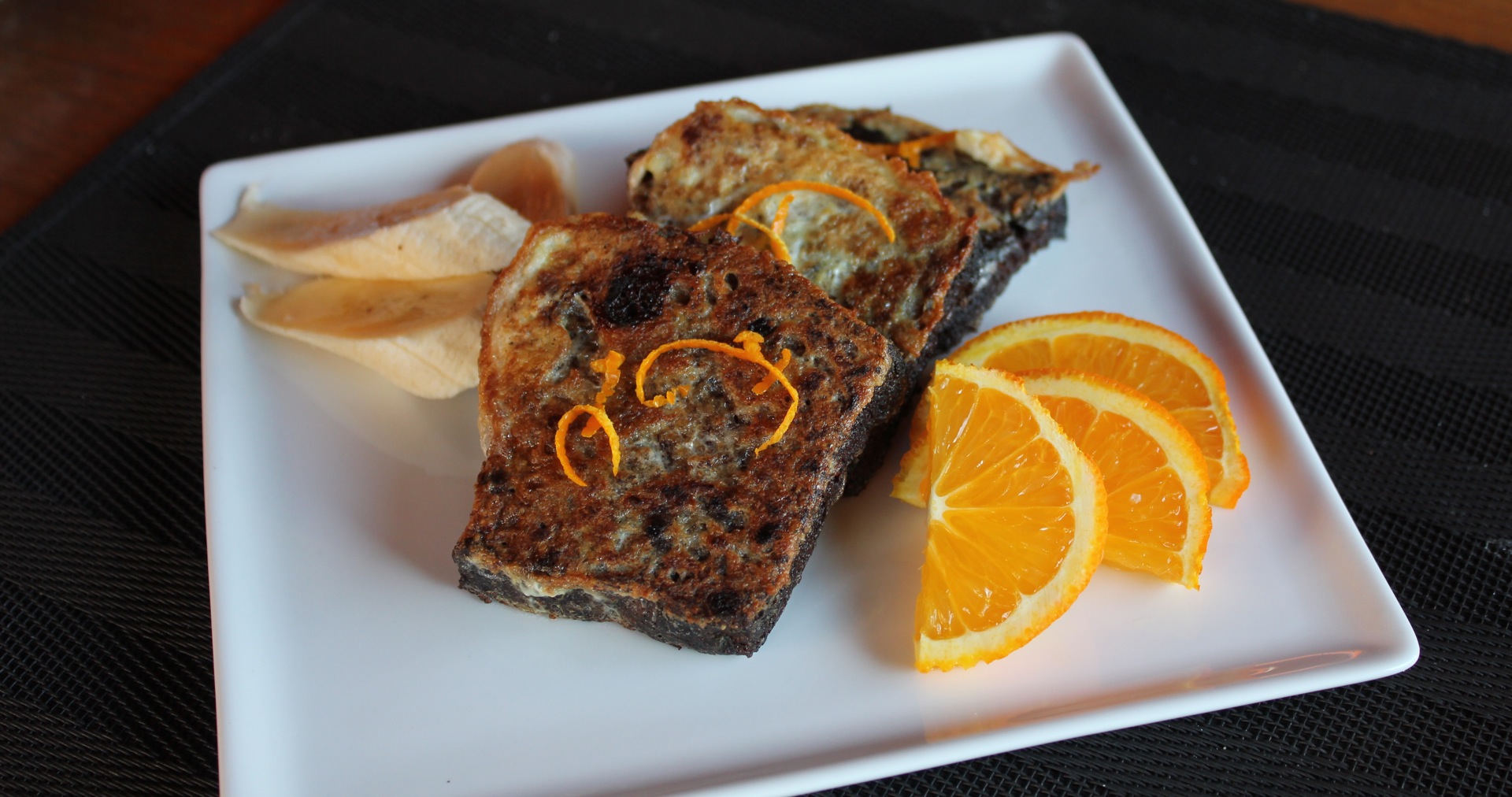
What do we do with over-ripe bananas…? Make banana bread, of course. What should we do with all of that banana bread…? For something different, why not try this decadent recipe for breakfast or even as a dessert? A friend made this for me for breakfast just last weekend and I recreated it this morning so that I could share it with you.

Banana Bread French Toast

Slice banana bread into six 1/4-inch slices

Beat together 4 eggs, adding 1/4 teaspoon of vanilla

Preheat skillet over medium-high heat. When skillet is hot enough, dip banana bread into the egg mixture, making sure to coat both sides. Fry in a skillet in a little butter and/or vegetable oil over medium-high heat, flipping over and cooking both sides until golden brown.

Serve with syrup, berry compote, jams or jellies. Enjoy!

Share this:

  • Share on X (Opens in new window) X
  • Share on Facebook (Opens in new window) Facebook
  • Share on Pinterest (Opens in new window) Pinterest
  • Print (Opens in new window) Print
  • Email a link to a friend (Opens in new window) Email
Like Loading...

biscotti

31 Monday Oct 2011

Posted by Delena Rose in cook

≈ 1 Comment

Tags

baking, biscotti, cookie, tea cake, twice-baked

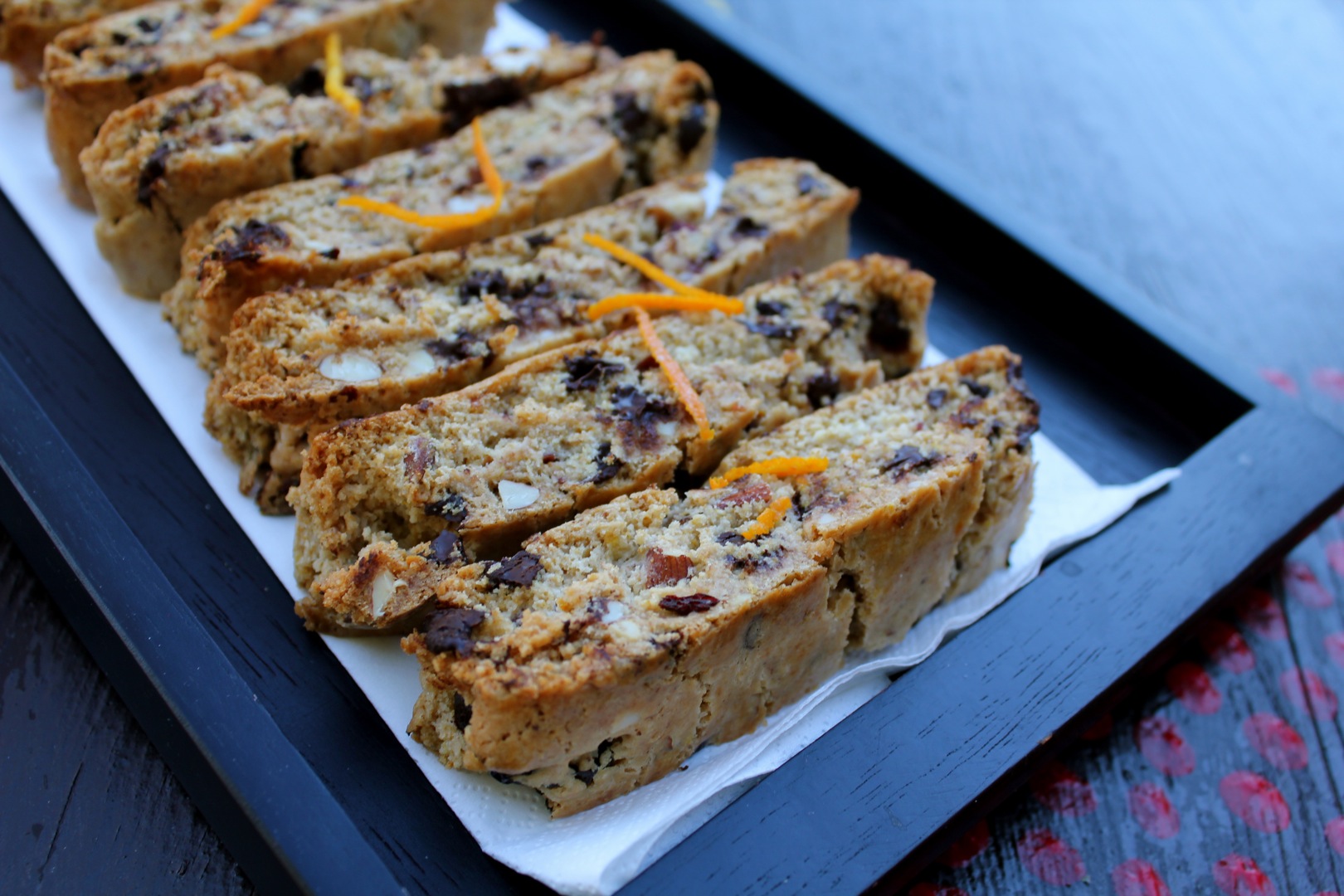
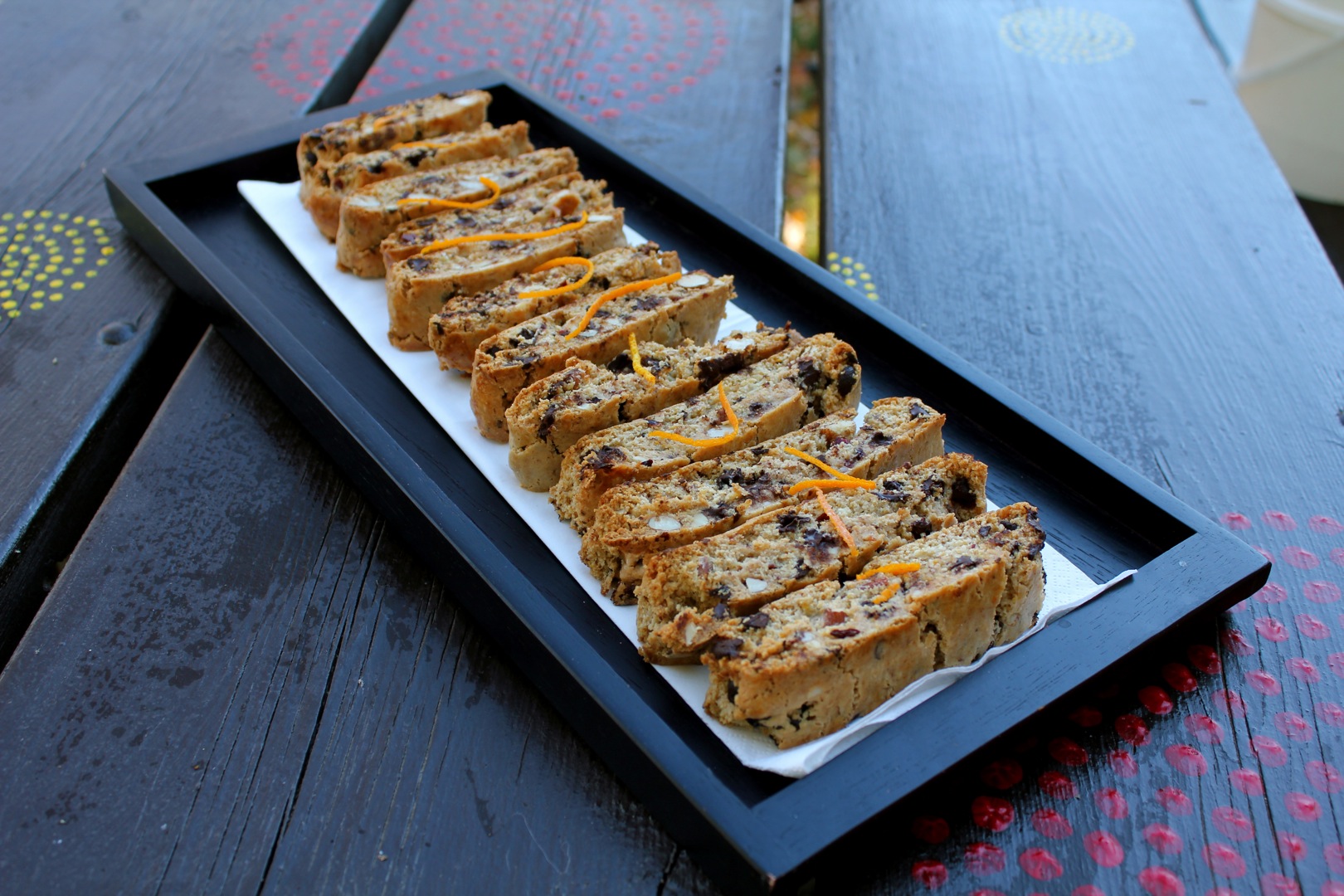
The word ‘biscotti’ comes from from the latin word biscotus meaning ‘twice-baked’. Oven-baked goods that are baked twice are very dry and can be stored for long periods of time. Serve these delicious biscotti with coffee or tea for dipping.

Biscotti

3-1/2 cup flour

4 teaspoons baking powder

1-1/2 cup whole unblanched almonds

1 cup craisons

1 cup chocolate chips (optional)

4 eggs

1-1/2 cup sugar (or natural sweetener of your choice)

2/3 cup butter, melted

4 teaspoons orange rind

4 teaspoons vanilla

1 teaspoon almond extract

1 egg white, lightly beaten (for glaze)

chocolate coating, optional

Mix together flour, almonds, craisons and chocolate chips.

In a separate bowl, beat the eggs then add the sugar, butter, vanilla, almond extract and orange rind.

Transfer to a floured surface and divide the dough in half, forming each half into a log (about 3 inches wide and ¾-inch thick).

Brush with beaten egg white then bake at 350 degree (F) oven for 25 minutes.

Allow biscotti to cool for 5 minutes. Then cut into 1-inch wide slices. Turn each slice onto its side and bake 20-25 minutes longer (or until golden brown).

If desired, melt additional chocolate in a double boiler and brush onto cooled biscotti.

Enjoy!

Share this:

  • Share on X (Opens in new window) X
  • Share on Facebook (Opens in new window) Facebook
  • Share on Pinterest (Opens in new window) Pinterest
  • Print (Opens in new window) Print
  • Email a link to a friend (Opens in new window) Email
Like Loading...

almond oatmeal cookies

26 Wednesday Oct 2011

Posted by Delena Rose in cook

≈ 4 Comments

Tags

almond, cookies, ground almonds, oatmeal, oatmeal almond cookie

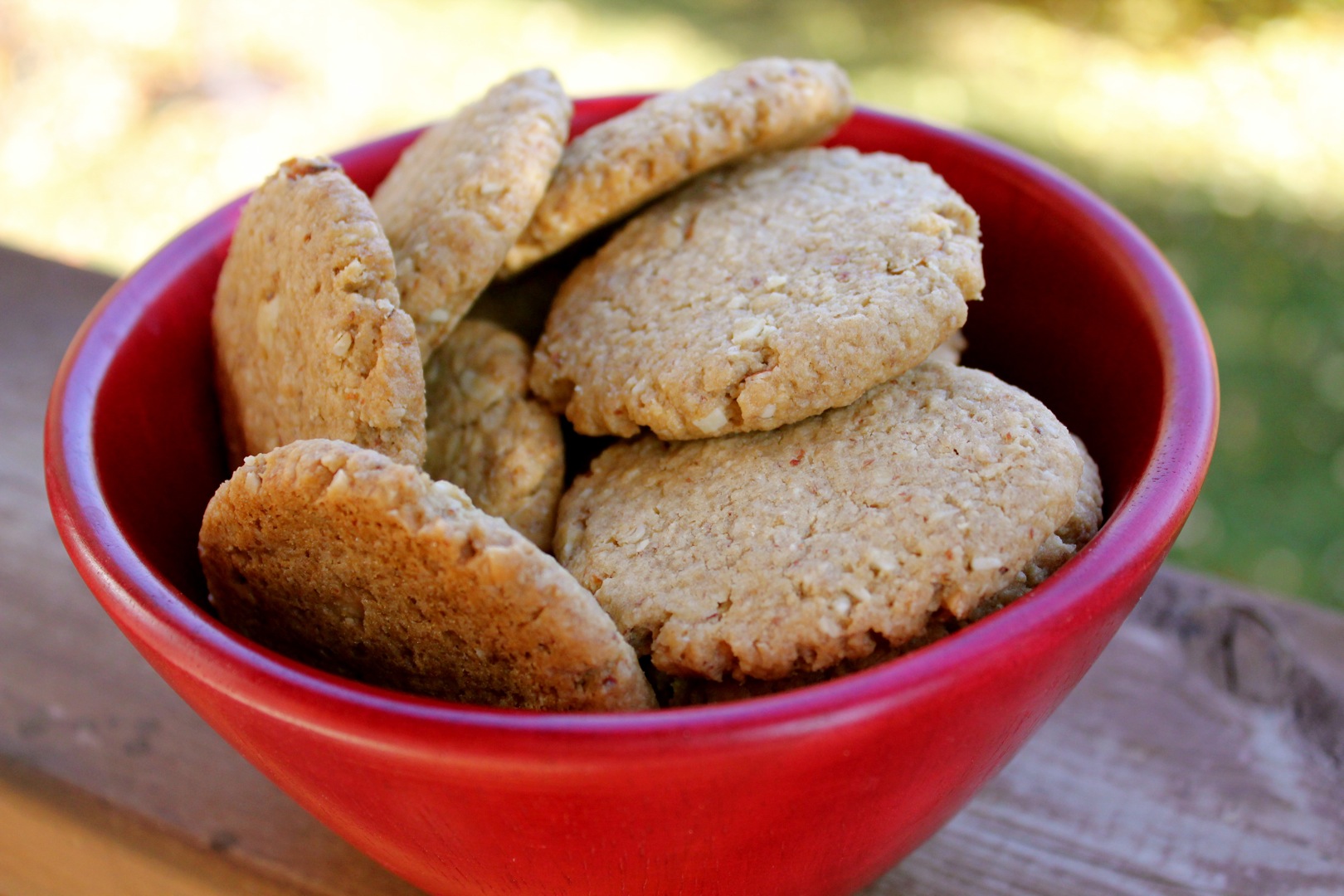
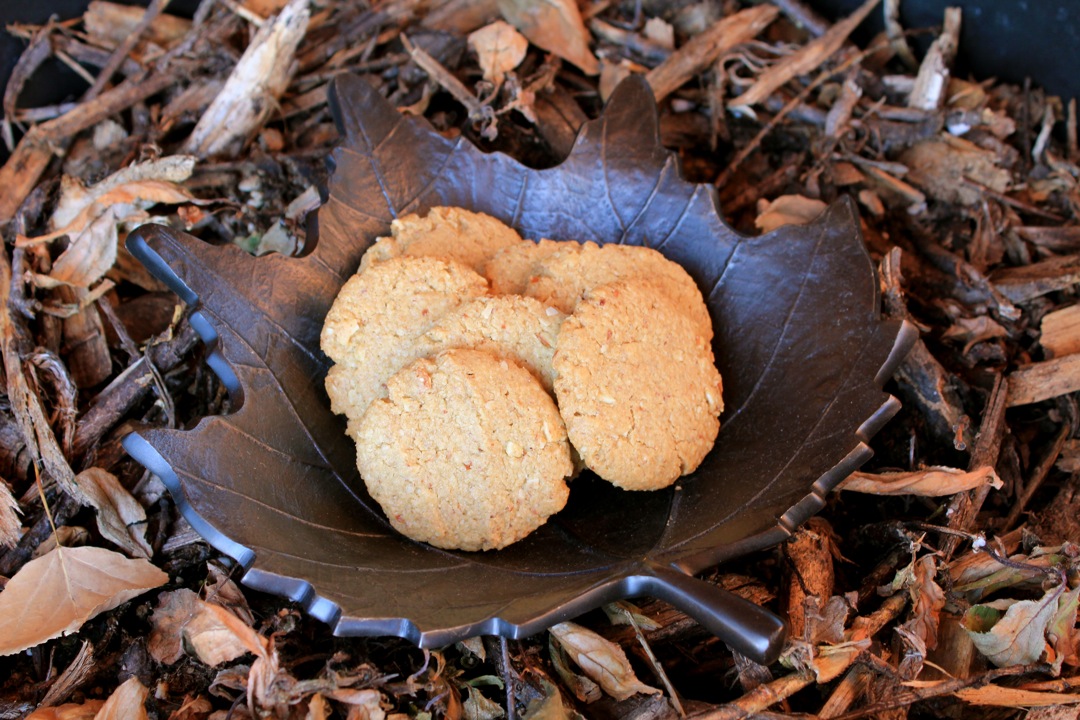
These are a personal favorite! I love this recipe as not only are the cookies yummy, but I get to use up some of the ground almonds left over from making almond milk. I often make a double batch and keep some in the freezer for unexpected company.

Oatmeal Almond Cookies

1/2 cup raw organic sugar

1/2 cup packed brown sugar

1/2 cup butter, softened

1/2 teaspoon vanilla

1 egg

1/2 cup all-purpose flour

1/2 ground almonds, toasted

1/2 teaspoon baking soda

1/4 teaspoon baking powder

1/8 teaspoon salt

1-1/2 cups quick-cooking oats

1/2 cup sliced almonds

Heat oven to 350 degree (F). Mix together sugars, butter, vanilla and egg. Stir in oats, flour, ground almonds, baking soda, baking powder and salt. Stir in sliced almonds. Drop dough by rounded teaspoons about 2 inches apart onto ungreased cookie sheet. Bake for about 10 minutes or until light brown. Cool for 2 minutes; remove from cookie sheet. Enjoy!

Share this:

  • Share on X (Opens in new window) X
  • Share on Facebook (Opens in new window) Facebook
  • Share on Pinterest (Opens in new window) Pinterest
  • Print (Opens in new window) Print
  • Email a link to a friend (Opens in new window) Email
Like Loading...

how to make almond milk

18 Tuesday Oct 2011

Posted by Delena Rose in cook

≈ 3 Comments

Tags

almond milk, almonds, ground almonds, milk, nut milk, nuts, soak almonds

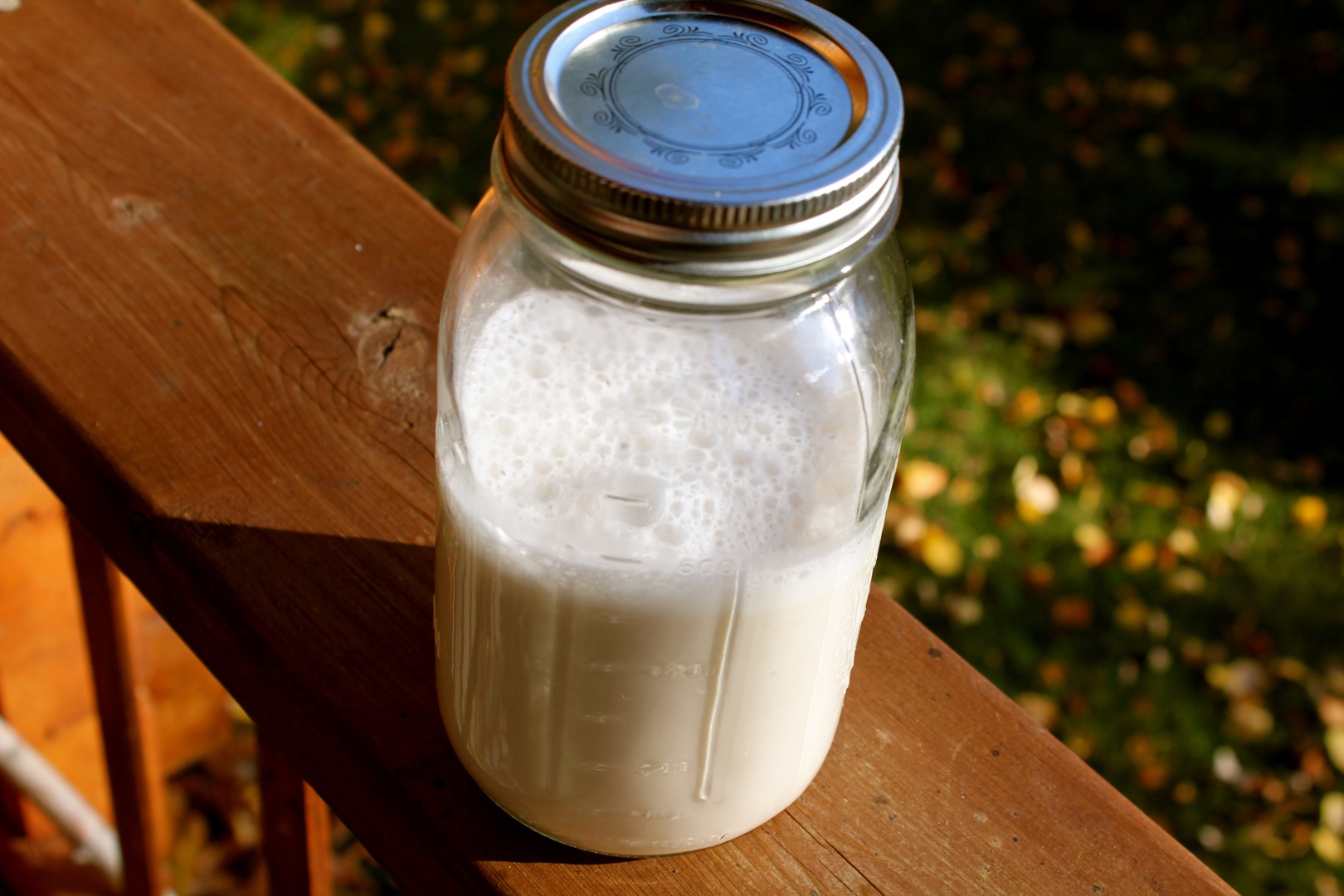
I have been making and drinking almond milk for over three years now and I really love it. Not only is it fun and easy to make, but it also tastes great and adds a subtle nutty flavor to hot cereals and black tea. I dry the leftover ground almonds in a warm oven and then store them in a glass jar to be used in baking cookies and muffins.

Almond Milk 

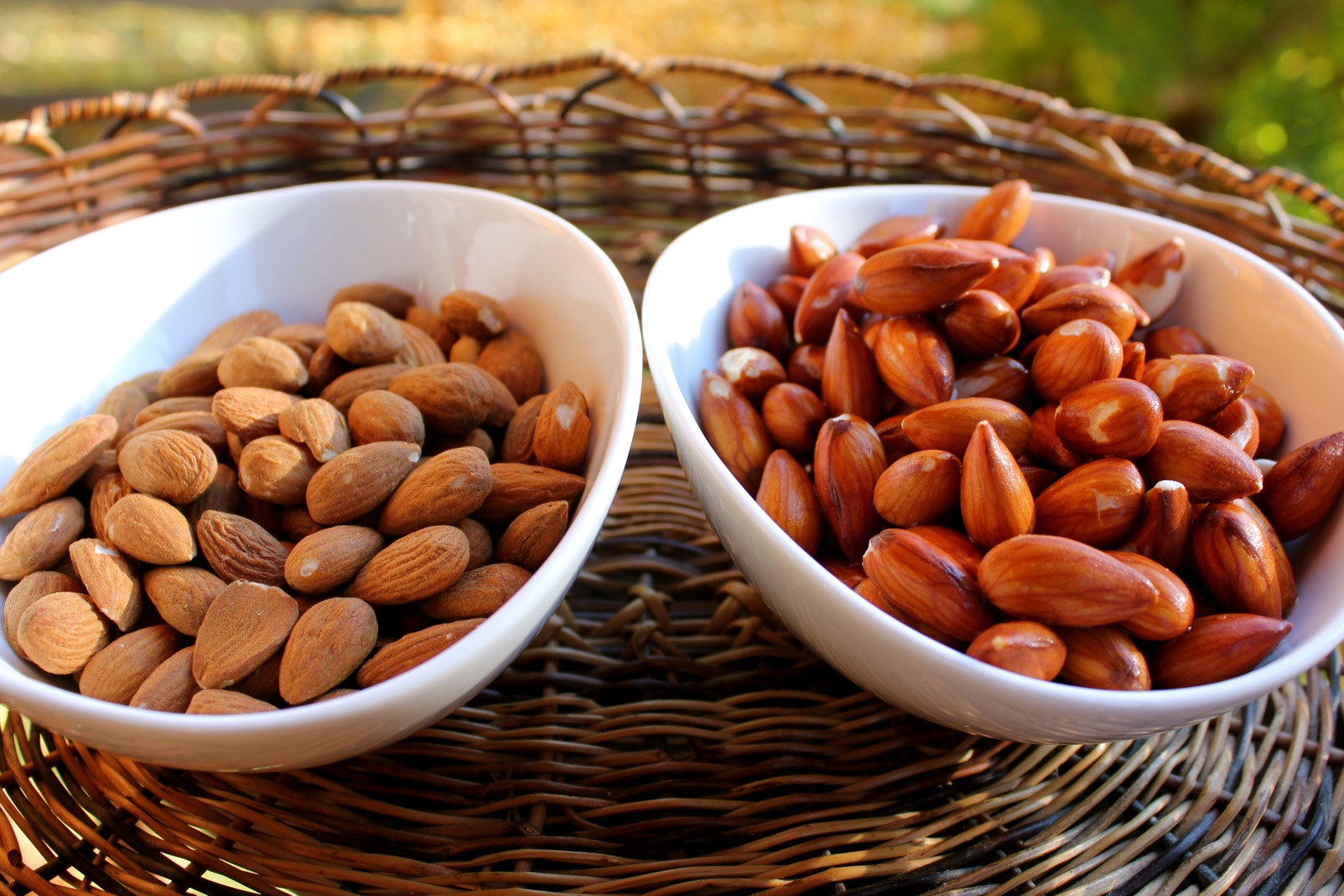
Place 1 cup dry raw almonds in a bowl and cover with water. Place in refrigerator and soak overnight.

Drain water and rinse the almonds. Put 2 cups fresh water in a blender. Add the drained, soaked almonds and blend for 2-3 minutes. Pour through a jelly bag to strain into a bowl, squeezing all excess liquid out of the bag. Put milk in a glass jar and keep refrigerated. Shake well before using.

Note: when soaking the almonds, choose a bowl that will not stain (or a bowl that doesn’t matter if it gets stained).  Also, I only make one small batch at a time as the milk will not keep for more than 4-5 days in the fridge.

 Almonds, revered for centuries, were once a prized ingredient in breads served to the pharaohs of Egypt, and the Romans showered newlyweds with almonds as a fertility charm. Thought to originate in China and Central Asia, almonds are now grown throughout the Mediterranean, the Middle East and in the U.S. ~ Rosie Schwarz

Pictured above: raw almonds before and after soaking.

Almonds are a source of monounsaturated fats (MUFAs), which lower total cholesterol and LDL cholesterol (the bad cholesterol) while increasing HDL cholesterol (the good cholesterol). Other health benefits to including almonds in your diet include reducing inflammation and improving blood flow. Almonds and their skins are also high in antioxidants- vitamin E and polyphenols, which provide protection against heart disease and certain cancers and may improve immune function.

Almonds are a very versatile culinary ingredient in the kitchen. You can get them both in-shell or shelled, blanched, slivered, chopped, roasted, ground, sweetened, salted, and they are the main ingredient in marzipan.

Resource:

Schwarz, R. (2003). The Enlightened Eater’s Whole Foods Guide: Harvest the Power of Phyto Foods. Penguin Books: Toronto, ON.

Share this:

  • Share on X (Opens in new window) X
  • Share on Facebook (Opens in new window) Facebook
  • Share on Pinterest (Opens in new window) Pinterest
  • Print (Opens in new window) Print
  • Email a link to a friend (Opens in new window) Email
Like Loading...
← Older posts
Newer posts →

Shop our Online Store

cabinorganic logo

Visit our Youtube Channels

Visit our other blogs

Delena Rose

Enter your email address to follow this blog and receive notifications of new posts by email.

RSS Links

RSS Feed RSS - Posts

RSS Feed RSS - Comments

categories

  • Alberta Mycological Society (1)
  • appreciate the seasons (48)
    • Autumn (3)
    • Easter (1)
    • Halloween (1)
    • winter fun (1)
  • art (3)
    • book making (1)
    • pottery (1)
  • babe and child (1)
  • barn (1)
  • be mindful (4)
  • bellybabechild (5)
  • birds (3)
  • butterflies (1)
  • buy local (13)
  • cabin living (26)
  • Chayton (4)
  • chickens (7)
  • chocolate-making (1)
  • cook (156)
    • ancient grains (3)
    • breads (4)
    • breakfast (1)
    • cakes and brownies (1)
    • cheese (3)
    • Chinese (1)
    • cookies (2)
    • curry (2)
    • gluten-free (2)
    • Jamaican (1)
    • Mexican (2)
    • muffins (2)
    • oil & vinegar (1)
    • pastry (1)
    • preserve (17)
    • rice (1)
    • salads (1)
    • vegetables (1)
    • wheat-free (2)
    • whole grains (21)
  • Devonian Botanical Garden (2)
  • DIY (1)
  • drum (2)
  • eco-living (6)
  • explore (5)
  • family (2)
  • for the body (2)
    • Wizard Lake Soap & Body (1)
  • forage (25)
  • garden (20)
    • bird butterfly bee (1)
    • greenhouse (1)
    • herb & tea (1)
    • medicine wheel (2)
  • handmade (24)
    • bent wood furniture (1)
    • books (1)
    • labels (1)
  • healing (3)
  • Indian (1)
  • Indigenous teachings (1)
  • juice (3)
  • kids (1)
  • lake living (3)
  • local events (1)
  • Lucy (10)
  • make it (14)
    • knit (3)
  • mindfulness (4)
  • more about us (9)
  • Mother's Day (1)
  • mushrooms & fungi (3)
  • Native flute (1)
  • online store (1)
  • photography (1)
  • Pigeon Lake (16)
  • play (4)
  • raw foods (2)
  • read (6)
  • refinish (4)
  • reflections (3)
  • repurpose (7)
  • restaurants (1)
  • restore (10)
  • reuse (5)
    • thrift store finds (1)
  • seeds and nuts (1)
  • sweets (3)
  • tea (9)
    • Dragonfly Lane Teas (1)
  • thrift store finds (1)
  • Uncategorized (1)
  • wild berries (21)
  • wild flowers (6)
  • wild life (2)
  • wild mushrooms (2)
  • wild plant (2)
  • wild women (5)
  • Winter Solstice (1)
  • Worms (1)
  • write (3)

archives

  • May 2022 (1)
  • March 2022 (1)
  • January 2022 (2)
  • December 2021 (2)
  • June 2018 (1)
  • January 2018 (3)
  • December 2017 (4)
  • April 2015 (1)
  • January 2015 (3)
  • November 2014 (3)
  • July 2014 (1)
  • April 2014 (4)
  • March 2014 (3)
  • February 2014 (2)
  • January 2014 (2)
  • December 2013 (1)
  • November 2013 (5)
  • October 2013 (4)
  • September 2013 (10)
  • August 2013 (4)
  • May 2013 (1)
  • April 2013 (2)
  • March 2013 (5)
  • February 2013 (3)
  • January 2013 (5)
  • December 2012 (5)
  • November 2012 (5)
  • October 2012 (6)
  • September 2012 (8)
  • August 2012 (6)
  • July 2012 (8)
  • June 2012 (9)
  • May 2012 (19)
  • April 2012 (18)
  • March 2012 (15)
  • February 2012 (17)
  • January 2012 (19)
  • December 2011 (20)
  • November 2011 (18)
  • October 2011 (17)
  • September 2011 (22)
  • August 2011 (27)
  • July 2011 (9)

food for thought

“Eat food. Not too much. Mostly plants.” ~Michael Pollan

Blogroll

  • Alberta Lamb Producers
  • Alberta Mycological Society
  • Alberta Plant Watch
  • Arctic Chalet
  • Aroma Borealis
  • Baking Beauties
  • Becoming Minimalist
  • Blue Heron Artists and Artisans
  • blue roof cabin
  • Bulk Herb Store
  • Cedar Spirit Flutes
  • Chris Martenson
  • Daily Health Boost
  • delightfullysimple
  • Devonian Botanical Garden
  • ECOcafe
  • Elm Cafe
  • Etsy
  • Gold Forest Farms
  • Grainworks
  • Happy Wrap
  • Learn WordPress.com
  • Michael Pollan
  • Mindsprings
  • Mother Earth News
  • Mountain Rose Herbs
  • My Repurposed Life
  • Noorish
  • Northern Alberta Society for Animal Protection
  • Pigeon Lake Nordic Ski Club
  • Pigeon Lake Provincial Park
  • Rundle Mission
  • Sage Mountain Herbal Retreat Center
  • TED
  • The Spirit Books
  • The Story of Stuff
  • The Village at Pigeon Lake

ECOcafe

Blog Stats

  • 366,120 hits

  • Subscribe Subscribed
    • cabinorganic
    • Join 158 other subscribers
    • Already have a WordPress.com account? Log in now.
    • cabinorganic
    • Subscribe Subscribed
    • Sign up
    • Log in
    • Report this content
    • View site in Reader
    • Manage subscriptions
    • Collapse this bar
 

Loading Comments...
 

    %d