• about us
  • Books
  • Merchandise

cabinorganic

~ For people who are passionate about respecting the earth, walking in nature, observing wildlife, local diet, making do, repurposing, organic gardening, foraging for wild plants and fungi, natural health, scrumptious healthy cooking, renovations, DIY, crafting, raising children simply and mindfully, taking time for stillness, and living in harmony with the seasons.

cabinorganic

Monthly Archives: August 2011

the Medicine Wheel garden

08 Monday Aug 2011

Posted by Delena Rose in garden, medicine wheel

≈ 6 Comments

Tags

artichoke, broccoli, cabbage, circle garden, dill, garden, leeks, Medicine Wheel garden, nasturtium, Northern Lights Swiss Chard, onions, pumpkin flower, sacred garden, tomato, vegetables, watermelon, zucchini
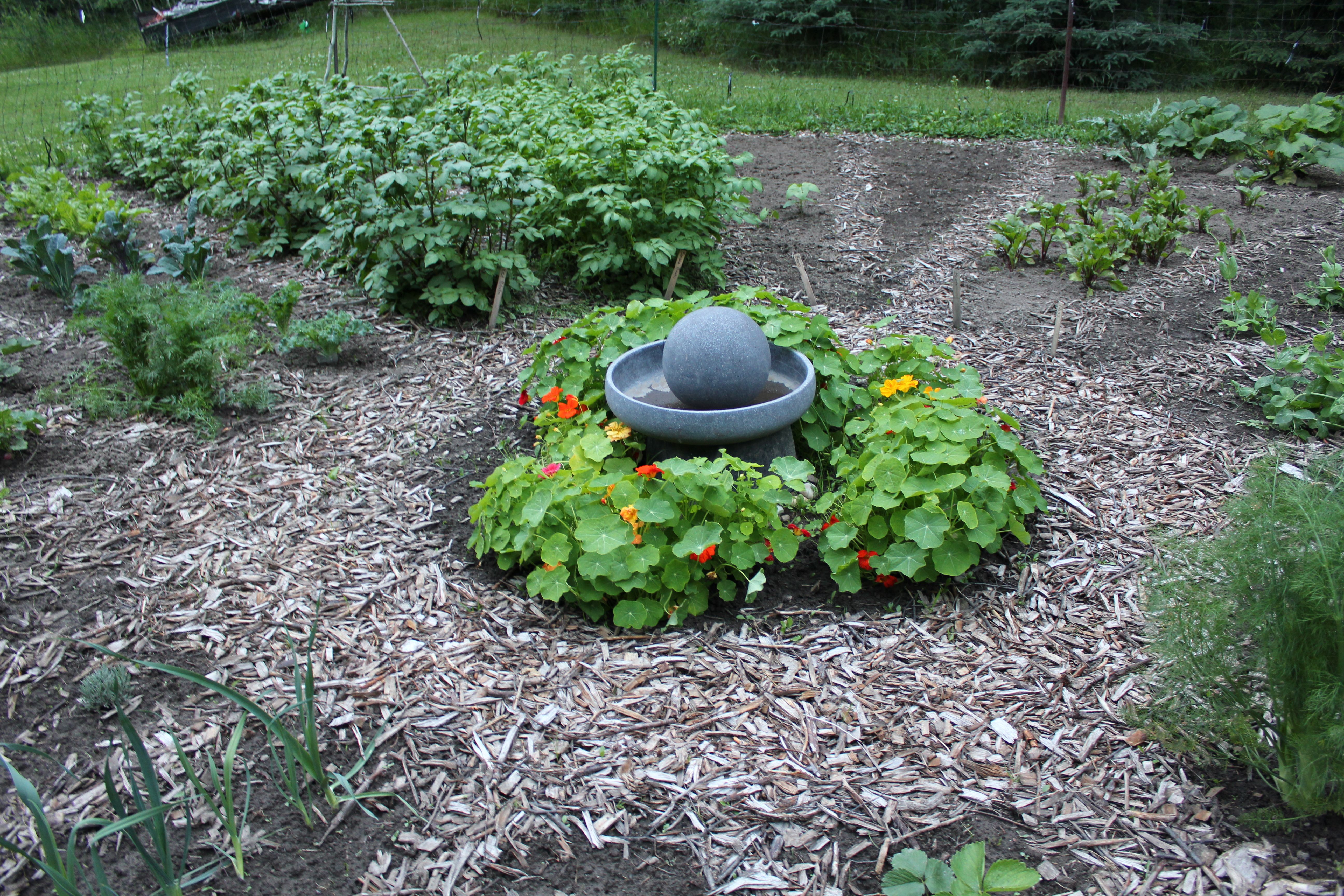
I would like to show you the vegetable garden. When we bought the cabin last fall it was just a little postage stamp of a plot with some potatoes left behind. We dug these up in October and they lasted us until March.
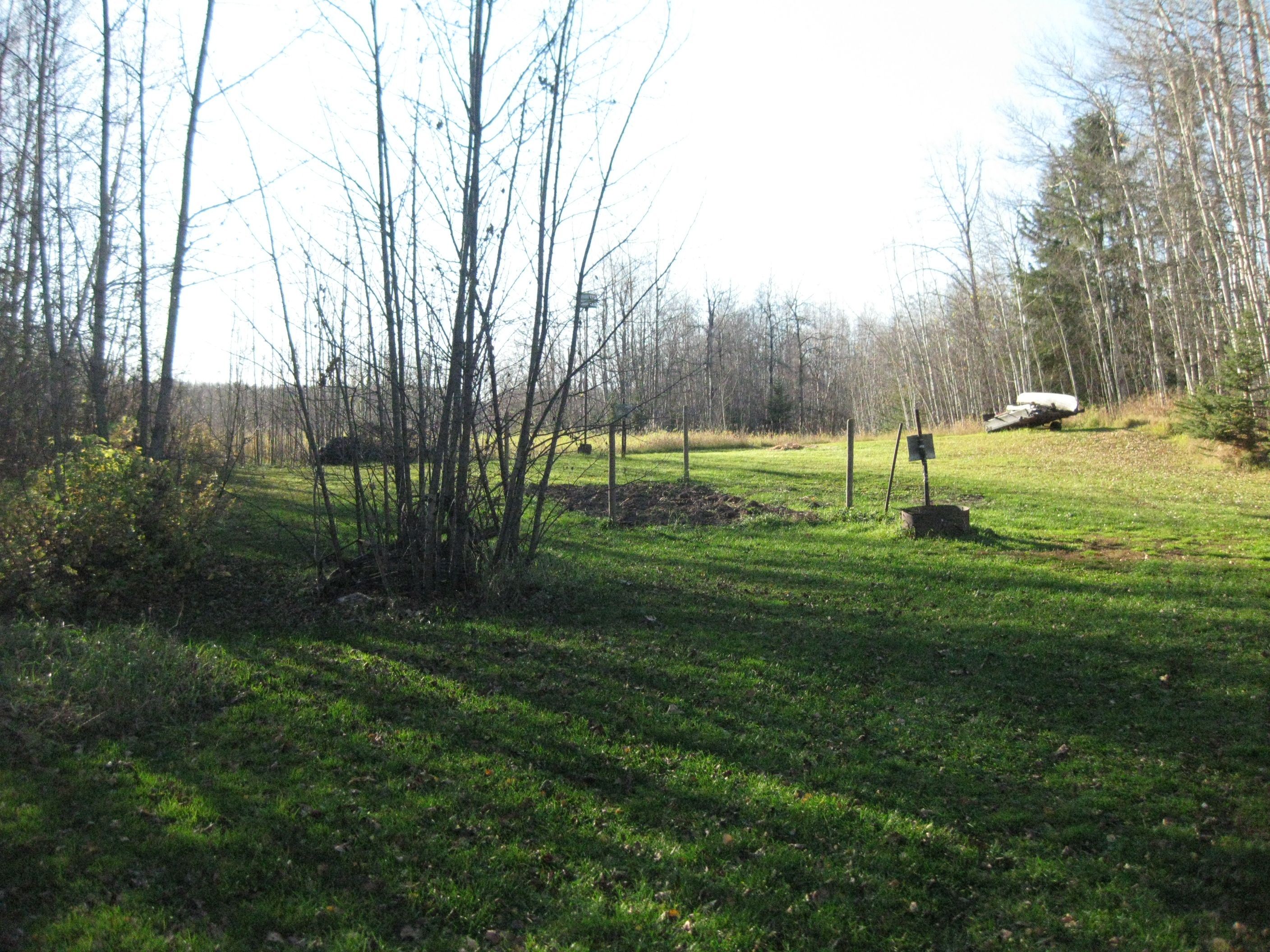
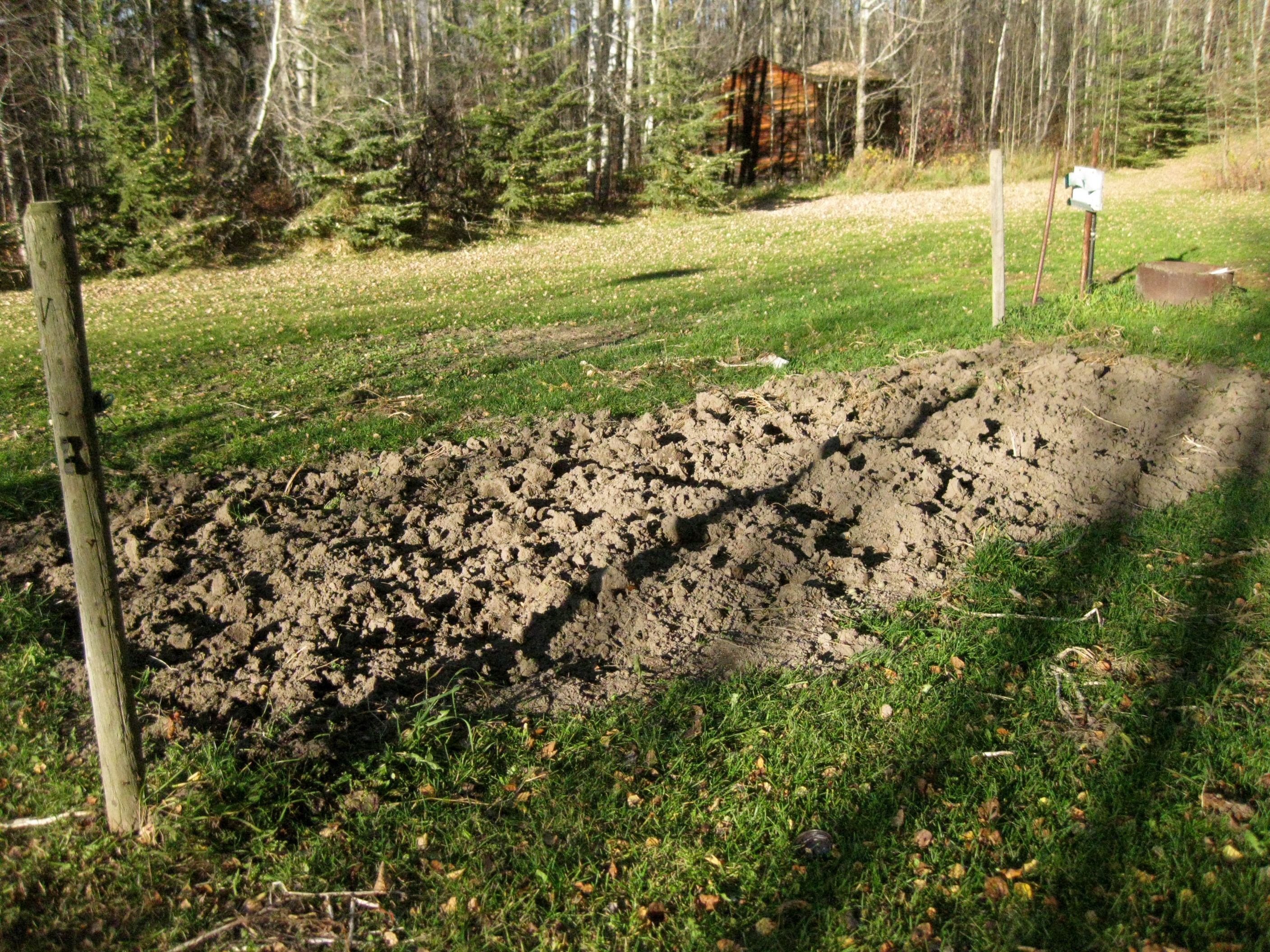
By November, the land was covered in snow and I spent the winter planning my garden, making endless lists and researching ‘deer- and rabbit-resistant gardening’. In May, my wonderful neighbor, K, came over with her tractor and tilled the soil for me, enlarging the garden into it’s current size. The soil is good in this spot and I was told that years ago this used to be a large garden.
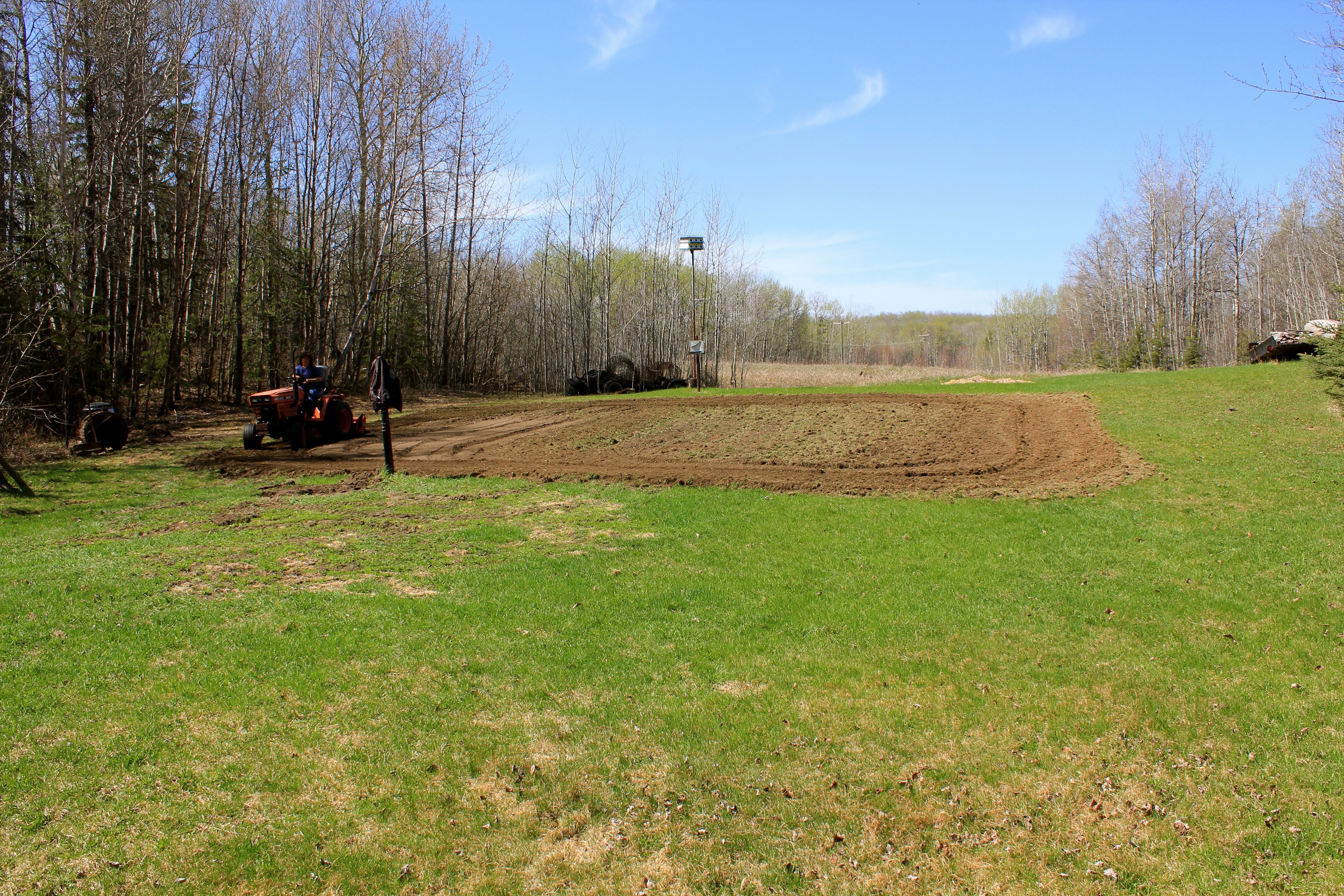
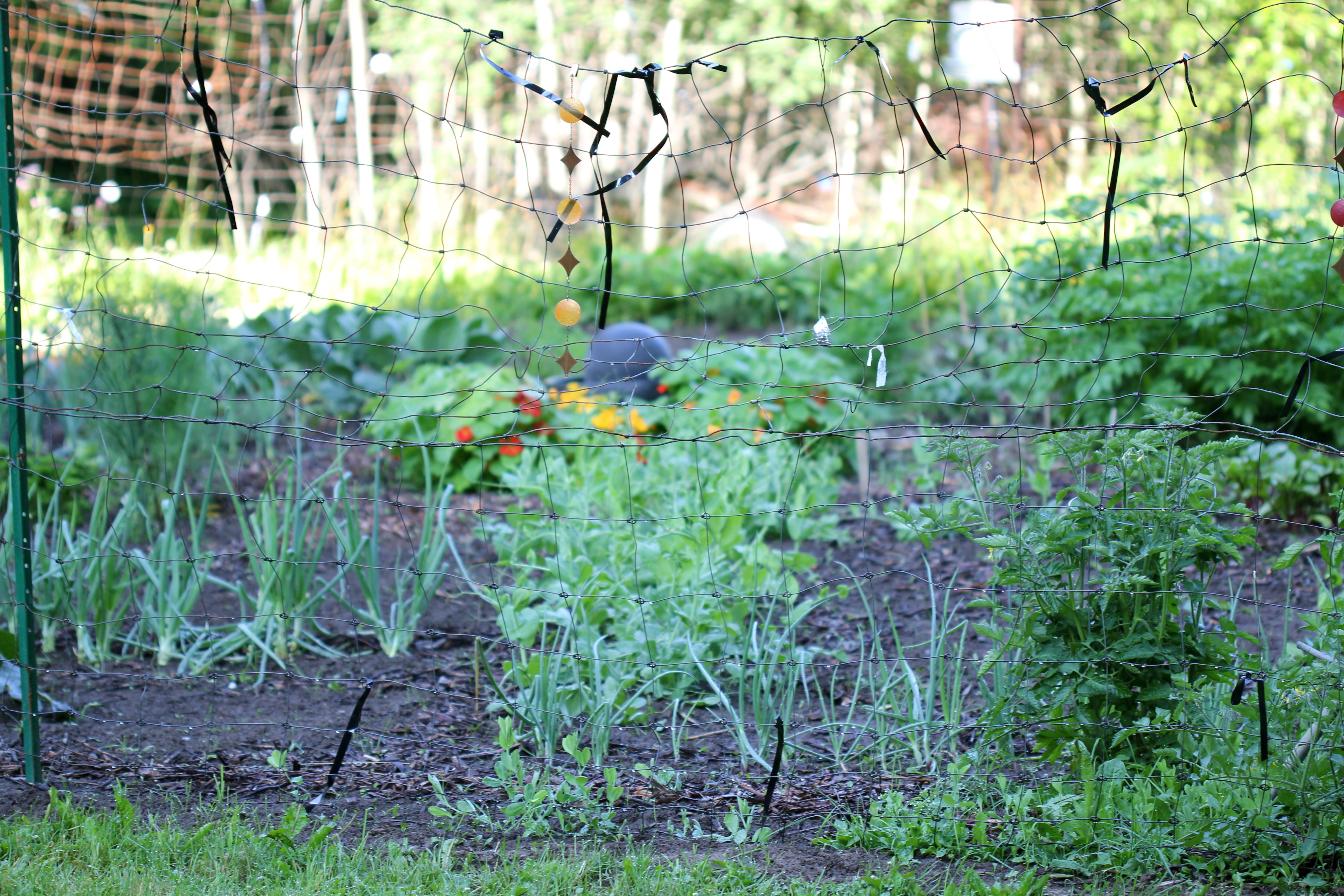
Once tilled, I mapped out a Medicine Wheel design using mulch for the pathways. I added some plants and sowed some seeds. Then I spent an afternoon pounding in large stakes for the fence. My budget was very limited so I used what I could find on the land. I also found some rusty barbed wire fencing in large rolls around the property. I carefully unwound these and wrapped these around the poles, using wire to fasten it to the stakes. I did two rows of fencing, one on top of the other and wired these together. This was tricky as I did this on my own, holding the fence in place with my head while wiring the fencing together with needle nose pliers and being careful not to get scratched with the rusty wire…
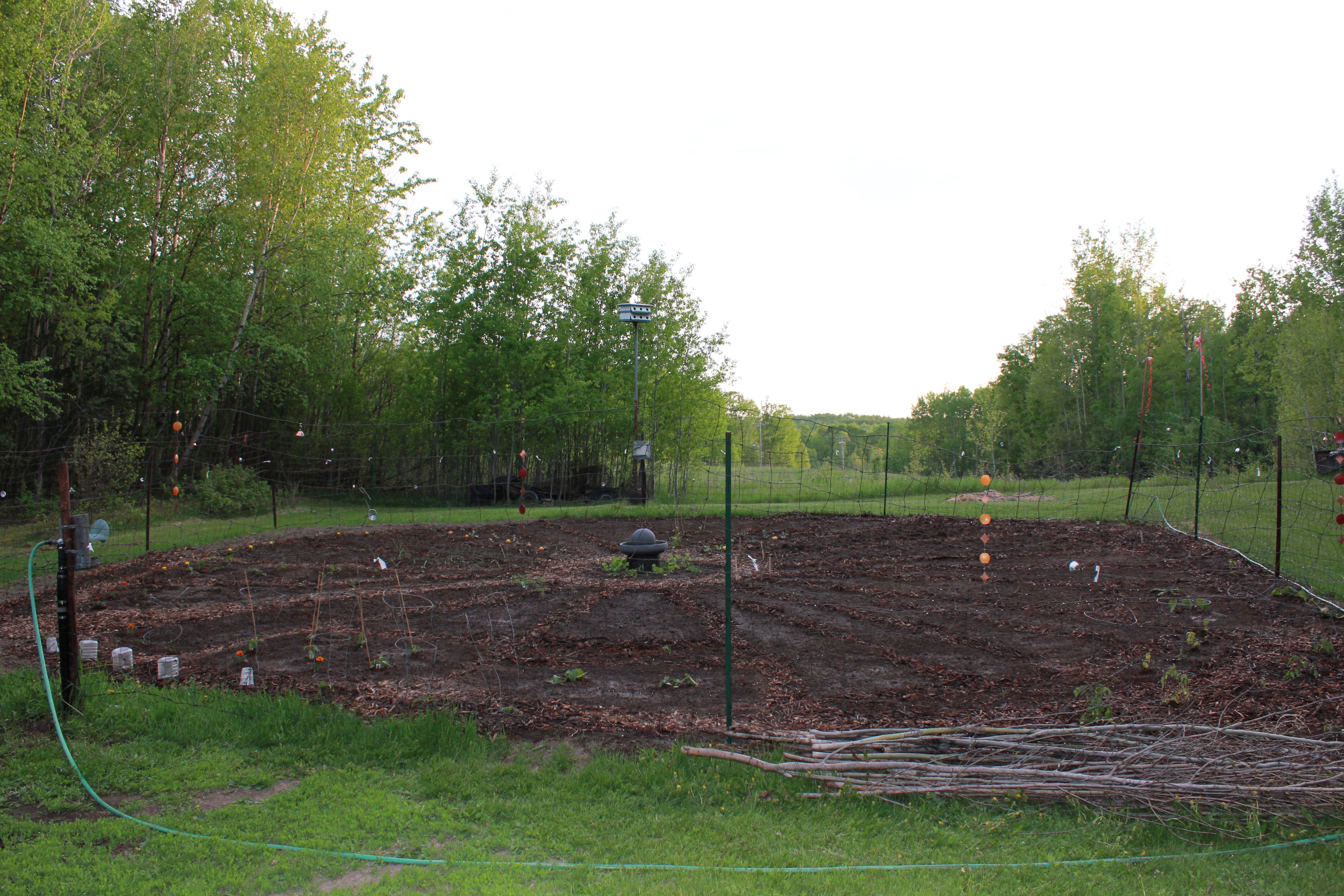
I choose a Medicine Wheel design as I wanted to be intentional in my creation of a garden. This place would be set aside as a quiet place for contemplation, a source of nourishment and healing. For some reason, stepping into a circular garden invokes a feeling of reverence and quiet power.

Both the design and use of sacred space are processes that draw on both the conscious and unconscious levels of mind and spirit. We learn as we create and we change as we garden. Let the process inform you spirit. ~Peg Streep

The circle has four quadrants (which were further subdivided into pie-shaped plots) set to the cardinal directions (north, east, south and west). Each direction has a corresponding element (earth, air, fire and water). The center of the circle is a place of concentrated ‘power’ and peace. At the door of the garden is a pile of stones found previously buried in the soil. Visitors are invited to take a stone, envision a prayer or request, wish or blessing, and imagine that they are putting it into the stone. Then they can place the stone in the center bowl. As I spend time each day working in the garden, I meditate, contemplate and pray. I sing songs, I laugh, I dance, I express gratitude for the earth’s abundance. I imagine this good energy being absorbed into the growing plants.

The creation of sacred space- how we set apart and arrange a certain spot and imbue it with reverent feelings… draws us closer to nature and affirms our personal ties with the earth. Medicine Wheel gardens are places for celebrating and teaching. Some go to the Medicine Wheel garden for vision quests, prayer and personal renewal. Others see it as a place to gather together for drumming, fire ceremonies and singing. -E.Barrie Kavasch
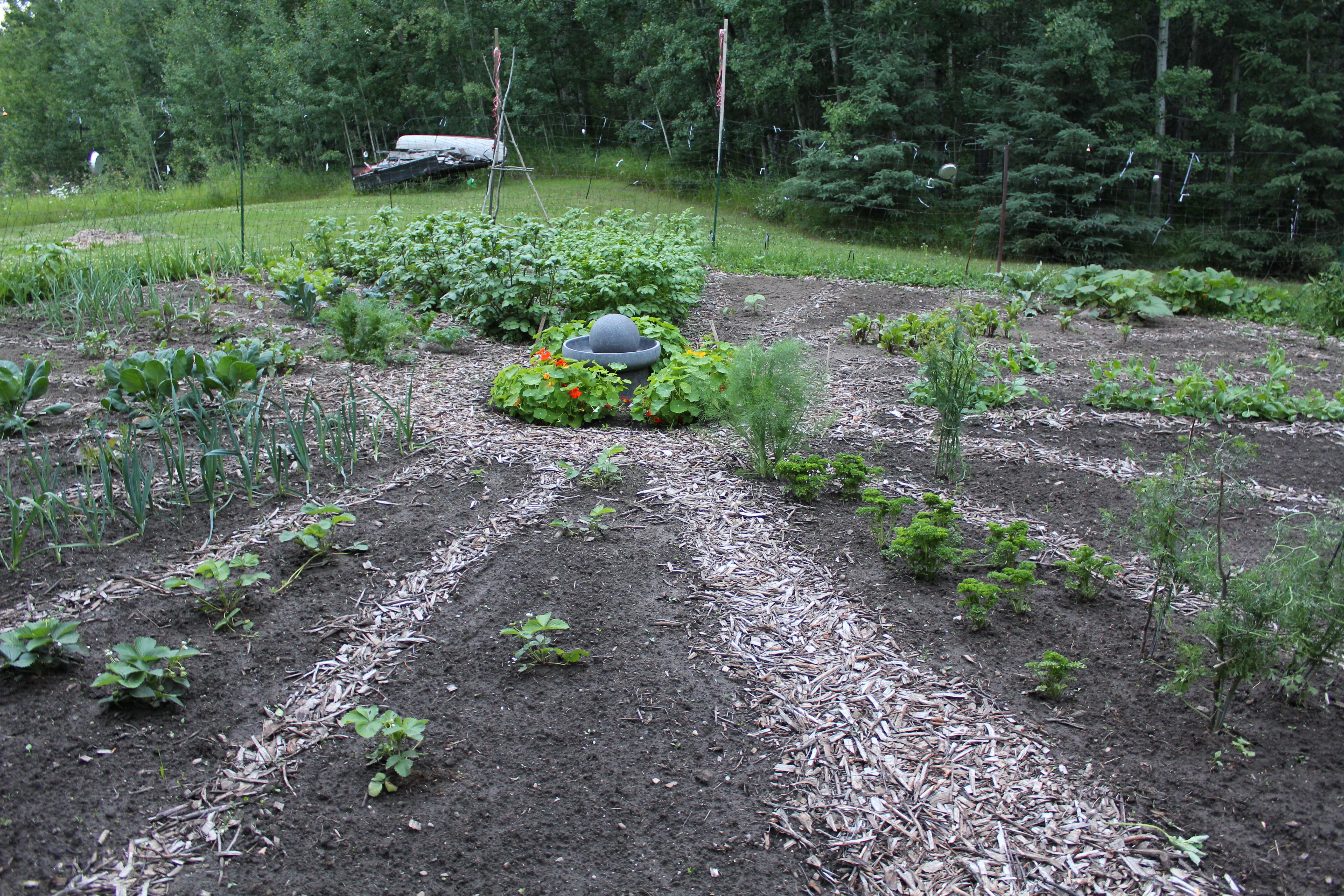
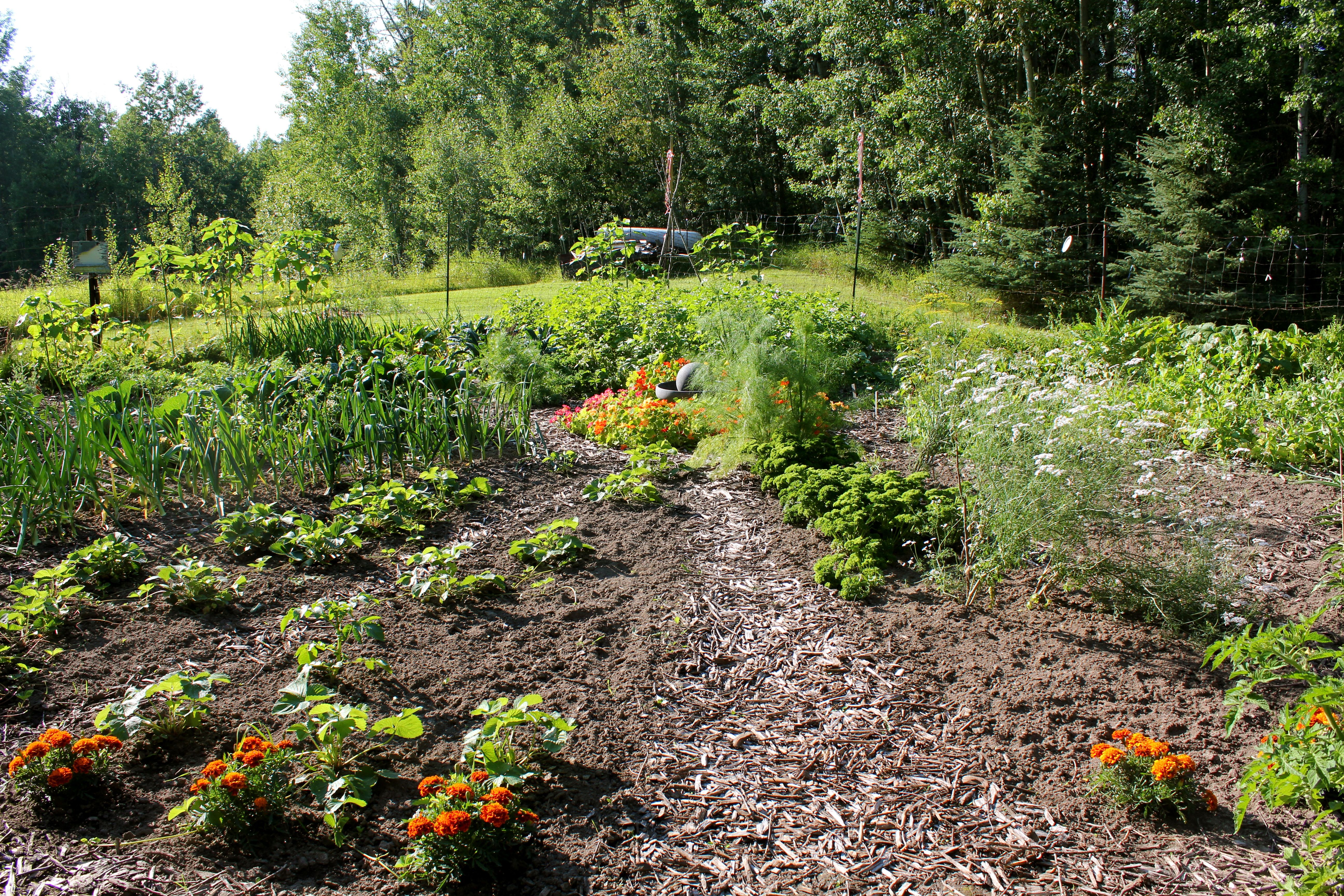
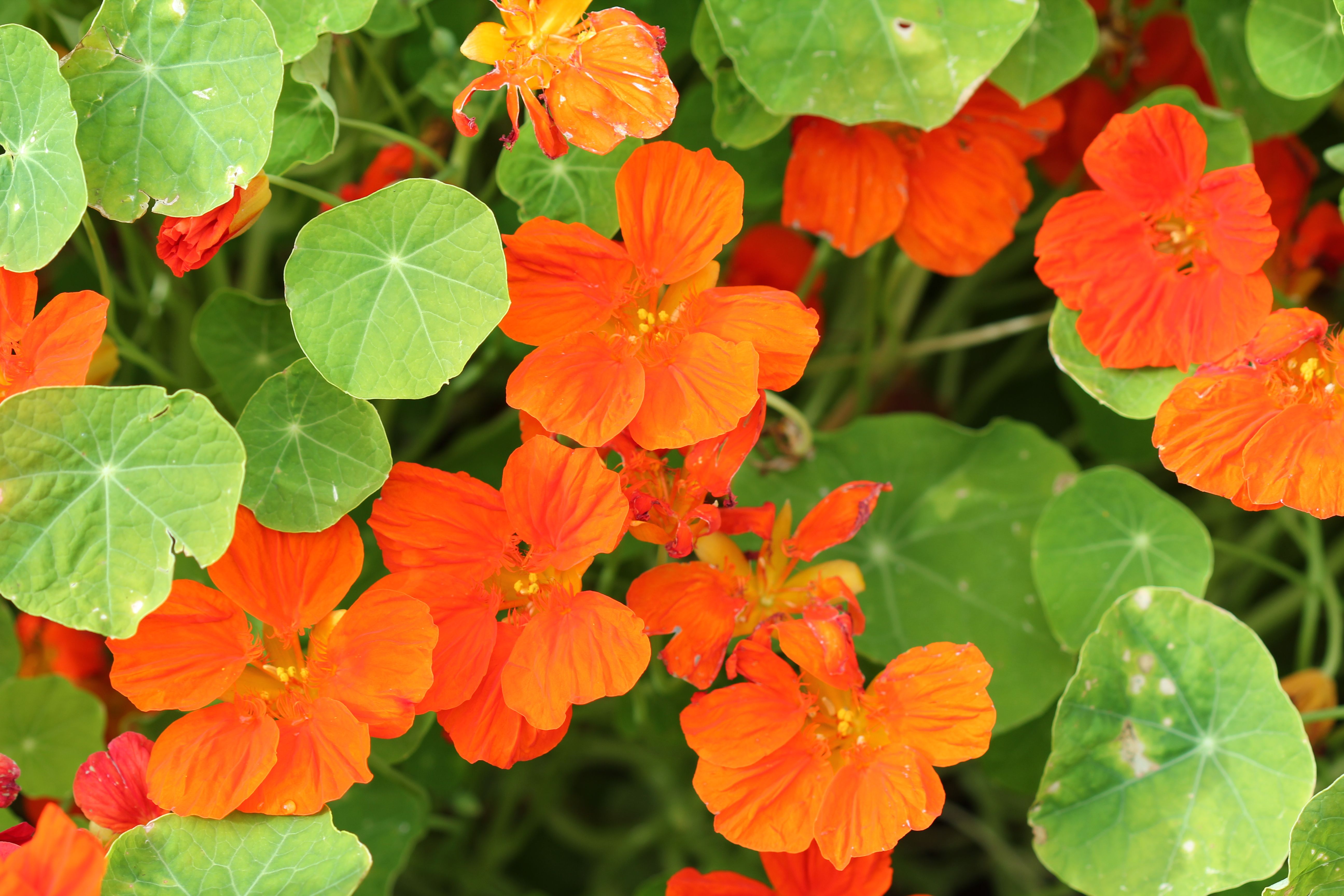
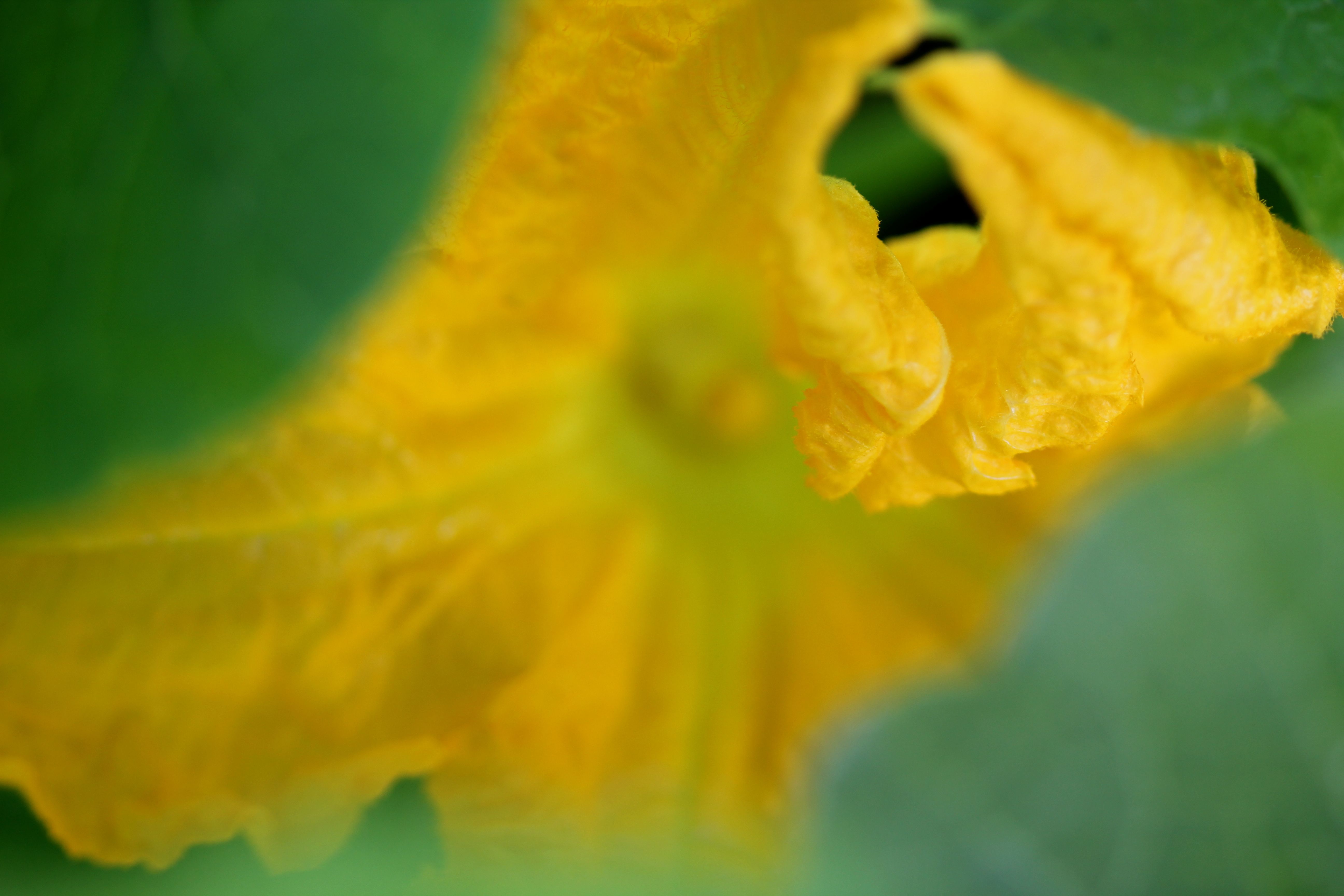
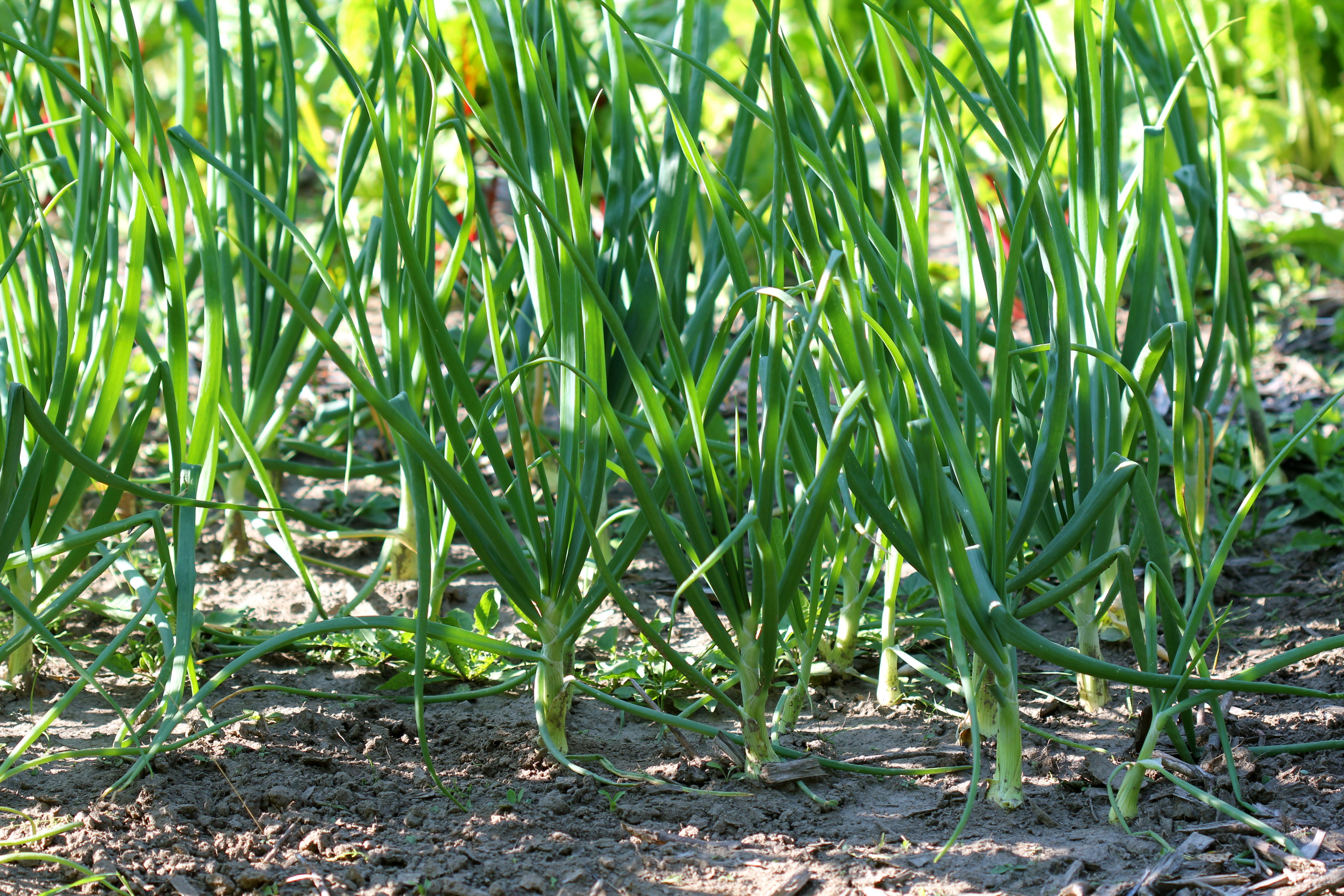
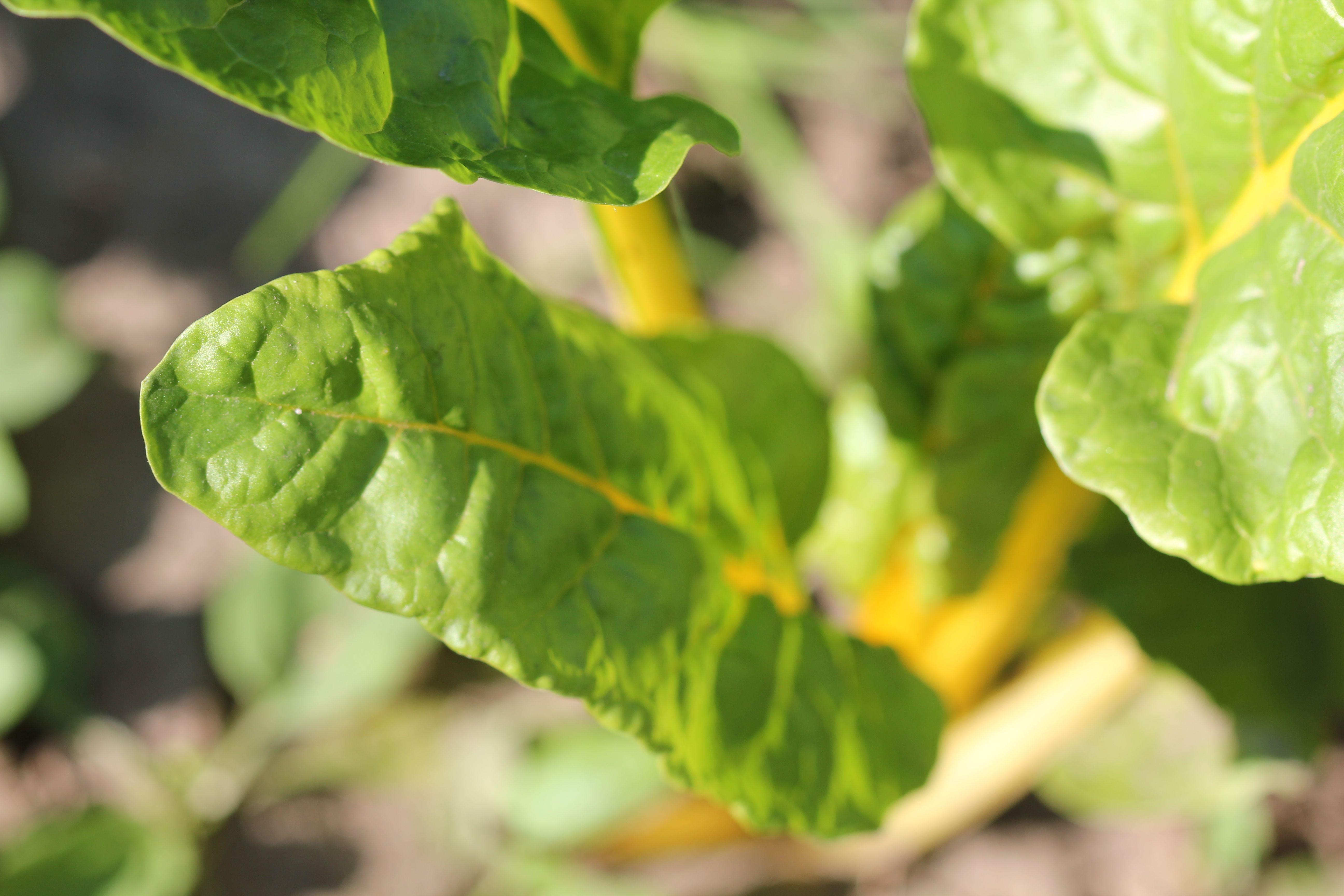
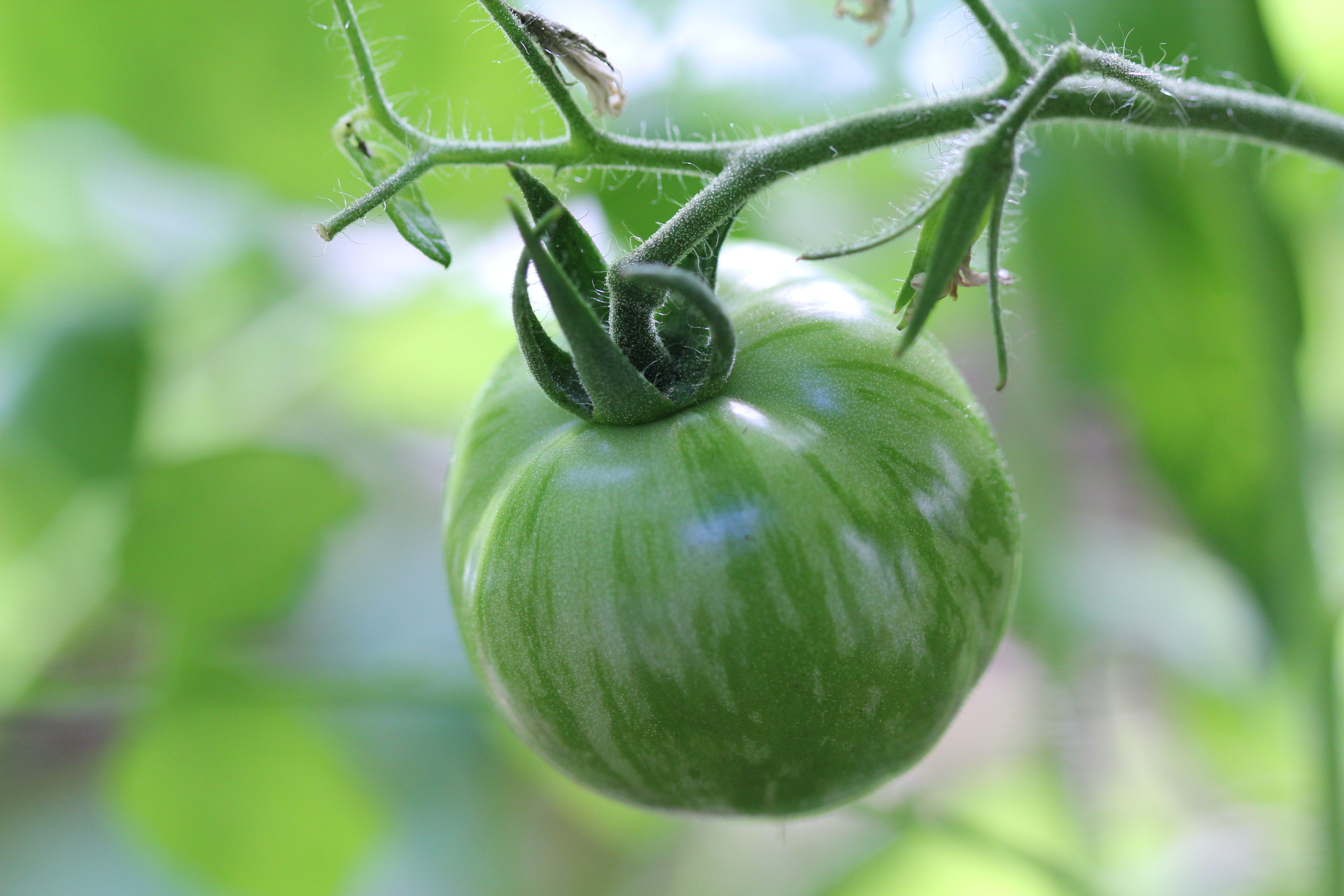
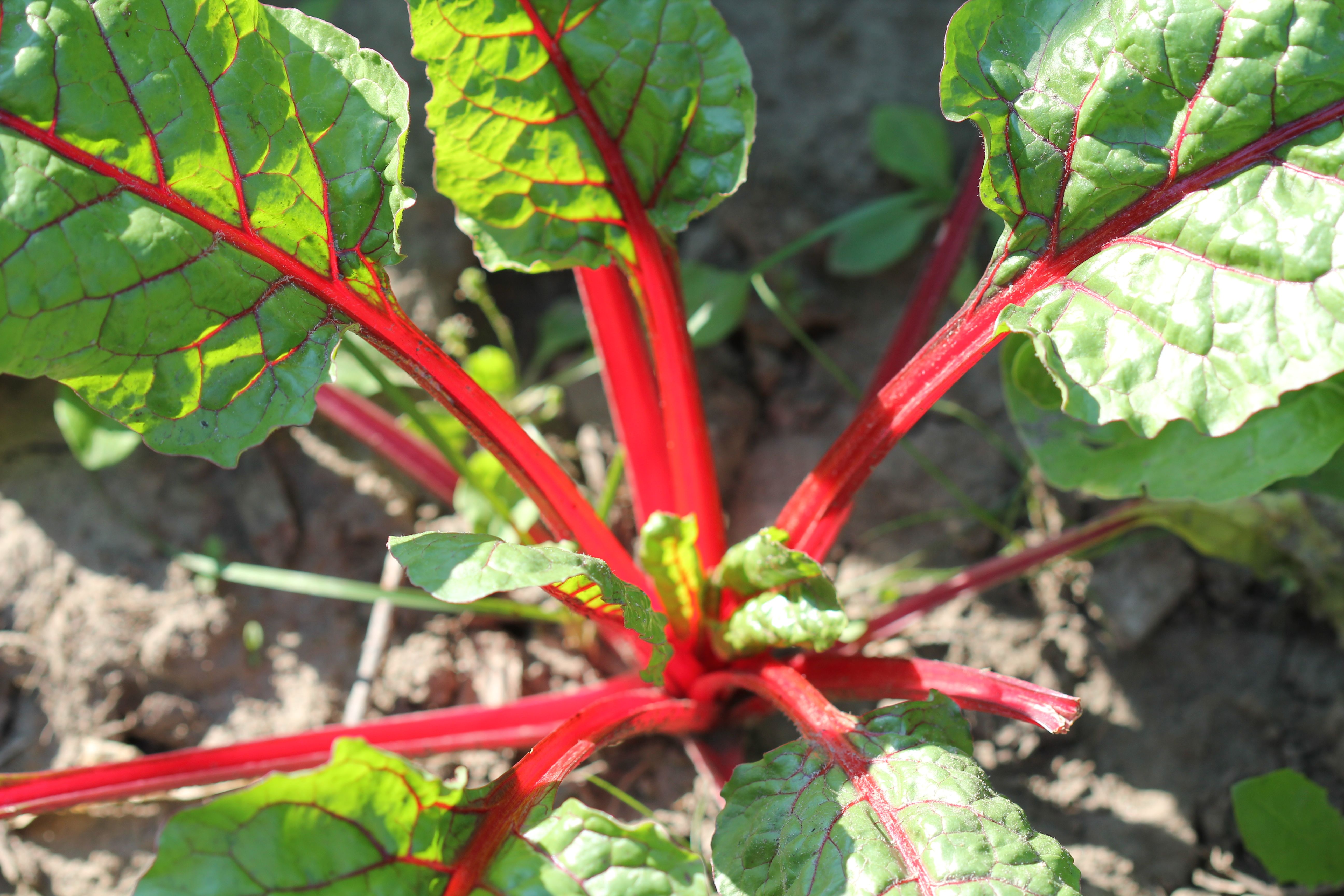
The above shot was just taken today. I love spending time in the garden and taking care of it never feels like a chore. I feel the earth supporting my body as I kneel to work, I listen to the wind and the birds, I feel the sun and sometimes rain on my skin and all of this brings me deep contentment. Today, it was a very hot and sunny day. Here are a few more shots of things growing in the garden…
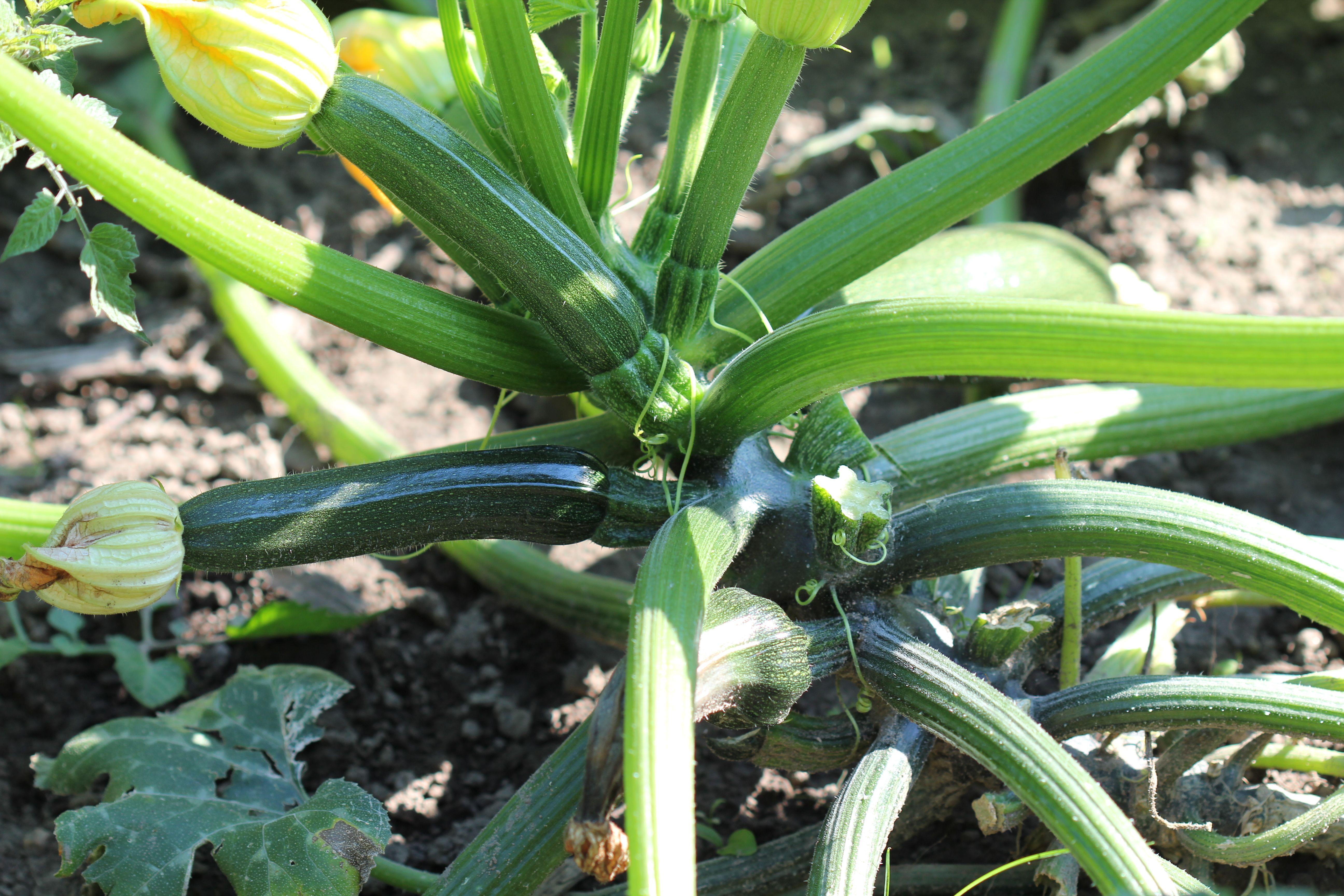
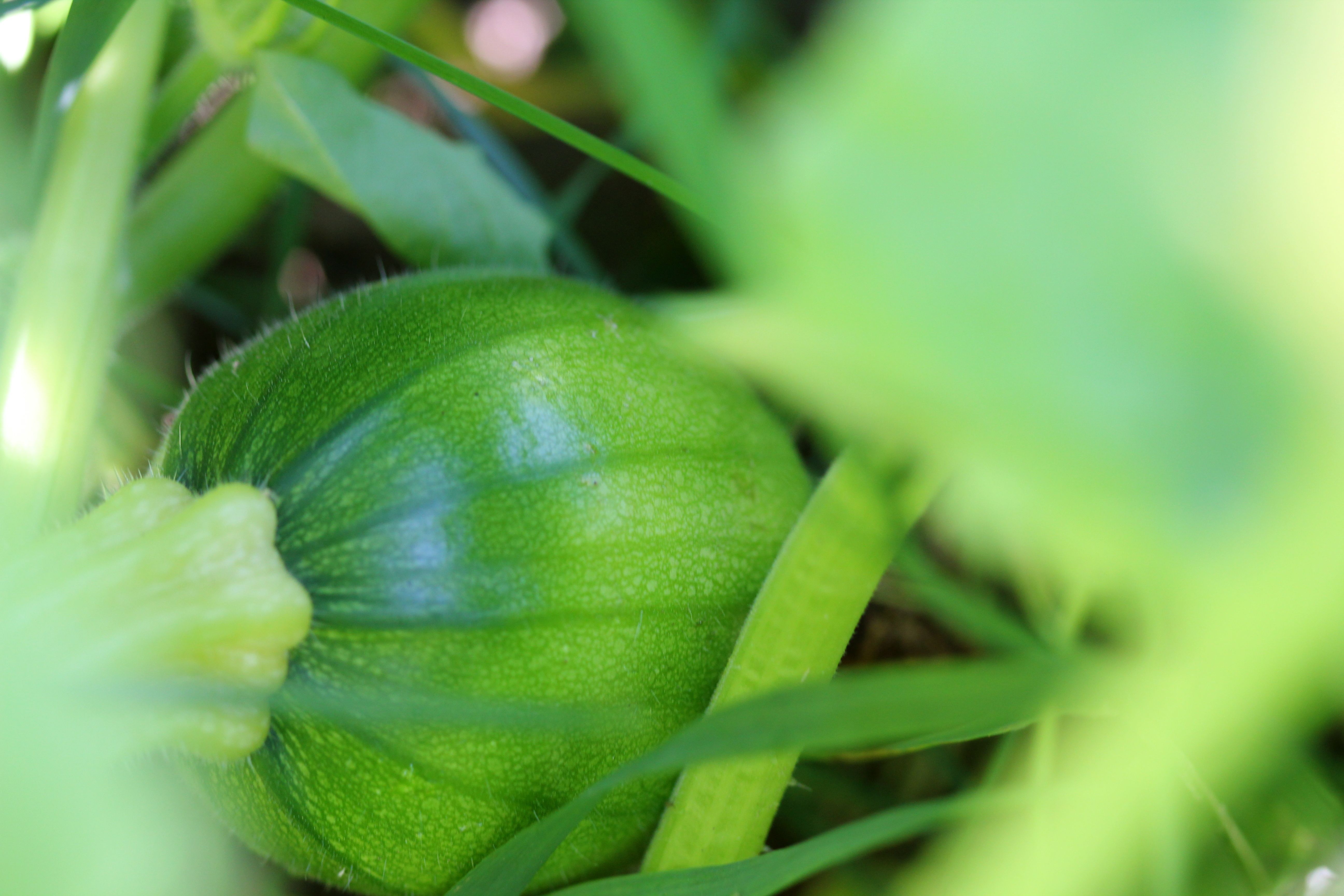
I am noticing lots of green and yellow in the pictures but very little red. I do have red beets and radishes and red lettuce and potatoes; and soon will also have red peppers, chili peppers and loads of tomatoes, if only we would get more warmer weather. In fact, everything is behind this year due to the cool, wet summer. Perhaps we will have a hot late summer/autumn in time for harvest?

This season marks phase one in the Medicine Wheel garden design. Next year, I will add raised beds and incorporate the four elements into each quadrant (a bowl of stones for earth, prayer flags and wind chimes for air, a small fire bowl for fire, and a bird bath for water). In the meantime, we have a few months of harvest ahead of us. I will show you more pictures of the garden as the summer progresses.
Share this:

  • Click to share on X (Opens in new window) X
  • Click to share on Facebook (Opens in new window) Facebook
  • Click to share on Pinterest (Opens in new window) Pinterest
  • Click to print (Opens in new window) Print
  • Click to email a link to a friend (Opens in new window) Email
Like Loading...

Lucy’s harvest

07 Sunday Aug 2011

Posted by Delena Rose in cook, garden, Lucy

≈ 2 Comments

Tags

cook, garden, harvest, Lucy, Lucy off-leash, onions, red potatoes, Swiss chard

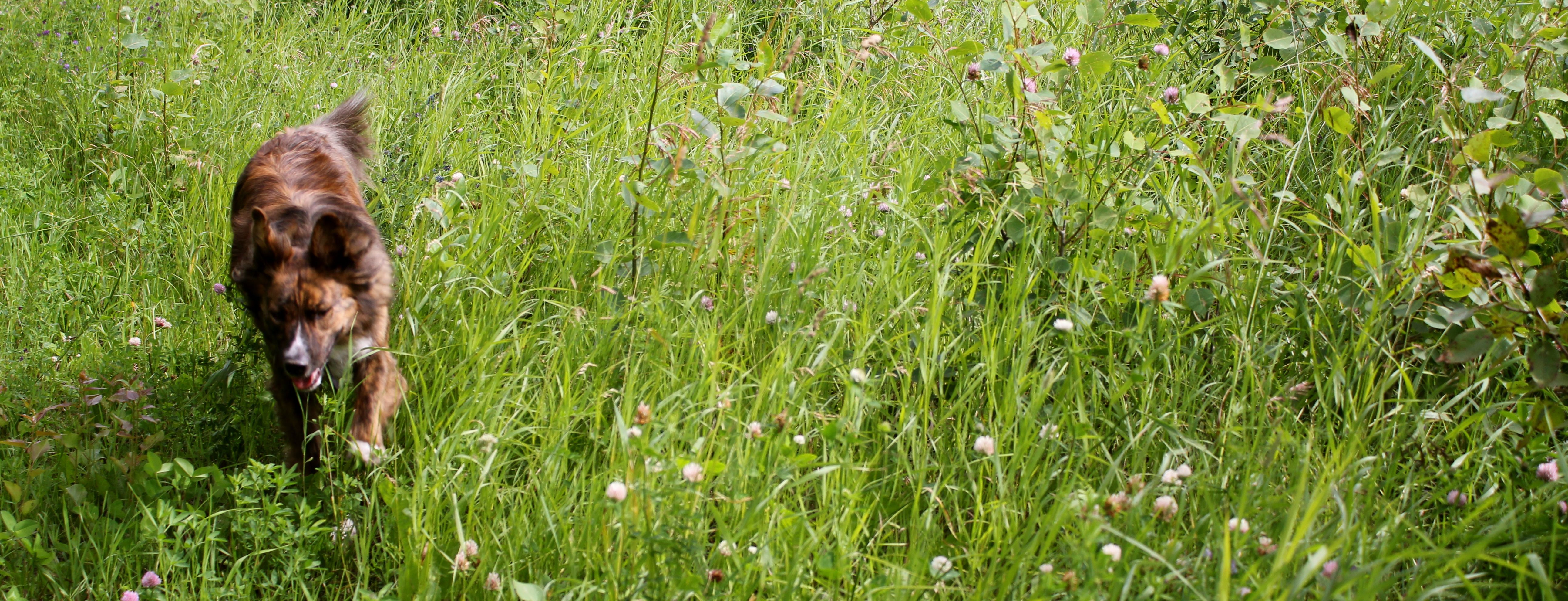
Lucy and I spent most of the day in the garden. Not too long ago, whenever Lucy was outside of the cabin, I would have to keep her on a long rope (attached to a dog run) as she had a tendency to run down the road without looking back. Every time she did this, the theme song from that 1980’s television program, The Littlest Hobo would play through my mind: “There’s a voice that keeps on calling me…. Down the road that’s where I want to be…!!!” Of course, I would then have to spend precious time chasing after her and bringing her back to the cabin. It seems, however, that Lucy finally understands the boundaries of home and as of three weeks ago, I have had her ‘off the rope’ (unless she’s outside by herself). On our hikes, she was always off-leash from the beginning and she stayed close to me, it was just at home that she would wander.

Lucy has become a different dog with her new freedom. She is more relaxed and happier, which makes me more relaxed and happier. She isn’t quite perfect yet, as she did start running down the road the other day, chasing after a black lab who was chasing a jogger. But she came right back as soon as I called her. And just last week some hikers followed the trail to our private residence and Lucy ran just to our property line and barked at them as they headed back to the main trail.

With Lucy off the rope, gardening is even more of a pleasure. Before, I would tie her to a tree near where I was working and she would be confined to a small area. Now she simply follows me freely out back to the large vegetable garden and spends time exploring the woods but staying so close by that I can hear her dog tags jingling. Then she joins me in the garden, lying as close as she can get to me. Today, she napped in the parsley. After her snooze, she will wander around, eating blades of grass, drinking water from the birdbath and sniffing around in the potatoes and the herbs. Because I am often on my hands and knees as I weed the garden, I am fair game for kisses and she gave me lots of sugar today. I love when she kisses me because the first four months that she came to stay, she was very serious and somber, never played and rarely gave kisses. She is still very choosy about who she kisses (and how often) so when she gives me a kiss I know that I am truly loved and that she is deeply happy. It is even better when she kisses me in the garden as the fur on her face is often scented with dill or fennel or cilantro.
After a few hours of quiet gardening, Lucy will often have a sudden burst of energy. She will get up and start acting crazy, running wildly in circles. Today, she attacked an onion, growling and pulling it out of the ground. Then she pulled out another one so I decided I had better give her a play break before she harvested my whole onion crop! As I got up, she came to me smiling (she had lovely onion breath) and we left the fenced in garden to the lawn area where I joined her, running around wildly with one of my gardening gloves. Then I threw it as hard as I could and Lucy went after it, seizing it and shaking it roughly. Then she ran in circles, around and around the lawn, throwing the glove up in the air and catching it, taunting me and daring me to come get it, then growling fiercely whenever I tried. We wrestled over that glove for about 20 minutes until my stomach hurt from laughing. Then we settled down, both of us panting, and I pet her for a few minutes before heading back to work.

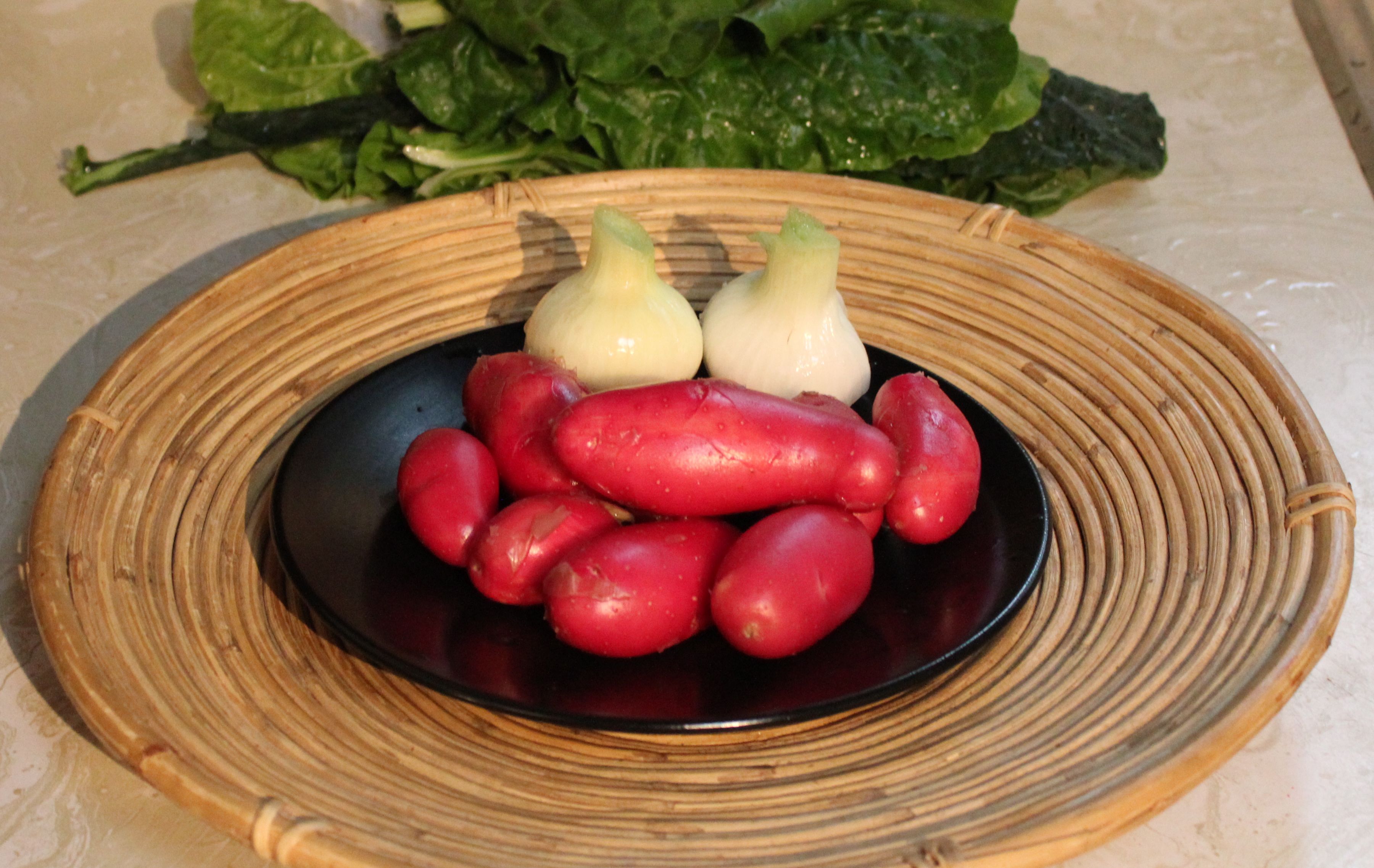
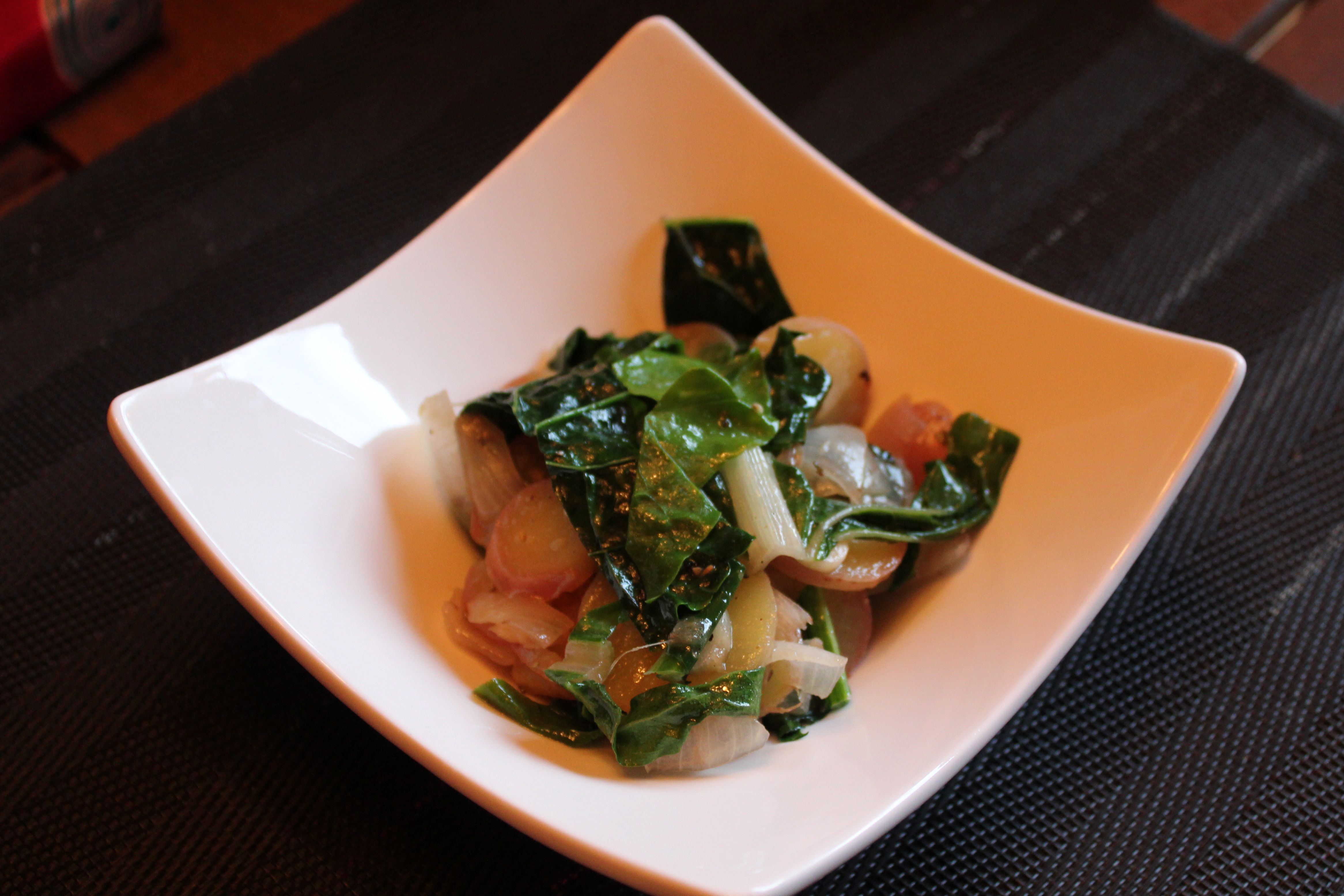
After that break, I happily got in another hour of weeding when I suddenly realized that Lucy had been very quiet. I wondered what she was up to. I knew that she was in the potato patch, but doing what? I went over to her and found a large hole right in the middle of the red potato patch with about eight beautiful little potatoes dug up from the soil. I had to laugh because that is exactly what I wanted for supper. She even got the type of potato I wanted. I picked up the little potatoes, the two onions that she previously harvested, and grabbed myself some Swiss chard to go along with it. Once inside, I washed the vegetables and simply cooked everything in one pan, adding olive oil, garlic, salt and pepper and a few herbs. It was delicious! “Lucy’s harvest”. That is what I had for dinner tonight.

Here is my little gardener, exhausted after a hard day’s work.

Have a wonderful week, everyone!

Share this:

  • Click to share on X (Opens in new window) X
  • Click to share on Facebook (Opens in new window) Facebook
  • Click to share on Pinterest (Opens in new window) Pinterest
  • Click to print (Opens in new window) Print
  • Click to email a link to a friend (Opens in new window) Email
Like Loading...

dandelion love

05 Friday Aug 2011

Posted by Delena Rose in cook, forage, tea, wild flowers

≈ 8 Comments

Tags

cooking with dandelions, cupcake, cupcake recipe, dandelion, dandelion cupcakes, dandelion nutrition, eat the weeds, eating weeds, how to use dandelions, medicinal properties of dandelion, weed

Rather than blurt out that there were weeds in my dinner, I silently ate my salad, nodding vigorously when asked if my silage was satisfying.

“Why yes, I like nothing better than a deep bowl of lawn clippings at the end of a long day!”

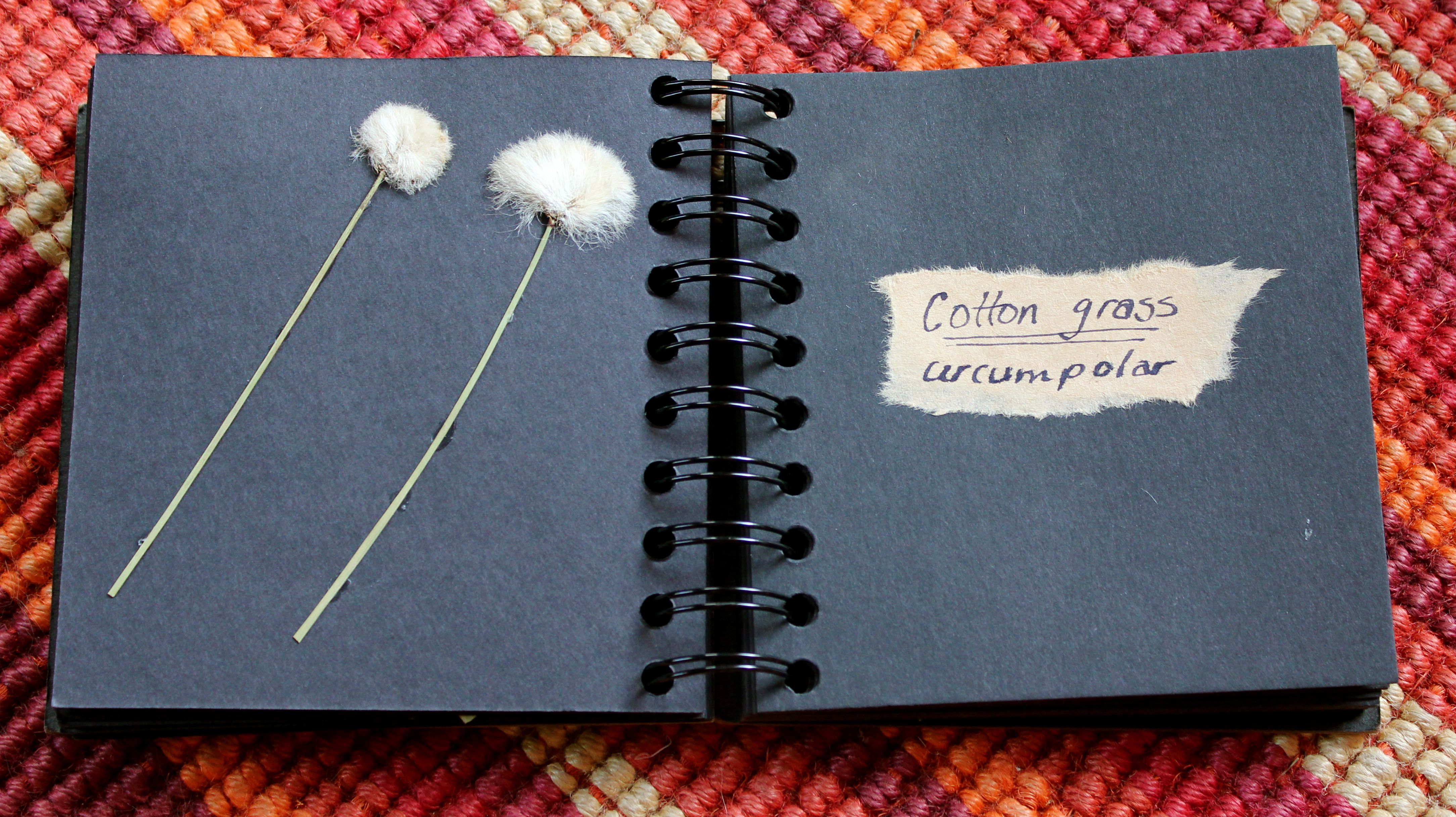
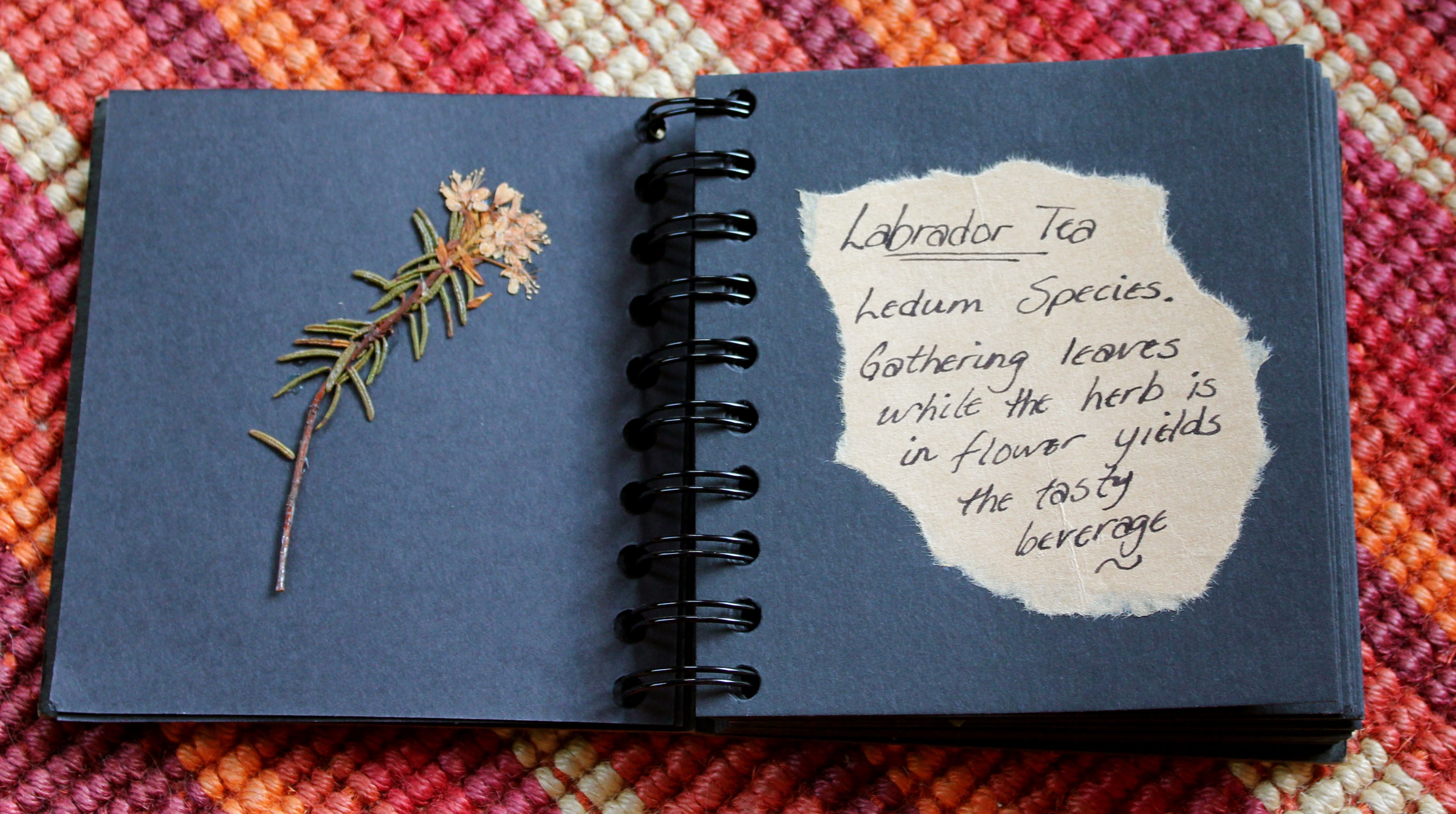
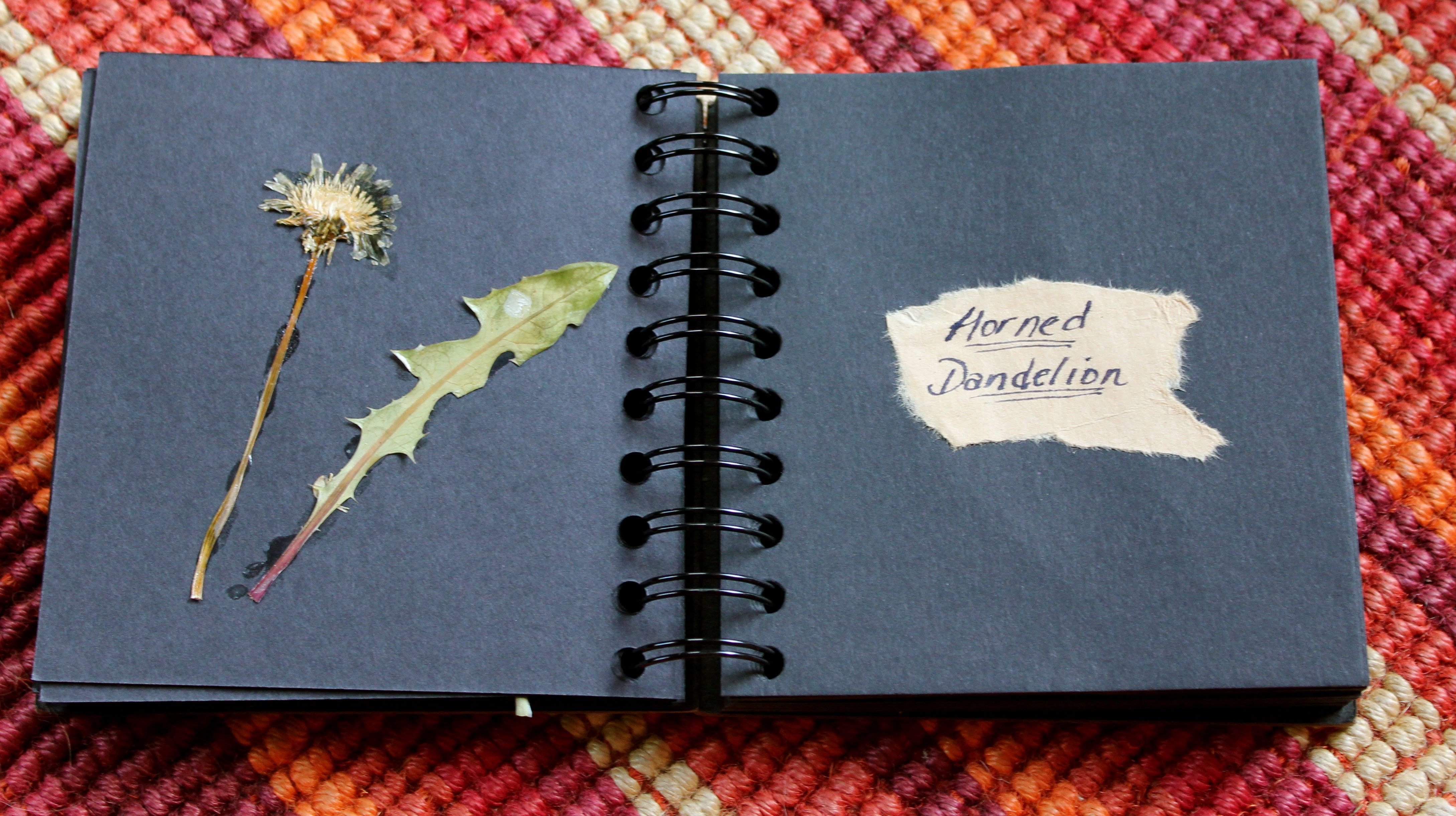
I have always been interested in wild plants. As a child, I would gather wild flowers and press them into a scrapbook (pictured below). In my later years, I would photograph wild flowers while on nature hikes with the intention of identifying them later and learning their names and uses. But once I returned home to the city, the pace of life was just too busy and as always, my study of wild plants fell to the wayside.
Moving out here to Pigeon Lake ten months ago, I knew that the time was ripe to begin my natural studies on wild plants. I just never thought it would be the common dandelion that I would fall in love with first.

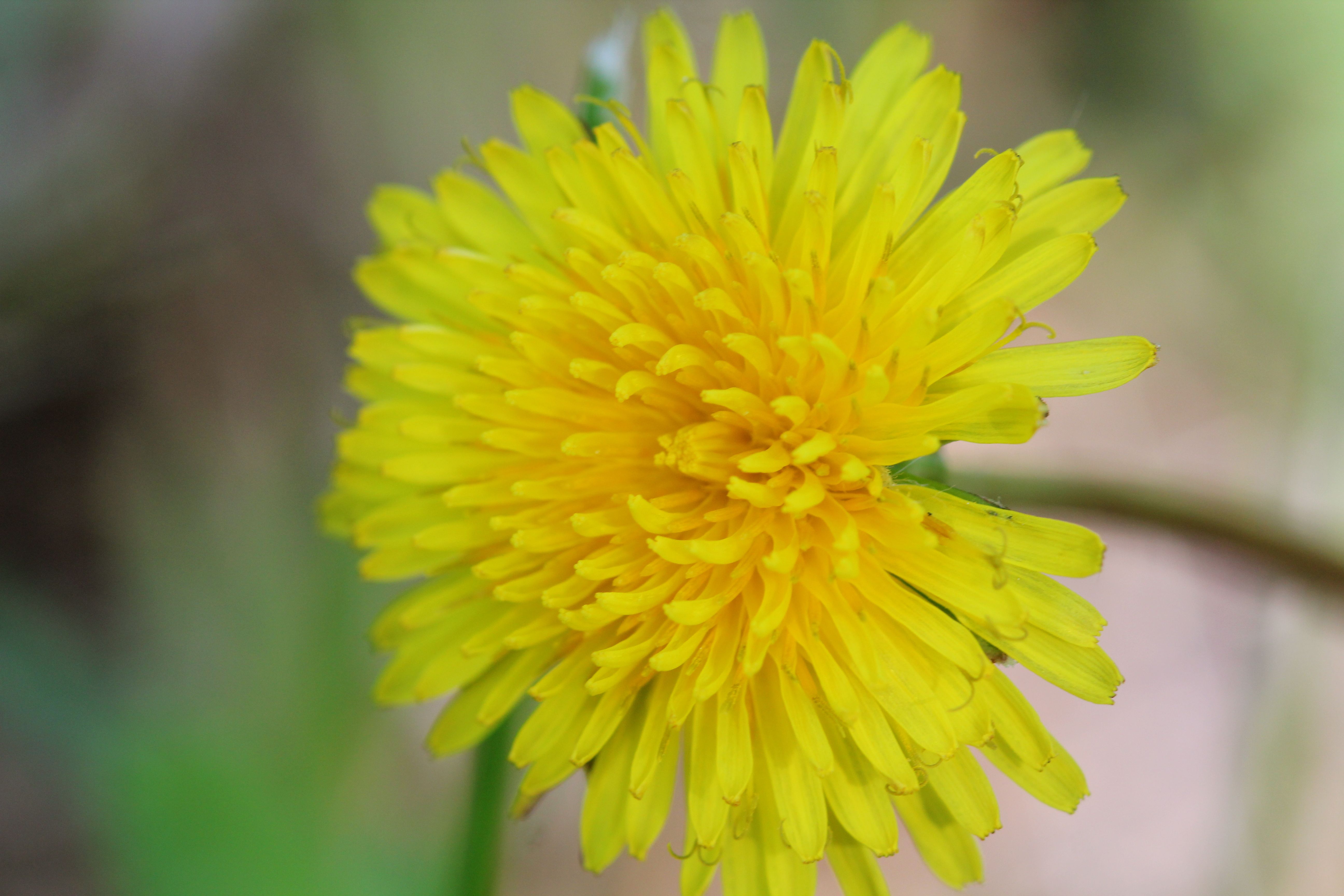
Yes, you heard me: the dandelion! We don’t even think of dandelions as wild plants as they are everywhere; in every corner of our concrete cities as well as all over the the countryside. In my mind, wild plants were respected, sacred and noble plants with ancient and esoteric medicinal properties. To my uneducated mind, the dandelion was just a common weed (we can’t even say the word ‘weed’ without sneering) that everyone hated and were at constant war with, using all manner of cruel chemicals and sharp objects to remove these persistent pests from their yards and gardens.
But I am finding out that the dandelion is noble. According to some herbalists, the dandelion is royalty in the herb world, earning its high respect from the fact that every part of this plant is not only edible and yummy, but is in fact very good for our health.
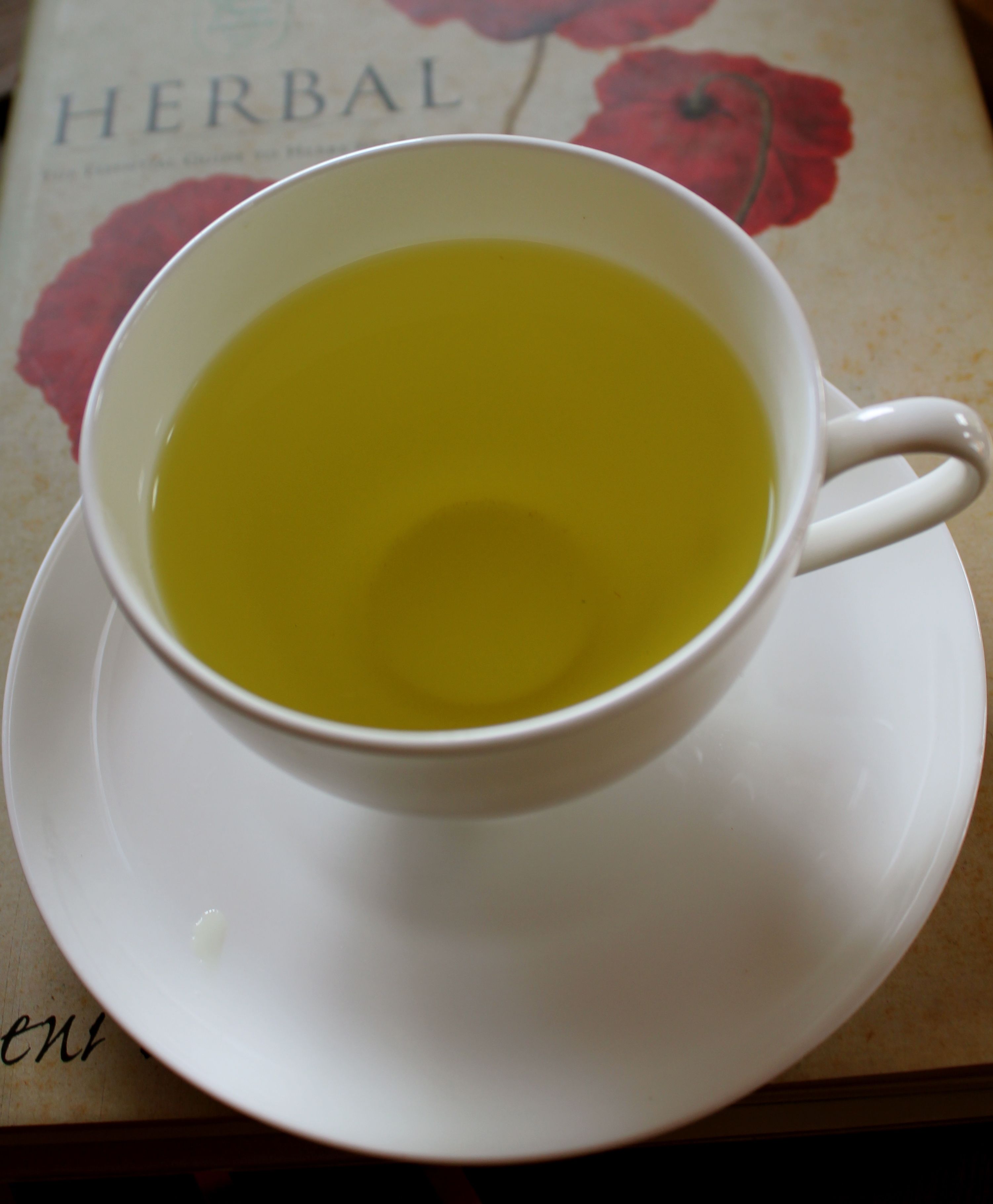
The yellow flower petals can be gently pulled off and steeped in boiling  water to make a nutritious dandelion tea or an intoxicatingly delicious dandelion wine. The flowers contain vitamins A and B12 (riboflavin) as well as a compound called helenin, which helps those with night blindness.

The leaves can be eaten fresh in salads (it tastes bitter, like arugula; balance this with a sweet dressing if you do not like bitter) or cooked and added to stir fries, soups and casseroles. You can juice the leaves, freeze the juice in ice cube trays (storing the cubes in ziplock freezer bags) and add to green smoothies all year round. Or you can make large batches of dandelion tea with flowers and leaves, allowing the mixture to boil down and become very concentrated. Strain then freeze the tea in ice cubes. Later, thaw a cube and add to a mug of hot water for dandelion tea in winter. The leaves contain bitter glycosides, carotenoids, terpenoids, choline, potassium salts, iron and other minerals, vitamins A, B, C and D. The leaves act as a detoxifying agent and therefore often used during cleanses. It is also used as a diuretic or to treat high blood pressure. The leaves are very good for the liver and gallbladder, and stimulates the production of bile.

The mighty dandelion root can be dried or roasted. It also can be added to stir fries, soups and casseroles. Many people grind up roasted dandelion root, adding it to hot water, and drinking it instead of coffee.  It is supposed to be delicious and I am looking forward to harvesting some large dandelion roots soon and making my own. Dandelion root contains bitter glycosides, tannins, triterpenes, sterols, volatile oil, choline, asparagin and inulin. The root is used to treat infections, constipation, arthritis, gout, and skin problems, such as acne, eczema and psoriasis.

Did you know that here in Canada, there are annual dandelion festivals? So far I have found Dandelion Festivals in Halifax (NS), Kemptville (ON) and Ottawa (ON). People come from far and wide to celebrate the dandelion and bring their recipes and sample each others’ dandelion culinary creations. For example, you might sample some dandelion sausages, dandelion wines, different blends of dandelion teas, dandelion cakes, breads and pastries… Well, you get the idea.

There is so much more that I am learning about the medicinal properties of dandelions (including in the prevention and fighting of cancer). I will write an in depth article very soon once I complete my research and post it here along with my resources for those of you that are interested.  I am also putting together a little dandelion cookbook complete with nutritional information, medicinal properties, recipes and lots of beautiful photographs celebrating the beauty of the dandelion. I think I may also try to attend one of the dandelion festivals, perhaps next year. In the meantime, I simply wanted to try to win you over to the wild side and invite you to change your perspective on this lovely and noble little plant growing in your backyard.

Public opinion on dandelions have been slowly changing.  CBC did a piece on dandelions, and there is a hilarious and highly informative article in the National Post (quoted above).

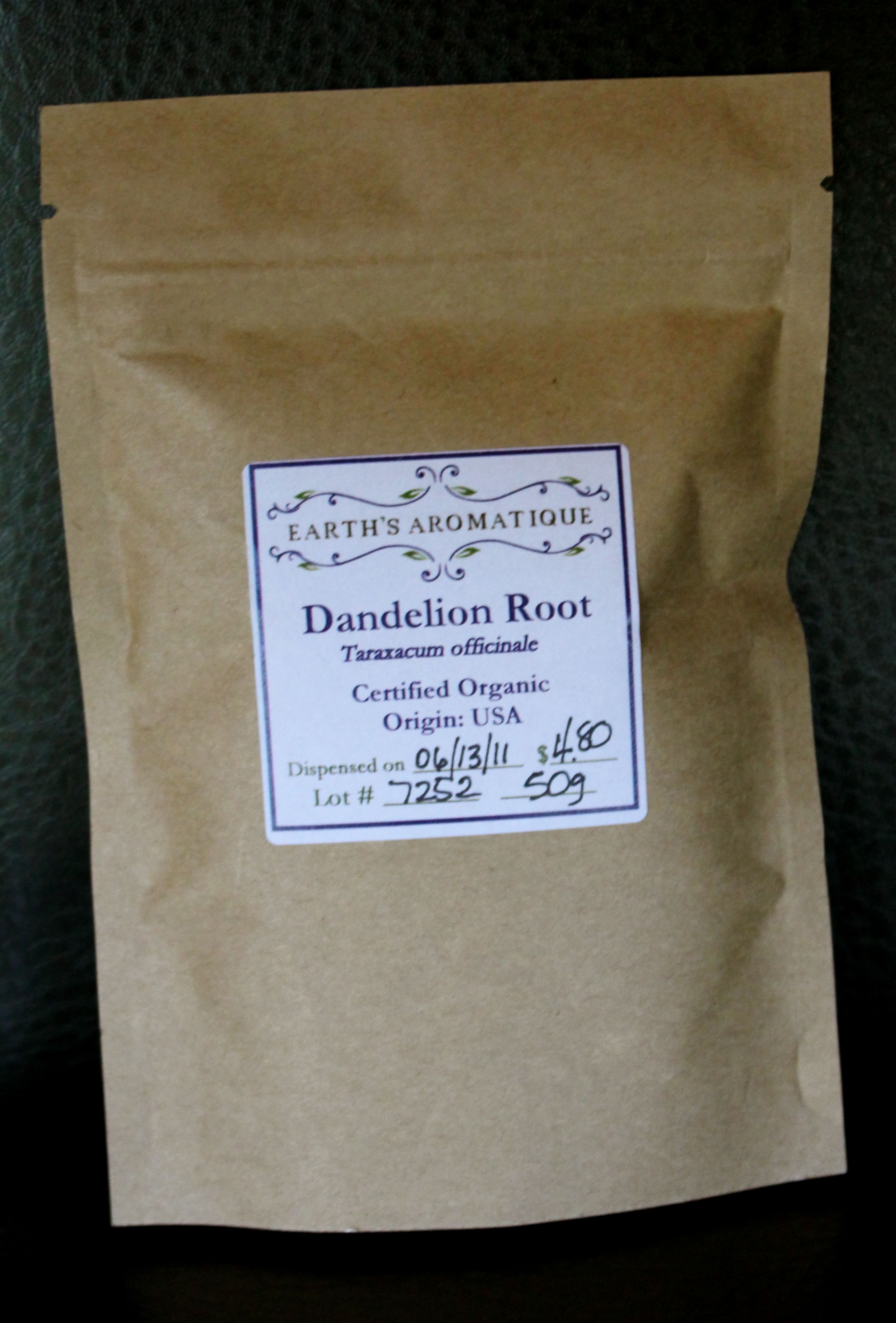
Not convinced? Why not try using some dandelion in a few of your own recipes? Remember to harvest the plants where there has not been any harmful chemical spraying (difficult in the city, I know!). You can also go to your local health food store and buy dried leaves or root. I recently bought this package of dandelion root from Earth’s Aromatique (located in Edmonton, AB) to experiment with while I prepared and dried my own.


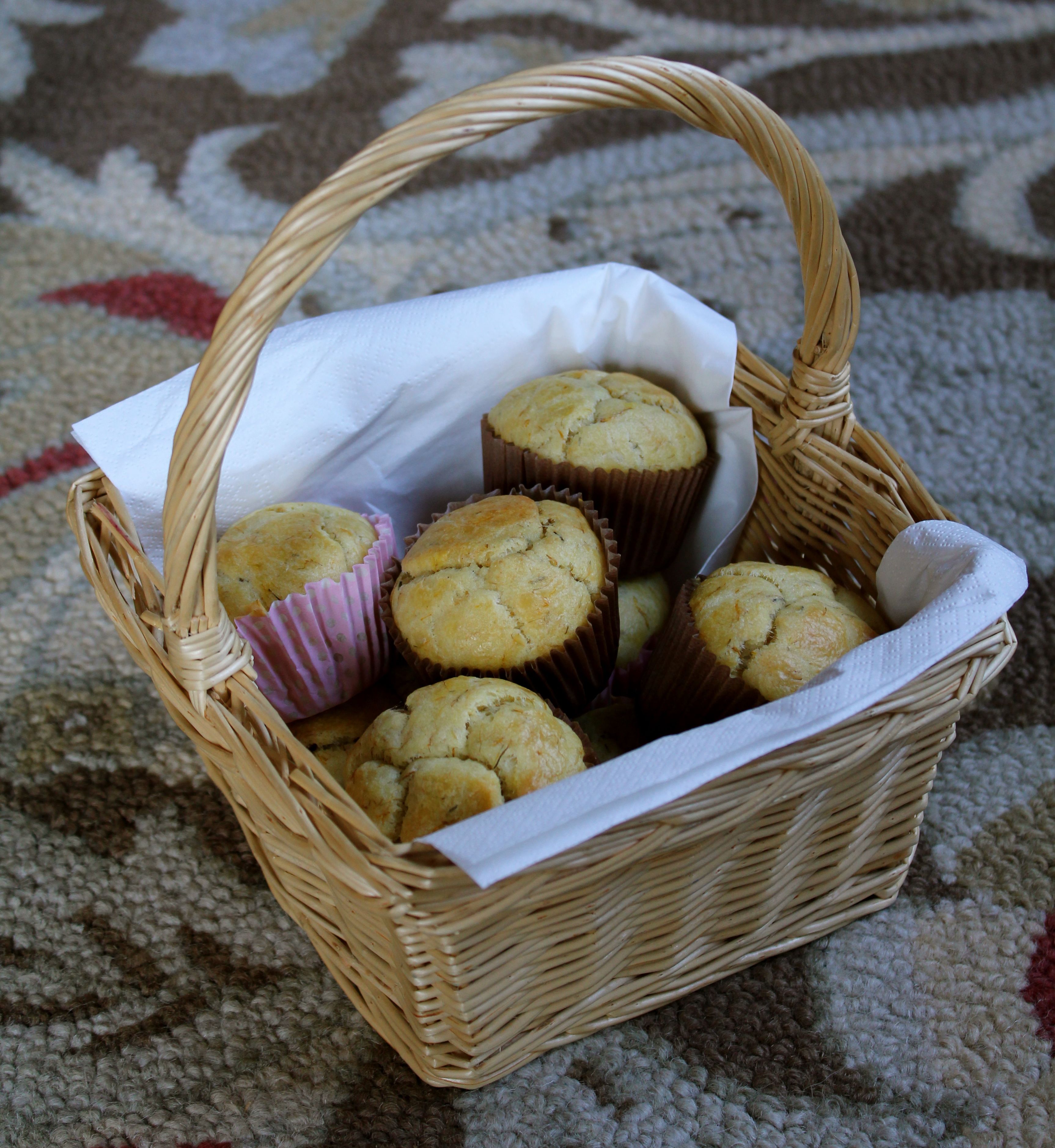
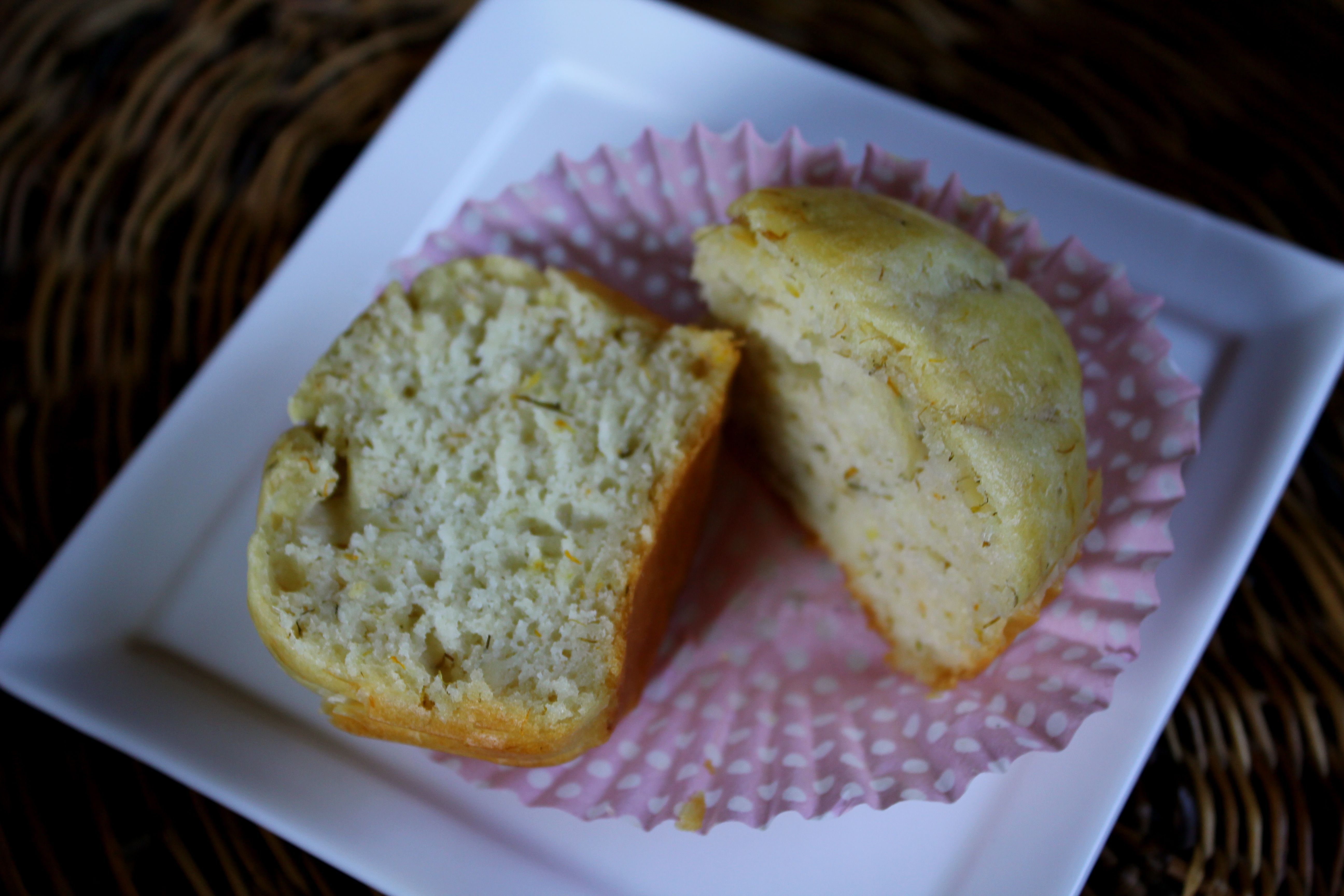
Last week, I made a batch of dandelion pancakes that were a hit with H. With the flower heads that I harvested this morning, I made Dandelion cupcakes. This was originally a recipe for white cupcakes that I adapted. Not too healthy, I admit, but a treat! By the way, this cake would be perfect at a child’s birthday party with a garden theme. You know the one I am talking about. The ‘dirt’ birthday cake topped with oreo cookie crumbs, cookie fence, marzipan vegetables and gummy worms hidden inside the cake layers.

Dandelion Cupcakes

2-1/4 cups unbleached white flour

1-2/3 cups sugar (or natural sweetener of your choice)

1 cup dandelion flowers (just the yellow part)

3-1/2 teaspoons baking power

1 teaspoon salt

1/1/4 cup buttermilk

2/3 cup shortening

1 teaspoon vanilla

5 egg whites

Heat oven to 350 degrees (F). Grease and flour a rectangular pan, 2 round pans or line a cupcake tin with paper baking cups. Beat all of the ingredients, except the egg whites in a large mixing bowl on low speed for about a minute. Scrape the sides and bottom of the bowl with spatula to make sure that all of the ingredients get incorporated. Add the egg whites one at a time, beating on high speed, again scraping the bowl. Pour mixture into pan.

Bake rectangular pan for 4—45 minutes (9-inch rounds or cupcakes for 30-35 minutes) or until a toothpick inserted into the center comes out clean. Remove from oven and cool on a wire rack for 10 minutes before removing from pan to cool completely. Frost the cake with a creamy butter icing if desired. Garnish with a single dandelion flower or frosting and yellow sprinkles.

Share this:

  • Click to share on X (Opens in new window) X
  • Click to share on Facebook (Opens in new window) Facebook
  • Click to share on Pinterest (Opens in new window) Pinterest
  • Click to print (Opens in new window) Print
  • Click to email a link to a friend (Opens in new window) Email
Like Loading...

raspberry jam, gooseberry jam & apricot butter

04 Thursday Aug 2011

Posted by Delena Rose in cook, forage, preserve, wild berries

≈ 9 Comments

Tags

apricot butter, Canada gooseberry jam, Company's Coming cookbook, freeze, freezing berries, gooseberry jam, organic jam, preserve, preserving, raspberry jam, wild gooseberry jam

I spent another two hours picking wild berries this morning and I also had two large bowls of raspberries picked from a friend’s yard the evening before. I decided to spend the day preserving the harvest.

First, I froze some of the raspberries, laying them out on a cookie sheet and putting them in the freezer. Then, I bagged the hard frozen berries in a ziplock freezer bag. Freezing them this way makes for easier handling, keeping the berries from getting squished and freezing together in one large lump. Then, I repeated the process with saskatoon berries, black currants and red currants, placing them in separate freezer bags.

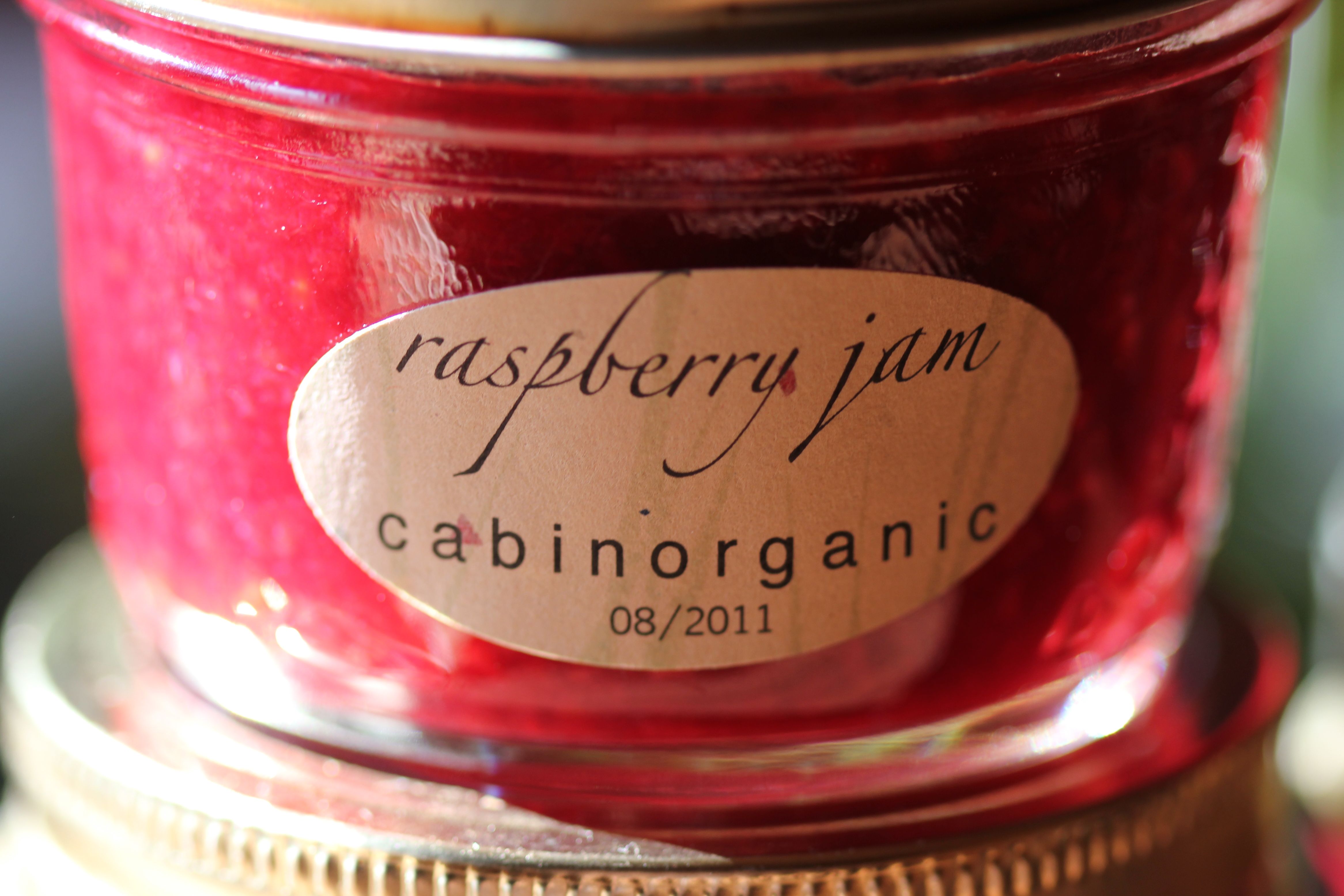
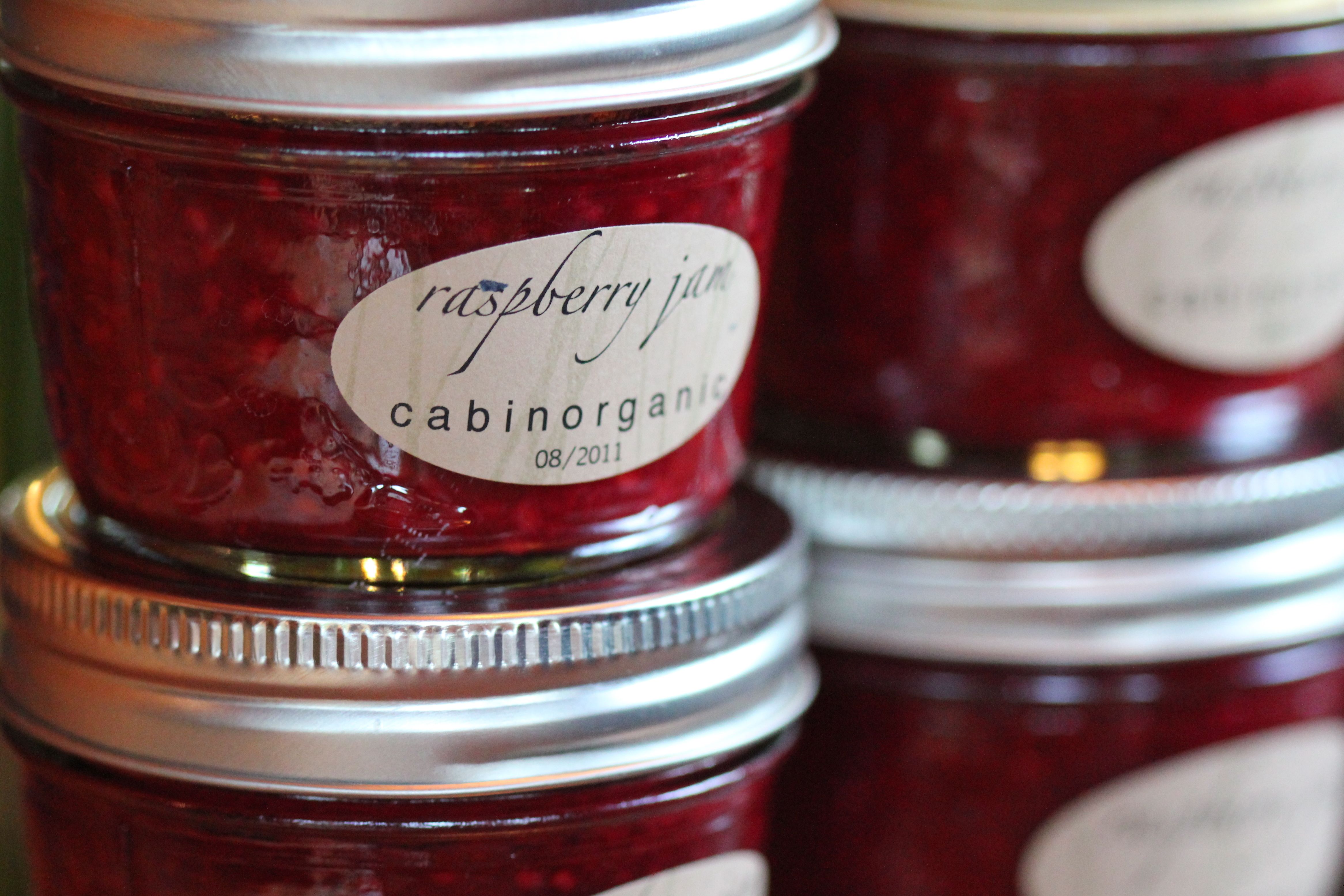
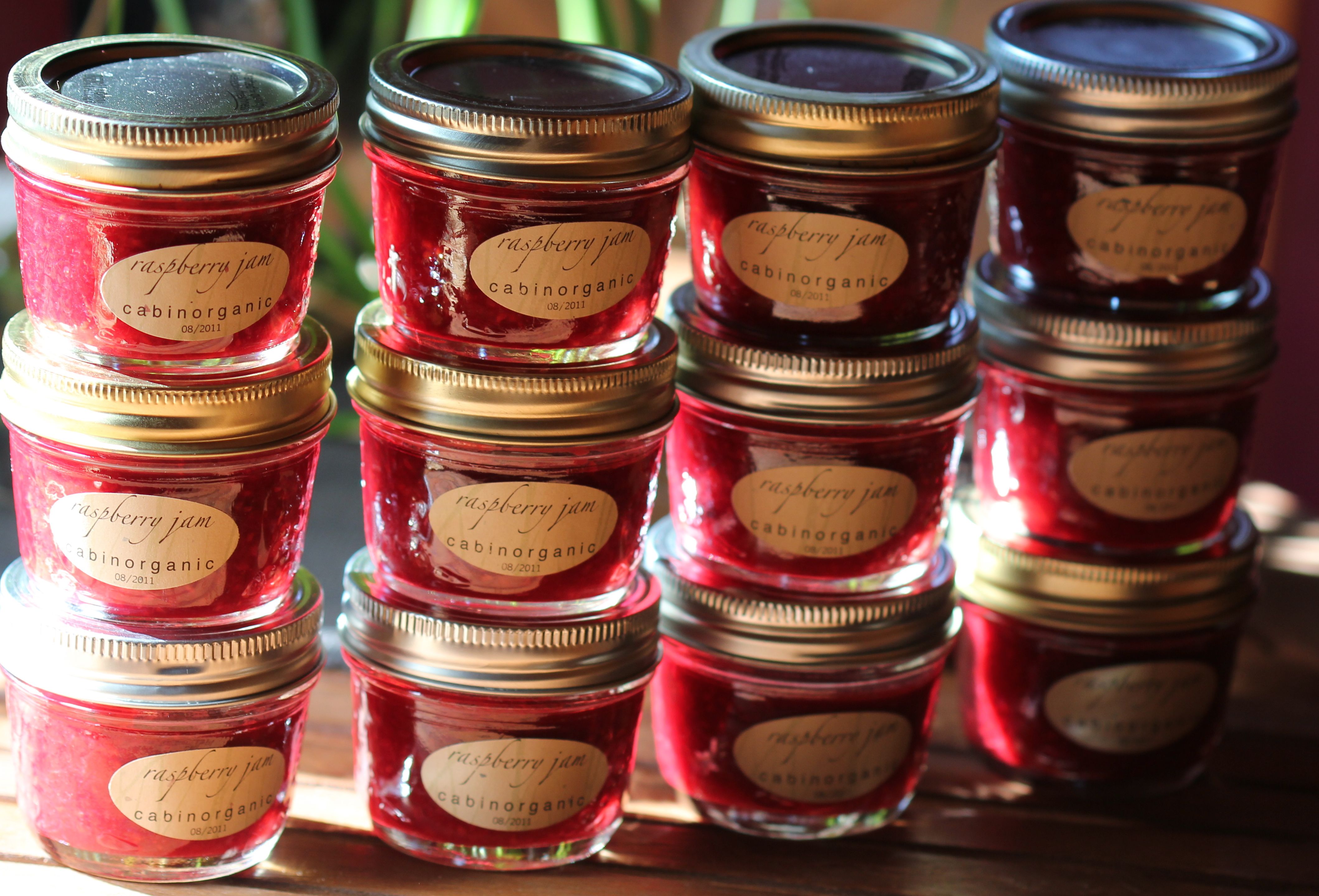
Next, I made a triple batch of raspberry jam, using Jean Pare’s recipe from her Company’s Coming ‘Preserves‘ cookbook. Here is the recipe I used:

Raspberry Jam

4 cups raspberries, packed

3 cups sugar (or your preferred natural sweetener)

1 tablespoon lemon juice, fresh or bottled

Place raspberries in a large pot. Cover with sugar and stir. Let stand on counter for about 1 to 2 hours until berries release their juice.

Add lemon juice. Heat on low, stirring occasionally, until the mixture begins to bubble. Simmer slowly, stirring until the sugar dissolves. Increase heat to high and bring to a rolling boil. Boil hard for about 20 minutes, stirring occasionally until it thickens. Test a little on a chilled saucer to see if it is the thickness of jam. Pour into hot sterilized jars with within 1/4 inch of the top. Seal. Make 2 half pints and 1 small jar.

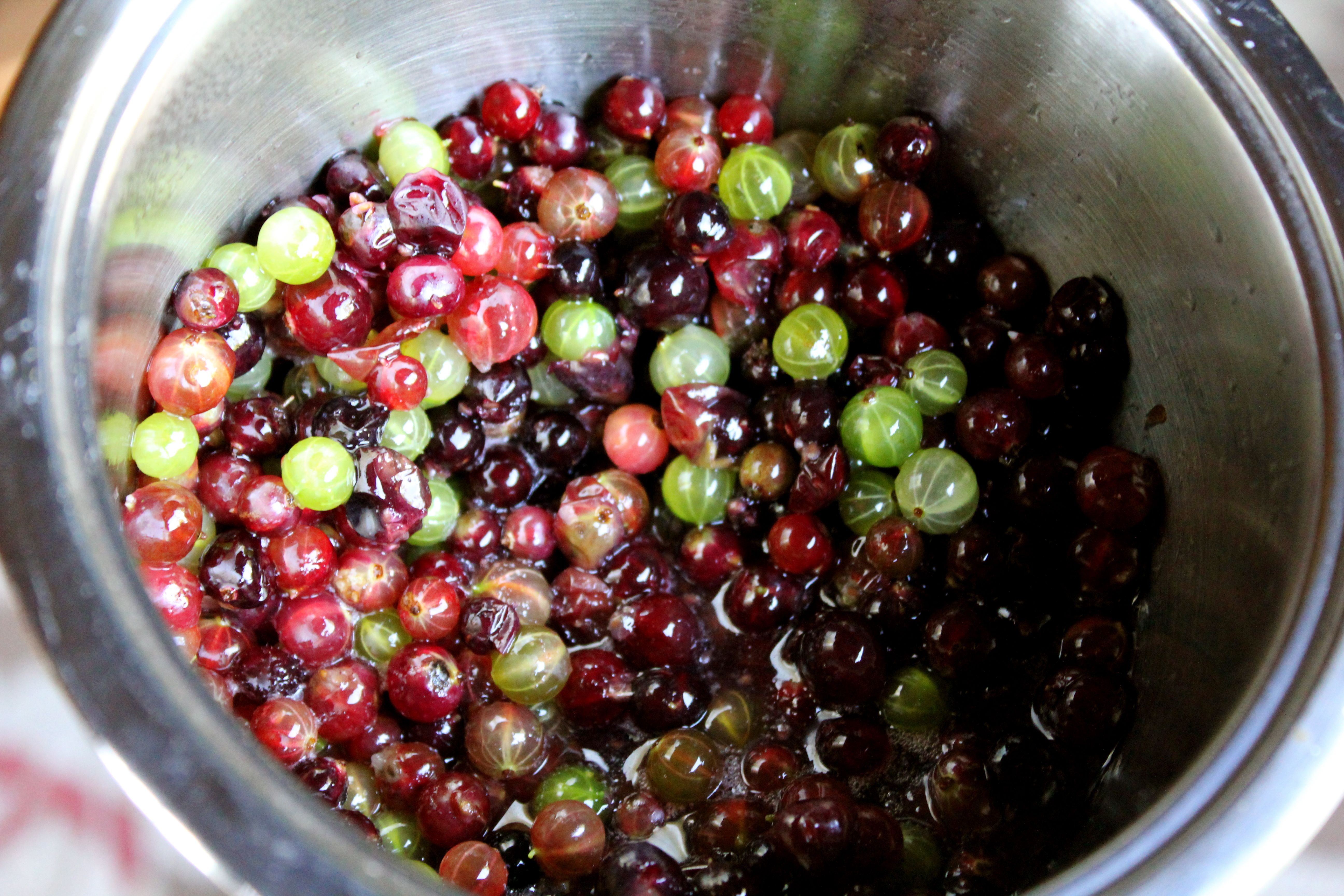
Then, I made a half batch of wild gooseberry jam. It took a little time prepping the berries as I first had to remove the stems and tails from each one. Here is Jean Pare’s recipe:

Gooseberry Jam

4 cups sugar (or natural sweetener of your choice)

1 cup water

2 lbs. (about 4 cups) gooseberries, tipped and stemmed

Combine sugar and water in a large pot. Heat and stir on medium-high heat until sugar dissolves. Bring to a boil.  Boil, uncovered, for 15 minutes, stirring occassionally.

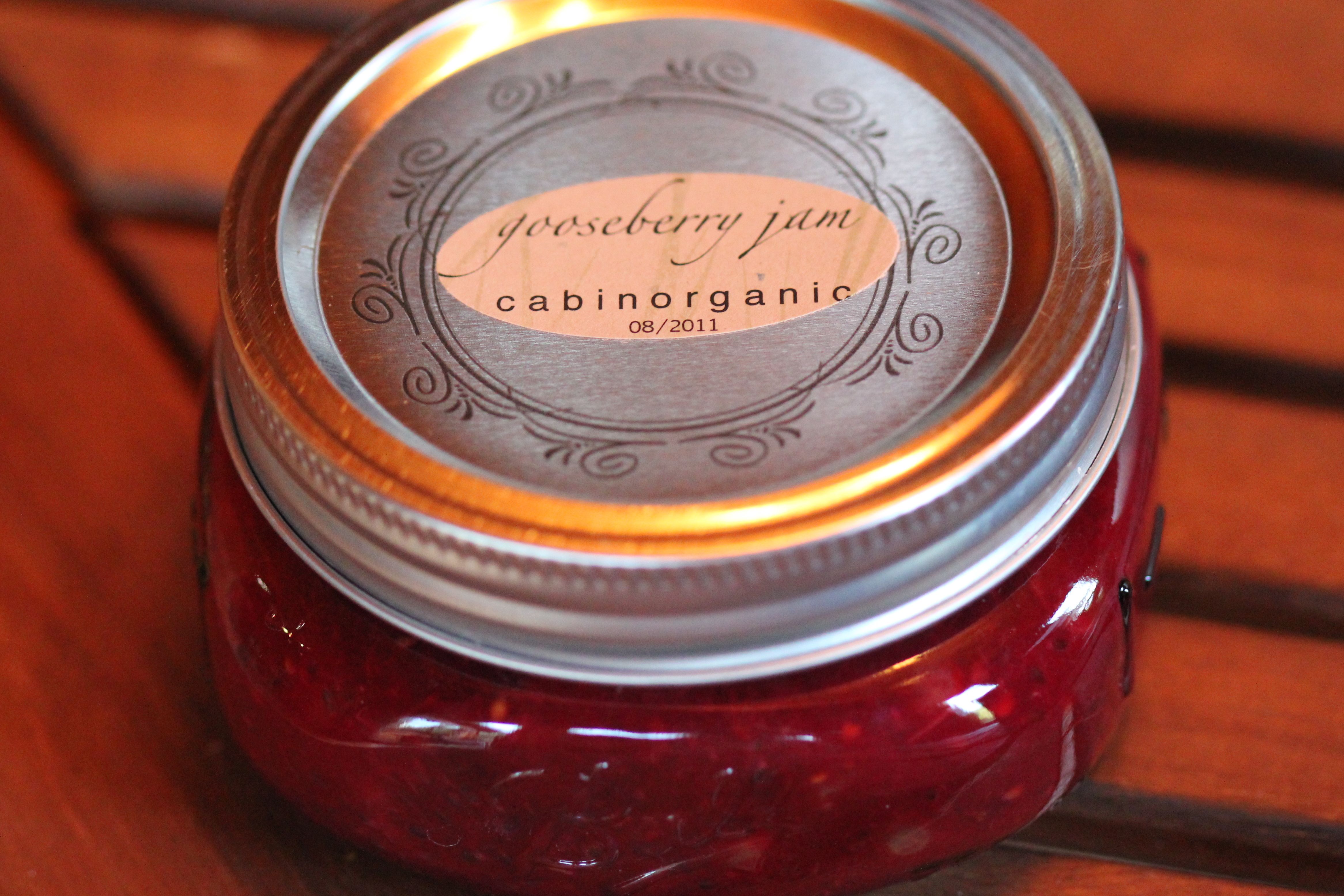
Add gooseberries. Return to a boil. Boil for about 30 minutes until a small amount cools and sets on a chilled saucer. Skim off foam if needed. Pour into hot sterilized jars to within 1/4 inch of top. Seal. makes 4 half pints.

I had never tasted gooseberry jam before and was very pleased with the tart fruitiness of this jam. I only have 1 jar so this will sit on the pantry shelf like treasure until the darkest days of winter when we can taste some summer sunshine on our breakfast crepes.

While I am here and sharing preserving recipes, I will also share the recipe I use for apricot butter, also from Jean Pare’s cookbook. I just made this butter just a few weeks ago but will need to make more.

Apricot Butter

3 lbs. (5 cups)  pitted organic apricots

1-3/4 cup sugar (or natural sweetener of your choice)

1 tablespoon lemon juice, fresh or bottled

1/4 teaspoon almond flavoring (optional)

Remove pits from apricots. Grind or mash the ripe apricots. Combine the pulp with the sugar, lemon juice and flavoring in a large saucepan. Bring to a boil on medium heat, stirring often, for about 1 hour 15 minutes until thickened. A spoonful cooled on a chilled saucer should remain smooth with no watery sign. Fill hot sterilized jars to within 1/4 inch of the top. Seal. Makes 2 half pints and 1 small jar.

Happy canning everyone! Can you believe that it’s August already???

Share this:

  • Click to share on X (Opens in new window) X
  • Click to share on Facebook (Opens in new window) Facebook
  • Click to share on Pinterest (Opens in new window) Pinterest
  • Click to print (Opens in new window) Print
  • Click to email a link to a friend (Opens in new window) Email
Like Loading...

second-hand treasure: my gypsy purse

03 Wednesday Aug 2011

Posted by Delena Rose in reuse, thrift store finds

≈ 8 Comments

Tags

auctions, flea markets, garage sales, reuse, saving money, second-hand, thrift store, used

Buying secondhand is exciting, fun an important part of an eco-conscious lifestyle.

For as long as I can remember, I have always enjoyed second-hand shopping. Since the days of my early childhood, it has always felt like an exciting treasure hunt. One never knows what will be found on each visit: a vintage beaded purse, an eclectic pair of chairs to go with that bistro table at home, a beautiful linen tablecloth that has never been used, a new fish tank for your child’s bedroom (which will cost less than the fish who will live in it), or that perfect pair of designer jeans that fit just right and only cost you five bucks (which you paid for with spare change).

Sometimes we have to no choice but to buy new, but keep in mind that there is a high cost involved. Every time we purchase a brand new item, materials have been mined and extracted from the earth in order to manufacture them. Water and energy have also most likely been used in the process, and toxins and pollutants have been released into the environment.  Please watch The Story of Stuff by Annie Leonard. It is a 20 minute animated video, which talks about the life cycle of ‘stuff’ and is very though-provoking!

Not too long ago, thrift stores had a reputation for being dingy, smelly places where only poor people shopped. The stores always seemed to be located in a rough part of town where ‘well-off’ people regularly donated their used goods but would never dream of buying anything second-hand. Even the word, ‘second-hand’ had a negative connotation and was equated with ‘used, hand-me-downs, shabby, worn out, broken, scrap, junk, garbage, trash, and charity’.  People who bought second-hand were thought of as poor, needy, inferior, low-income, low-class, unemployed, smelly, dirty and having no fashion sense.

Today, peoples’ attitudes have changed.  We no longer have the need to buy everything brand new. It is more socially acceptable, even ‘cool’, to shop second-hand. We now use words like ‘vintage, retro, eclectic, pre-loved, memorabilia and resplendent repurposing’. Second-hand shoppers now come from all income brackets and are simply people who enjoy hunting for bargains and bragging about their savings to their friends and family. Some people are fascinated with older things and love collecting items that already have a history and a story to tell.

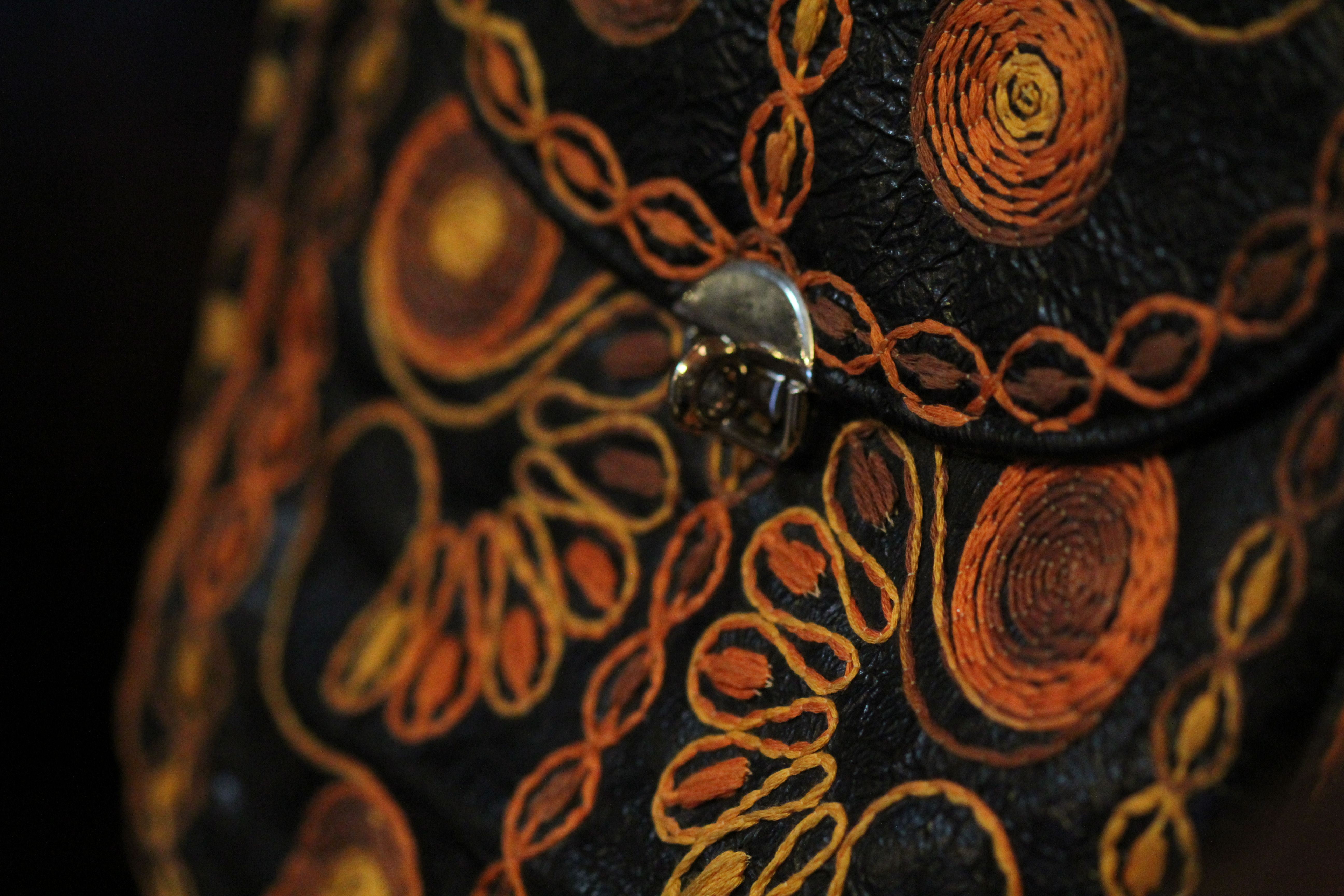
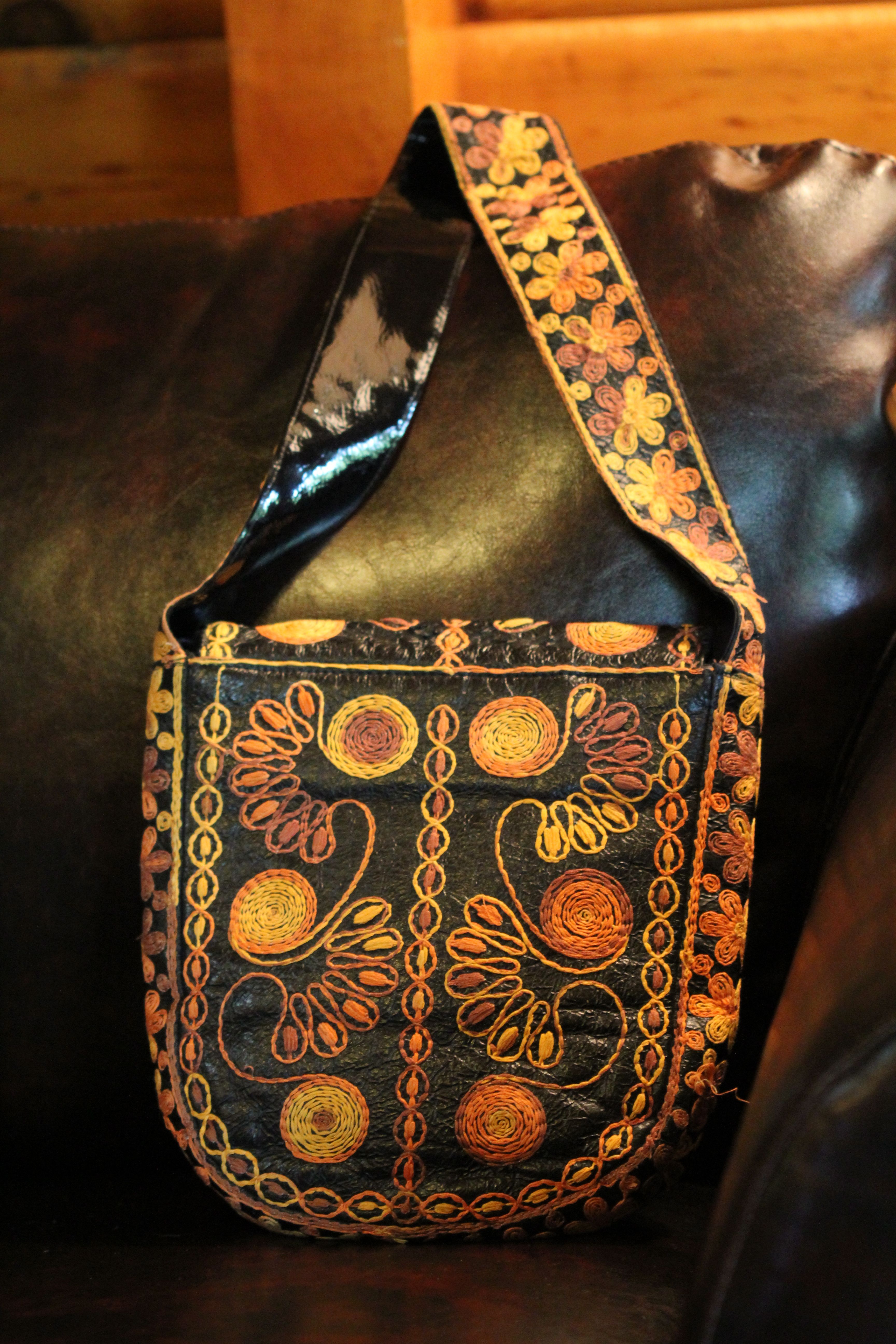
One of my own magical thrift store finds was an eclectic antique teacup and saucer covered in burgundy flowers with blue centers. I just loved the unique shape of the cup. It was very masculine in its design and looked like it belonged in a dark, cozy library. I could almost smell the leather and hint of cigar smoke whenever I used it. Sadly, I lost it in a move and am currently looking for more pieces of this china. I have also bought countless good books (I have hundreds of them) in new condition. Last fall, I found a brand new suede winter coat ($15.00) that looks exactly like the one Cameron Diaz wore in The Holiday (now I just need the tall leather boots to match and I won’t pay over $10). Lately, I have been wearing new and comfy brand-name flannel shirts ($2.99 each) while berry-picking or working out in the yard.  And just yesterday, while in the city, I found this ‘gypsy’ purse ($6.99). It is brand new and exactly what I was looking for. It was the inspiration for this post promoting second-hand shopping.

As our society becomes more eco-conscious, living a simple, environmentally friendly lifestyle is now encouraged and even applauded. Also, during times of economic recession, being frugal, reusing, repurposing and saving money is just using our common sense. In Canada and the United States, resale is now one of the fastest growing businesses in retail. No longer dark and dingy, the thrift stores of today are brightly lit, well organized and the clothes and items have all been washed.

Buying second-hand is not just limited to thrift stores. You can shop for used items at auctions, online (Ebay, Yahoo! Classifieds!, Kijiji, Freecycle, Craig’s List and Preloved in the UK), garage sales, flea markets, pawn shops, used book stores, markets and bazaars.

Currently there are many books published on using second-hand goods to decorate your home, including topics such as ‘flea market style’, ‘Shabby Chic’ and decorating with ‘found objects’.  In her fun and uplifting talk, ‘Wearing Nothing New‘, designer Jessi Arrington, admits that she is ‘outfit obsessed’ and encourages expressing your own unique style using thrift store finds . There are also many blogs written around the theme of second-hand shopping, such as centsationalgirl, and thingsifoundatthethriftstore, to name a few.

When shopping second-hand, you can often find unique, high-quality and inexpensive clothing, furniture and other household items. If you are crafty and have a good imagination, there are endless opportunities to be creative: a brightly colored shirt could be cut up and sewn into a quilt, a linen tablecloth could be sewn into some natural cushions (just add some wooden buttons), visit My Repurposed Life to see how a coffeepot can be turned into a lamp; or blueroofcabin to see how an old door can be turned into a banquette.

Second-hand shopping is especially helpful if you have growing children. You can find new brand-name clothing for a fraction of the price as well as toys, books and games.

Also consider second-hand pets. Adopt a rescue dog (or cat or rabbit or guinea pig or hamster or bird) from your local animal rescue society instead of buying a brand new puppy from a puppy mill. (I found Lucy through nasap.) Your pet gets a second chance at a good, loving life and you get a loyal, grateful pet. Both Lucy and I highly recommend this!!!

And don’t forget to donate items that are no longer useful to you to your local thrift store! Declutter. Dejunk.

cabinorganic’s top ten reasons to buy second-hand

  1. it protects the environment

by preventing useful goods from becoming waste in the landfill and requiring no new resources or energy to create

2. it is a way of buying ‘local’

as goods were not transported far to get to you

3. it builds community

by supporting the charitable organizations that operate many thrift stores (i.e. Salvation Army offers meals, shelter, job training and spiritual guidance to the needy; Goodwill offers job rehabilitation for adults with special needs; some are run by churches or hospitals)

4. it stimulates the economy

during periods of recession, second-hand buying increases; you save money while still getting ‘retail therapy’ and quality goods

5. it promotes de-junking and de-cluttering in your own life

you don’t feel bad donating it back later when the item is no longer useful to you, because you didn’t pay an arm and a leg for it

6. it gives you a chance to be creative

if you are crafty you can use a used item for a project

7. you find unique, one-of-a-kind goods that you may not be able find new anymore 

8. it saves you money as used goods costs much less!!!

9. it is part of living a simple, intentional, eco-conscious life

10.  it is FUN

The thrill of the hunt, getting a good bargain and finding just what you need and paying so little for it is so satisfying. And you really never know what you will find. My friend, K, was recently telling me about many of her thrift store finds, including some beautifully tailored wool suits that she once bought for her husband (you can’t find that quality material anymore) and the full length seal skin jacket that she bought for herself! Happy second-hand shopping, everyone. I’ll let you know when I find my teacup and saucer!

Share this:

  • Click to share on X (Opens in new window) X
  • Click to share on Facebook (Opens in new window) Facebook
  • Click to share on Pinterest (Opens in new window) Pinterest
  • Click to print (Opens in new window) Print
  • Click to email a link to a friend (Opens in new window) Email
Like Loading...

The Little Herb & Tea Garden

02 Tuesday Aug 2011

Posted by Delena Rose in garden, herb & tea

≈ 5 Comments

Tags

garden, harvest herbs, herb, herbs, landscape

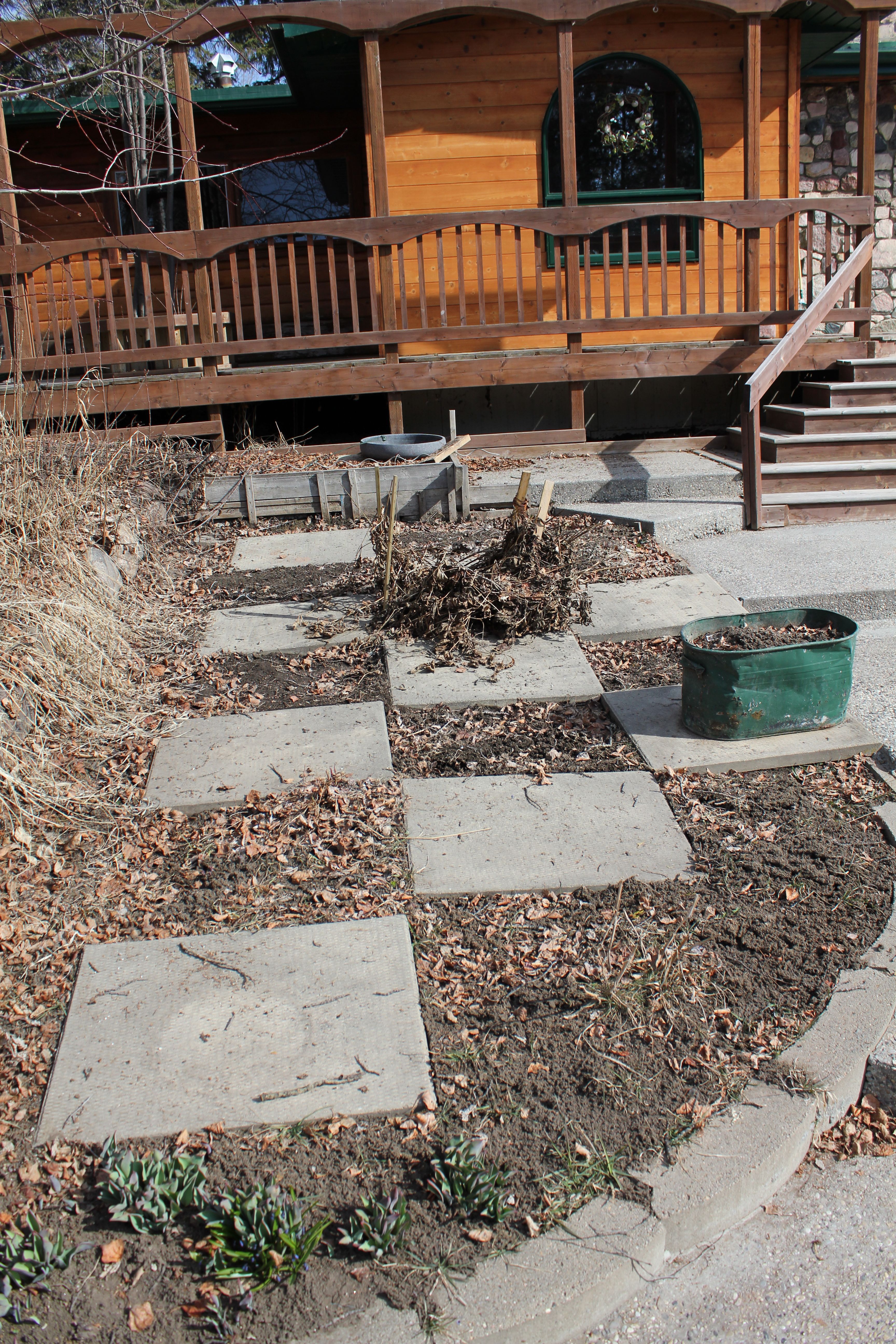
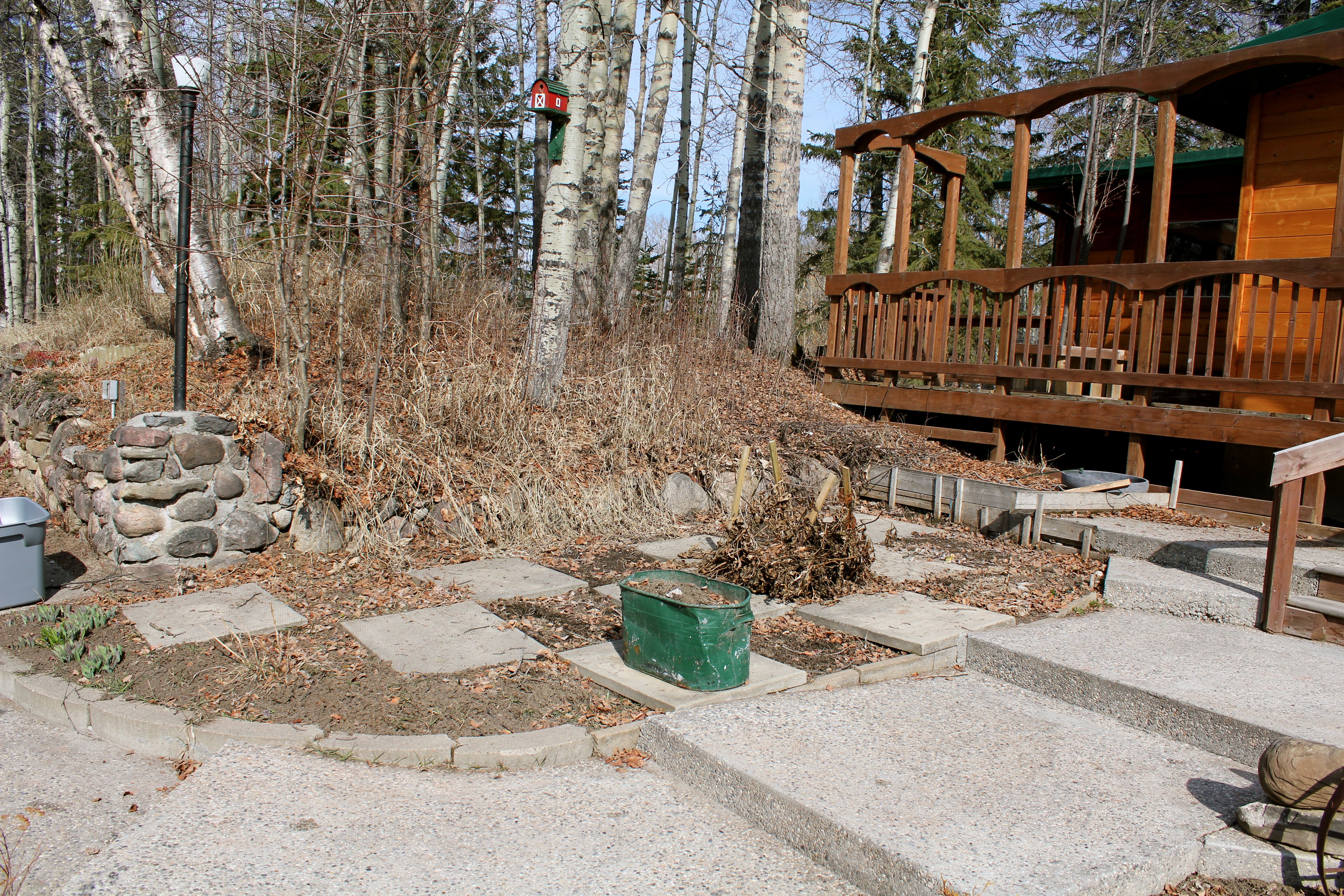
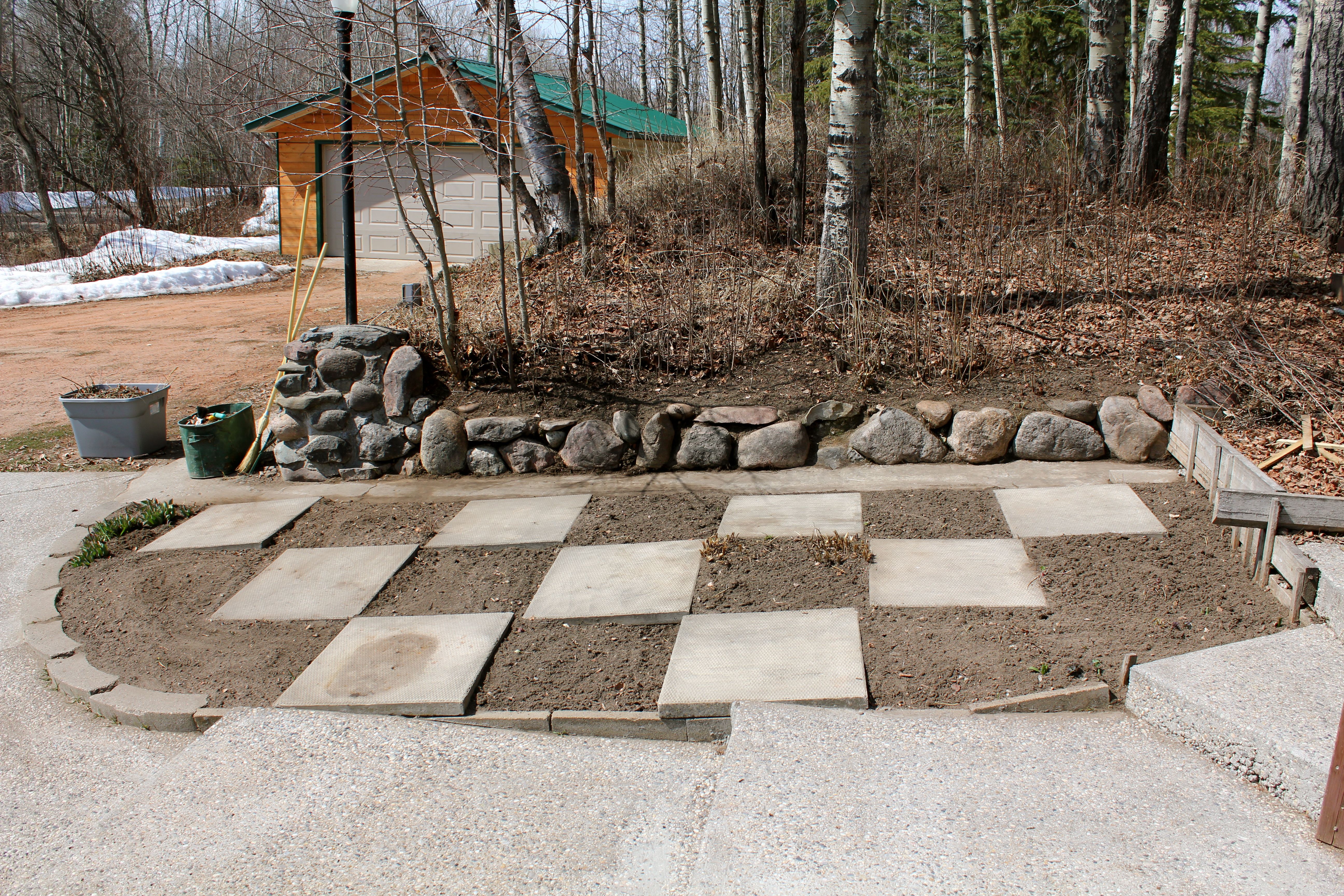
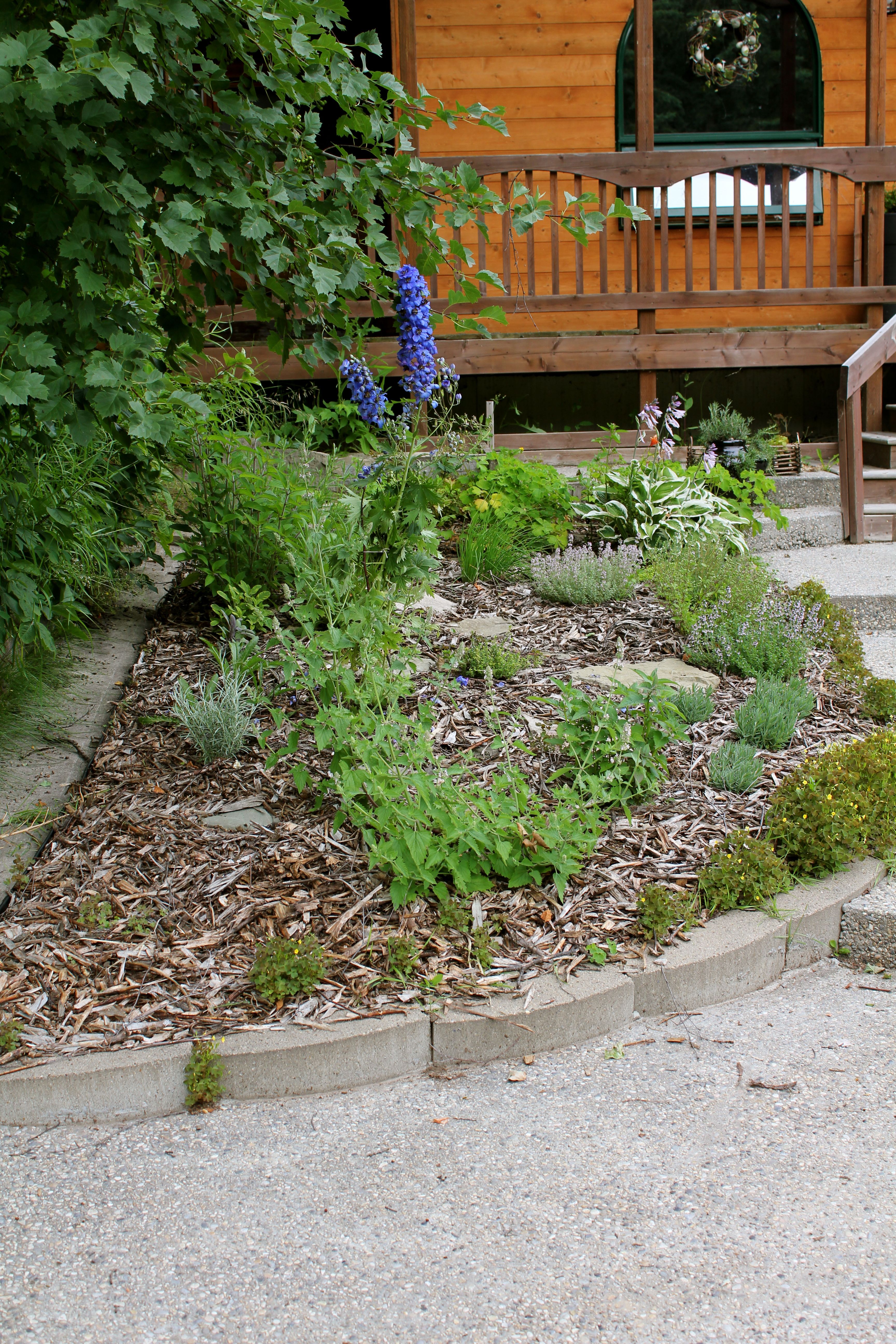
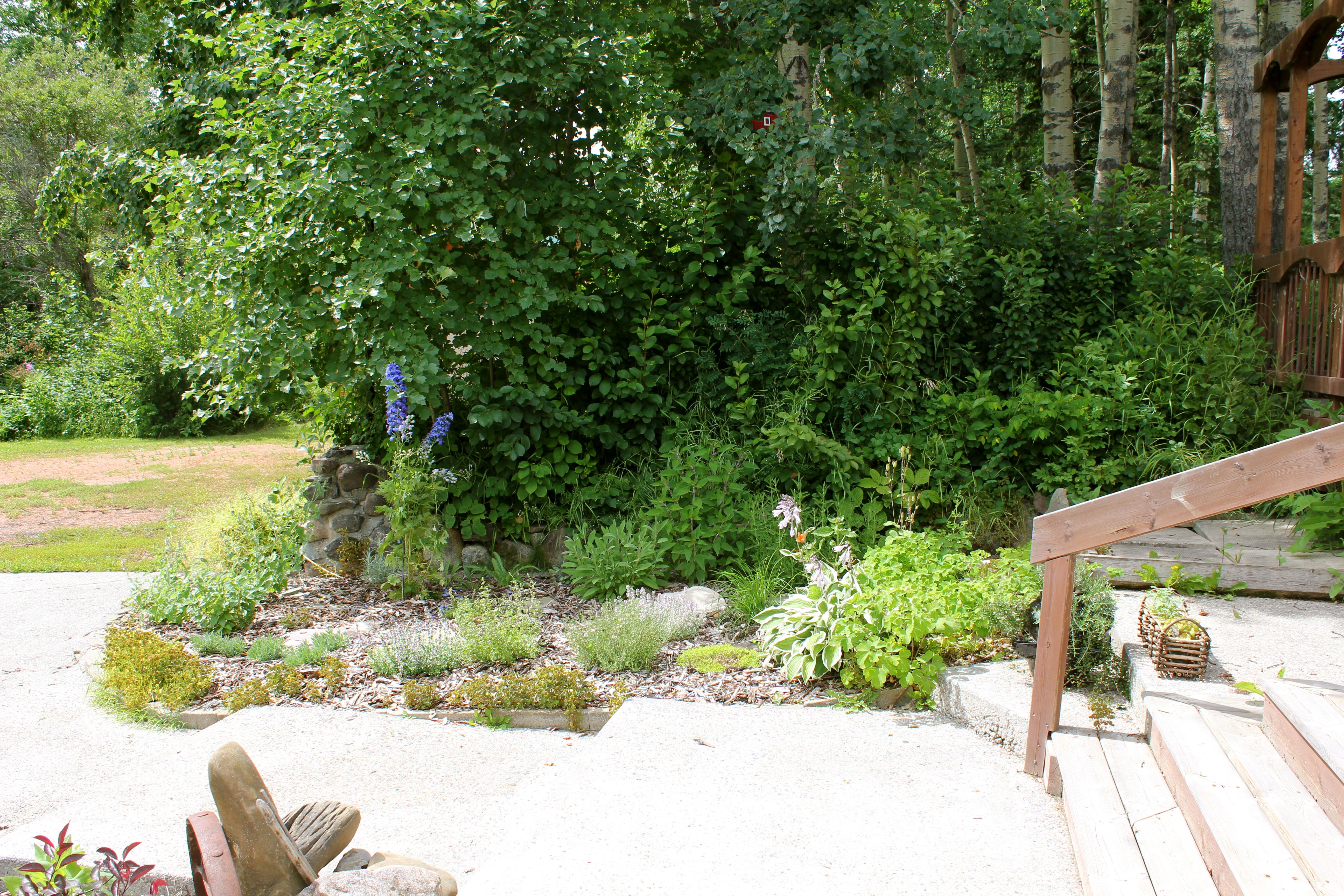
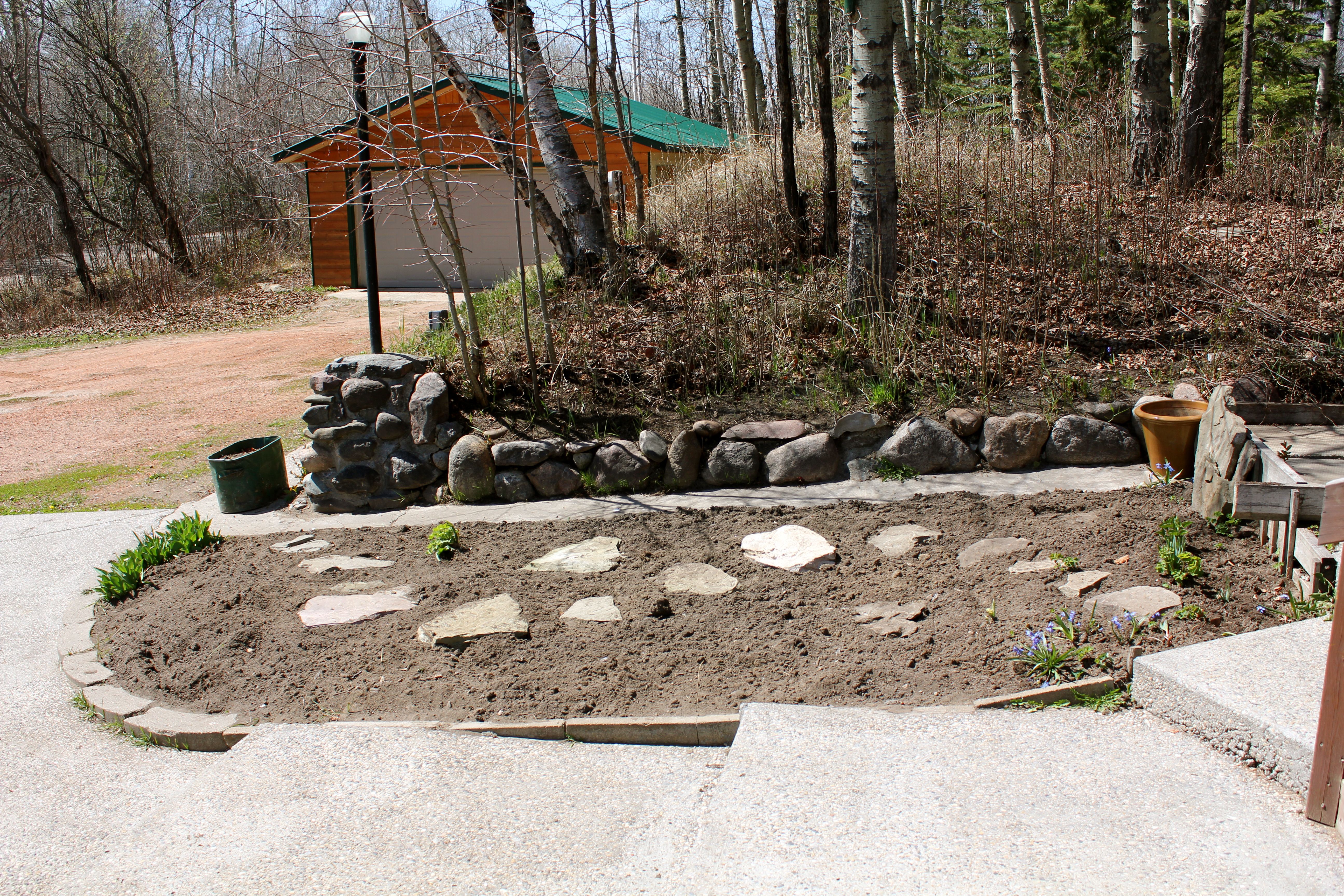
Our front yard was already landscaped when we bought the cabin. There is a pond with a fountain in the front lawn surrounded by a rock garden. This has been planted with irises, peonies and roses. We have a concrete sidewalk starting from the large driveway leading to a patio area, which I am currently setting up and will show you that project when it is complete. We also have a huge wooden deck along the entire front of the cabin, which I keep clear of snow in the winter. Tucked in the front was this little corner checkerboard perennial garden. I decided this would be the perfect spot for a little herb garden. Here is how it looked in the spring:

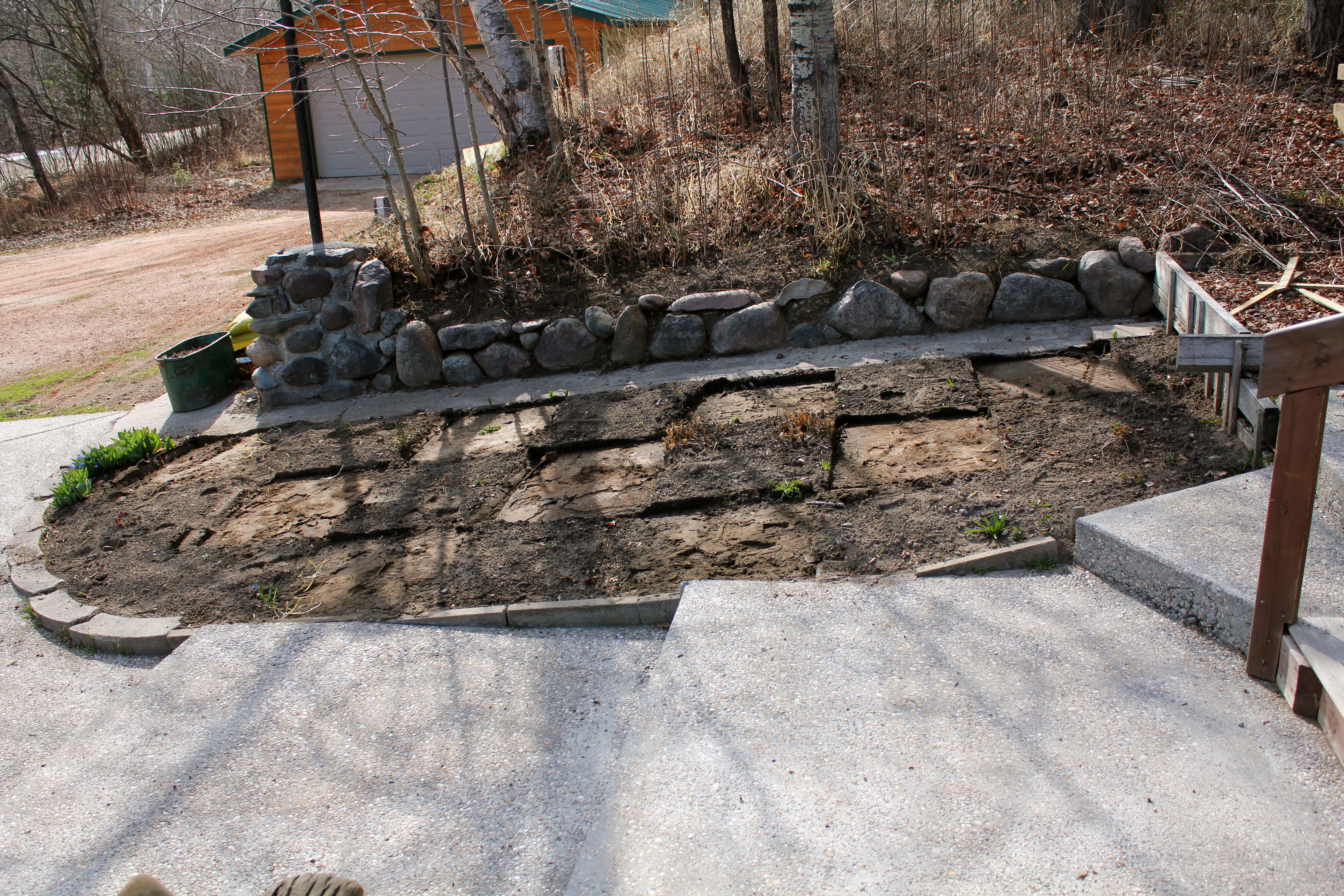
I began by cleaning up the area.

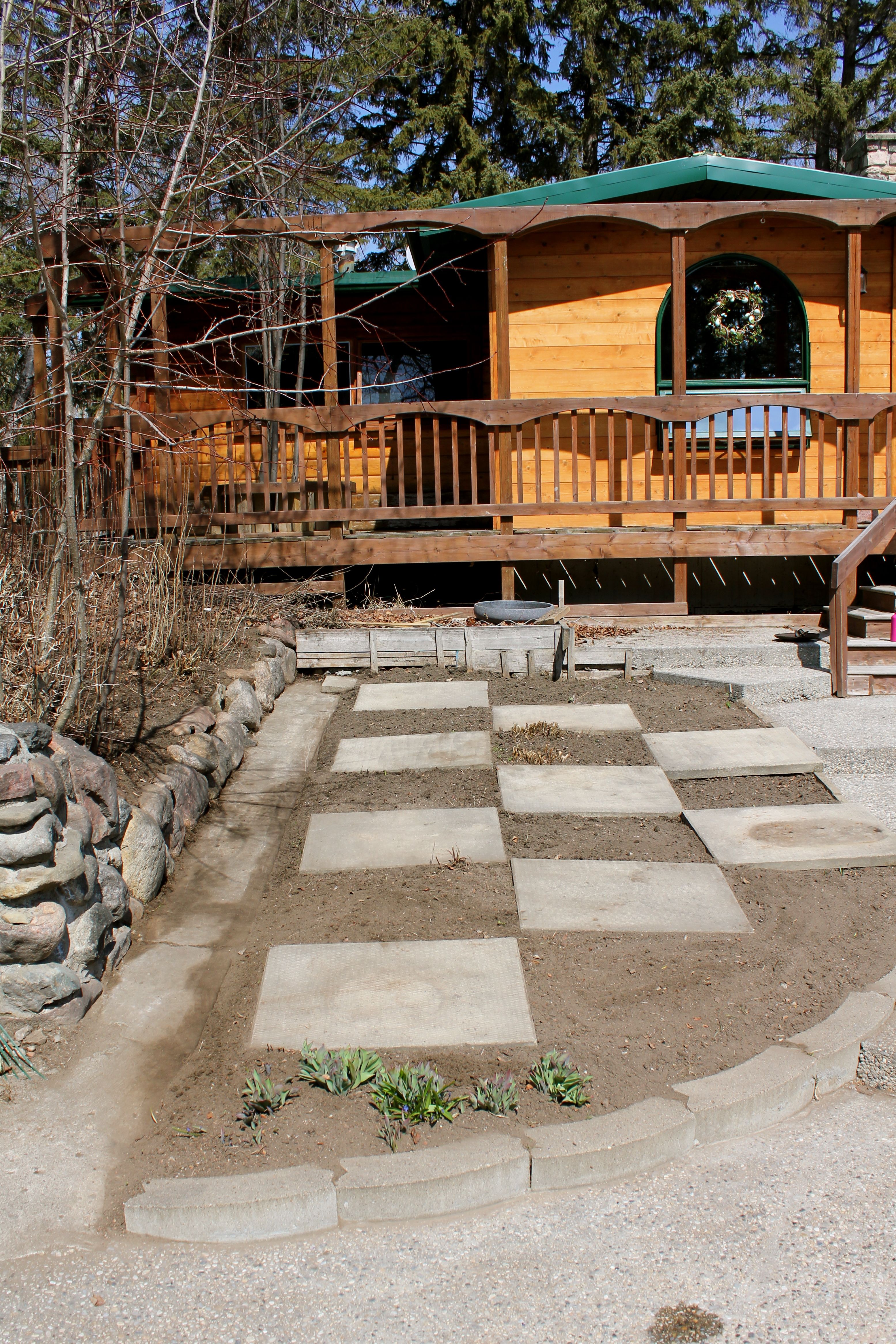
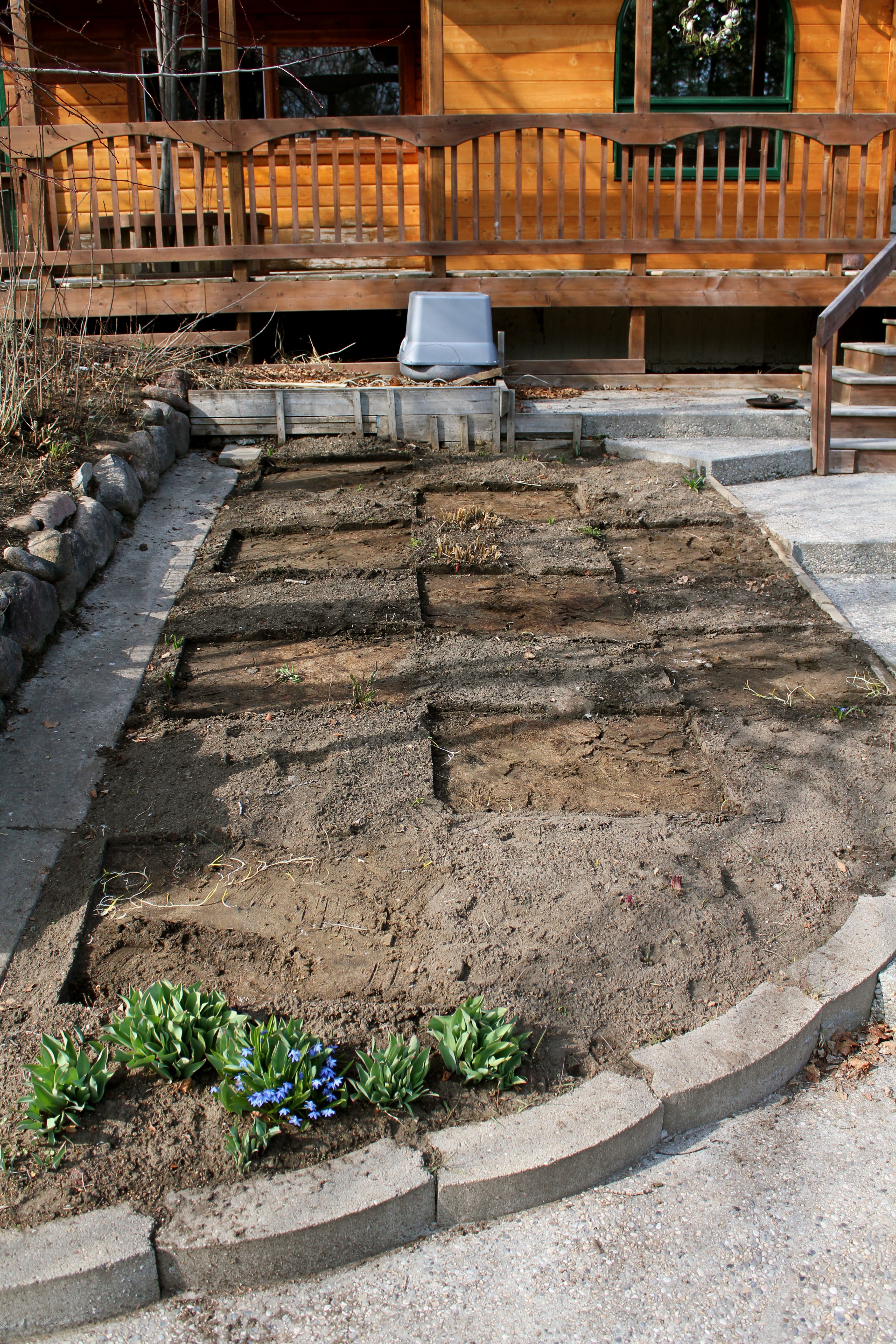
Then I recruited H to help me remove the concrete pavers. Notice the snowdrops coming up in front.

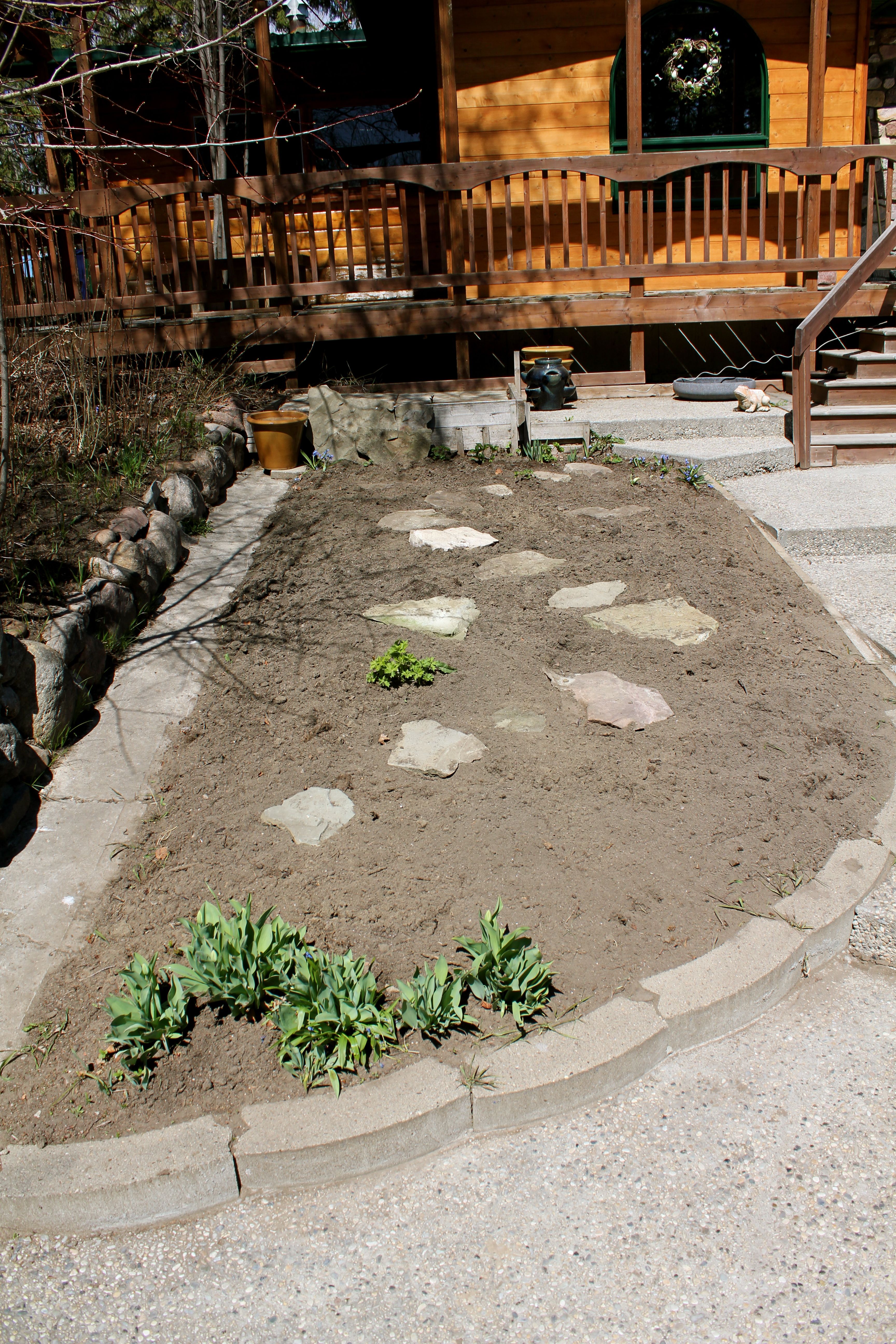
Next, I relocated two large peonies (to the greenhouse). Then we added manure, compost and fresh topsoil and dug it under. Any time we found a bulb buried beneath the soil, we carefully transplanted it to the front of the garden. Then it was time to add the natural stone for stepping stones.

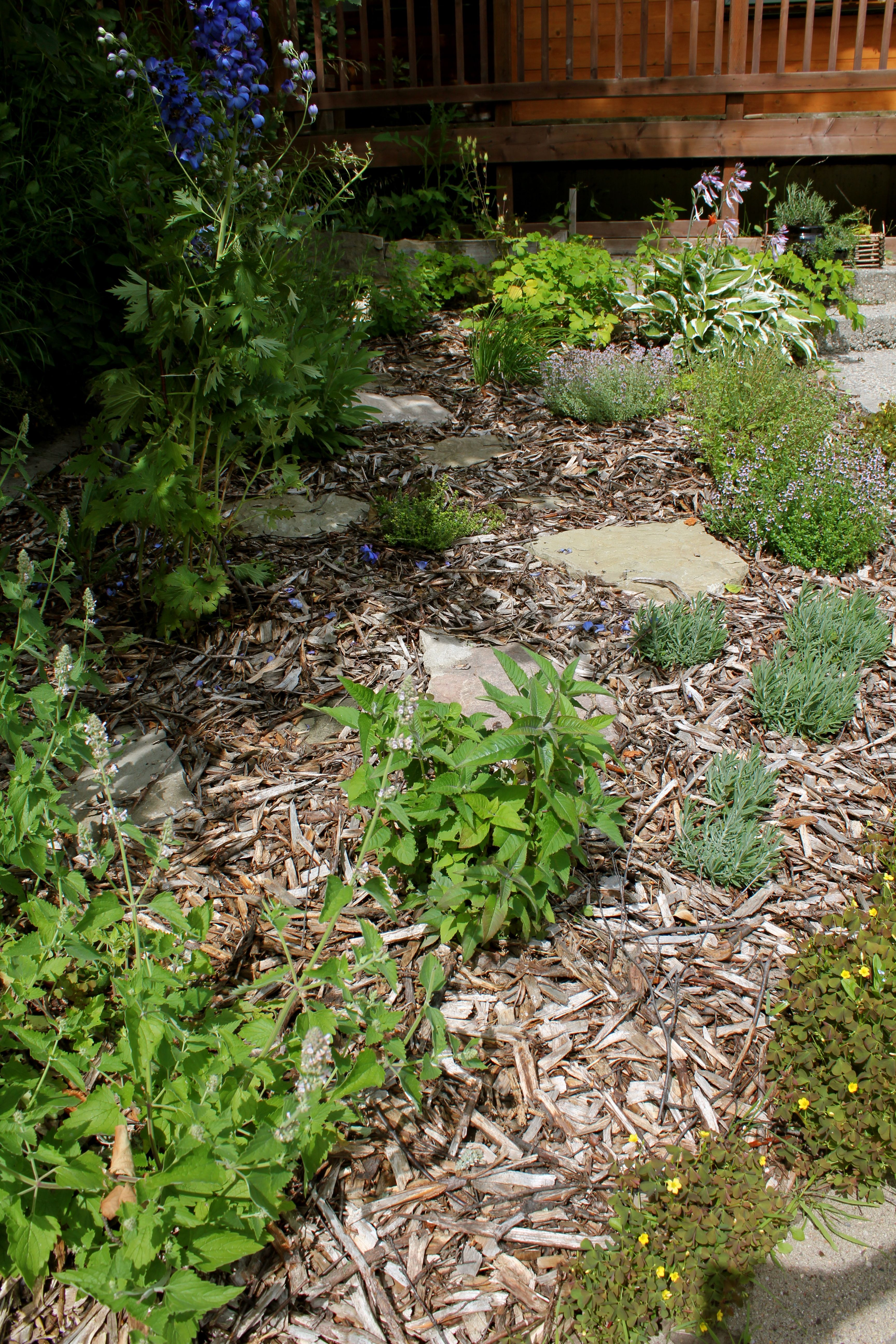
I wanted a meandering path and we added a stone in the middle of the large curves so that I would be able to walk in here easily without trampling the plants. Funny how it turned out to be a subtle yin yang design.

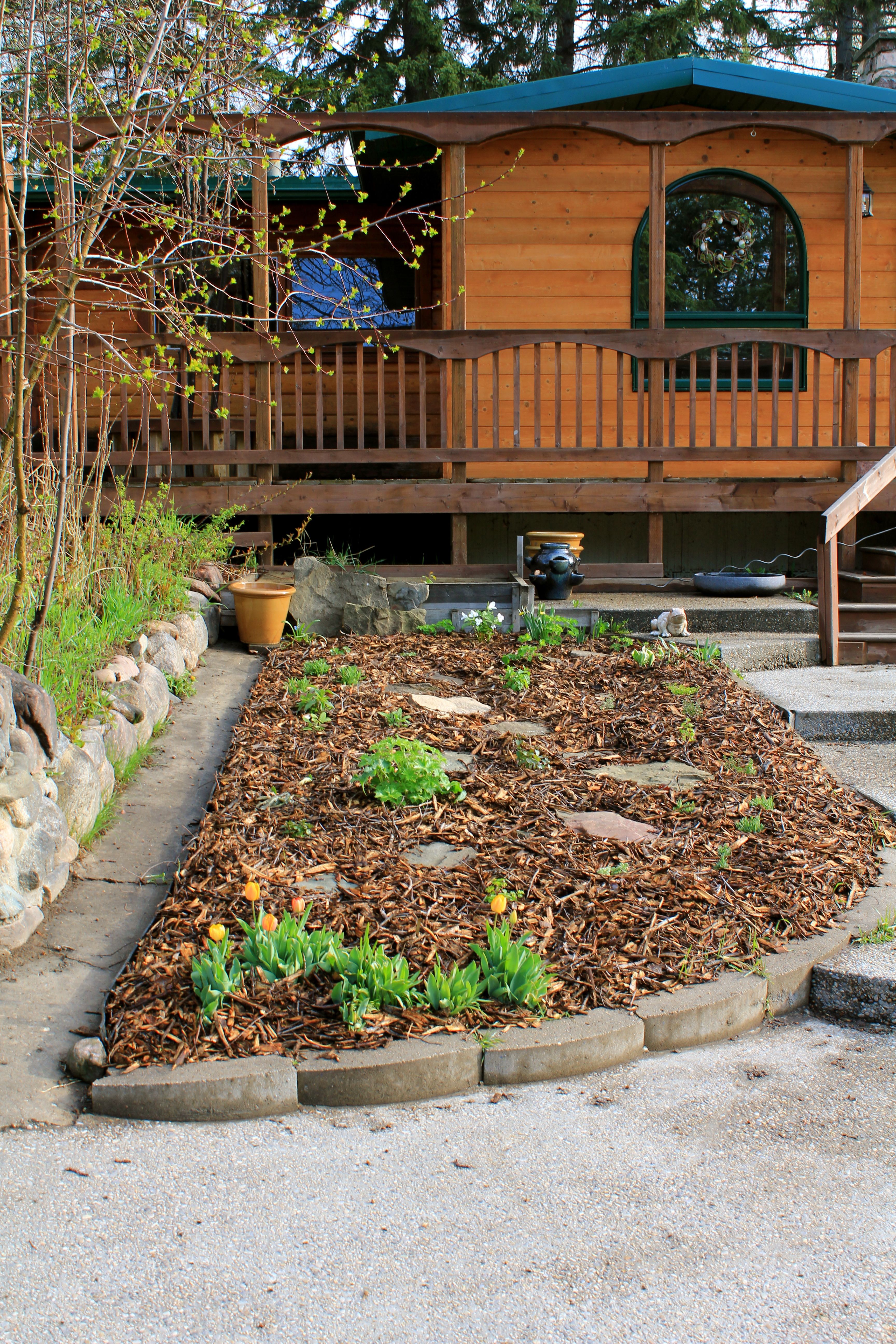
Next, I planted the herbs, placing taller specimens in the back. And leaving the area where the blubs were transplanted alone. After planting, I covered the exposed soil with a few layers of newspaper that had been torn into strips. Then I covered everything with a few inches of mulch. (Note: there was a large pile of mulch already in the back yard.) This keeps the garden from drying out too quickly in hot, dry weather, and keeps the weeds down to a minimum.

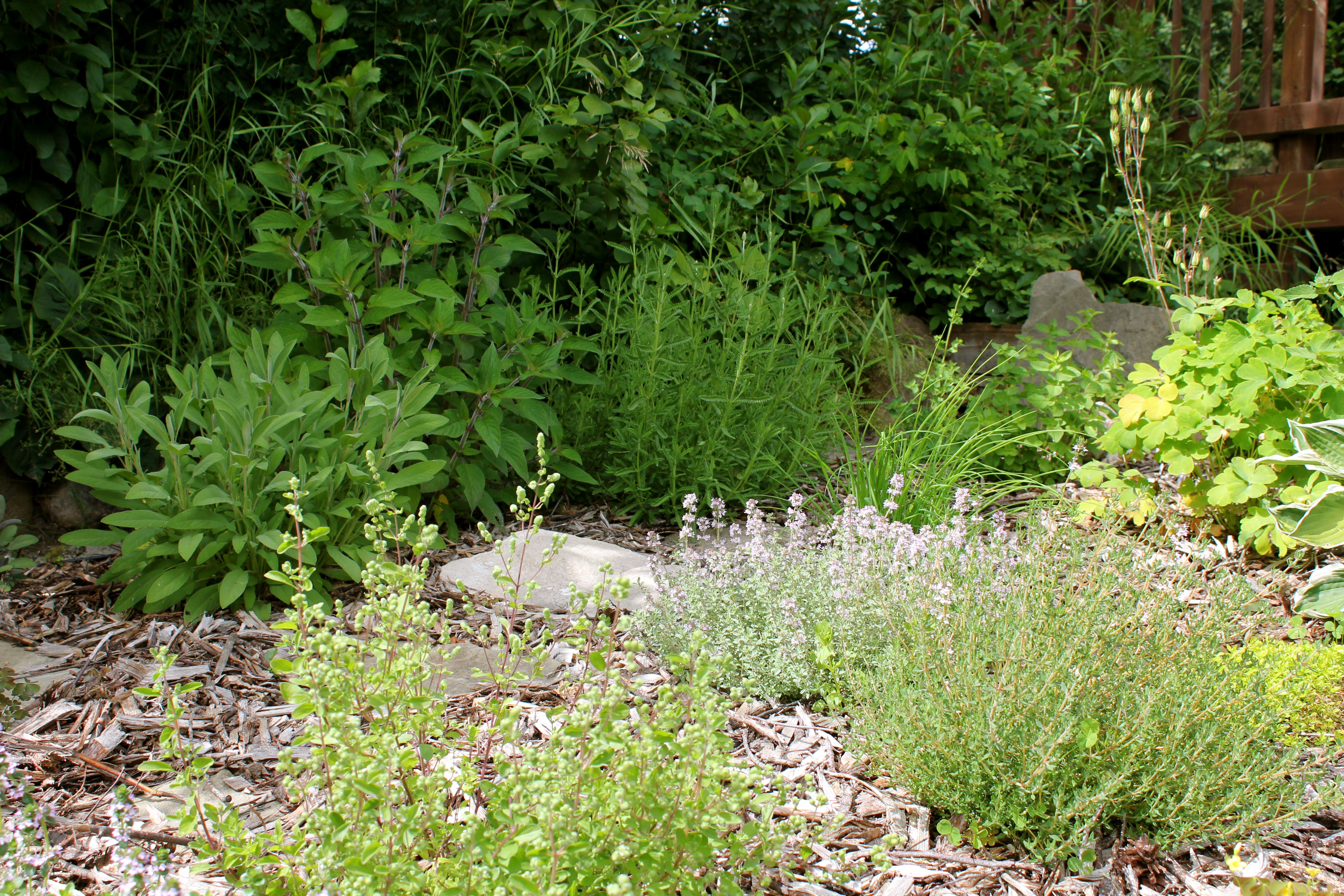
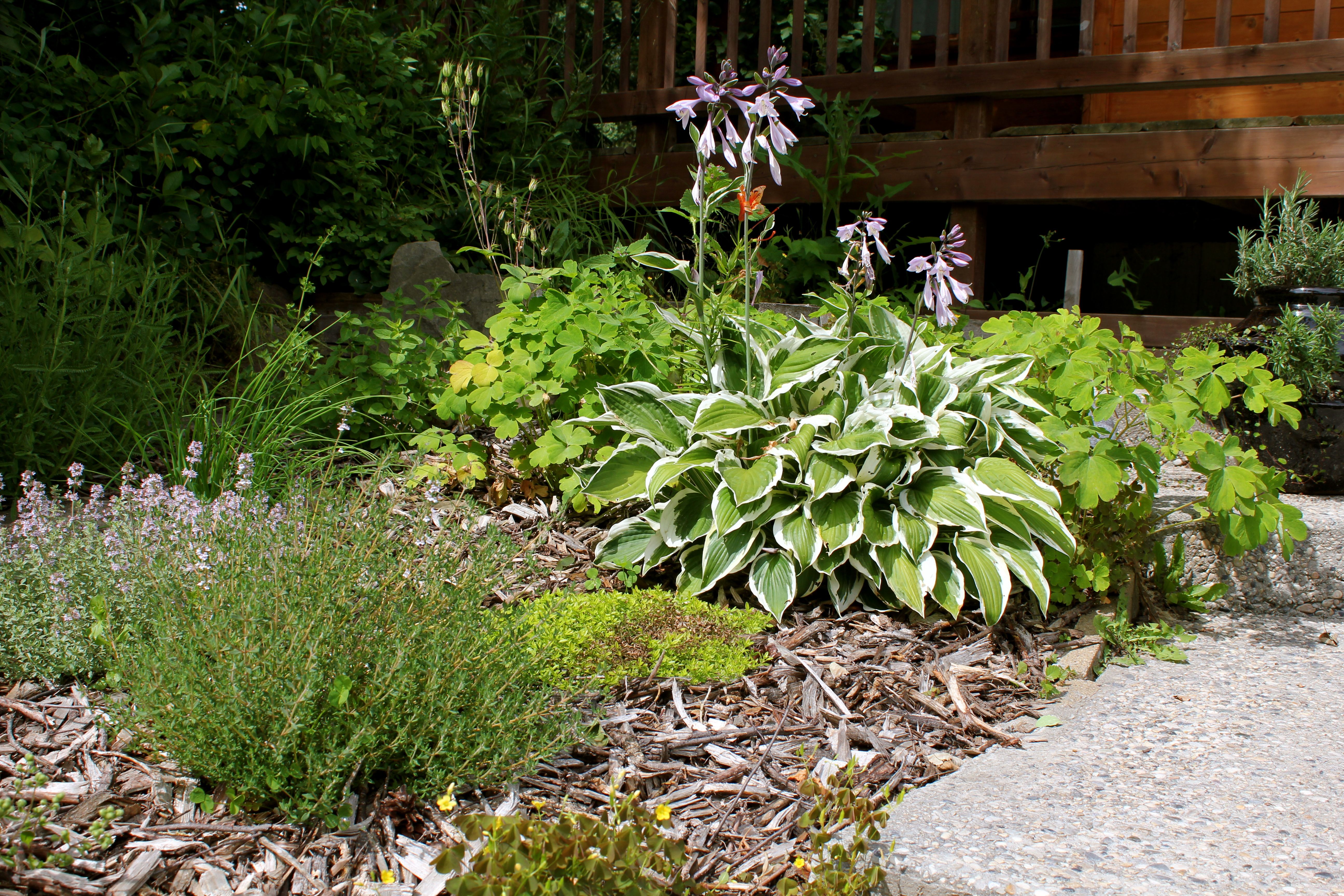
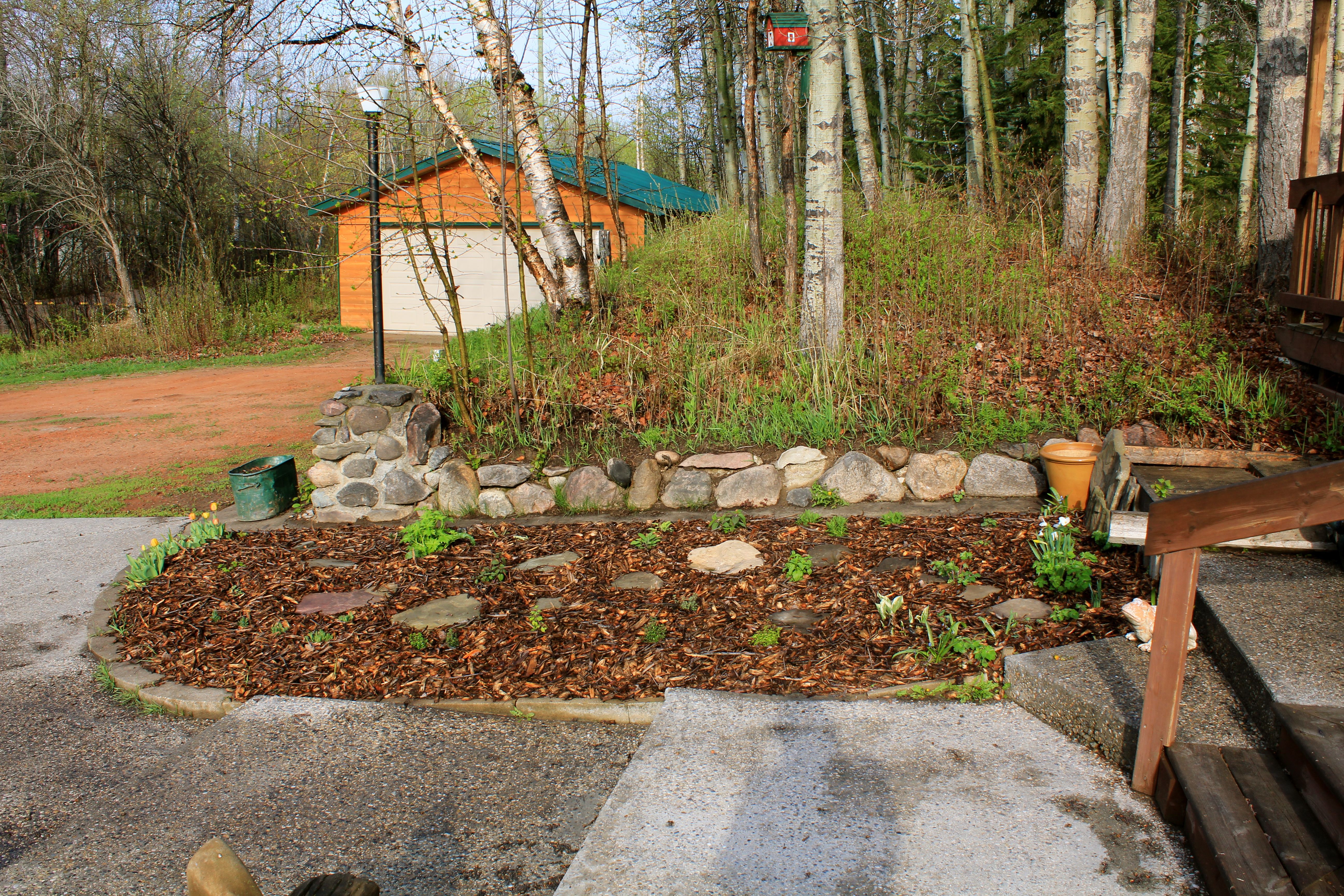
The garden is now planted. All I have to do is enjoy it and wait for my perennial herbs to return each spring! Growing in this little patch are: 3 varieties of lavender, 2 varieties of oregano (I have a spicy oregano growing elsewhere), 3 varieties of sage (including my favorite- pineapple sage), 4 varieties of thyme, curry, marjoram, chives, lemon balm and catnip. The bulbs came up and I found that I had snowdrops, tulips, daffodils, a hosta, a delphinium, a tiger lily, and a few columbine. I also have containers nearby with rosemary and basil.

Here are a few shots of the herb garden taken just today:

Since early June, I have been harvesting herbs for cooking and drying some for teas.  It is so convenient just to run down the front steps, in bare feet and pajamas, to get some herbs for breakfast.

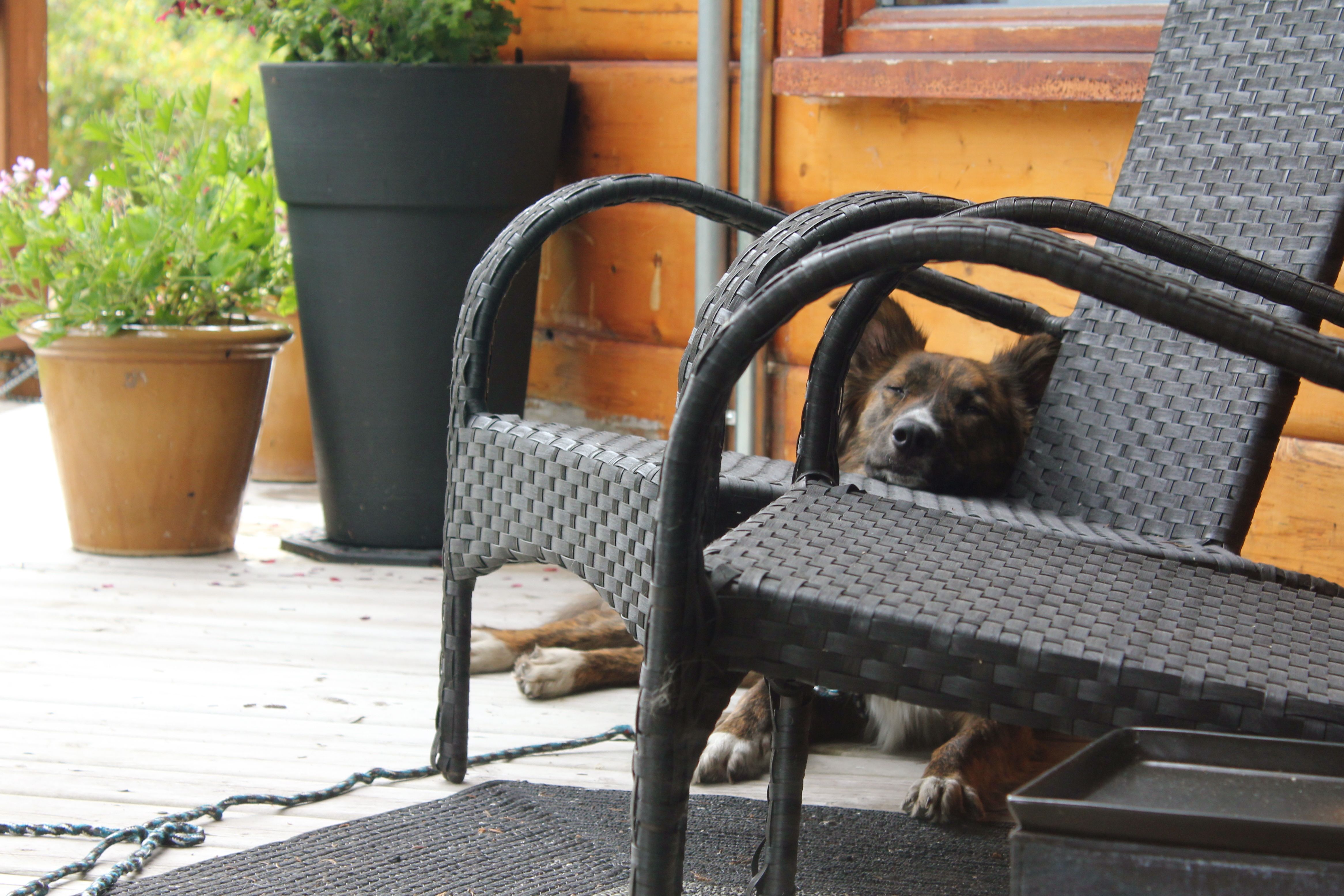
I must go as Lucy is nudging me, reminding me that it is time for our evening walk. Here is a shot of her snoozing on the deck earlier while I worked on this post. Funny, the positions our pets get in when they are sleeping.

Share this:

  • Click to share on X (Opens in new window) X
  • Click to share on Facebook (Opens in new window) Facebook
  • Click to share on Pinterest (Opens in new window) Pinterest
  • Click to print (Opens in new window) Print
  • Click to email a link to a friend (Opens in new window) Email
Like Loading...

Gem-Studded Puffball (Lycoperdon perlatum)… A Wild Mushroom Taste Test

01 Monday Aug 2011

Posted by Delena Rose in cook, forage, wild mushrooms

≈ 12 Comments

Tags

Common Puffball, Devil’s Snuffbox. wild mushroom, Gem-Studded Puffball, Gemmed Puffball, how to identify a Gem-Studded Puffball, Lycoperdon perlatum, Warted Puffball

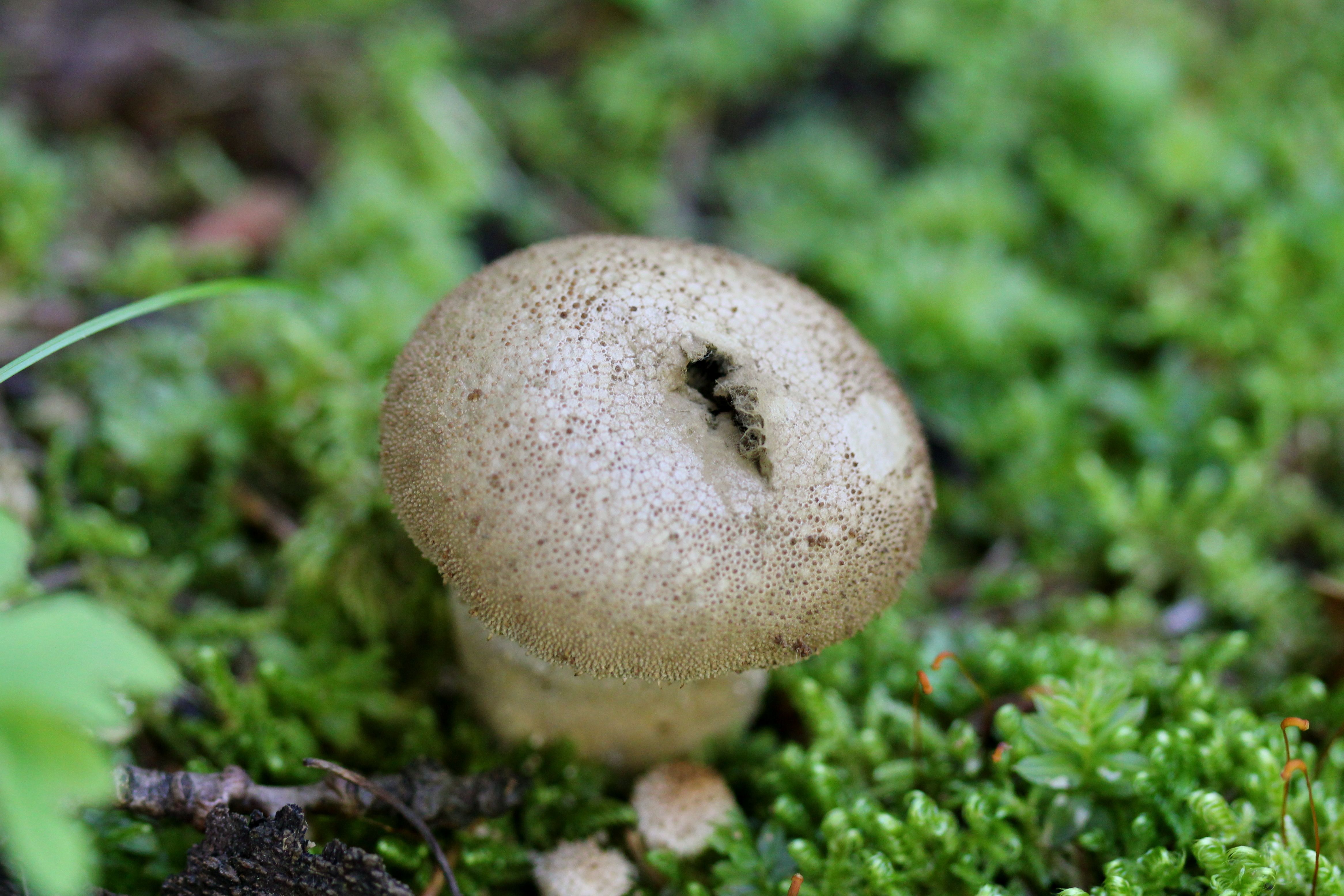
I have been eyeing some beautiful little puffballs for over a week now and finally took time to do some research on them. After consulting my reference books, field guides and many websites, my confidence was high and I was ready to give them a try. I thought this would be a good mushroom to start with as they are very easy to identify (and you further confirm their identity by slicing them in half and seeing what they look like on the inside). They are considered to be a very safe mushroom.

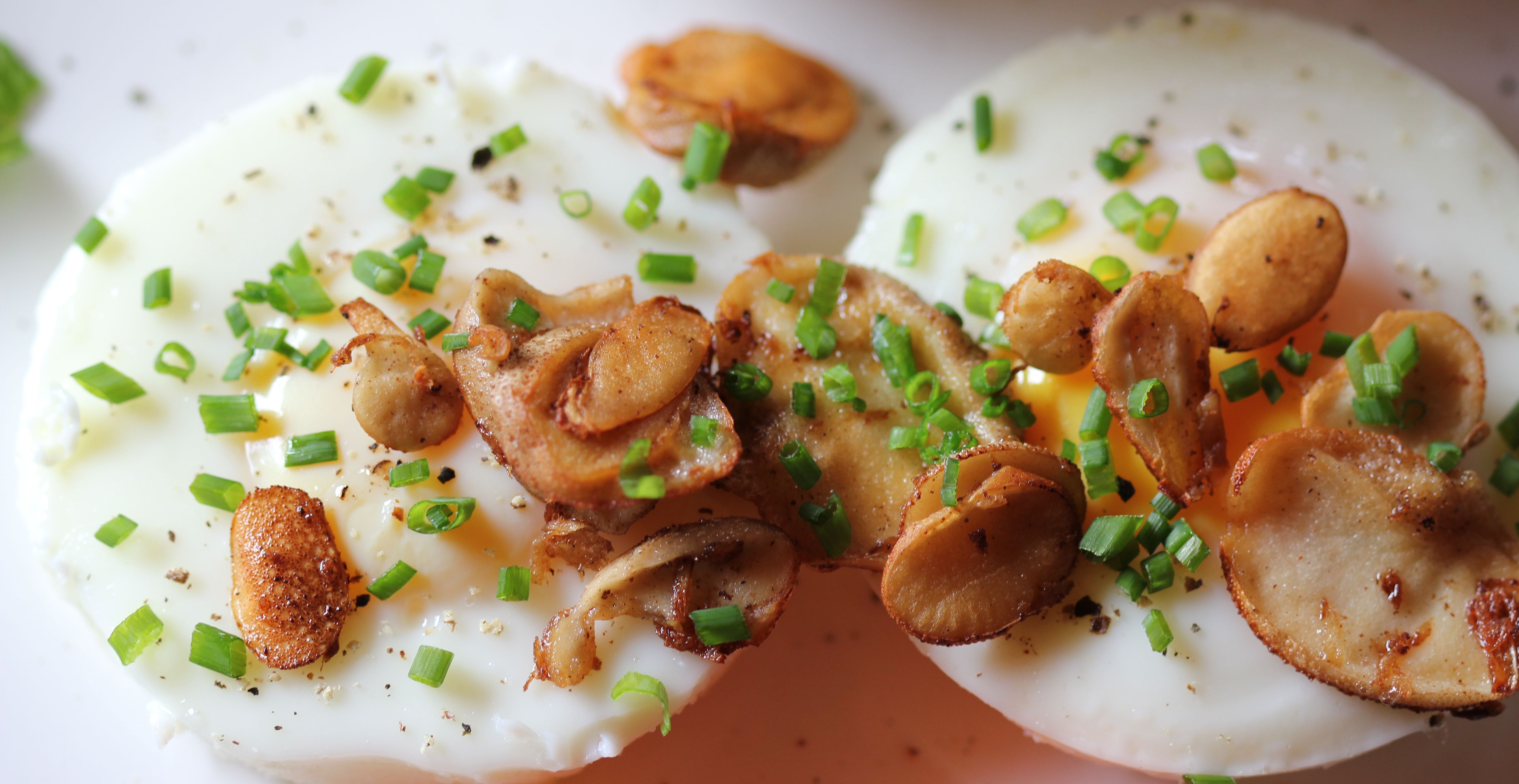
H and I harvested all that we could find on our morning hike, which was only about twelve very small puffballs (just under 1 inch wide). We ended up discarding half of them as they were just turning yellowish, and when sliced in half, were forming stink holes inside and getting a bit soft and pungent. When they are at this softer stage they are actually still edible and even considered a delicacy in Germany, but as this was my first adventure foraging and cooking fresh wild mushrooms, I wasn’t interested! It is probably an acquired taste! The remaining puffballs were nice and firm and had perfect undifferentiated white flesh. Satisfied that I was indeed working with puffballs, I sliced these very thinly, sautéed them in butter and served them over poached eggs at breakfast. They were delicious!!!

This is our wild mushroom breakfast, served with grilled tomatoes and brioche.

Because there was such a small amount of the cooked mushrooms, we ate very slowly, prolonging the experience as much as we could. I don’t think I’ve ever eaten a mushroom this fresh before! Again… delicious!!!

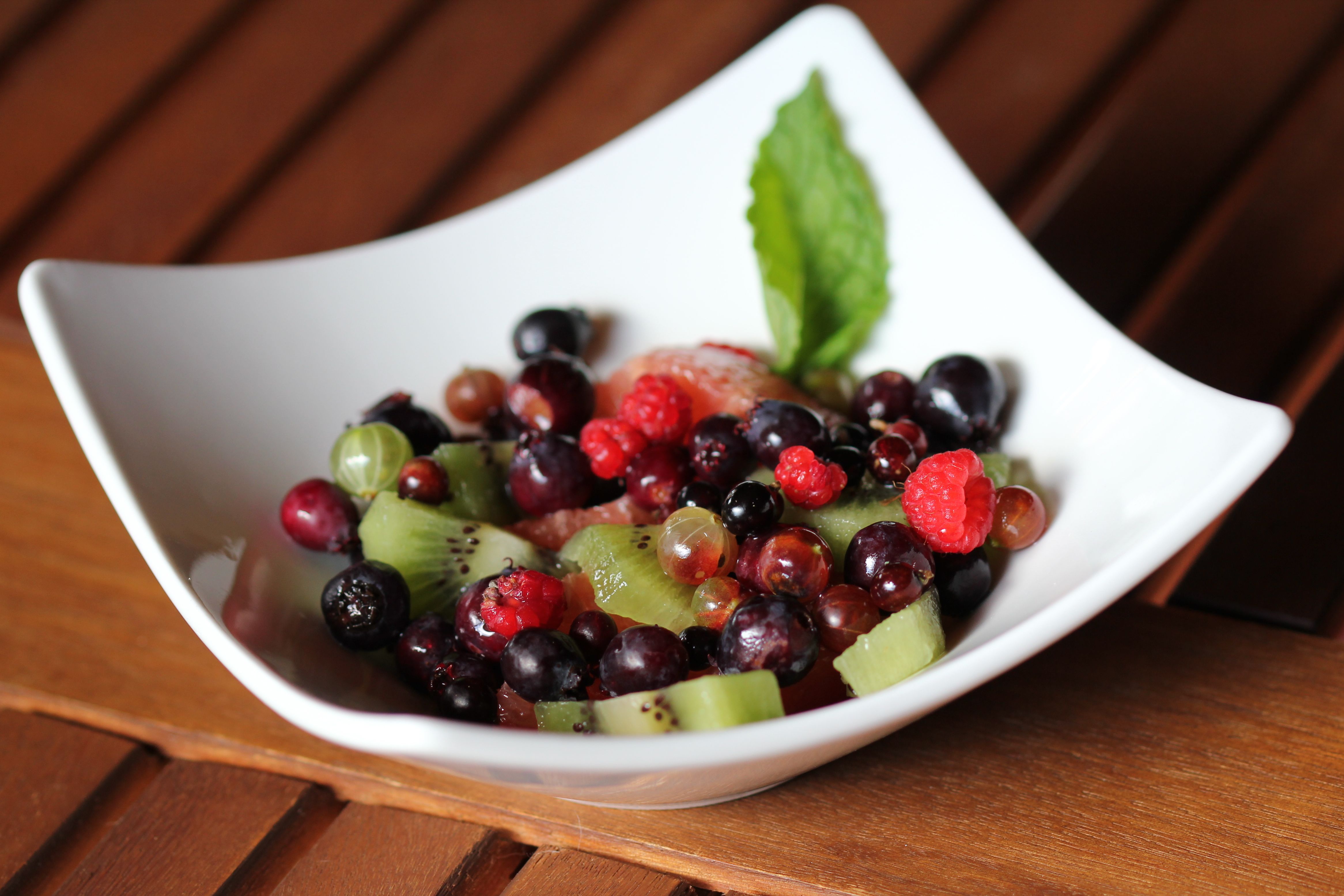
We also had a Wild Berry Fruit Salad on the side:

If you are interested in learning more about Lycoperdon perlatum, here is some of my research and a few helpful resources:

Gem-Studded Puffball (Lycoperdon perlatum)

According to Schalkwyk (1987), true puffballs are the safest possible mushrooms to identify and eat. They are also known as Common Puffball, Gemmed Puffball, Warted Puffball or Devil’s Snuffbox.

One of the most common puffballs in North America, Lycoperdon perlatum is usually round or pear-shaped and grows both, on its own or in a group. You can find this mushroom from July to October growing on the ground, both in the woods as well as in open areas.

Lycoperdon perlatum is edible and choice when young. They can grow up to 3.5 inches across and 4 inches high. Due to their distinct shape and texture, they are easy to identify and gather for cooking. While young, the flesh is firm, white in color and undifferentiated. As it ages, the flesh turns yellowish and eventually brown and its firmness is replaced with a powdery texture. The surface is covered with white, gray or brown spines, which fall off as the mushroom matures.

Be sure to pick onesthat are white and firm to the touch. Once you get home, confirm your mushroom’s identity by slicing them in half. If the flesh is white and undifferentiated, it is a puffball and safe to eat. If, instead of undifferentiated white flesh you see the shape of an embryonic mushroom, it may be an amanita (in the button stage) and poisonous. Discard!

As puffballs mature, a ‘stink hole’ forms. It is called this because it smells like carrion, which inspired the name ‘Devil’s Snuffbox’. The stink hole leads to a single pore at the top of the mushroom where the spores are released.

There are around 18 different types of puffballs (according to my research so far); most notable is the Giant Puffball, which can be up to five feet across and weighing 50 pounds! Robert Rogers lists many medicinal uses for puffballs in his book, The Fungal Pharmacy: Medicinal Mushrooms of Western Canada. (Note: We had the privilege of attending Alberta’s First Annual Herb Gathering just a few weeks ago, which was organized by Robert (and Abrah Arneson). His workshop on Medicinal Mushrooms was inspiring and I was in awe of his encyclopedic knowledge of mushrooms and fungi! He is the Vice President of The Alberta Mycological Society and teaches at the University of Alberta as well for the Earth Spirit Medicine Program at the Northern Star College. I highly recommend his book.)

How to Prepare Puffballs for Eating:

Brush or peel the mushroom.

Sauté in butter and add to salads, casseroles, soups, pasta dishes, etc.

*NEVER eat anything that you are not absolutely sure of the identity of. If, like me, you are just starting out, consider joining your local Mycological Society (i.e. Alberta Mycological Society) and participating in some forays in your local area.

Resources:

Rogers, R. (2006). The Fungal Pharmacy: Medicinal Mushrooms of Western        

      Canada. Prairie Deva Press: Edmonton Alberta.

Schalkwyk, H. (1987). Some Edible and Poisonous Mushrooms in and Around

     Edmonton. Self Published. Edmonton, Alberta.

Sept, J.D. (2006). Common Mushrooms of the Northwest. Calypso Publishing: Sechelt,

B.C.

Share this:

  • Click to share on X (Opens in new window) X
  • Click to share on Facebook (Opens in new window) Facebook
  • Click to share on Pinterest (Opens in new window) Pinterest
  • Click to print (Opens in new window) Print
  • Click to email a link to a friend (Opens in new window) Email
Like Loading...
Newer posts →

Shop our Online Store

cabinorganic logo

Visit our Youtube Channels

Visit our other blogs

Delena Rose

Enter your email address to follow this blog and receive notifications of new posts by email.

RSS Links

RSS Feed RSS - Posts

RSS Feed RSS - Comments

categories

  • Alberta Mycological Society (1)
  • appreciate the seasons (48)
    • Autumn (3)
    • Easter (1)
    • Halloween (1)
    • winter fun (1)
  • art (3)
    • book making (1)
    • pottery (1)
  • babe and child (1)
  • barn (1)
  • be mindful (4)
  • bellybabechild (5)
  • birds (3)
  • butterflies (1)
  • buy local (13)
  • cabin living (26)
  • Chayton (4)
  • chickens (7)
  • chocolate-making (1)
  • cook (156)
    • ancient grains (3)
    • breads (4)
    • breakfast (1)
    • cakes and brownies (1)
    • cheese (3)
    • Chinese (1)
    • cookies (2)
    • curry (2)
    • gluten-free (2)
    • Jamaican (1)
    • Mexican (2)
    • muffins (2)
    • oil & vinegar (1)
    • pastry (1)
    • preserve (17)
    • rice (1)
    • salads (1)
    • vegetables (1)
    • wheat-free (2)
    • whole grains (21)
  • Devonian Botanical Garden (2)
  • DIY (1)
  • drum (2)
  • eco-living (6)
  • explore (5)
  • family (2)
  • for the body (2)
    • Wizard Lake Soap & Body (1)
  • forage (25)
  • garden (20)
    • bird butterfly bee (1)
    • greenhouse (1)
    • herb & tea (1)
    • medicine wheel (2)
  • handmade (24)
    • bent wood furniture (1)
    • books (1)
    • labels (1)
  • healing (3)
  • Indian (1)
  • Indigenous teachings (1)
  • juice (3)
  • kids (1)
  • lake living (3)
  • local events (1)
  • Lucy (10)
  • make it (14)
    • knit (3)
  • mindfulness (4)
  • more about us (9)
  • Mother's Day (1)
  • mushrooms & fungi (3)
  • Native flute (1)
  • online store (1)
  • photography (1)
  • Pigeon Lake (16)
  • play (4)
  • raw foods (2)
  • read (6)
  • refinish (4)
  • reflections (3)
  • repurpose (7)
  • restaurants (1)
  • restore (10)
  • reuse (5)
    • thrift store finds (1)
  • seeds and nuts (1)
  • sweets (3)
  • tea (9)
    • Dragonfly Lane Teas (1)
  • thrift store finds (1)
  • Uncategorized (1)
  • wild berries (21)
  • wild flowers (6)
  • wild life (2)
  • wild mushrooms (2)
  • wild plant (2)
  • wild women (5)
  • Winter Solstice (1)
  • Worms (1)
  • write (3)

archives

  • May 2022 (1)
  • March 2022 (1)
  • January 2022 (2)
  • December 2021 (2)
  • June 2018 (1)
  • January 2018 (3)
  • December 2017 (4)
  • April 2015 (1)
  • January 2015 (3)
  • November 2014 (3)
  • July 2014 (1)
  • April 2014 (4)
  • March 2014 (3)
  • February 2014 (2)
  • January 2014 (2)
  • December 2013 (1)
  • November 2013 (5)
  • October 2013 (4)
  • September 2013 (10)
  • August 2013 (4)
  • May 2013 (1)
  • April 2013 (2)
  • March 2013 (5)
  • February 2013 (3)
  • January 2013 (5)
  • December 2012 (5)
  • November 2012 (5)
  • October 2012 (6)
  • September 2012 (8)
  • August 2012 (6)
  • July 2012 (8)
  • June 2012 (9)
  • May 2012 (19)
  • April 2012 (18)
  • March 2012 (15)
  • February 2012 (17)
  • January 2012 (19)
  • December 2011 (20)
  • November 2011 (18)
  • October 2011 (17)
  • September 2011 (22)
  • August 2011 (27)
  • July 2011 (9)

food for thought

“Eat food. Not too much. Mostly plants.” ~Michael Pollan

Blogroll

  • Alberta Lamb Producers
  • Alberta Mycological Society
  • Alberta Plant Watch
  • Arctic Chalet
  • Aroma Borealis
  • Baking Beauties
  • Becoming Minimalist
  • Blue Heron Artists and Artisans
  • blue roof cabin
  • Bulk Herb Store
  • Cedar Spirit Flutes
  • Chris Martenson
  • Daily Health Boost
  • delightfullysimple
  • Devonian Botanical Garden
  • ECOcafe
  • Elm Cafe
  • Etsy
  • Gold Forest Farms
  • Grainworks
  • Happy Wrap
  • Learn WordPress.com
  • Michael Pollan
  • Mindsprings
  • Mother Earth News
  • Mountain Rose Herbs
  • My Repurposed Life
  • Noorish
  • Northern Alberta Society for Animal Protection
  • Pigeon Lake Nordic Ski Club
  • Pigeon Lake Provincial Park
  • Rundle Mission
  • Sage Mountain Herbal Retreat Center
  • TED
  • The Spirit Books
  • The Story of Stuff
  • The Village at Pigeon Lake

ECOcafe

Blog Stats

  • 363,367 hits

  • Subscribe Subscribed
    • cabinorganic
    • Join 158 other subscribers
    • Already have a WordPress.com account? Log in now.
    • cabinorganic
    • Subscribe Subscribed
    • Sign up
    • Log in
    • Report this content
    • View site in Reader
    • Manage subscriptions
    • Collapse this bar
 

Loading Comments...
 

    %d