spending time with family

Tags

, , ,

Rejoice with your family in the beautiful land of life! ~Albert Einstein

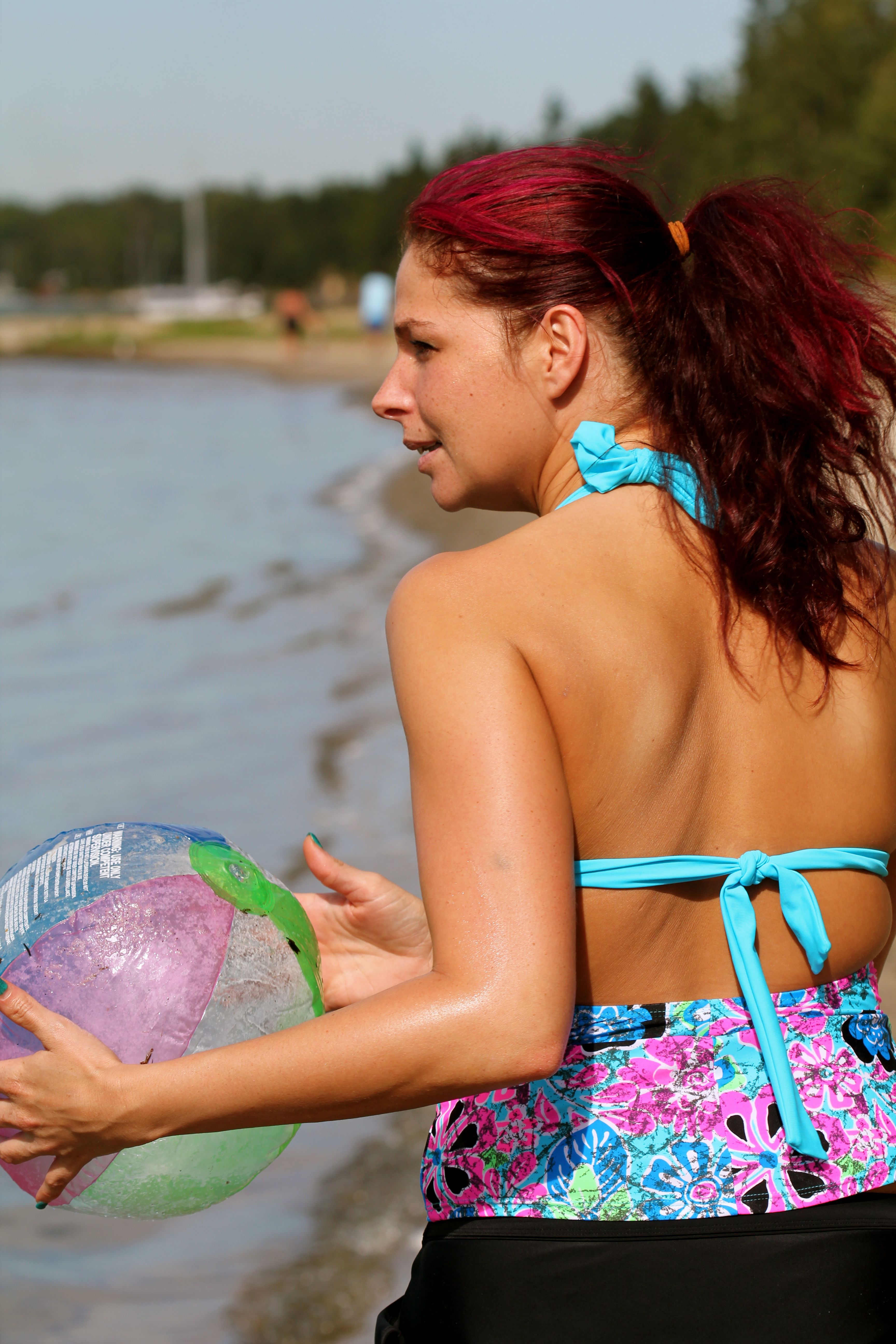
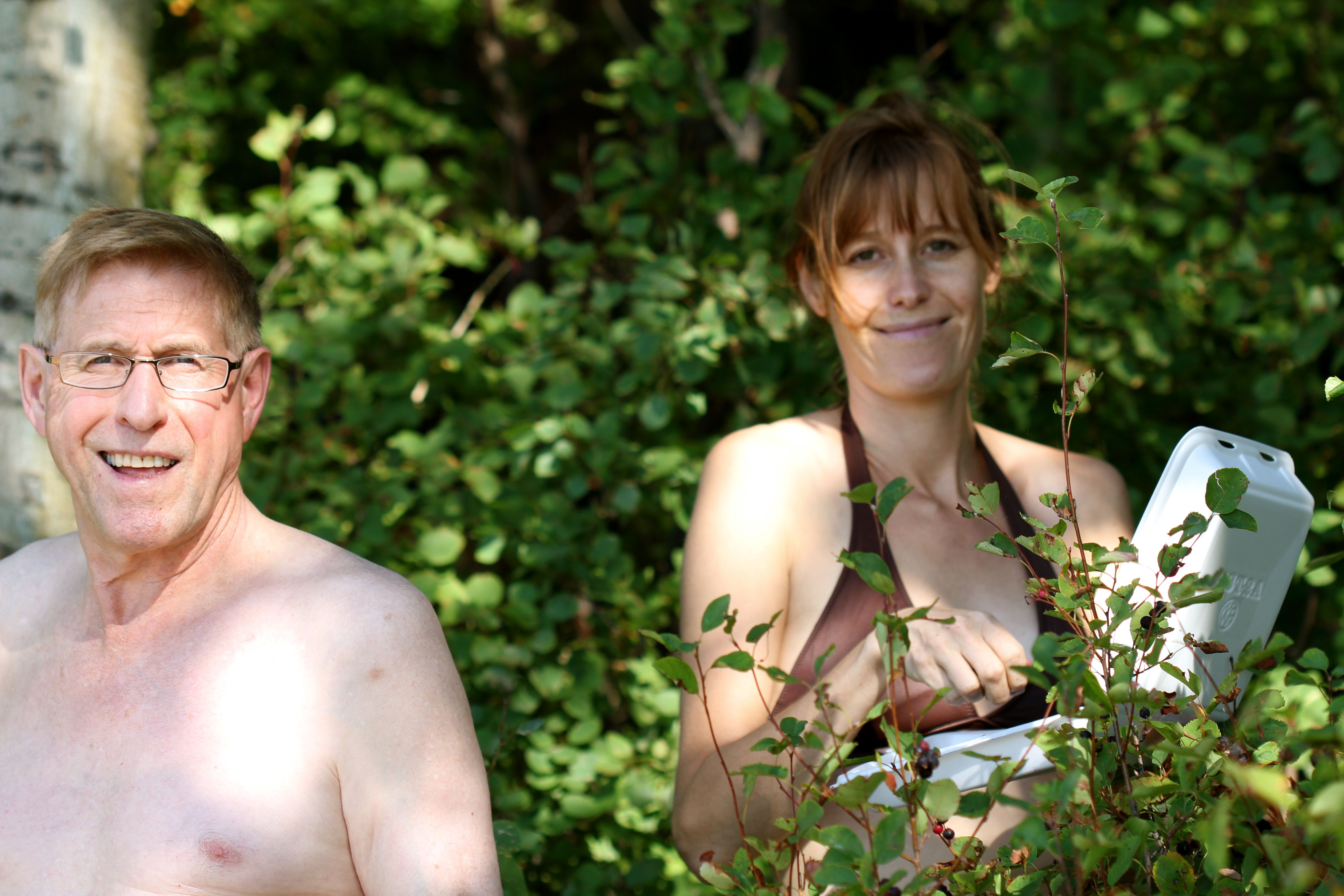
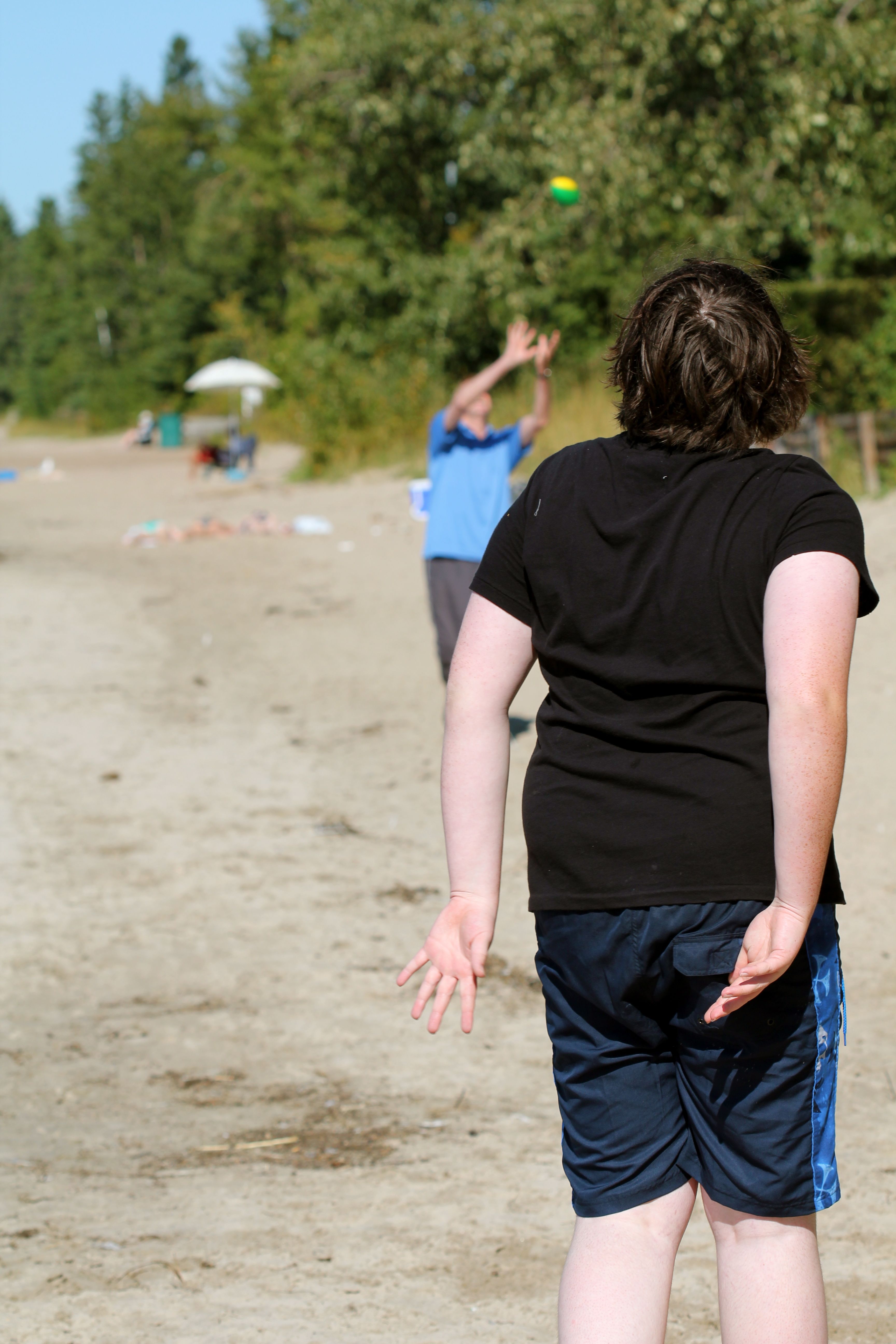
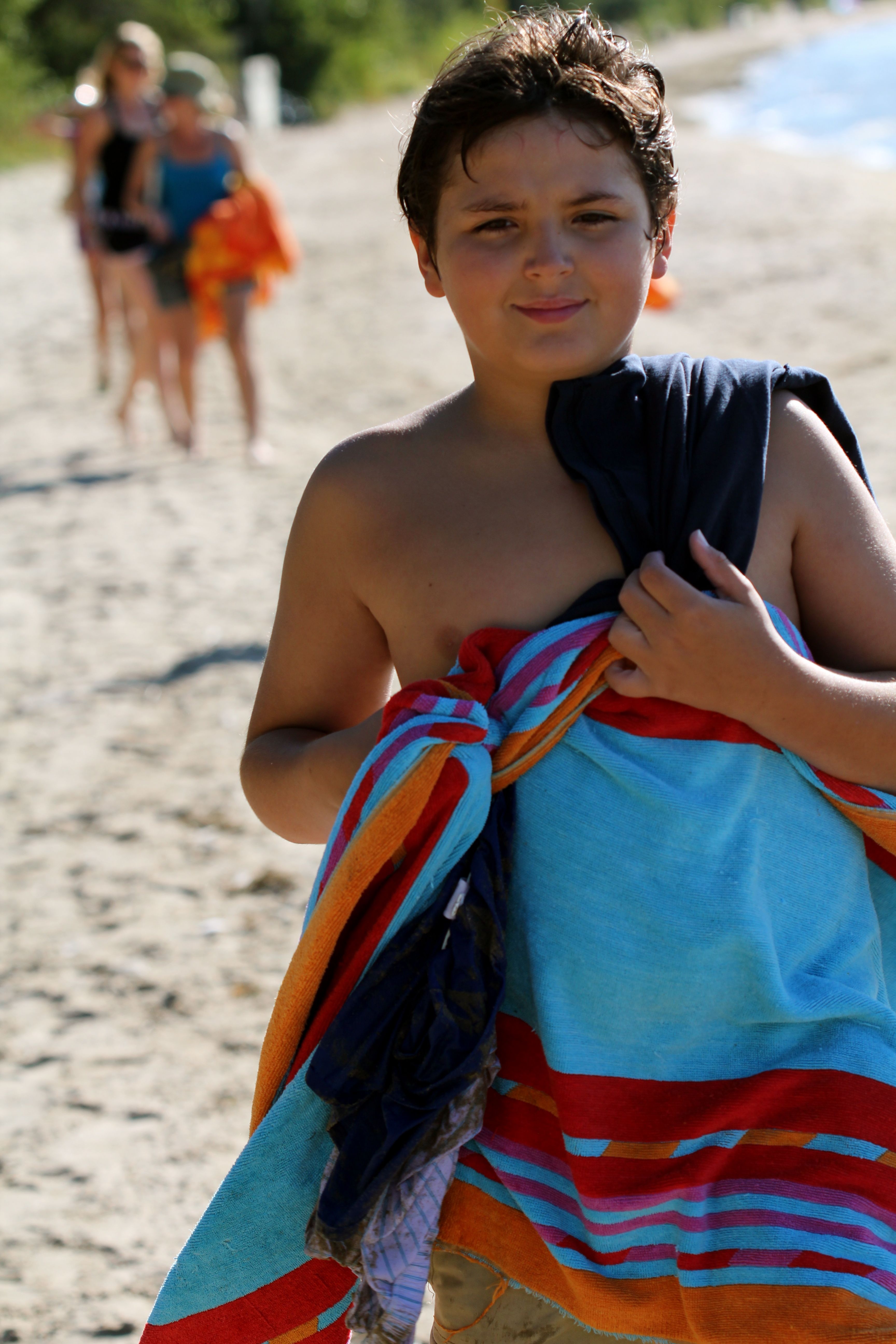
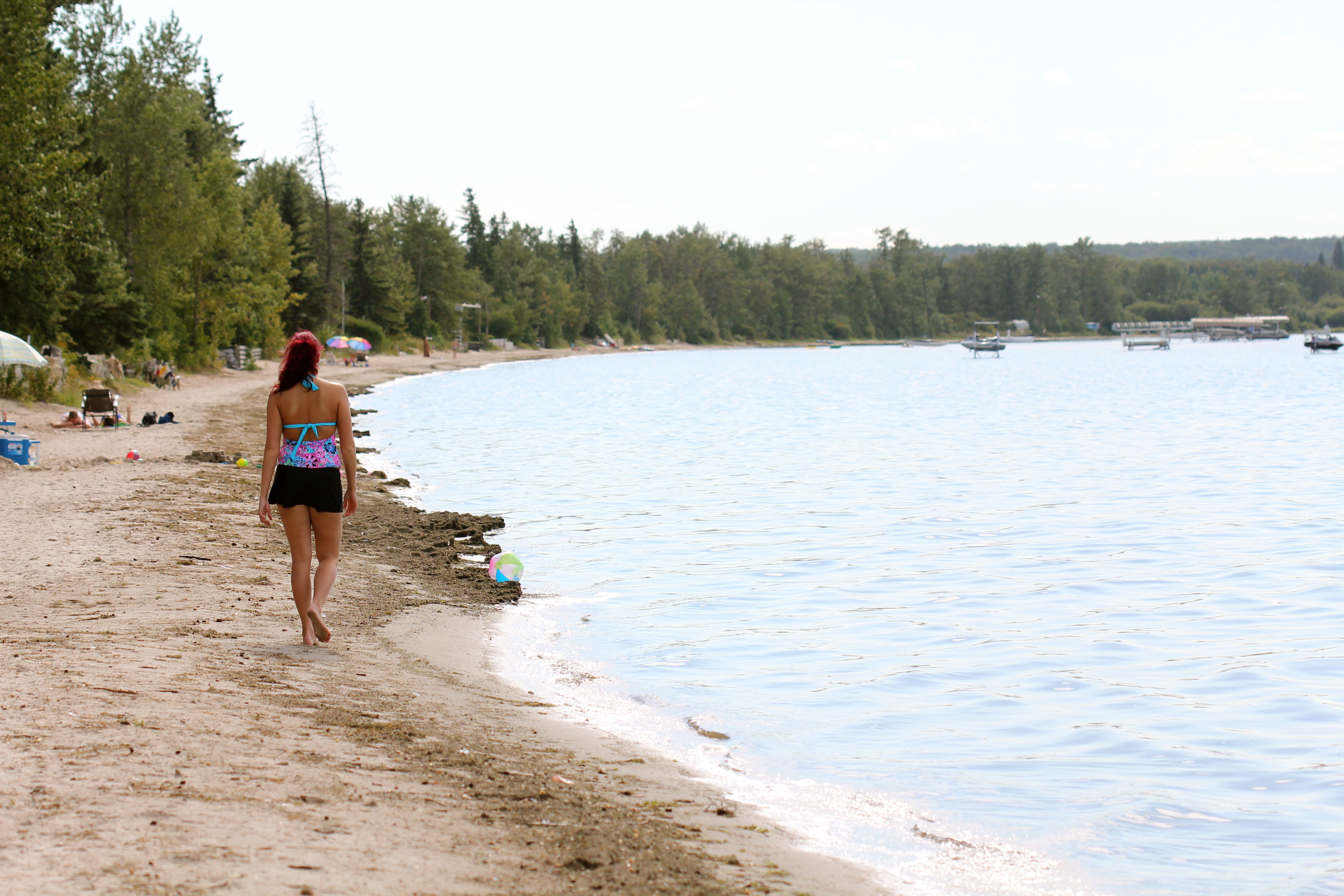
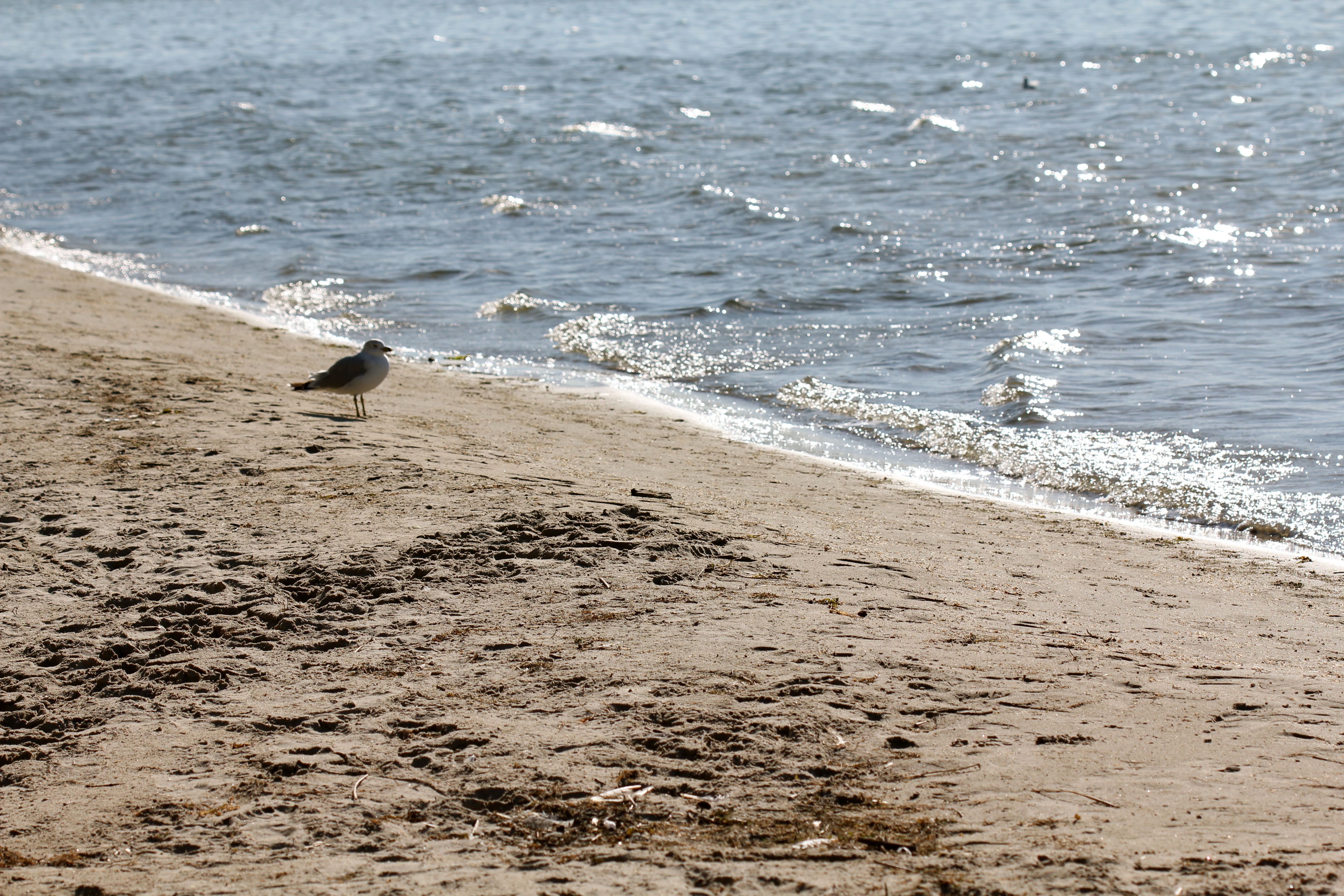
My dad (Don), sister Cheryl and her two sons, Taylor and Nathaniel, came to visit from Winnipeg for a few days this week. Although our time together was short we really made the most of it, spending both beautiful days on the beach where we swam, played, picked berries, chatted, read and relaxed. Back at the cabin, no one even noticed that I do not own a television as they were too busy having fun playing Scrabble, Yahtzee, Chess and football.

 Families are like fudge – mostly sweet with a few nuts. ~Author Unknown

The advantage of growing up with siblings is that you become very good at fractions.  ~Robert Brault

It was particularly nice for me to take this time off from my regular routine of chores and projects to enjoy some ‘end of summer time’ and connect with my family in a meaningful way. Living alone (with Lucy), I often get busy and forget to take periods of rest throughout the day and week. Discovering Ma-Me-O Beach here at Pigeon Lake was lovely as it reminded me that I am living in an Alberta tourist hot spot and should make the most of it by enjoying it when I can.

 You don’t choose your family.  They are God’s gift to you, as you are to them.  ~Desmond Tutu

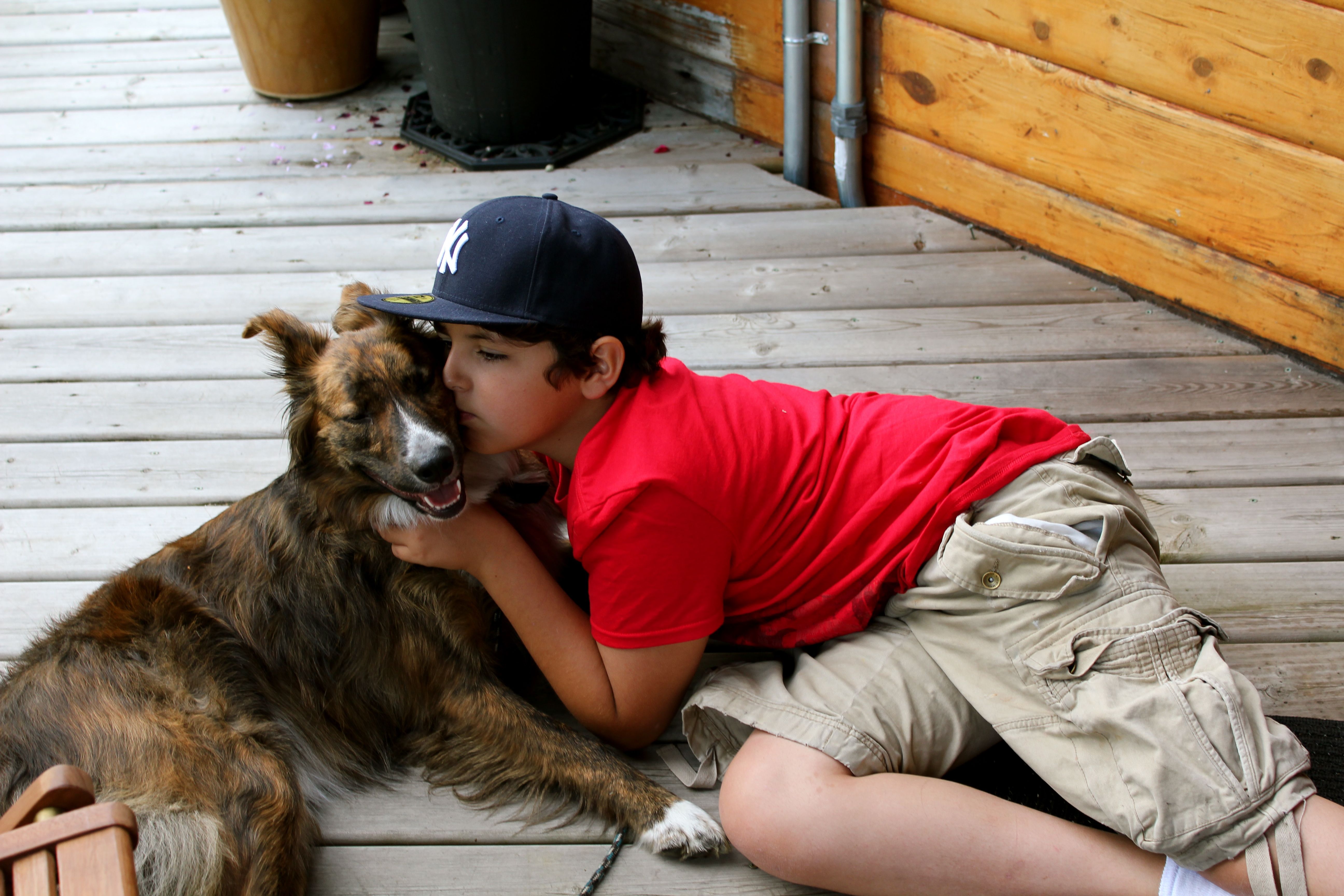
Taylor is a natural in the kitchen and we have been cooking together since he was very young. Back at the cabin, we cooked all of the delicious meals together.  Nathaniel helped out a bit there, too. Nathaniel joined Lucy and I on our evening walks and we had fun talking about fishing and snakes and just exploring nature together. My sister and I got all caught up on each other’s busy lives, and my dad (with Cher’s help) installed a beautiful new ceiling fan in the living room. Surrounded by people, Lucy got non-stop smooches and cuddles from everyone.

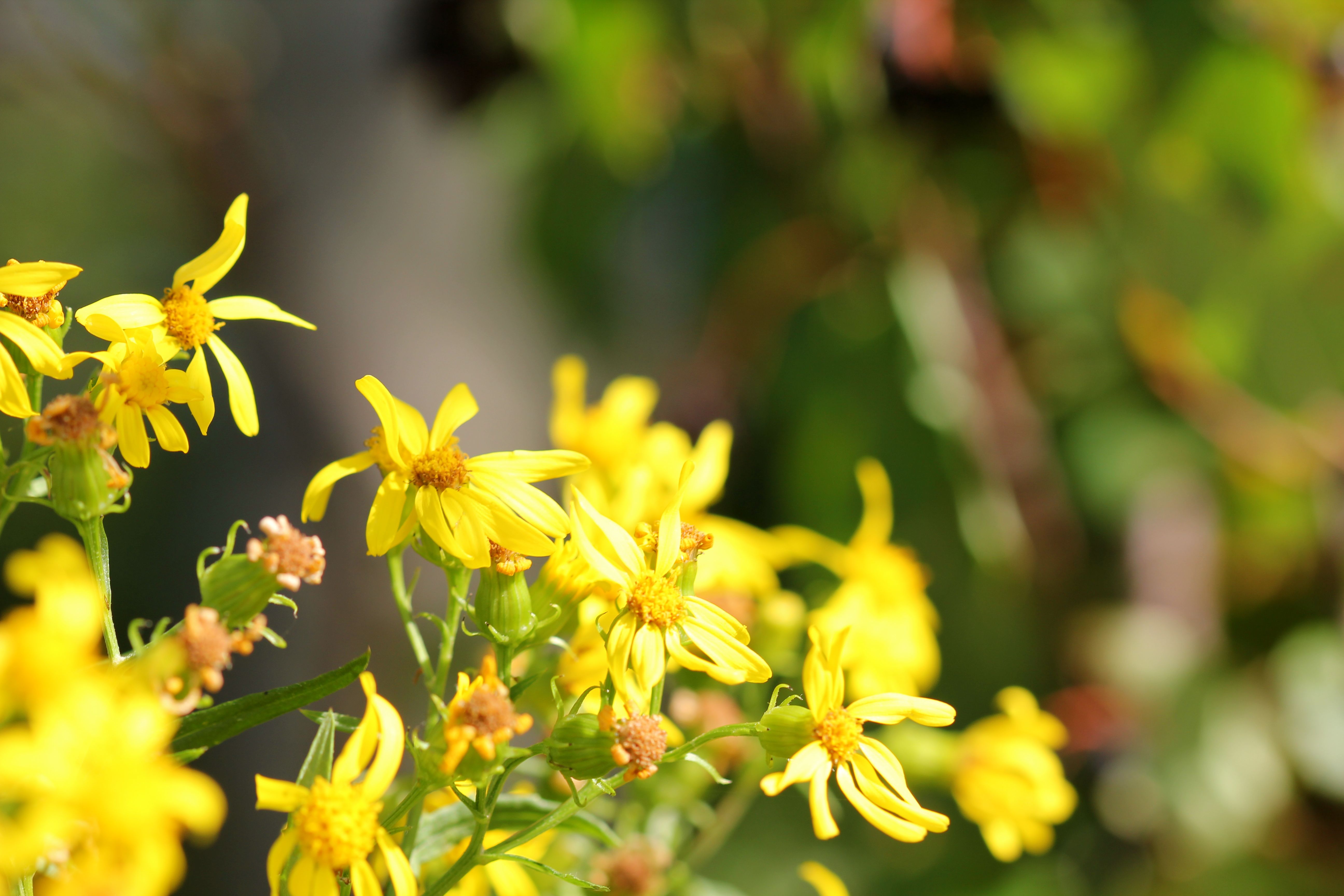
Beach, sunshine, time with family… end of summer fun. It was a lovely few days!

dandelion pancakes

Tags

, , , , ,

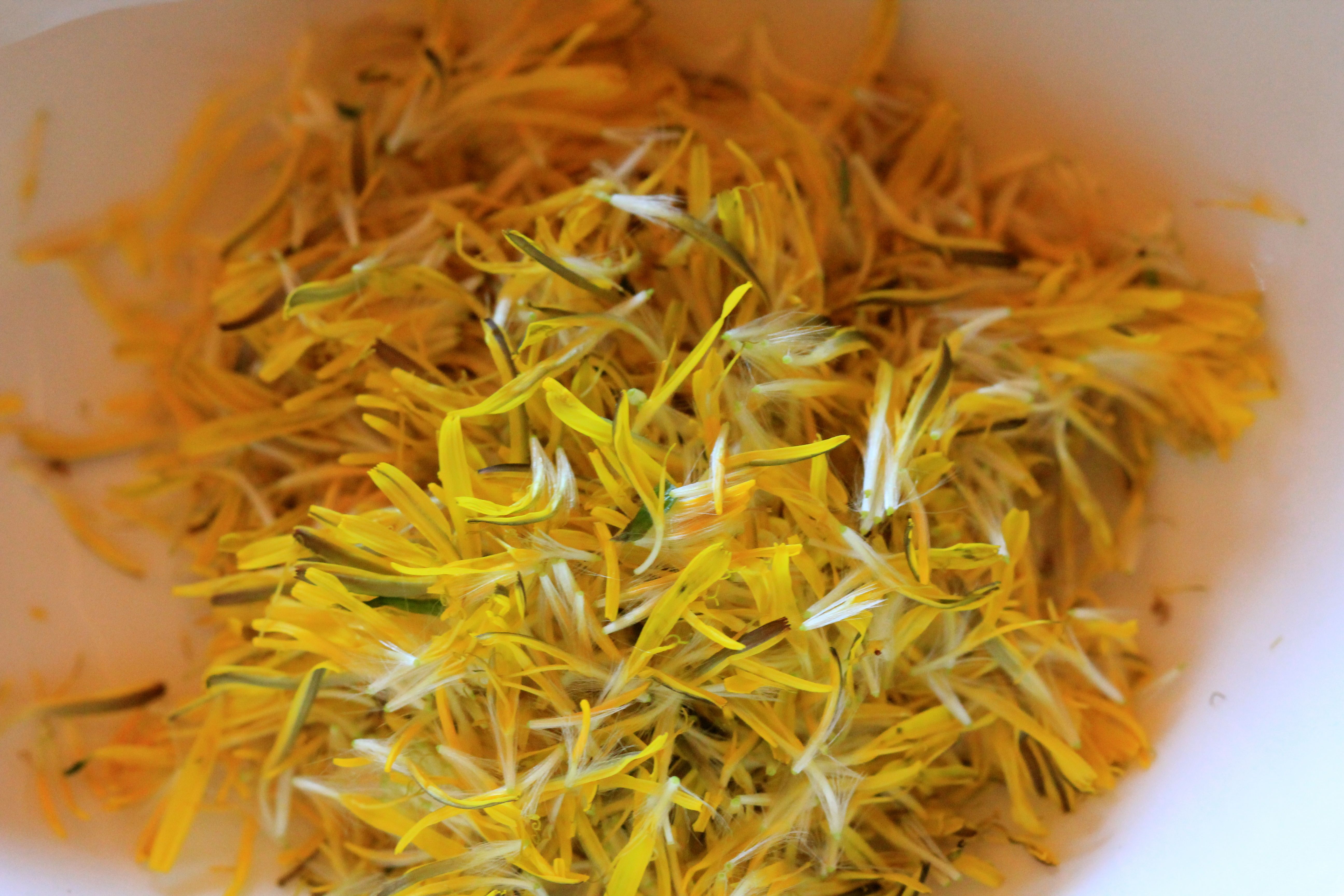
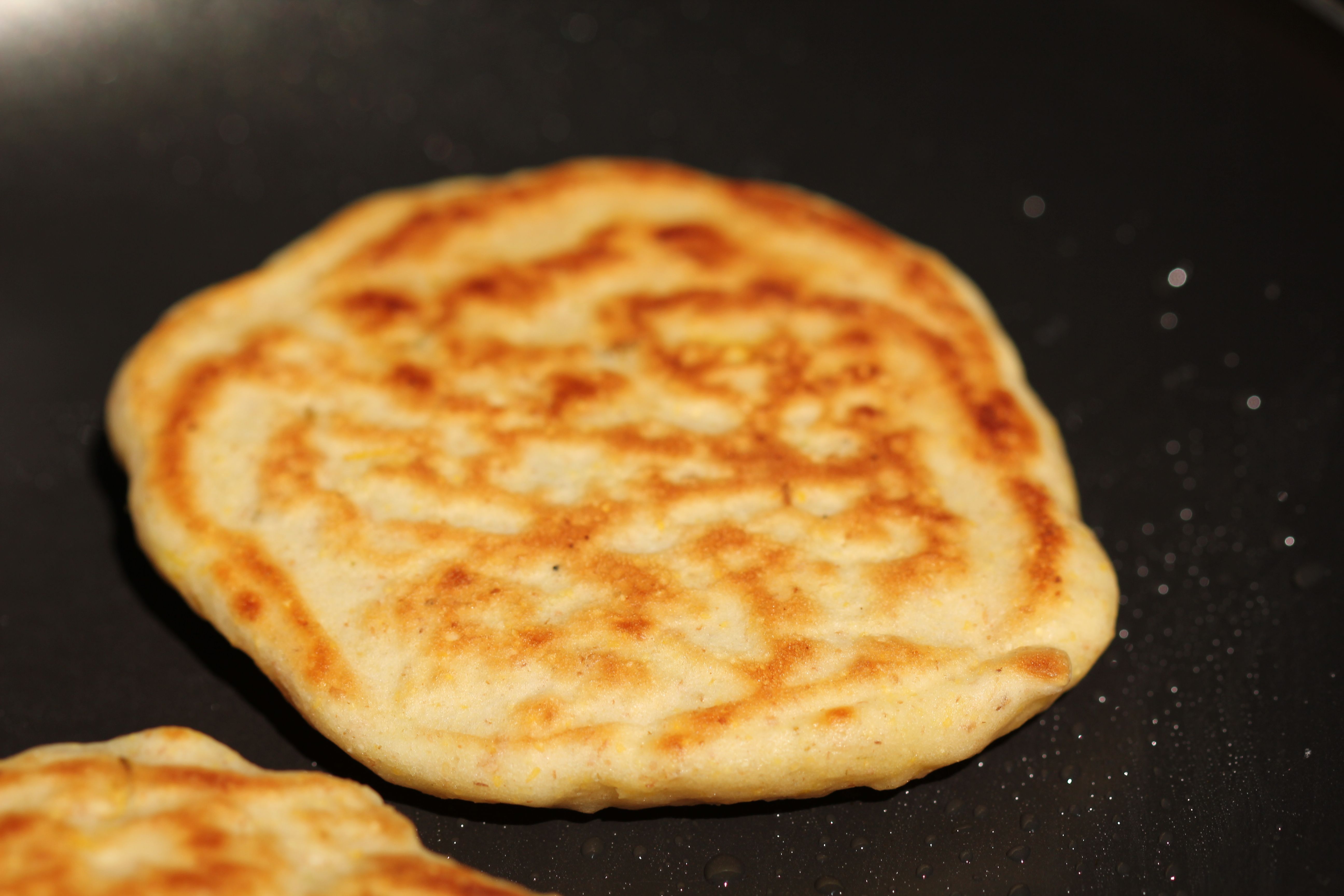
The flavor of dandelion flowers is very subtle, which makes adding it to your current recipes very easy as they do not interfere with other flavors. The flowers add cheerful specks of yellow and you benefit from their nutritional value. Here, I added dandelion flowers to my favorite cornmeal pancake recipe. A perfect part of a hearty country breakfast.

2/3 cup whole wheat flour

1 cup all purpose flour

1 teaspoon sugar

1/4 cup cornmeal

1/2 cup dandelion flowers (the yellow part)

3 teaspoons baking powder

1/2 cup vegetable oil

2 eggs

1-1/2 cup milk

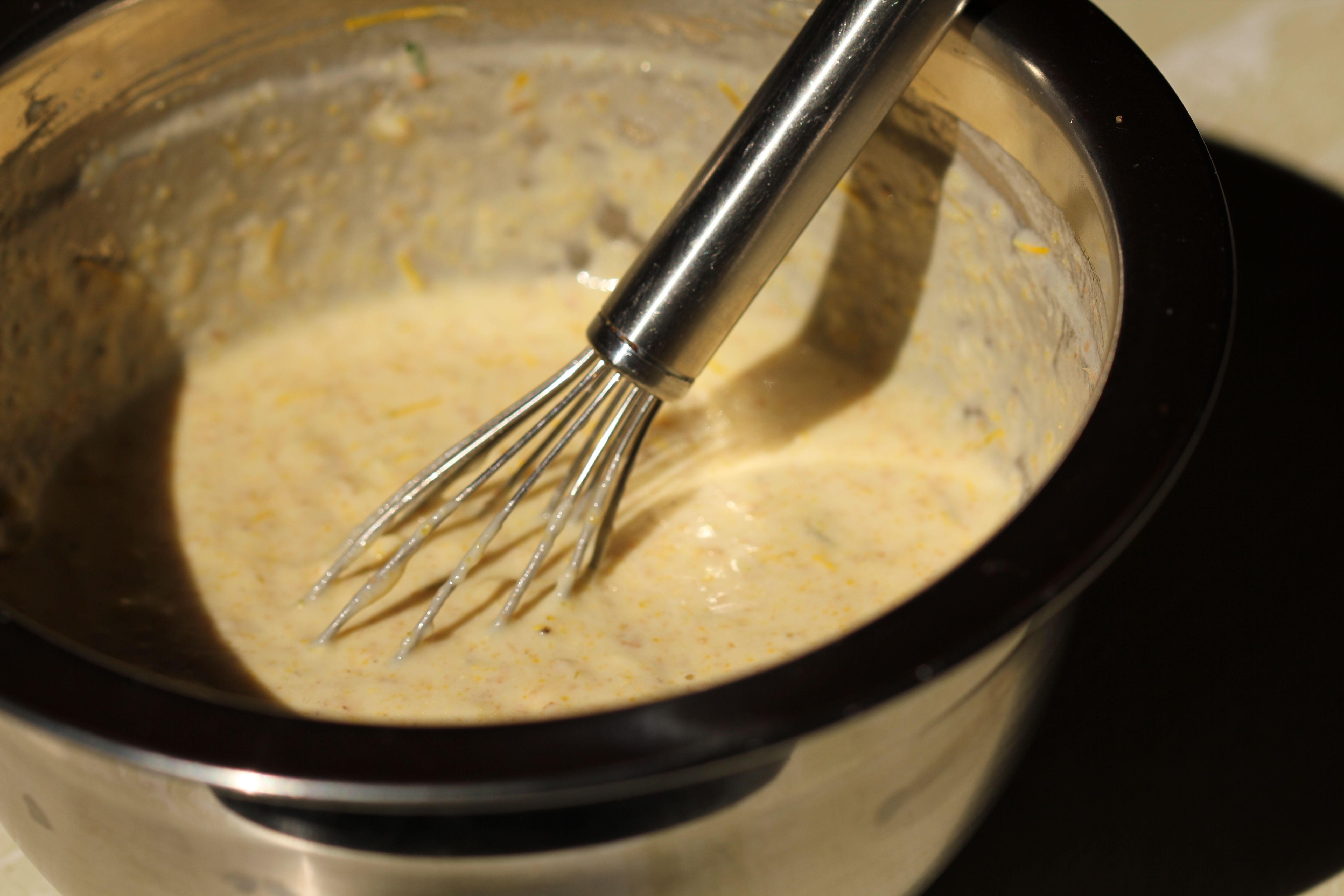
Put the dry ingredients in a bowl. Make a well in the center and add the oil, eggs, dandelion flowers and milk. Beat well/ Let sit for a few minutes. Then cook on a hot griddle.

Enjoy your breakfast, everyone!

Labrador tea (Rhododendron groenlandicum, Rhododendron tomentosum)

Tags

, , , , , , , , , , , ,

A northern campfire is not complete without a piping-hot cup of Labrador tea. It not only warms you up but provides you with a burst of vitamin C. ~Beverly Gray

Labrador tea (Rhododendron groenlandicum, Rhododendron tomentosum; used to be known as Ledum groenlandicum) is also known as bog tea, Greenland tea, Greenland moss, Hudson Bay tea, marsh tea, muskeg tea, swamp tea, storytelling tea and Trapper’s tea.

I have fond memories of picking and drinking Labrador tea up near Cormorant, Manitoba (where I am from) with my favorite Auntie L, who was a trapper. On our way to her bush camp by snowmobile in winter, we would stop at a halfway point, make a small fire and brew up a pot of Labrador tea, freshly picked on the trail.

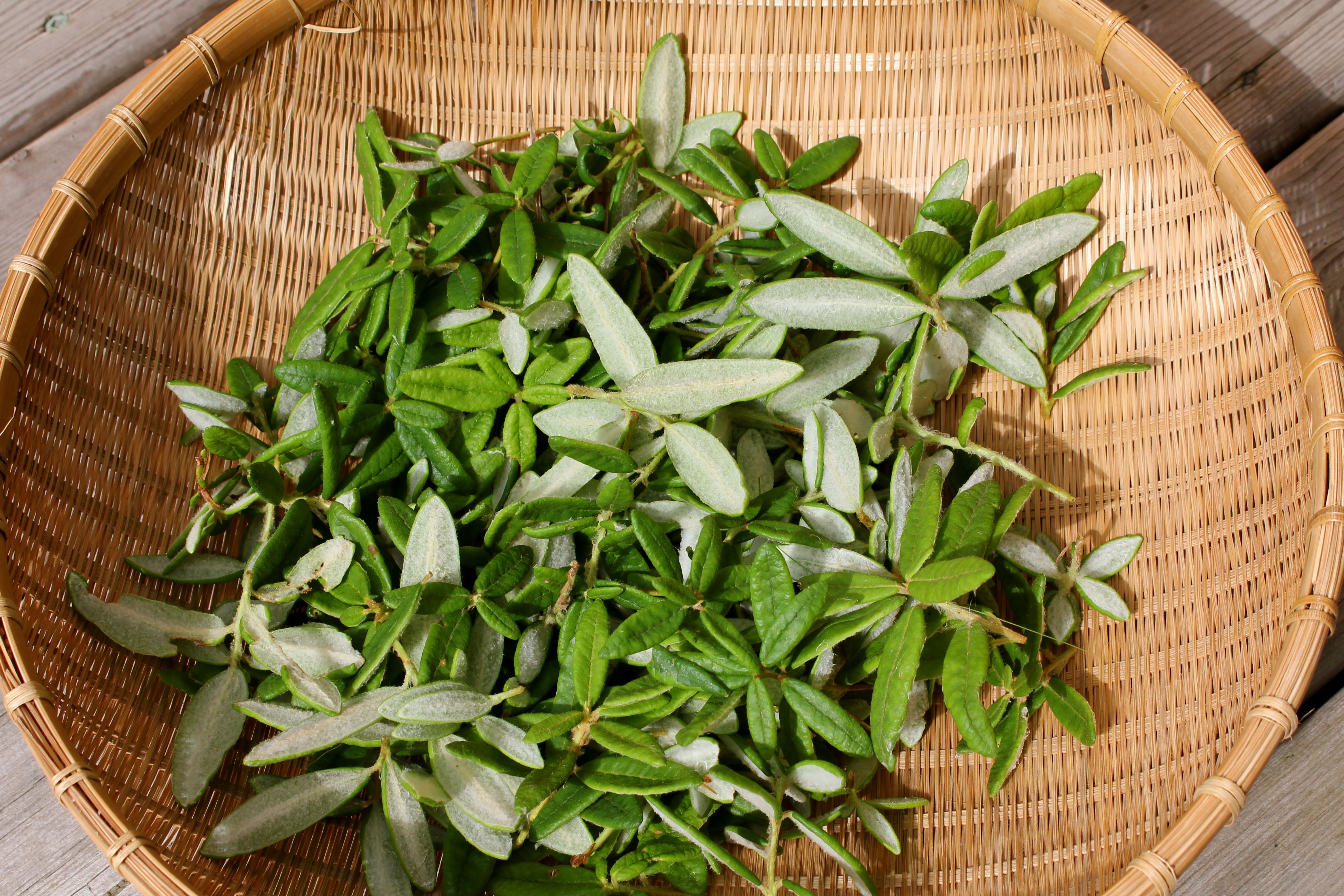
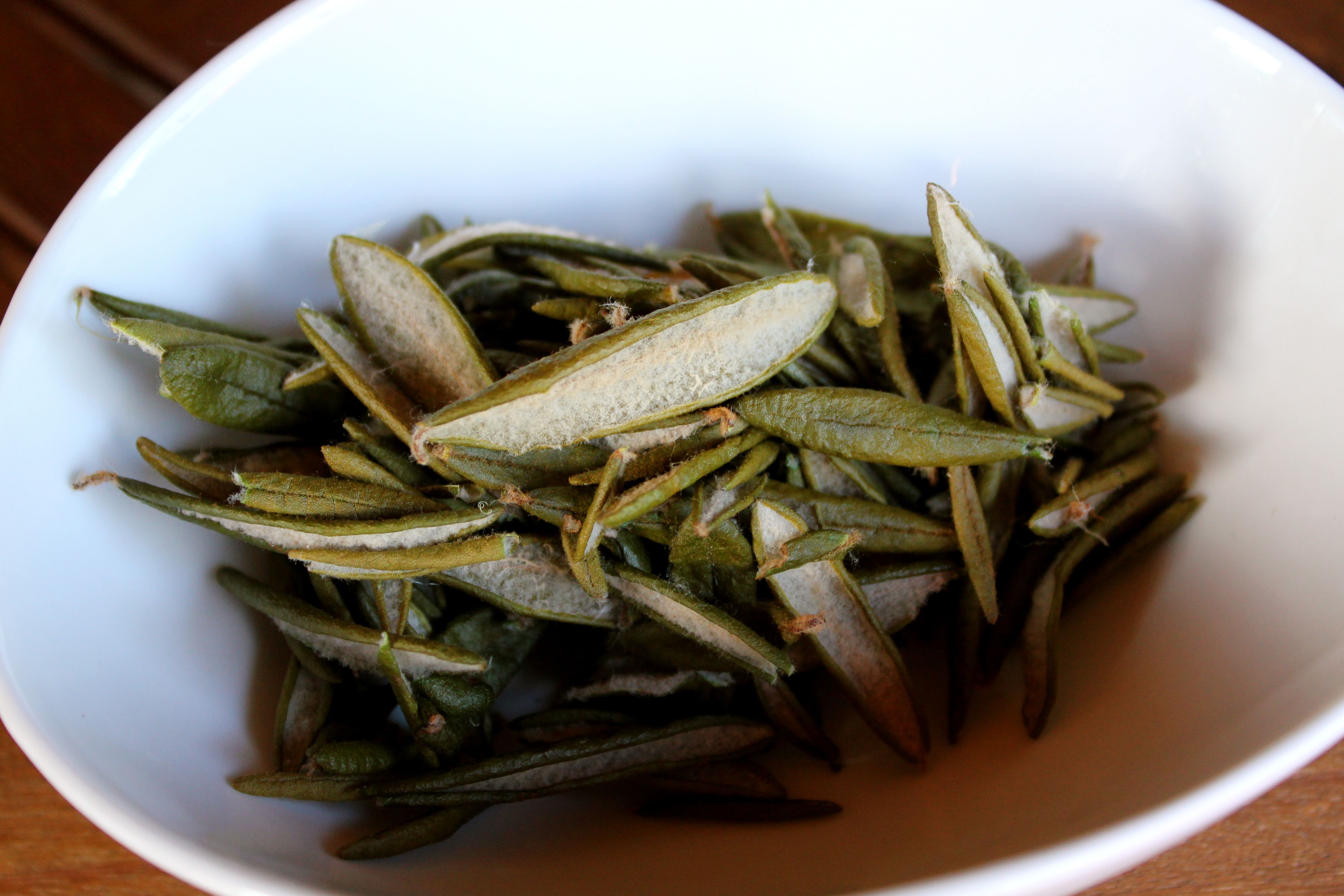
Labrador tea is described as a straggly and aromatic evergreen shrub that grows in the peaty soils of bogs, muskegs, swamps, and damp conifer forests. This shrub has thick leathery leaves that grow from 2-5 cm long. The leaf edges curl under and their wooly undersides are either white (when young) or rusty brown (when mature).  The undersides are an important identification feature:

Do not confuse this plant with Rhododendron tomentosum subsp. subarcticum (Northern Labrador tea)Kalmia microphylla (Bog Laurel) or Andromeda polifolia (Bog Rosemary), as all three contain toxic alkaloids known to be poisonous to livestock. All three lack the fuzz on the underside of mature leaves and the flowers of Kalmia and Andromeda are pink.

~Alberta Plant Watch

White flowers form on the shrub in clusters from May to July. Both the leaves and flowers can be used. The leaves are available for harvest all year round.

The tea has no caffeine and a mild narcotic effect.  I like Beverly Gray‘s description of the tea as having an “interesting forest-like flavor, a little bitter, a little astringent, a little spicy, a little camphor-like”.

Culinary Uses:

Infuse as a tea. Use as a spice (crushed or ground) and add to meat dishes and salad dressings. Use in soups as a substitute for bay leaves.

Labrador Tea

Crush (to release the essential oils)  ¼ cup dried or fresh Labrador tea. Add 4 cups of boiling water. Simmer for 5-7 minutes or longer for a stronger brew. You can also steep the dried flowers for a fragrant and delicate tea.

Medicinal Uses:

  • treating coughs and colds (high vitamin C)
  • as a relaxant before sleep
  • clearing the sinuses (inhale the steam)
  • According to Alberta Plant Watch: used to treat diarrhea, pneumonia, eye infections, difficulty urinating, tension and kidney ailments, and bad breath
  • liver regenerator and cleaser
  • analgesic properties, which help reduce pain when used as a poultice or infused in oil or water, i.e. added to a warm bath to treat arthritis
  • relief of migraines
  • anti-inflammatory and anti-oxidant properties
  • twigs found to be active against colon carcinoma and lung carcinoma cells
  • has been used by Indigenous peoples for Type 2 diabetes
  • diaphoretic effect (helps the skin eliminate toxins and encourage perspiration, therefore helpful to treat a fever)

In a study published in the Journal of Ethnopharmacology in 1992, Dr. Allison McCutcheon and colleagues found the branches of Labrador tea act as an antibiotic against E. coli and Bacillus subtilis. Previous studies demonstrated the floweringheads in an extract were effective against both bacteria as well as the yeast Candida albicans. Other researchers also found extracts from the leaves active against Staphylococcus aureus bacterium.  ~Beverly Gray

Other Uses:

  • Hang leaves in closets to repel moths, insects and rodents
  • A brown dye can be made with the leaves
  • According the Alberta Plant Watch, “Labrador tea has the ability to concentrate zinc and copper, and thus has value in geo-botanical studies”

Caution: Only drink the tea occasionally or in moderation, especially if you are pregnant or have high blood pressure. In larger doses, Labrador tea can be considered cathartic and cause diarrhea.

Resources:

Gray, B. (2011). The boreal herbal: wild food and medicine plants of the north; a guide to harvesting, preserving, and preparing. Aroma Borealis Press: Whitehorse, Yukon.

Stewart, H. (1981). Drink in the wild. Douglas & McIntyre: Vancouver, BC.

Alberta Plant Watch (http://plantwatch.fanweb.ca/plant-information/labrador-tea)

Is cabinorganic ‘walking the talk’?

Tags

, , , , , , ,

I was reading some comments on another blog this morning where someone had posted this list on how to ‘go green’ (found at www.goinggreen.com). We often see these lists, especially in newspapers around Earth Day and every time I read one I find a few more things I can do in my own life to ‘go green’ or what I like to think of as ‘living consciously and intentionally’, and ‘walking softly on Mother Earth’. We cannot always do everything on the list but we try to do what we can.

I thought I would go over the list with you to see how cabinorganic currently measures up at the moment. I will give myself one point for every action on the list that I am doing. I will be completely honest here, and where I can do more, I will make a public commitment to do so with you, dear readers, as my witnesses. Six months from now, I will follow up to tell you how I am doing. In the meantime, see how many of these actions you are already practicing in your life and give yourself a huge pat on the back! Also, if you have any ideas of ways I can do more, please let me know in the comments section.

1. Pull the plug: Use a power strip to turn off televisions, stereos and computer systems when you’re not using them and unplug appliances such as phone chargers, extra refrigerators, and printers until you need them.


Oh dear. I have been leaving my stereo and computer on all night. Everything else has been unplugged but I can do better. Point: 0

2. Bump your thermostat: Set it to 21 degrees and open the windows when there is a fresh breeze. (In the winter, set it to around 19 degrees and turn it down even more when you go to sleep or are away.)


The cabin stays cool in the summer due to a very shady north side so I have no need for an air conditioner. This past winter I occasionally supplemented my furnace heat with wood heat (I have an amazing fireplace in the living room). This fall I am getting the woodstove in the basement going (it is also a very efficient one) and will be able to rely mostly on wood heat this winter. This will help keep my power bill down as this cabin has two separate furnaces, one for upstairs and one for downstairs. Point: 1

3. Put your fridge on a diet: If your fridge is equipped with a power-saving feature, use it. Set your refrigerator temperature at 38 to 42 degrees Fahrenheit; your freezer should be set between 0 and 5 degrees Fahrenheit.


 My fridge is set at 40 and my freezer is set at 4. Point: 1

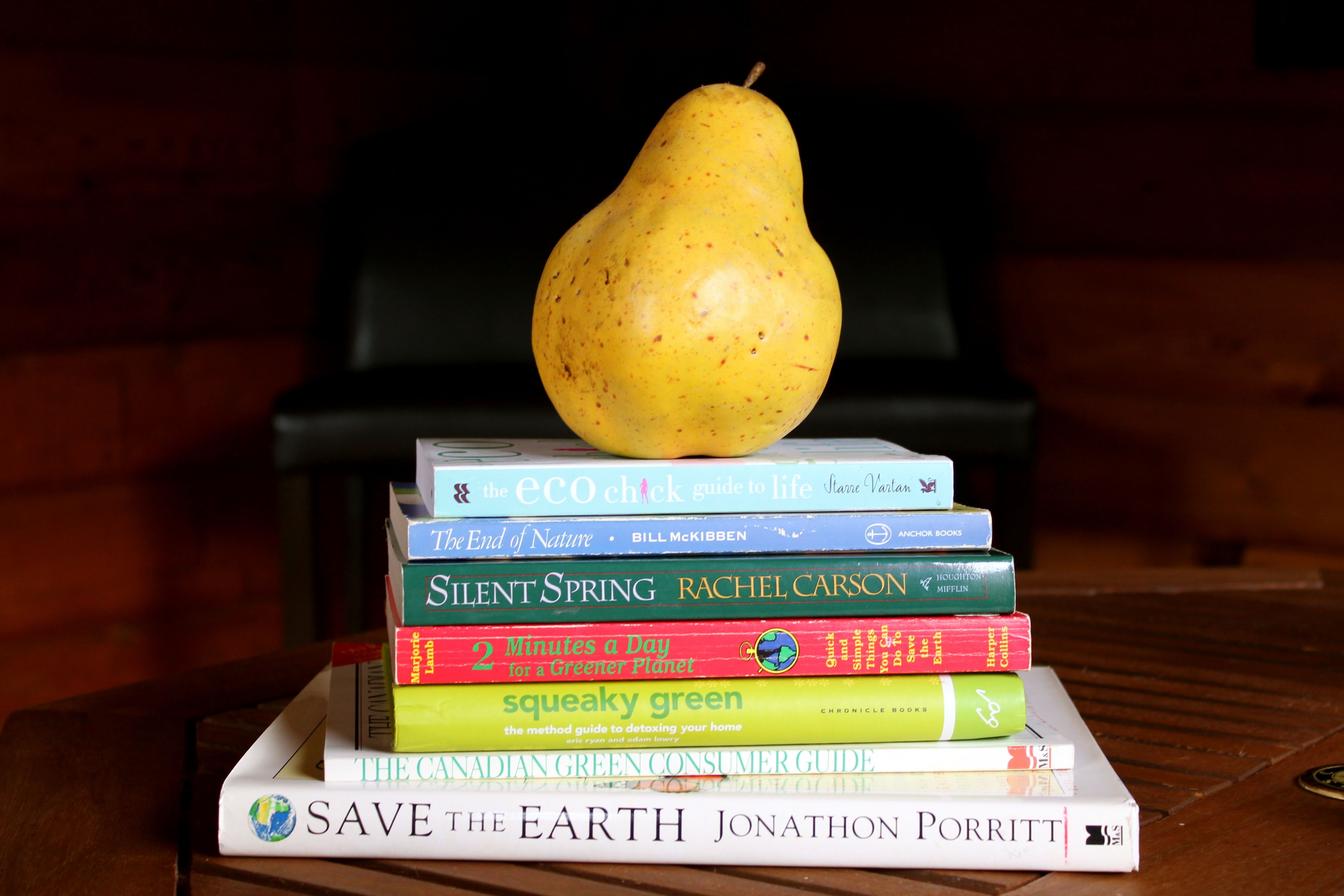
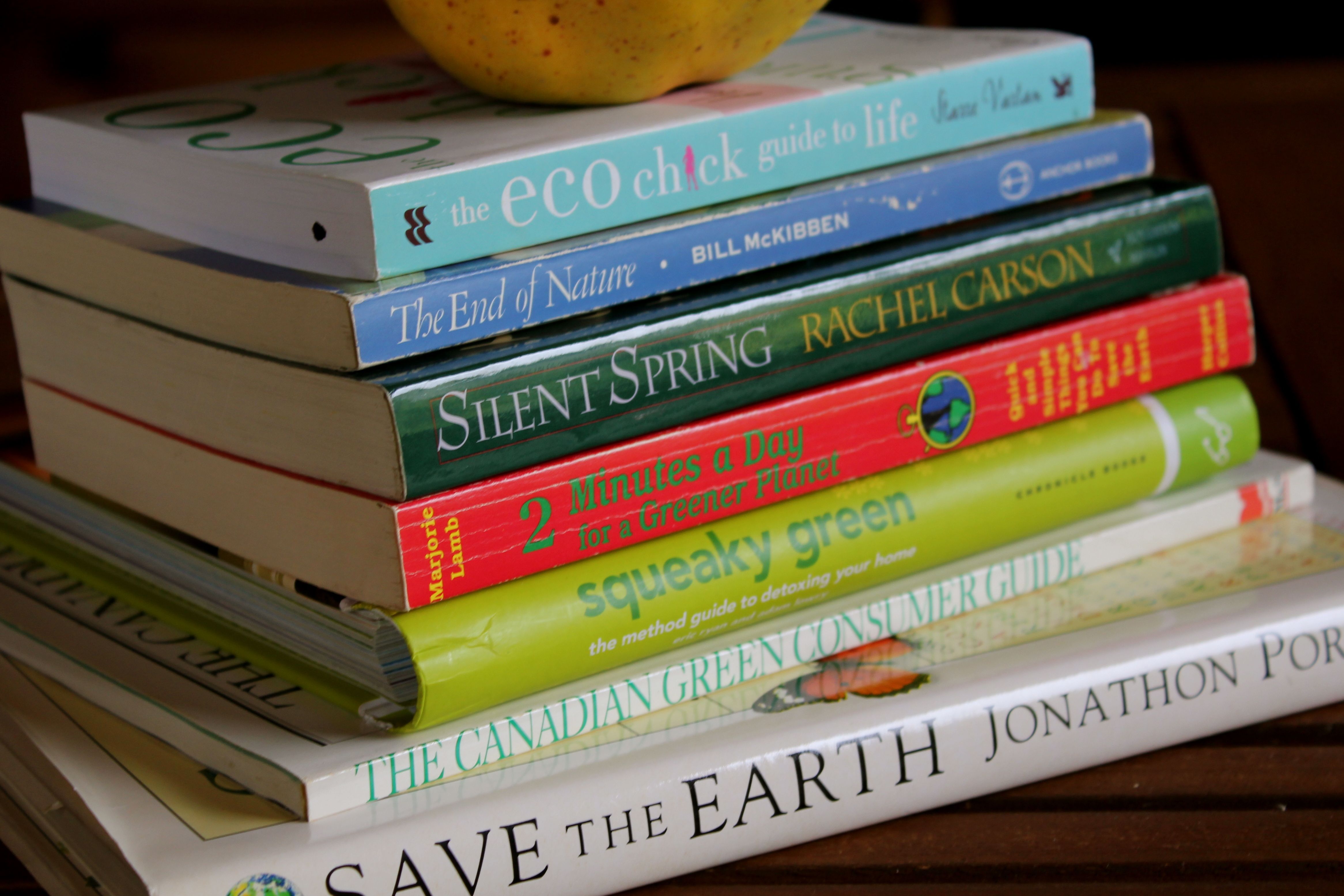
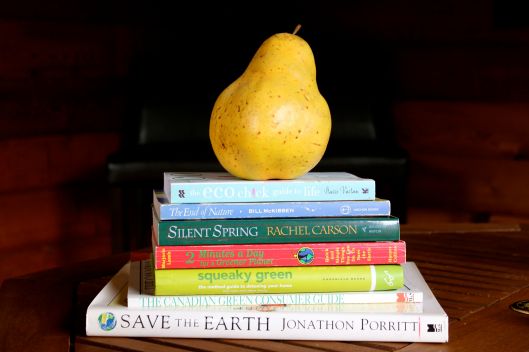
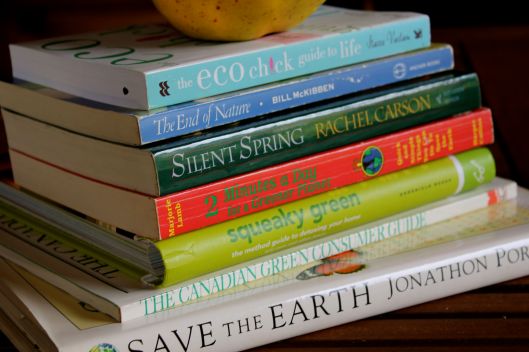
4. Read: Walden, An Inconvenient Truth, Silent Spring, The Omnivore’s Dilemma, Hot, Flat and Crowded, Go Green, Live Rich.

 I am currently reading Walden, I have read Silent Spring (and wrote a paper on it in university), the Omnivore’s Diet is at the top of my list (I am looking for a second-hand copy) but I have seen two excellent online lectures by Michael Pollan (one on TED.com and one on youtube), I have not read Hot, Flat and Crowded, Go Green or Live Rich but pledge to do so. Point: 0.5


5. Cook green.


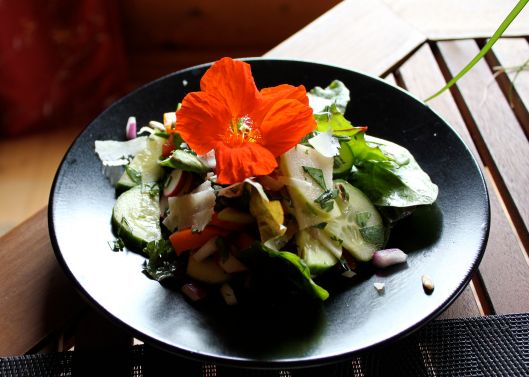
I use a toaster oven to do most of my baking as it is usually just me here. I use high efficiency cookware from AMC that requires less heat (you heat it to a certain temperature then turn off the heat while the food keeps cooking) and no water or oil to cook with (which tend to leach out valuable nutrients). I use organic ingredients (and grow my own) where possible. I am also eating more raw foods which requires no power to cook and I do all of my chopping, grating and crushing by hand. Point: 1
6. Power down your computer.


Oops. Okay, I will start powering down tonight. Point: 0

7. Turn your water heater down to 120 degrees (Farenheit).

I have an old water heat that needs to be replaced. I don’t know exactly what setting it is on. I will replace the tank as soon as my budget allows and will also get one of those insulating blankets. Point: 0

 
8. Build a solar oven.


I do not know what this but will research it. Point: 0

 9. Test your windows and doors for leaks: Hold a ribbon near the windowsills or door jamb. If it’s fluttering, you have a leak. Caulk it up to save energy and money.


I have not tested all of my windows, but there were two windows this winter that let in a little cool air that I never got around to sealing. Points: 0

 10. Fix leaky faucets and pipes.


I just fixed the kitchen faucet this week (turned the water off until it was fixed) and H just fixed the upstairs toilet leak. Points: 1

11. Make your water multi-task: Use it more than once while grooming, cleaning, washing dishes and playing.


Last week, when my kitchen water was turned off (because the faucet needed fixing) I was very conscious about my use of water in the kitchen and was using it more than once to cut down on trips from the bathroom sink to the kitchen sink. Now that the kitchen faucet is fixed, I will continue this practice by keeping a small tub in one of the sinks to catch the grey water for reuse. As this is a brand new practice, I will only give myself half a point and will pledge to continue this. Point: 0.5

12. Go paperless.


 I am not fully paperless yet. I keep forgetting… Point: 0

 13. Make a waste-free lunch.


As I work from home, all of my lunches are usually supper leftovers from the day before. As they are eaten here, no packaging is required to transport it. Also, I use very little processed foods so there are very few cans or boxes associated with my lunches. Point: 1

14. Host a waste-free picnic with friends and family.


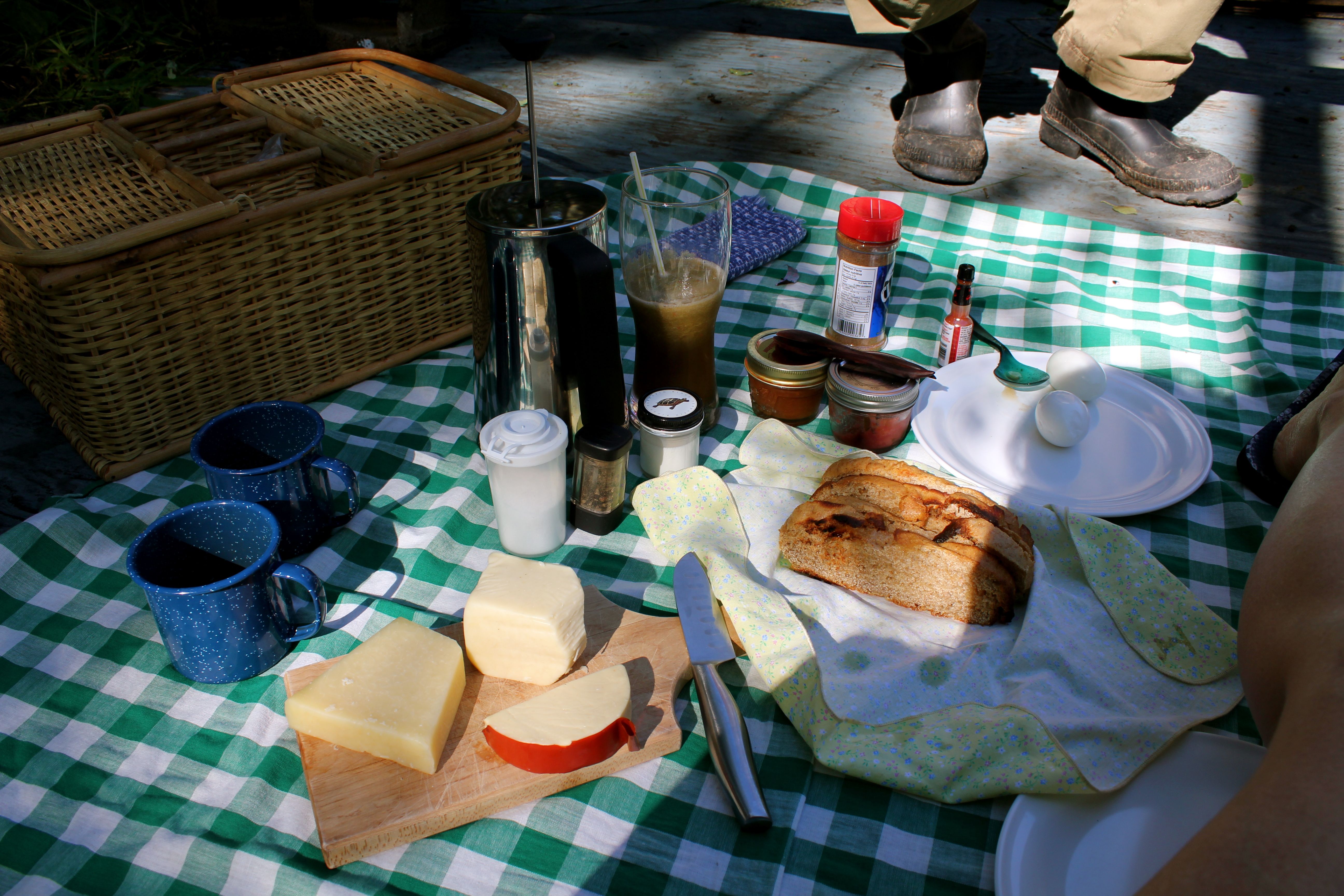
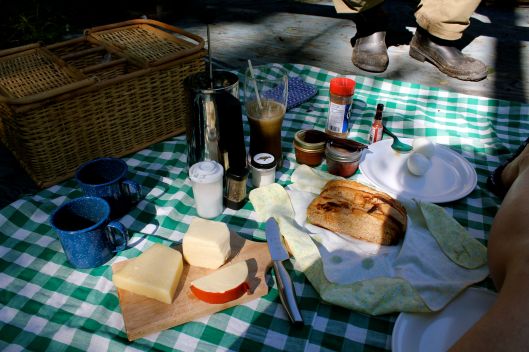
I have a sweet picnic basket that I found in a thrift store many years ago. It contains cloth napkins and picnic blanket, plastic reusable wine glasses, plastic, enamel camping mugs, plates and bowls, and camping eating utensils. Food is stored and transported in reusable containers. Point: 1
15. Buy less stuff.


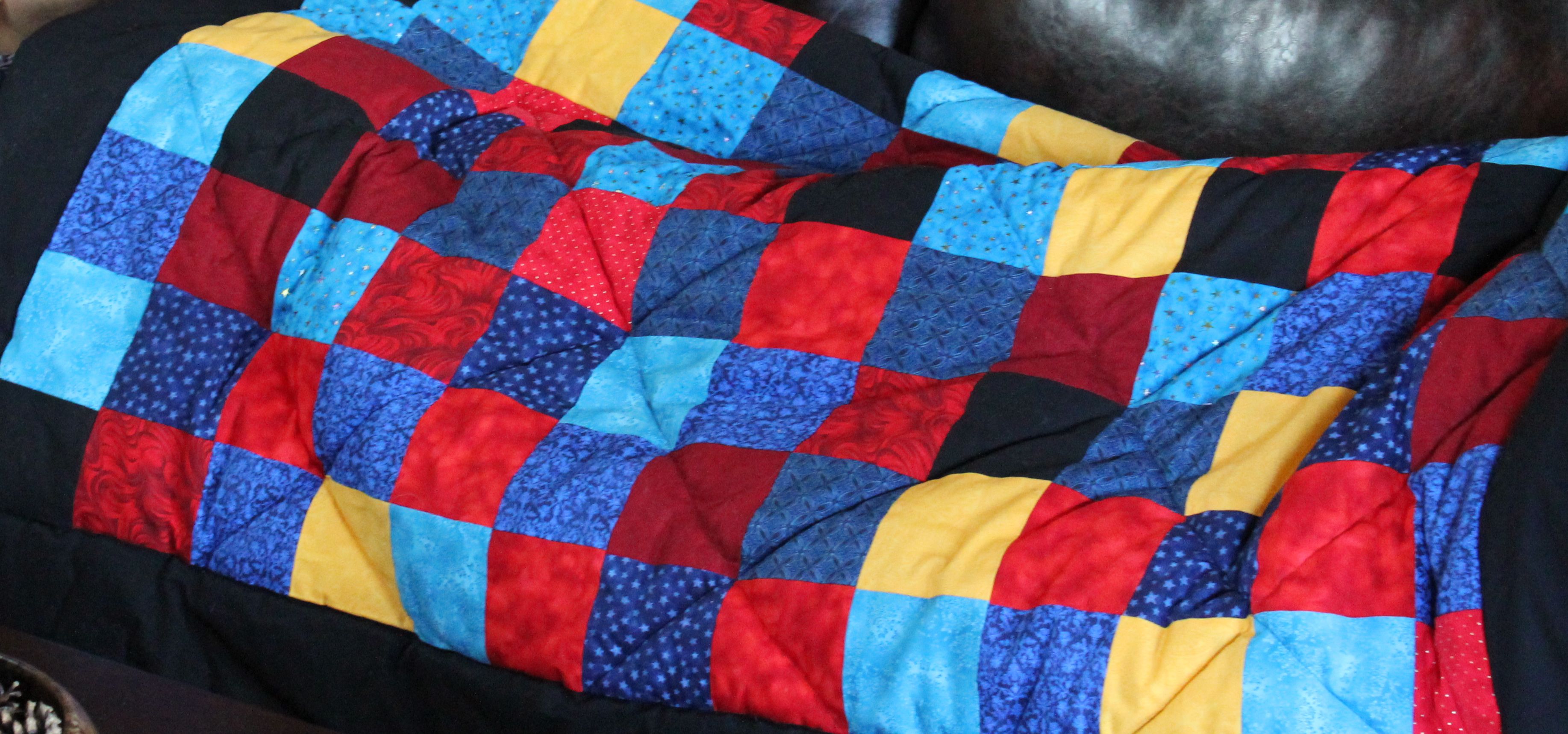
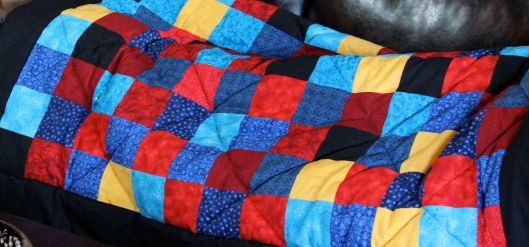
 Making do and hand making what I need helps me live a low-consumption lifestyle. When I do buy something, it is a conscious choice and I try to buy handmade or secondhand first. This winter I will be learning how to make my own soap, bath products and soy candles. Last winter I made a beautiful quilt, made from left over fabric from other projects, as a Christmas gift. Point: 1
16. Install a CFL or compact fluorescent light bulb.


Some of my bulbs are CLBs but they were here when I moved in. Point: 1

17. Grasscycle: Leave grass clippings on your lawn (instead of bagging them up) where they will naturally decompose and hold in soil moisture, prevent freezing, and return nutrients to the soil.


I grasscycle. However, on the flipside I do have a huge lawn, which requires a large lawn tractor and gas to fuel it. In the future I will be converting as much lawn as possible (if not all of it) into veggie, herb, tea, ornamental grass and wildflower gardens, with mulch and flagstone pathways connecting them. Point: 1

18. Stop your junk mail.


 I have not one this yet. I will place a ‘no junk mail’ sign on my mailbox.  Point: 0

19. Weigh your waste: Every night for a week, collect your household garbage and weigh it on your bathroom scale. Record your results every few weeks and celebrate your success as your trash slims down.

I don’t feel the need to do this as I reuse, recycle and compost every possible thing. I deliberately buy items with require little or no packaging. I give what I can to Edmonton’s Reuse Center. I have so little waste that I only take it out every two weeks and even then the garbage can is not full. Point: 1


20. Make your own green cleaning products.


 My main cleansers are baking soda and Murphy’s oil (which is 99% natural ingredients). I know I can do more. I will make my own laundry soap mixture and fabric softener. I will go back to using vinegar water for the windows. Point: 0.5

21. Try xeriscaping.

 Xeriscaping refers to landscaping and gardening ways that reduce or eliminate the need for watering. Next spring I plan on setting up as many rain barrels as I can and using raised beds in the veggie garden. At the moment, I use a thick layer of newspaper and then a few inches of mulch in the front beds, in the little herb garden and in my containers to hold the moisture in. Point: 0.5

22. Start composting.

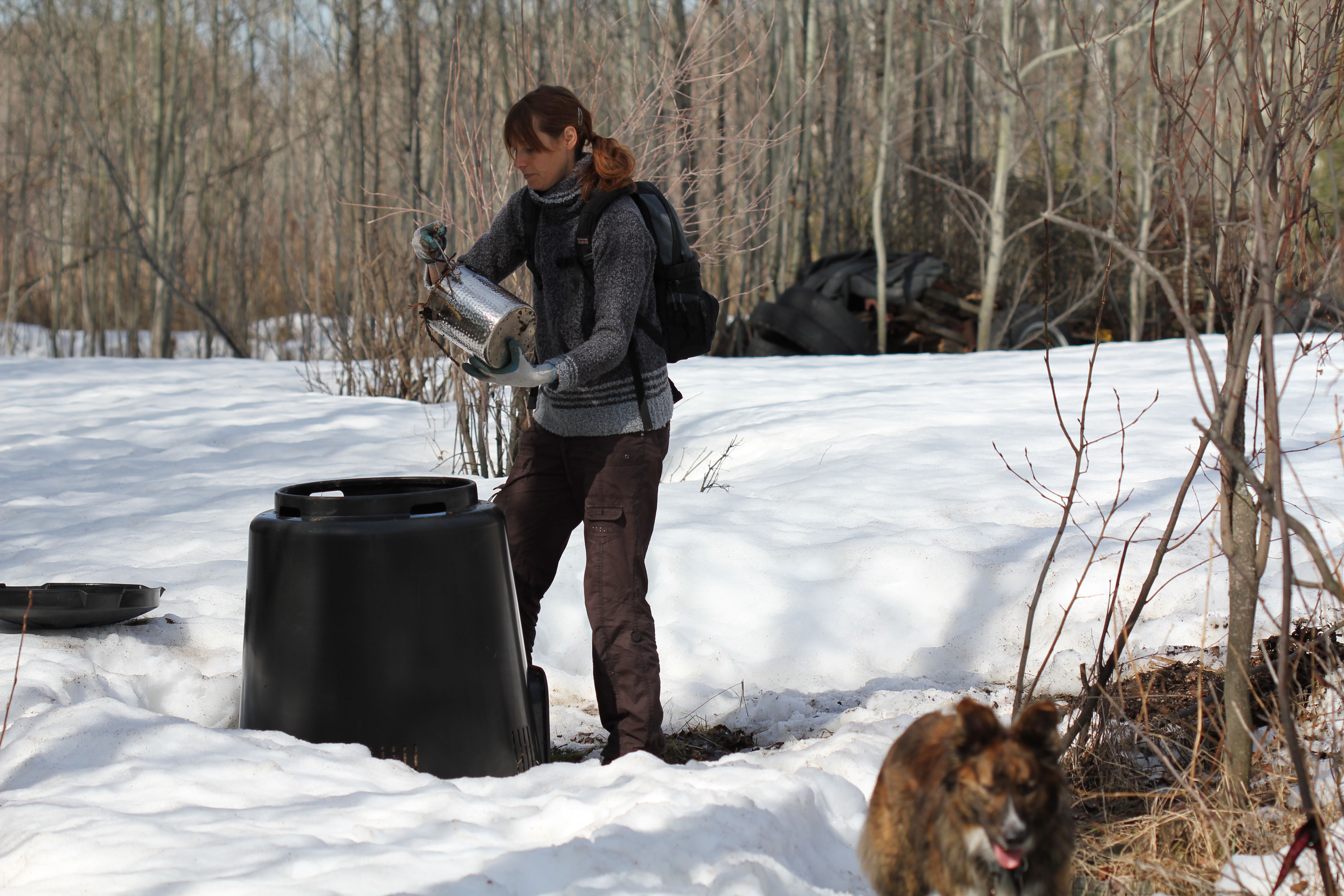
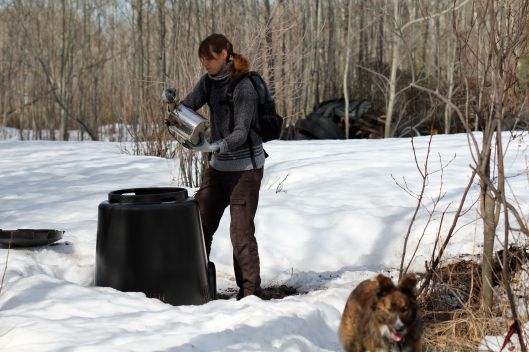
 Yay! I have two composts going outside and a worm bin in my basement. I compost my kitchen scraps in this plastic bin so as not to attract wild animals. Point: 1

23. Plant a tree, a flower, or a garden with your children.

I have no children but I did plant the veggie and herb garden this spring. Point: 1


24. Adopt a pet from your local animal shelter.


I adopted Lucy from NASAP on December 23, 2010. Point: 1

 

25. Volunteer.

I have not been actively volunteering since moving out here last fall as I have been needing a period of time in solitude. Point: 0

26. Don’t drive one day a week.


 I only drive 1 or 2 days per week. Point: 1

27. Explore nature in your local community.


 I do this daily with Lucy. Point: 1

28. Purchase carbon offsets.

 I do not know what this is but will research it. Point: 0


29. Buy local.


 I shop every Friday at my farmers’ market and purchase local meats and products at my grocery stores where available. Point: 1

30. Buy in bulk.

 I haven’t been doing this as I live alone, however, I do own a freezer that I am not currently using and I can also buy dry goods in bulk. Point: 0

 31. Bring your own reusable shopping bag.


 I do this and I use those plastic net bags for my produce. Point: 1

32. Turn trash into treasure: Get creative by using old items (such as broken gadgets, torn clothing, or plastic bottles) as art supplies.

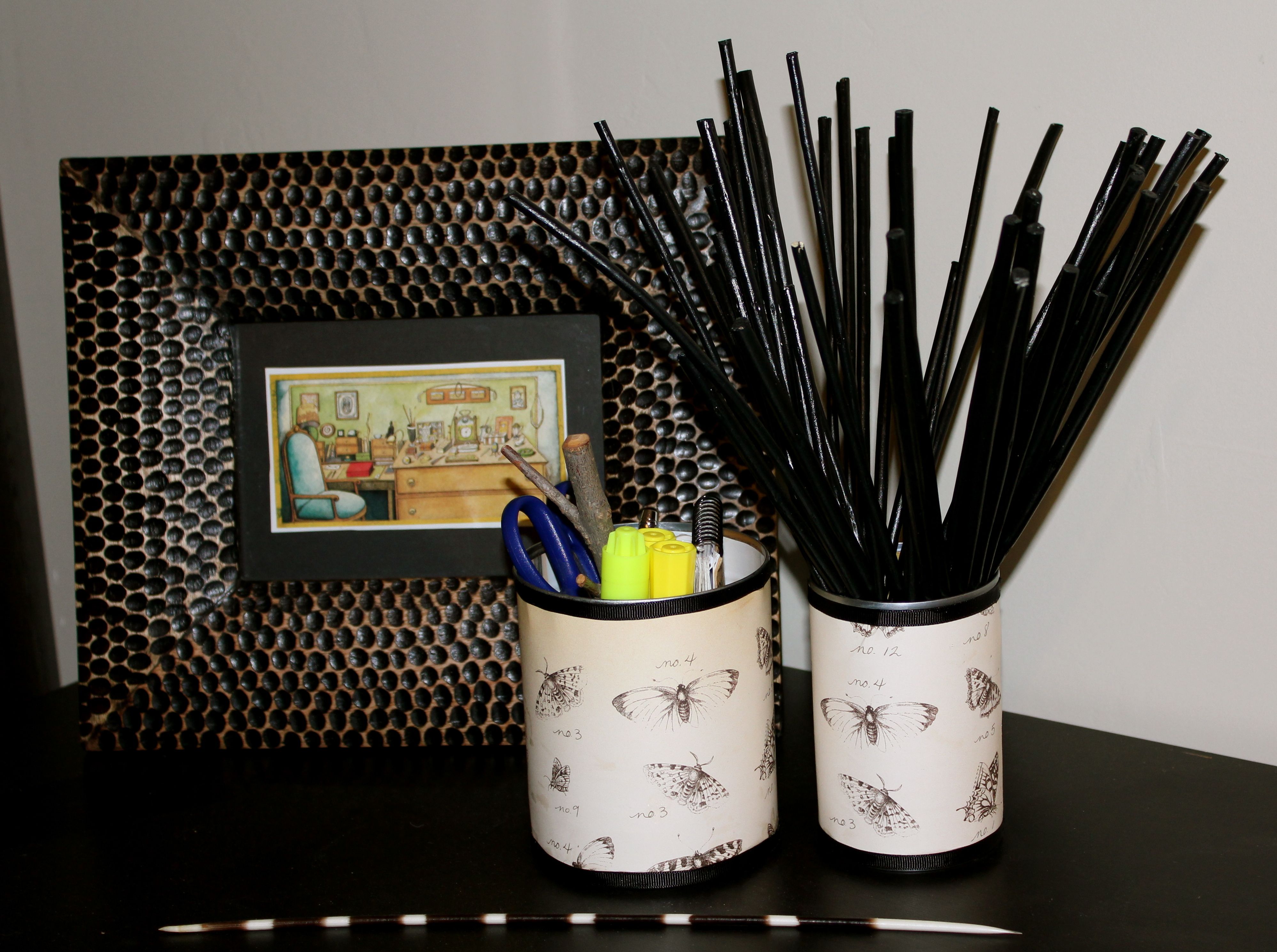
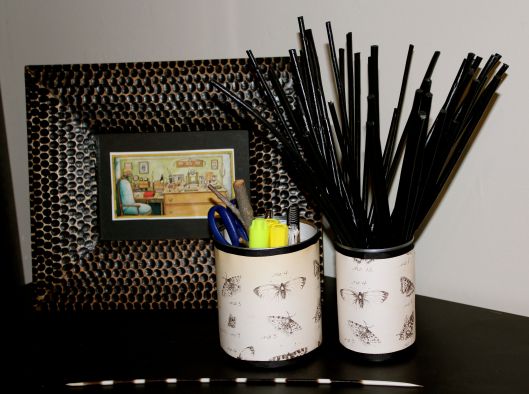
 I do this constantly. Below are two tin cans that have been decorated with paper from Stampin’ Up to hold the pens on my desk. Point: 1
33. Make a local green guide: Canvass local stores and businesses to find sources for green goods and then compile your research into an online community buying guide.


 I have not done this yet, but what a great idea! I could do this on the blog for my community. Point: 0

34. Give back.


I donate to a few charities every year. I donate used goods to my local thrift stores. I donate my time and goods to friends and neighbors who need help or something I can provide. I would like to get more involved with my local food bank this year. I show my appreciation for what others give to me (usually by cooking for them!) Point: 1

35. Swap: clothes, toys, books, bikes, or even seeds with friends.


 I usually just give stuff away and things materialize as I need them. I supposed indirectly this is swapping… Point: 1

36. Buy organic.


Absolutely; where possible and available. Point: 1

37. Go meat-free, at least during the weekday.


I do not eat meat during the week. I usually only eat meat when I am cooking for others. Point: 1

38. Green your laundry.


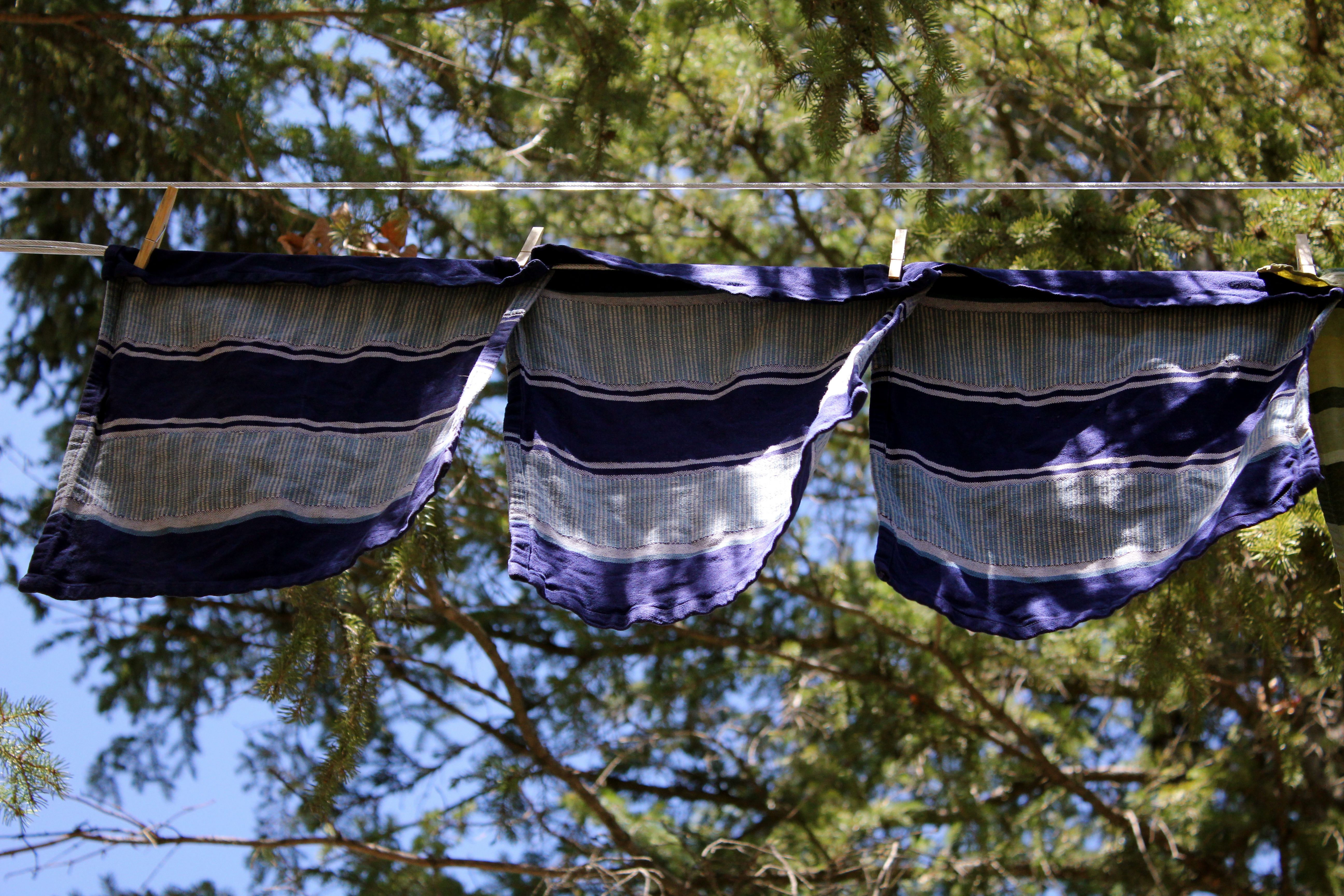
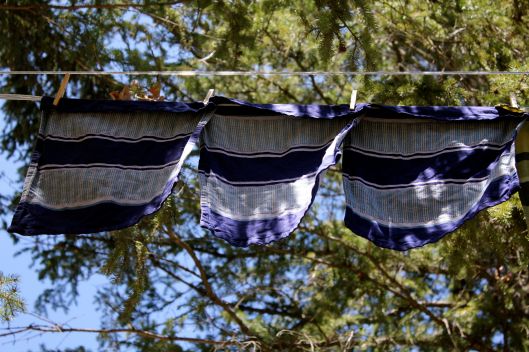
I set up a clothesline this spring and rarely use my dryer. I will look into greening up my laundry detergent and fabric softener. Point: 0.5
39. Support renewable energy: If your local utility offers you a choice, select renewable energy or purchase green credits to offset your energy use.


I will look into this. Point: 0

40. Learn your labels (and learn how to spot greenwashing).

I am a label reader and a conscious consumer. Points: 1

Total Score: 25 out of 40. That is only 62.5%! Yikes! Based on this list I can clearly do more! Many of the things I am currently not doing are quick and easy, like putting a sign on my mailbox. In looking at what changes I am ready and able to make in my life at this point in time, I am ready to make a public pledge:

I, delena, at cabinorganic will:

  • unplug my electrical appliances when they are not in use and power down my computer at night
  • get my woodstove sleeve installed so that I can use it instead of depending solely on my gas furnaces
  • finish reading Walden and will read Omnivore’s Dilemma, Hot, Flat and Crowded, Go Green, Live Rich
  • replace my old hot water tank as soon as my budget allows
  • research solar ovens, compact florescent light bulbs (CFLs), carbon offsets, renewable energy and green credits
  • caulk leaky windows before winter comes
  • go paperless (as much as possible)
  • but a small bin in my kitchen kink to catch grey water
  • put a ‘no junk mail please’ sign on my mailbox
  • reduce my lawn and replace with gardens
  • make some of my own green cleaning products
  • set up rain barrels in the spring and build raised beds where possible
  • buy some items in bulk
  • begin compiling a green consumer guide for my community and post it on this blog
  • get involved with my local food bank (i.e. at Christmas help as well as donations)
  • and look for other ways to consume less and be more energy efficient

I will print this up and put it up on my fridge so that I can check off things as I do them. On January 22, 2012, six months from today, I will let you know how I am doing with my pledge. Knowing that I will be accountable to you will keep me motivated! Thank you for your support! Don’t forget to share your ideas and if you are making some eco-changes in your own life, feel free to share it here and we will support you and cheer you on.
at last…wild blueberries (Vaccinium spp)

Tags

, , , , , , , , , , , ,

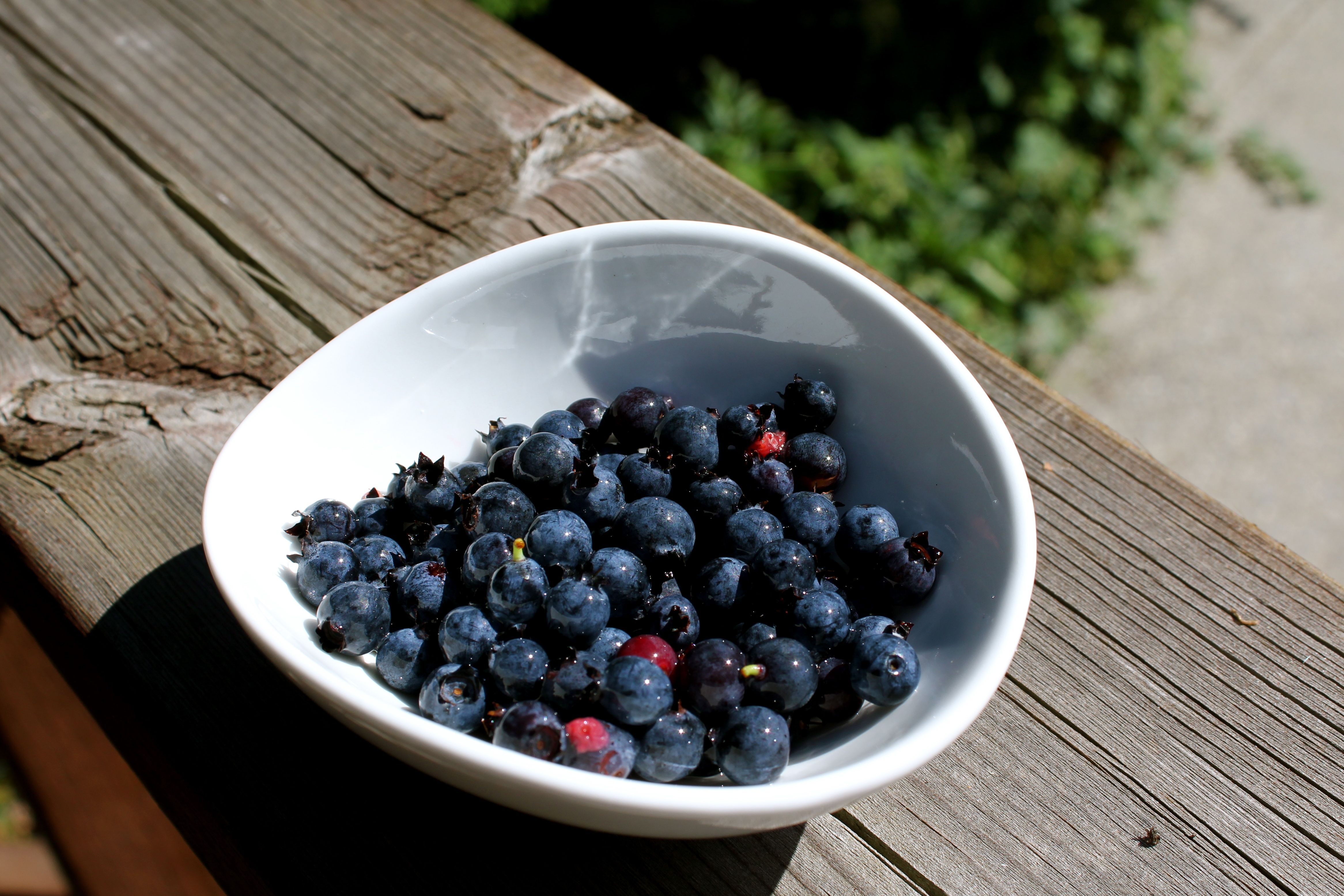
I realize that I am bombarding you with posts on wild berries this past month. However, for many, berry picking is an important part of living in harmony with the seasons. When the berries are ripe, everything that can wait is put on hold while the berries get picked. As various berries have been steadily ripening over the past six weeks, berry picking (and preserving the harvest) has become an enjoyable part of my daily ‘chores’ and that is why I often write about it. Berry picking time is precious, and once the rose hips, high- and low bush cranberries have come and gone, the wild berry picking season will be over until next summer.

Berry picking is a great lesson in cultivating mindfulness in my own life. Watching for optimal ripeness promotes a greater awareness of the wild plants around me; the picking of the berries become an exercise in slowing down as it is difficult to pick berries quickly without losing them; and berry picking fully immerses me in nature and helps me open up to the whole experience… the beautiful colors of the berries and leaves, the smells, the textures, the sounds in the forests (there was a bear sighted just up the road four days ago so I am really paying attention to the sounds lately!), noticing the interesting birds and insects that cross my path, and of course the delicious tastes as I sample a few of the ripe berries, juicy and warmed by the sun.

I had been wondering if there were any wild blueberries growing nearby when just last week, a gentleman came by and introduced himself as K, one of the sons of the couple that built this cabin, about 38 years ago. (His family still owns the 150 aces of protected land behind the cabin and the previous week I met his younger brother, R, who also shared many stories. Hi guys!) K and I got chatting about the wild plants in this area and he asked me if I had found the wild blueberries yet? I immediately got excited and admitted that I hadn’t. I asked him where they grow and he took me just a short distance into the woods and pointed out the dense patch of low-growing shrubs. Sadly, there were no berries. However, the following evening as Lucy and I were returning from our hike, I found a few shrubs that had ripe berries on it, and the following day I found even more! At last… wild blueberries!

There are over 20 species in the genus Vaccinium which are native to Canada and the United States. These include dwarf blueberries (V. caespitosum), bog blueberries (V. uliginosum), early leaf (or oval leaf) blueberry (V. ovalifolium) and highbush blueberries (V. corymbosum). Wild blueberries are also known as huckleberry, whortleberry, bilberry, or bog bilberry. These shrubs grow in a variety of habitats, from damp, shaded coastal areas to high mountain areas. They prefer open, sunny locations with plenty of soil moisture. The berries may grow singly or in clusters, and they are juicy, sweet and full of flavor.

According to Bennett (1991) and Powers & Stewart (1995), Indigenous peoples sometimes practiced controlled burning of select areas in order to maintain an optimum habitat for blueberries and other food plants.

Both the berries and leaves can be used. The best time to harvest the leaves is before the plant produces the berries.

Nutritional and Medicinal Information:

Fruits that are dark blue or red in color, such as bilberries, blueberries, cranberries, raspberries, and huckleberries, tend to be rich in anthocyanosides, compounds that are especially beneficial for the eyes.

~ Rosemary Gladstone

 Blueberries are rich in lutein, vitamin C, anthocyanosides, and other bioflavonoids which strengthens blood vessels and are necessary for capillary (vein) health and are also good for the heart. They are rich in antioxidants which help improve neurological function and slow the effects of aging. Blueberries contain essential fatty acids (EFAs) which are good for your skin. (Note: EFAs cannot be manufactured by the body and must be obtained through our diets.) Eating blueberries have also been linked to improvements in short term memory. I find it interesting that wild berries contain more benefits than domestic berries.

According to Beverly Gray (2011), “Blueberries are also touted as having excellent anti-inflammatory properties because they contain polyphenols and anthocyanins that help reduce chronic inflammation in the body and have been linked to the prevention of cancer.” She adds that blueberry leaves are used to treat gastrointestinal ailments, such as diarrhea and upset stomachs, for lowering blood sugar in type 2 diabetes, and topically to prevent skin infections.

Culinary Uses:

Add them to smoothies.

Dry them and use instead of raisons. (I love adding dried blueberries to my hot cereal. You can buy dried wild blueberries at your local health food store.)

Cook into a paste and make fruit leather.

Use fresh or dried in salads, sauces, desserts, jellies, jams, muffins, pies, etc.

Blueberry Cordial

Wash the berries, removing leaves and stems. Place in saucepan with enough water to cover. Simmer just long enough for the fruit to break up and mash (with a potato masher or wooden spoon) to release the juice. Strain through a cheesecloth or jelly bag. Add honey and a few drops of almond extract, if desired. Chill and enjoy!
Wild Berry Tea

Pour 3 cups boiling water over ½ cup blueberries, fresh or dried. Steep for 10-15 minutes. Add honey to taste.

Wild Berry Leaf Tea

Steep a handful of crushed green leaves in 2 cups boiling water. Steep longer for a stronger flavor

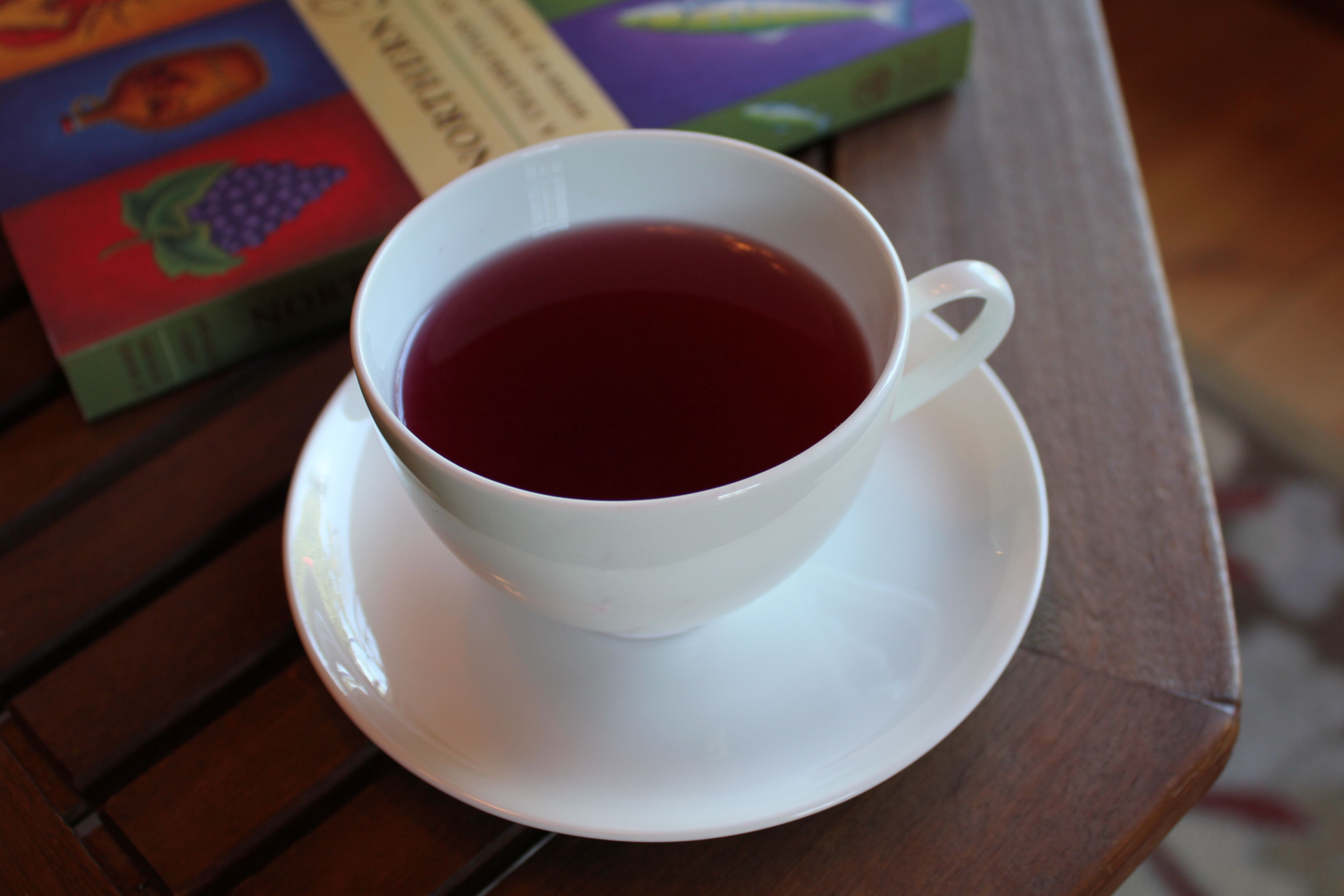
Sending warm blueberry thoughts and wishes your way as I enjoy this wild blueberry tea…

Resources:

Bennett, J. (1991). Berries. Camden House: Camden East, ON.

Brown, D. (2001). Herbal: The essential guide to herbs for living. Pavilion: London.

Gladstar, R. (2001). Rosemary Gladstar’s Herbal Recipes for Vibrant Health: 175 teas, tonics, oils, salves, tinctures, and other Natural Remedies for the Entire Family. Storey Publishing, North Adams, MA.

Gray, B. (2011). The boreal herbal: wild food and medicine plants of the north; a guide to harvesting, preserving, and preparing. Aroma Borealis Press: Whitehorse, Yukon.

Powers, M.J., & Stewart, A. (1995). Northern bounty: A celebration of Canadian cuisine. Random House of Canada: Toronto, ON

Stewart, H. (1982). Drink in the wild: Teas, cordials, jams and more. Douglas & McIntyre: Toronto, ON.

how to make your own product labels

Tags

, , , , , ,

Handmade labels give your products a polished look and can make the simplest jar of jam or bag of cookies look like it came from a high-end boutique.

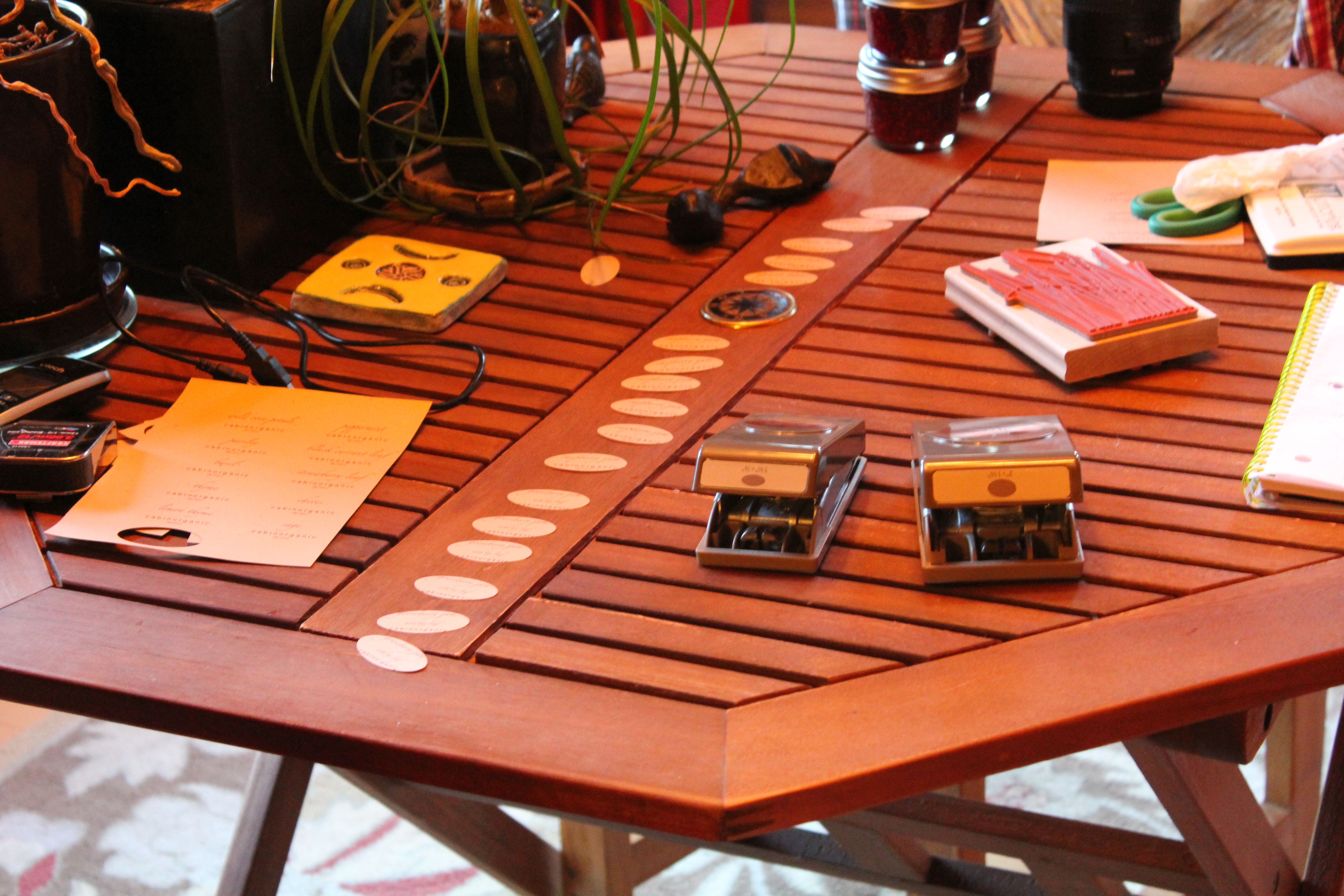
I start by choosing the paper for the labels. There are hundreds of paper choices at your local craft store and you have the option of buying single sheets. I chose Fiesta as it has an earthy feel.

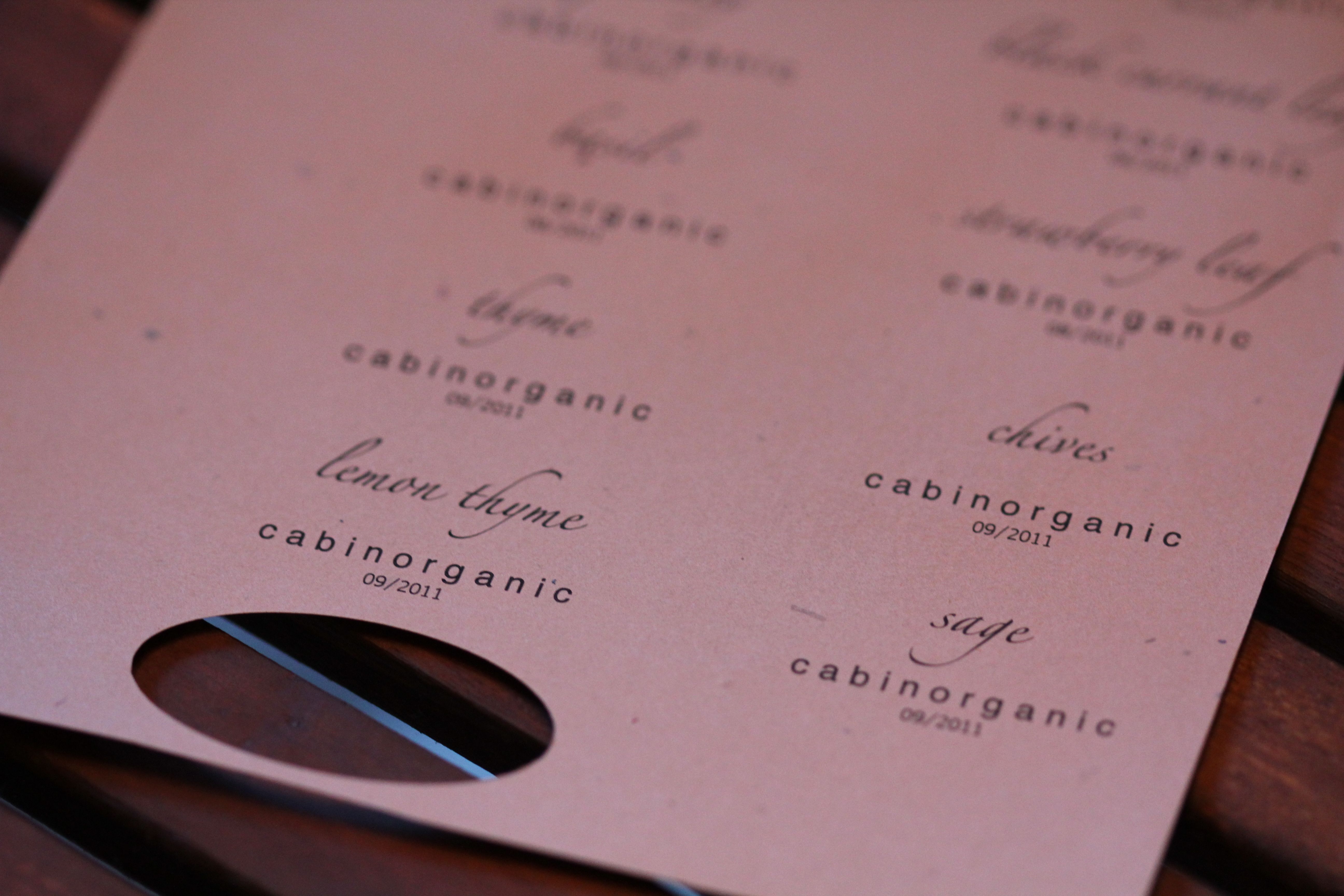
Next, I make the labels on my computer and try a variety of fonts, even mixing them up sometimes, until I find the right look for the label. For these labels I used Zapfino for the fancy top line and Helvetica for the cabinorganic and date line. Sometimes you have a try a few different sizes to make sure that the text will fit nicely in your punch.

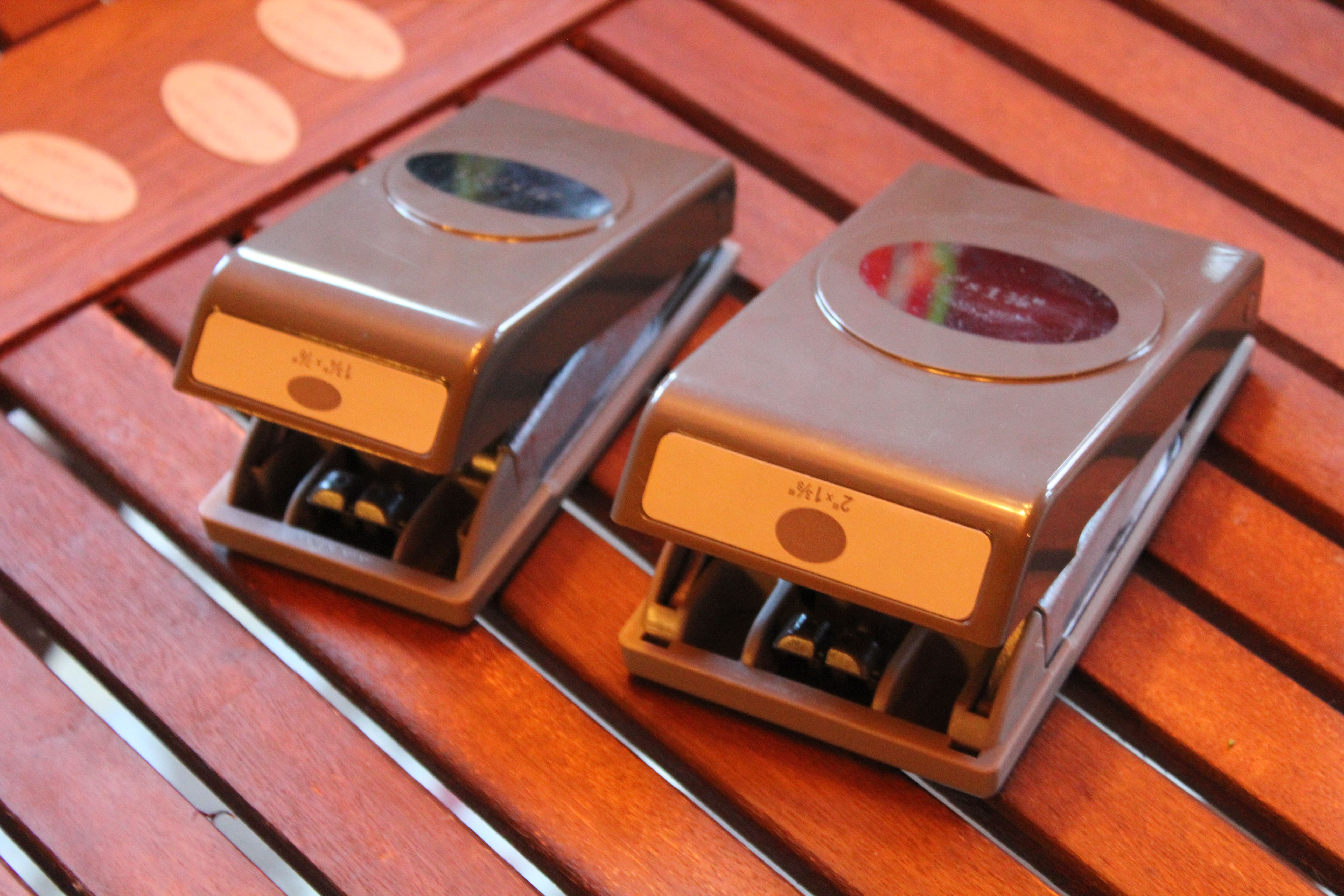
Then I punch out the text with these great high-quality punches. I buy a lot of my craft supplies from Stampin’ Up as one of my good friends is a distributor and I attend her monthly workshops to learn different techniques. You can also find oval punches at your local craft store. I use two sizes, 1-3/4 x 7/8 and 2 x 1-3/8 (found on page 212 in the current catalogue). The smaller one is perfect for small canning jars.

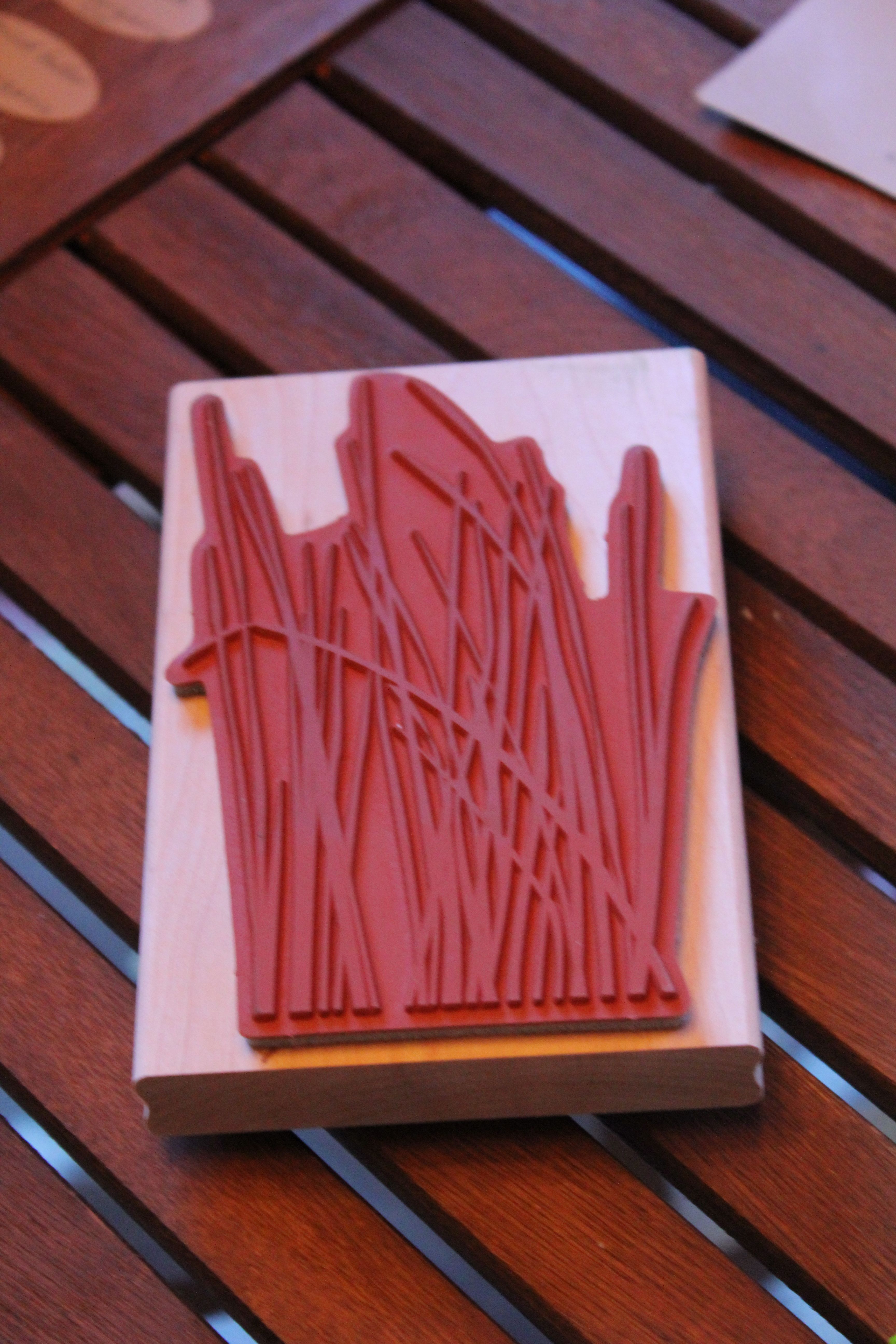
Once I punch out each label it is time to stamp a background stamp over it. I chose a large grass stamp, again from Stampin’ Up (page 113 in the catalogue) and used a forest green stamp pad that stamps nicely over the the black computer ink without obscuring the text. You can use any patterned stamp you like, or skip this step for a cleaner look.

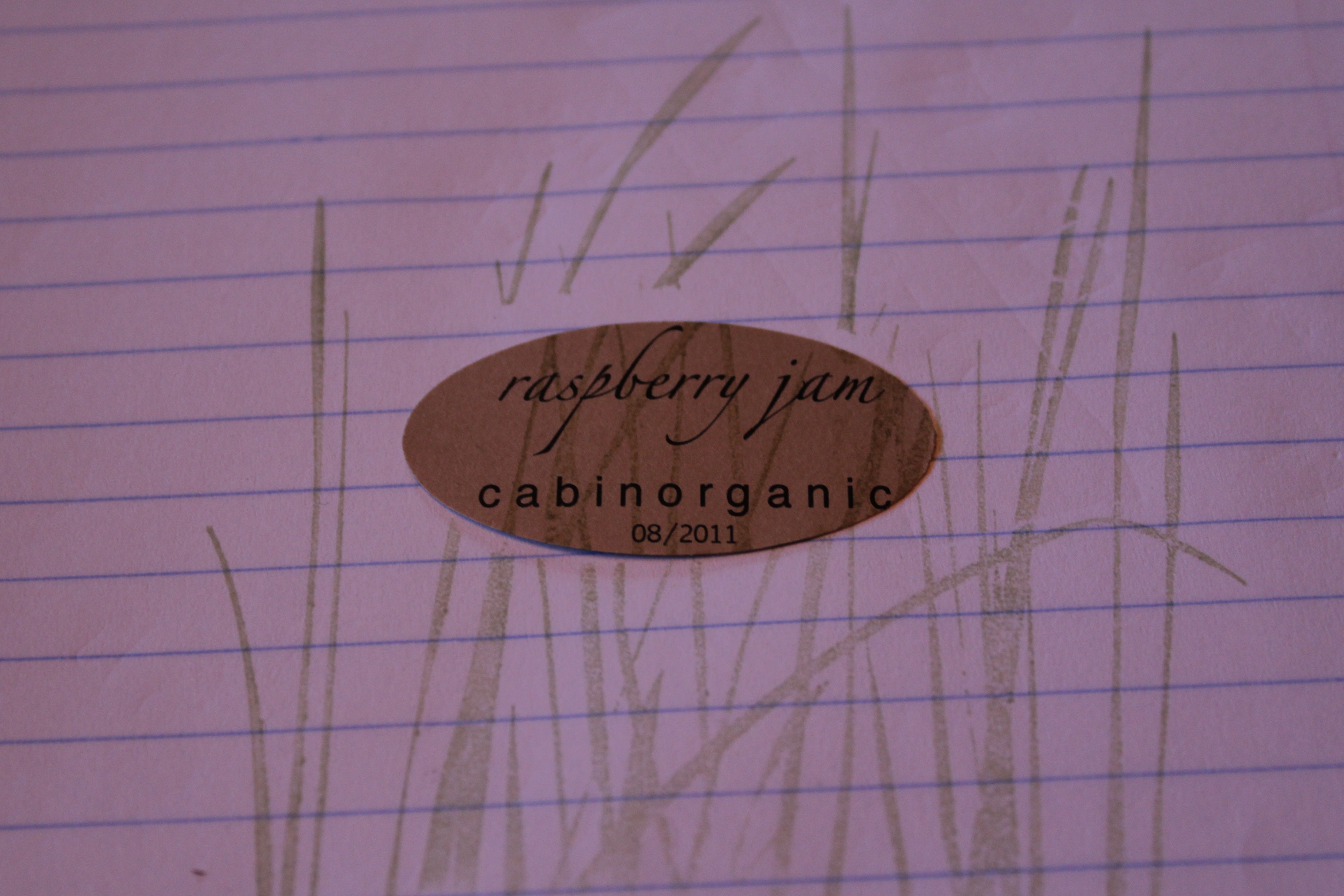
Be sure and stamp on a cushioned surface, such as on a notebook. The padding will help you get a good image as opposed to stamping on a hard surface, such as on a table or counter.

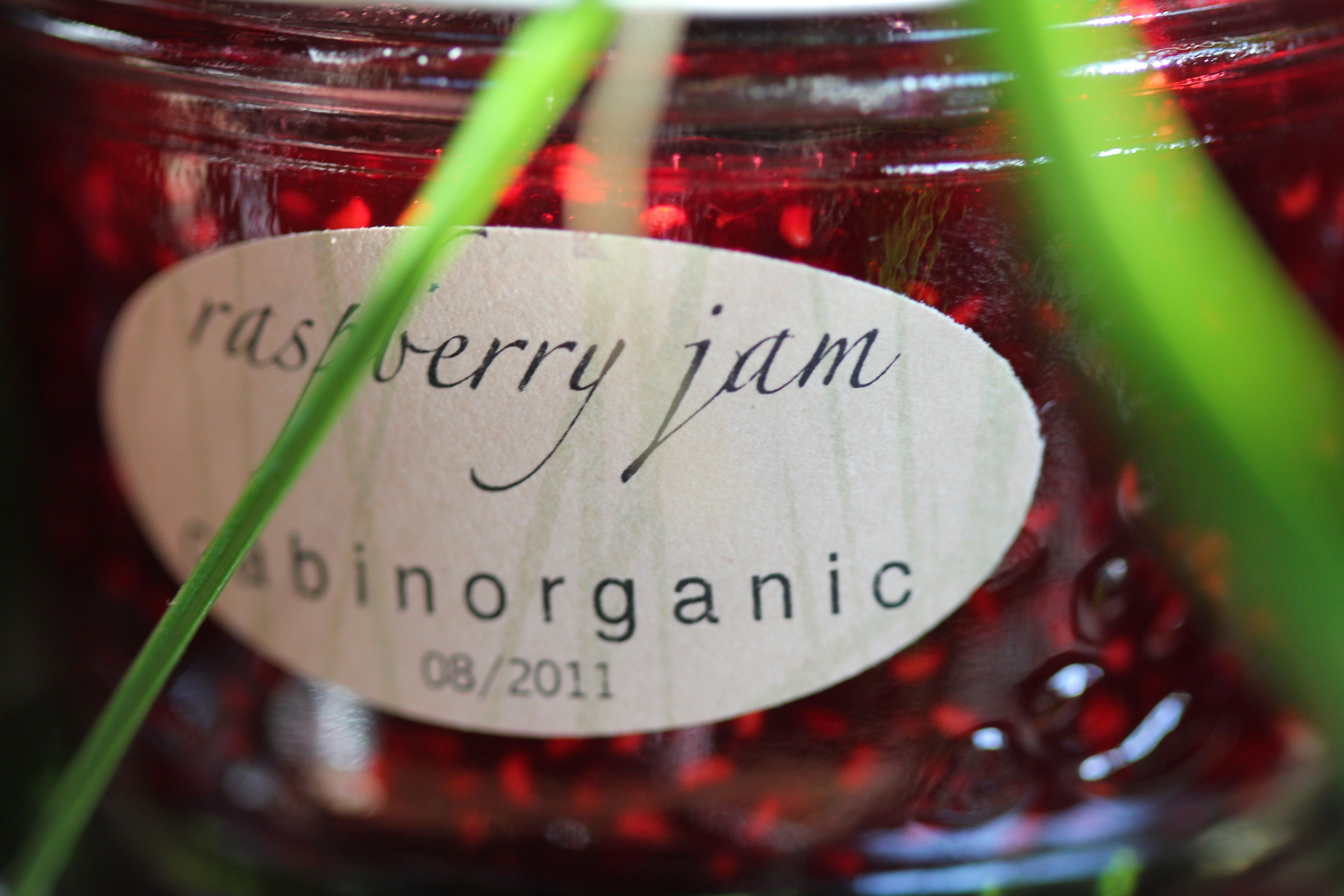
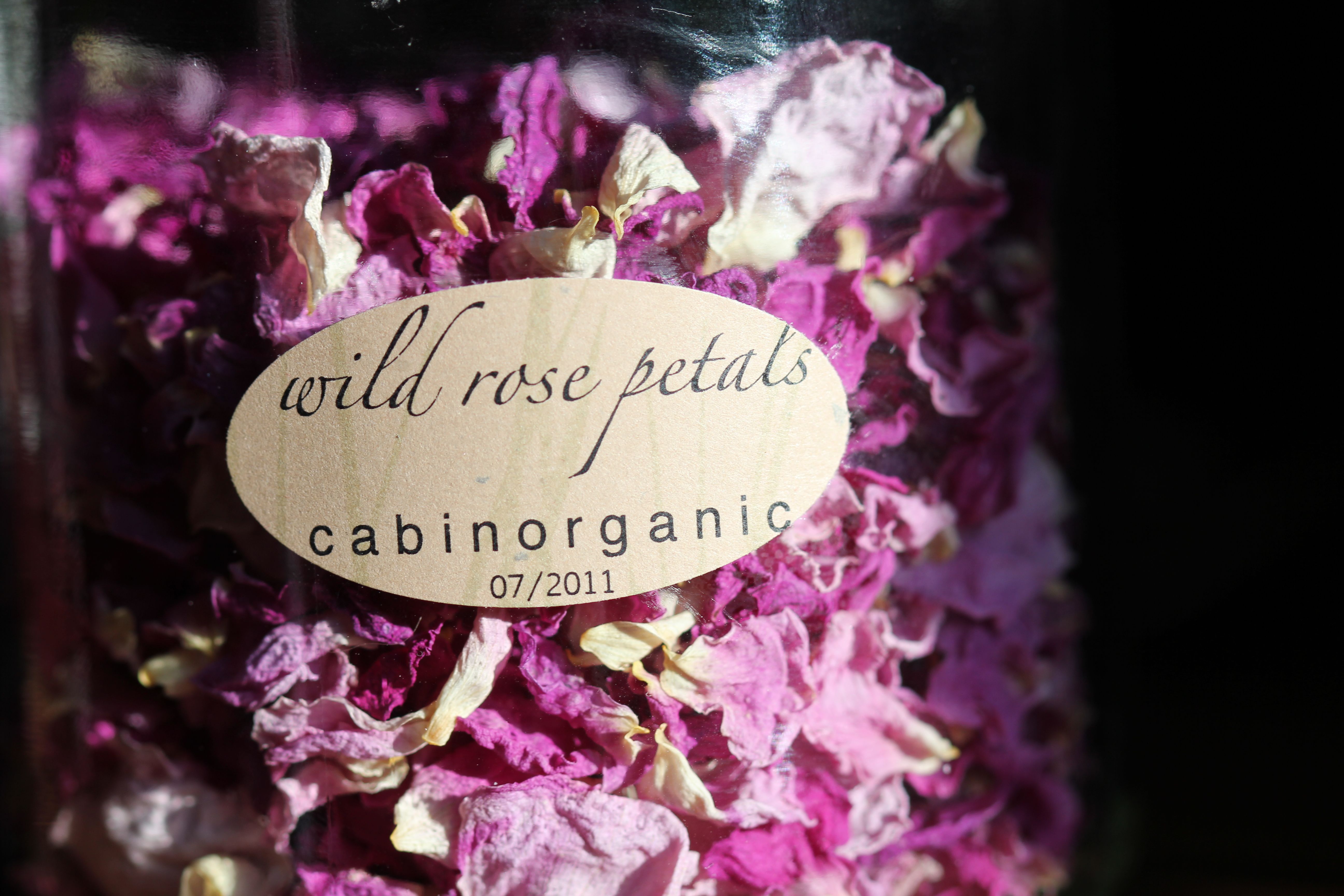
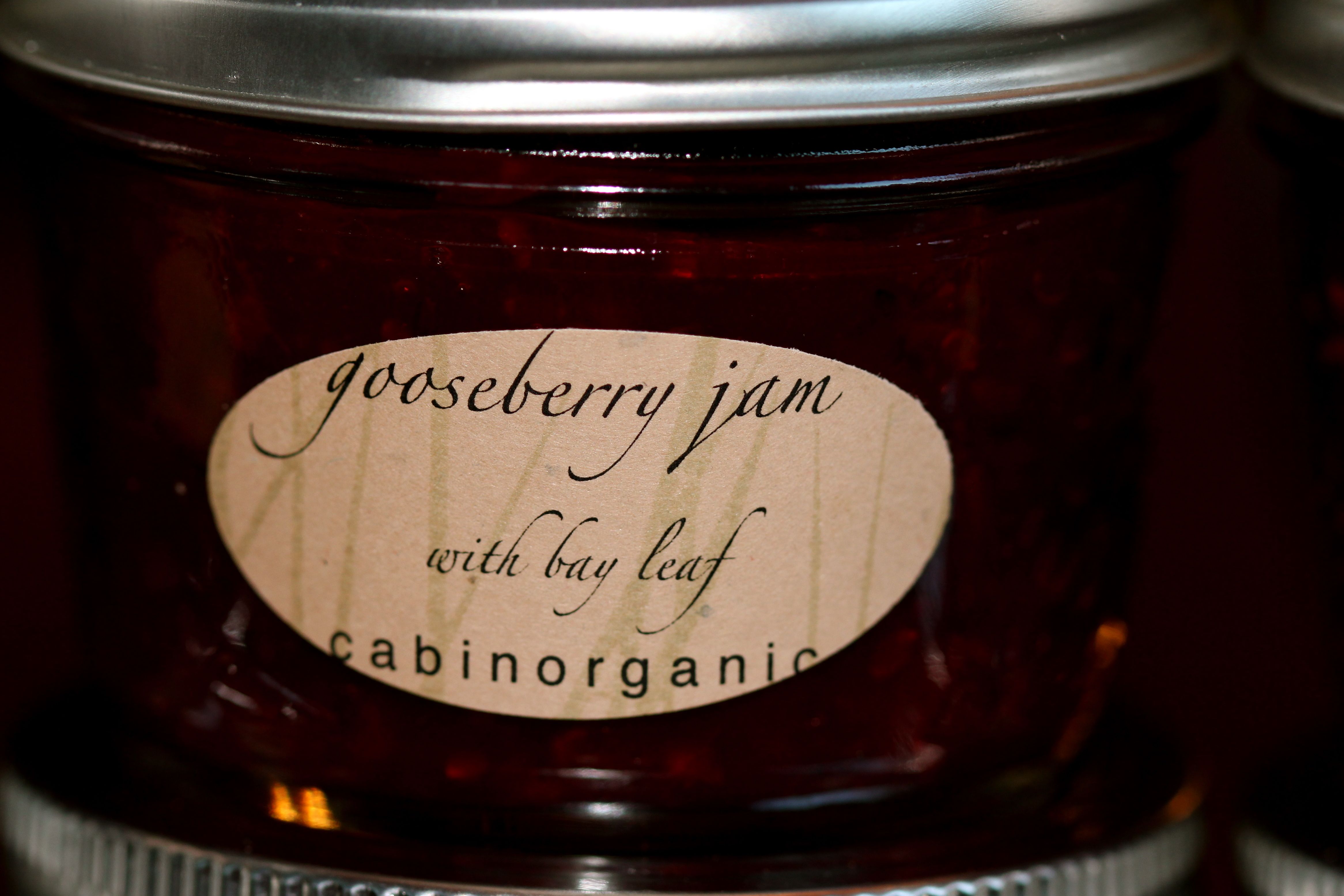
And here is the finished product.  I find the ink I chose to be a little too light, but then again the subtlety is also nice. Glue to your label to your jar or product using a glue stick.

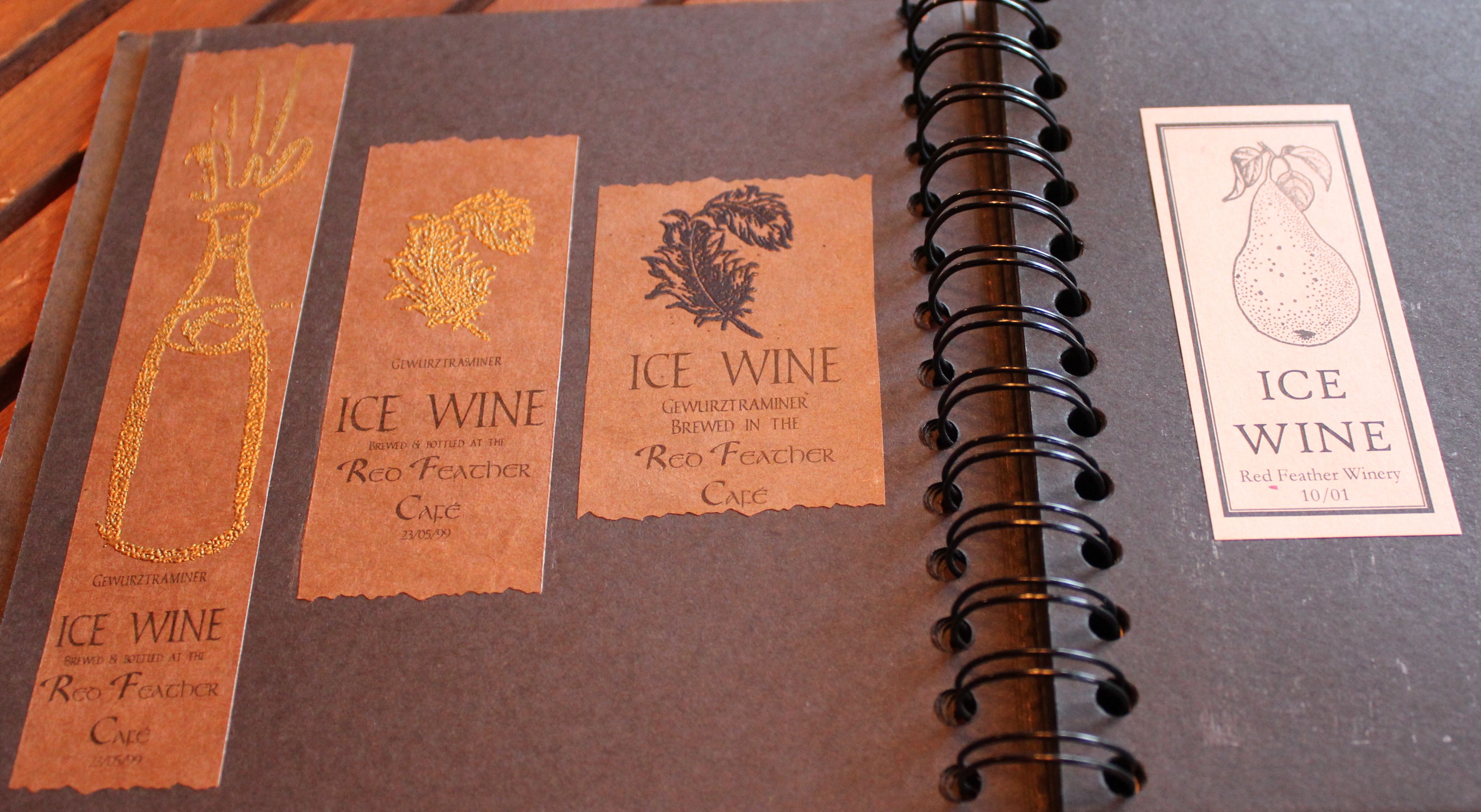
I have always loved making labels. I used to make wine regularly with a group of friends and I always loved the challenge of designing a new label for each wine. (I recently found a new winemaking partner right here in my neighborhood [hi K!] and look forward to more winemaking adventures with her. Below are some examples of some of my old wine labels. The first three images below were high resolution color photocopies from images that I found in magazines and then I added the text below.

These labels (below) were hand stamped, embossed, then glued to the wine bottle. Sometimes I stamped and embossed right on the bottle and glued on a small text label below it to identify the wine.

There is a store in Edmonton on the west side called Creative Packaging that sells high quality cellophane bags of all sizes and some are decorated. They sell all kinds of packaging to retailers, artists, artisans, chocolatiers, candy-makers, etc.  including wine bags and boxes, cardboard bags and boxes of all sizes and colors, gift wrapping and cellophane by the roll, ribbons, plactic boxes, even those cute little Chinese take-out boxes in a variety of colors (I love using those for giving away cookies at Christmas time). I also use their decorated long paper bags (for wine) for giving away French bread. Your local craft store will also have many creative choices.

Be sure and check out the Stampin’ Up! catalogue as they also have some great ideas, including cardboard purses and fancy bags and boxes, as well as a million ways to decorate them.

The label and packaging ideas are endless. I’ll keep sharing new ideas (as well as old ones) as we go along! In the meantime, I would love to hear some of your ideas!

savory gooseberry jam with bay leaf & raspberry vinegar

Tags

, , , , , ,

A tart and savory gooseberry jam to serve with lamb, roast turkey, pork or wild game pie.

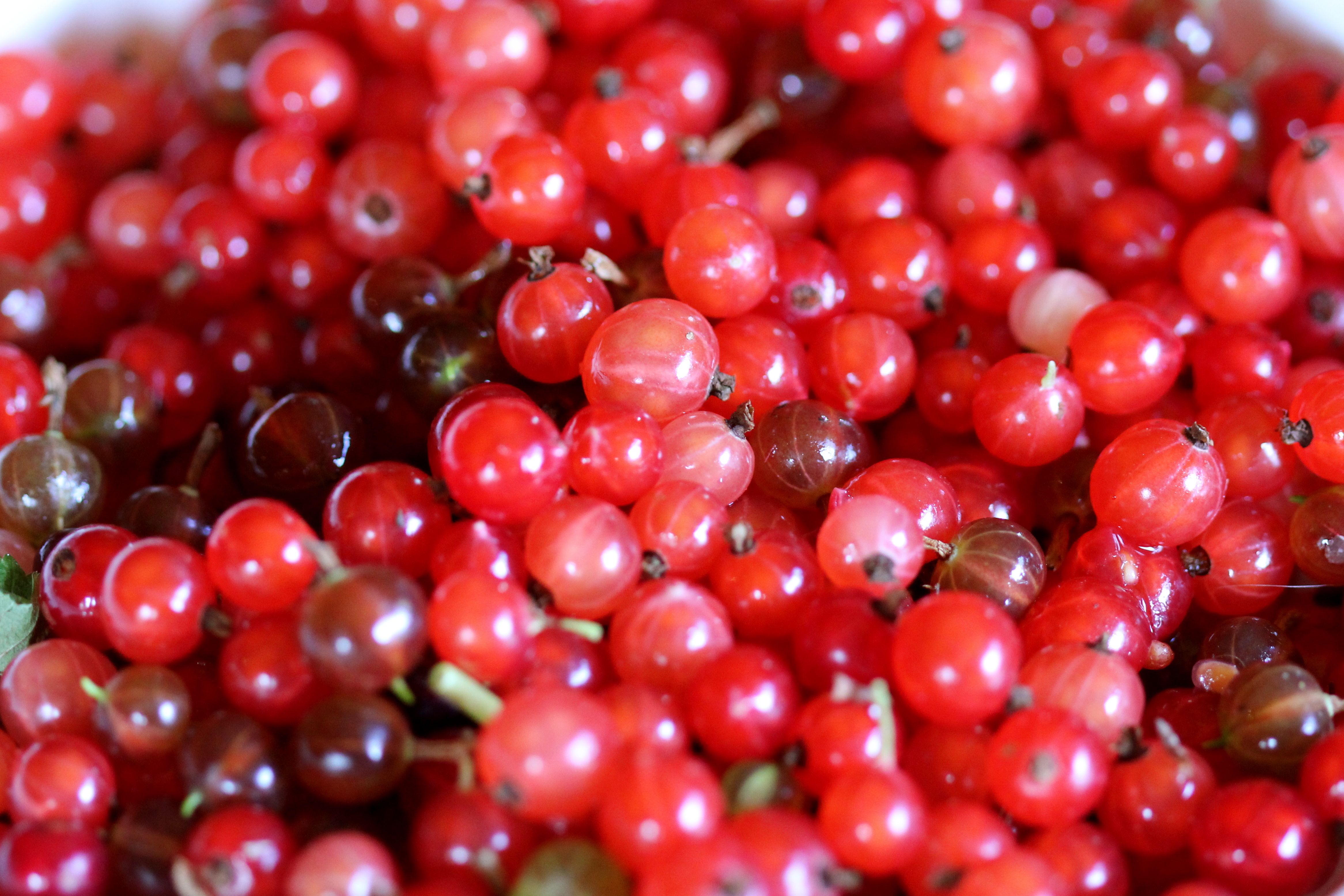
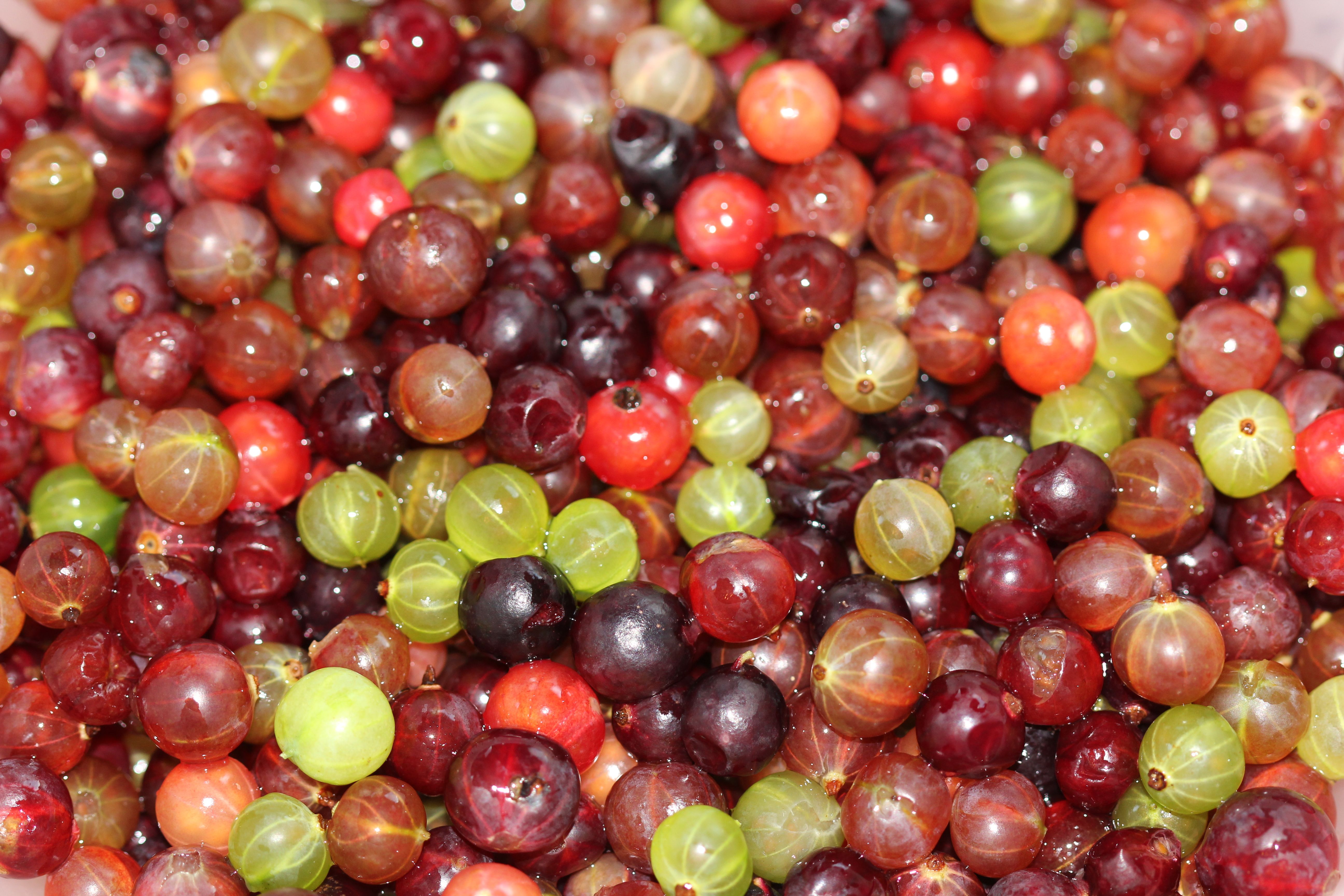
I had more gooseberries to work with today and decided to adapt the previous recipe to make a tart and savory jam for meat dishes. The gooseberries growing near the garden have ripened to a lovely ruby red color. I wonder if they are domestic gooseberries, as the wild bushes on the trail have ripened to a deep purple color?

I mixed the red gooseberries together with the wild gooseberries from the trail and made the jam.

Savory Gooseberry Jam with Bay Leaf

1 cup water

3 cups sugar (I only used 1-1/2 cup of organic sugar for more tartness)

4 cups gooseberries

6 small whole bay leaves, fresh or dried

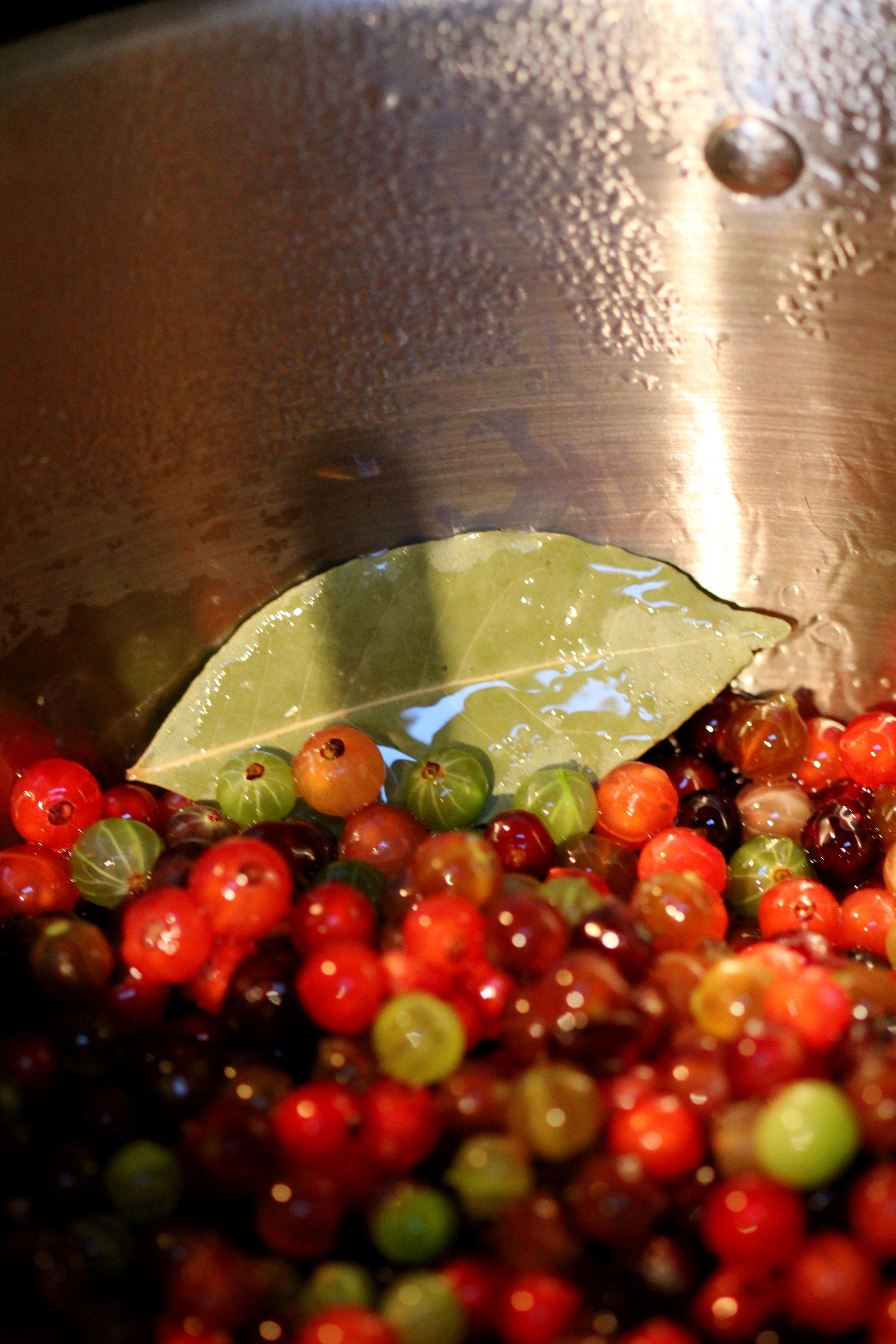
Heat the water on the stove. Mix the sugar in until it is dissolves and add the bay leaves. Allow the mixture to boil down for about 10 minutes.

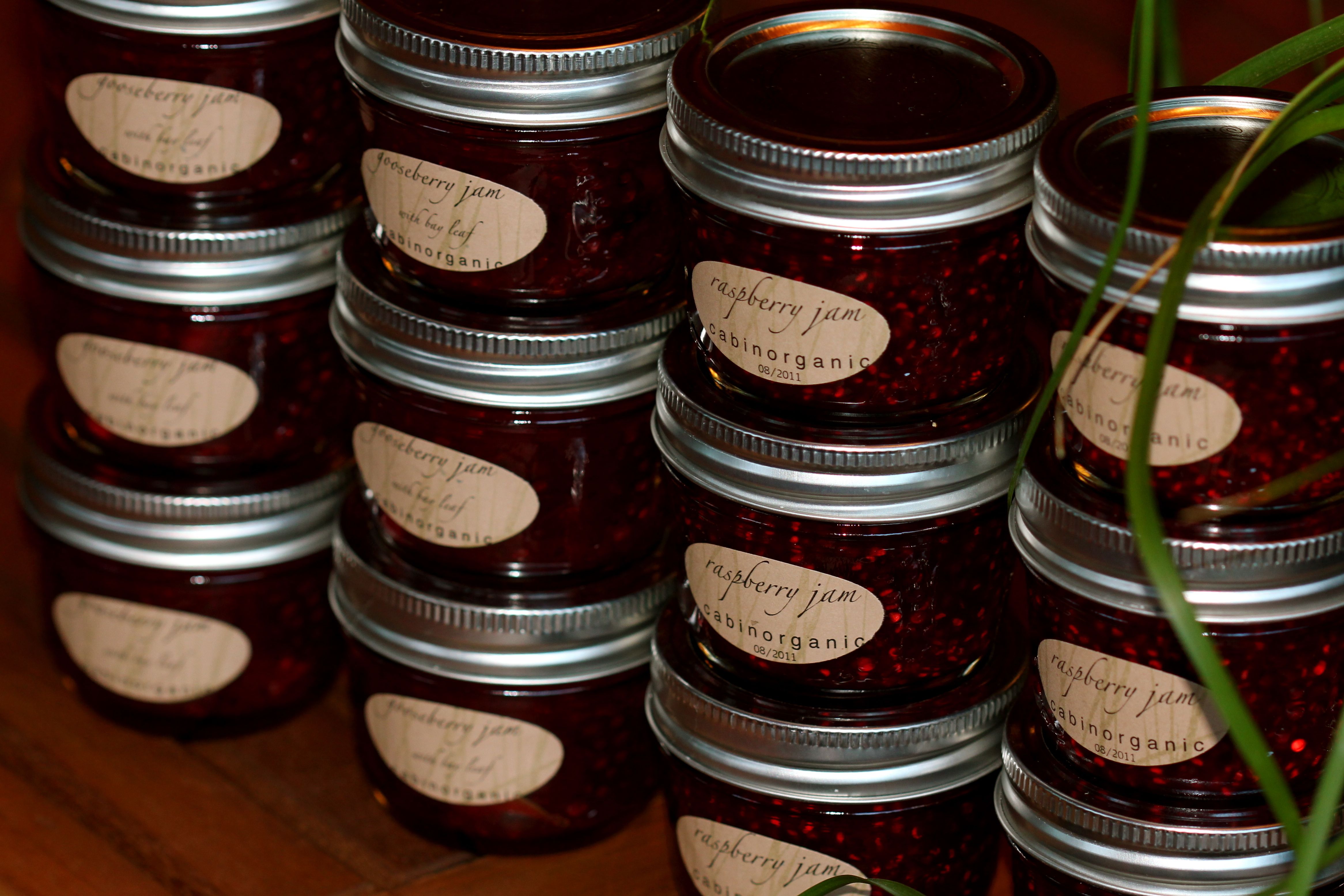
Add the berries and allow to boil, stirring frequently, for 20 minutes, or until mixture has thickened. Skim off the foam if needed. Remove the bay leaves and place one bay leaf into the bottom of each sterilized jar. Pour jam into jars to within 1/4 inch from the top of the jar. Mix the jar around with a chopstick or small spoon to release any air trapped under the bay leaf. Seal. Makes 6 half pints.

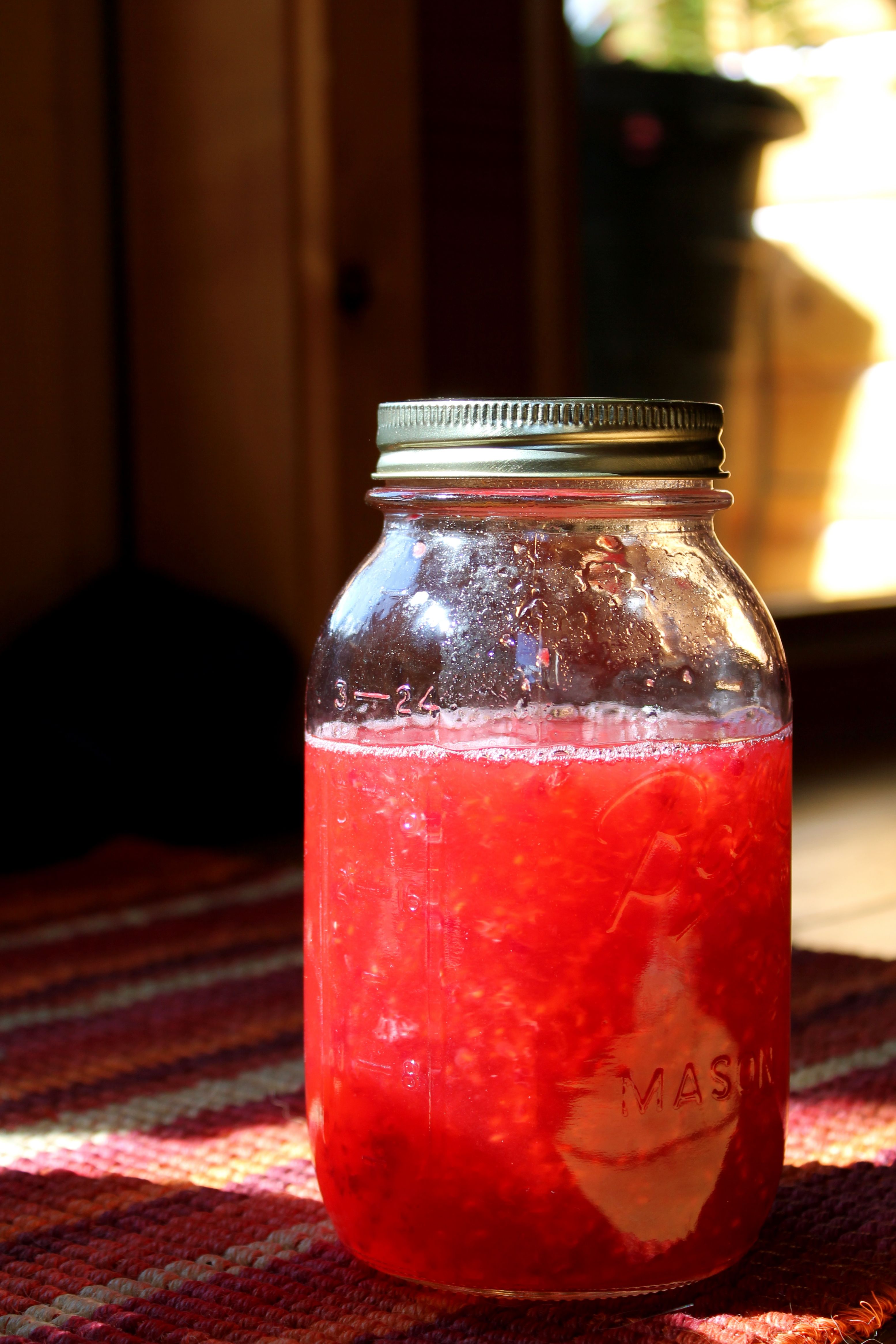
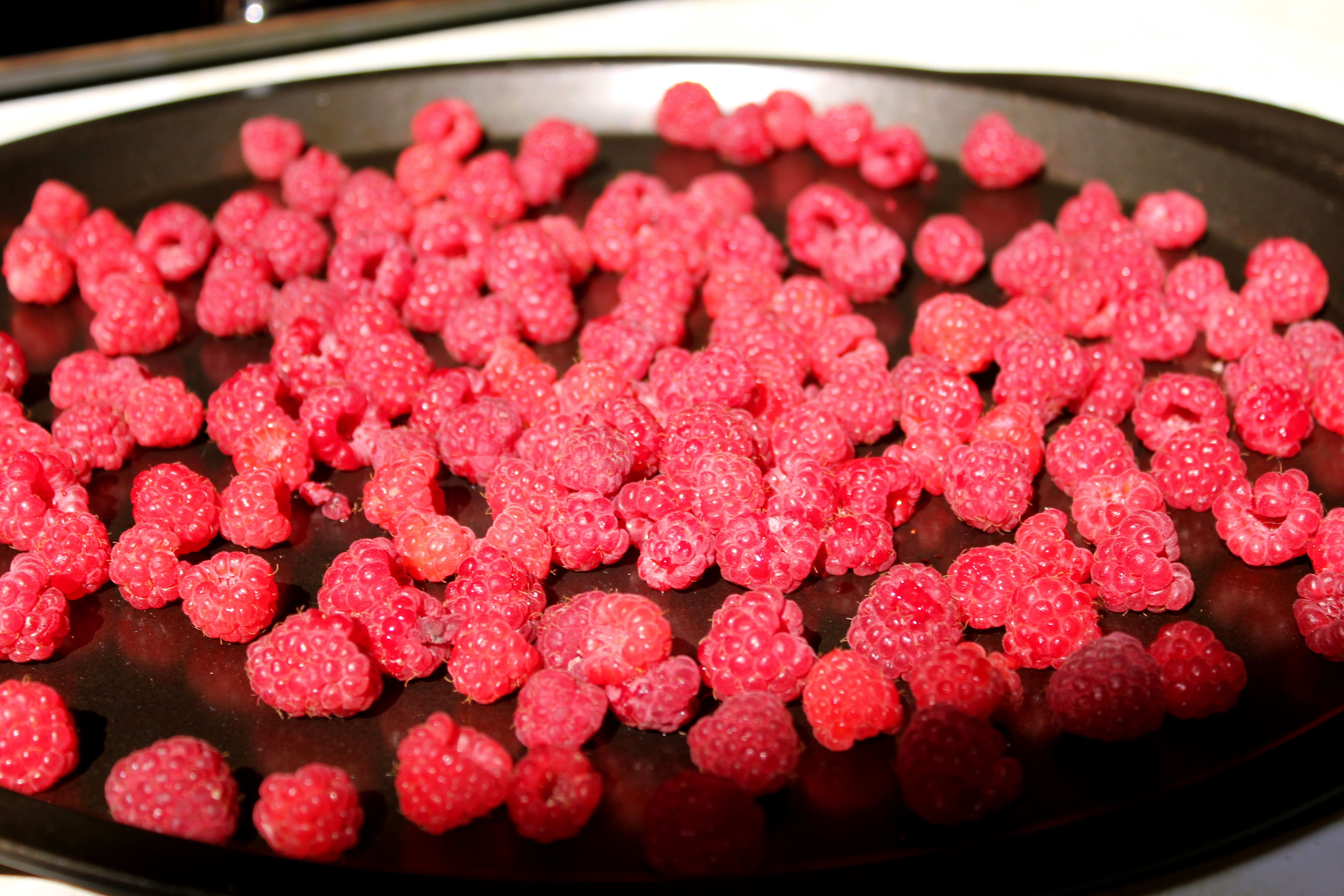
I also made another batch of raspberry jam, started a jar of raspberry vinegar and froze more raspberries for winter smoothies and sauces.

Raspberry Vinegar

1 cup raspberries

500 mL white wine vinegar

Place raspberries in jar and crush them with a wooden spoon. Pour in the vinegar and seal. Keep on your counter for 1-3 weeks (longer for a stronger vinegar). Strain and pour into a decorative bottle.

Note: I poured a whole new bottle of white wine vinegar into the jar. Then I washed the label off of the bottle (it’s a pretty bottle) and will use it to store the raspberry vinegar when it is done with a new cabinorganic label. Speaking of labels, come back tomorrow and I will show you how I make mine.

Below, raspberries for freezing.

I just had to end with this shot of Lucy, taken today. She has a ‘hot spot’ on her leg which is really itchy. To keep her from licking off the medicine, I have made her wear a shirt for the past three days. Today’s shirt matches the berries. My neighbor L, just dropped off an Elizabethan collar for her and I will use it tonight. Good night, everyone!

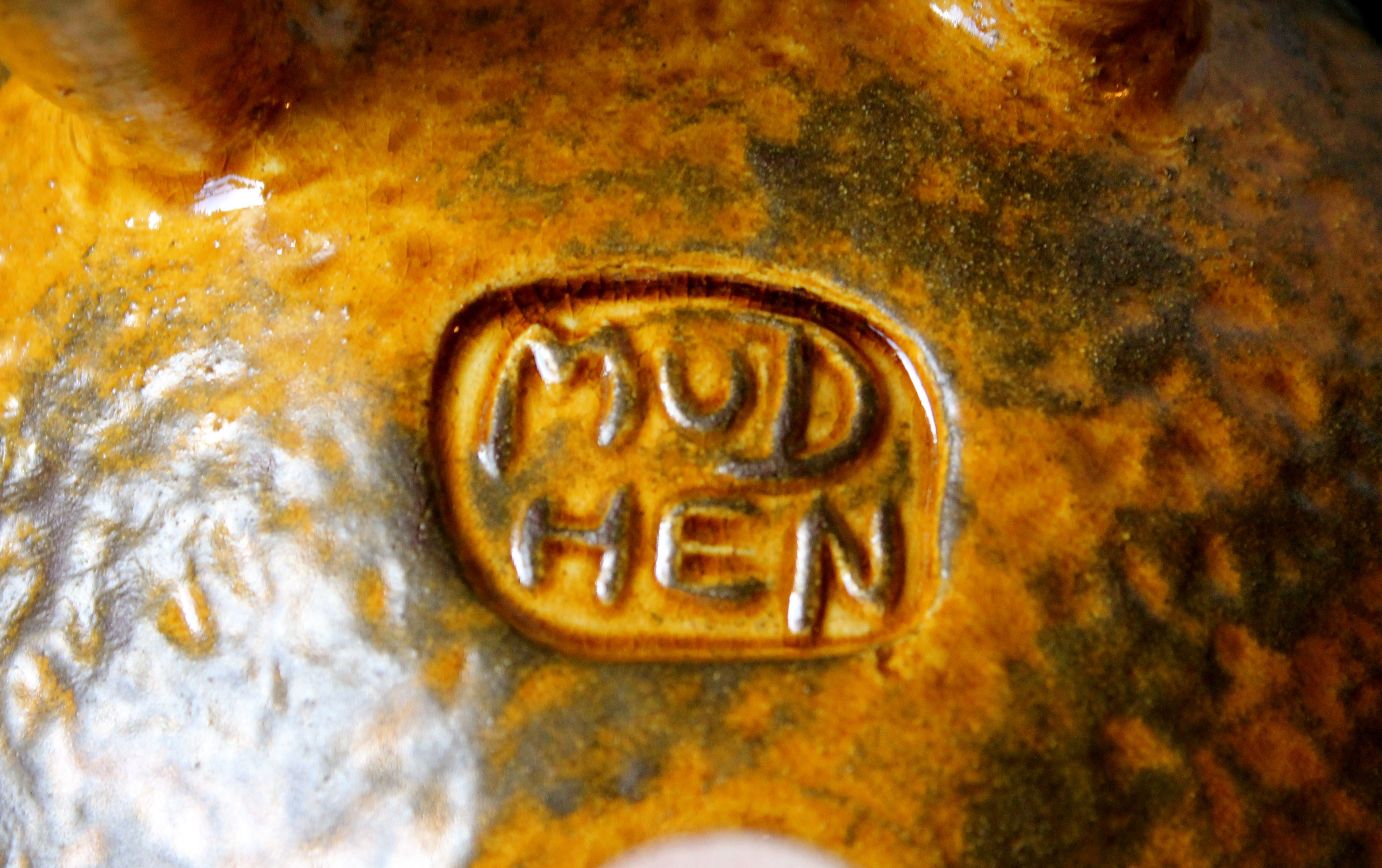
Introducing Sheila A Kelba-Warawa of Mud Hen Clay Studios (Part One)

Tags

, , , , , , , , , ,

I stopped at the Village at Pigeon Lake today to get groceries and more jars for canning. As I was walking back to my vehicle, I passed right by a shop that I had never seen before. Looking in through the open door, I was immediately drawn in by the color and uniqueness of the merchandise. I had arrived at Blue Heron Artists and Artisans Gallery.

I went in and was pleasantly greeted by a woman who welcomed me and informed me that the most of the pieces feature local artists from around the lake as well as central Alberta. I thought this was wonderful as not only can one buy handmade, but can support local artists at the same time. I was in the right place as I had recently taken the Handmade Pledge online: Pledge Handmade

Although it is usually more expensive, buying handmade is better for the environment, better for people and communities and makes for better gift-giving. Buying handmade often means that you are getting a unique, one-of-a kind item. As my tastes tend toward the unusual, I get a lot of satisfaction in finding interesting things are are both useful and beautiful. With the money I save from ‘making do’, ‘repurposing’ and ‘thrifting’, I can afford handmade when I need it or want it. Like many of you, I also hand-make most of the cards and gifts that I personally give away.

I really enjoyed my time at Blue Heron. They have so much to choose from:

We carry quilts, stained glass, fused glass, 3 different types of pottery, gold, silver and precious stone jewellery, knitted socks, touques and children’s sweaters, soapstone carvings, embroidered bags, weaving, porcelain dolls, rustic furniture, rustic birdhouses and feeders, paintings in oil, acrylic and watercolour as well as numbered prints, photography from around the lake, sewn plush dolls, candles and soaps, fibre art, felted items and casual quilted jackets.

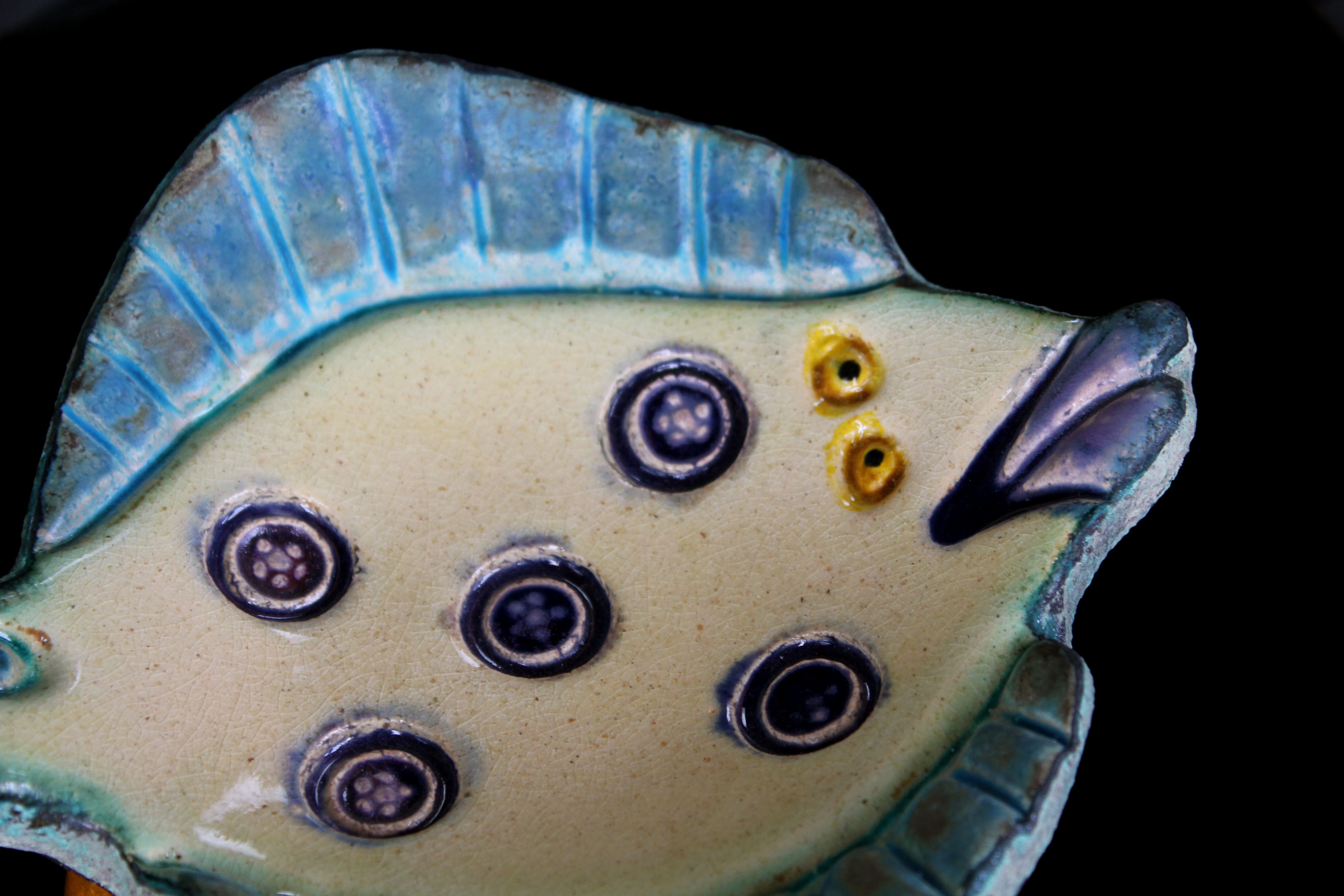
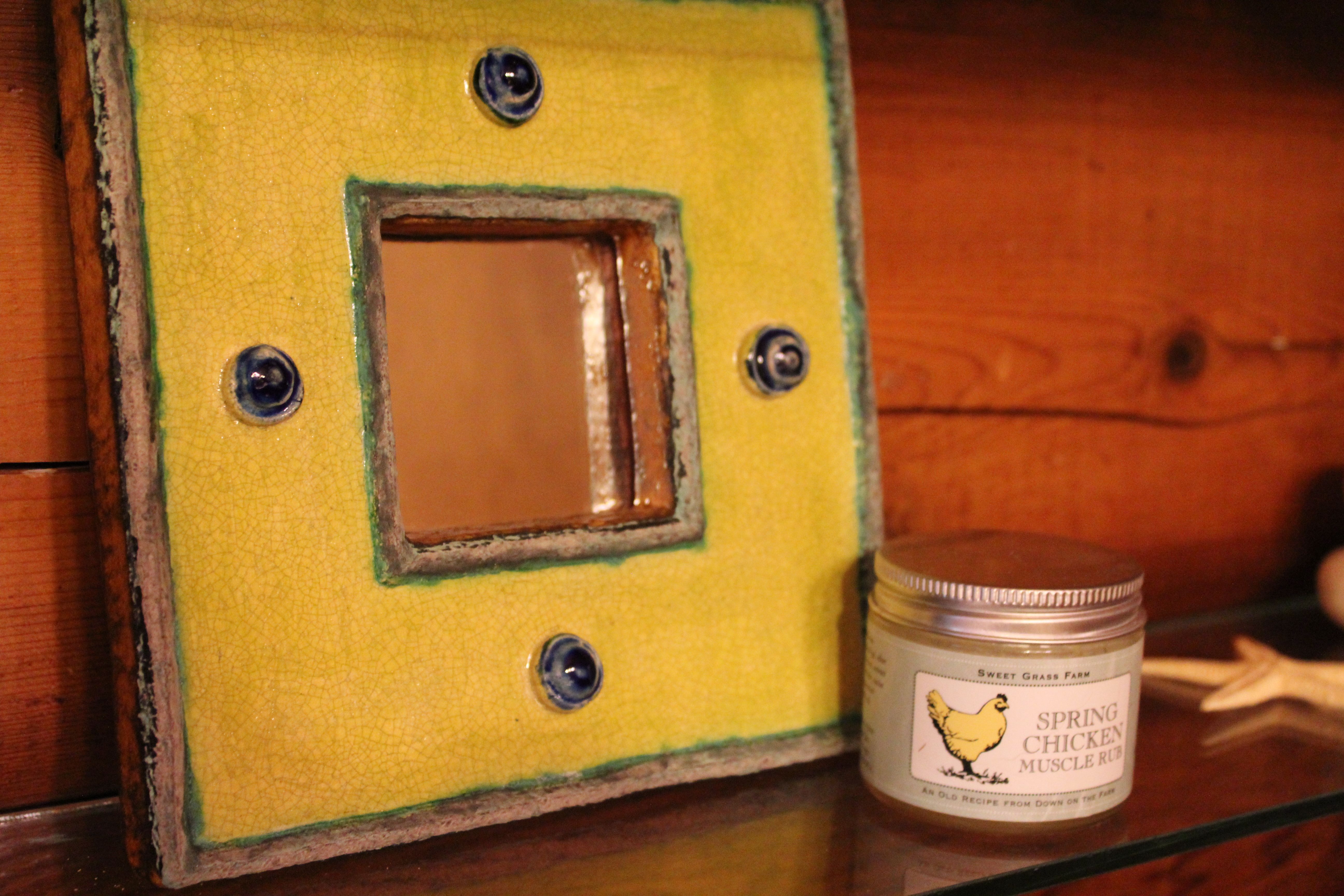
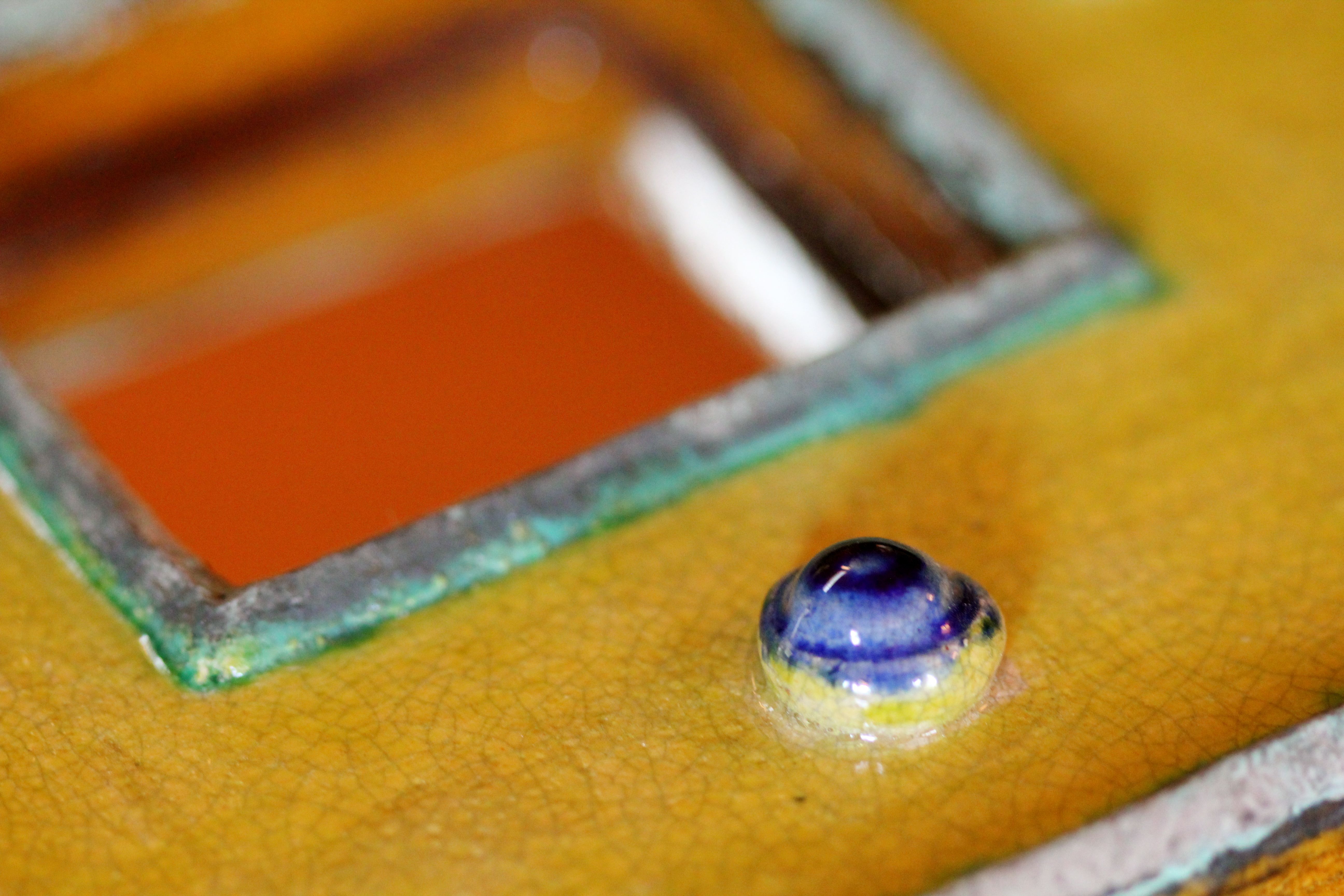
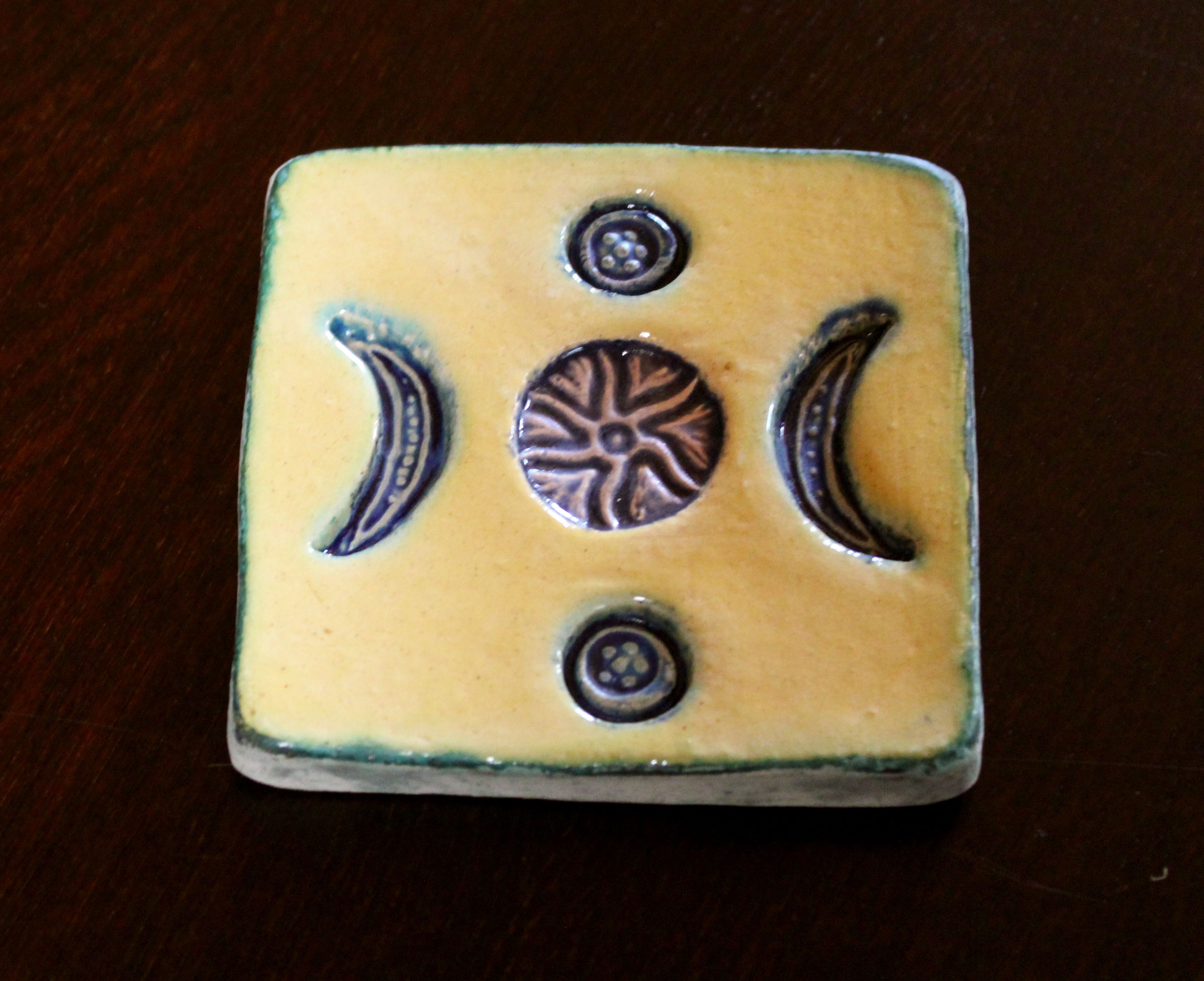
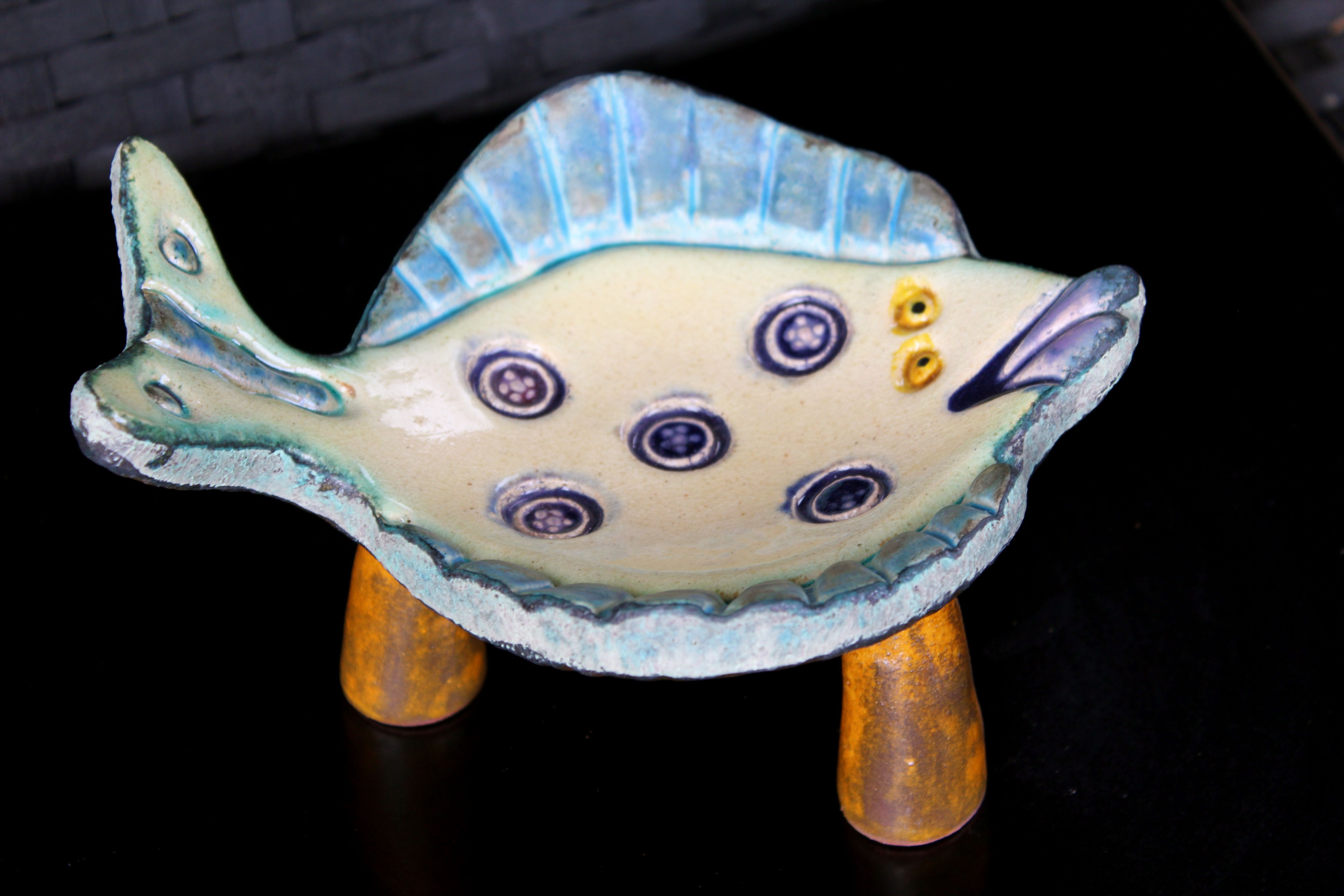
I fell in love with four pieces of pottery: a small square mirror, a tile, a fish dish on three legs and a large funky chicken-woman vase. I bought the first three items but will have to save a little for the chicken-woman. I got chatting with the woman who greeted me earlier and it turned out that this was Sheila A Kelba-Warawa herself, the local artist who made all four of the pieces that I had chosen! When I asked her to describe her work, she told me:

My work has a funky edge. Although I enjoy throwing pots, my passion is hand-building, where I have the freedom to create slightly off the wall animals and animal women.

I love the organic shapes and especially the colors that glaze Sheila’s pieces (lime green, ocean blue, orange copper undersides, purple, pale yellow). Along with pots, candlesticks and tiles, she hand-builds fish and chickens in her own distinct style. Some of the edges are left bare, which makes the piece feel like it is a hundred years old and already full of stories. I was regretting that I did not bring my camera as I could have shown you more of Sheila’s work. Instead, I will visit her studio in Bentley, Alberta in a few weeks and do a more in depth interview and show you a wider range of her work (in Part Two). Until then, if you would like to contact Sheila, you can reach her through Blue Heron or through her personal email at mudhenstu@hotmail.com. You can also take a look at her biography on the Blue Heron website.

I look forward to many more visits to Blue Heron Artists and Artisans and supporting a wonderful local business here on Pigeon Lake while at the same time supporting local artisans from central Alberta. Next time you visit the Village at Pigeon Lake, be sure to stop in at 40 Village Drive and have a look around. Or click on the links provided and view their gallery online. I am sure you will find that perfect handmade item that you haven’t found anywhere else!

In the meantime, I will enjoy my new pieces! On the Blue Heron website, it says that “Sheila’s intention is to bring whimsy and joy to the viewer.” These pieces will surely do just that! The tile will sit on my desk to hold my tea as I work on this blog each day; the mirror will hang just outside the washroom and will be one of the first things that I see in the morning (adding a splash of lime green to an otherwise dull corner), and the whimsical fish dish will hold my handmade gardeners’ soap beside the kitchen sink and will make me smile every time I use it.

recent encounters with winged ones

Tags

, , , , , , ,

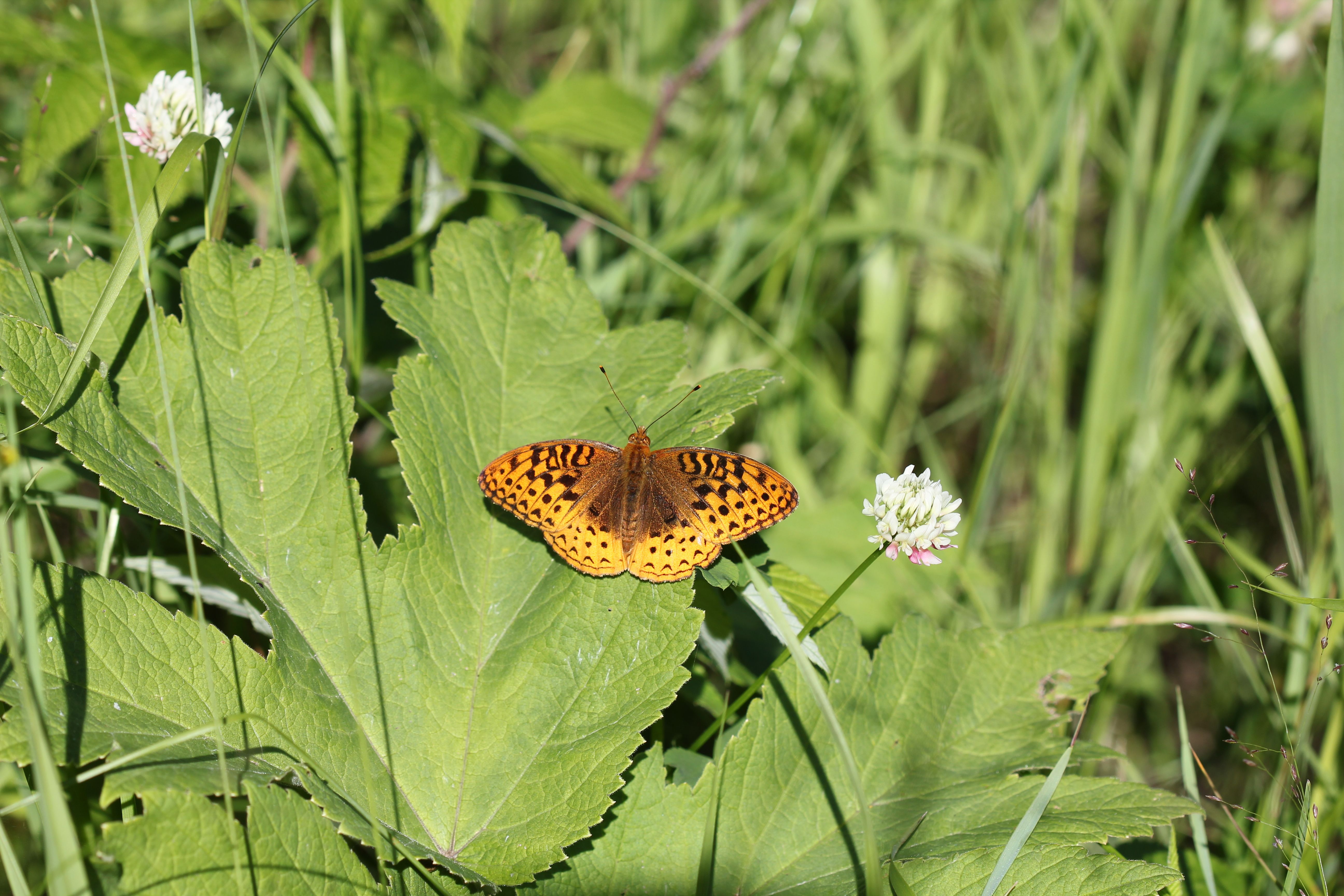
Each day that I live out here is full of close encounters with wild plants, insects, and animals. Each day, I never know what I will see or bump into. Some of these encounters are rare (like the Great Horned owl last fall or the tiny Norther Saw Whet owl, the size of my hand, this winter), and some are daily encounters (hawks, a wide variety of birds at the feeder, frogs, deer). Often, I do not have my camera handy or am too slow. But sometimes I am lucky and can capture the image. Whenever I can, I will share these encounters with you and we can enjoy the beauty of our natural world together. Today, I will share a few shots of winged ones taken just this week…

An Arctic Fritillary buttery (Boloria chariclea), adding a splash of color to my morning…

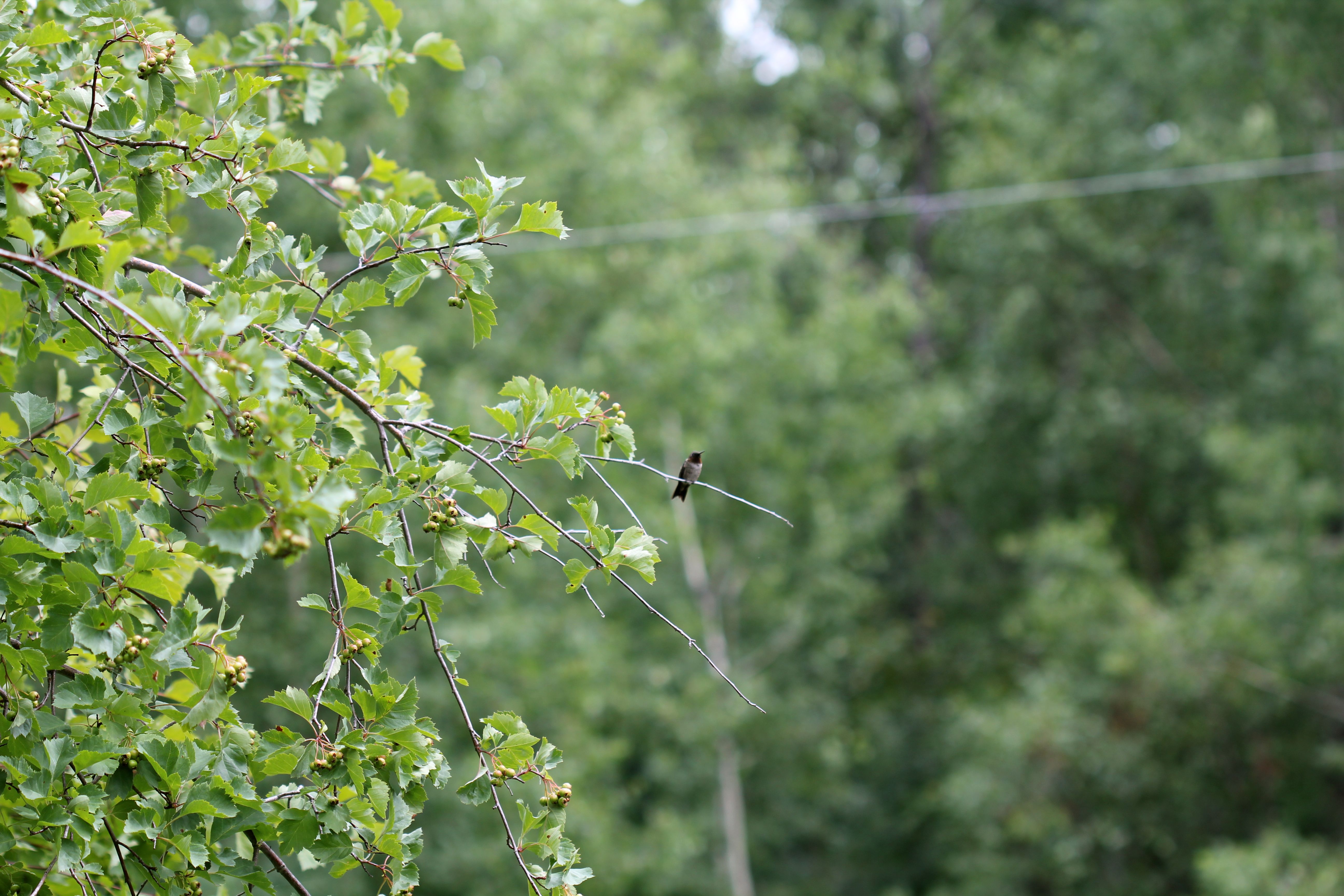
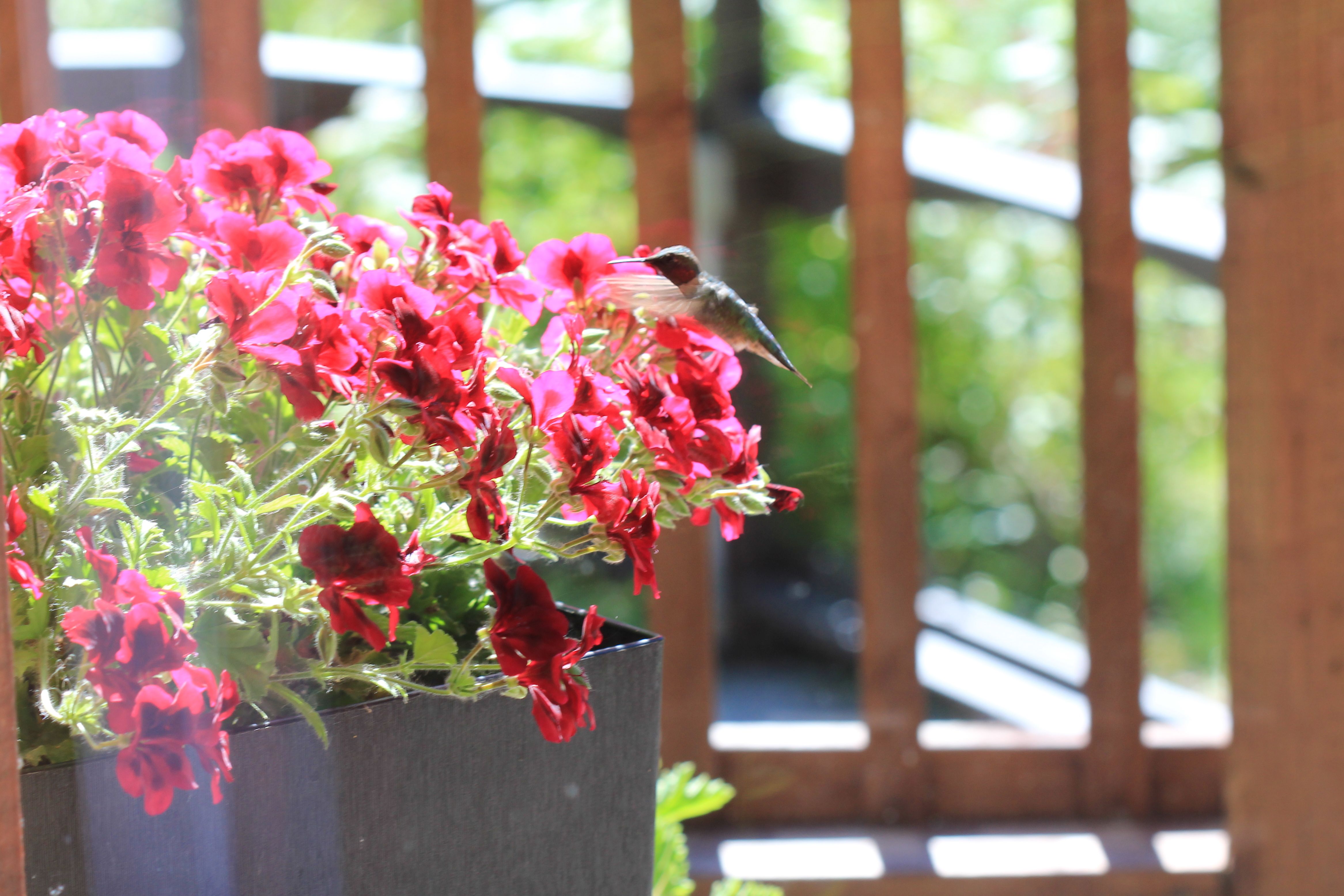
A ruby throated hummingbird at rest just outside the diningroom window (near the picnic table). I see them everyday as they love my flowers, but I have never seen one perched and at rest before. They are so tiny!

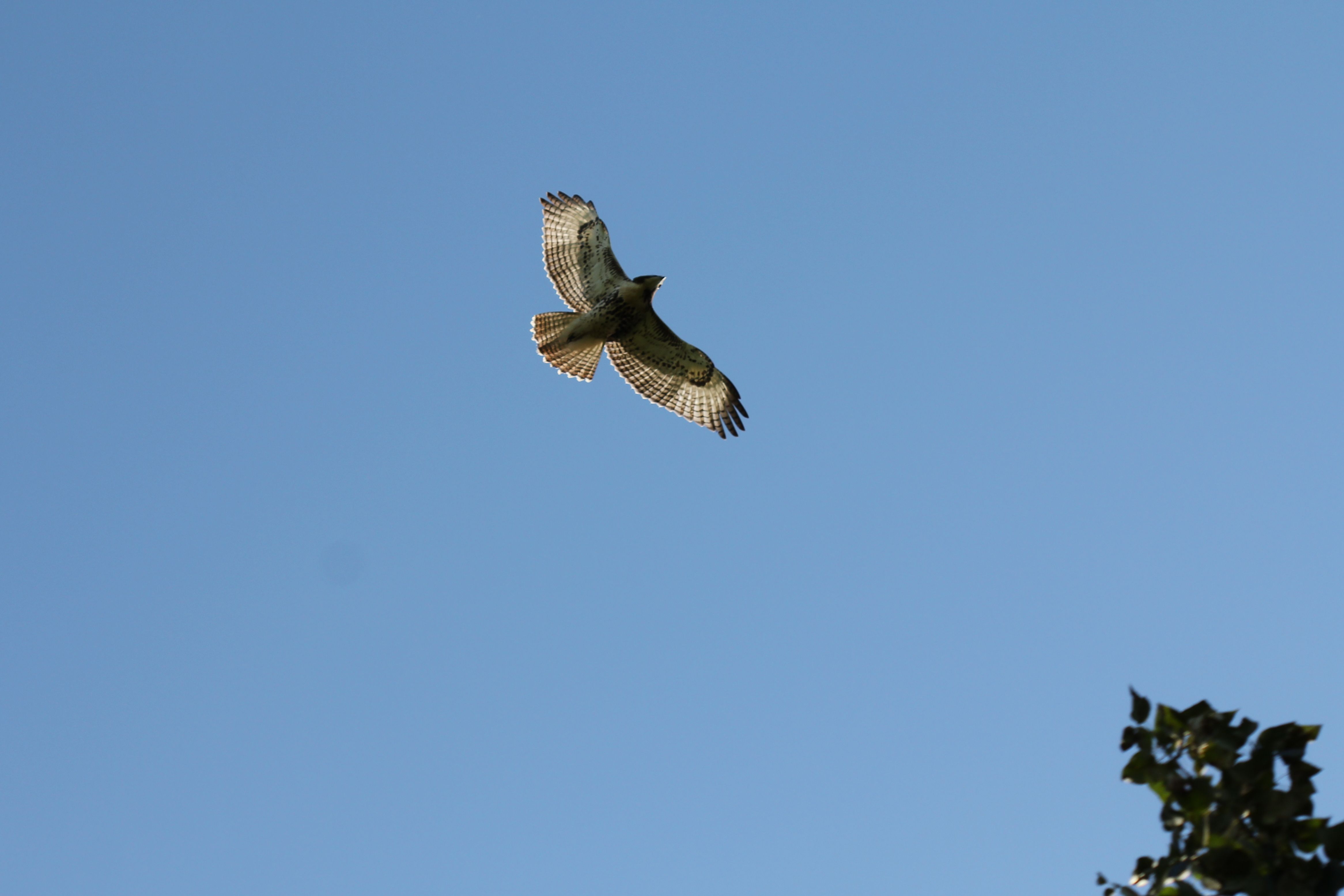
There are two hawks that live in the field where Lucy and I hike twice a day. I am not sure exactly what kind of hawk as I only get a good look at them when they are flying overhead and my field guides show them perched from the side. Most days, the hawks fly up and cry out as Lucy and I walk underneath their nesting tree. They are so huge that I once mistook one of them for a Great Horned Owl (from a distance). I made up a song in thier honor and sing it for them every time I see them:

Oh, kihew, oh kihew, you are chosen by Creator

to carry our messages up through the smudge smoke

I honor you this day and treasure your existence

may your children be blessed to the seventh generation

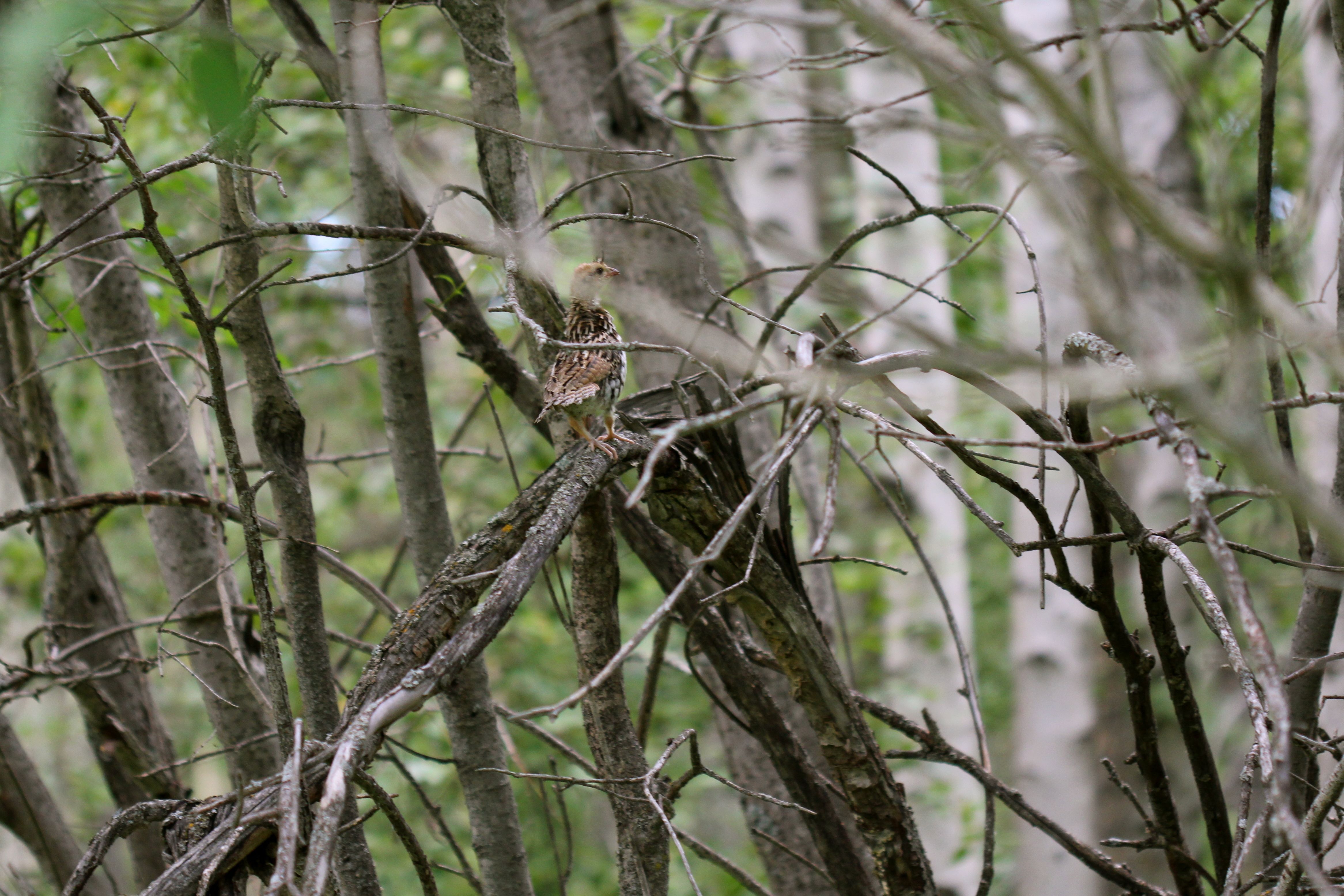
Here is a little sharp-tailed grouse. They are sometimes close to the trail and Lucy and I have startled them twice this week. There are four young ones. I got a good look at mama when she flew towards me to distract me from her babies. Lucy was good and left them alone.

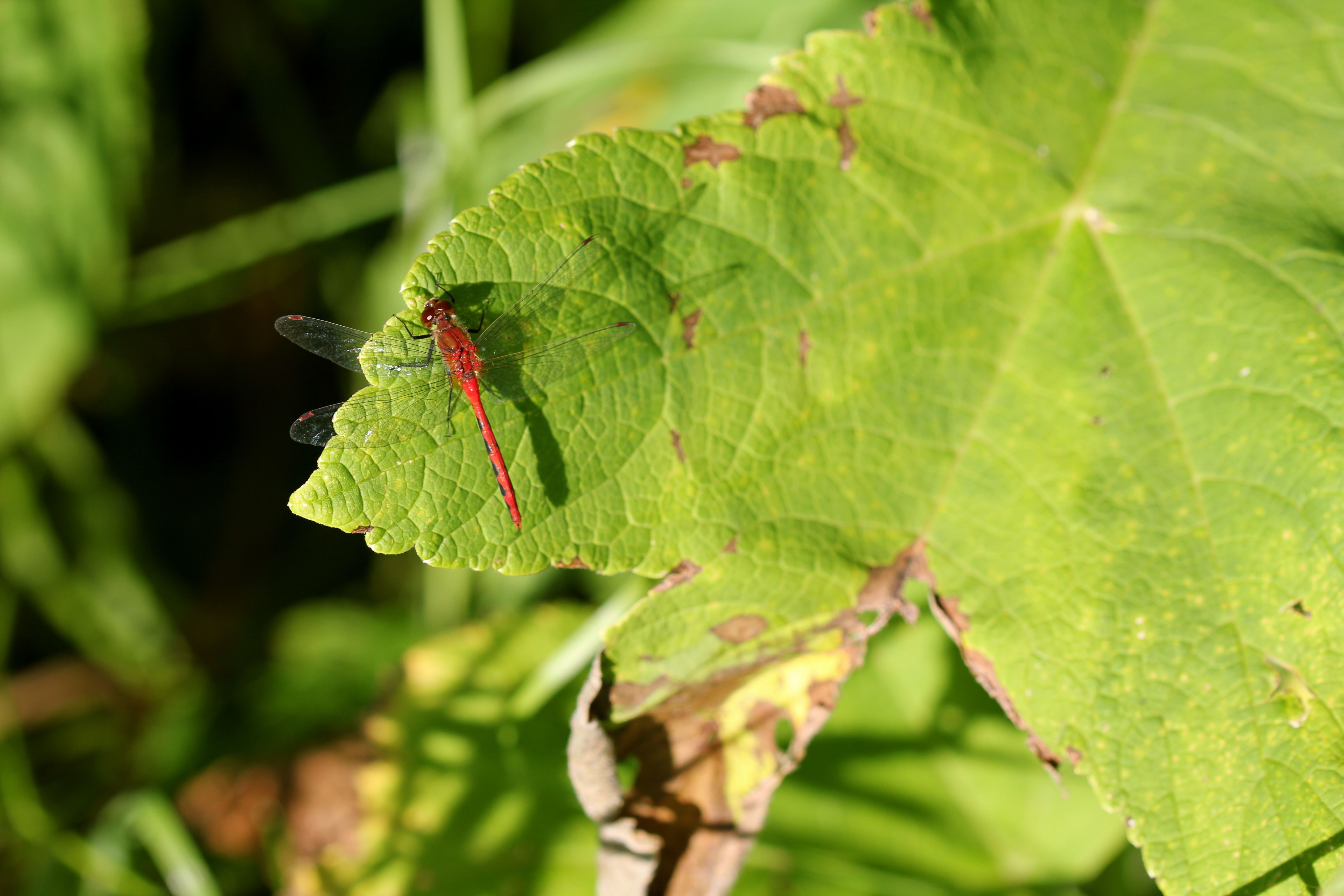
There are also thousands of small red and large turquoise dragonflies that fill the evening skies on our walks. They dive and bomb and swirl around me, feasting on the misquitoes that my body attracts.

Enjoy your day, everyone!

wild rose petals (Rose acicularis)

Tags

, , , , , , , ,

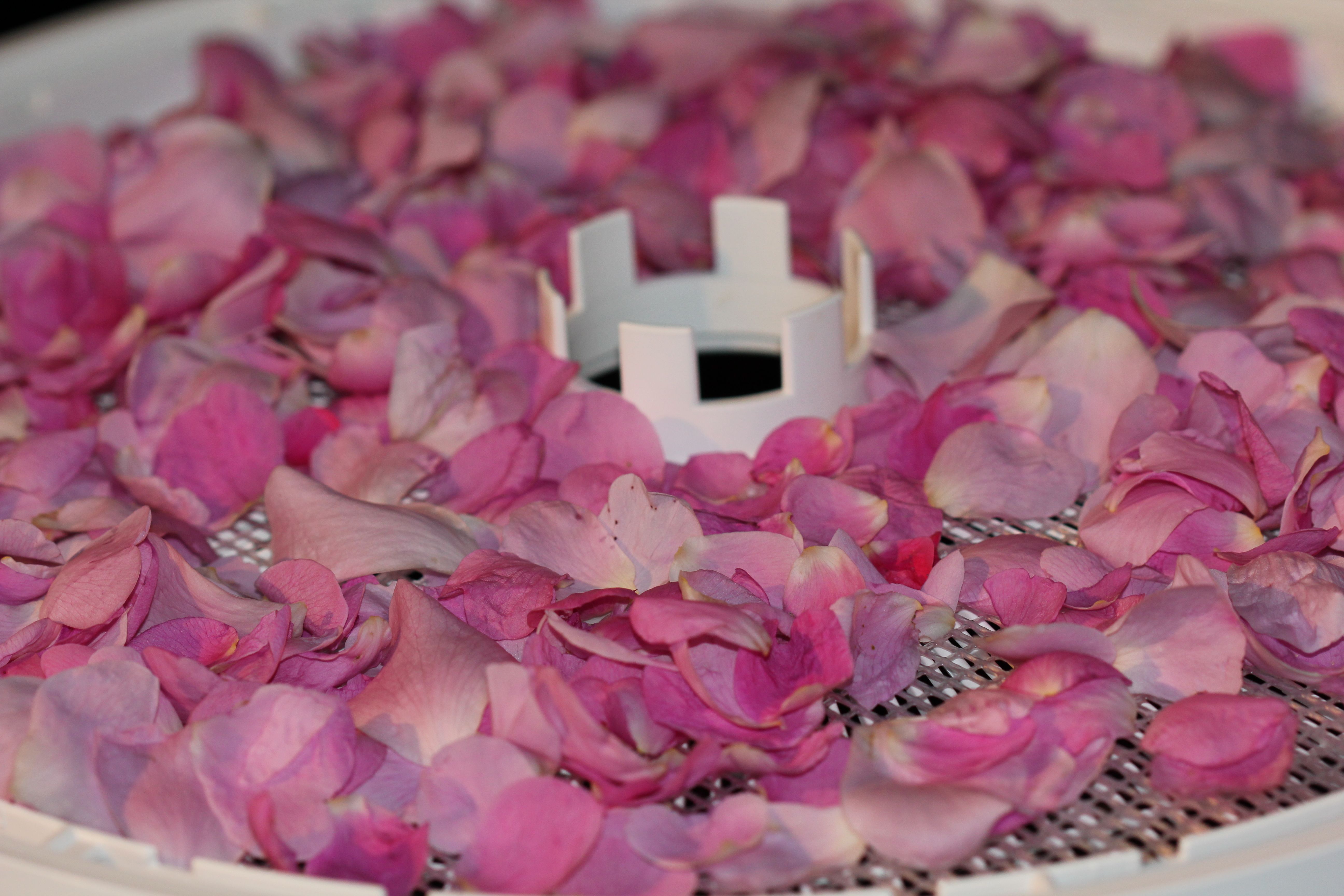
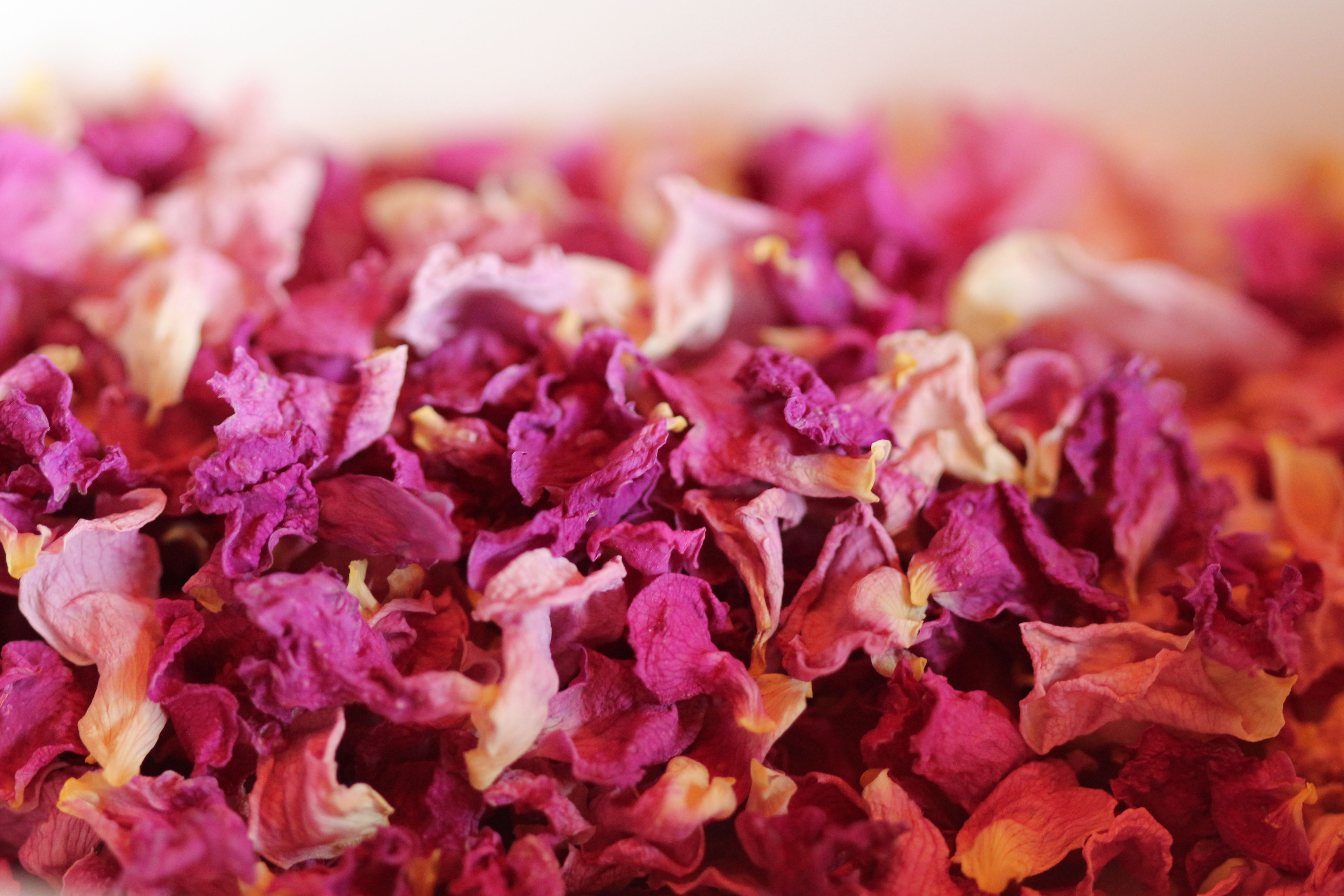
While we are on the subject of drying herbs for teas, I wanted to fill you in on a few other herbs that I had already dried before I started this blog three weeks ago. I will start with the earliest: wild rose petals, which I harvested back in late June and early July. I will cover the other herbs in separate posts in the next little while.

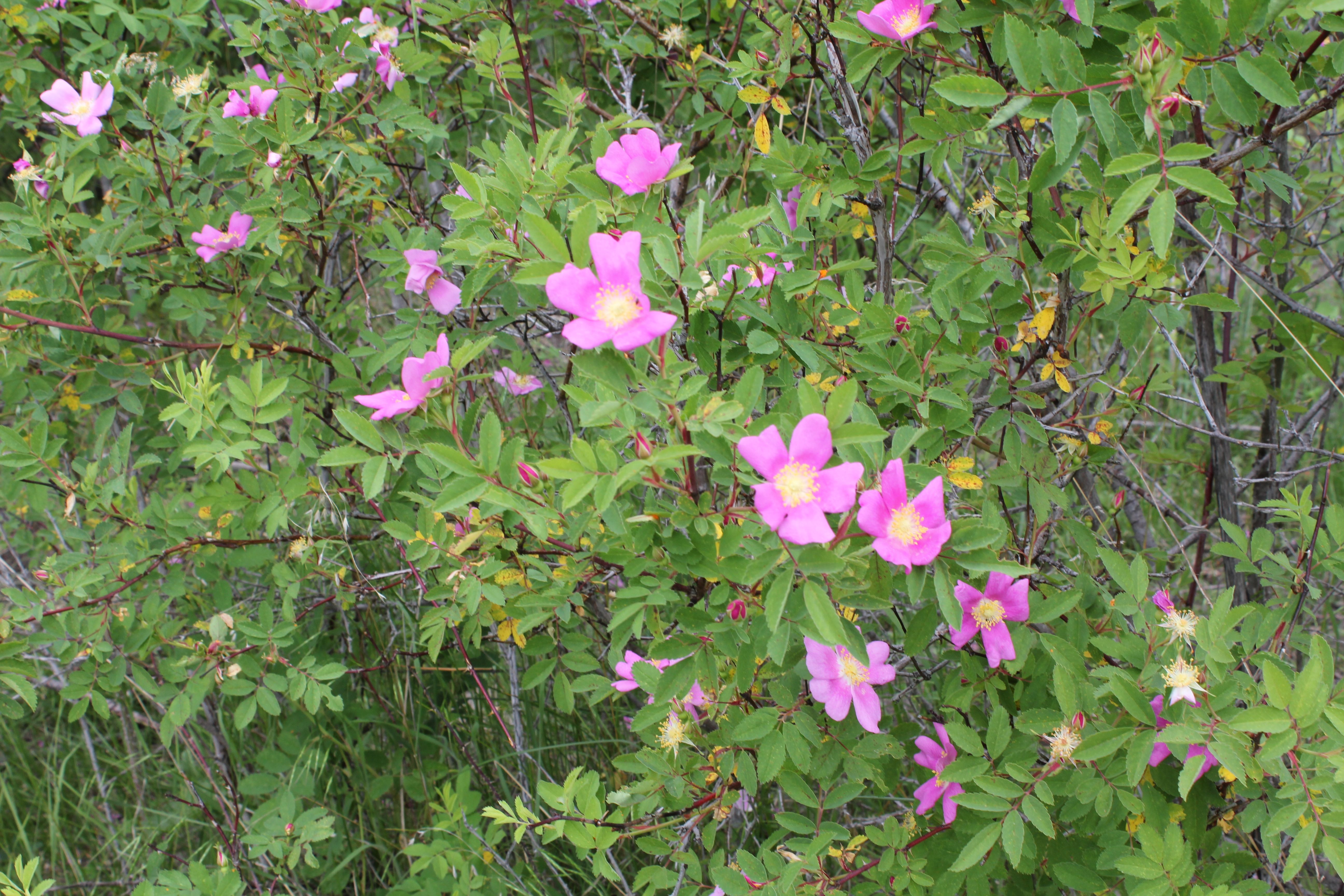
There are more than a hundred species of rose that are native to the northern hemisphere. The wild rose (Rose acicularis), also known as the nootka rose and prickly rose, prefers rich, moist soil and sunny locations. This beautiful shrub has been chosen as Alberta’s floral emblem. Incidentally, ‘Rose’ is also my middle name. (I was named after my grandmother Rose Delna Nabess, a Cree woman who married a French trapper in northern Manitoba.)

You can use the roots, leaves, flowers and fruits of Rose acicularis. In this post, we will focus on the petals. Harvest the petals gently to prevent bruising and only pick from plants that have not been sprayed or contaminated.

When harvesting rose petals do not over-pick from one bush. When taking the flowers, leave one petal behind to ensure that the flower is pollinated, which will let a hip develop.

~Beverly Gray

Medicinal Uses:

According to Beverly Gray, wild rose petals can be made into a poultice and applied to cuts, scrapes and fresh bug bites. The petals take the heat out of the wound and reduce inflammation. She also recommends a cooled petal infusion to sooth irritated eyes (be sure to finely strain the liquid first).

Rose oil is used in aromatherapy as a tonic for the womb and sexual organs, and to tone the circulatory and digestive systems. It has sedative, antidepressant, and, of course, aphrodisiac effects.

Cosmetic Uses:

Rose oil and rose water are soothing, exquisitely scented astringents and emollients, and are widely used in skin-care products as they are very soothing to the skin. They also have a humectant effect, which helps the skin retain moisture. Aroma Borealis makes a rose-petal face cream that has been quoted in an Ottawa newspaper as the “the champagne of creams”. I have just ordered some and I will do a ‘product review’ in a later post. (It cost $14.95 for 30 mL.)

You can make a rose petal facial tonic at home by adding the petals to vodka or apple cider vinegar. Try adding rose petals to your facial steam baths. The petals can also be infused in oil and used as a base for massage and body oils, creams, and other bath products. The petals are also used in potpourris and perfumes.

Culinary uses:

 Rose petals are used to flavor tea, vinegars and sugar, are made into jelly, and crystallized. Middle Eastern cuisine is especially fond of rose-flavored desserts and treats, such as Turkish delight, and rose buds are an ingredient of the spice mix known as ras el hanout.

~Deni Brown

The scented flowers of the wild rose, fresh or dried, make a fragrant and delicious tea. Half a cup of petals is needed for 1 cup of tea.

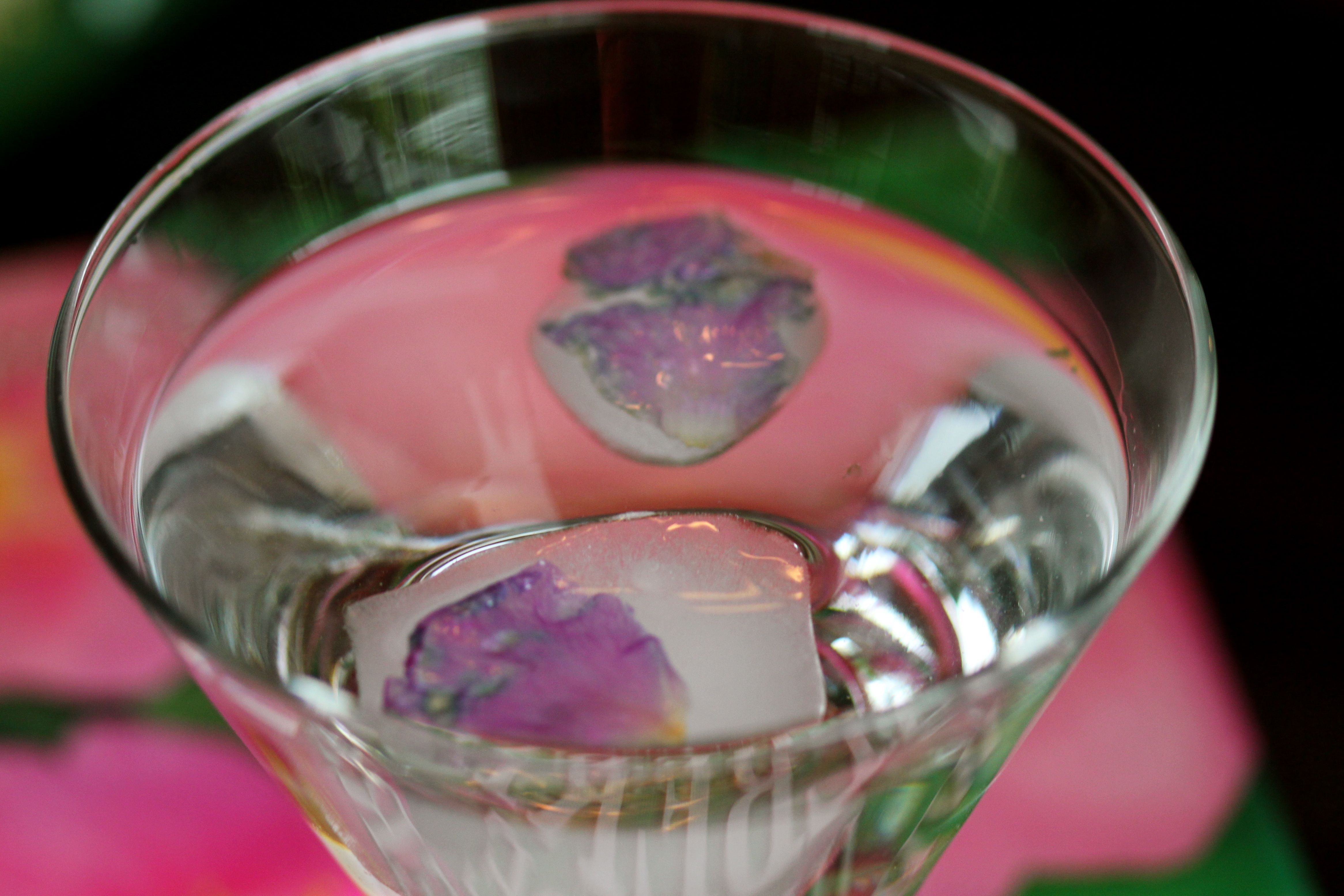
Flowers can be added to jams, jellies and salads. The fresh petals are often see on top of wedding cakes. The late Lois Hole (1933-2005), in her book Herbs and Edible Flowers, has a flower petal butter recipe and a recipe for gingered rose custard. I like adding the delicate petals to my melt-in-your-mouth shortbread recipe and freezing the petals in ice cubes to add color and a subtle flavor to water or other clear drinks.

Did you know that it takes a thousand roses to produce 1 pint of rosewater? It takes 5000 pounds of fresh petals to make 1 pound of oil.

I will leave you with a funny quote by Eleanor Roosevelt (1884-1962) that I read today in the Boreal Herbal:

I once had a rose named after me and I was very flattered. But I was not pleased to read the description in the catalogue: no good in a bed, but fine up against a wall.

Resources:

Brown, D. (2001). Herbal: The essential guide to herbs for living. Pavilion Books Ltd.: London.

Gray, B. (2011). The boreal herbal: wild food and medicine plants of the north; a guide to harvesting, preserving, and preparing. Aroma Borealis Press: Whitehorse, Yukon.

Hole, L. (2000). Herbs & edible flowers: Gardening for the kitchen. Hole’s: St. Albert, AB.

Kershaw, L. (2003). Alberta’s wayside flowers. Lone Pine Publishing: Edmonton, AB.

Stewart, H. (1981). Drink in the wild. Douglas & McIntyre: Vancouver, BC.