wild strawberry leaf tea (fragaria vesca, fragaria virginiana)

Tags

, , , , , , , ,

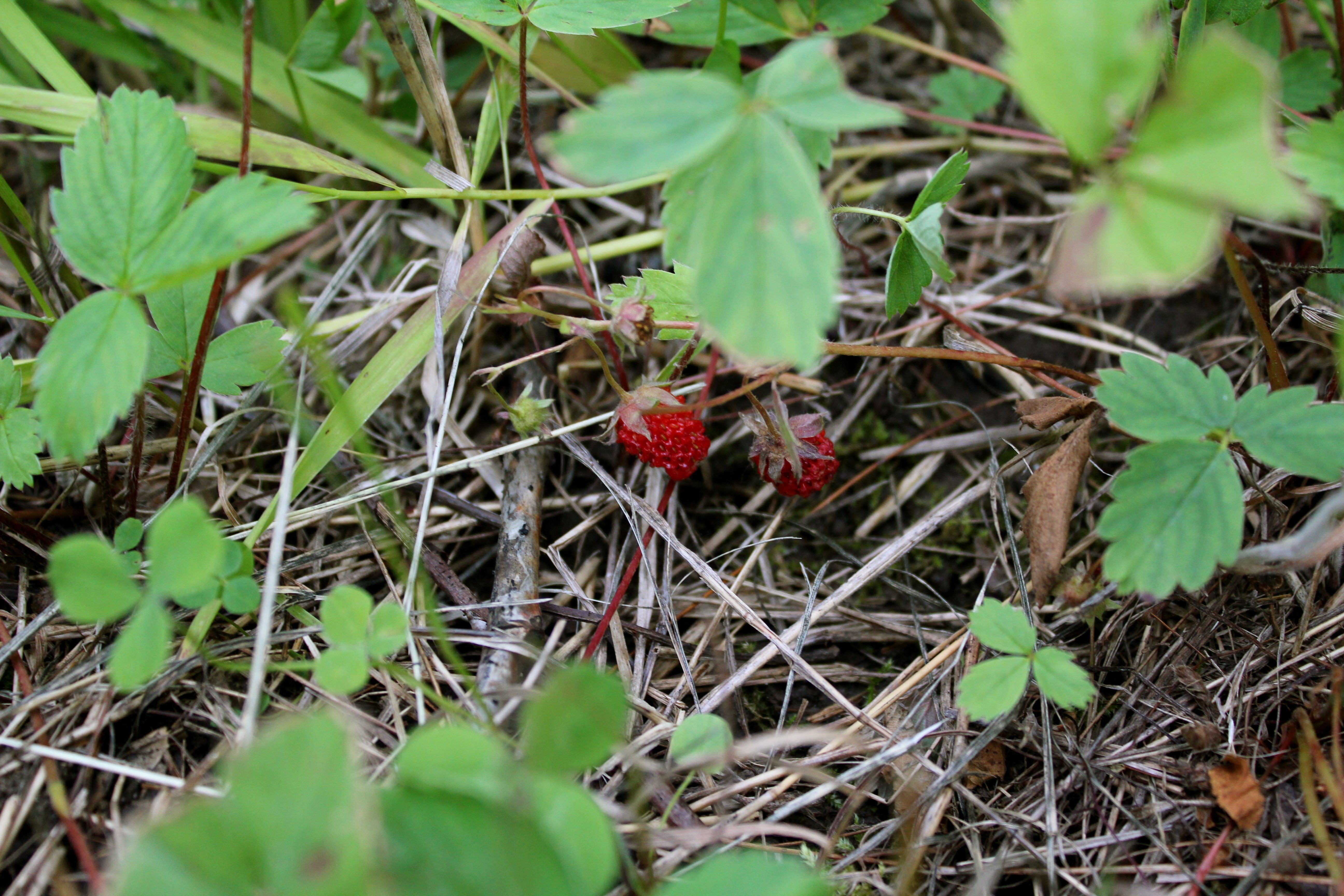
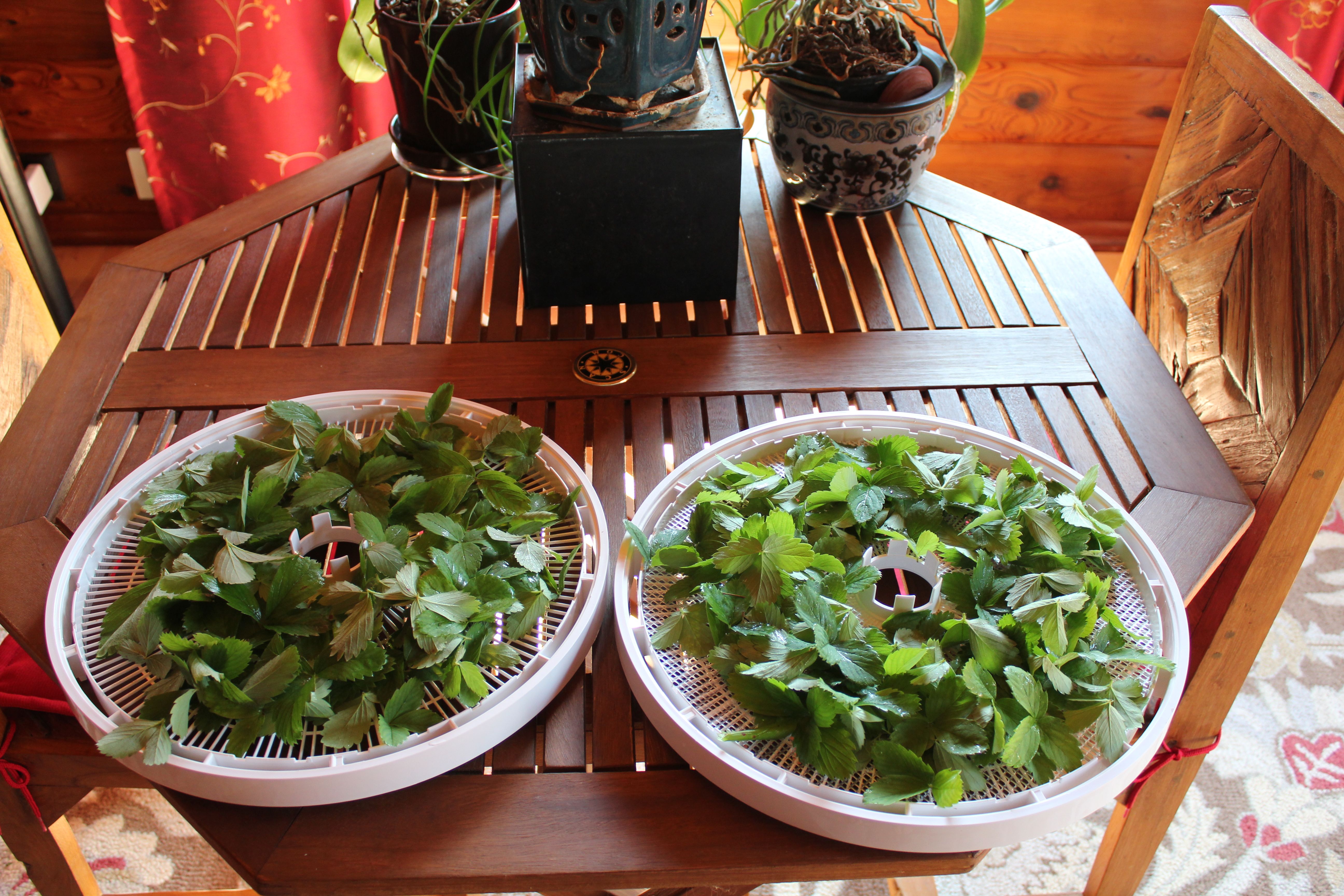
Over the past two weeks, I have been picking wild berries every morning on our hikes. I have made a few batches of jams and jellies and have frozen many ziplock bags full for winter baking and smoothies. Last week, I also harvested and dried some wild strawberry leaves for tea.
There are several species of wild strawberries that grow across Canada and the United States. Also known as ‘mountain strawberry’ and ‘wood strawberry’, these wild plants prefer well-drained soils in sunny locations. The small fruits are delicious and nutritious, and the leaves and rootstock are also edible and beneficial, mainly as an astringent and diuretic.

The best time to harvest the leaves is actually in spring or early summer before the berries start to form. Be careful to harvest only clean and healthy leaves that have not been sprayed or otherwise contaminated. For this reason, avoid picking from plants that are growing along the roadside.

Once back home, wash the leaves in a large bowl of cold, salted water. Allow them to drain thoroughly (I put mine in a salad spinner to remove the excess moisture) and then put the leaves in your dehydrator, or on a tray in full sun, or in a large, open paper bag that you shake three times per day until they are completely dried.
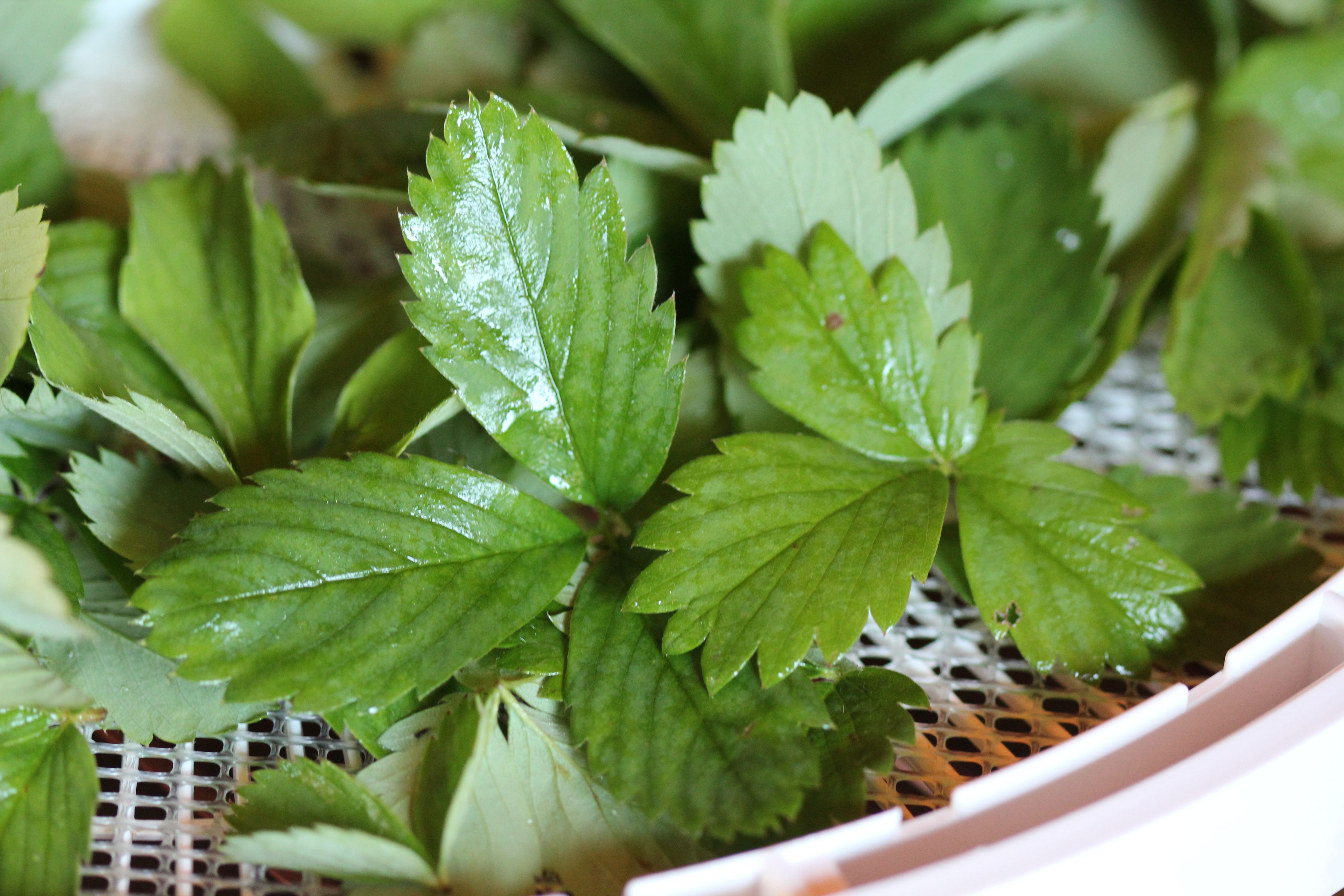
Beverly Gray, in her book The Boreal Herbal, cautions us not to use strawberry leaves when they are wilted (neither completely fresh or dried) due to an important chemical process they go thorugh while drying.

Wild strawberry leaves are rich in iron and vitamin C.  Interestingly, Lust (1972) writes that cultivated strawberries have much less medicinal value than wild strawberries.

Wild strawberry leaf tea is mild and can even be given to babies and children. It can be made from either fresh or dried leaves. You can drink the tea on its own or mix the leaves with other tea leaves for a blended tea.

For one pot of tea, use ½ cup of fresh leaves or ¼ cup dried leaves in 2 cups of boiling water.
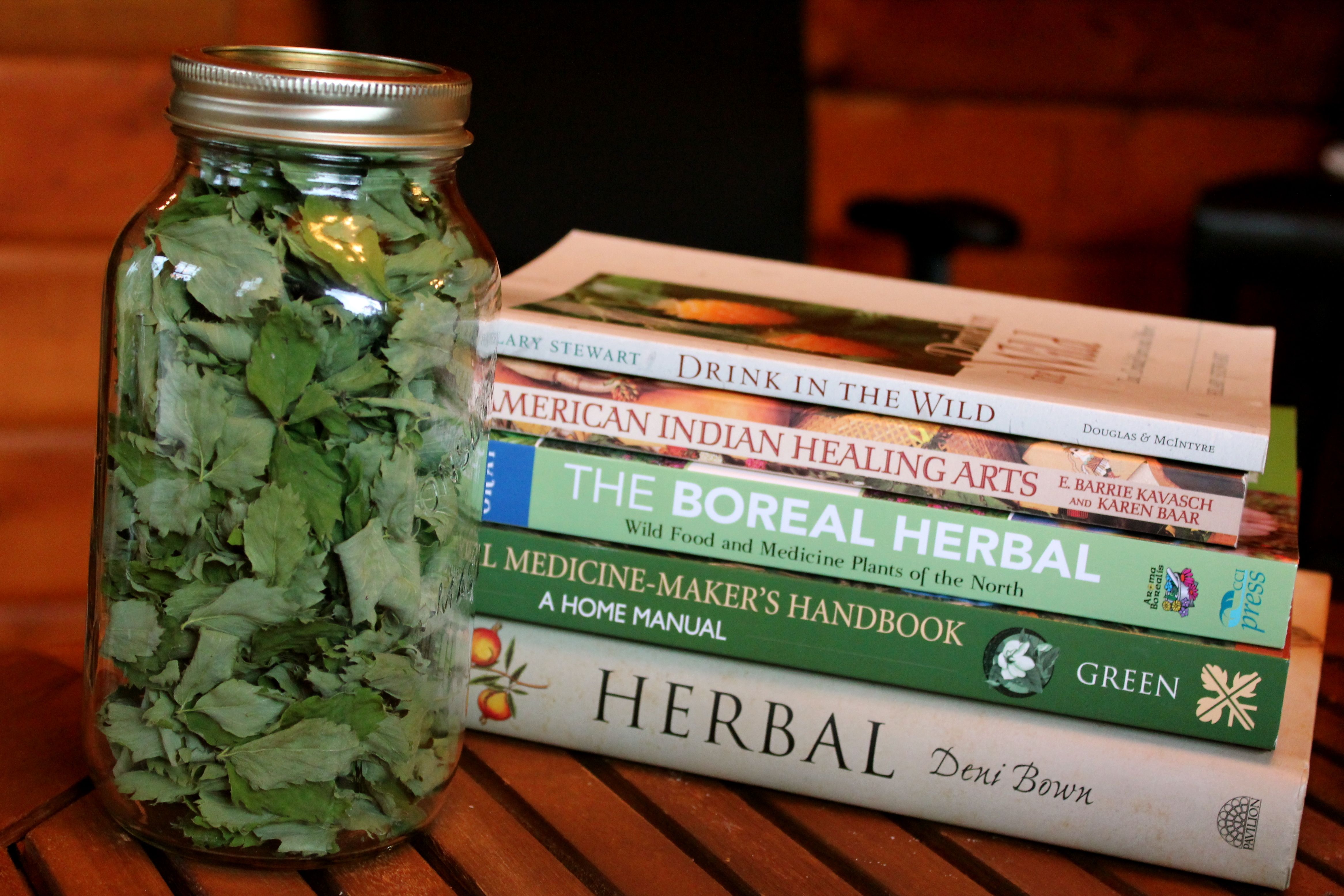
Wild strawberry leaf tea has many uses:

  • Drink it to treat diarrhea, dysentery, and hematuria, as well as for gravel and problems involving the urinary tract (Lust, 1972).
  • Use both internally and externally at the same time to treat eczema and acne (Lust, 1972).
  • Wild strawberry leaf tea seems to be particularly good for babies, children, nursing mothers and convalescents. According to Kavasch and Baar (1999): massage the tea into your baby’s gums to ease teething pains; if you’re a nursing mother, drink as a digestive aide; if your baby is colicky or has diarrhea, drink some yourself and give the baby some lukewarm tea, a small spoonful at a time. Strawberry leaf tea also makes a pleasant and mild skin wash for infants. Treat scalp irritations, such as cradle cap, by adding a small amount of honey to the tea and lightly sprinkling it on your baby’s head and gently rubbing it in. Leave it on for ten minutes to half an hour, then rinse with plain water or unsweetened strawberry leaf tea to lubricate the skin and wash away any stickiness.
  • Gray (2011) adds that dried wild strawberry leaves help “regulate menstruation, calm morning sickness, promote abundant breast milk production, and can act as a mild nerve tonic” (p. 230). She adds that using the tea as a mouthwash can help alleviate toothache and heal ulcers of the gums, and that a poultice made from fresh wild strawberry leaves can be used to treat open wounds, eczema, and psoriasis to accelerate healing. Also, the tra from the iron-rich leaves helps treat anemia.
  • The astringent quality of the leaves of this versatile plant make it the perfect ingredient in a facial steam, helping to reduce excess sebum which causes oily skin. The leaves can also be used to make a facial toner.

I am looking forward to incorporating wild strawberry leaf tea into my diet, both for pleasure as well as all of the health benefits it brings. Cheers, everyone!

Resources:

Gray, B. (2011). The boreal herbal: wild food and medicine plants of the north; a guide to harvesting, preserving, and preparing. Aroma Borealis Press: Whitehorse, Yukon.

Kavasch, E.B., & Baar, K. (1999). American Indian healing arts: Herbs, rituals, and remedies for every season of life. Bantam Books: New York.

Lust, J. (1972). The herb book. Bantam Books: New York.

Stewart, H. (1981). Drinking in the wild: Teas, cordials, jams and more. Douglas and     McIntyre: Toronto, ON.

a magical fort deep in the woods

Tags

, , ,

Walking down this residential road in a quiet area of the lake, you would never guess that hidden just a short distance into the woods is a magical place. Even if you had heard a rumor that it existed, you probably would never find it, unless you were prepared to wade through knee deep mud and water, cross a small river and fight through five foot high stinging nettles. Even then, you still may never find it.
Four days ago, there was a knock on my door. Lucy went wild, barking and letting me know that people were here at the cabin. (We rarely get visitors.) As I opened the door, I saw five smiling faces. Glancing down, I saw five pairs of rubber-booted feet. The children introduced themselves and explained that they were building a fort. They were wondering if I had any plywood or any other materials I could donate to their project. Their request came at the perfect time as I had just begun sorting through the scrap wood I had inherited when we bought this place in order to see what I could salvage for the chicken coop. I invited them out back to show them the wood. Lucy was unsure of them at first. She barked for the first few minutes, then cautiously sniffed each child, one by one, while we pretended not to notice. A few minutes later, she had five new lifelong friends. The kids petted her, played with her, scratched her and got her to do all kinds of tricks. Lucy just soaked up the love and attention like a sponge.

Meanwhile, behind the cabin, the kids took a look at what I had and found some things that were useful for their project: two small railings, broken pieces of corrugated roofing, a small roll of discarded carpet, wood of various sizes, even a pair of crutches. They left, carrying one large piece of plywood and the roll of carpet. Then they returned with a wheel barrel and a little red wagon to haul the smaller pieces. They thanked me and said that when they were finished the fort, they would invite me over to come and see it.

Just three days later there was another knock at the door. My new friends were back and were ready to show me the fort, which they had just completed that afternoon. I grabbed my camera, jumped into my rubber boots and headed off down the road with them (leaving Lucy behind. ‘Sorry my girl, too muddy!’). I followed them down the road, then we turned off onto a trail leading into the woods. We walked, waded through deep water and mud, ducking under tree branches and tried to avoid the stinging nettles along the path.

We continued to walk, crossing a small river and as the path turned around a bend, I saw the fort and it took my breath away.

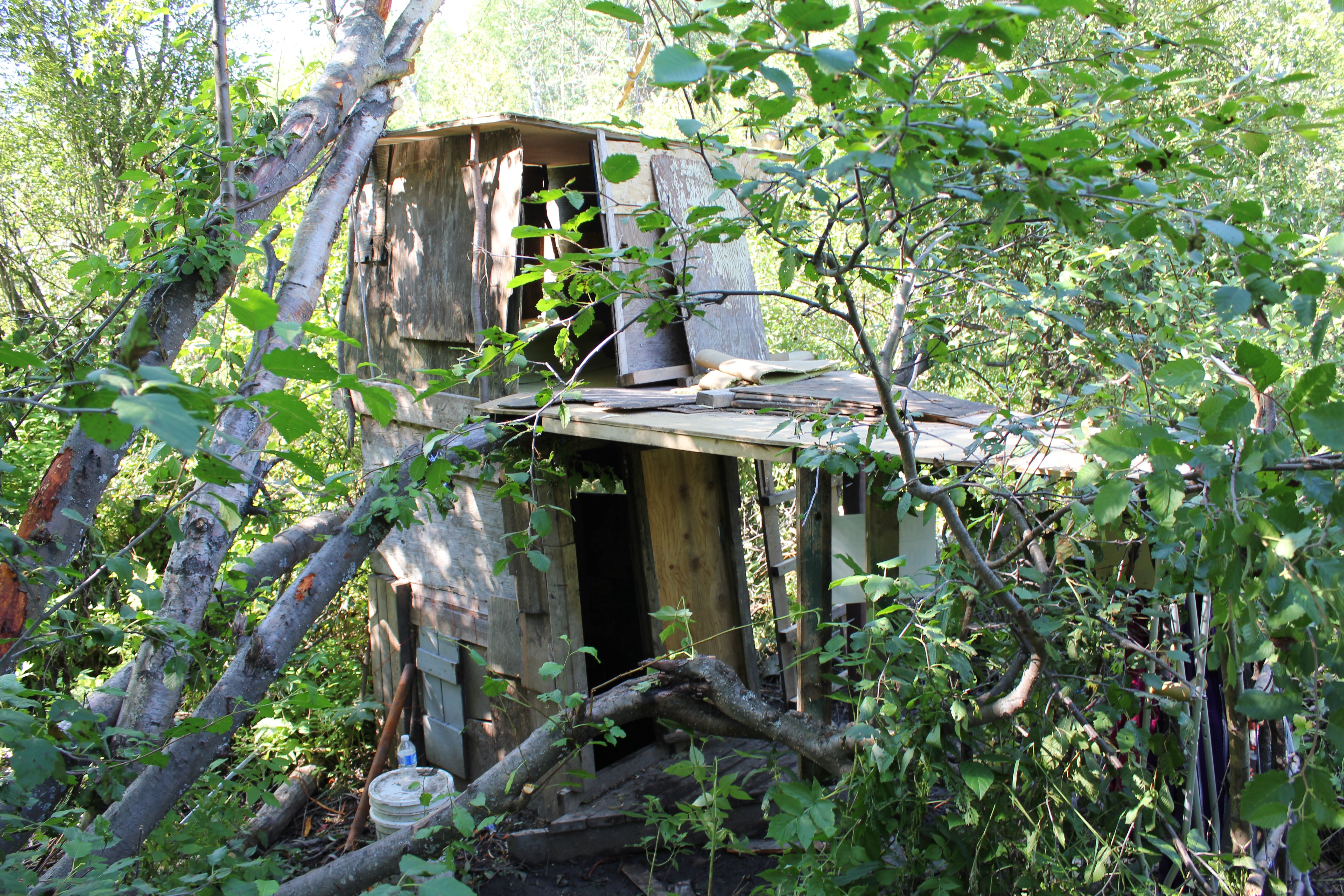
It was magnificent. The most splendid fort I have ever seen, far better than the ones I built when I was younger. The fort was two stories tall and nestled in between the thick curving branches of a tree, which added to the stability of the structure.

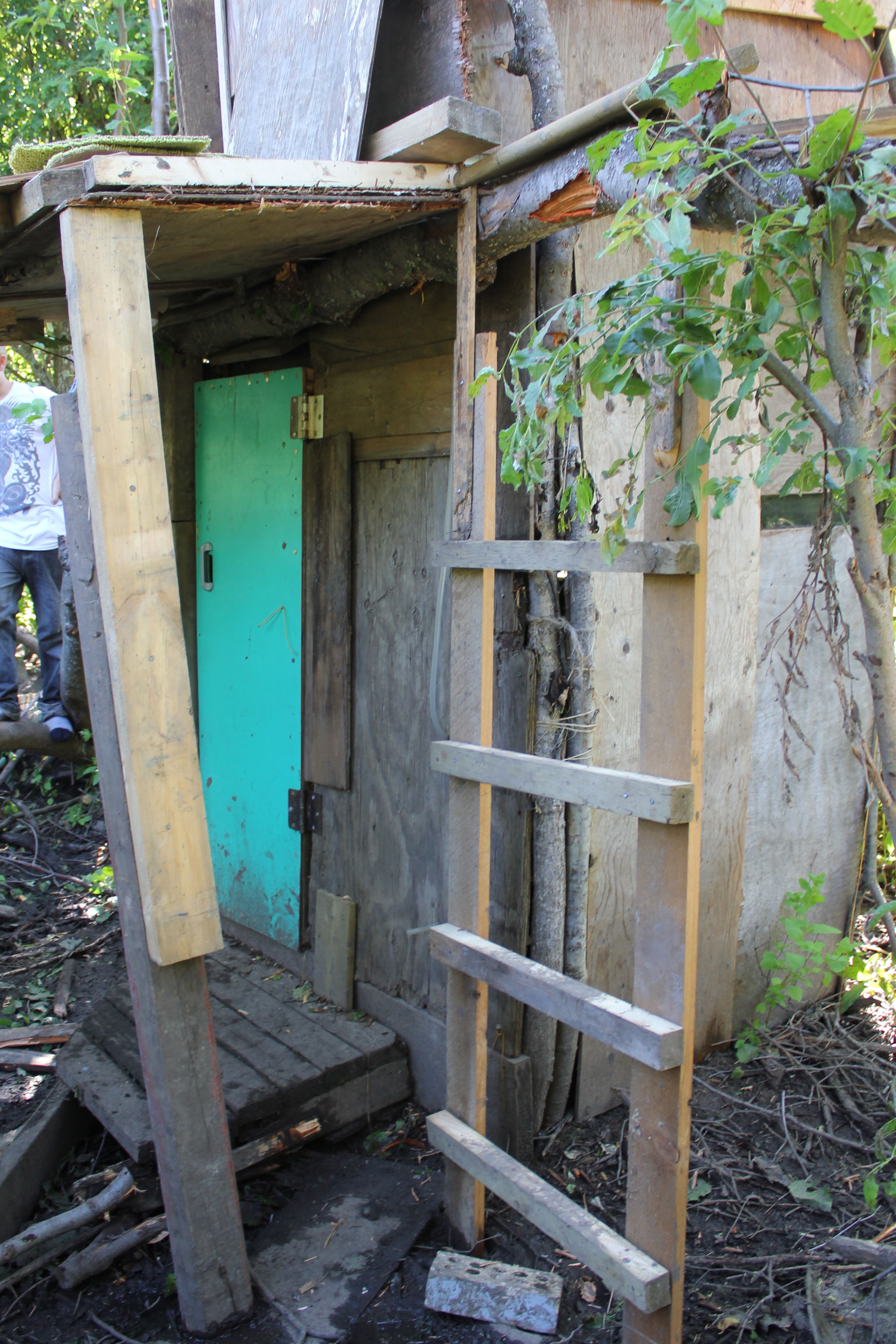
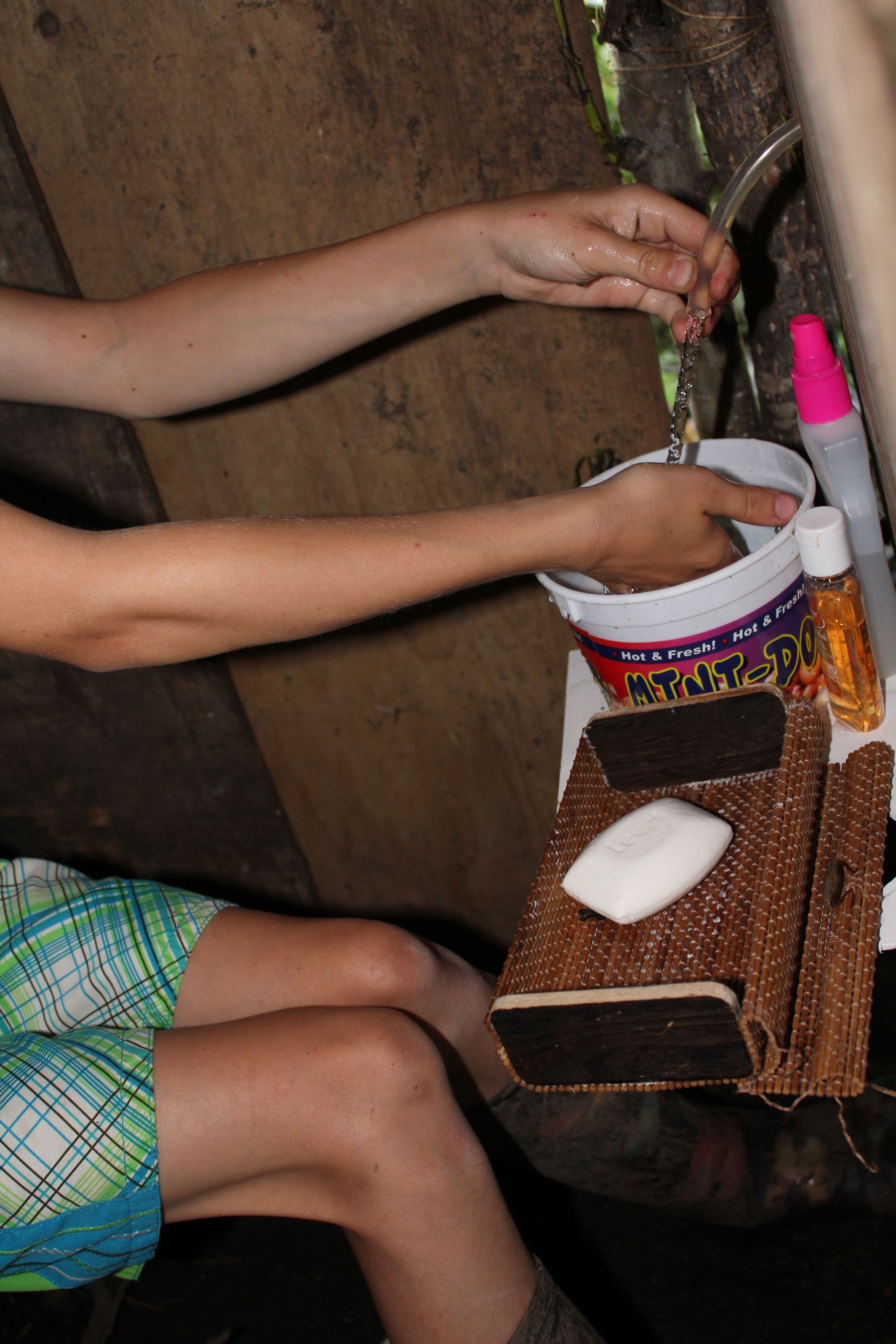
The lower floor has a bright green door. Inside, there is a bench and a shelf holding a bucket and soap to wash your hands. Believe it or not, this fort has running water! Rigged up above is a bucket to catch rainwater. There is even a stainer to filter the water before it flows down.

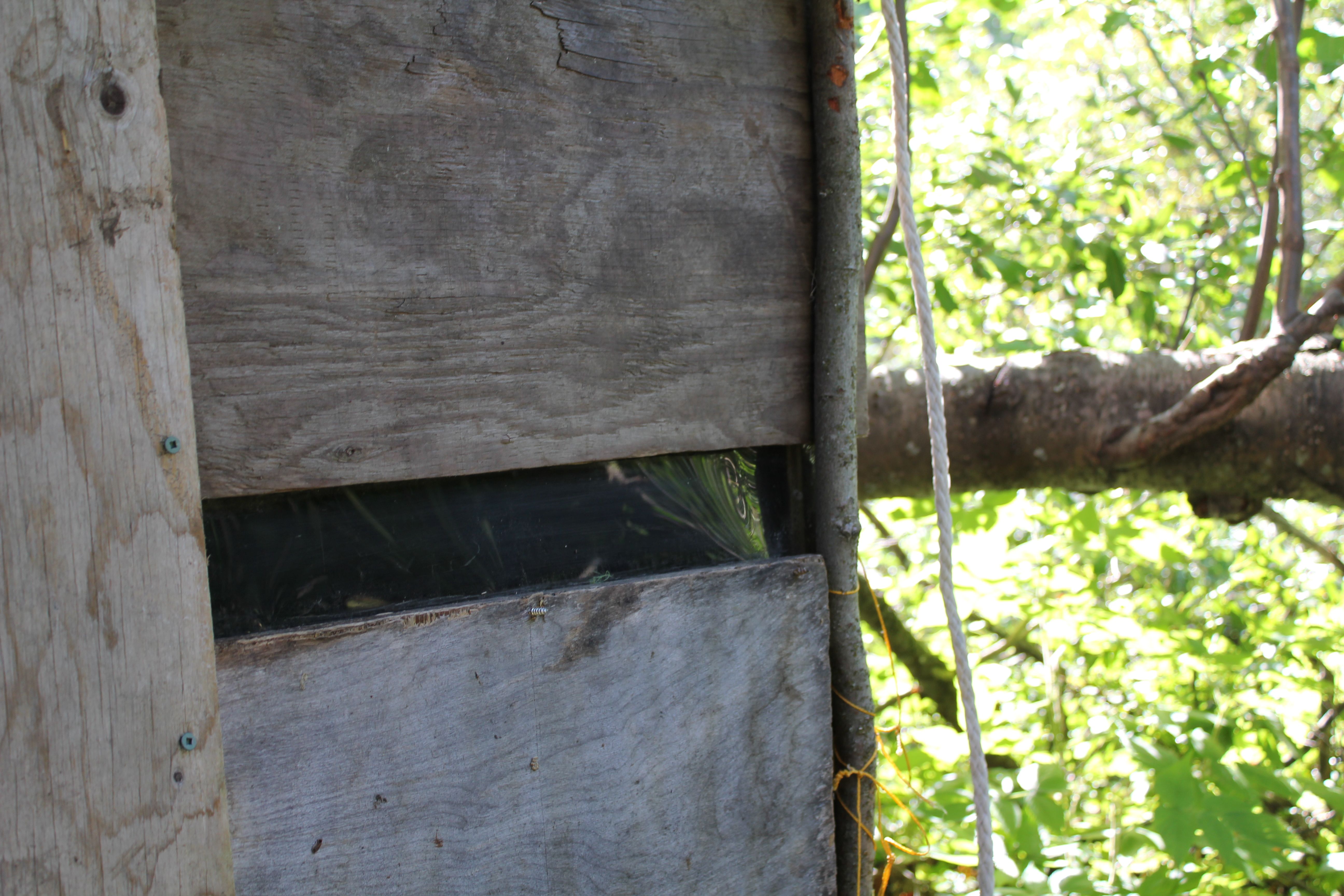
Also inside the lower floor is a small window made from a natural gap between the boards and covered with a piece of snowmobile windshield, cut perfectly to size.

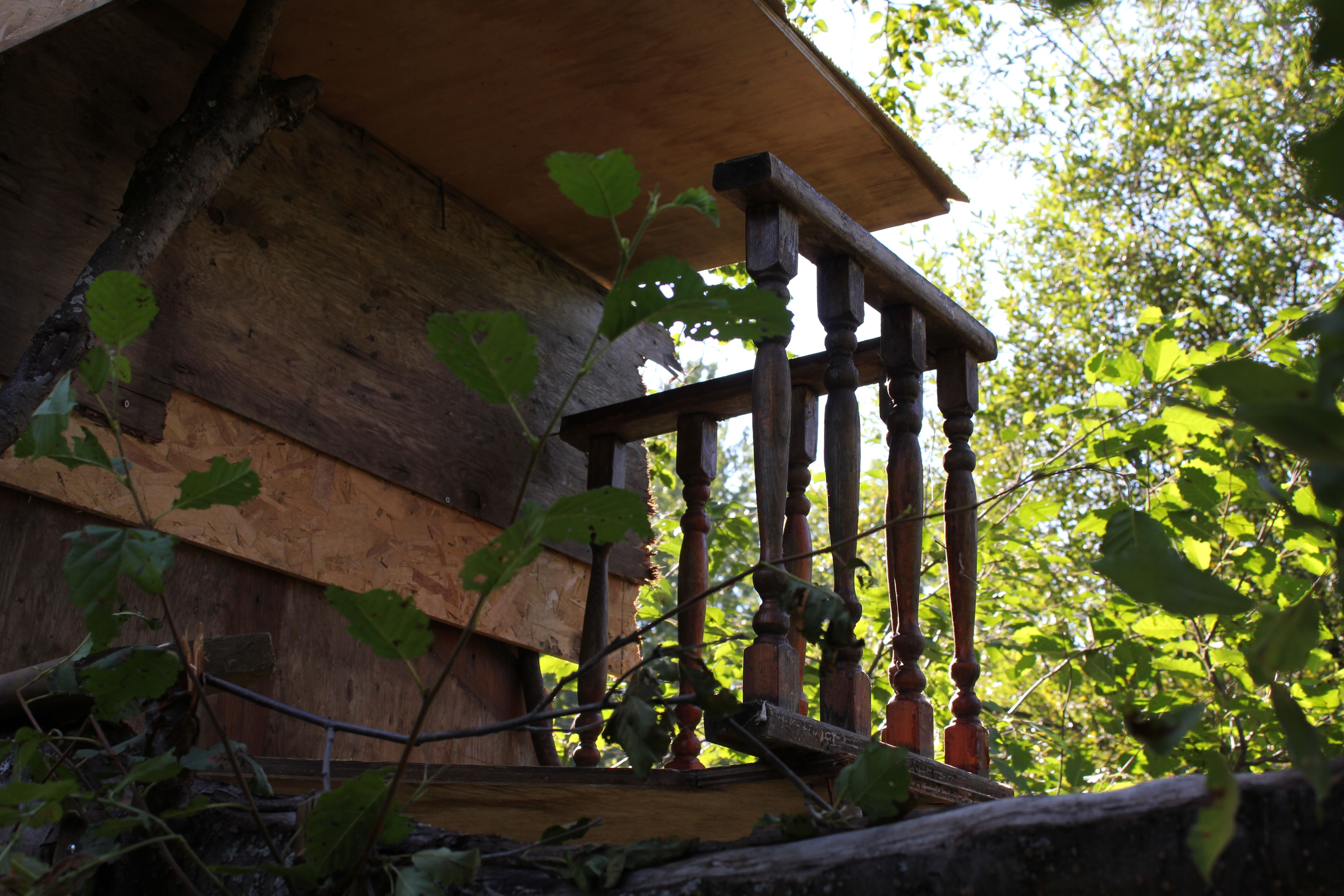
There are two sets of ladders leading up to the second level, one made of lumber and the other made of tree branches. Upstairs, there are three places to hang out: the main open area, a small side area with railings (pictured below), and the roof, which is carpeted and very comfortable.

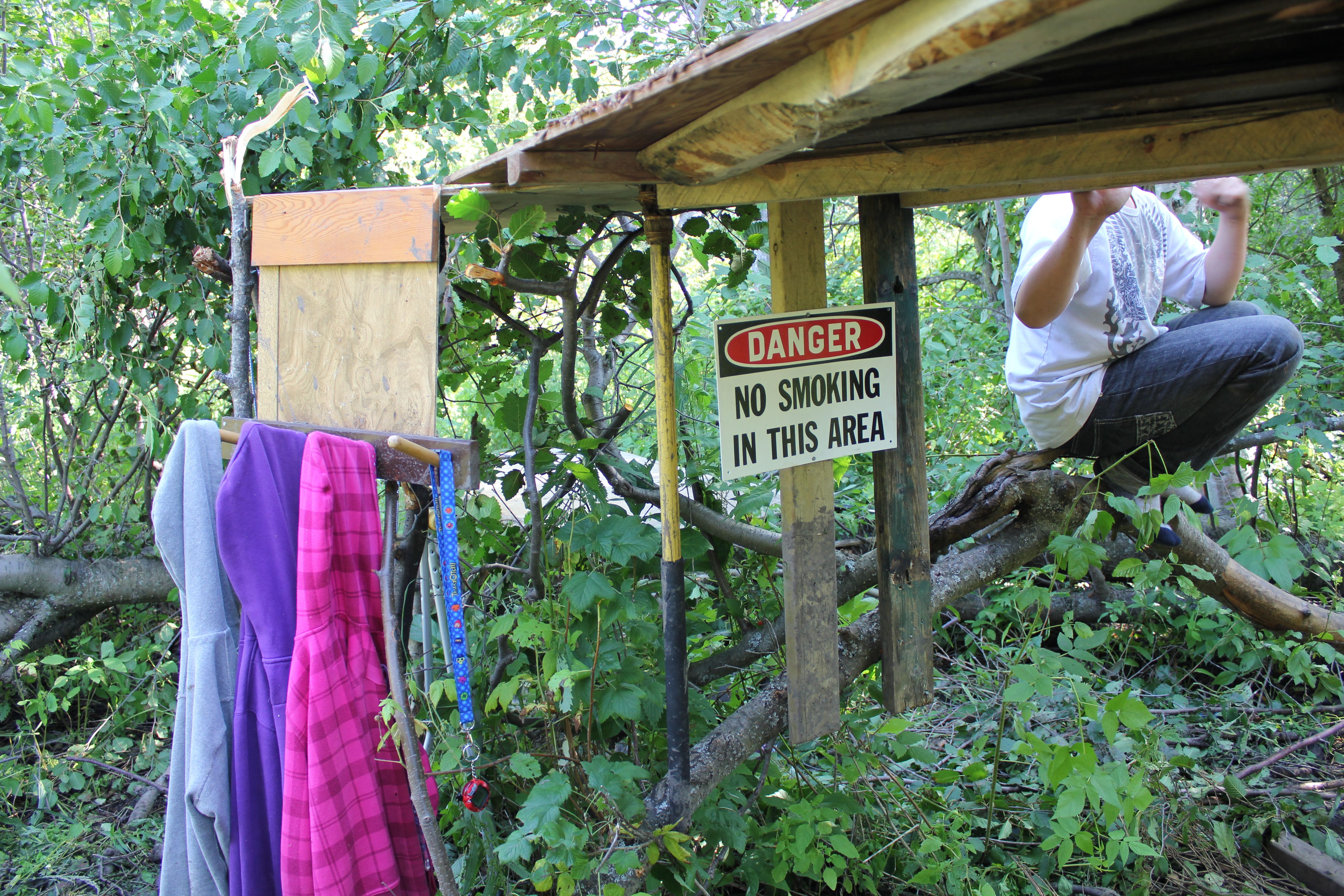
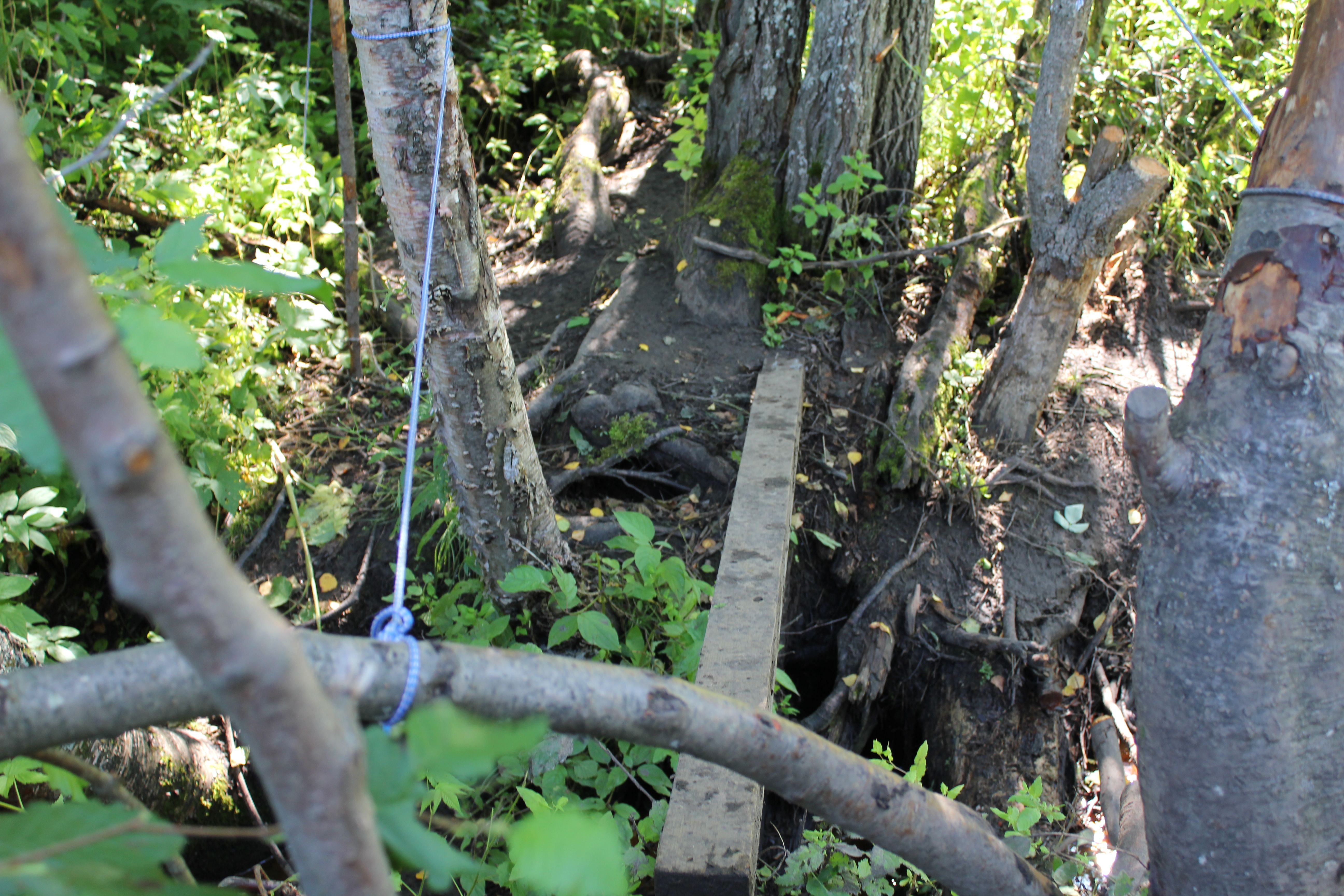
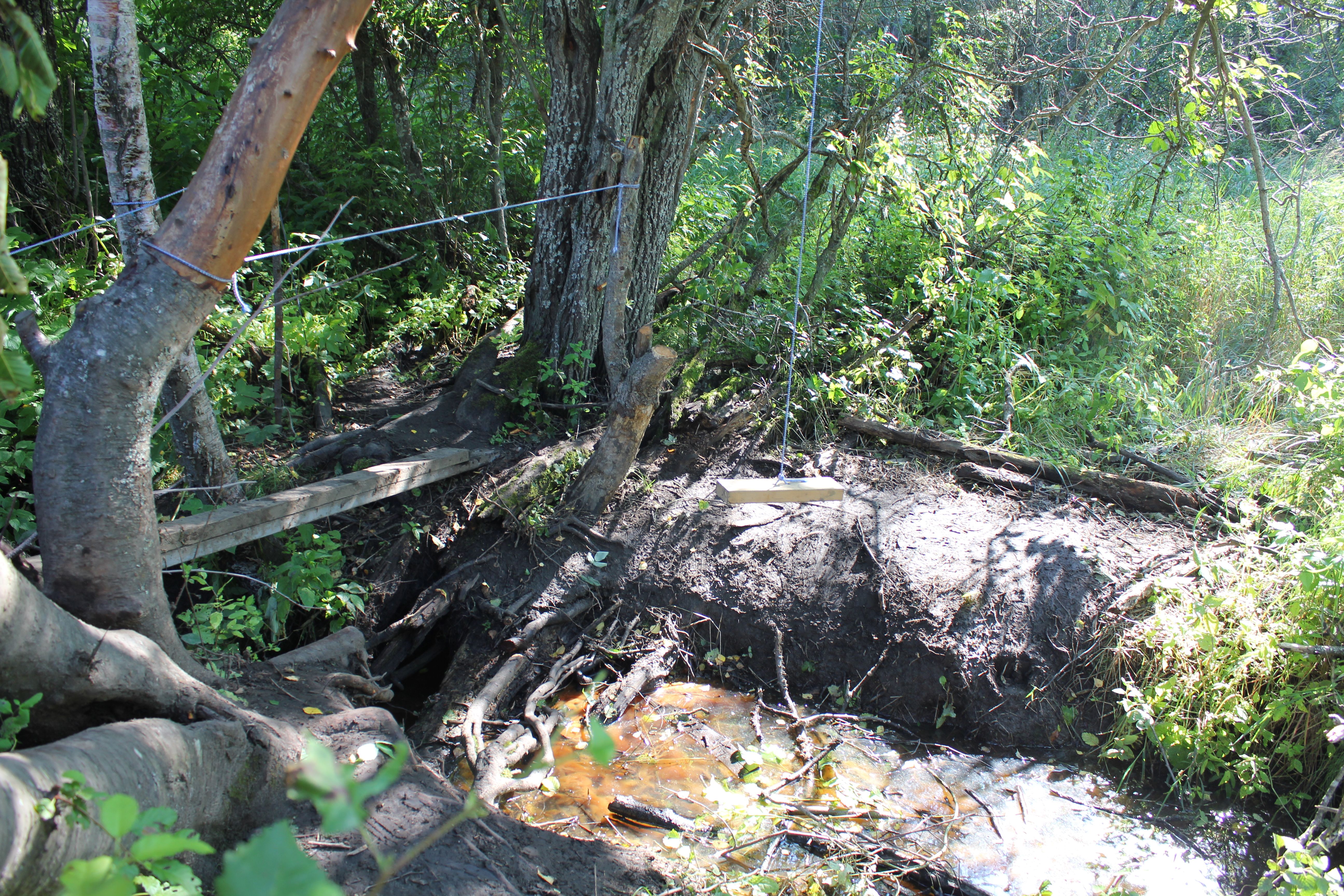
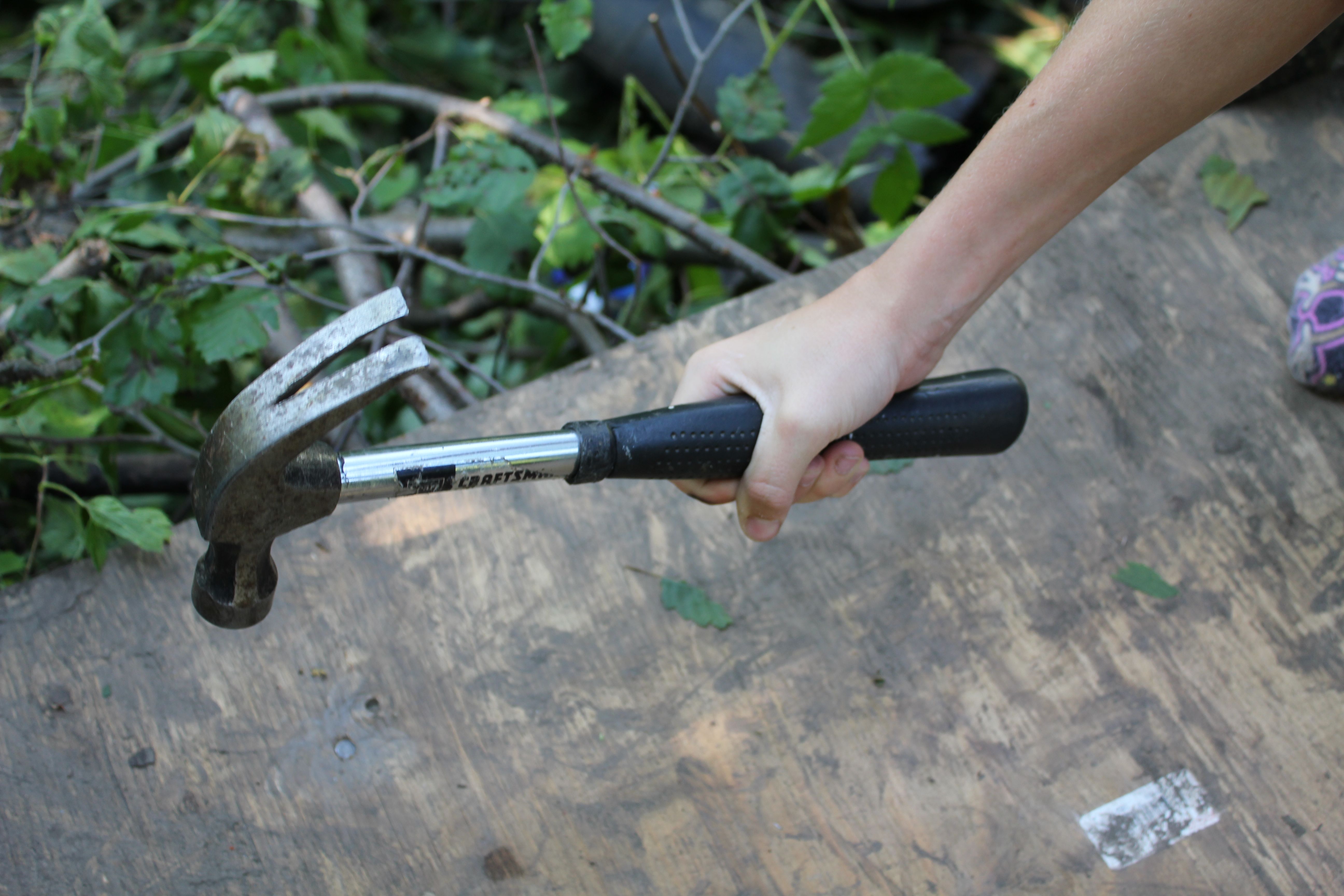
The floor of the main open area (above) also serves to shelter an area down below. There is even a handy place to hang your coat. I was invited to climb up to the second floor and was amazed at how solid and stable everything was. The kids explained that they used screws, nails and even string to hold it all together. If you look closely at the structure, you can see the resourcefulness of these builders as they used everything, from crutches and broom handles to scrap lumber and tree branches to build this fort. Many of these materials were probably headed to the landfill but instead were now put to good use in the making of this beautiful, solid, weatherproof, top secret fort.Off to one side of the fort is a bridge to cross the river (the water is low at the moment) and a length of rope serves as a handrail.

Beside this is one of three sturdy swings.

I was so impressed with their handiwork! The fort really demonstrates the creativity and problem-solving abilities of my five new friends! Even the spot they chose for the fort felt very magical, surrounded by river and woods and with a large tree wrapping around it. This tree provides shelter and a place to walk on without having to touch the muddy ground. Impressed,  I complimented each of them on their building skills.

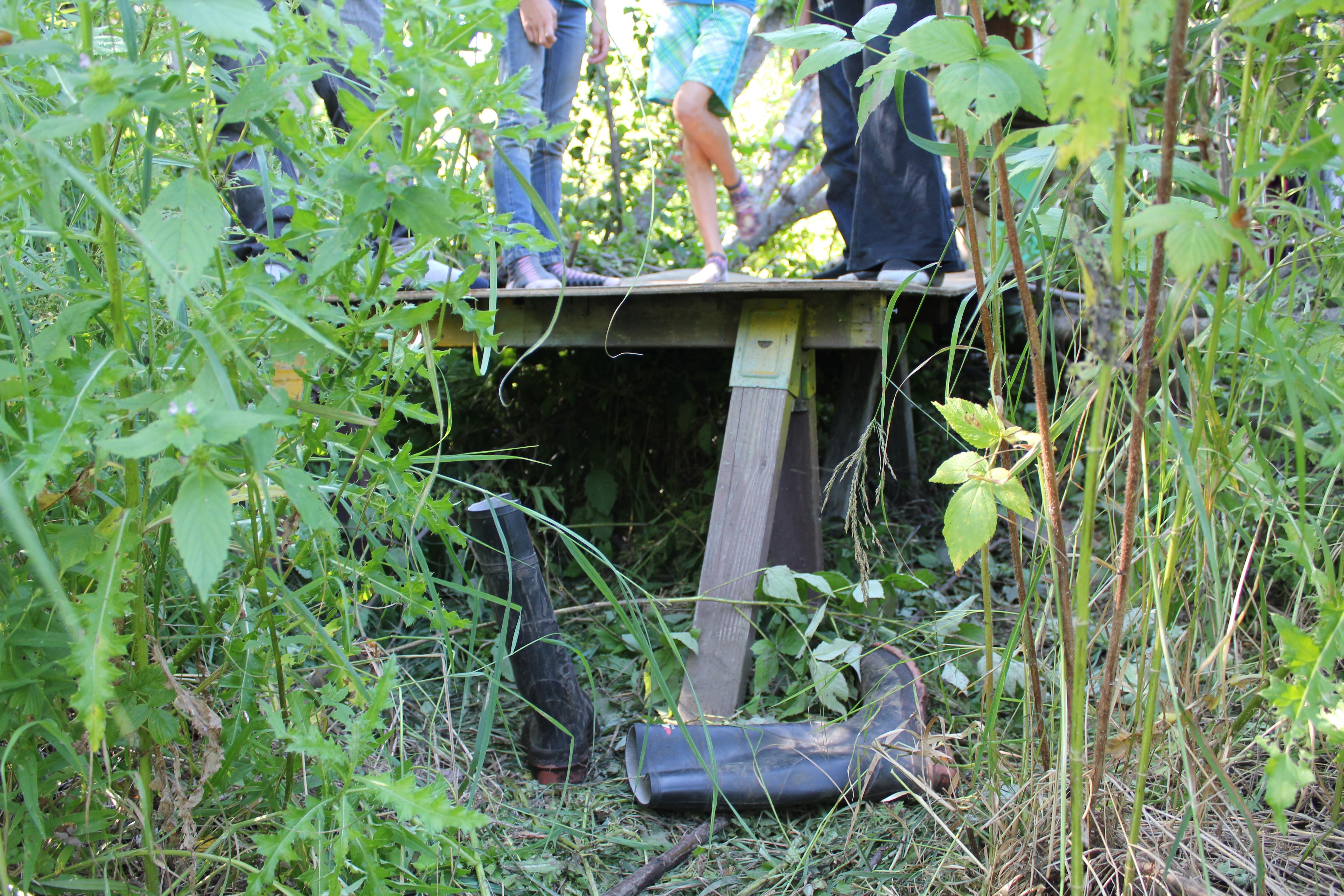
Just when I thought I had seen it all, they asked if I would like to see the dance floor. Dance floor??? Yes, this fort has it all! Very close by, propped up on (and nailed to) two saw horses was a very stable piece of plywood, just big enough for a small group of people to dance on underneath the stars.

I would like to thank my new friends, M,M, K, E and J for allowing me to contribute some materials to their amazing fort and for inviting me over to see it. (Sorry, I cannot tell you, dear readers, where it is located as I am sworn to secrecy.) It was a delight to see that my old, discarded materials were now useful, appreciated and given a new life in your fort. It was a pleasure to meet you all and spend time with you. I hope to come back again soon, take off my rubber boots, and boogie, once more, on your dance floor!

tasty zucchini muffins (wheat-free, gluten-free option included)

Tags

, , , , ,

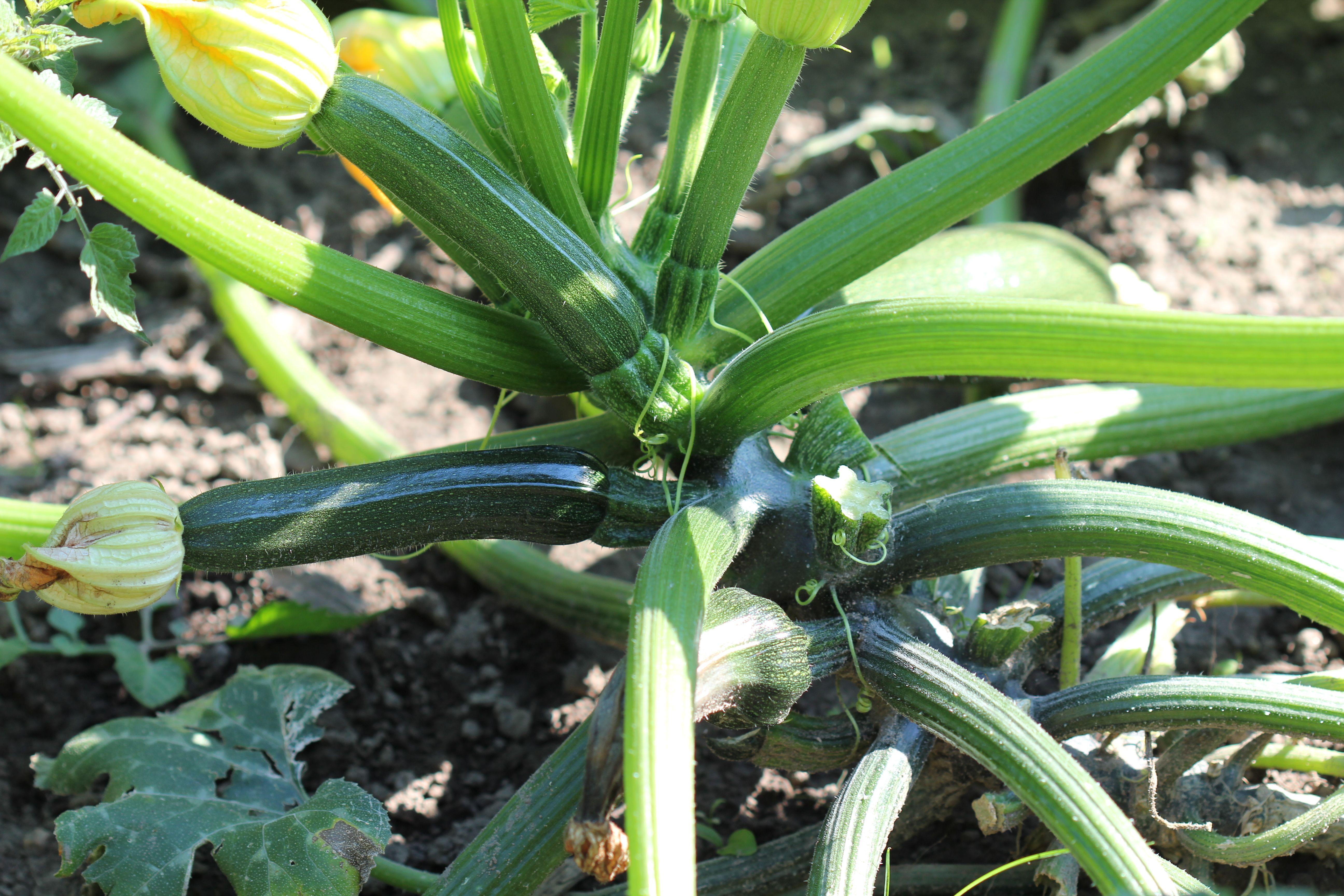
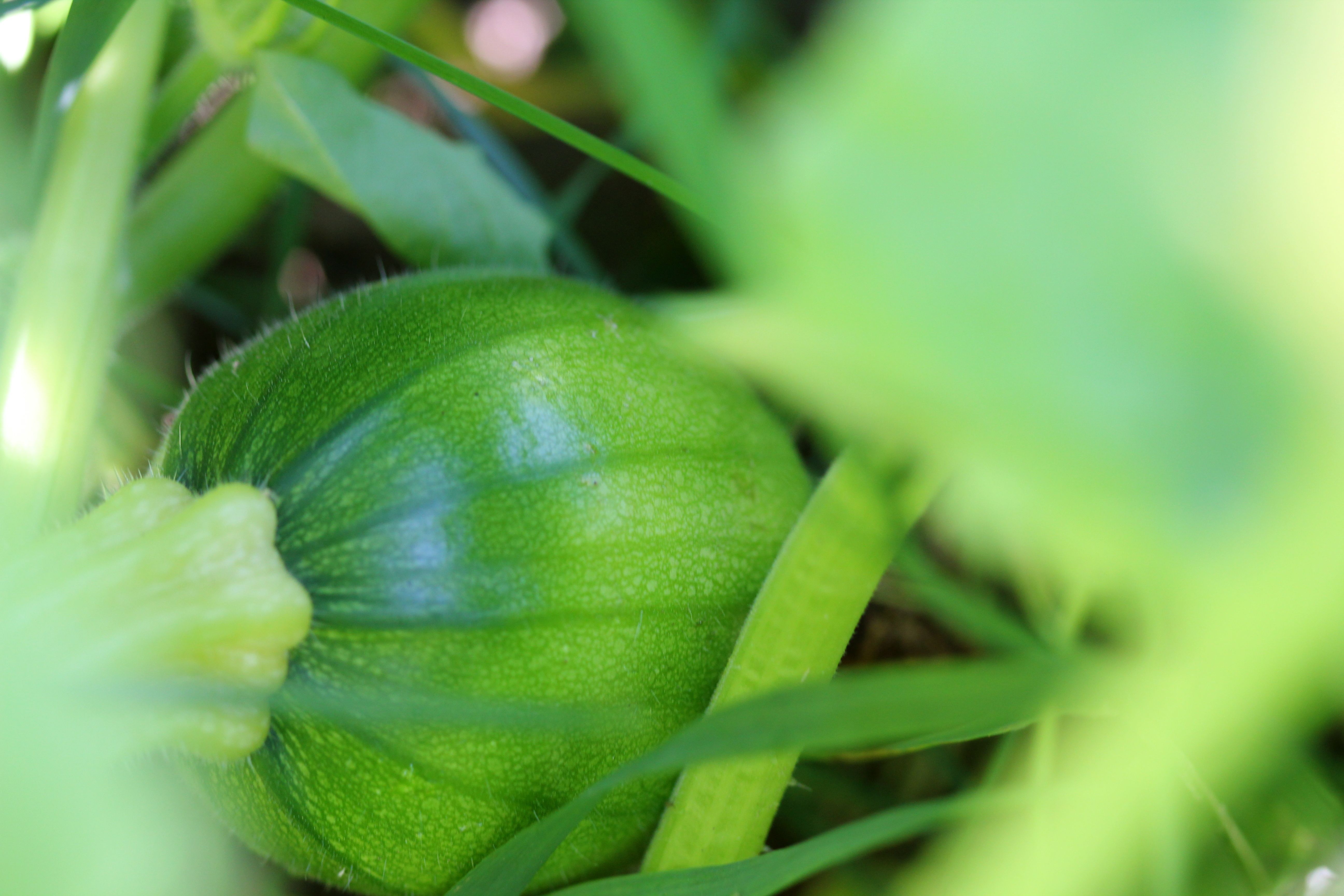
At this time of the year, anyone who has one or more zucchini plants in their garden is scratching their heads and asking themselves, “What am I going to do with all of this zucchini?”

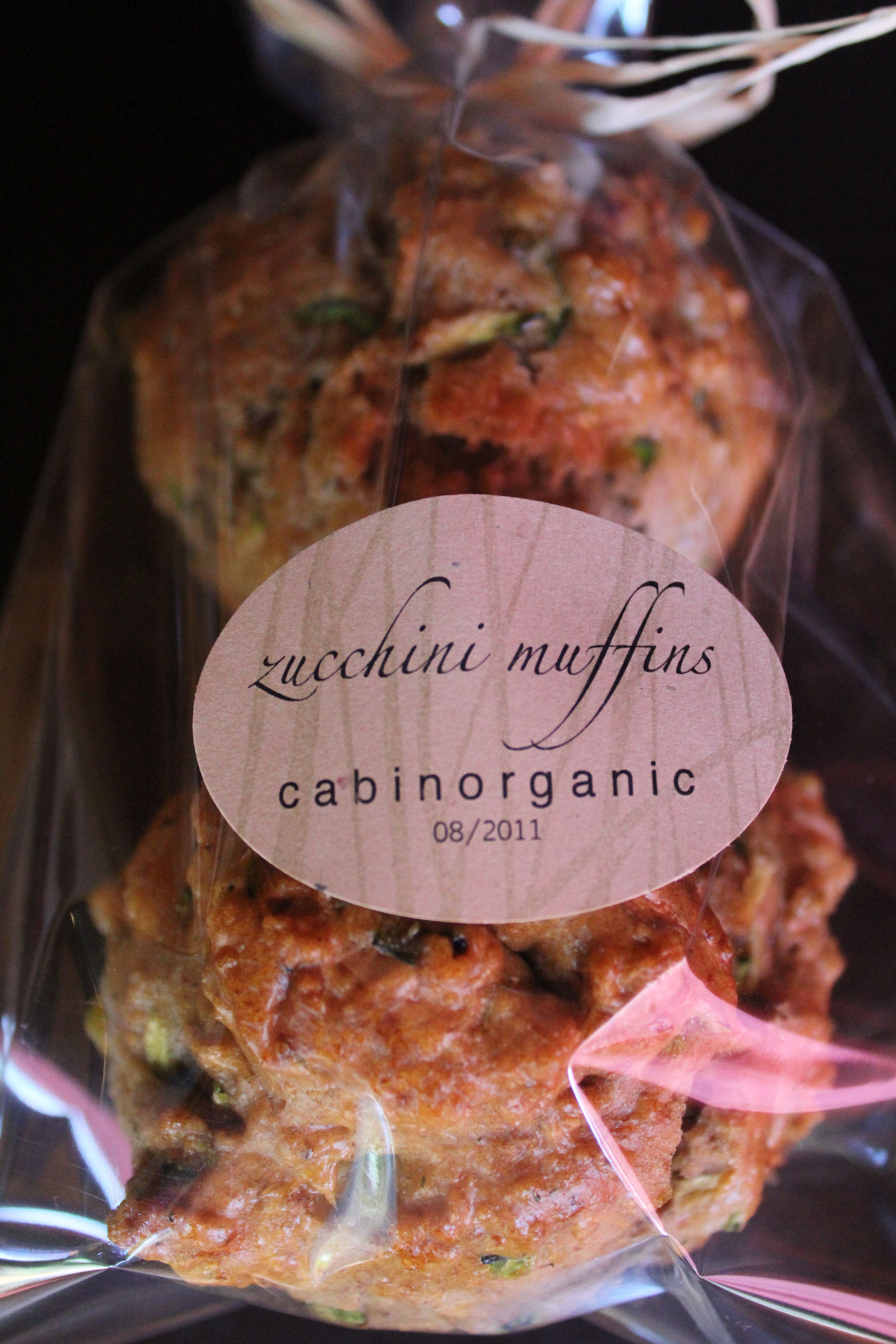
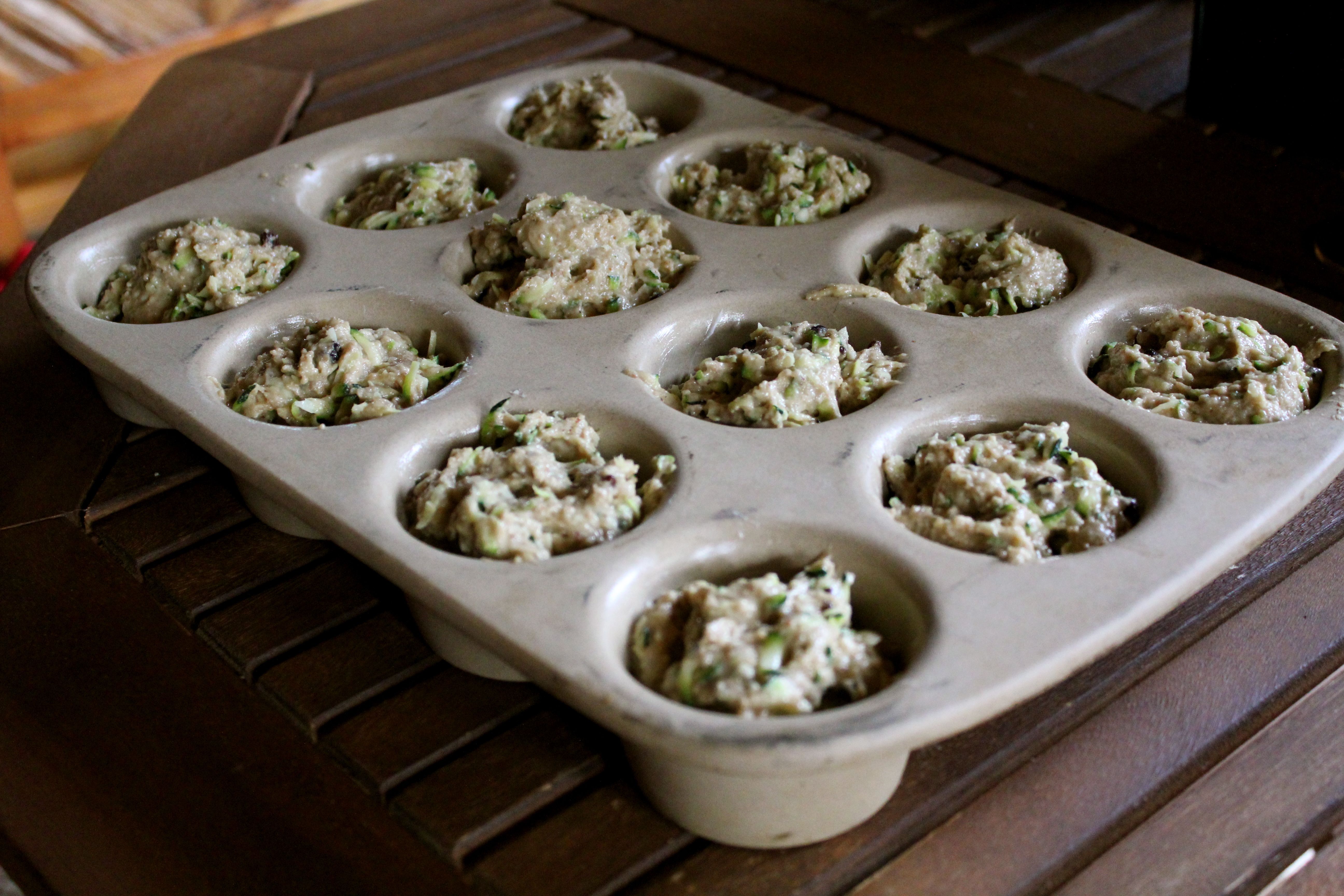
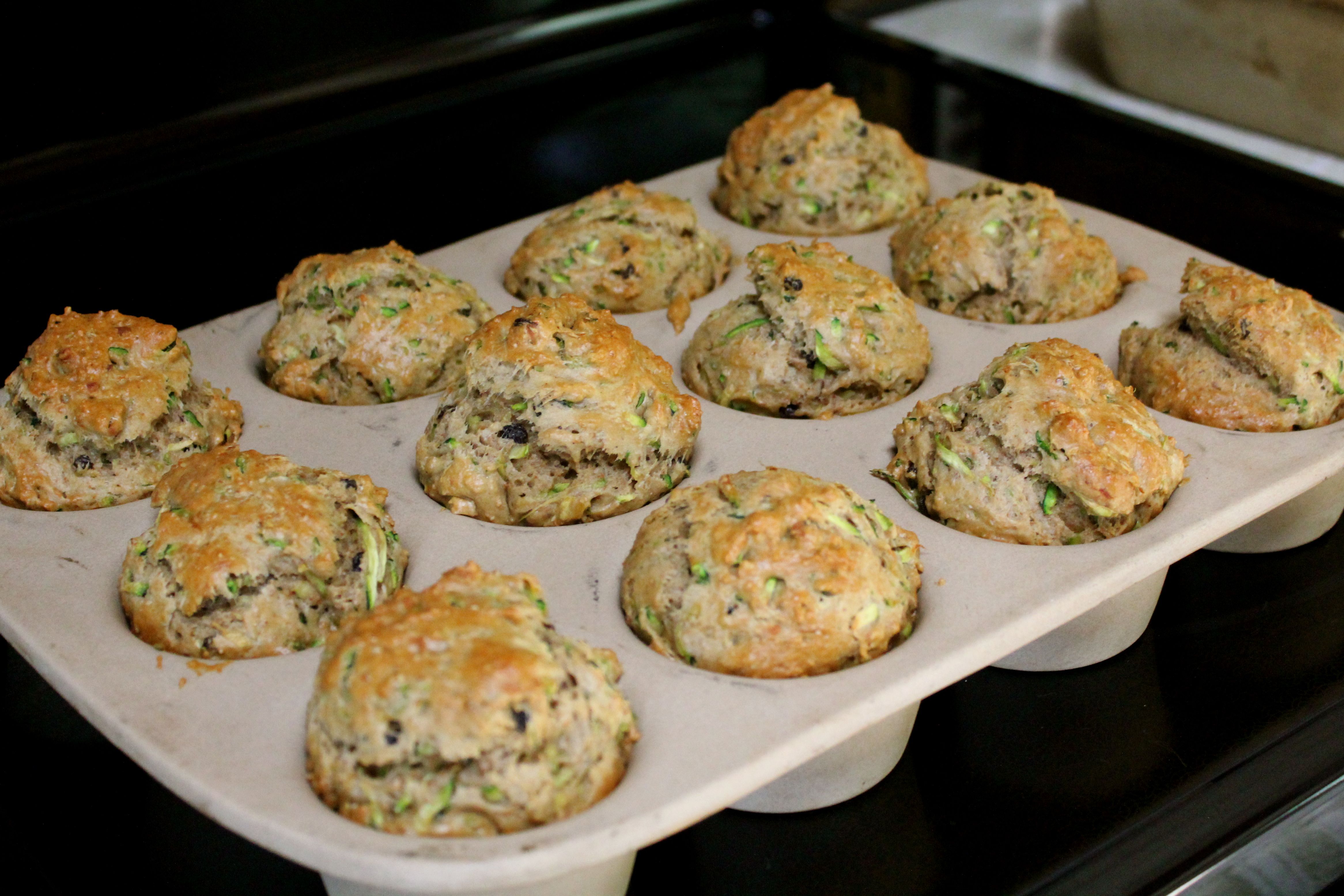
Here is a great recipe that is healthy, moist and flavorful. You can make a few batches of these and freeze some. Or, put some in nice little gift bags and hand them around to the neighbors as treats (this is what Lucy and I did yesterday).

Zucchini Muffins

3 cups zucchini, grated

1-2/3 cup sugar (or natural sweetener of your choice)

2/3 cup vegetable oil

2 teaspoons vanilla

4 eggs

1 cup whole wheat flour (or spelt flour)

2 cups all-purpose flour (or spelt flour)

2 teaspoons baking soda

1 teaspoon salt

1 teaspoon ground cinnamon

1/2 teaspoon ground cloves

1/2 teaspoon baking powder

1 tablespoon ground flax seed

1/2 course chopped nuts (I often use ground almonds left over from making almond milk)

1/2 cup raisons, currants, dried cranberries or chopped dates, if desired

Heat oven to 350 degrees (F). Grease 1 loaf pan or a dozen muffin cups.

Mix together zucchini, sugar, oil, vanilla, and eggs. Add the remaining ingredients and mix until all of the ingredients are fully incorporated. Pour into pan or spoon into muffin cups. Bake 30 minutes or until golden brown and a toothpick inserted into the center comes out clean. Remove from oven and allow to cool for ten minutes. Removed loaf or muffins from pan and place on a cooling rack for 20 minutes. Cool completely before slicing.

Note: I substitute spelt flour for the whole wheat and all purpose flour for wheat-free, gluten-free muffins. Delicious!

Enjoy your zucchini harvest! And if you do not grow your own, beg some off of a neighbor. I am sure that right about now they are scratching their heads and asking themselves, “What am I going to do with all of this zucchini…???”

chicken coop update: the deck

Tags

, , , , , , ,

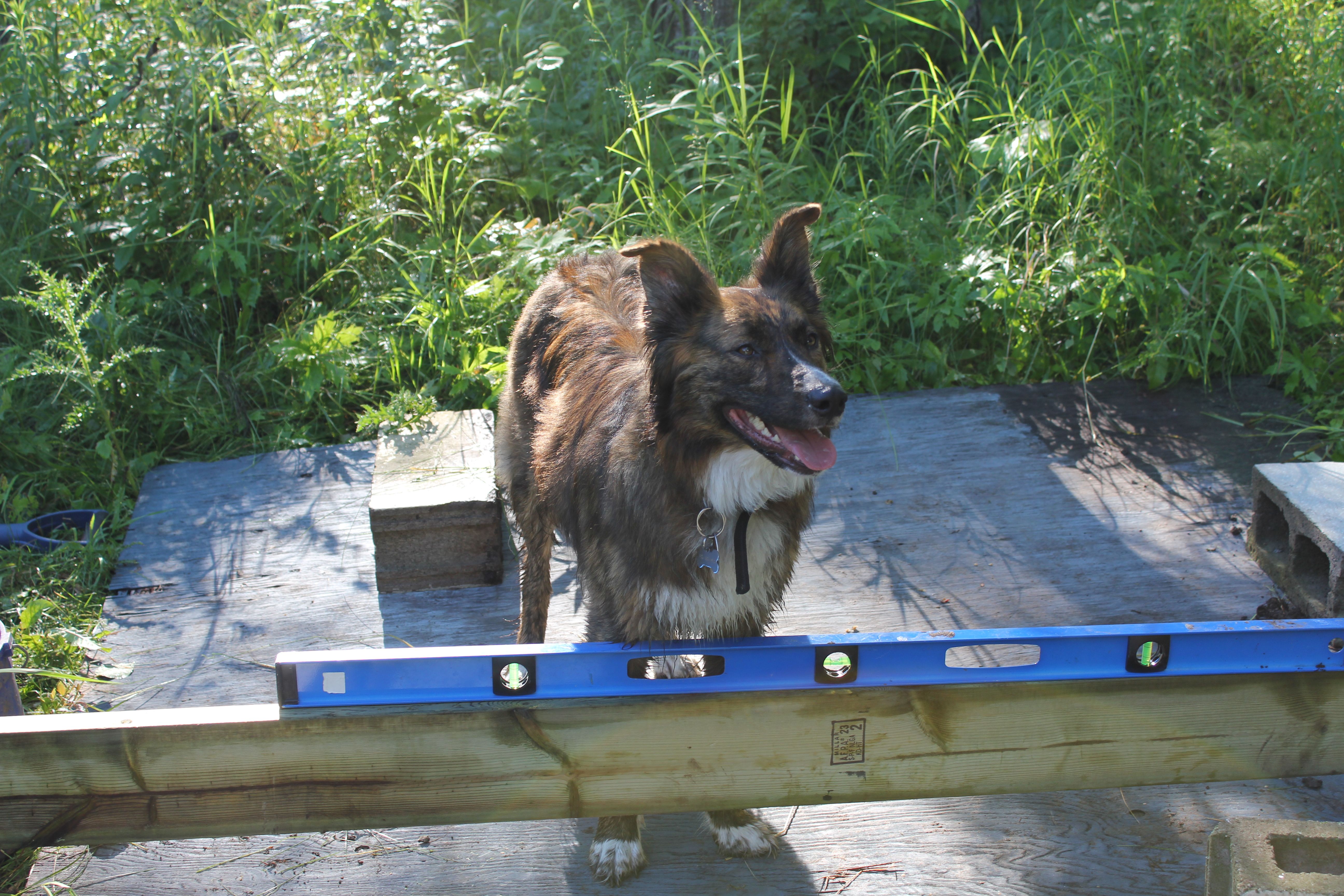
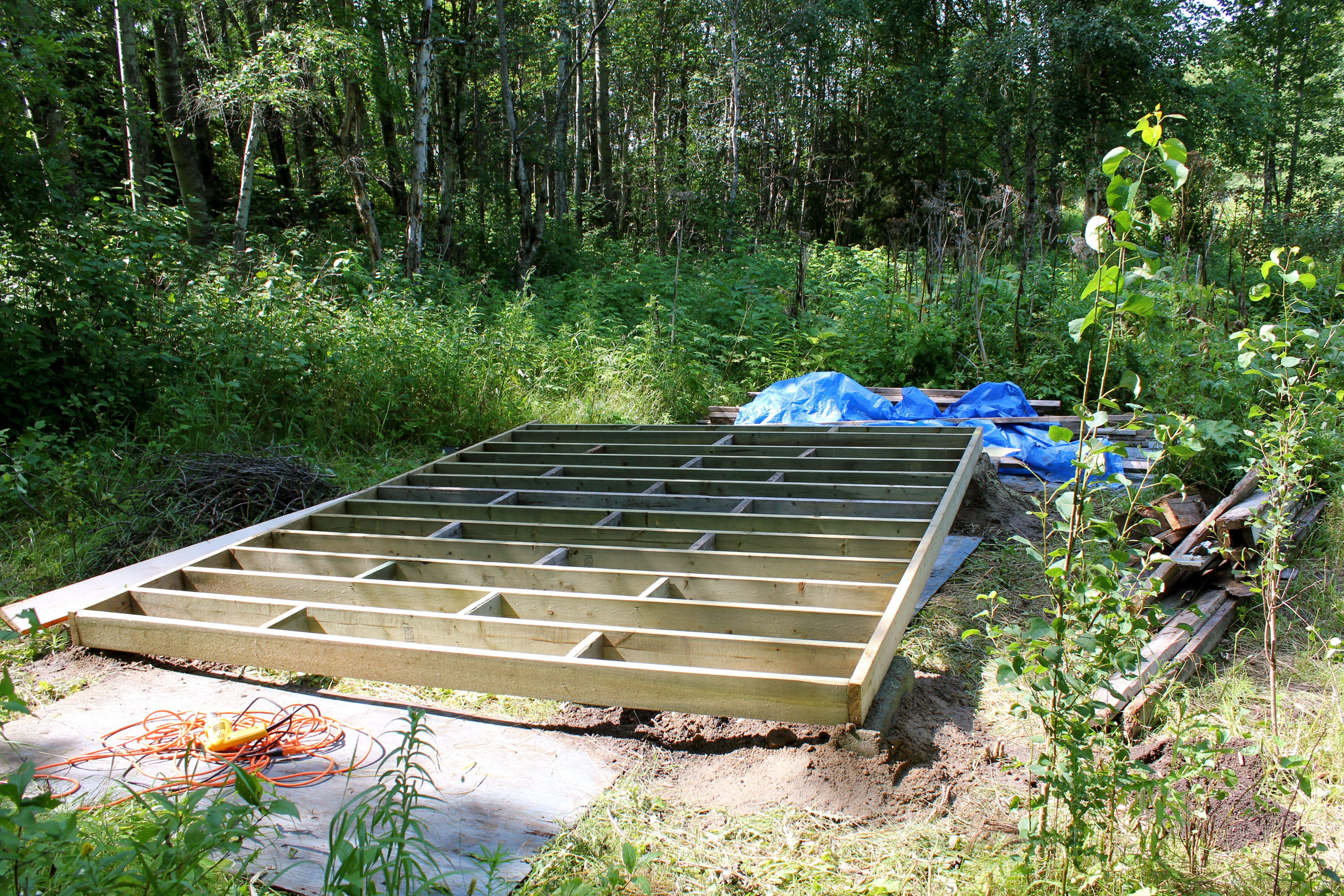
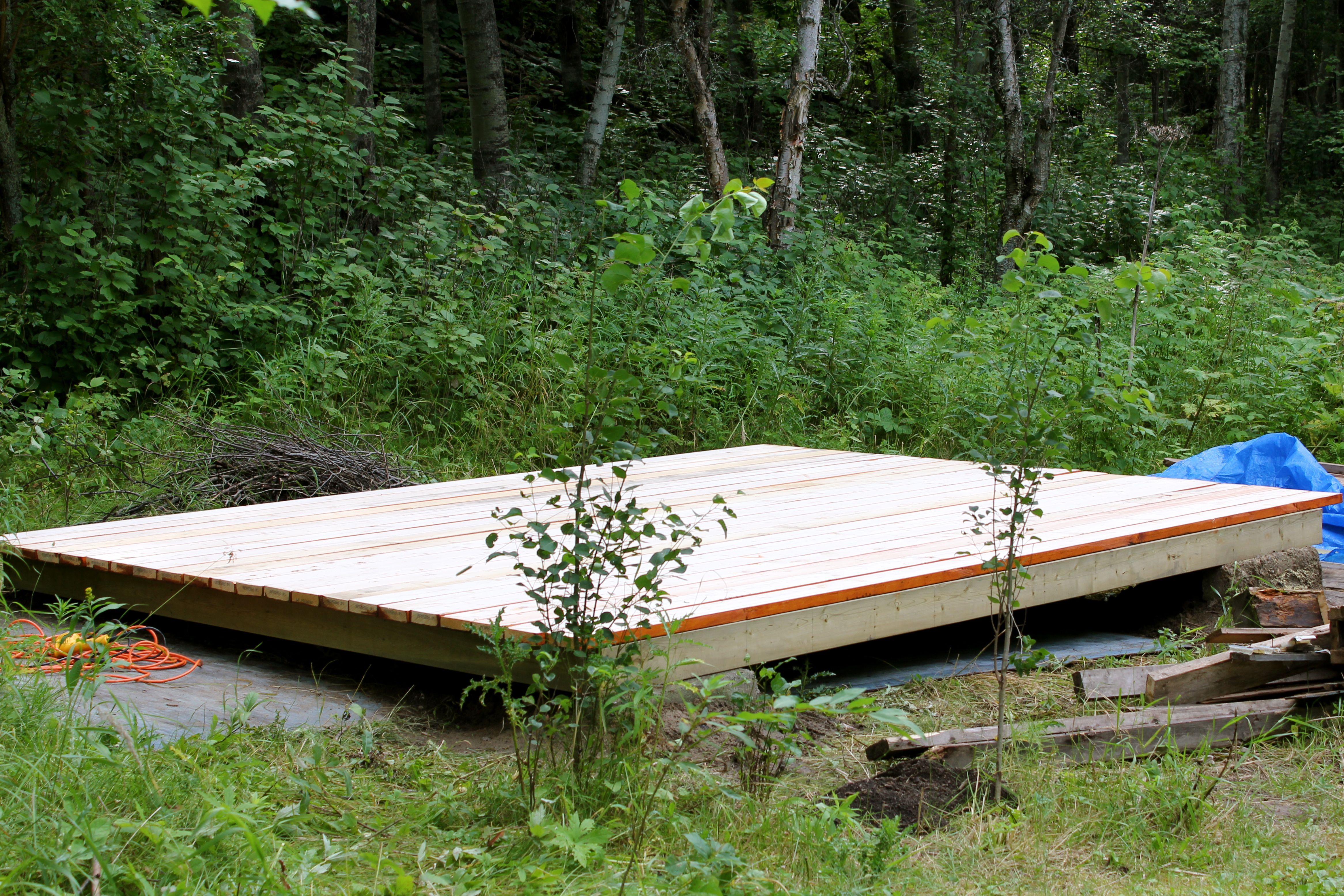
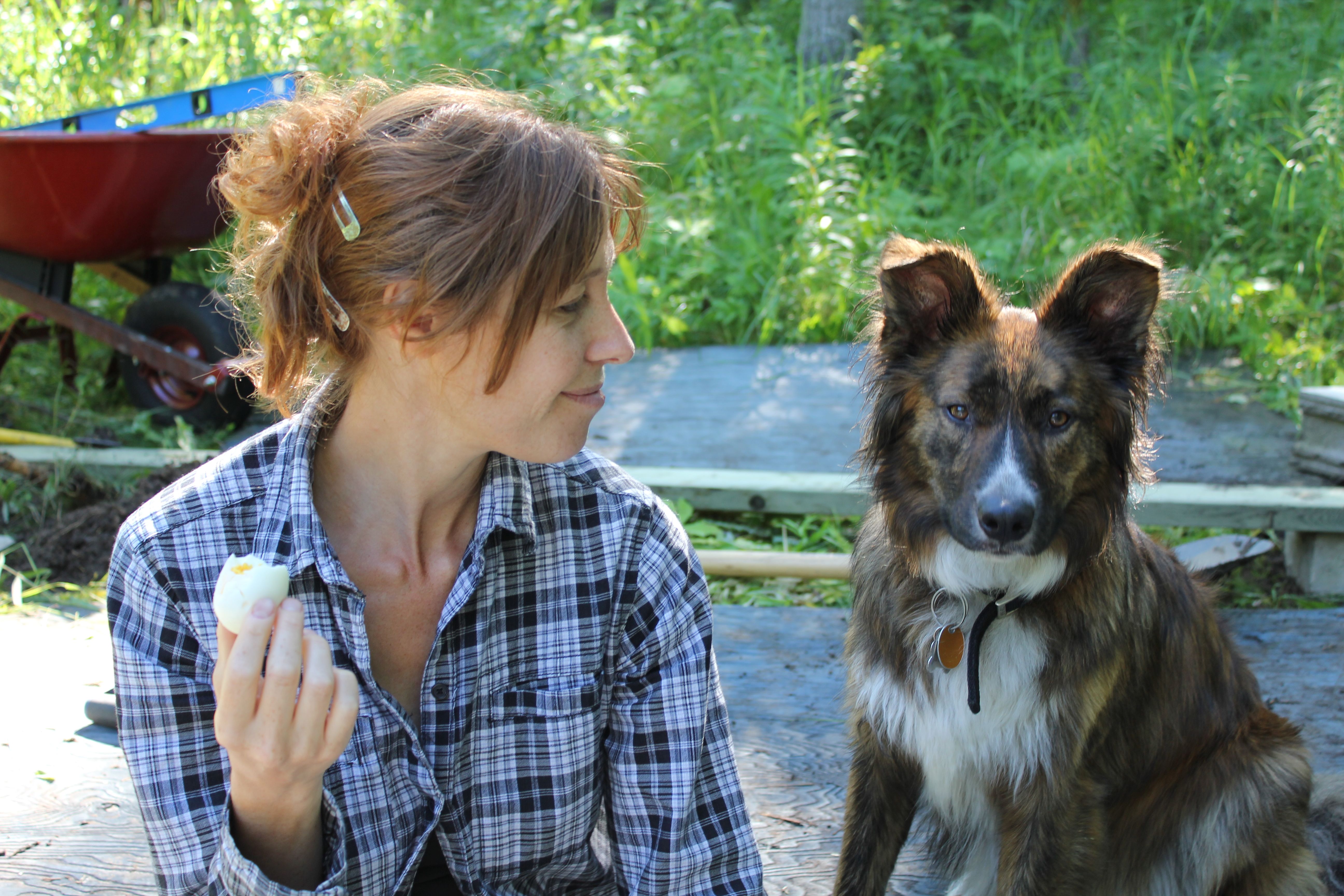
The chicken coop is coming along. Two weekends ago, H and I spent a day gathering materials, the next day positioning and digging concrete blocks into the sandy soil (H did all of the work here), and then the next day assembling most of the deck frame with pressure treated wood (until we were rained out). Lucy helped a little by double-checking the level.

 We are building a 10x 14 deck to float above the ground. A smaller 6×10 shed will be placed on top of this and the deck will extend a few feet on all four sides. This will hopefully resemble the flooring that often extends from inside of the building out into nature, as seen in many traditional Japanese teahouse and country home designs. It is mostly for show, but the deck will provide the perfect place to stack hay bales around the exterior walls of the coop for additional insulation in our very cold Alberta winters.

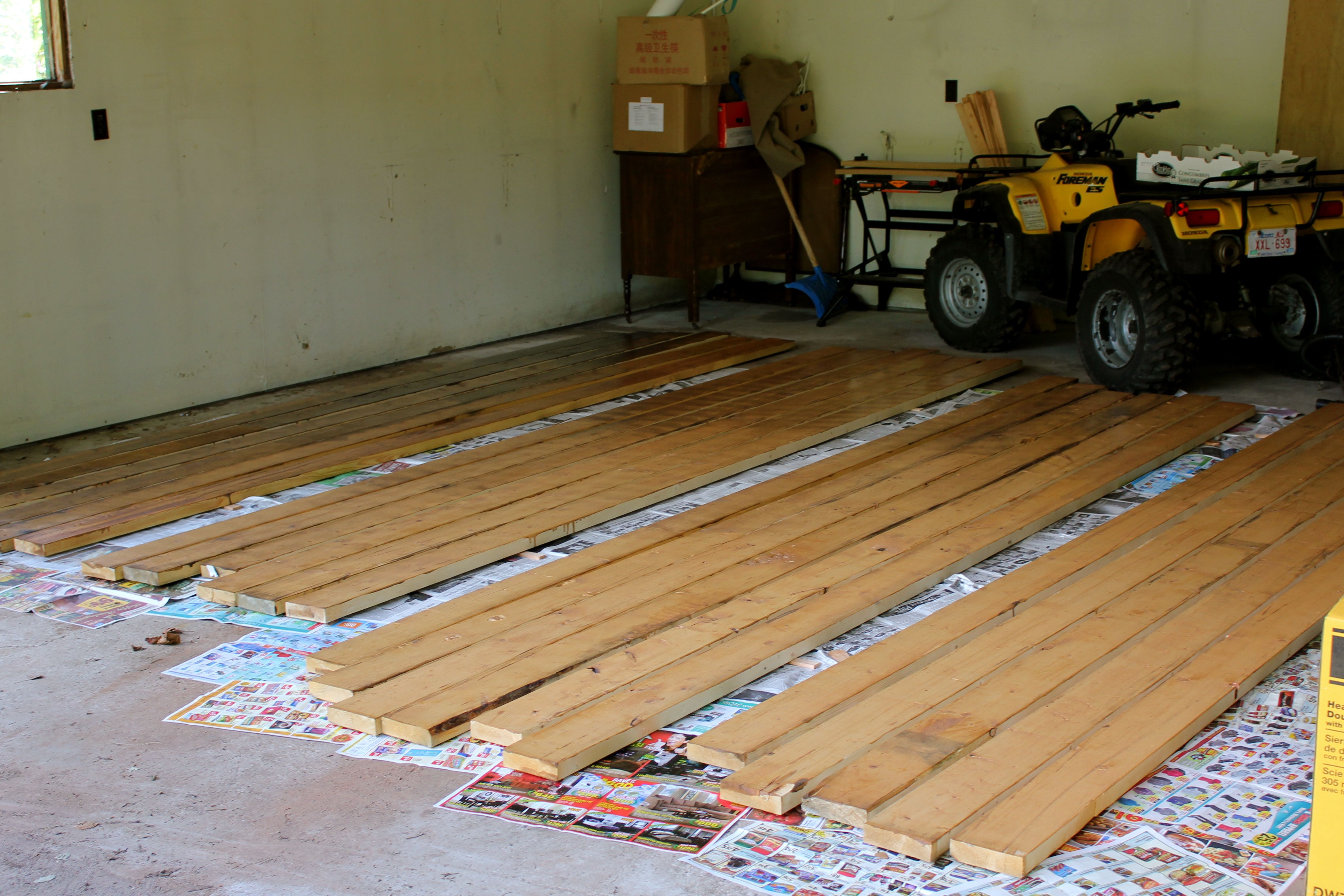
For the past week, I have been staining the planking that we bought for the floor of the deck. I found some old stain left behind by the previous owners so I used it to stain the bottom and sides of the decking. I will stain the top (the only part that will be seen) with a new darker stain and then add a few coats of low gloss varathane to give it a deep sheen. I chose not to use pressure treated wood for the top deck planks as I wanted a more rustic look. The wood that I bought is not perfectly straight or rounded on the edges, and it still has the bark on it in some places. I like that. It has a more natural feel. Less manufactured.

 We used new lumber for the frame and the salvaged lumber for the support pieces. We will do this for the walls and window/door framing as well. Speaking of which, tomorrow I am visiting two architectural salvage places in Edmonton in search of a window and a door. I also hope to find a French door for the greenhouse. Wish me luck!

refinish project: giving the picnic table a fresh new look

Tags

, , , , ,

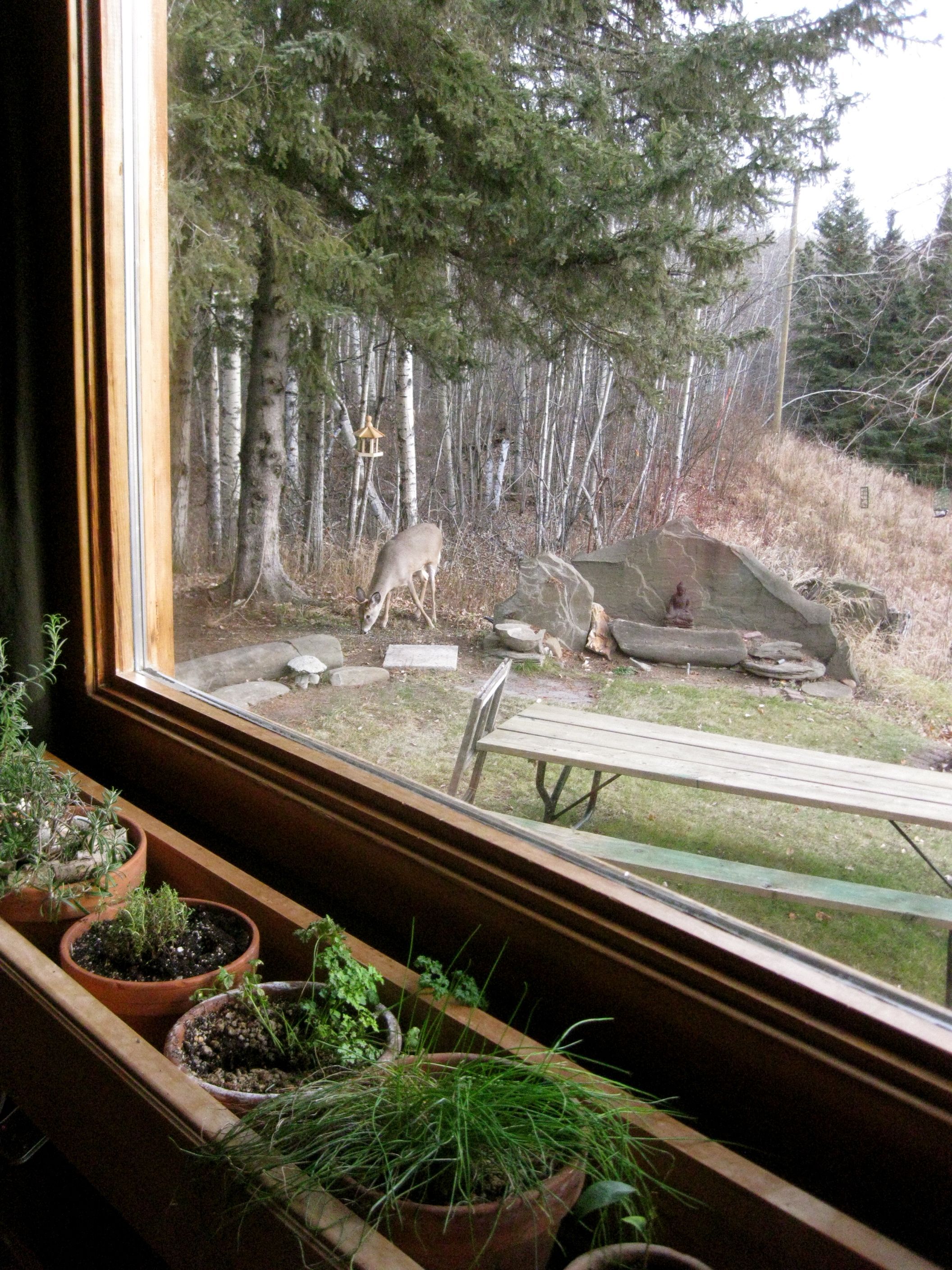
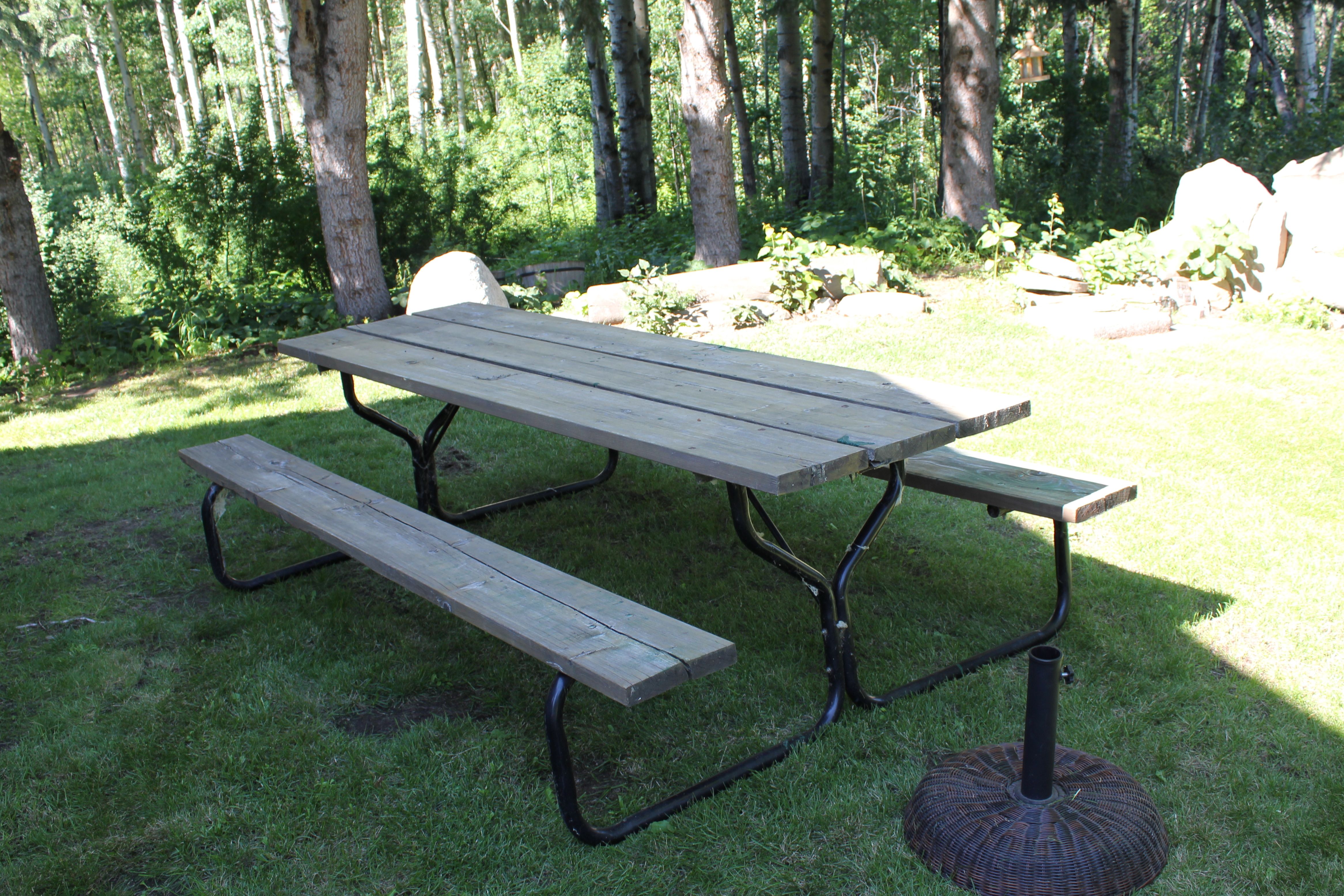
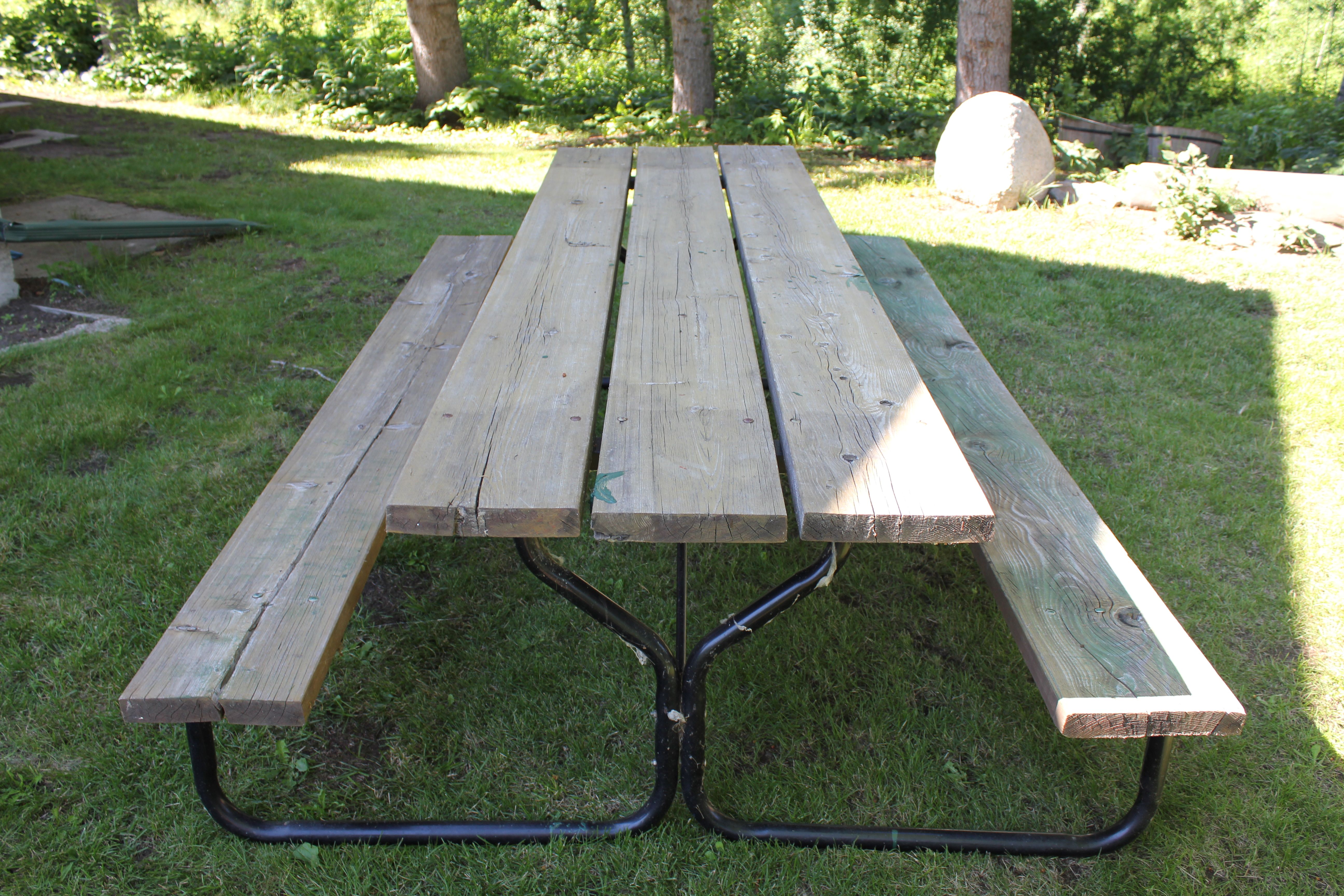
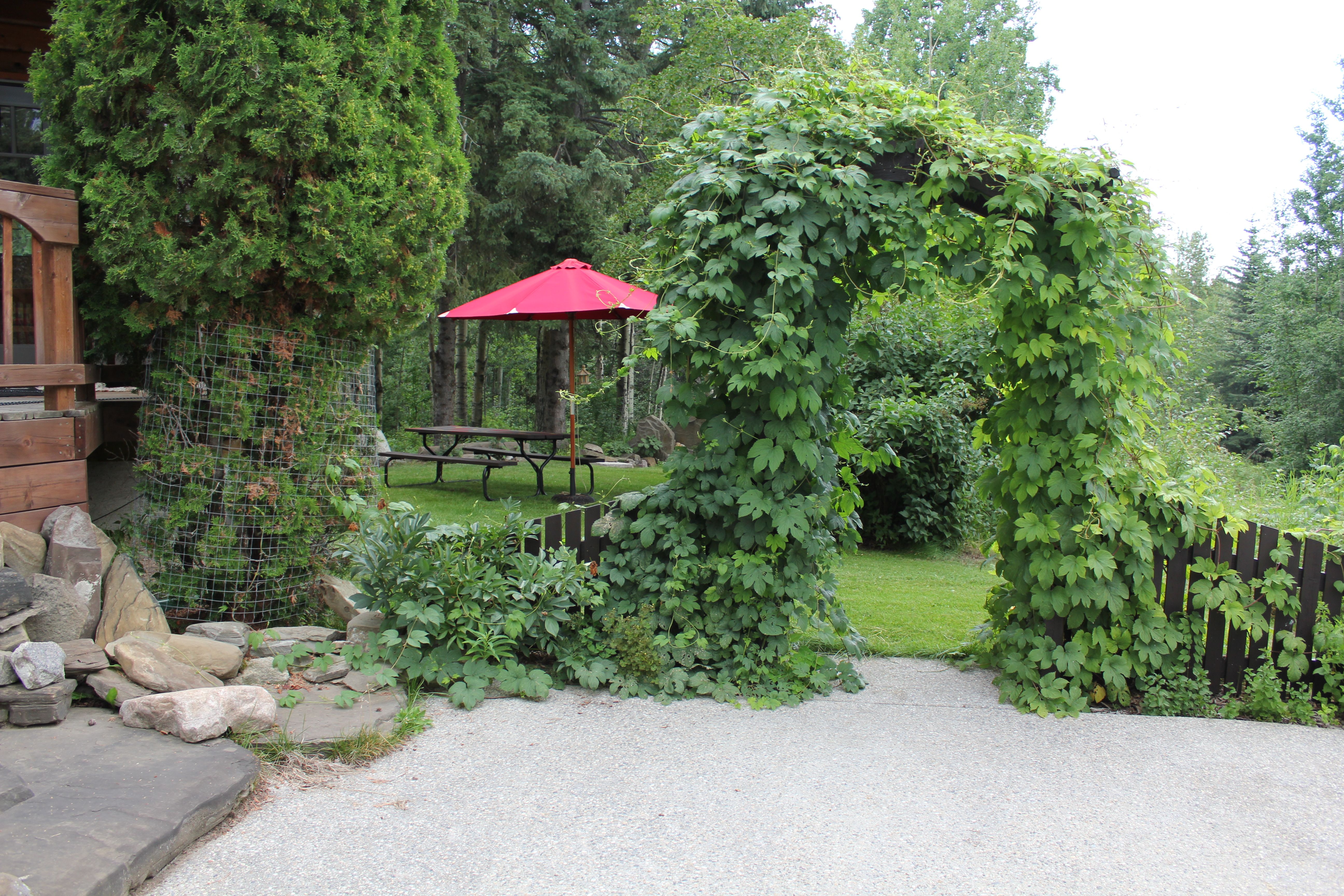
There is a nice private little area on the east of the cabin. The dining room window overlooks this side of the house and this is where I hang my bird feeders and winter suet. The previous owners left behind a very large picnic table. It was sturdy but neglected and splashed here and there with green paint. After looking out at it all winter and spring, I figured it was time to give it a fresh new look.

Here are a few ‘before’ shots:

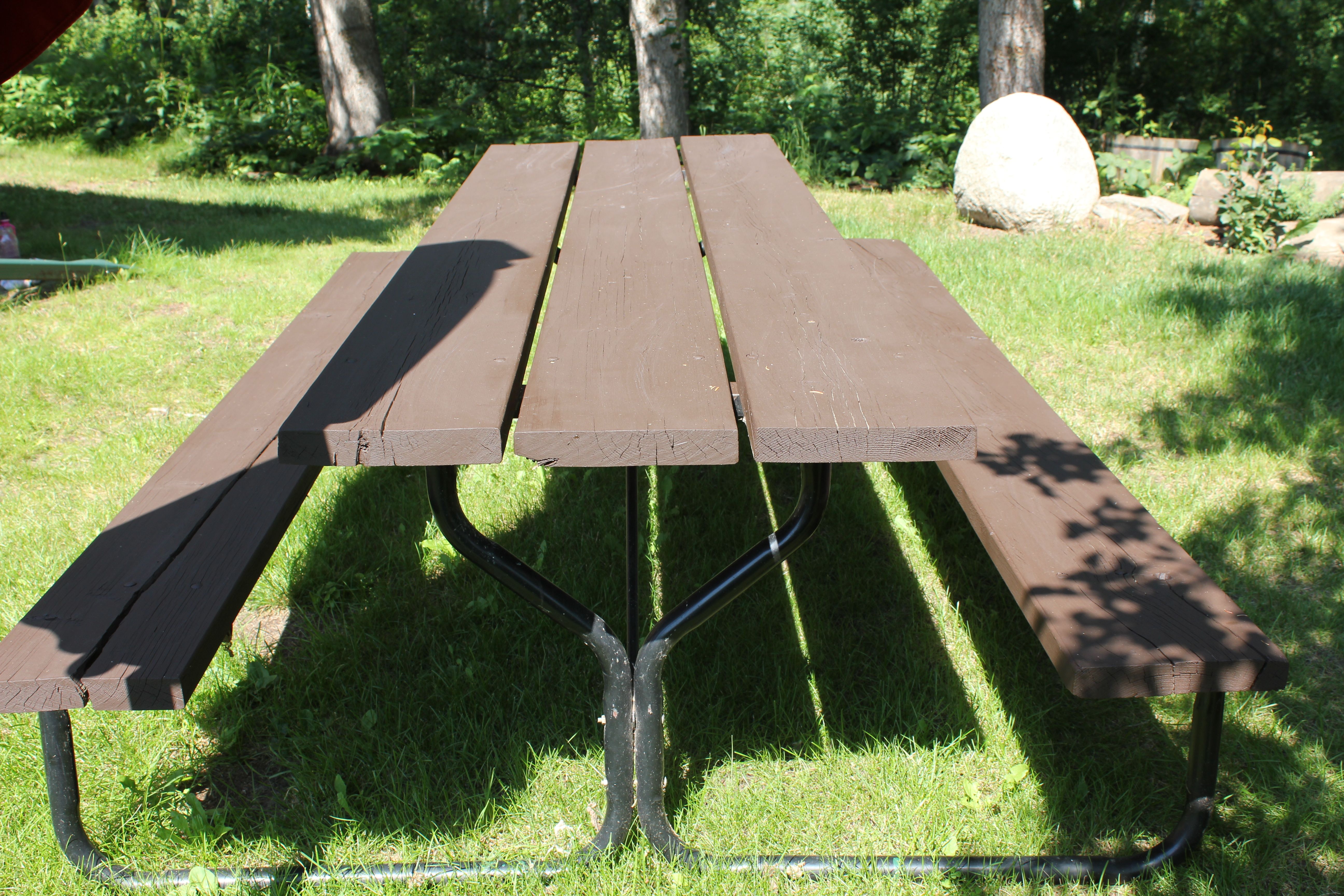
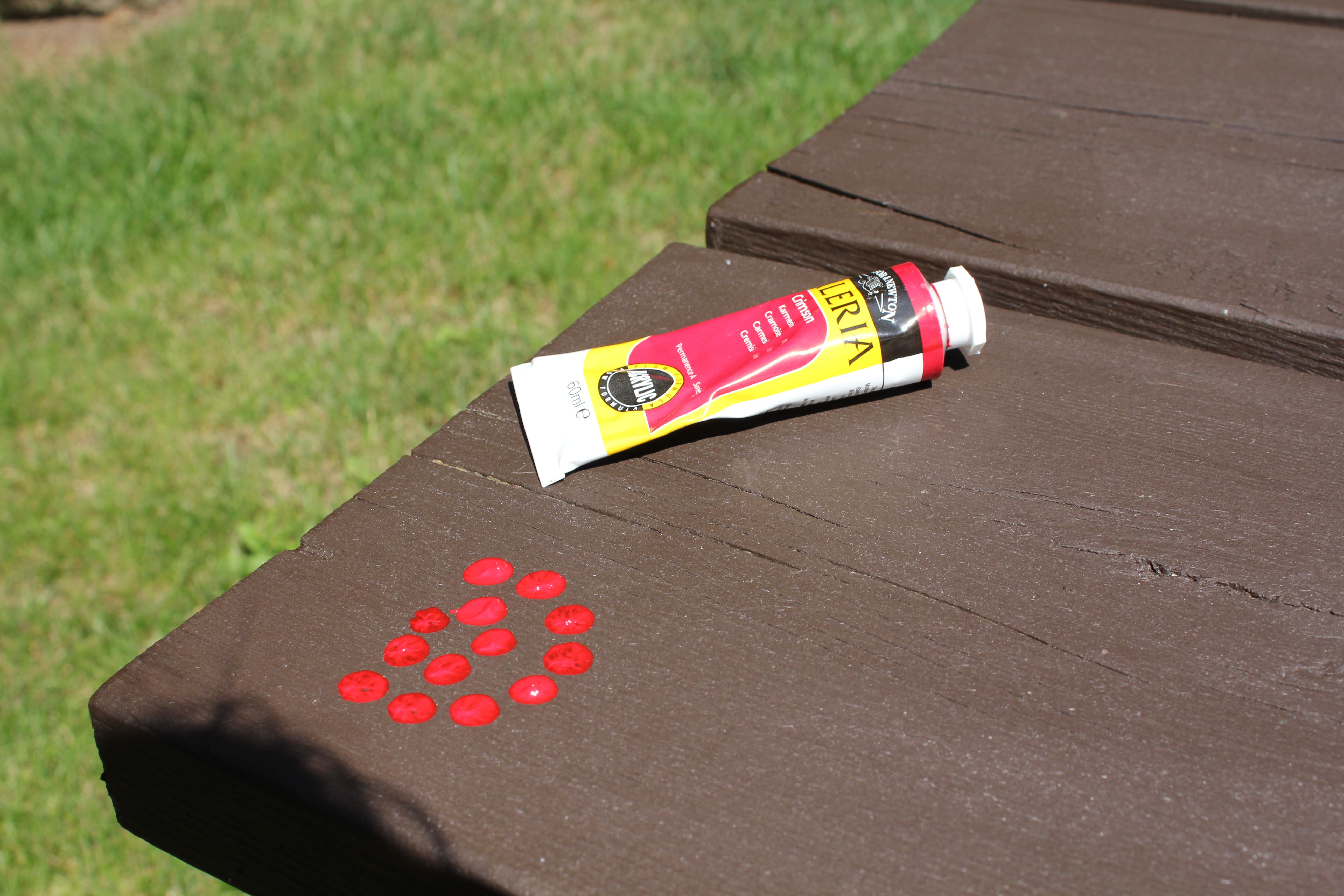
I began by scraping and sanding the wood. Then I stained it with a solid dark brown stain (to cover the green paint). It looks quite boring at this stage.

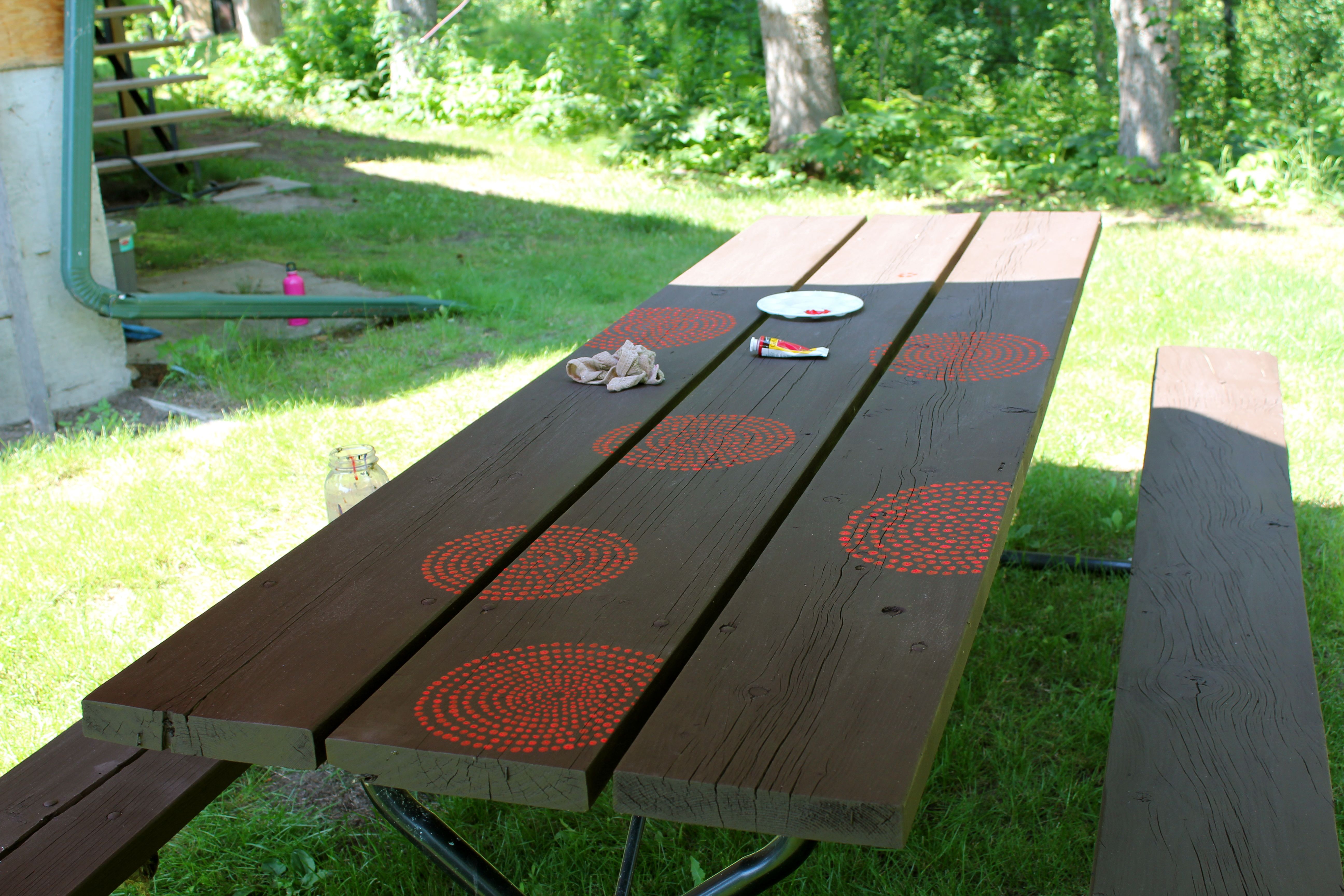
Then I jazzed it up today with some freehand painting inspired by Australian Aboriginal art (I have been to Australia twice and spent quite a bit of time in small galleries there). It was a very relaxing way to spend a few hours.

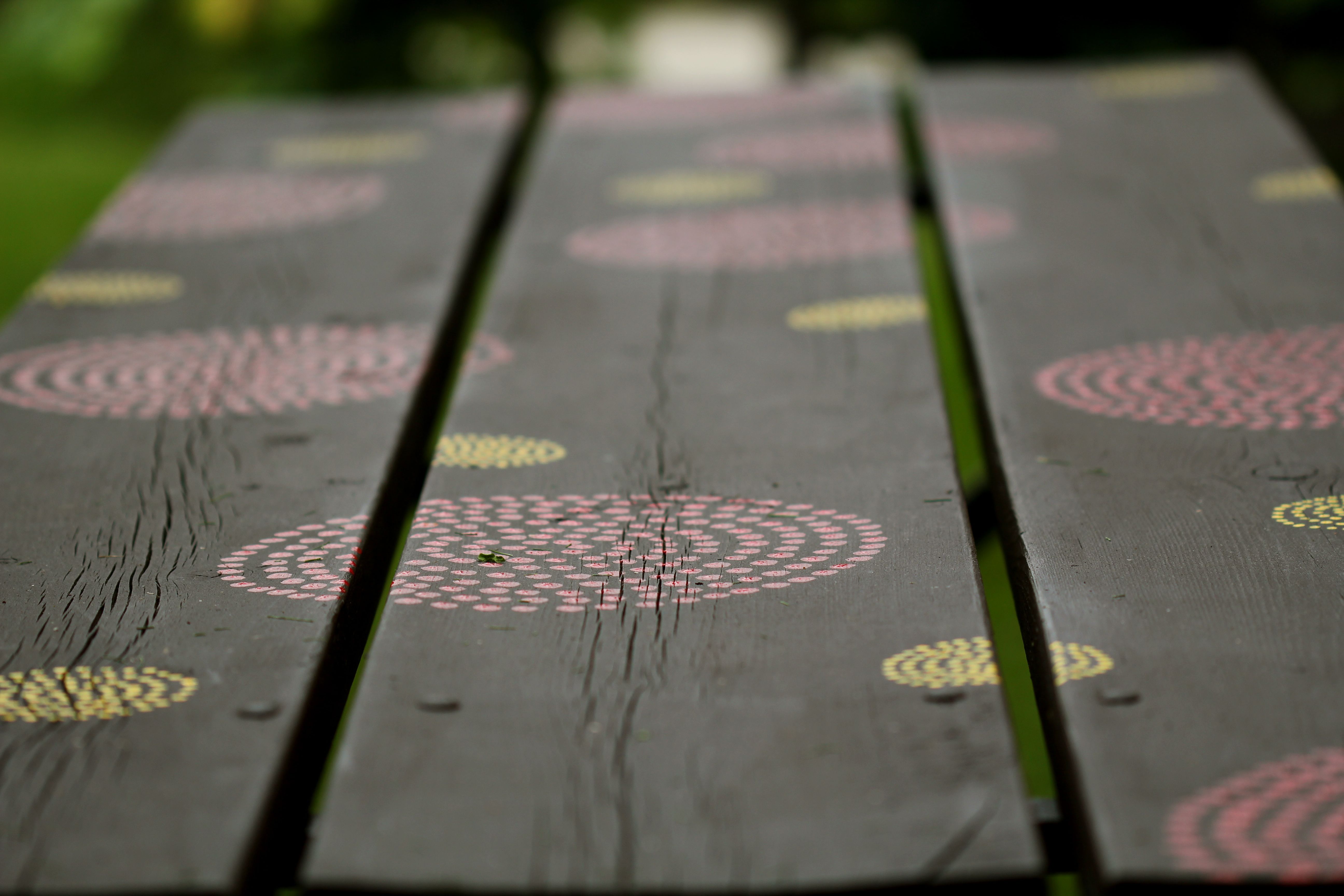
Then I added a kick of yellow…

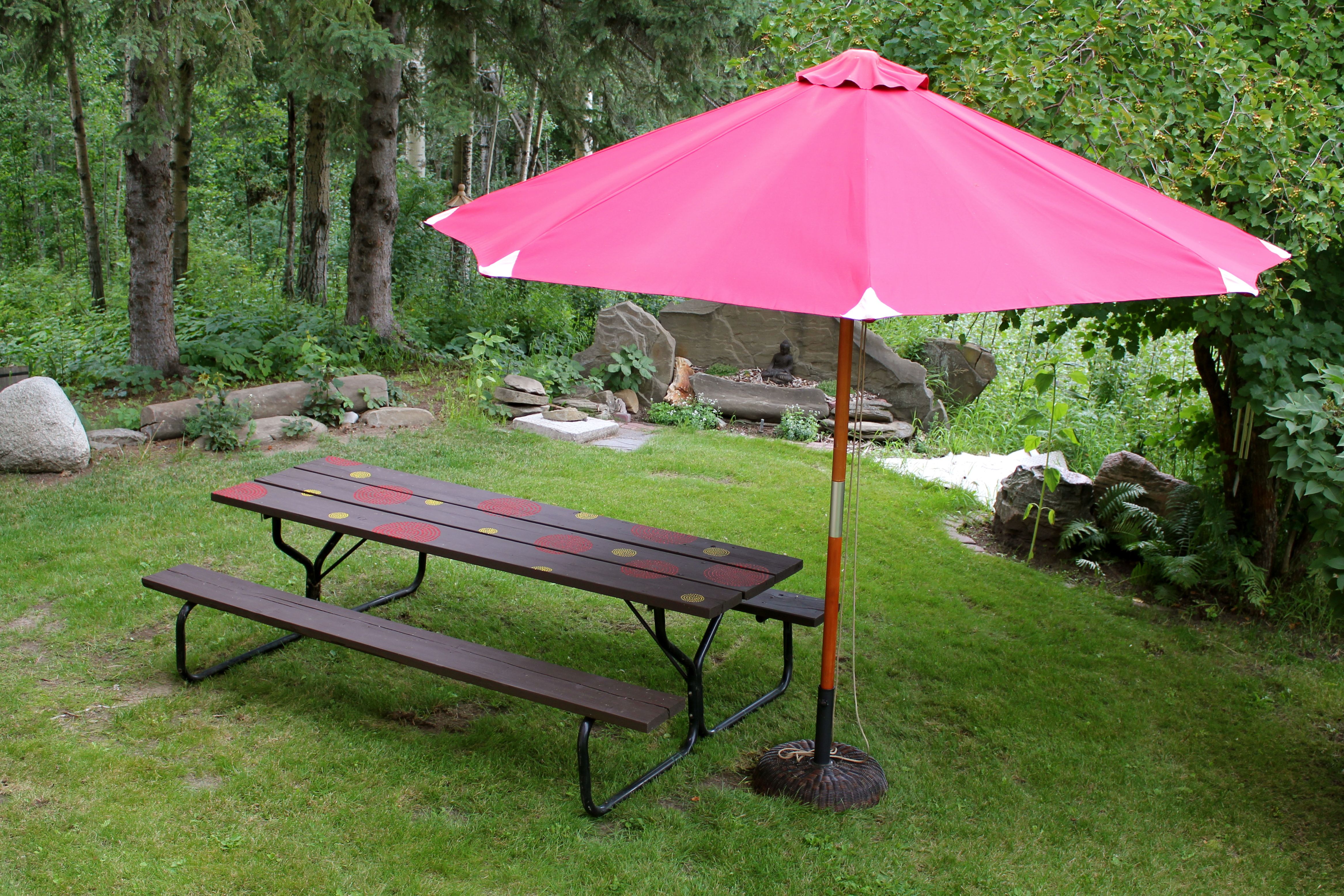
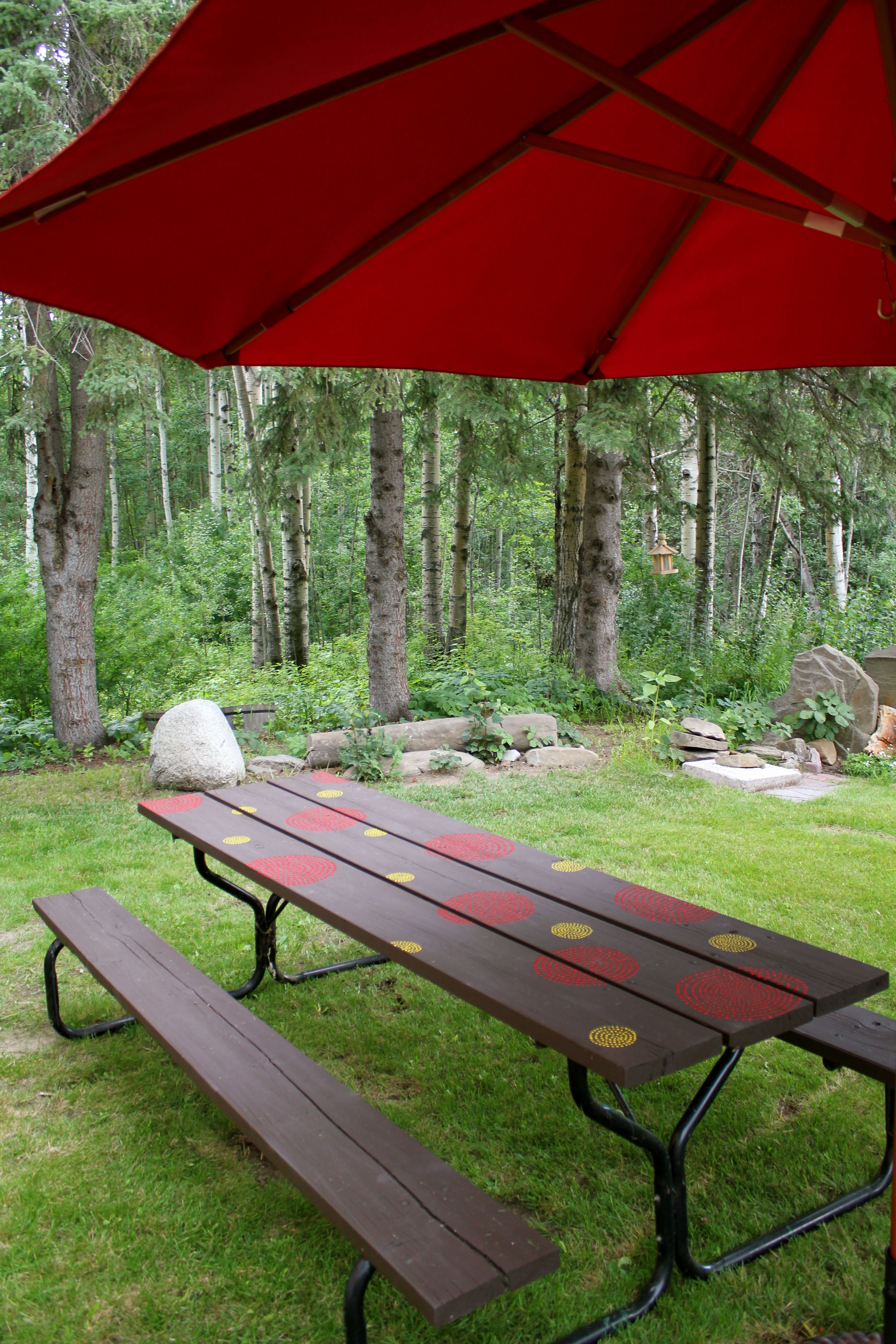
Now I just need to protect it with a few coats of varathane. I love how it turned out and it definitely makes the area look more inviting. Not only does it add a touch of whimsy and playfulness, but it now feels cleaner when eating at the table and the red umbrella provides some lovely shade on those (rare) hot summer days. The circular pattern will remind me of my connection to all of existence and the colorful bright dots will cheer me up when I look out on those cold winter days, reminding me of the promise of spring and the joy of eating al fresco…

the Medicine Wheel garden

Tags

, , , , , , , , , , , , , , , ,

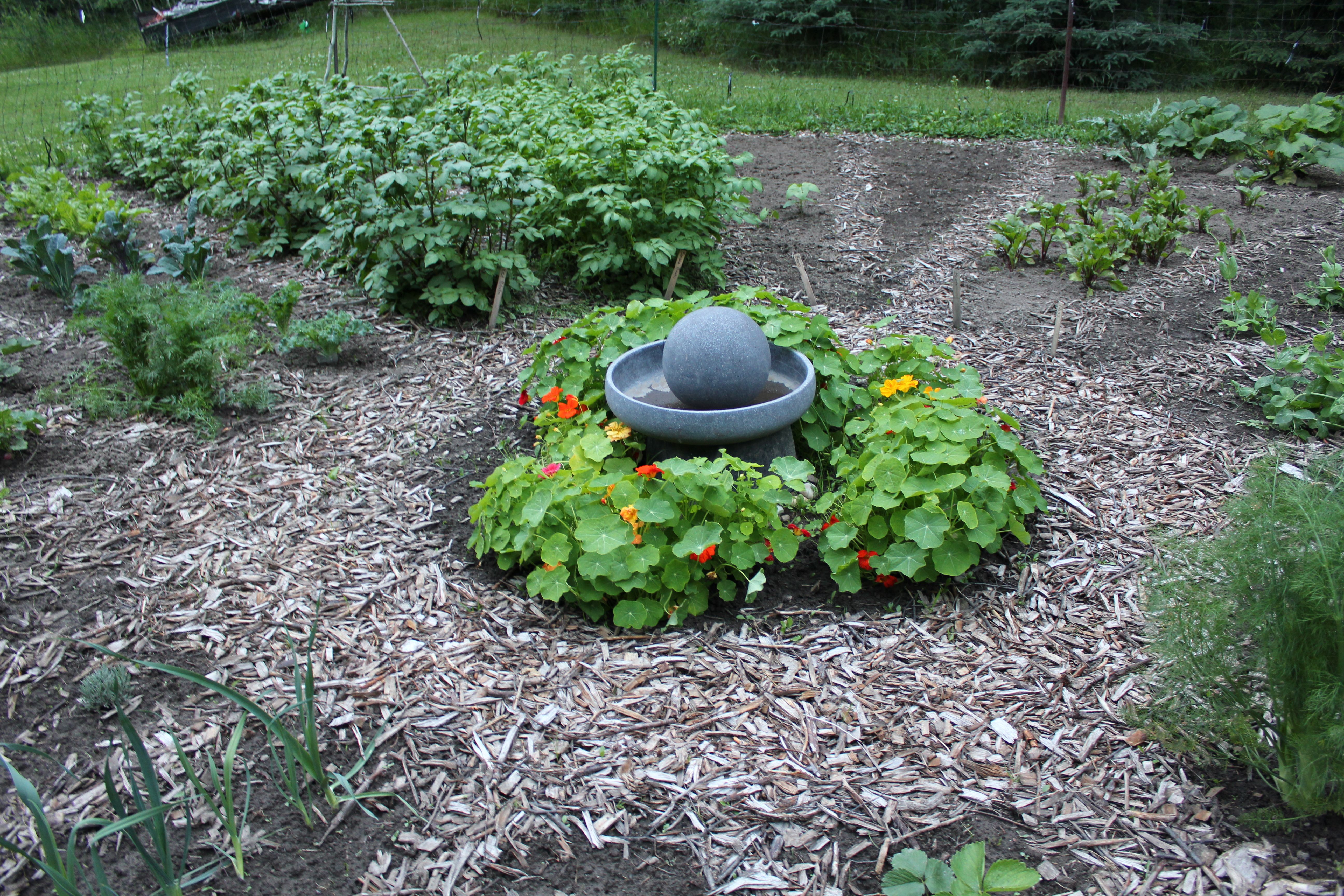
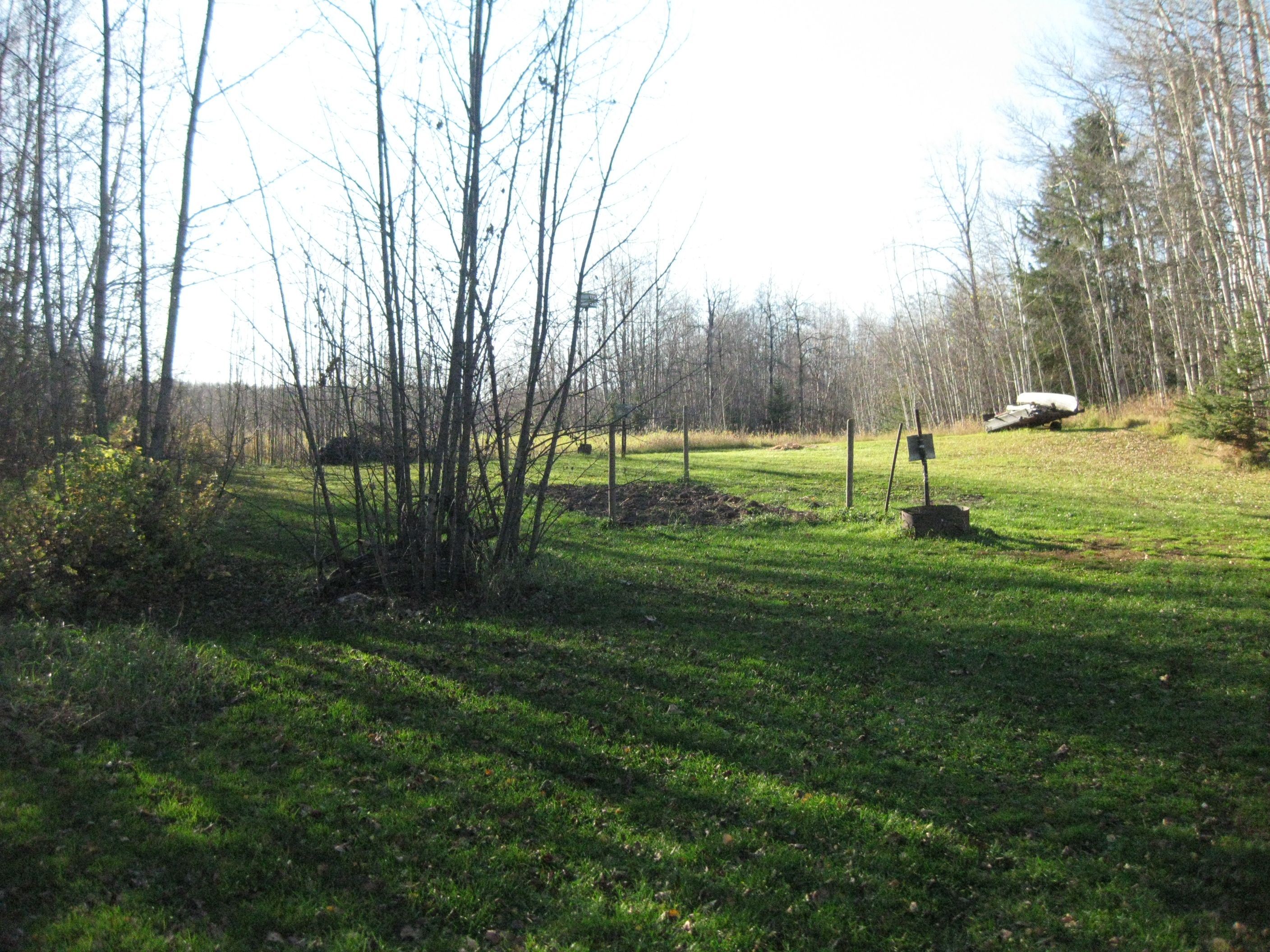
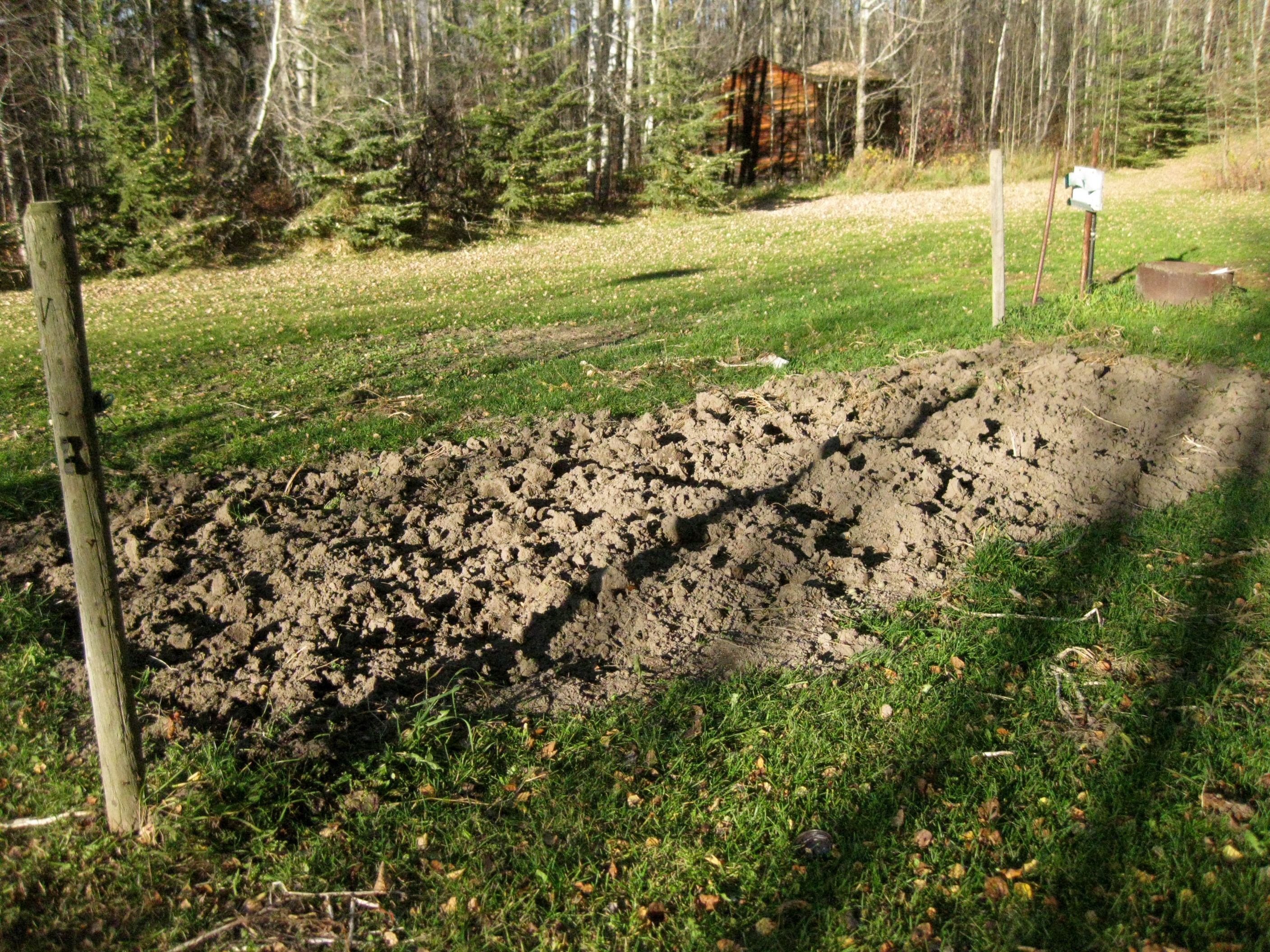
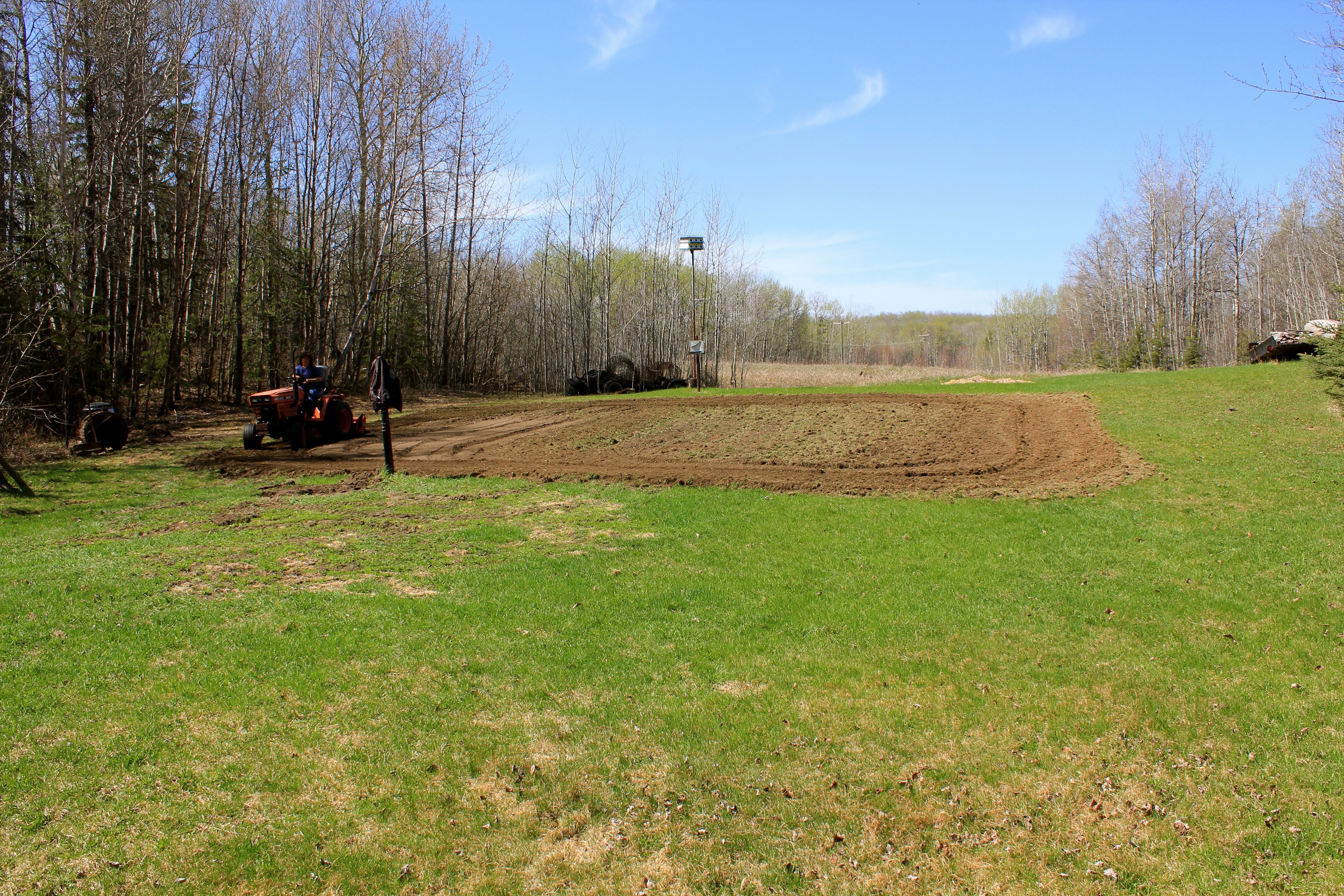
I would like to show you the vegetable garden. When we bought the cabin last fall it was just a little postage stamp of a plot with some potatoes left behind. We dug these up in October and they lasted us until March.

By November, the land was covered in snow and I spent the winter planning my garden, making endless lists and researching ‘deer- and rabbit-resistant gardening’. In May, my wonderful neighbor, K, came over with her tractor and tilled the soil for me, enlarging the garden into it’s current size. The soil is good in this spot and I was told that years ago this used to be a large garden.

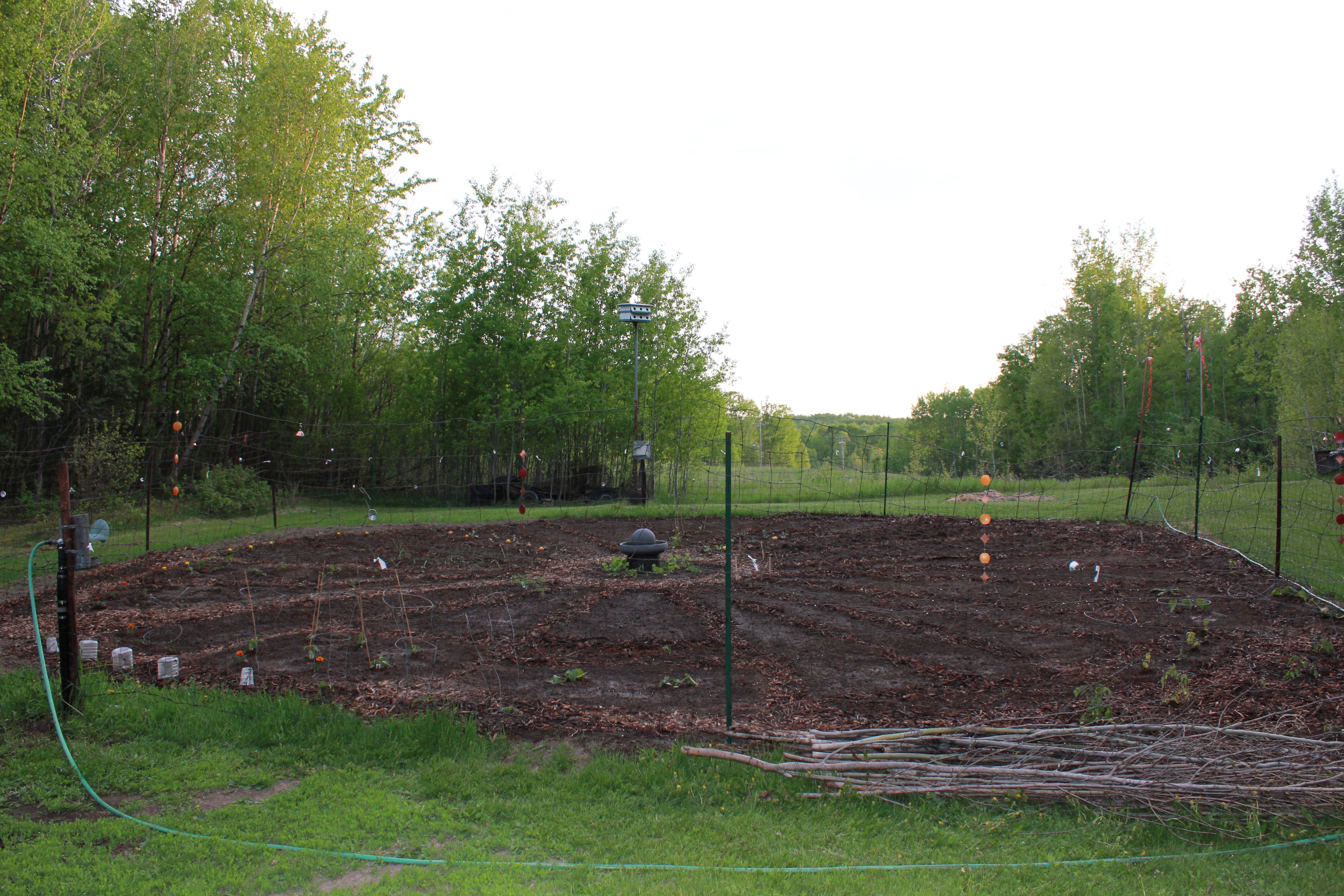
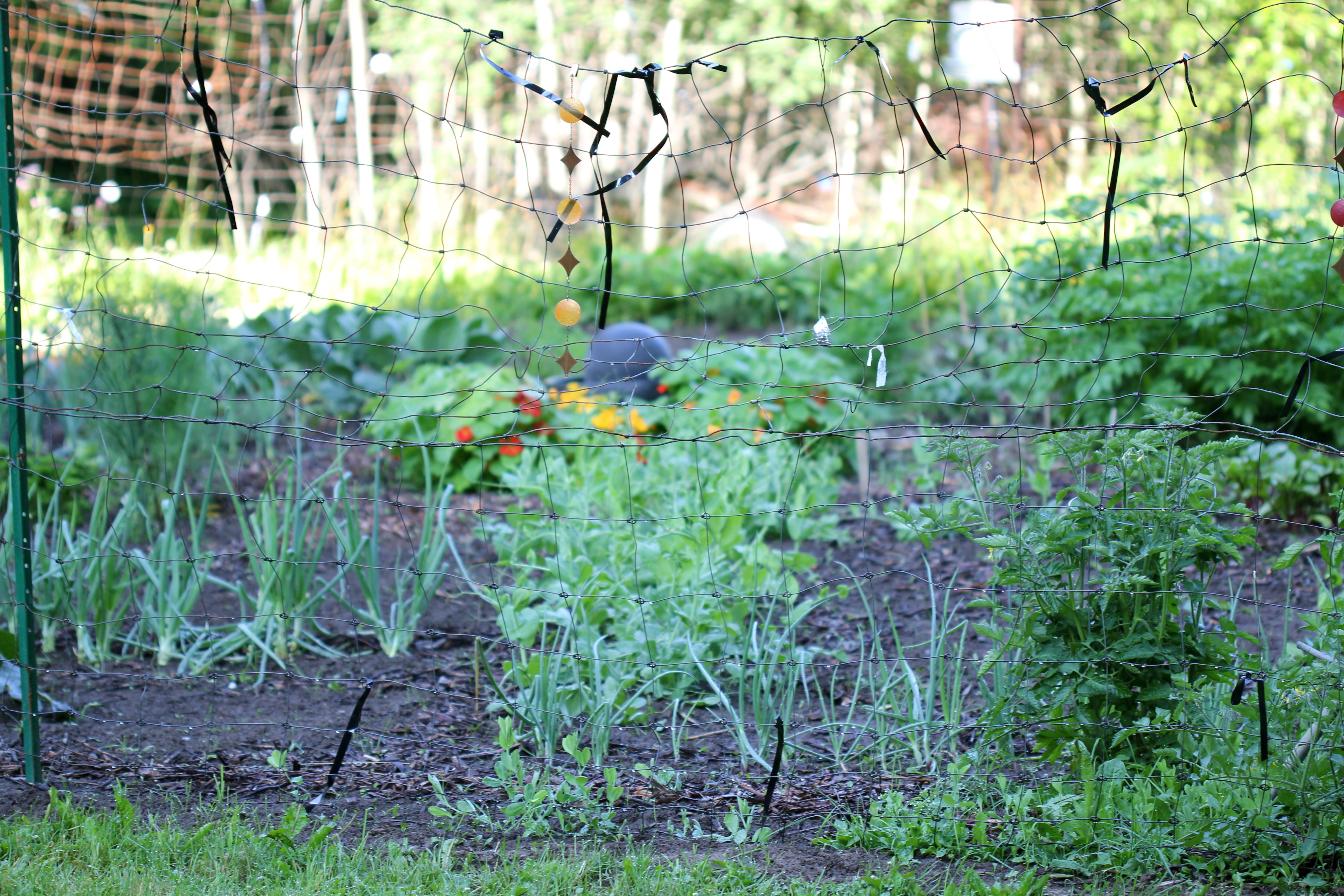
Once tilled, I mapped out a Medicine Wheel design using mulch for the pathways. I added some plants and sowed some seeds. Then I spent an afternoon pounding in large stakes for the fence. My budget was very limited so I used what I could find on the land. I also found some rusty barbed wire fencing in large rolls around the property. I carefully unwound these and wrapped these around the poles, using wire to fasten it to the stakes. I did two rows of fencing, one on top of the other and wired these together. This was tricky as I did this on my own, holding the fence in place with my head while wiring the fencing together with needle nose pliers and being careful not to get scratched with the rusty wire…

I choose a Medicine Wheel design as I wanted to be intentional in my creation of a garden. This place would be set aside as a quiet place for contemplation, a source of nourishment and healing. For some reason, stepping into a circular garden invokes a feeling of reverence and quiet power.

Both the design and use of sacred space are processes that draw on both the conscious and unconscious levels of mind and spirit. We learn as we create and we change as we garden. Let the process inform you spirit. ~Peg Streep

The circle has four quadrants (which were further subdivided into pie-shaped plots) set to the cardinal directions (north, east, south and west). Each direction has a corresponding element (earth, air, fire and water). The center of the circle is a place of concentrated ‘power’ and peace. At the door of the garden is a pile of stones found previously buried in the soil. Visitors are invited to take a stone, envision a prayer or request, wish or blessing, and imagine that they are putting it into the stone. Then they can place the stone in the center bowl. As I spend time each day working in the garden, I meditate, contemplate and pray. I sing songs, I laugh, I dance, I express gratitude for the earth’s abundance. I imagine this good energy being absorbed into the growing plants.

The creation of sacred space- how we set apart and arrange a certain spot and imbue it with reverent feelings… draws us closer to nature and affirms our personal ties with the earth. Medicine Wheel gardens are places for celebrating and teaching. Some go to the Medicine Wheel garden for vision quests, prayer and personal renewal. Others see it as a place to gather together for drumming, fire ceremonies and singing. -E.Barrie Kavasch

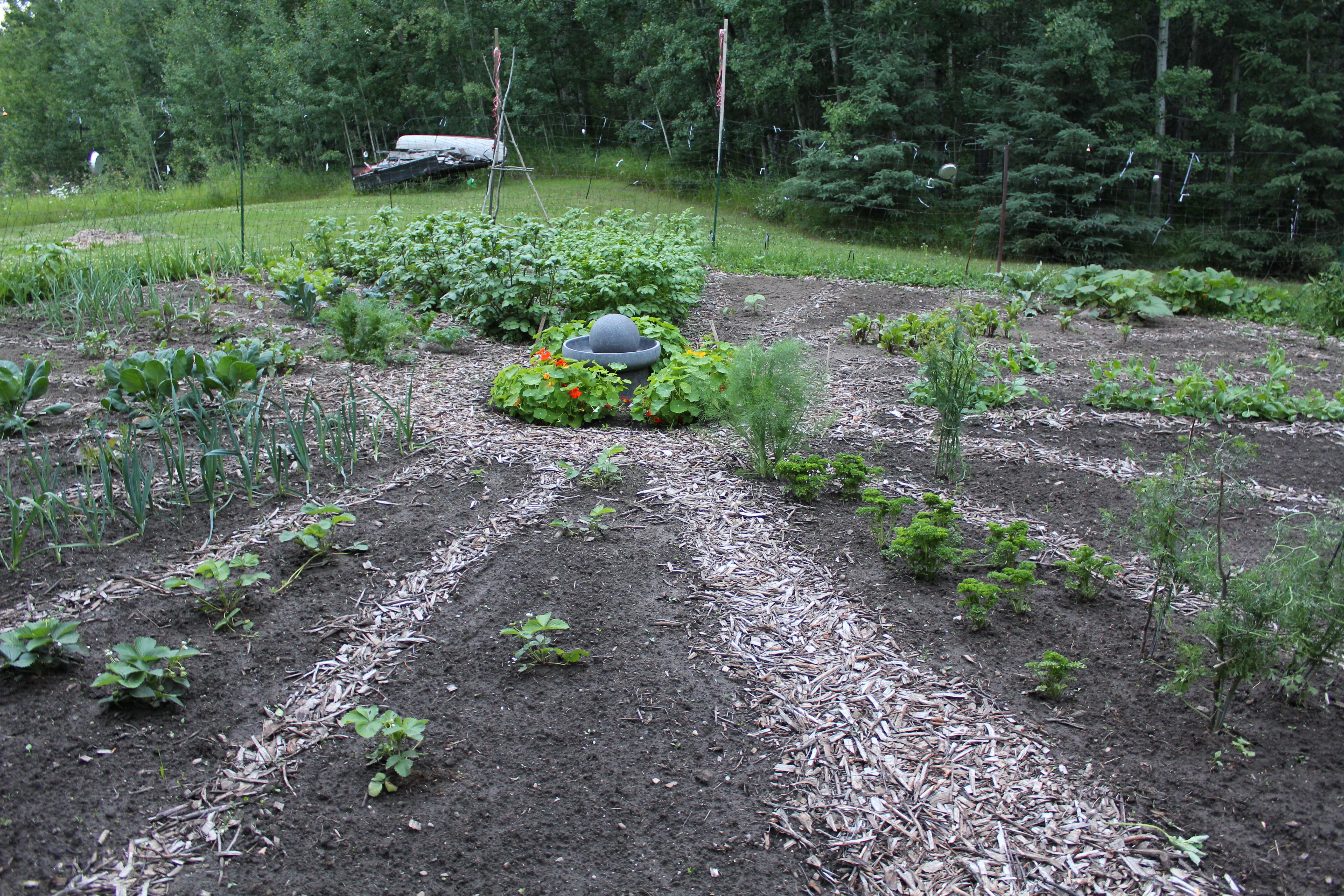
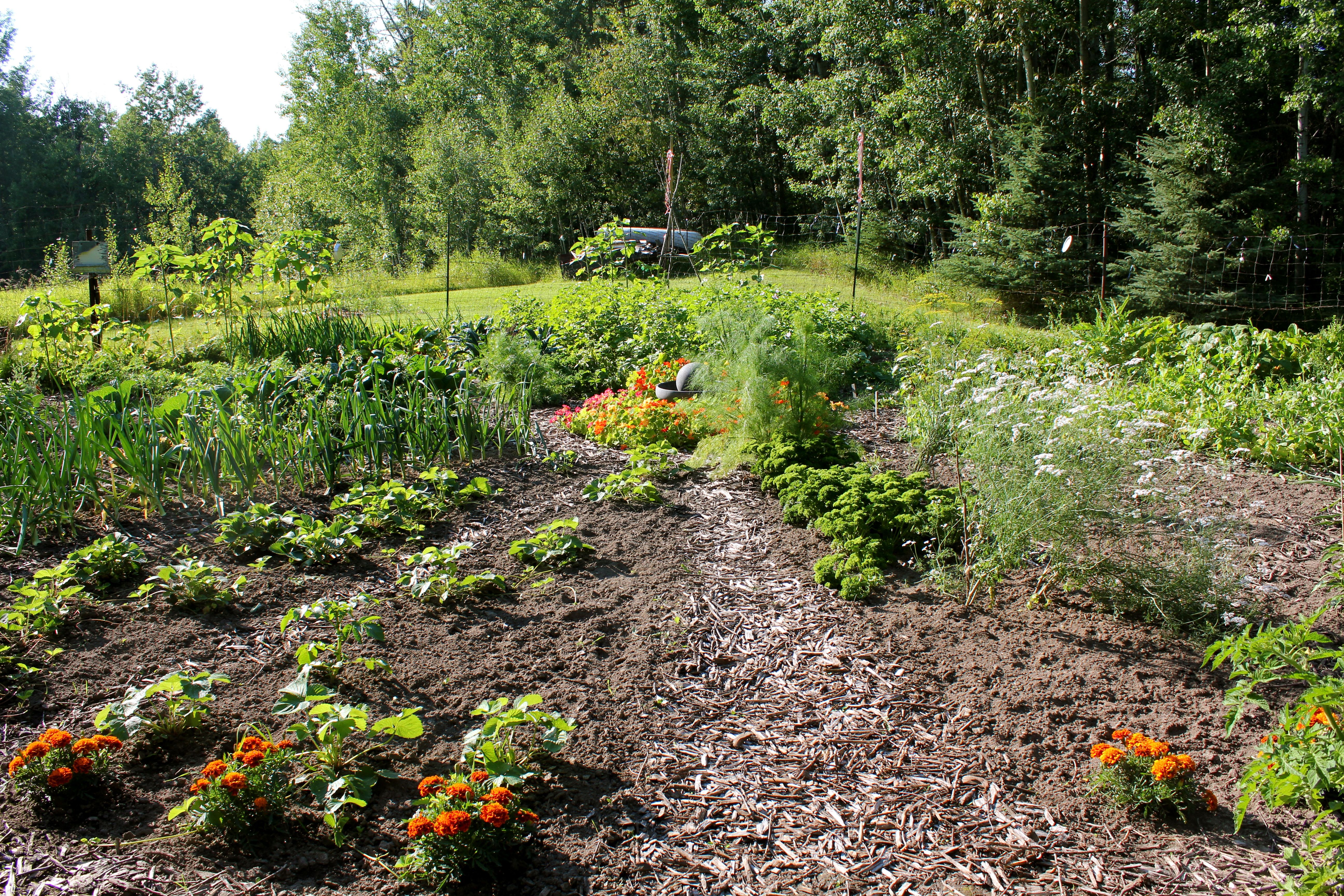
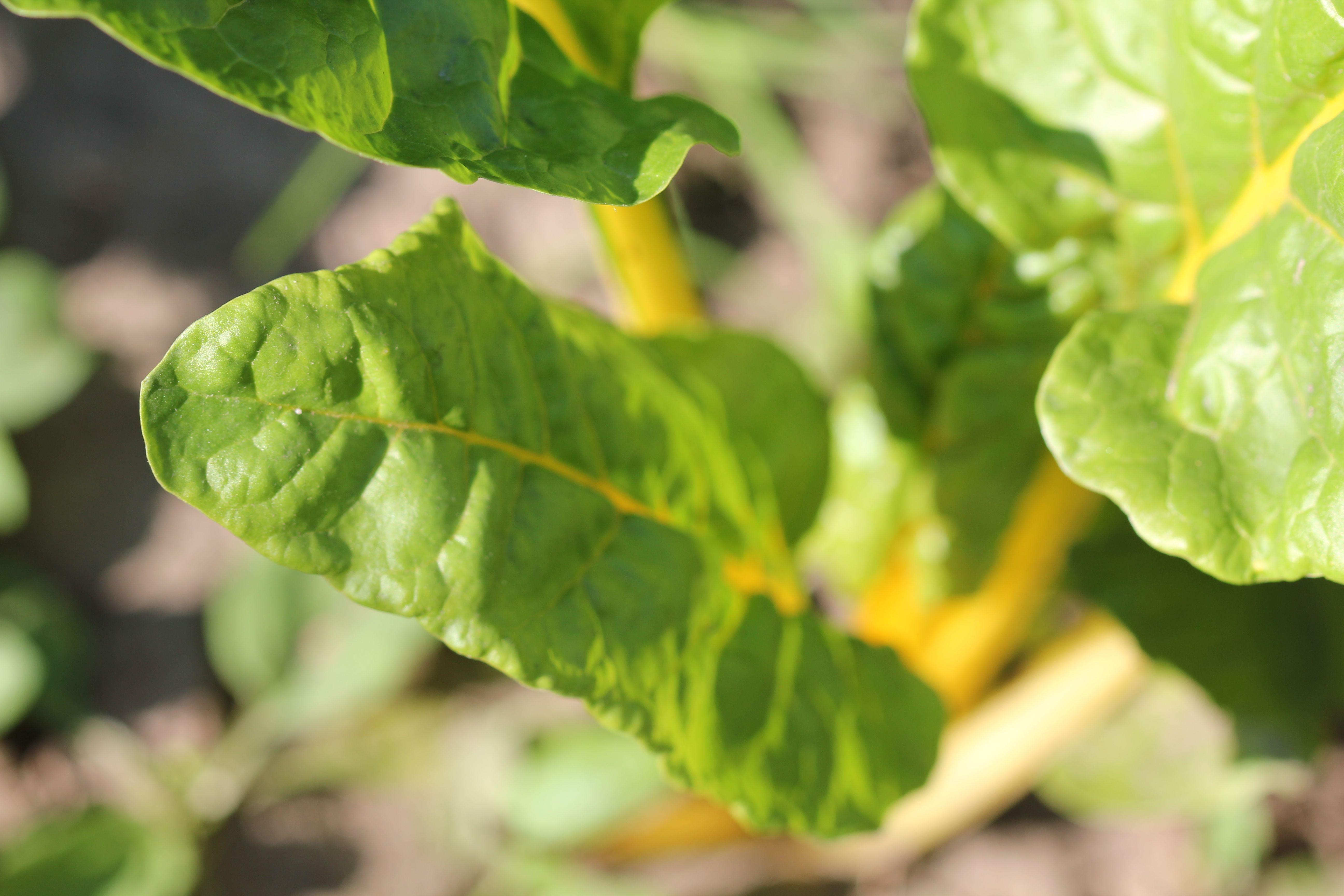
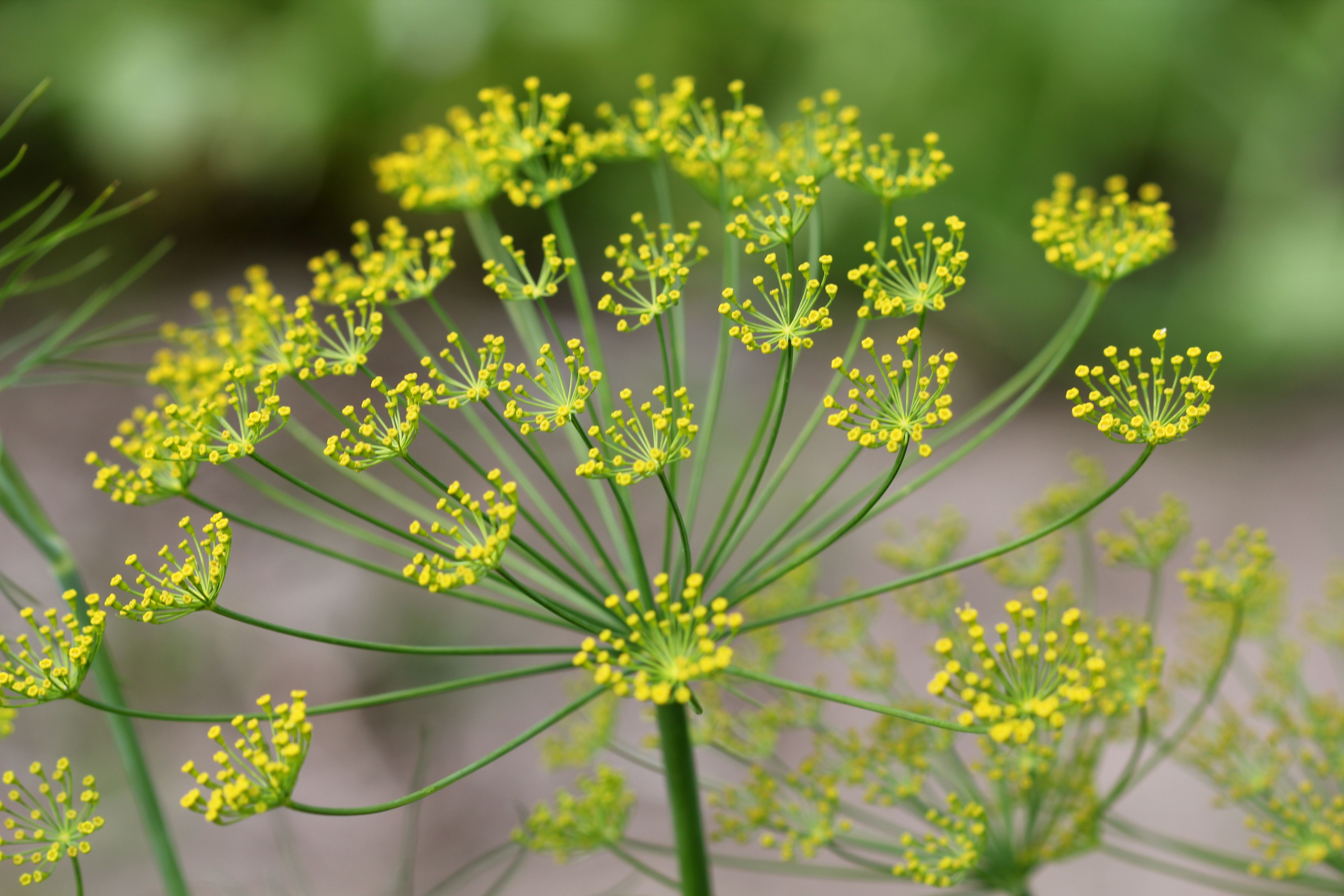
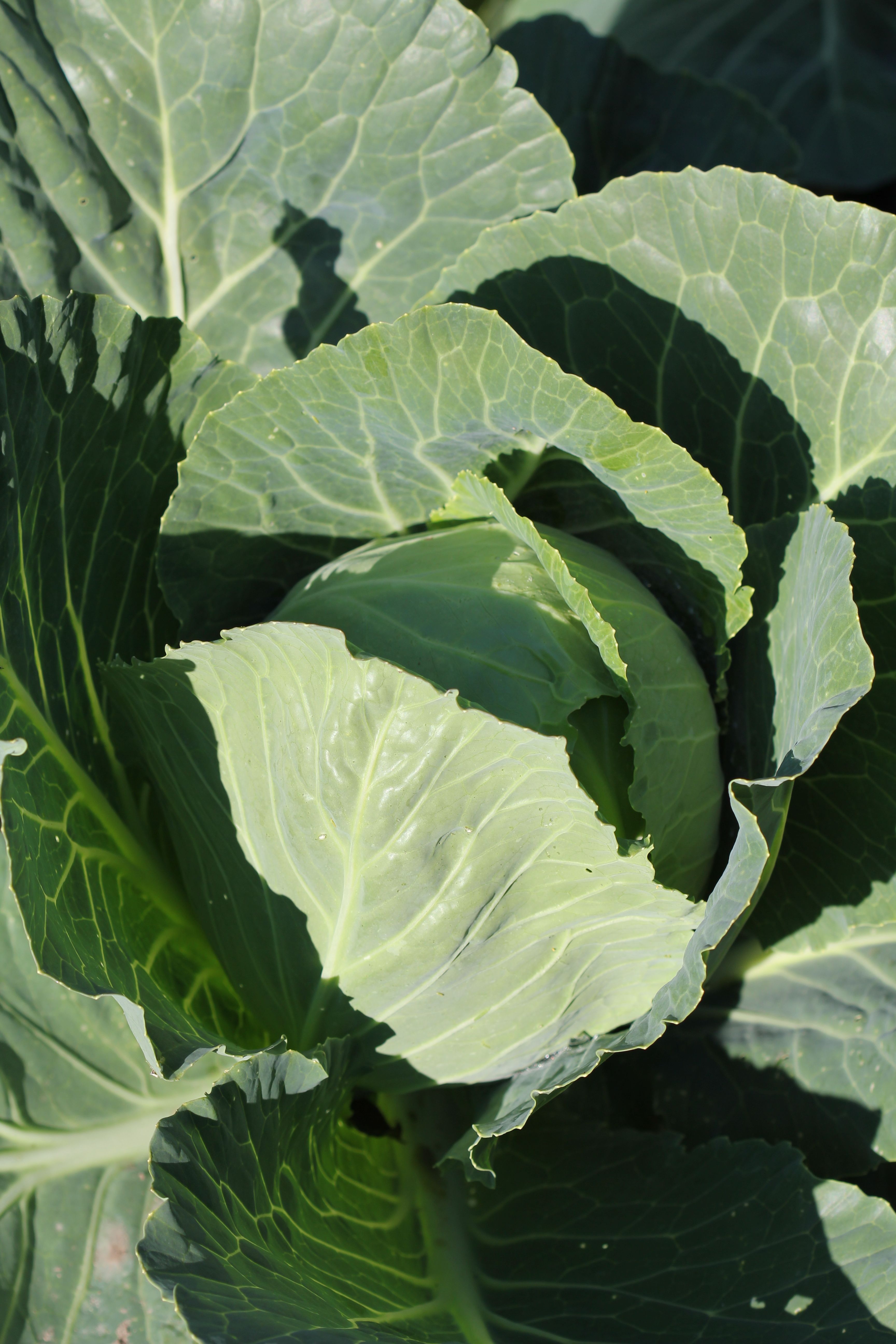
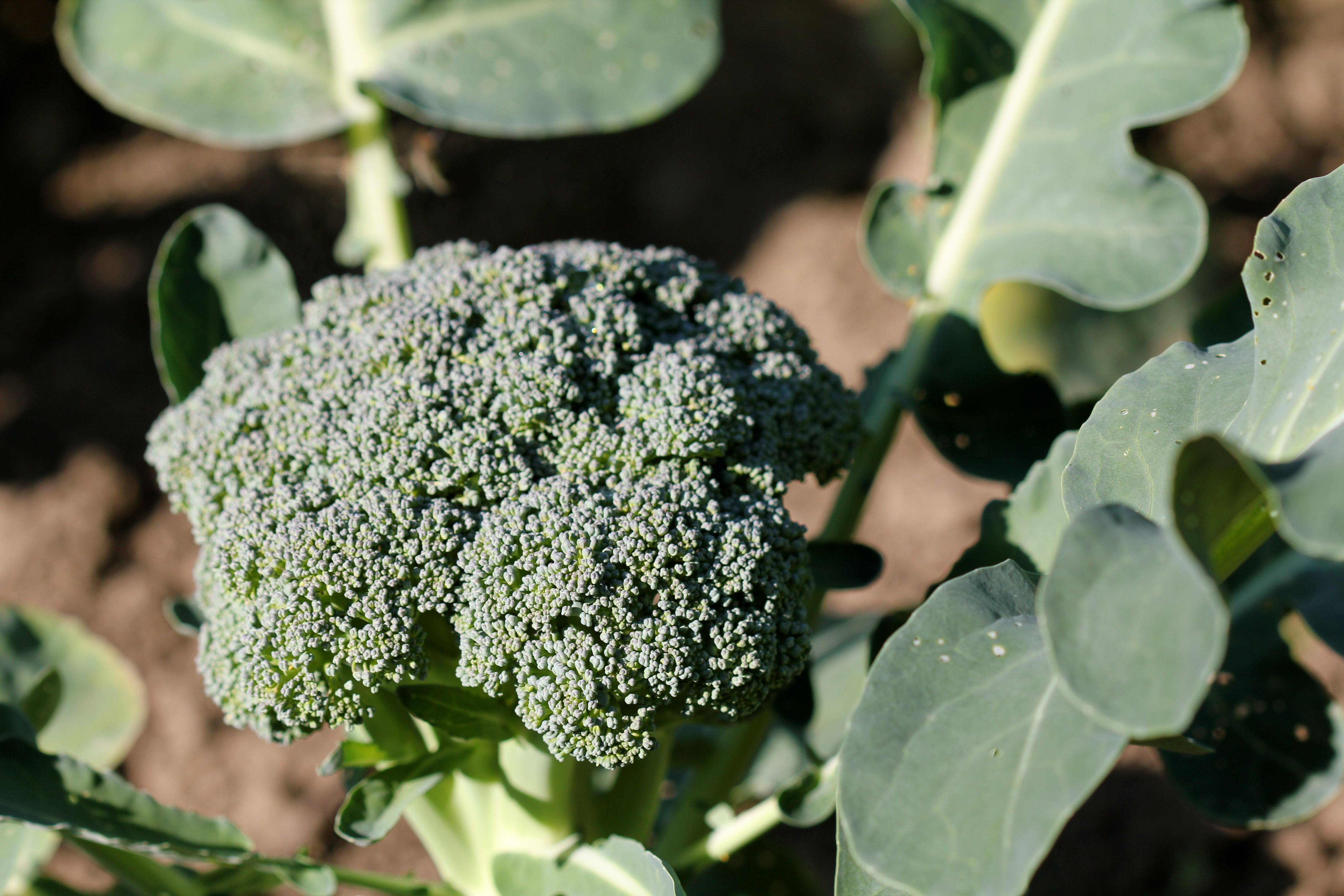
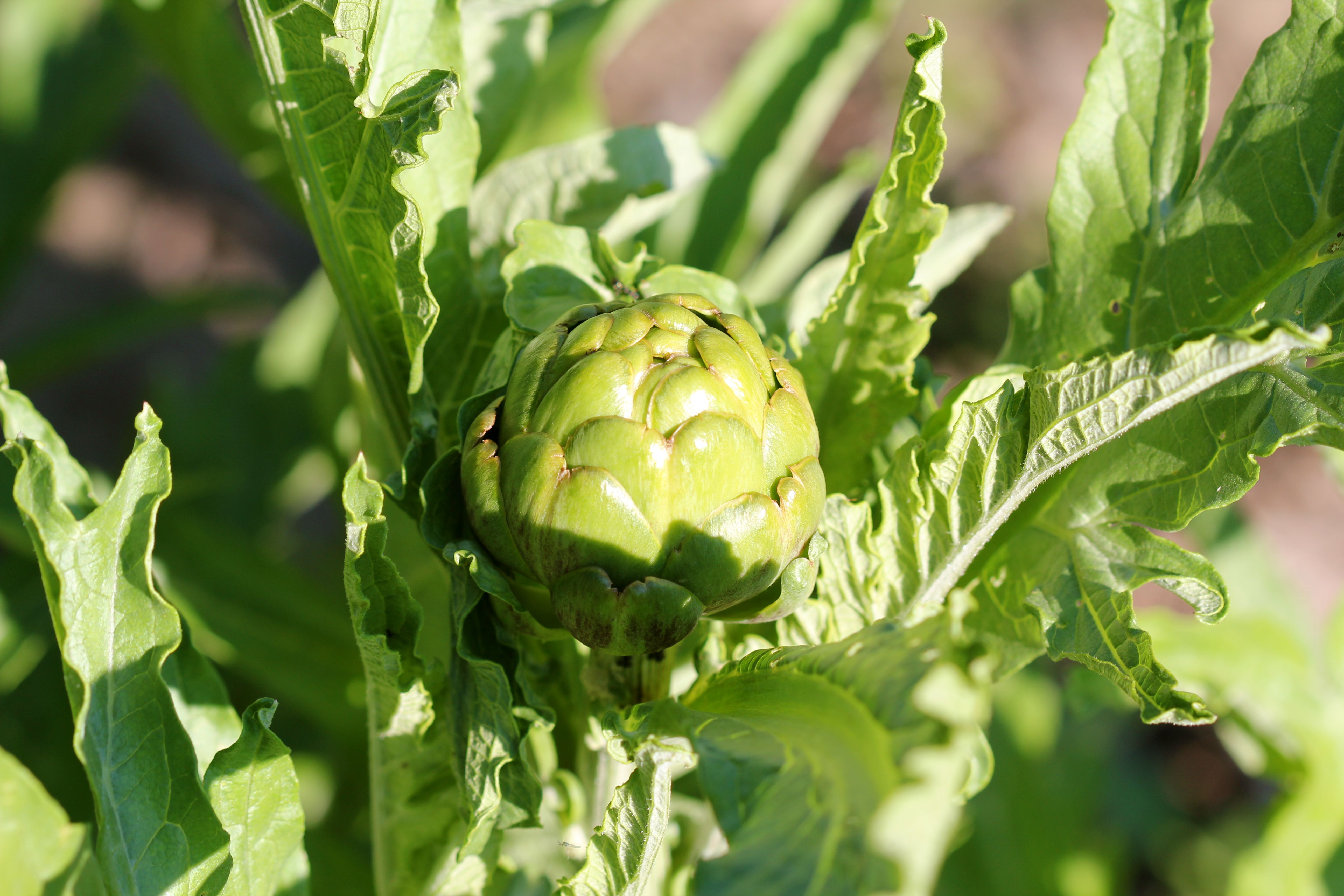
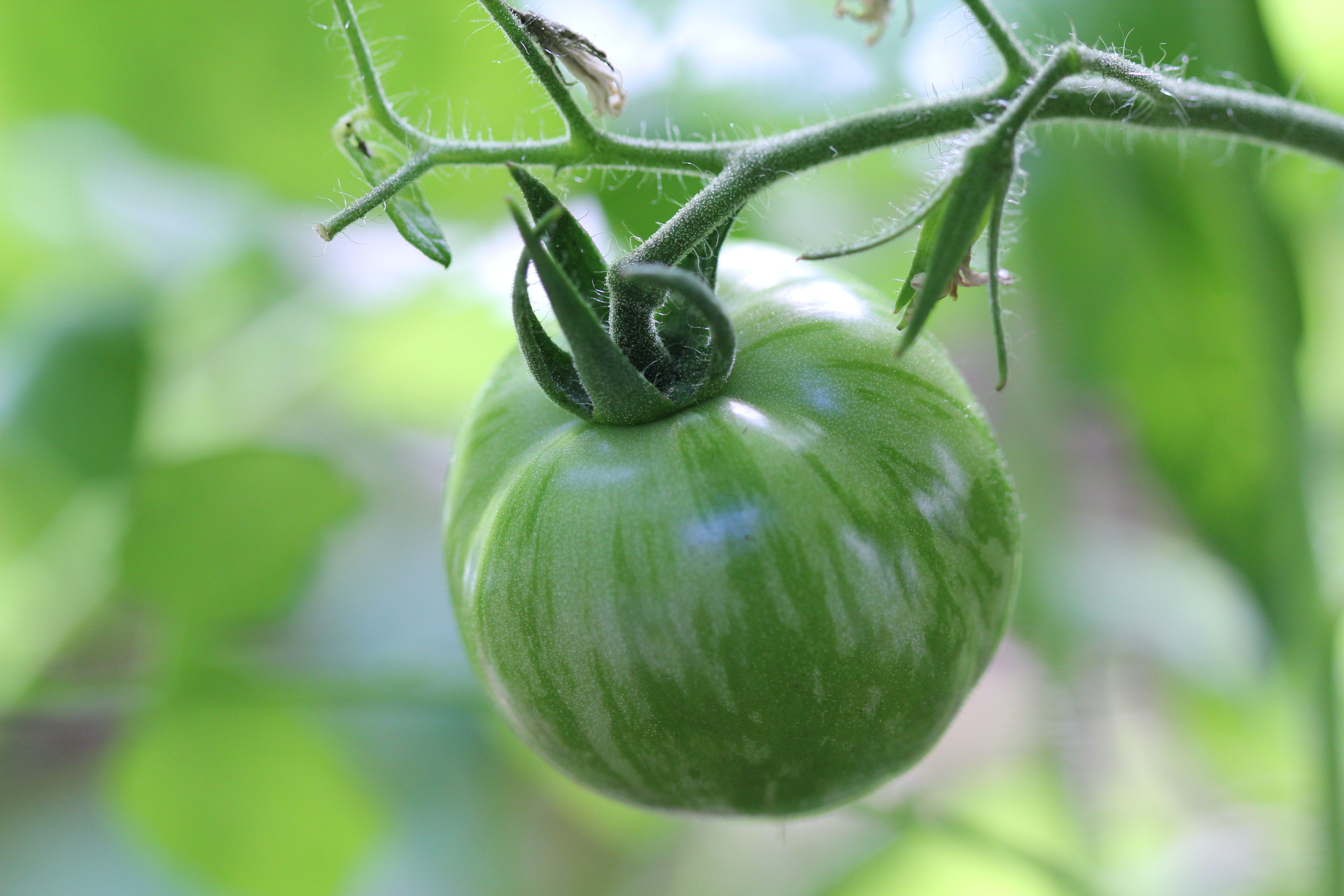
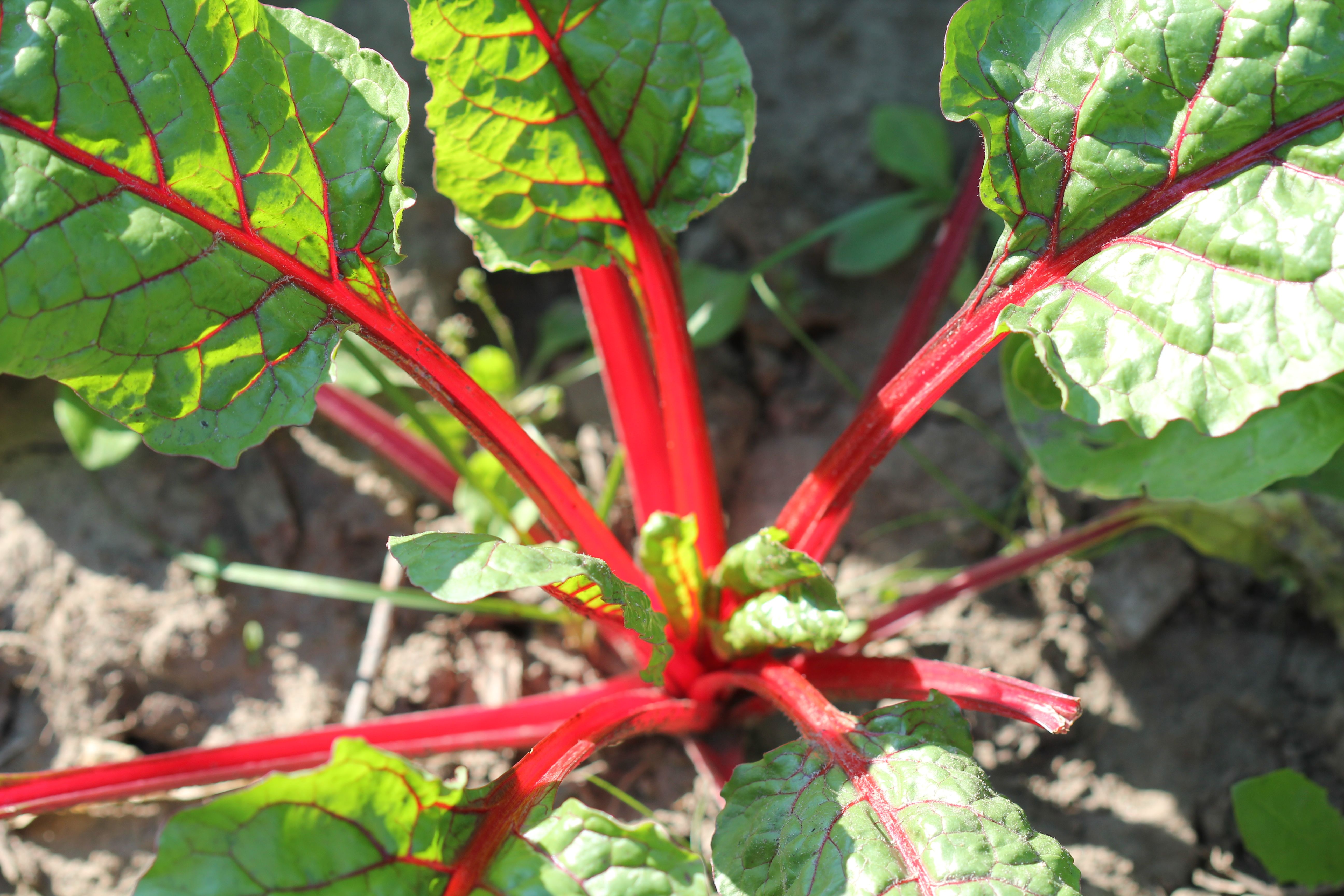
The above shot was just taken today. I love spending time in the garden and taking care of it never feels like a chore. I feel the earth supporting my body as I kneel to work, I listen to the wind and the birds, I feel the sun and sometimes rain on my skin and all of this brings me deep contentment. Today, it was a very hot and sunny day. Here are a few more shots of things growing in the garden…

I am noticing lots of green and yellow in the pictures but very little red. I do have red beets and radishes and red lettuce and potatoes; and soon will also have red peppers, chili peppers and loads of tomatoes, if only we would get more warmer weather. In fact, everything is behind this year due to the cool, wet summer. Perhaps we will have a hot late summer/autumn in time for harvest?

This season marks phase one in the Medicine Wheel garden design. Next year, I will add raised beds and incorporate the four elements into each quadrant (a bowl of stones for earth, prayer flags and wind chimes for air, a small fire bowl for fire, and a bird bath for water). In the meantime, we have a few months of harvest ahead of us. I will show you more pictures of the garden as the summer progresses.

Lucy’s harvest

Tags

, , , , , , ,

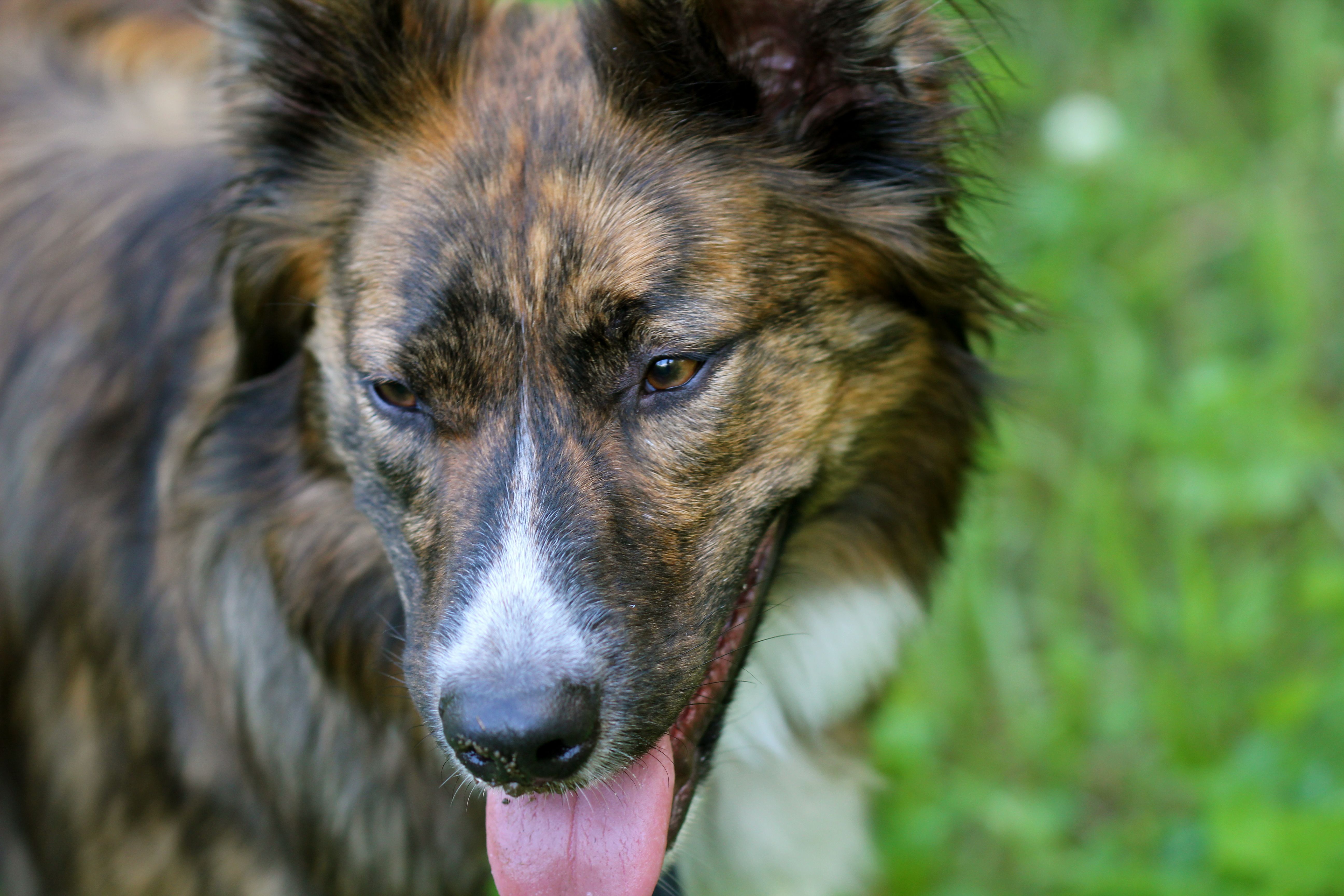
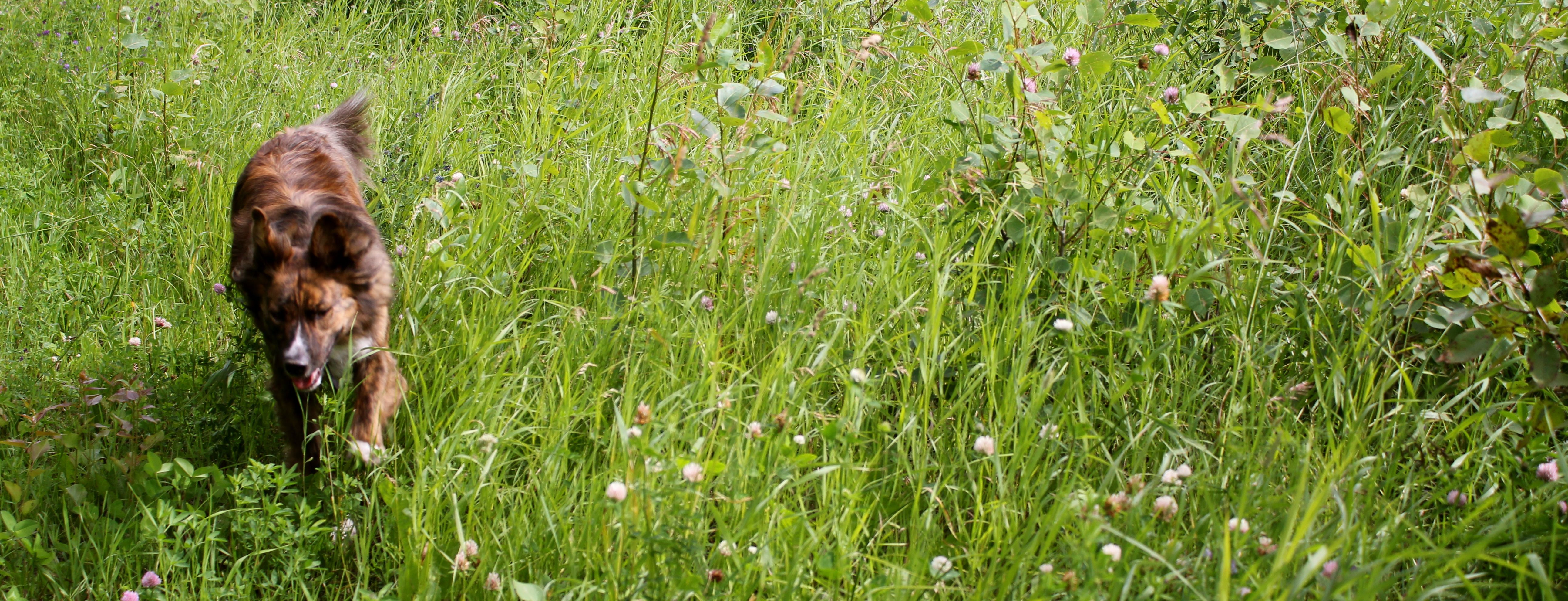
Lucy and I spent most of the day in the garden. Not too long ago, whenever Lucy was outside of the cabin, I would have to keep her on a long rope (attached to a dog run) as she had a tendency to run down the road without looking back. Every time she did this, the theme song from that 1980’s television program, The Littlest Hobo would play through my mind: “There’s a voice that keeps on calling me…. Down the road that’s where I want to be…!!!” Of course, I would then have to spend precious time chasing after her and bringing her back to the cabin. It seems, however, that Lucy finally understands the boundaries of home and as of three weeks ago, I have had her ‘off the rope’ (unless she’s outside by herself). On our hikes, she was always off-leash from the beginning and she stayed close to me, it was just at home that she would wander.

Lucy has become a different dog with her new freedom. She is more relaxed and happier, which makes me more relaxed and happier. She isn’t quite perfect yet, as she did start running down the road the other day, chasing after a black lab who was chasing a jogger. But she came right back as soon as I called her. And just last week some hikers followed the trail to our private residence and Lucy ran just to our property line and barked at them as they headed back to the main trail.

With Lucy off the rope, gardening is even more of a pleasure. Before, I would tie her to a tree near where I was working and she would be confined to a small area. Now she simply follows me freely out back to the large vegetable garden and spends time exploring the woods but staying so close by that I can hear her dog tags jingling. Then she joins me in the garden, lying as close as she can get to me. Today, she napped in the parsley. After her snooze, she will wander around, eating blades of grass, drinking water from the birdbath and sniffing around in the potatoes and the herbs. Because I am often on my hands and knees as I weed the garden, I am fair game for kisses and she gave me lots of sugar today. I love when she kisses me because the first four months that she came to stay, she was very serious and somber, never played and rarely gave kisses. She is still very choosy about who she kisses (and how often) so when she gives me a kiss I know that I am truly loved and that she is deeply happy. It is even better when she kisses me in the garden as the fur on her face is often scented with dill or fennel or cilantro.

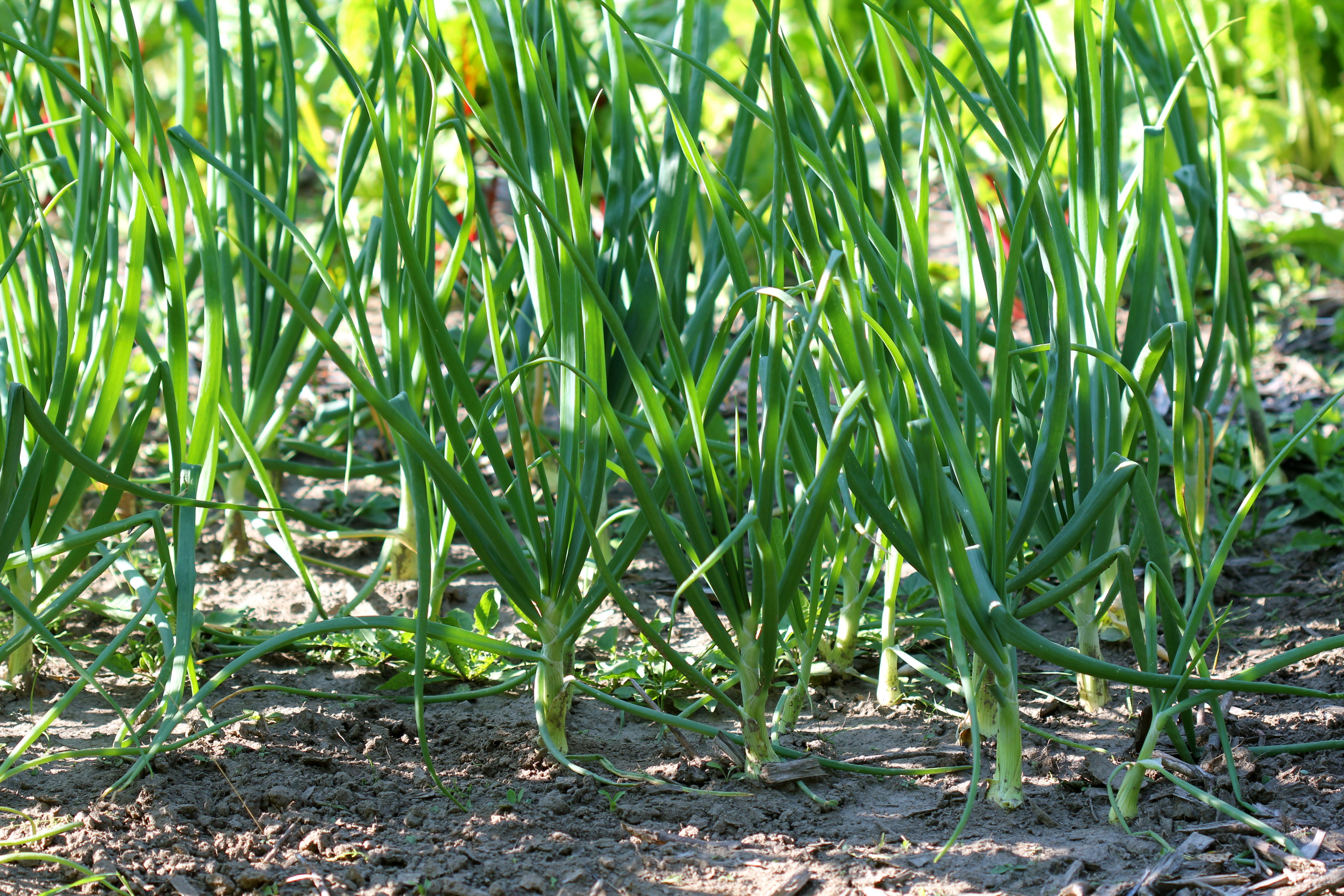
After a few hours of quiet gardening, Lucy will often have a sudden burst of energy. She will get up and start acting crazy, running wildly in circles. Today, she attacked an onion, growling and pulling it out of the ground. Then she pulled out another one so I decided I had better give her a play break before she harvested my whole onion crop! As I got up, she came to me smiling (she had lovely onion breath) and we left the fenced in garden to the lawn area where I joined her, running around wildly with one of my gardening gloves. Then I threw it as hard as I could and Lucy went after it, seizing it and shaking it roughly. Then she ran in circles, around and around the lawn, throwing the glove up in the air and catching it, taunting me and daring me to come get it, then growling fiercely whenever I tried. We wrestled over that glove for about 20 minutes until my stomach hurt from laughing. Then we settled down, both of us panting, and I pet her for a few minutes before heading back to work.

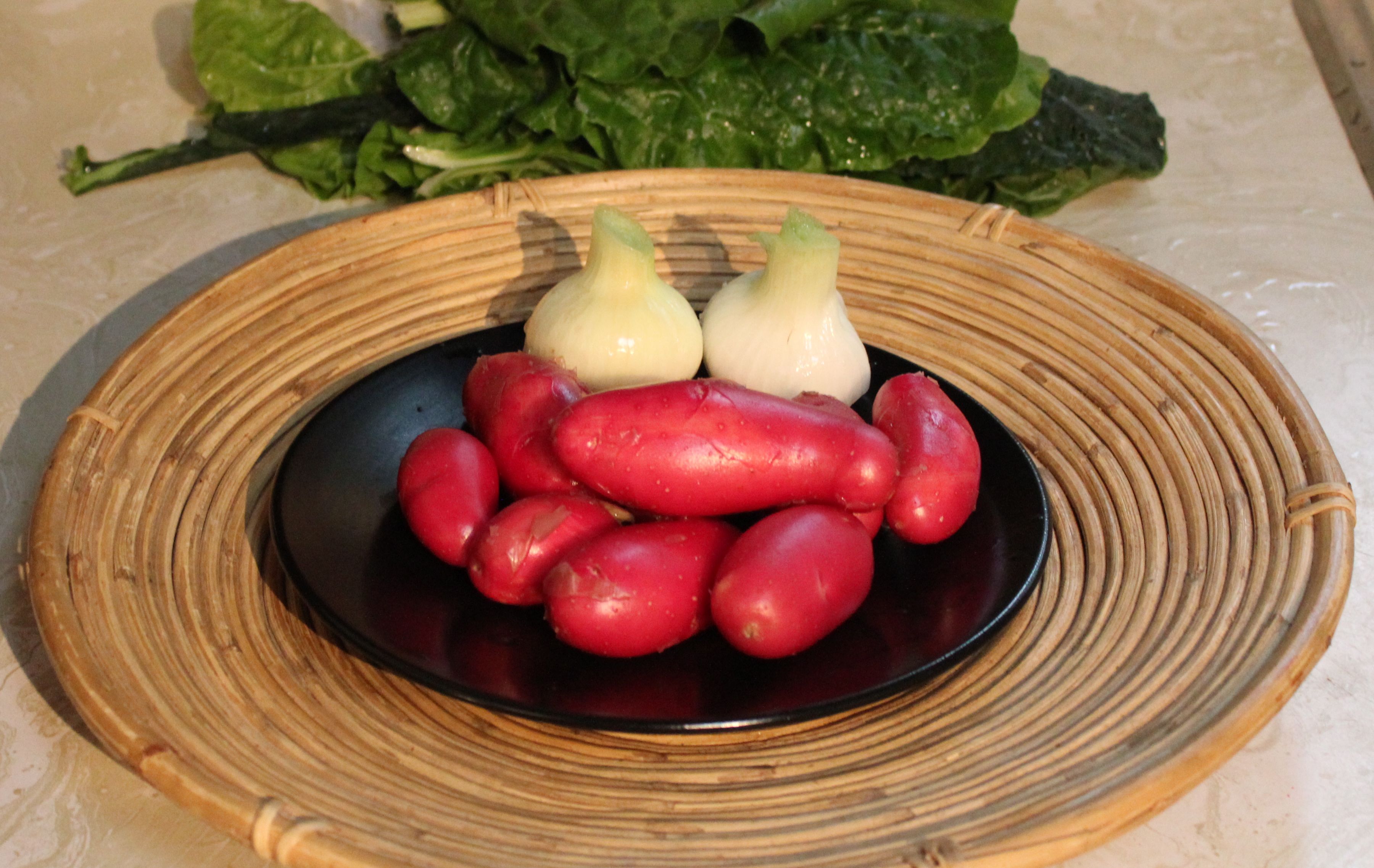
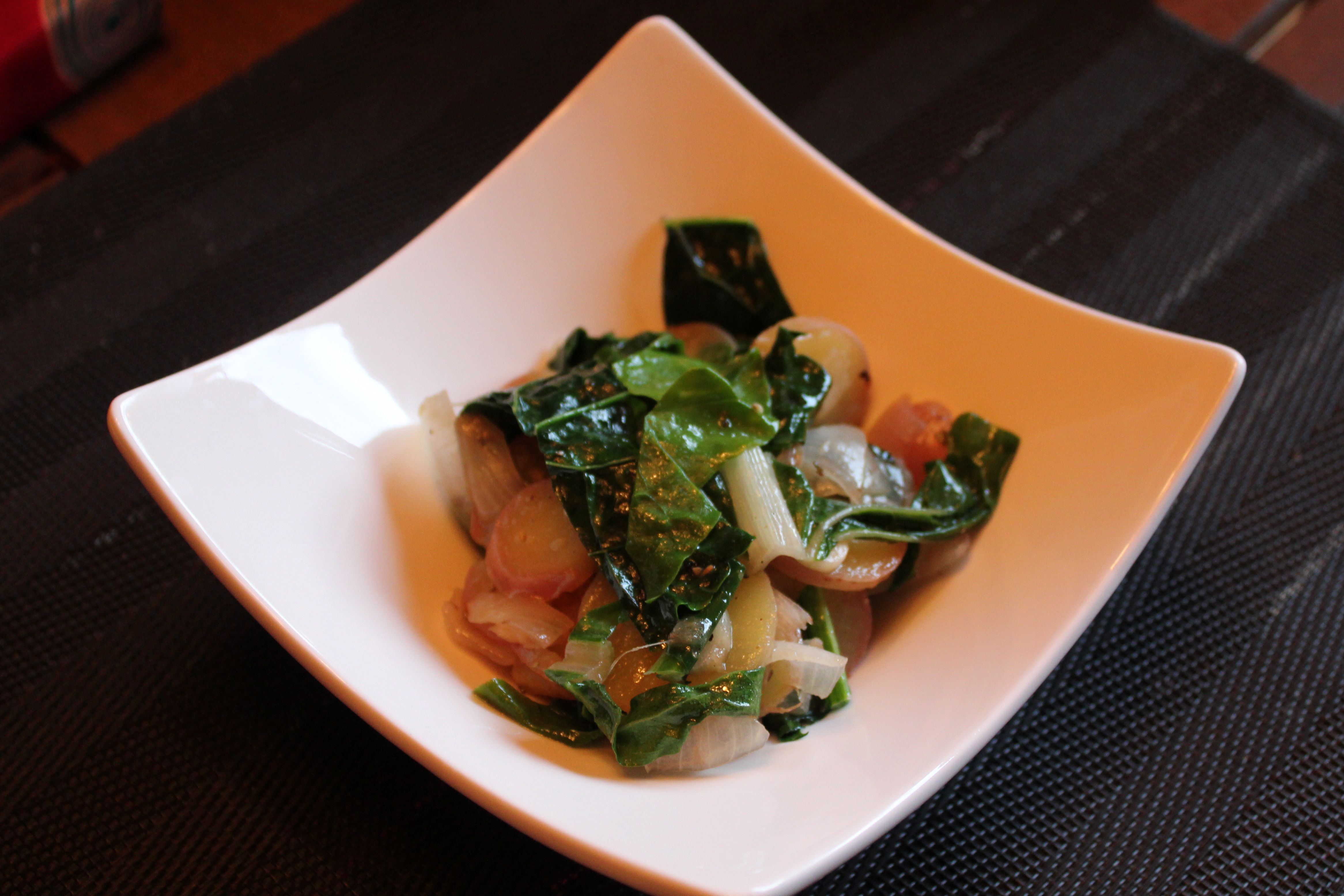
After that break, I happily got in another hour of weeding when I suddenly realized that Lucy had been very quiet. I wondered what she was up to. I knew that she was in the potato patch, but doing what? I went over to her and found a large hole right in the middle of the red potato patch with about eight beautiful little potatoes dug up from the soil. I had to laugh because that is exactly what I wanted for supper. She even got the type of potato I wanted. I picked up the little potatoes, the two onions that she previously harvested, and grabbed myself some Swiss chard to go along with it. Once inside, I washed the vegetables and simply cooked everything in one pan, adding olive oil, garlic, salt and pepper and a few herbs. It was delicious! “Lucy’s harvest”. That is what I had for dinner tonight.

Here is my little gardener, exhausted after a hard day’s work.

Have a wonderful week, everyone!

dandelion love

Tags

, , , , , , , , , ,

Rather than blurt out that there were weeds in my dinner, I silently ate my salad, nodding vigorously when asked if my silage was satisfying.

“Why yes, I like nothing better than a deep bowl of lawn clippings at the end of a long day!”

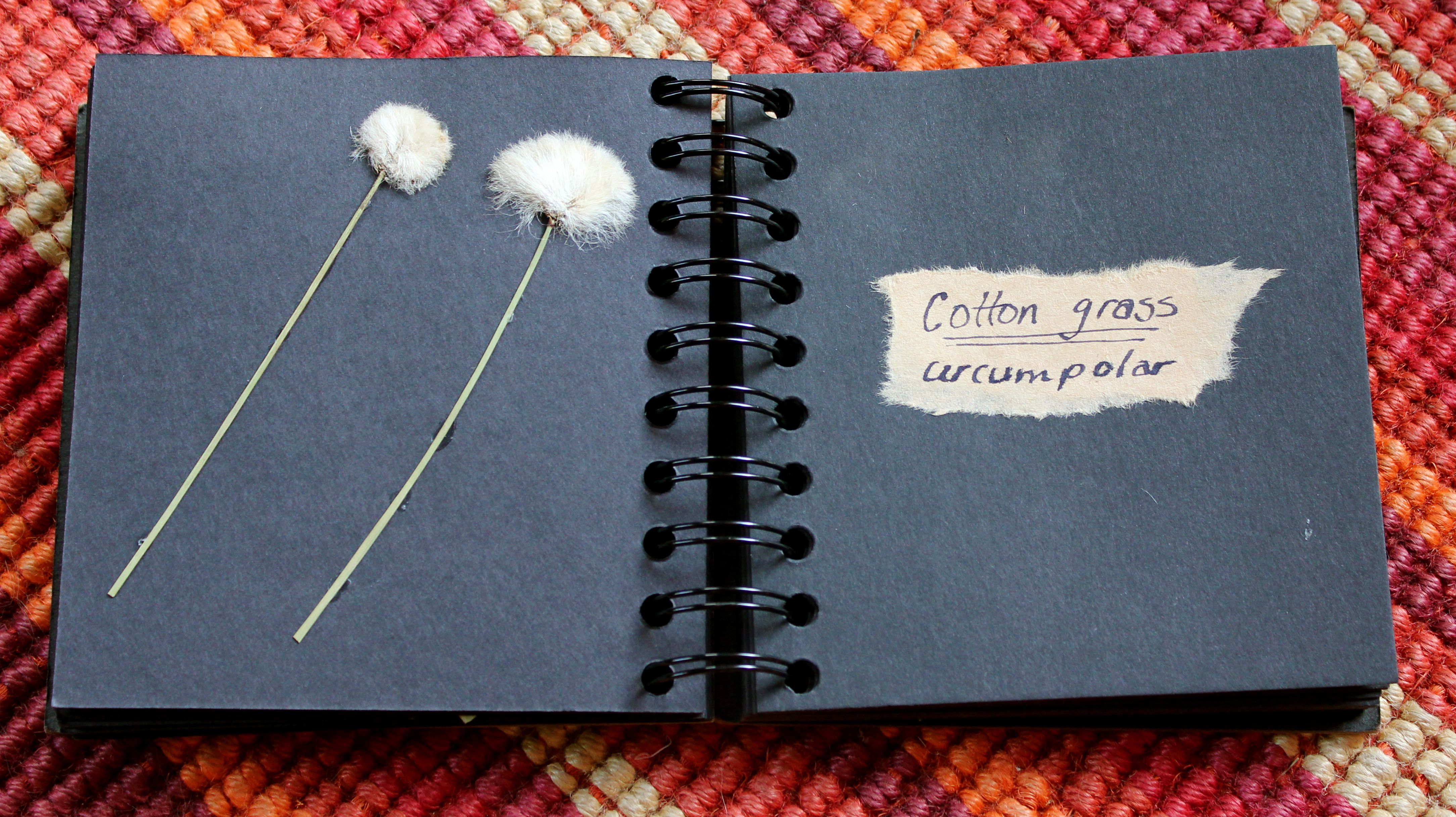
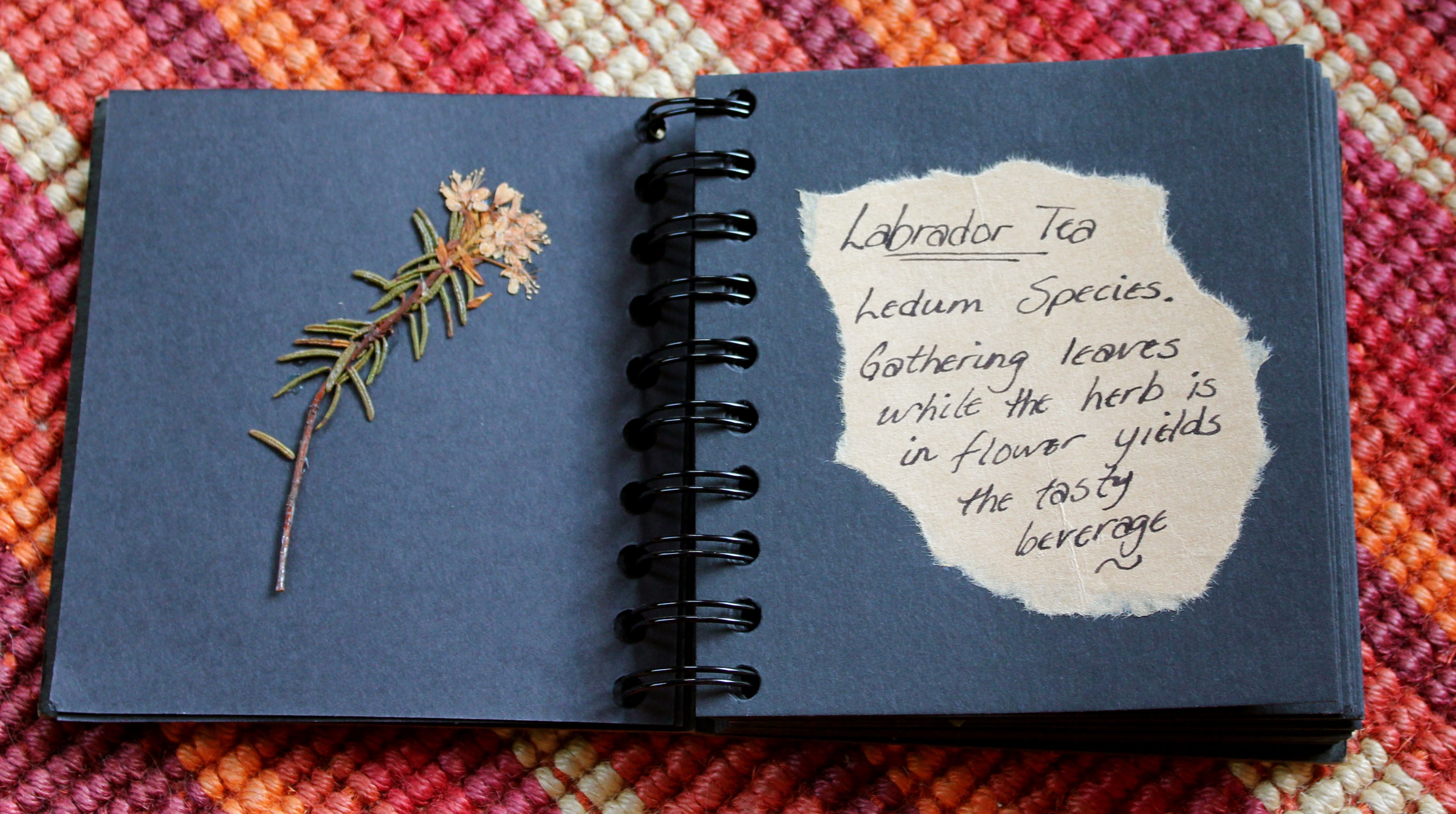
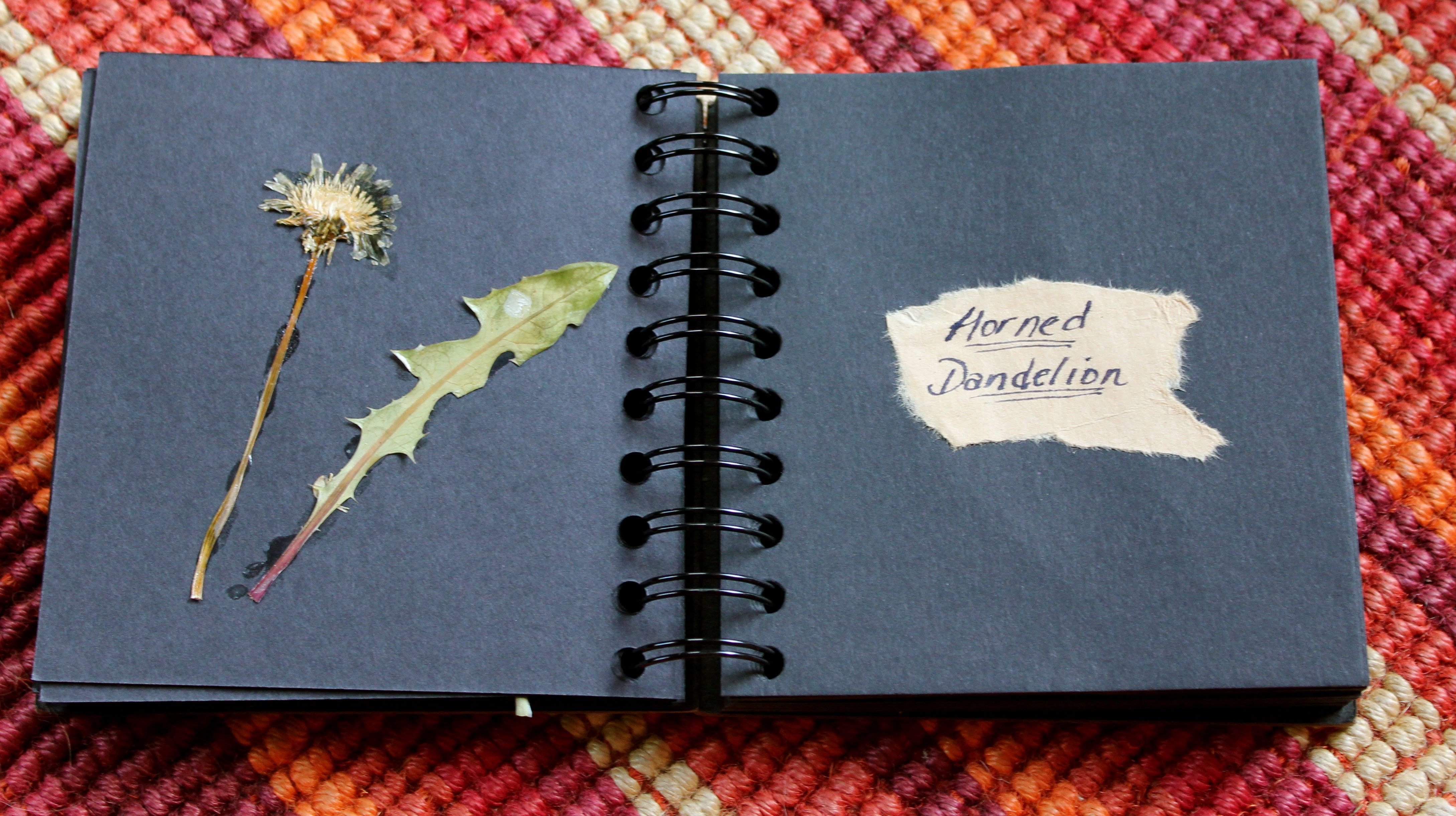
I have always been interested in wild plants. As a child, I would gather wild flowers and press them into a scrapbook (pictured below). In my later years, I would photograph wild flowers while on nature hikes with the intention of identifying them later and learning their names and uses. But once I returned home to the city, the pace of life was just too busy and as always, my study of wild plants fell to the wayside.

Moving out here to Pigeon Lake ten months ago, I knew that the time was ripe to begin my natural studies on wild plants. I just never thought it would be the common dandelion that I would fall in love with first.

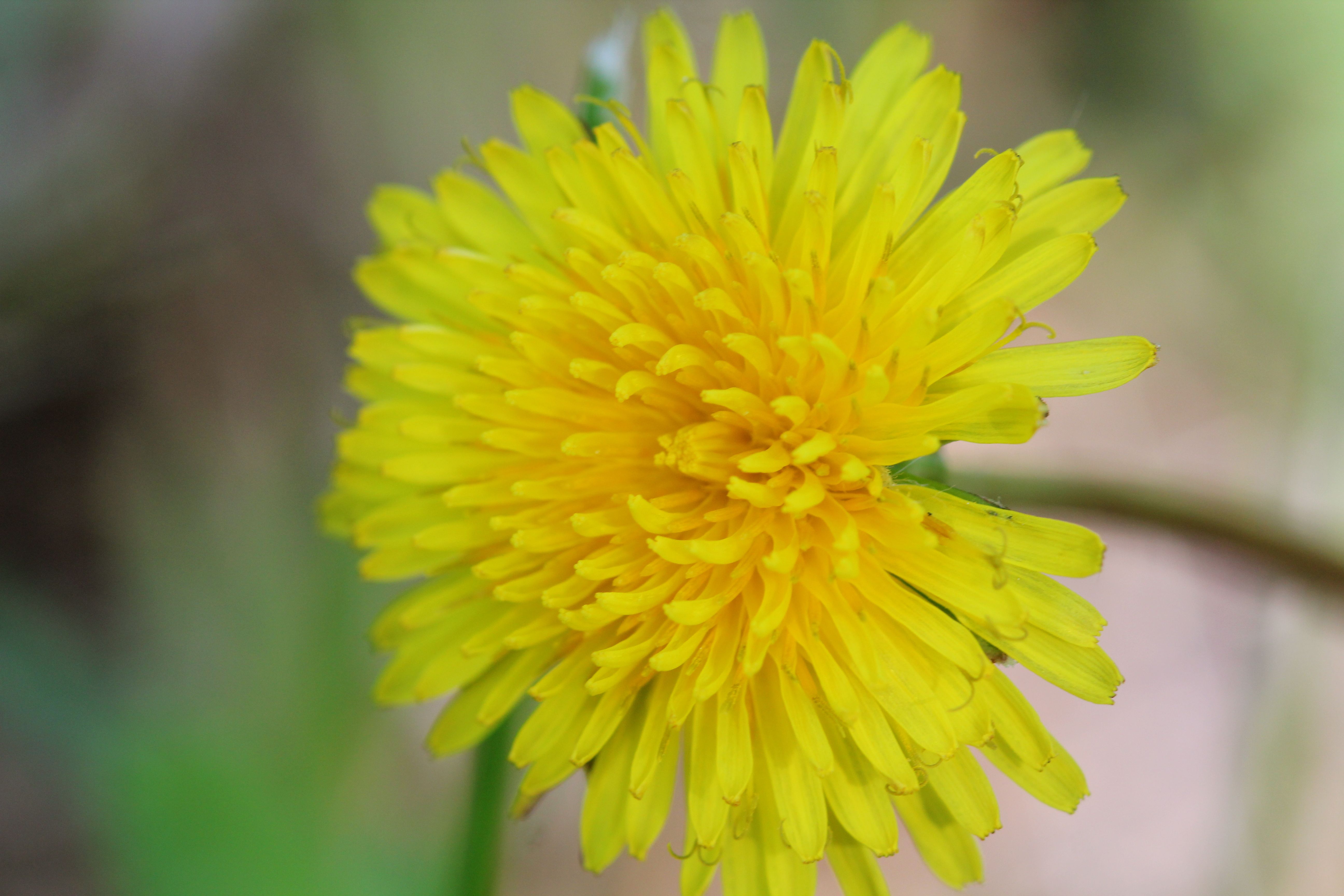
Yes, you heard me: the dandelion! We don’t even think of dandelions as wild plants as they are everywhere; in every corner of our concrete cities as well as all over the the countryside. In my mind, wild plants were respected, sacred and noble plants with ancient and esoteric medicinal properties. To my uneducated mind, the dandelion was just a common weed (we can’t even say the word ‘weed’ without sneering) that everyone hated and were at constant war with, using all manner of cruel chemicals and sharp objects to remove these persistent pests from their yards and gardens.

But I am finding out that the dandelion is noble. According to some herbalists, the dandelion is royalty in the herb world, earning its high respect from the fact that every part of this plant is not only edible and yummy, but is in fact very good for our health.

The yellow flower petals can be gently pulled off and steeped in boiling  water to make a nutritious dandelion tea or an intoxicatingly delicious dandelion wine. The flowers contain vitamins A and B12 (riboflavin) as well as a compound called helenin, which helps those with night blindness.

The leaves can be eaten fresh in salads (it tastes bitter, like arugula; balance this with a sweet dressing if you do not like bitter) or cooked and added to stir fries, soups and casseroles. You can juice the leaves, freeze the juice in ice cube trays (storing the cubes in ziplock freezer bags) and add to green smoothies all year round. Or you can make large batches of dandelion tea with flowers and leaves, allowing the mixture to boil down and become very concentrated. Strain then freeze the tea in ice cubes. Later, thaw a cube and add to a mug of hot water for dandelion tea in winter. The leaves contain bitter glycosides, carotenoids, terpenoids, choline, potassium salts, iron and other minerals, vitamins A, B, C and D. The leaves act as a detoxifying agent and therefore often used during cleanses. It is also used as a diuretic or to treat high blood pressure. The leaves are very good for the liver and gallbladder, and stimulates the production of bile.

The mighty dandelion root can be dried or roasted. It also can be added to stir fries, soups and casseroles. Many people grind up roasted dandelion root, adding it to hot water, and drinking it instead of coffee.  It is supposed to be delicious and I am looking forward to harvesting some large dandelion roots soon and making my own. Dandelion root contains bitter glycosides, tannins, triterpenes, sterols, volatile oil, choline, asparagin and inulin. The root is used to treat infections, constipation, arthritis, gout, and skin problems, such as acne, eczema and psoriasis.

Did you know that here in Canada, there are annual dandelion festivals? So far I have found Dandelion Festivals in Halifax (NS), Kemptville (ON) and Ottawa (ON). People come from far and wide to celebrate the dandelion and bring their recipes and sample each others’ dandelion culinary creations. For example, you might sample some dandelion sausages, dandelion wines, different blends of dandelion teas, dandelion cakes, breads and pastries… Well, you get the idea.

There is so much more that I am learning about the medicinal properties of dandelions (including in the prevention and fighting of cancer). I will write an in depth article very soon once I complete my research and post it here along with my resources for those of you that are interested.  I am also putting together a little dandelion cookbook complete with nutritional information, medicinal properties, recipes and lots of beautiful photographs celebrating the beauty of the dandelion. I think I may also try to attend one of the dandelion festivals, perhaps next year. In the meantime, I simply wanted to try to win you over to the wild side and invite you to change your perspective on this lovely and noble little plant growing in your backyard.

Public opinion on dandelions have been slowly changing.  CBC did a piece on dandelions, and there is a hilarious and highly informative article in the National Post (quoted above).

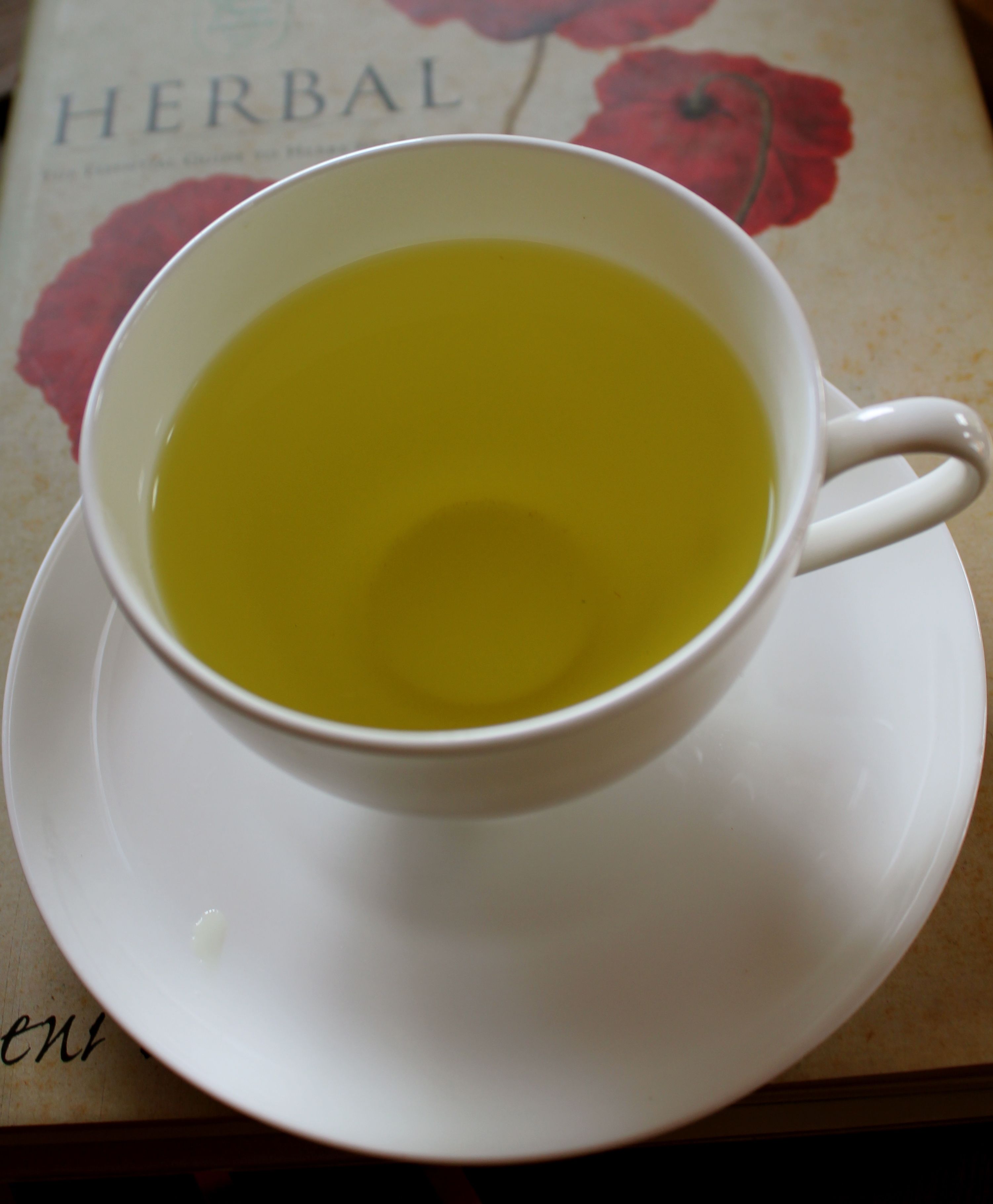
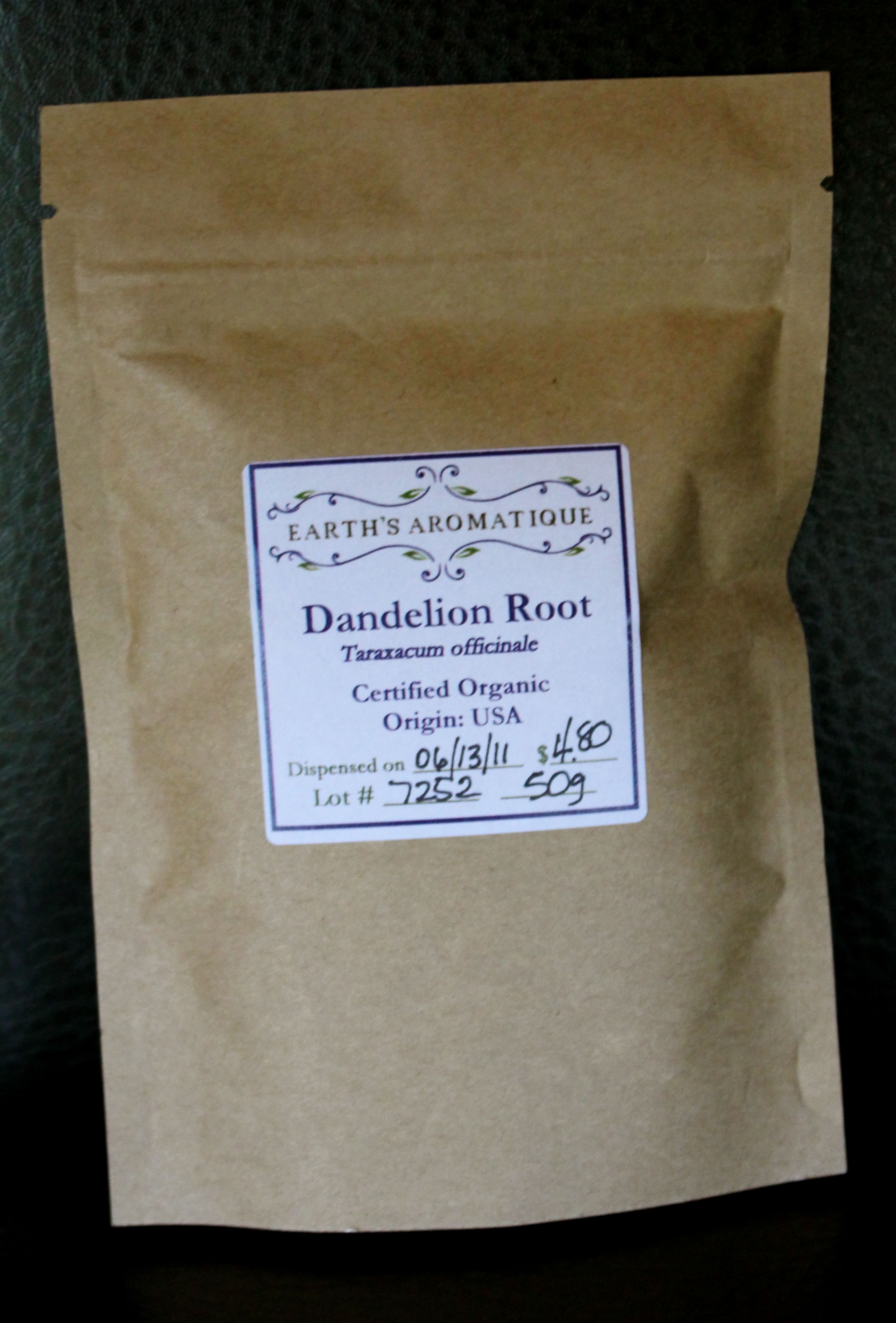
Not convinced? Why not try using some dandelion in a few of your own recipes? Remember to harvest the plants where there has not been any harmful chemical spraying (difficult in the city, I know!). You can also go to your local health food store and buy dried leaves or root. I recently bought this package of dandelion root from Earth’s Aromatique (located in Edmonton, AB) to experiment with while I prepared and dried my own.


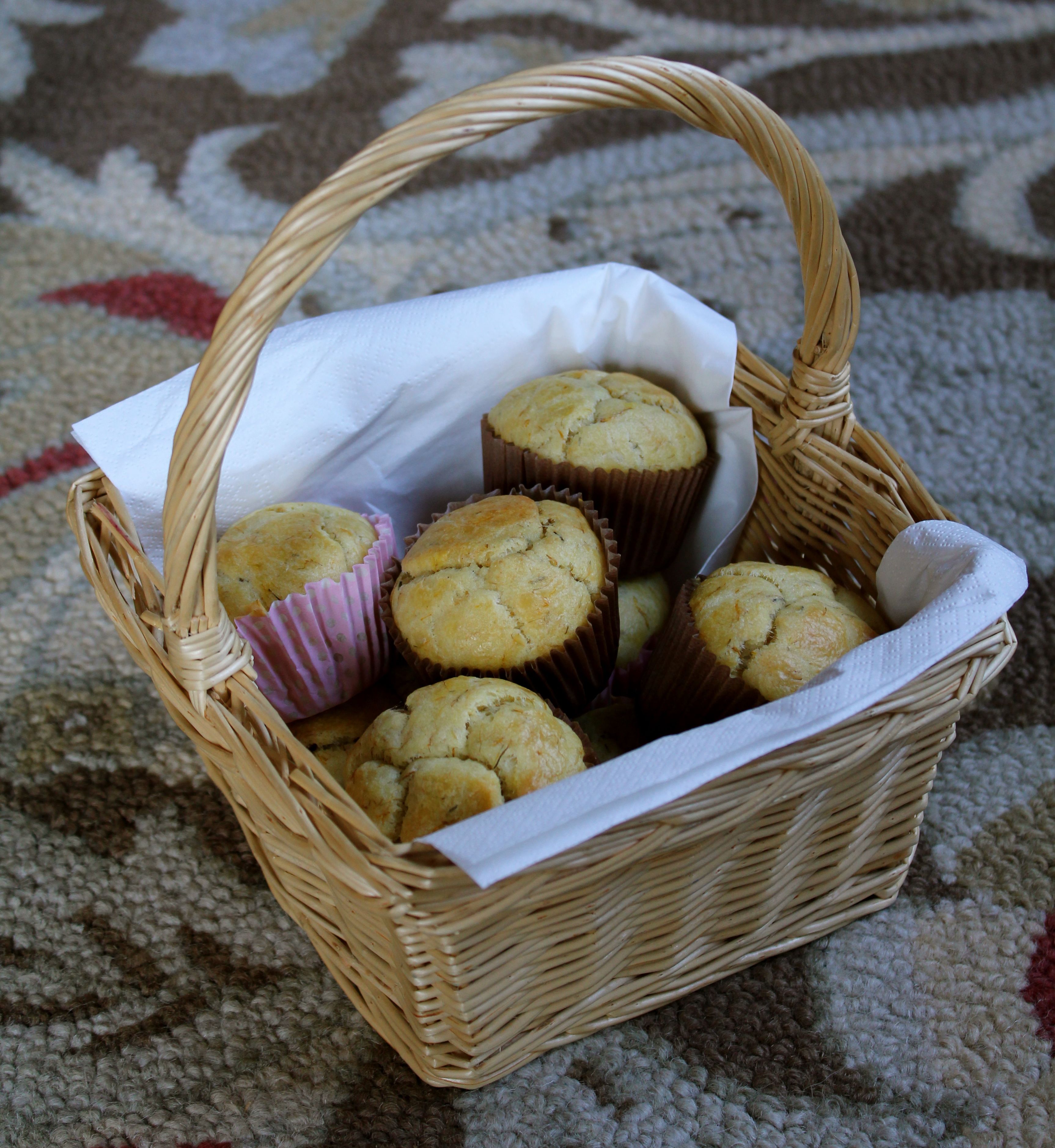
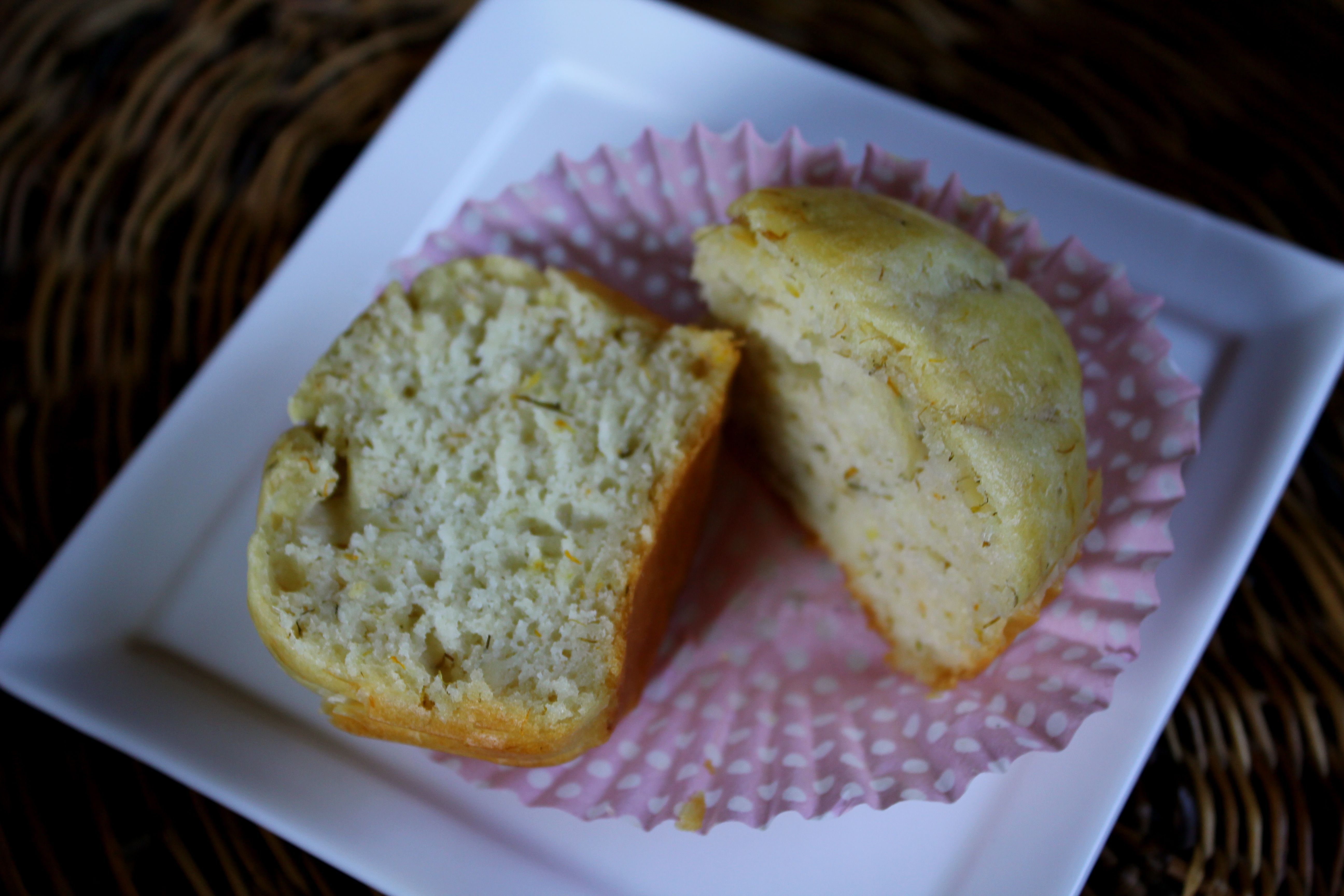
Last week, I made a batch of dandelion pancakes that were a hit with H. With the flower heads that I harvested this morning, I made Dandelion cupcakes. This was originally a recipe for white cupcakes that I adapted. Not too healthy, I admit, but a treat! By the way, this cake would be perfect at a child’s birthday party with a garden theme. You know the one I am talking about. The ‘dirt’ birthday cake topped with oreo cookie crumbs, cookie fence, marzipan vegetables and gummy worms hidden inside the cake layers.

Dandelion Cupcakes

2-1/4 cups unbleached white flour

1-2/3 cups sugar (or natural sweetener of your choice)

1 cup dandelion flowers (just the yellow part)

3-1/2 teaspoons baking power

1 teaspoon salt

1/1/4 cup buttermilk

2/3 cup shortening

1 teaspoon vanilla

5 egg whites

Heat oven to 350 degrees (F). Grease and flour a rectangular pan, 2 round pans or line a cupcake tin with paper baking cups. Beat all of the ingredients, except the egg whites in a large mixing bowl on low speed for about a minute. Scrape the sides and bottom of the bowl with spatula to make sure that all of the ingredients get incorporated. Add the egg whites one at a time, beating on high speed, again scraping the bowl. Pour mixture into pan.

Bake rectangular pan for 4—45 minutes (9-inch rounds or cupcakes for 30-35 minutes) or until a toothpick inserted into the center comes out clean. Remove from oven and cool on a wire rack for 10 minutes before removing from pan to cool completely. Frost the cake with a creamy butter icing if desired. Garnish with a single dandelion flower or frosting and yellow sprinkles.

raspberry jam, gooseberry jam & apricot butter

Tags

, , , , , , , , , ,

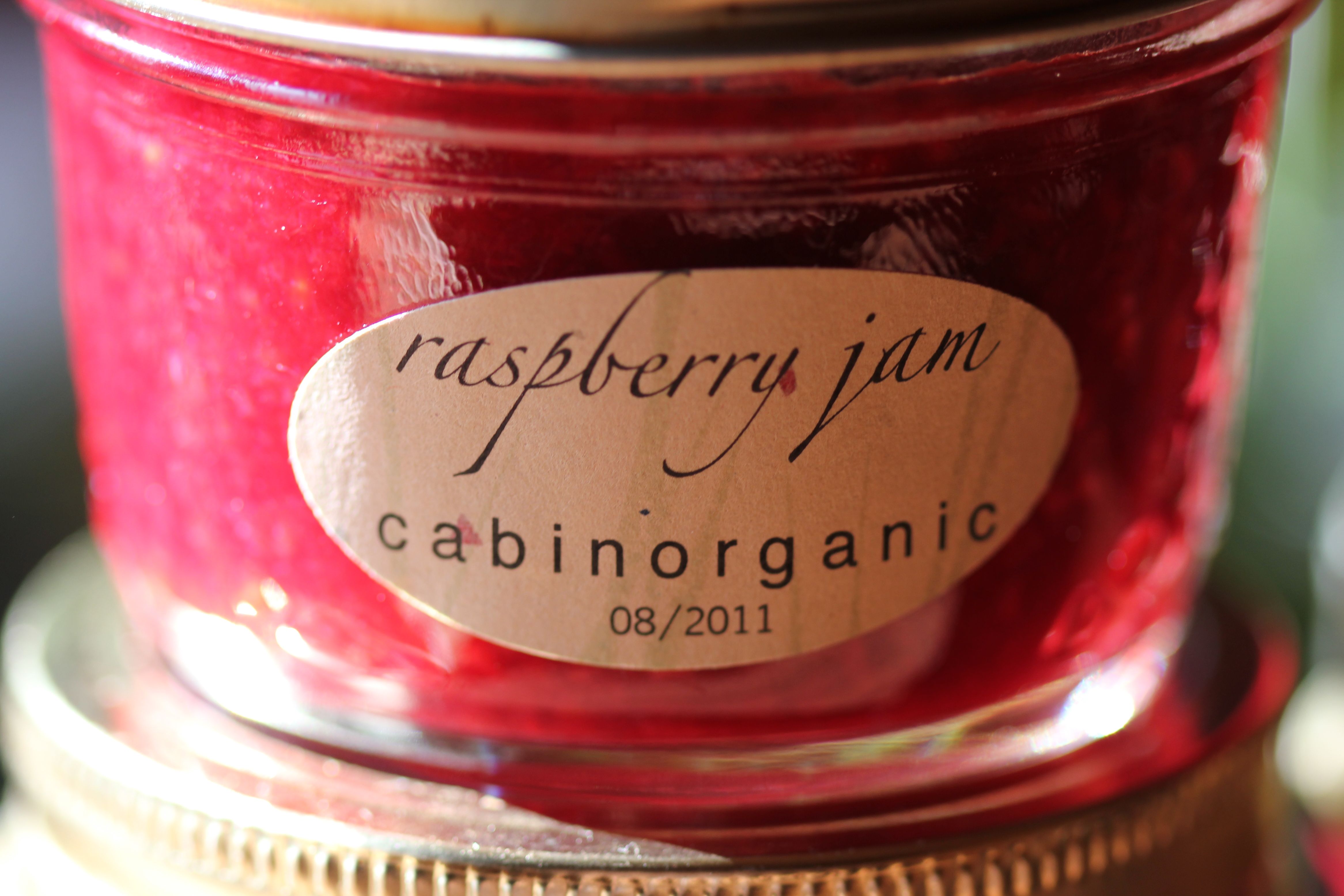
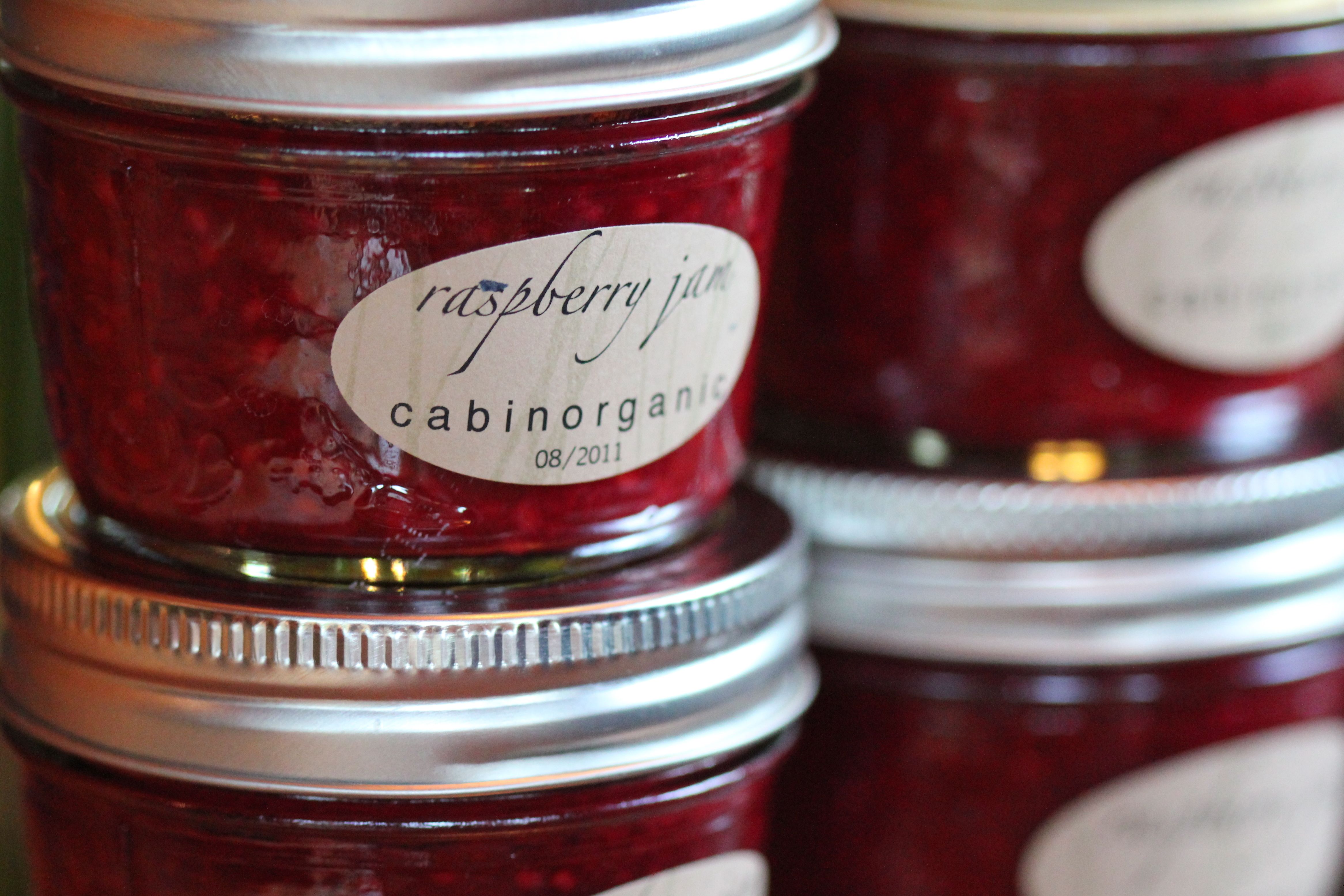
I spent another two hours picking wild berries this morning and I also had two large bowls of raspberries picked from a friend’s yard the evening before. I decided to spend the day preserving the harvest.

First, I froze some of the raspberries, laying them out on a cookie sheet and putting them in the freezer. Then, I bagged the hard frozen berries in a ziplock freezer bag. Freezing them this way makes for easier handling, keeping the berries from getting squished and freezing together in one large lump. Then, I repeated the process with saskatoon berries, black currants and red currants, placing them in separate freezer bags.

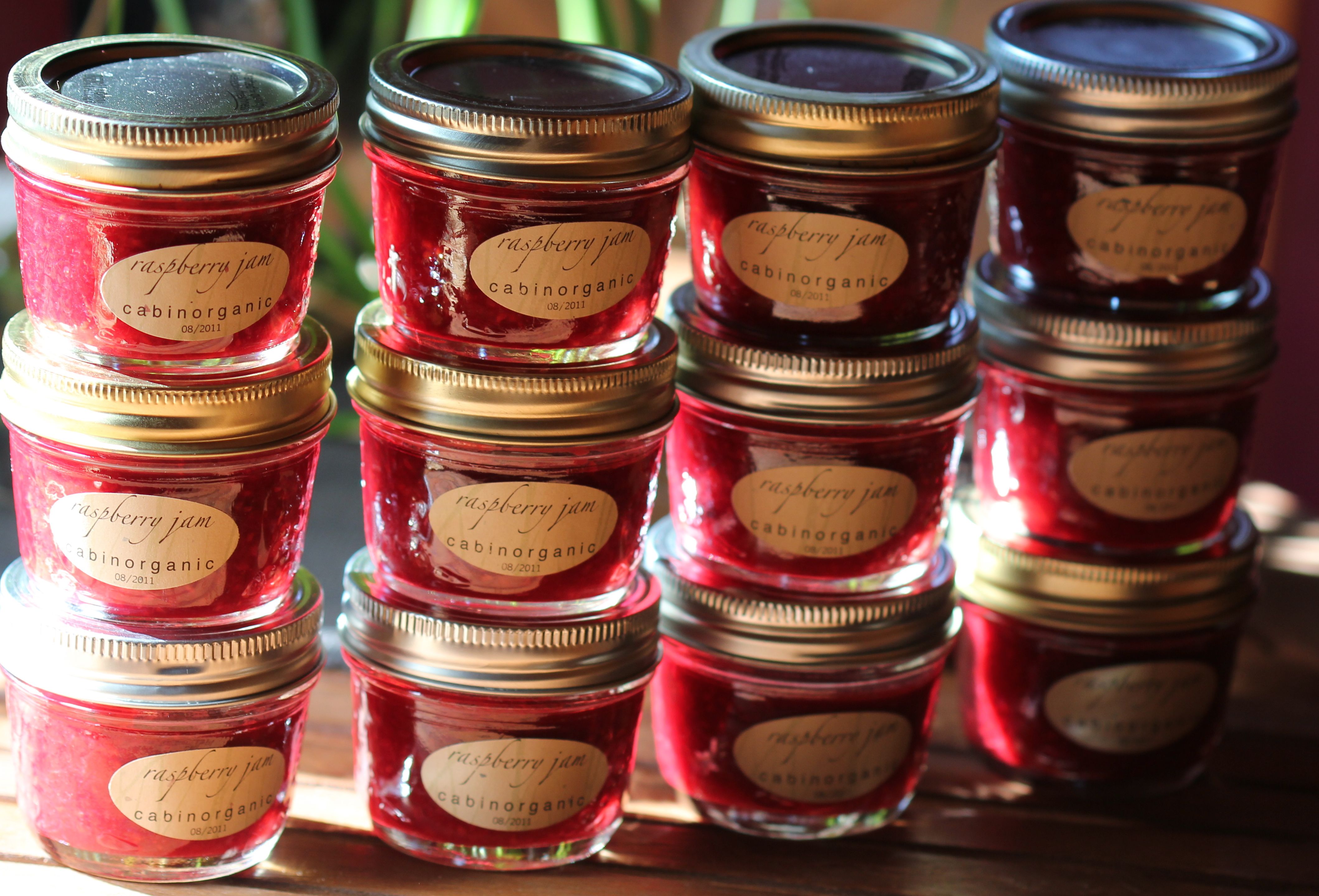
Next, I made a triple batch of raspberry jam, using Jean Pare’s recipe from her Company’s Coming ‘Preserves‘ cookbook. Here is the recipe I used:

Raspberry Jam

4 cups raspberries, packed

3 cups sugar (or your preferred natural sweetener)

1 tablespoon lemon juice, fresh or bottled

Place raspberries in a large pot. Cover with sugar and stir. Let stand on counter for about 1 to 2 hours until berries release their juice.

Add lemon juice. Heat on low, stirring occasionally, until the mixture begins to bubble. Simmer slowly, stirring until the sugar dissolves. Increase heat to high and bring to a rolling boil. Boil hard for about 20 minutes, stirring occasionally until it thickens. Test a little on a chilled saucer to see if it is the thickness of jam. Pour into hot sterilized jars with within 1/4 inch of the top. Seal. Make 2 half pints and 1 small jar.

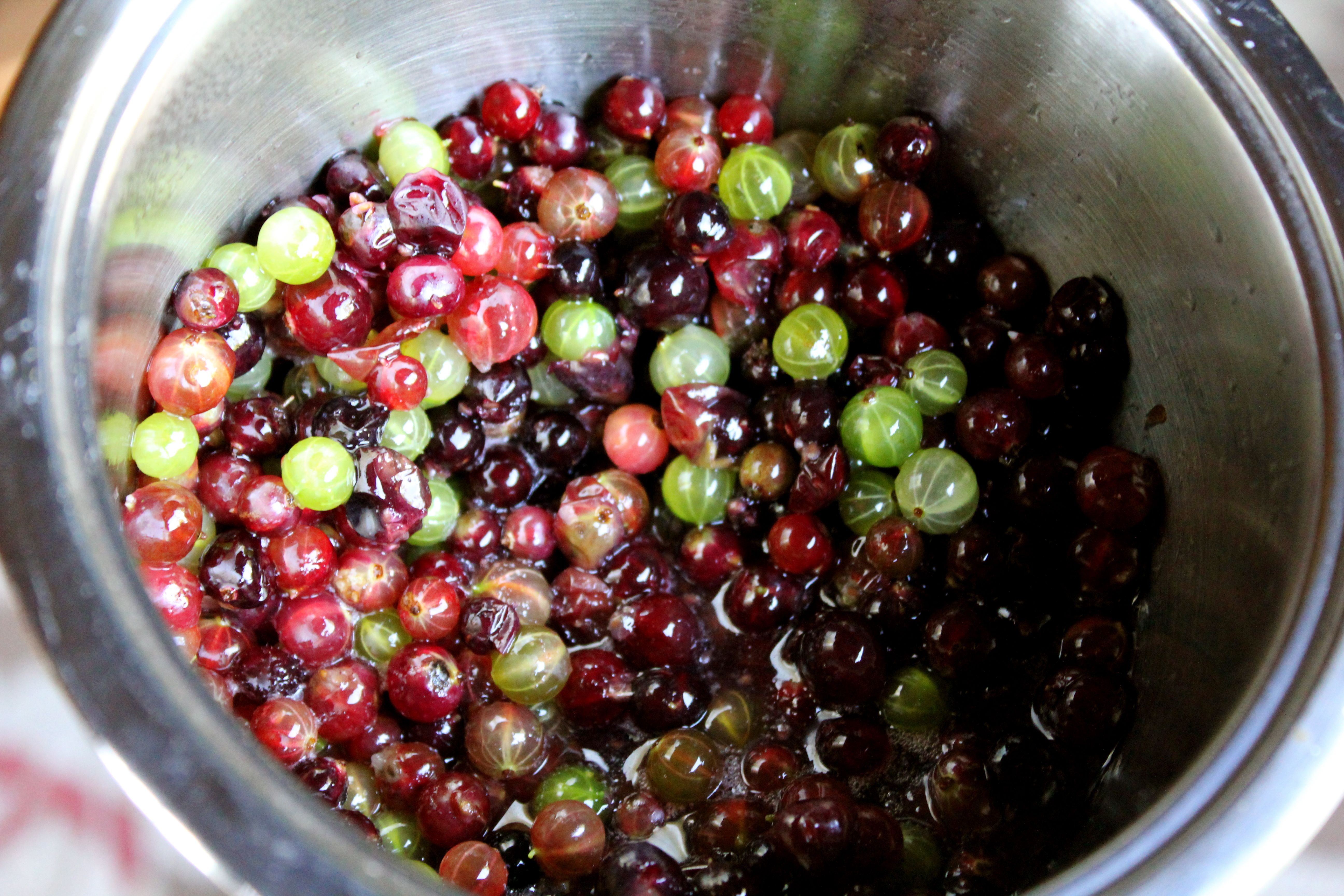
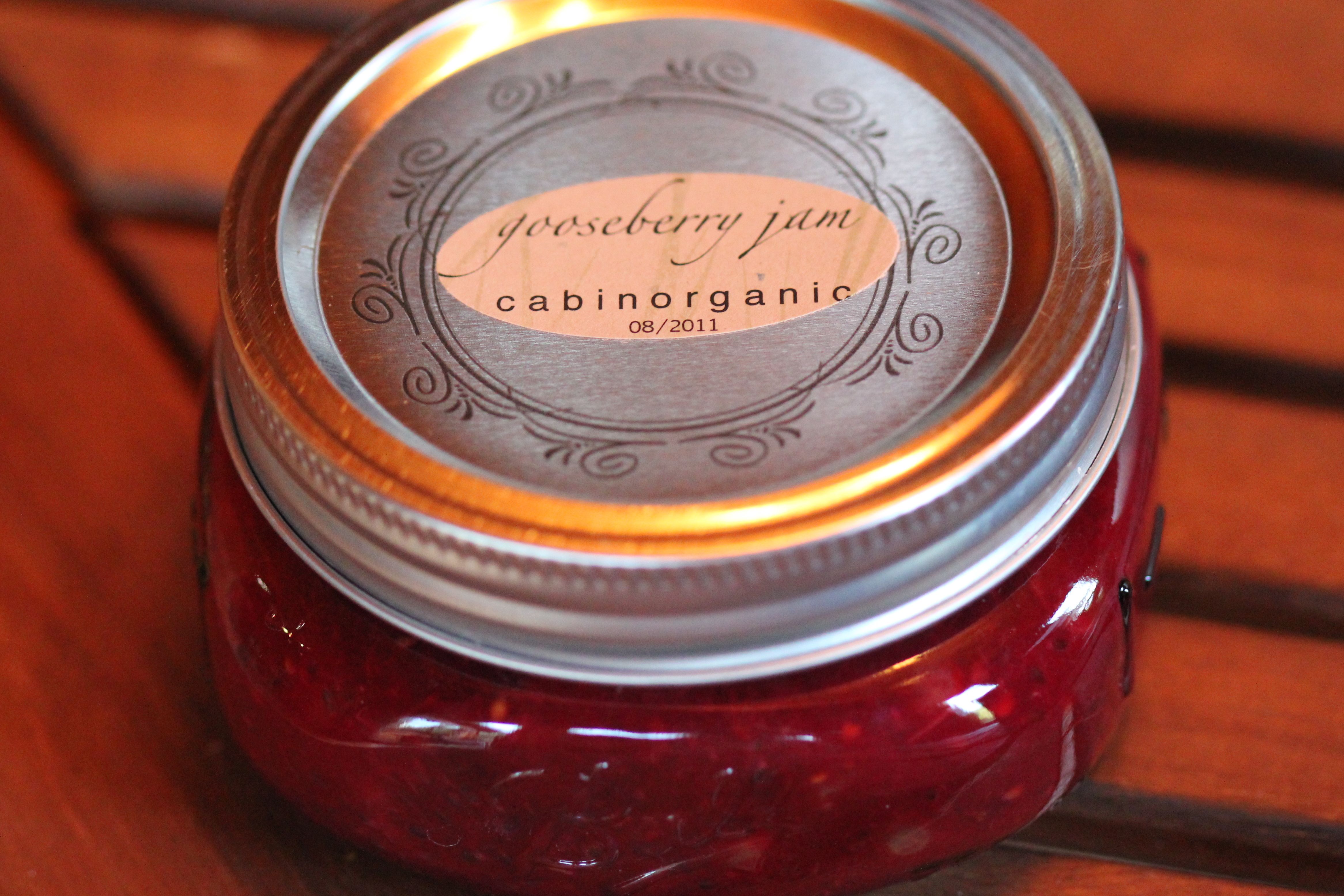
Then, I made a half batch of wild gooseberry jam. It took a little time prepping the berries as I first had to remove the stems and tails from each one. Here is Jean Pare’s recipe:

Gooseberry Jam

4 cups sugar (or natural sweetener of your choice)

1 cup water

2 lbs. (about 4 cups) gooseberries, tipped and stemmed

Combine sugar and water in a large pot. Heat and stir on medium-high heat until sugar dissolves. Bring to a boil.  Boil, uncovered, for 15 minutes, stirring occassionally.

Add gooseberries. Return to a boil. Boil for about 30 minutes until a small amount cools and sets on a chilled saucer. Skim off foam if needed. Pour into hot sterilized jars to within 1/4 inch of top. Seal. makes 4 half pints.

I had never tasted gooseberry jam before and was very pleased with the tart fruitiness of this jam. I only have 1 jar so this will sit on the pantry shelf like treasure until the darkest days of winter when we can taste some summer sunshine on our breakfast crepes.

While I am here and sharing preserving recipes, I will also share the recipe I use for apricot butter, also from Jean Pare’s cookbook. I just made this butter just a few weeks ago but will need to make more.

Apricot Butter

3 lbs. (5 cups)  pitted organic apricots

1-3/4 cup sugar (or natural sweetener of your choice)

1 tablespoon lemon juice, fresh or bottled

1/4 teaspoon almond flavoring (optional)

Remove pits from apricots. Grind or mash the ripe apricots. Combine the pulp with the sugar, lemon juice and flavoring in a large saucepan. Bring to a boil on medium heat, stirring often, for about 1 hour 15 minutes until thickened. A spoonful cooled on a chilled saucer should remain smooth with no watery sign. Fill hot sterilized jars to within 1/4 inch of the top. Seal. Makes 2 half pints and 1 small jar.

Happy canning everyone! Can you believe that it’s August already???

second-hand treasure: my gypsy purse

Tags

, , , , , , ,

Buying secondhand is exciting, fun an important part of an eco-conscious lifestyle.

For as long as I can remember, I have always enjoyed second-hand shopping. Since the days of my early childhood, it has always felt like an exciting treasure hunt. One never knows what will be found on each visit: a vintage beaded purse, an eclectic pair of chairs to go with that bistro table at home, a beautiful linen tablecloth that has never been used, a new fish tank for your child’s bedroom (which will cost less than the fish who will live in it), or that perfect pair of designer jeans that fit just right and only cost you five bucks (which you paid for with spare change).

Sometimes we have to no choice but to buy new, but keep in mind that there is a high cost involved. Every time we purchase a brand new item, materials have been mined and extracted from the earth in order to manufacture them. Water and energy have also most likely been used in the process, and toxins and pollutants have been released into the environment.  Please watch The Story of Stuff by Annie Leonard. It is a 20 minute animated video, which talks about the life cycle of ‘stuff’ and is very though-provoking!

Not too long ago, thrift stores had a reputation for being dingy, smelly places where only poor people shopped. The stores always seemed to be located in a rough part of town where ‘well-off’ people regularly donated their used goods but would never dream of buying anything second-hand. Even the word, ‘second-hand’ had a negative connotation and was equated with ‘used, hand-me-downs, shabby, worn out, broken, scrap, junk, garbage, trash, and charity’.  People who bought second-hand were thought of as poor, needy, inferior, low-income, low-class, unemployed, smelly, dirty and having no fashion sense.

Today, peoples’ attitudes have changed.  We no longer have the need to buy everything brand new. It is more socially acceptable, even ‘cool’, to shop second-hand. We now use words like ‘vintage, retro, eclectic, pre-loved, memorabilia and resplendent repurposing’. Second-hand shoppers now come from all income brackets and are simply people who enjoy hunting for bargains and bragging about their savings to their friends and family. Some people are fascinated with older things and love collecting items that already have a history and a story to tell.

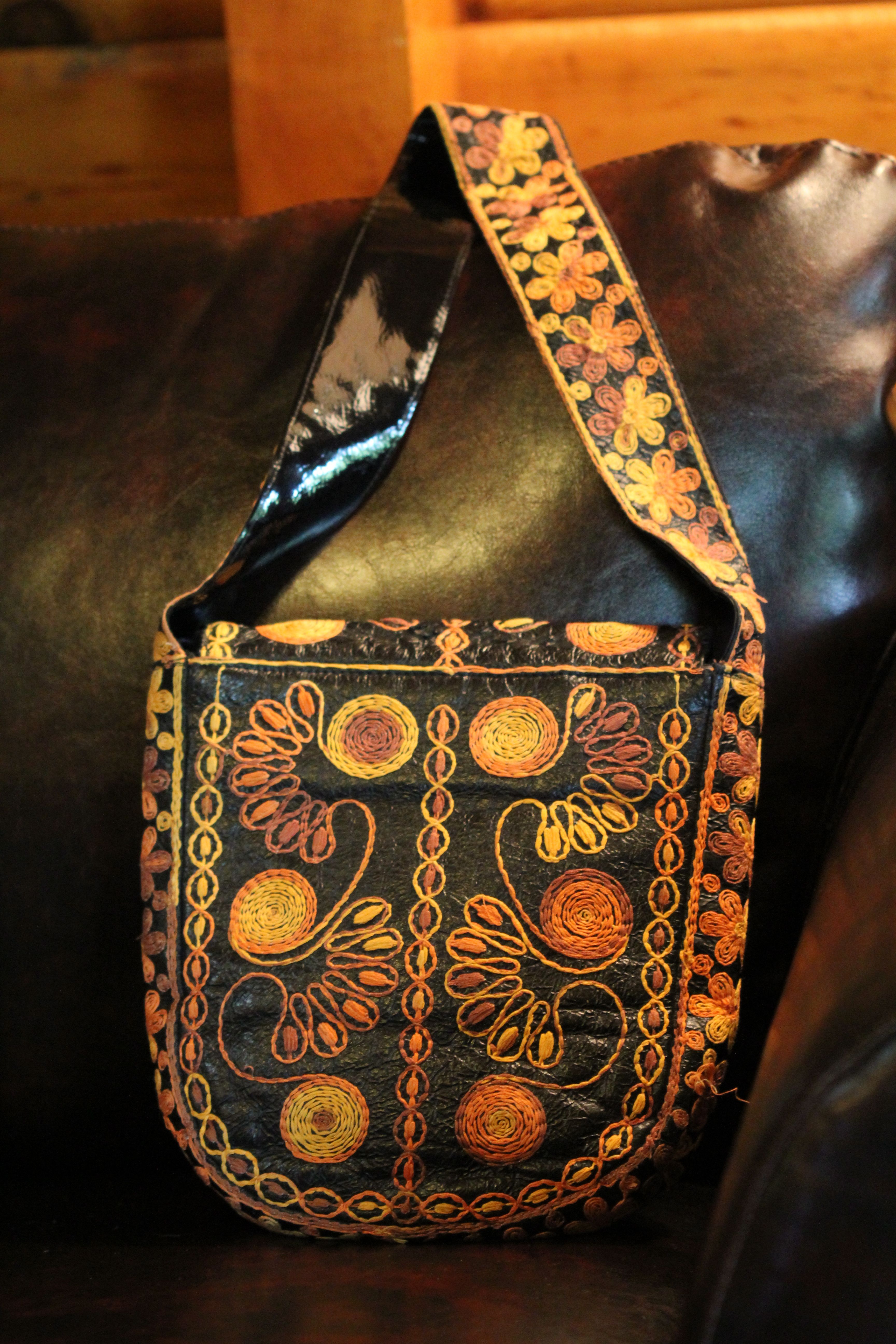
One of my own magical thrift store finds was an eclectic antique teacup and saucer covered in burgundy flowers with blue centers. I just loved the unique shape of the cup. It was very masculine in its design and looked like it belonged in a dark, cozy library. I could almost smell the leather and hint of cigar smoke whenever I used it. Sadly, I lost it in a move and am currently looking for more pieces of this china. I have also bought countless good books (I have hundreds of them) in new condition. Last fall, I found a brand new suede winter coat ($15.00) that looks exactly like the one Cameron Diaz wore in The Holiday (now I just need the tall leather boots to match and I won’t pay over $10). Lately, I have been wearing new and comfy brand-name flannel shirts ($2.99 each) while berry-picking or working out in the yard.  And just yesterday, while in the city, I found this ‘gypsy’ purse ($6.99). It is brand new and exactly what I was looking for. It was the inspiration for this post promoting second-hand shopping.

As our society becomes more eco-conscious, living a simple, environmentally friendly lifestyle is now encouraged and even applauded. Also, during times of economic recession, being frugal, reusing, repurposing and saving money is just using our common sense. In Canada and the United States, resale is now one of the fastest growing businesses in retail. No longer dark and dingy, the thrift stores of today are brightly lit, well organized and the clothes and items have all been washed.

Buying second-hand is not just limited to thrift stores. You can shop for used items at auctions, online (Ebay, Yahoo! Classifieds!, Kijiji, Freecycle, Craig’s List and Preloved in the UK), garage sales, flea markets, pawn shops, used book stores, markets and bazaars.

Currently there are many books published on using second-hand goods to decorate your home, including topics such as ‘flea market style’, ‘Shabby Chic’ and decorating with ‘found objects’.  In her fun and uplifting talk, ‘Wearing Nothing New‘, designer Jessi Arrington, admits that she is ‘outfit obsessed’ and encourages expressing your own unique style using thrift store finds . There are also many blogs written around the theme of second-hand shopping, such as centsationalgirl, and thingsifoundatthethriftstore, to name a few.

When shopping second-hand, you can often find unique, high-quality and inexpensive clothing, furniture and other household items. If you are crafty and have a good imagination, there are endless opportunities to be creative: a brightly colored shirt could be cut up and sewn into a quilt, a linen tablecloth could be sewn into some natural cushions (just add some wooden buttons), visit My Repurposed Life to see how a coffeepot can be turned into a lamp; or blueroofcabin to see how an old door can be turned into a banquette.

Second-hand shopping is especially helpful if you have growing children. You can find new brand-name clothing for a fraction of the price as well as toys, books and games.

Also consider second-hand pets. Adopt a rescue dog (or cat or rabbit or guinea pig or hamster or bird) from your local animal rescue society instead of buying a brand new puppy from a puppy mill. (I found Lucy through nasap.) Your pet gets a second chance at a good, loving life and you get a loyal, grateful pet. Both Lucy and I highly recommend this!!!

And don’t forget to donate items that are no longer useful to you to your local thrift store! Declutter. Dejunk.

cabinorganic’s top ten reasons to buy second-hand

  1. it protects the environment

by preventing useful goods from becoming waste in the landfill and requiring no new resources or energy to create

2. it is a way of buying ‘local’

as goods were not transported far to get to you

3. it builds community

by supporting the charitable organizations that operate many thrift stores (i.e. Salvation Army offers meals, shelter, job training and spiritual guidance to the needy; Goodwill offers job rehabilitation for adults with special needs; some are run by churches or hospitals)

4. it stimulates the economy

during periods of recession, second-hand buying increases; you save money while still getting ‘retail therapy’ and quality goods

5. it promotes de-junking and de-cluttering in your own life

you don’t feel bad donating it back later when the item is no longer useful to you, because you didn’t pay an arm and a leg for it

6. it gives you a chance to be creative

if you are crafty you can use a used item for a project

7. you find unique, one-of-a-kind goods that you may not be able find new anymore 

8. it saves you money as used goods costs much less!!!

9. it is part of living a simple, intentional, eco-conscious life

10.  it is FUN

The thrill of the hunt, getting a good bargain and finding just what you need and paying so little for it is so satisfying. And you really never know what you will find. My friend, K, was recently telling me about many of her thrift store finds, including some beautifully tailored wool suits that she once bought for her husband (you can’t find that quality material anymore) and the full length seal skin jacket that she bought for herself! Happy second-hand shopping, everyone. I’ll let you know when I find my teacup and saucer!